Political Speculation and Denial in Maharashtra: The Dynamics of Alliance Stability
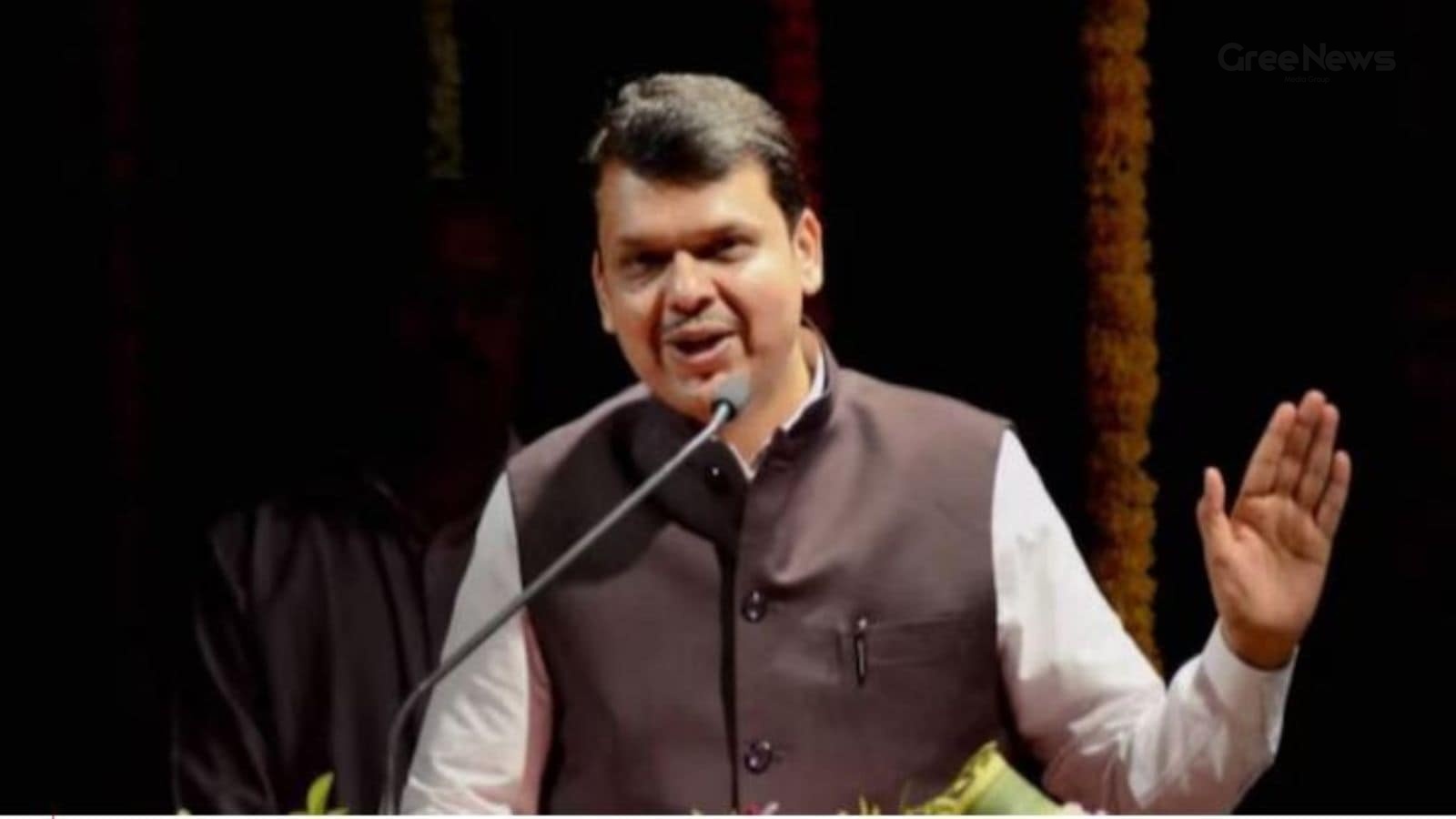
Devendra Fadnavis threw a bit of shade this week. He was talking about some noise swirling around in Delhi that whole idea that the BJP was trying to pull the Sharad Pawar-led NCP-SP into the NDA fold. It’s always something, isn't it? These political currents just keep shifting, creating these phantom narratives where you try to fit the pieces together, and suddenly there’s a story about defections or secret deals brewing behind closed doors.
The Chief Minister essentially shut that speculation down. He made it clear, right there in Delhi, that both the NDA at the Centre and what was happening in Maharashtra wasn't interested in bringing in any fresh political parties right now. It felt like a firm line drawn, an assertion of boundaries against whatever whispers were circulating about potential realignment.
Fadnavis said his doors weren’t open for new parties. That was the core message. He brought up working with the alliance partners already in Maharashtra, those who were part of the NDA structure there. It was a direct pushback against the notion that some kind of internal maneuvering was underway to change allegiances based on external pressures or political ambition. Defections? He called those discussions baseless. Just rumors floating around without any real substance attached to them.
This whole talk happened while things were already heating up in Maharashtra. You can’t ignore the background noise, especially when you think about what had recently occurred. Remember ‘Operation Tiger’? That whole episode where some MLAs from the Uddhav Thackeray camp reportedly crossed over to Eknath Shinde’s Shiv Sena. That event set a certain tone, didn't it? It created an atmosphere ripe for suspicion, making every political interaction look more scrutinized than usual.
And that’s when the whispers got louder. Suddenly, those reports about senior BJP leaders reaching out to the NCP (SP) felt less like idle gossip and more like something concrete being discussed in a specific context. The speculation picked up serious momentum right around that time. It seemed almost inevitable now, given the political climate.
We saw this ripple effect when news surfaced about Vinod Tawde, the national general secretary of the BJP, meeting with Jayant Patil, the state president of NCP (SP), over in Delhi. That kind of interaction, even if framed innocently meetings about parliamentary committees or government work gets immediately reinterpreted by political observers into something much more dramatic. It fuels the buzz. People start looking for hidden motives in every handshake and conversation between leaders from different camps.
Fadnavis insisted that there was no intention on the part of the BJP to engineer any defections, not to break up the NCP (SP) or persuade their MLAs or MPs to switch sides just to strengthen some alliance ahead of future elections. It was a very direct denial about the mechanics of political power. He stressed unity within their current structure the Mahayuti coalition remained strong and united, moving forward together. That felt like an attempt to anchor things firmly in the present reality, rejecting any narrative that suggested imminent fragmentation.
Meanwhile, there were those who were hearing these stories, the leaders within NCP (SP), and they reacted strongly. They didn't just sit back and accept the speculation as fact. There was a definite pushback from their side. Rohit Pawar, an MLA from the party, made it clear that there was no truth to claims about talks with the NDA. He said flat out that such discussions weren't happening within the party structure at all. It dismissed the reports entirely as mere rumours.
It’s interesting how different people process these events. While Fadnavis was setting a firm boundary, the NCP (SP) leadership was dealing with the fallout of those rumors themselves. They seemed determined to deny any narrative that suggested internal instability or external manipulation driving their decisions. There’s always that layer of denial when things get messy in politics.
Then you have Supriya Sule, the MP from the party, who also stepped in. She echoed the sentiment that the reports were baseless. But she offered a slightly different angle on why those meetings might have happened. Instead of dismissing them outright as pure fiction, she suggested there was nothing inherently unusual about leaders from different parties meeting. She pointed out that Jayant Patil and Vinod Tawde had met several times over the last month. These meetings weren’t necessarily about grand political deals; they were linked to official engagements parliamentary committees, government work, those kinds of necessary official interactions.
It forces you to look at the dynamic differently. It suggests that interaction between leaders across political lines isn't always a sign of an impending betrayal or a planned defection. Sometimes, it just reflects the messy reality of governing and coordinating on administrative details. But in this charged environment, those mundane meetings get instantly loaded with extra meaning.
The whole situation is layered, really. You have the official statements from the Chief Minister trying to control the narrative about alliance stability. And then you have the internal pushback from the party leaders denying any conspiracy theory that might destabilize them further. It’s a constant tug-of-war between public assertion and private maneuvering.
The context surrounding these political moves is crucial, of course. You can't just look at the quotes in isolation. You have to remember the backdrop. The recent events in Maharashtra the shifts in power dynamics, the internal tensions within the state’s ruling structure all feed into this speculation. These rumors aren't floating in a vacuum; they are reacting directly to a highly volatile political environment where loyalty is constantly being tested and redefined by immediate necessity.
It becomes less about grand strategy and more about very localized, intensely personal negotiations played out under the surface of public pronouncements. Fadnavis’s statement was an attempt to freeze that movement, to declare that the alliance structure remains fixed, regardless of what some might be suggesting behind closed doors in Delhi or Mumbai. But the reality seems to suggest those doors are always slightly ajar, letting these rumors slide into persistent background noise.
The difference between dismissing speculation and living within it is vast. One is a deliberate political act; the other is just enduring the atmosphere created by political maneuvering. And right now, that tension between the official line and the circulating gossip is what defines this period. It’s all about managing perception when the ground beneath you feels constantly unsettled. The narrative shifts so quickly. You try to pin down one thing, and suddenly there are ten other angles popping up demanding attention.
Written by Gree News Team — Senior Editorial Board
Gree News Team covers international news and global affairs at Gree News. Our collective of senior editors is dedicated to providing independent, accurate, and responsible journalism for a global audience.
More from India
View All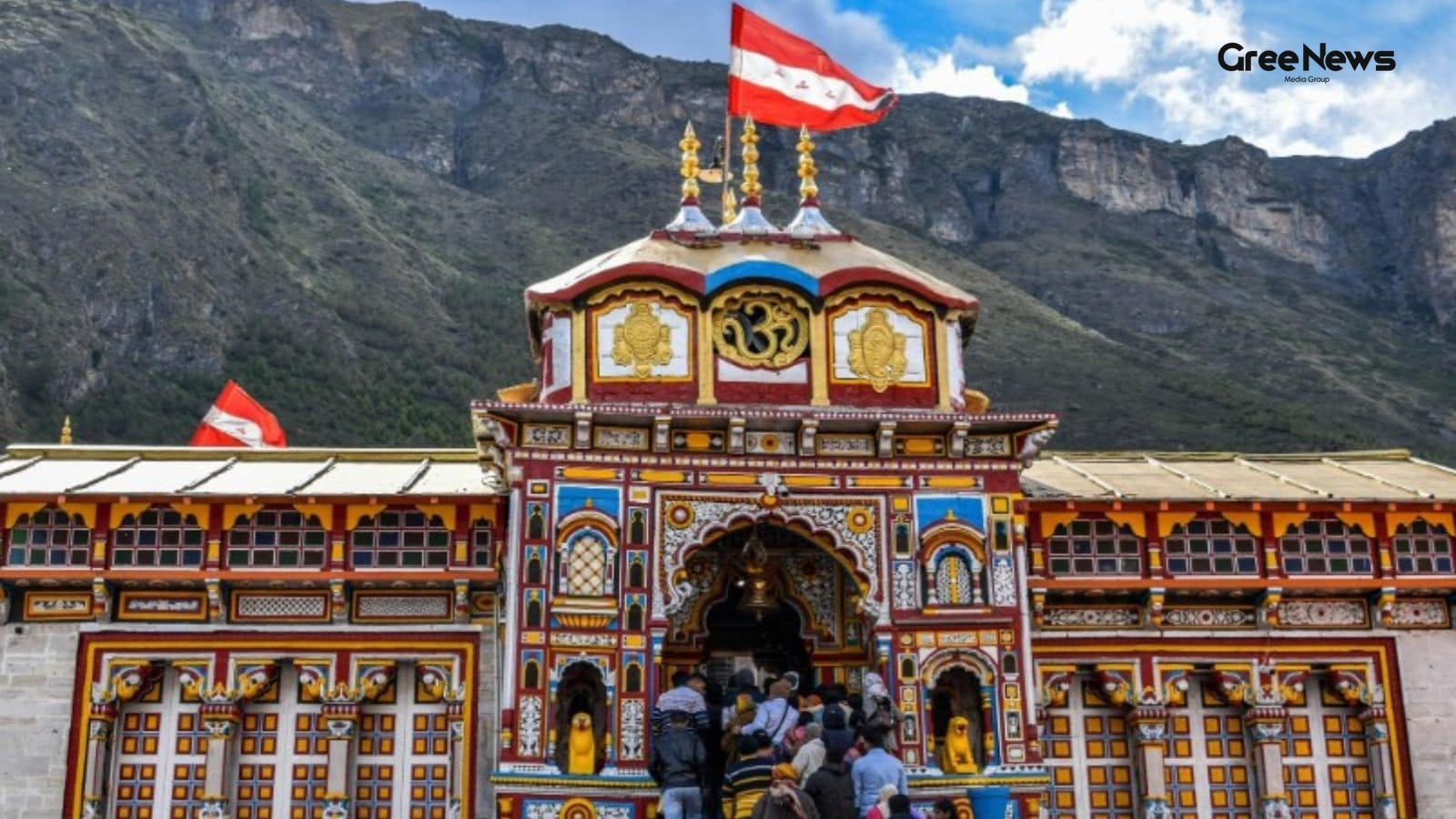
Inquiry into Alleged Donation Messes at Badrinath Temple
The Uttarakhand government just kicked off a big inquiry. It’s about alleged messes with donations at the Badrinath Temple. Really high level stuff. Meanwhile, the Shri Badrinath-Kedarnath Temple Committee BKTC did something else too. They suspended one of their staff members, Pramod Nautiyal. An FI
Jul 8, 2026 by Gree News Team
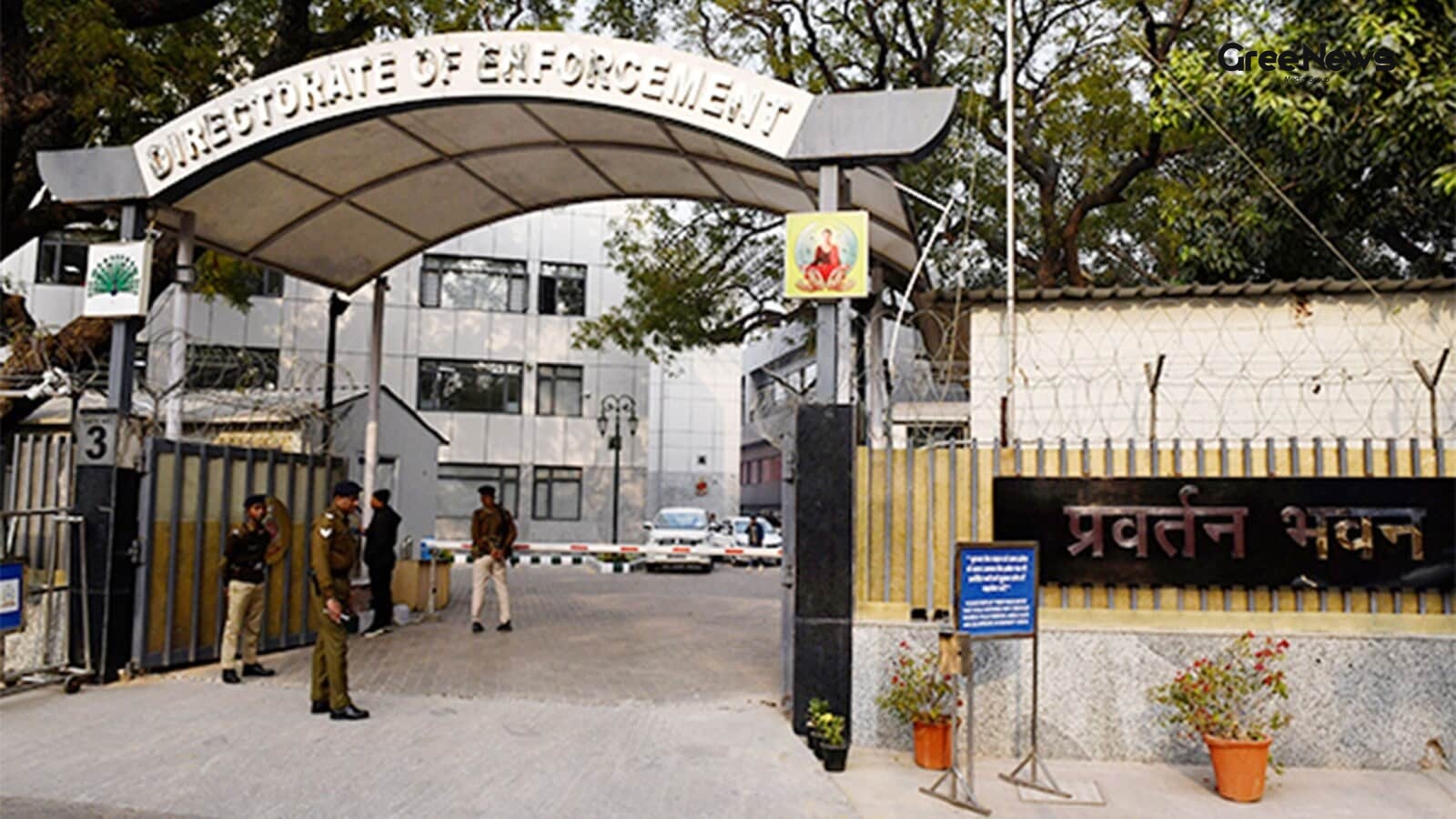
Enforcement Directorate Probe into Money Laundering and Aircraft Deals
An Agusta 109 SP helicopter purchase. That’s where the Enforcement Directorate’s money laundering probe against the Trinamool Congress hit. Investigators are alleging that party funds were shuffled through an aviation company before landing in high-value aircraft deals. It's a tangled web, you see.
Jul 8, 2026 by Gree News Team
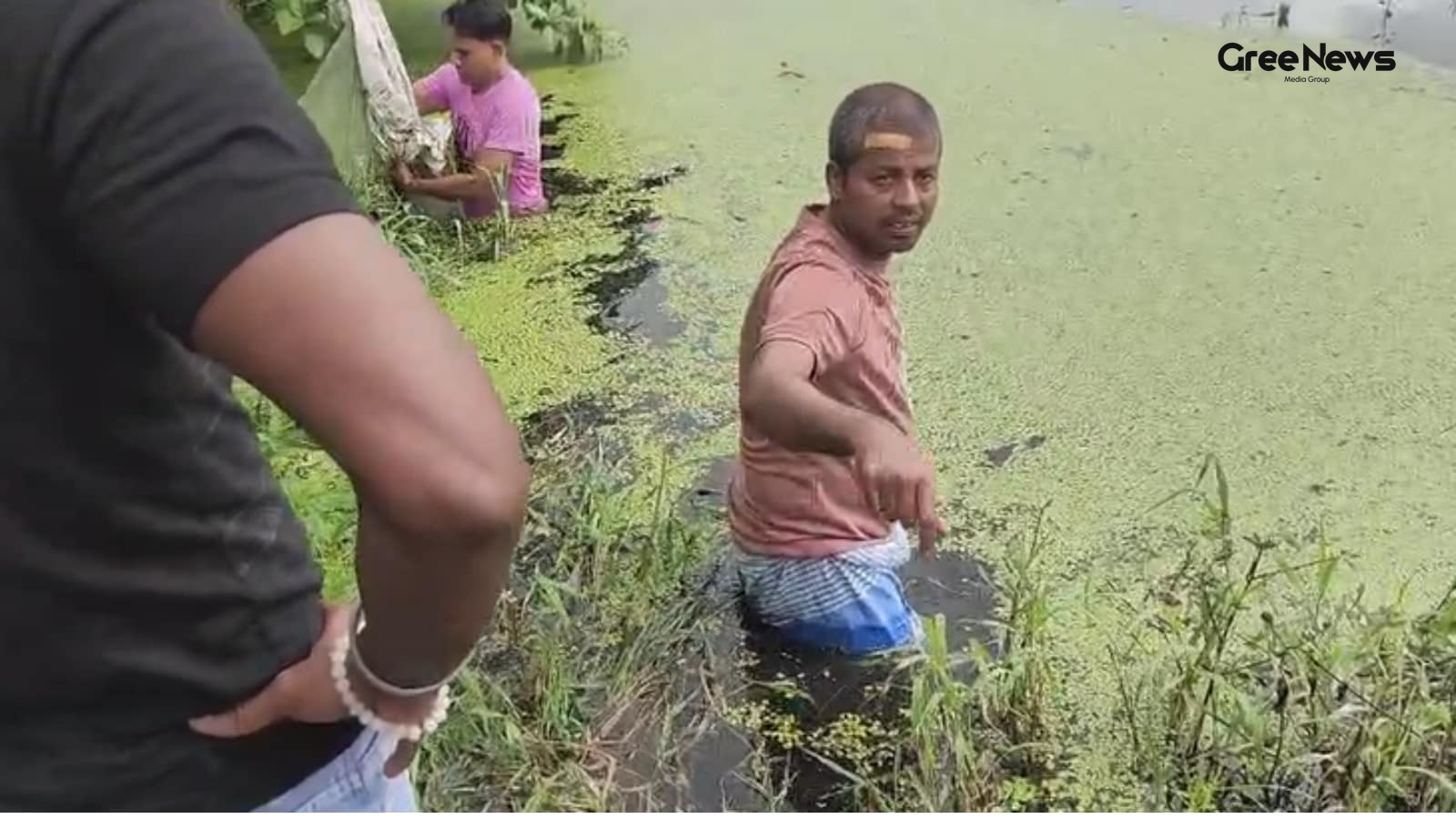
Prabhas Mondal Shot Dead During Crime Scene Reconstruction
Prabhas Mondal was shot dead. That’s what happened during a police encounter while they were trying to reconstruct the crime scene related to the brutal rape and murder of a 12-year-old girl in West Bengal’s Baruipur. The police said they left the station with him, Prabash Mondal, around midnight, m
Jul 8, 2026 by Gree News Team
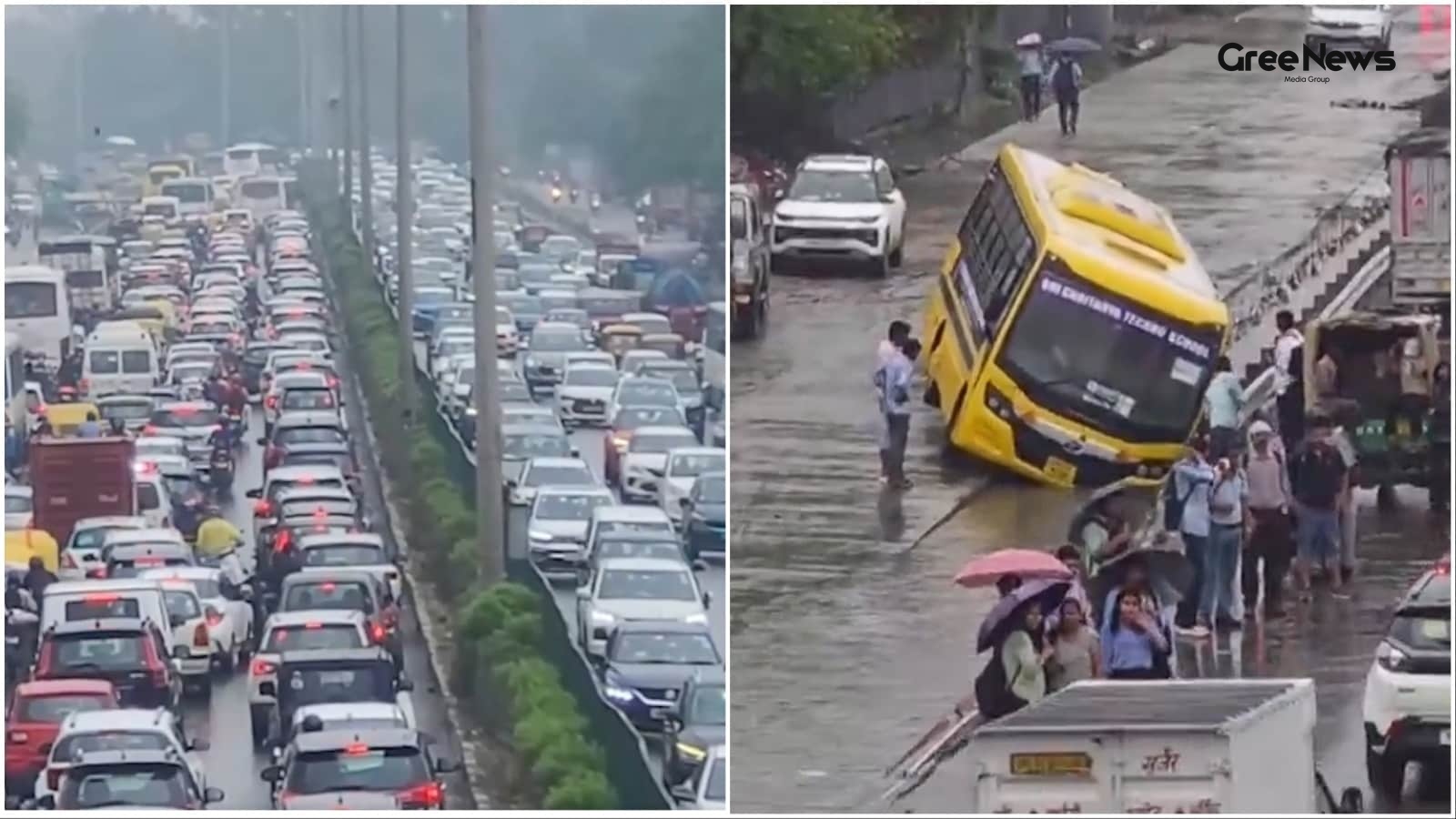
Heavy Monsoon Rain Causes Chaos and Road Damage in Gurugram and Delhi-NCR
Heavy monsoon rain just kept hammering Gurugram on Wednesday. It wasn’t just waterlogging anymore; things were breaking. Roads were flooded, then suddenly, they gave way in spots. This followed the chaos Tuesday brought to the Delhi-Jaipur highway, that NH-48 route. The heavy rainfall had led to act
Jul 8, 2026 by Gree News Team
Latest Headlines
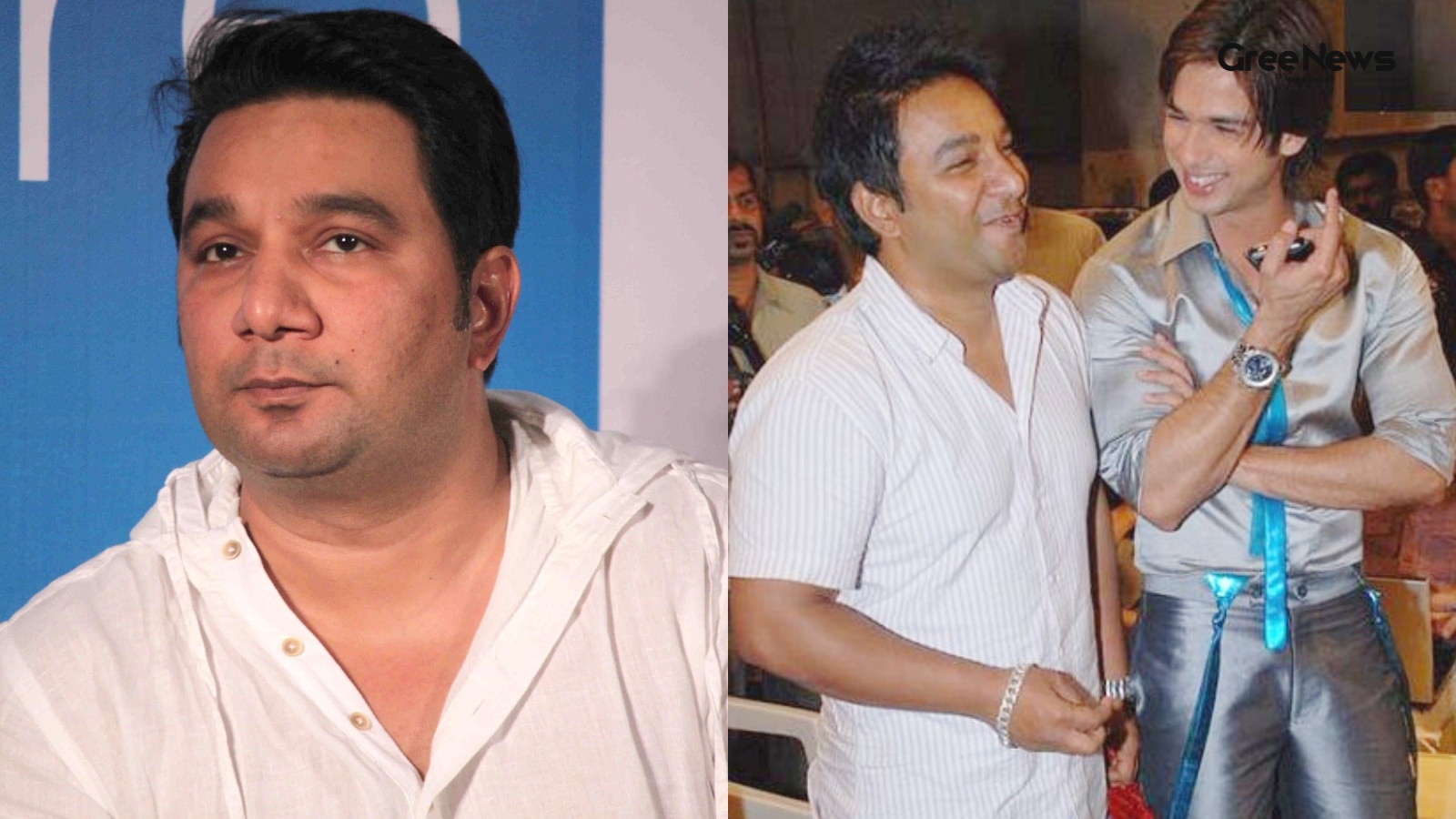
Shahid Kapoor and Ahmed Khan: The Story of Friendship and Collaboration
Shahid Kapoor and Ahmed Khan. Their friendship started way back, childhood stuff. Ahmed was the one who choreographed Shahid in his first big screen thing that iconic 90s pop track by Aryans that featured him and Hrishitaa Bhatt. Instant heartthrob status right there. They kept collaborating on a fe
Jul 8, 2026 by Gree News Team
Inquiry into Alleged Donation Messes at Badrinath Temple
The Uttarakhand government just kicked off a big inquiry. It’s about alleged messes with donations at the Badrinath Temple. Really high level stuff. Meanwhile, the Shri Badrinath-Kedarnath Temple Committee BKTC did something else too. They suspended one of their staff members, Pramod Nautiyal. An FI
Jul 8, 2026 by Gree News Team
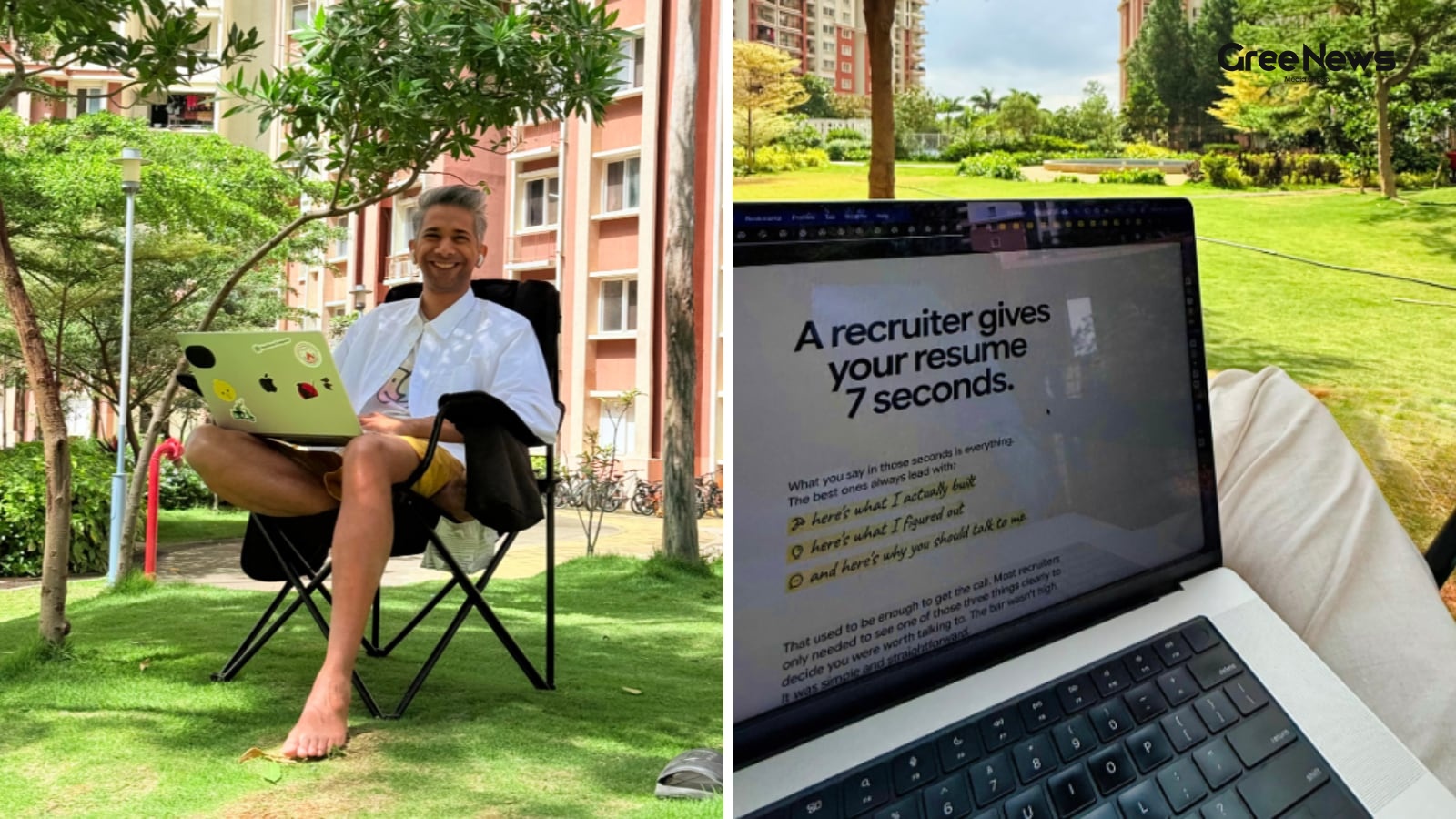
The Freedom and Debate of Remote Work
Remote work. It’s become this huge thing for professionals lately. Some companies are pushing back, asking people to come back in, but others just let things stay flexible. People still get to work wherever they want. One entrepreneur has a story about how remote life completely flipped everything a
Jul 8, 2026 by Gree News Team

The Messiness of Reporting and Shifting Narratives
It’s always messy, isn't it? Trying to report things feels less like building a structure and more like catching pieces as they fall. You don't get clean lines anymore. Everything gets jammed up. We were tracking these shifts in the background, you know? Not some neat timeline with clear cause and e
Jul 8, 2026 by Gree News Team

US Strikes Against Iran and Impact on Oil Markets
Oil prices jumped again this week after the United States kicked off another series of strikes against Iran on Tuesday. This happened right after there were attacks on shipping in that crucial Strait of Hormuz. The military unleashed what they called “powerful strikes,” hitting eighty targets across
Jul 8, 2026 by Gree News Team
Geopolitical Deadlock: Conflict, Economics, and Rituals in the Middle East
The air in Tehran felt thick lately. Heavy with unspoken threats and a kind of simmering, almost exhausted defiance. It’s hard to process what’s happening when you look at the sheer volume of noise coming from the Middle East right now. You just keep watching. Deputy Mayor Hamidreza Gholamzadeh, he
Jul 8, 2026 by Gree News Team
Recognizing Economic Background as a Reason for Discrimination in Education
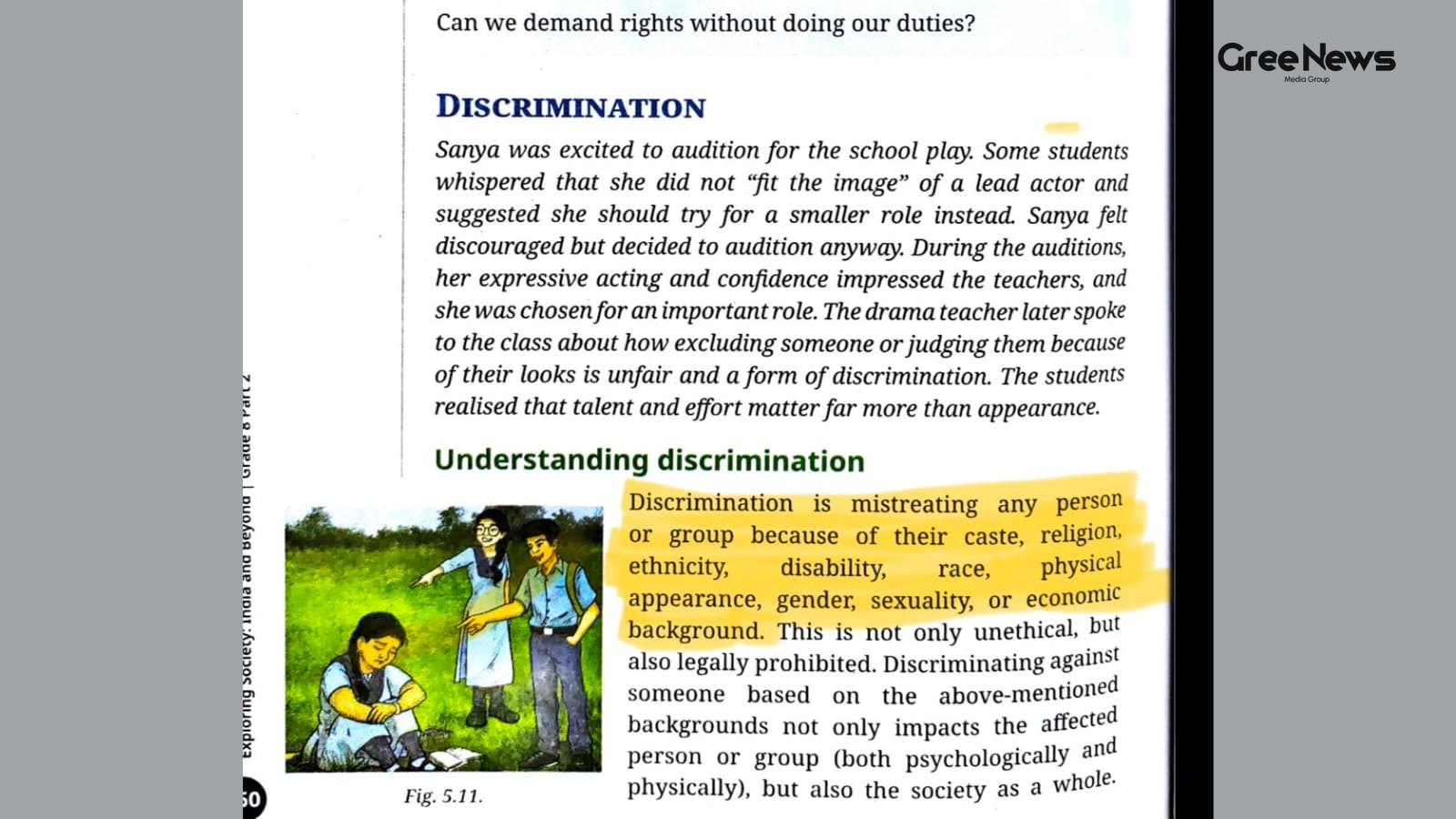
The National Council of Educational Research and Training, they just rolled out this change in the Class 8 Social Science textbook. It’s significant. They decided to explicitly recognize economic background as a real reason for discrimination. Put it right alongside caste, religion, race, gender, di
Jul 8, 2026 by Gree News Team
Enforcement Directorate Probe into Money Laundering and Aircraft Deals
An Agusta 109 SP helicopter purchase. That’s where the Enforcement Directorate’s money laundering probe against the Trinamool Congress hit. Investigators are alleging that party funds were shuffled through an aviation company before landing in high-value aircraft deals. It's a tangled web, you see.
Jul 8, 2026 by Gree News Team
Dipika Kakar's Cancer Recovery Journey and Ongoing Treatment
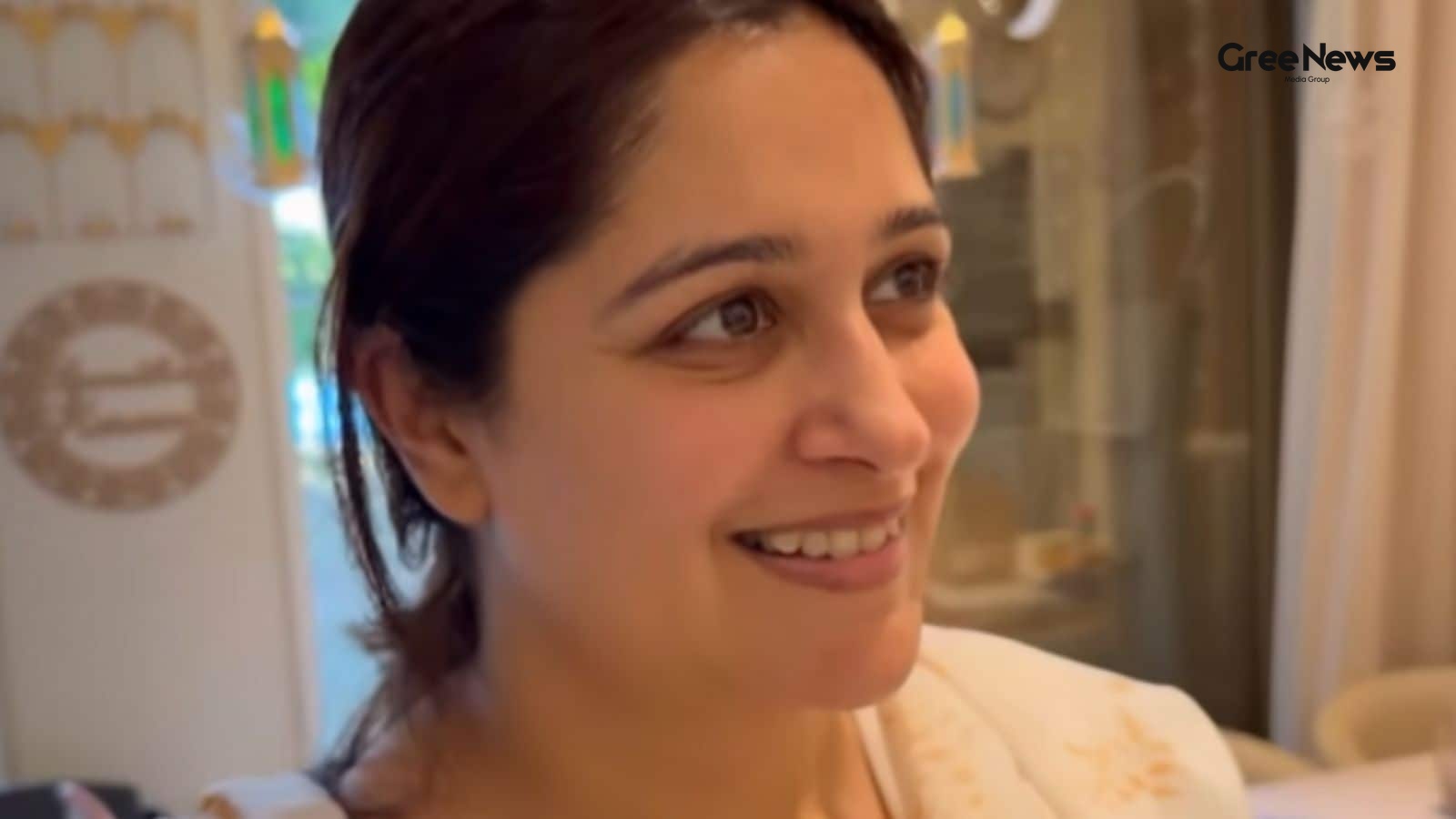
Dipika Kakar’s recovery isn't some neat timeline marked by a single surgery or when the doctors finally stamp 'success.' It’s just… ongoing stuff. Regular hospital trips. Those IV infusions. Choosing to keep moving, one slow step at a time. She recently gave fans another look behind the curtain, sho
Jul 8, 2026 by Gree News Team

Google Pixel Launch Predictions and Hardware Updates
Google’s gearing up for that next big Pixel launch. It’s scheduled for next month. They’ll be showing off the new Pixel 11 series, naturally, but you’ll also see stuff like the Pixel Watch 5 and even the updated Pixel Buds version creeping in there too. It always is the Made by Google event. That’s
Jul 8, 2026 by Gree News Team
Erling Haaland: The Diet, Discipline, and Indulgences of an Elite Footballer
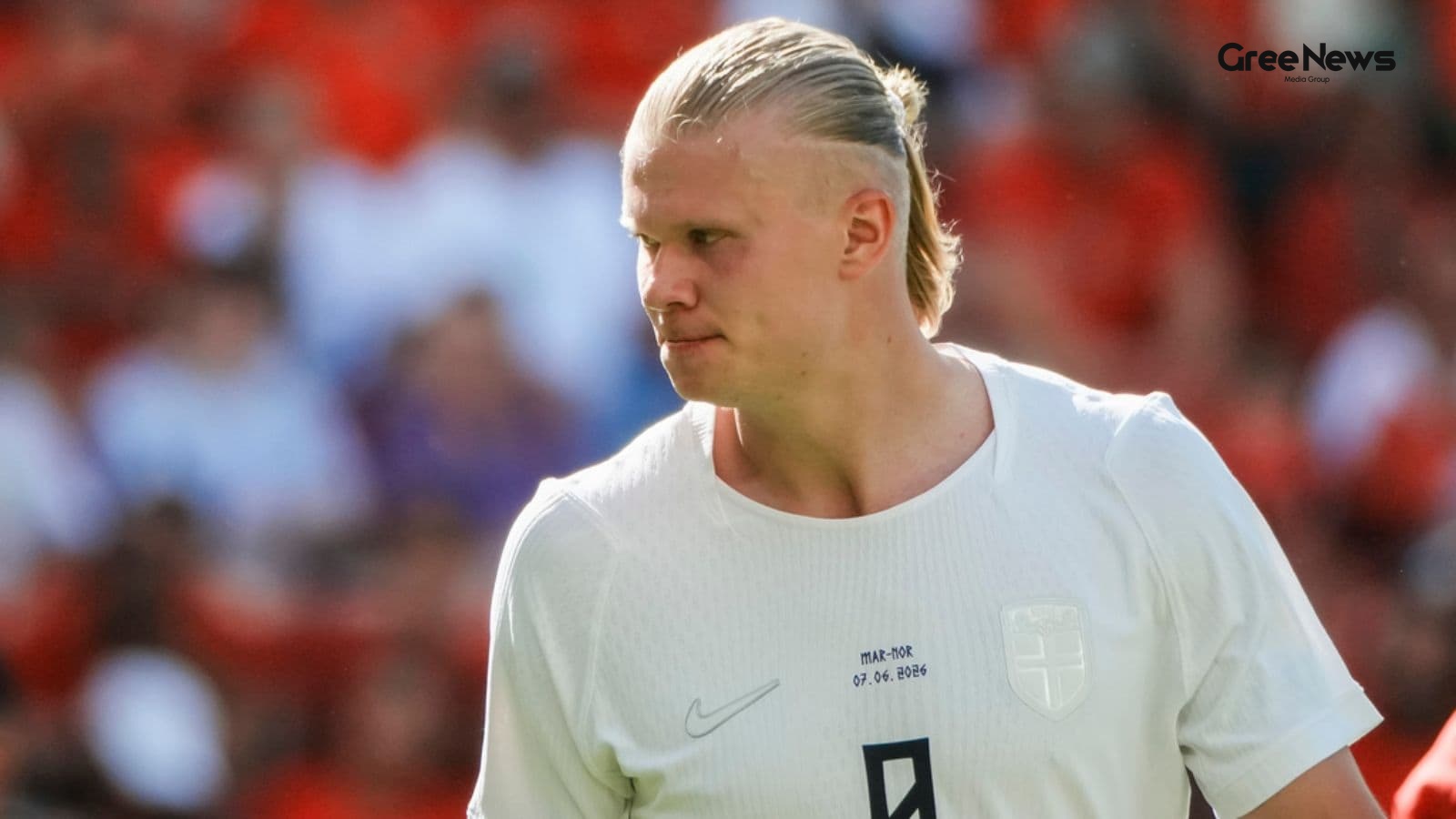
You hear Erling Haaland’s name constantly these days. Even if football isn't your thing, you catch it. He’s been on fire at the World Cup 2026. Goals kept rolling in. Two goals against Senegal in Norway. A tight game, 3-2. And he ended up being one of those rare players just the sixth person ever to
Jul 8, 2026 by Gree News Team
The Anger Behind the World Cup: Controversy, Injustice, and Referee Protocol
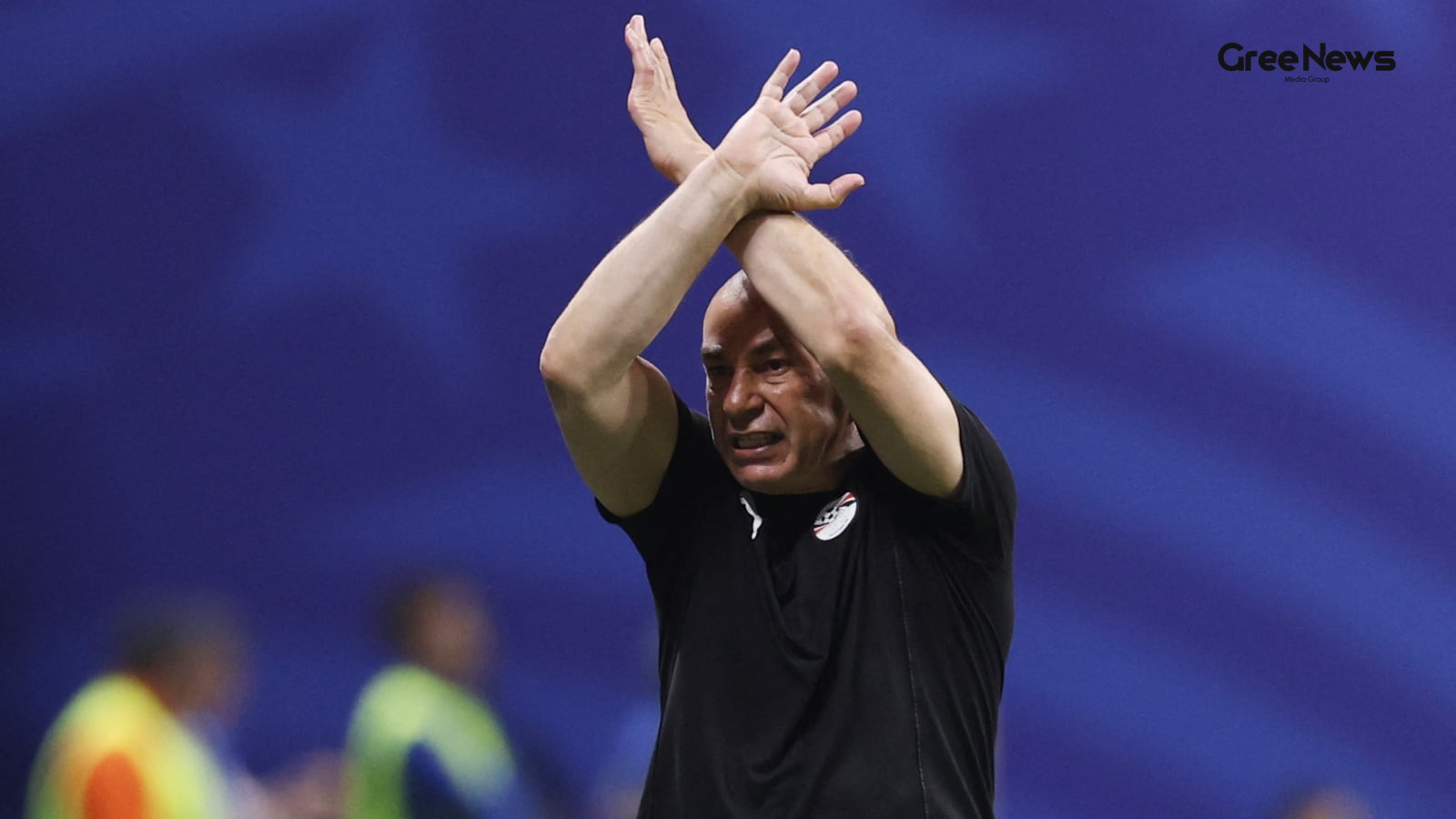
Hossam Hassan was absolutely fuming. You could practically hear the rage radiating off him during that press conference after the results came in. It wasn't just disappointment; it was pure, boiling anger because his team had been eliminated from the FIFA World Cup 2026. A crushing defeat. They lost
Jul 8, 2026 by Gree News Team

Market Plunge Driven by Geopolitical Tensions and Oil Spike
Markets took a serious hit Wednesday afternoon. Domestic equity markets just tumbled over two and a half percent. All because fresh geopolitical tensions flared up in West Asia. Investor mood shifted fast. It all kicked off after President Trump dropped some heavy remarks about the memorandum of und
Jul 8, 2026 by Gree News Team
Prabhas Mondal Shot Dead During Crime Scene Reconstruction
Prabhas Mondal was shot dead. That’s what happened during a police encounter while they were trying to reconstruct the crime scene related to the brutal rape and murder of a 12-year-old girl in West Bengal’s Baruipur. The police said they left the station with him, Prabash Mondal, around midnight, m
Jul 8, 2026 by Gree News Team
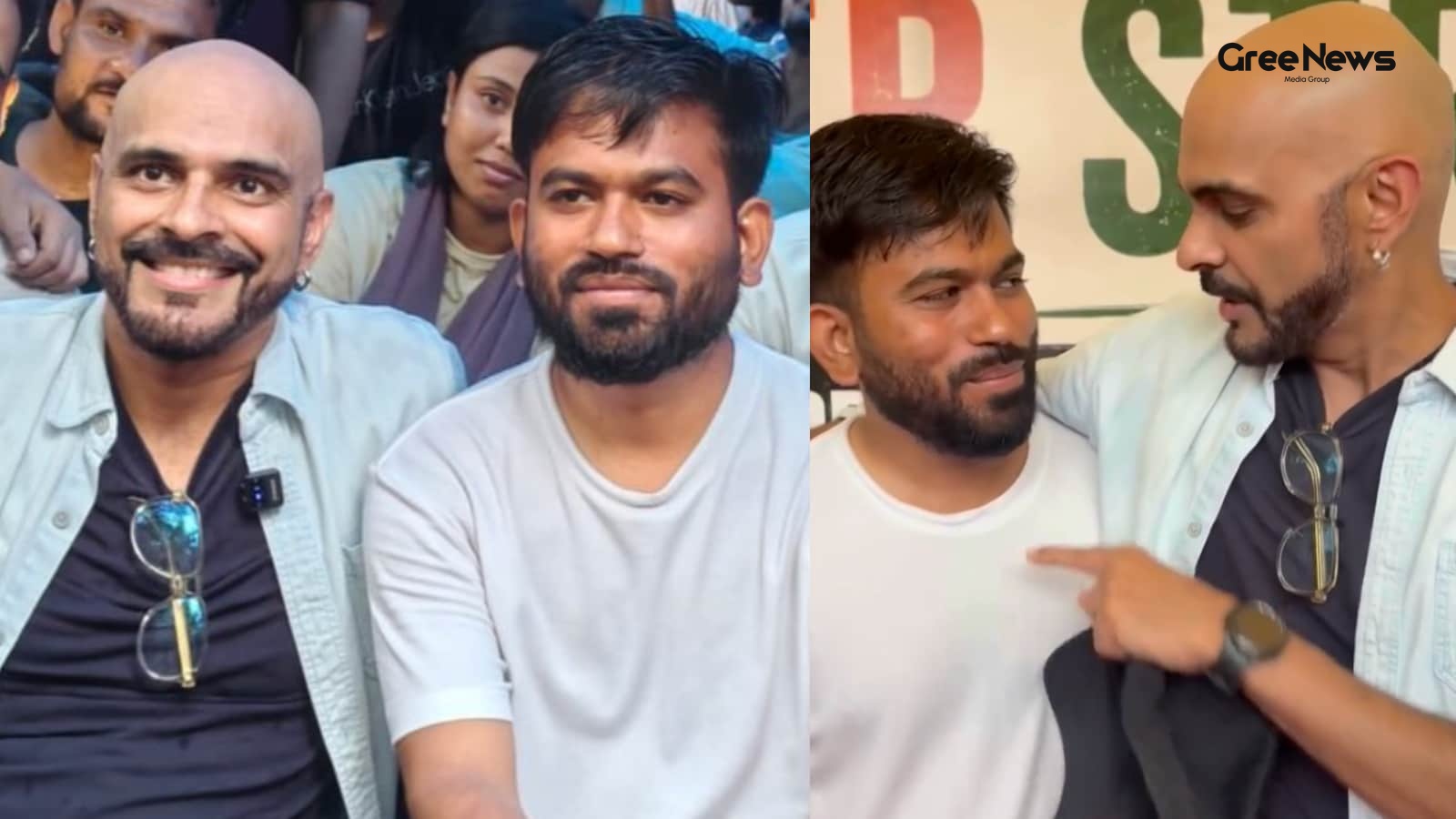
Mistaken Identity and Social Media Madness: The Story of Raghu Ram and Abhijeet Dipke
A bit of a complete mess happened recently involving some old TV clips and social media madness. It started with a total case of mistaken identity, which somehow ended up being pretty hilarious. Raghu Ram, who used to be that Roadies gang leader, and Abhijeet Dipke, the founder of the Cockroach Jant
Jul 8, 2026 by Gree News Team