Geopolitical Deadlock: Conflict, Economics, and Rituals in the Middle East
The air in Tehran felt thick lately. Heavy with unspoken threats and a kind of simmering, almost exhausted defiance. It’s hard to process what’s happening when you look at the sheer volume of noise coming from the Middle East right now. You just keep watching.
Deputy Mayor Hamidreza Gholamzadeh, he speaks often about where things stand, or rather, where they don't stand anymore. He claimed something pretty stark, didn't he? That the United States has already run out of conventional moves against Iran. They’ve hit a wall. And what’s left? Well, apparently, the only thing Americans can resort to now is the big one. Nuclear bombing. That’s the endpoint, he suggested.
He told India Today , that regardless of whatever pressure Washington applies or fails to apply Iran will keep fighting. It’s a stubborn kind of resolve, this feeling. Like something deeply ingrained, refusing to bend even when everything else seems broken around it.
“Now the only option Americans can use against us is nuclear bombing,” he said. The weight of that statement hangs there, doesn't it? It pulls you right into the abyss of what comes next for everyone involved. They just can’t do anything more. That simple admission feels like a kind of finality, or maybe just an absolute declaration of deadlock.
And then there’s the Strait of Hormuz. That artery of global energy trade. Nearly one-fifth of everything flows through that narrow stretch of water. It’s not just geography; it’s the pulse of the world economy right now. Gholamzadeh pointed out something almost unbelievable, or maybe just painfully true in this climate: international law? It doesn't apply there. He said that directly. International law is a nice, clean concept for diplomats and treaties. Out here, in the real fight, things operate by different rules entirely.
He mentioned Iran’s move regarding shipping taxes after sixty days. A tax on passage through that waterway. It’s an act of defiance wrapped up in economics. It signals that they control something vital. Control over access. Control over flow. And this everything is happening while the Strait itself remains open. That paradox, doesn't it? Open water, closed reality.
Speaking about these larger stakes, things were also moving through the political machinery the rituals of statehood colliding with military tension. Gholamzadeh brought up something very personal, almost intensely human in its scale: the funeral for Ayatollah Ali Khamenei. A five-day ceremony started back on July 4th. It wasn't just a private affair; it became this massive public spectacle, stretching across Tehran and Qom before finally moving toward Iraq. Then, the burial, next to Imam Reza in Mashhad, scheduled for July 9th.
He made this observation about what was happening behind the scenes of those large gatherings. He alleged that some people US and Israel, he said were actually considering messing with the funeral. Disrupting it. But then they pulled back. They saw the scale. The sheer volume of public participation. The presence of international dignitaries. It seemed too much to risk that kind of fallout. A very human calculation, really, despite all the high-stakes maneuvering happening just miles away.
It’s strange how those massive, almost sacred events get twisted into geopolitical chess pieces. You have the solemnity of mourning juxtaposed against the raw, ugly reality of conflict brewing just outside the gates. It makes you wonder what is real at all during these times.
Meanwhile, the immediate action keeps ramping up. The US launched another wave of strikes on Iran. They framed it as an “immediate response” to attacks on commercial vessels crossing that strategic waterway. It’s a cycle, isn't it? Strikes back and forth. A continuous escalation where every move is designed to shock, to force a reaction.
Central Command CENTCOM put out a statement about this fresh round of activity. They detailed hitting over eighty targets with precision munitions on July 7th. An immediate response to those vessel attacks in the Strait of Hormuz. It’s reported as precise action, but it still feels like pure, brutal force being applied across the water.
But the fallout isn't just about shipping lanes. The reports from Iranian state media paint a different picture on the ground. They heard explosions. Seven blasts in Sirik. Six projectiles hitting areas around Taheroui Pier. And don’t forget Qeshm Island right there, close to that vital strait and Bandar Abbas port also seeing disturbances reported by their sources. It's a scattered series of noise, evidence of the ongoing friction, heard from different corners of the Iranian coastline.
This renewed assault is what really throws the numbers into perspective. It marks the highest number of strikes in a single day since April. Remember that pause? The aGreement to stop things, a ceasefire aGreed upon by Washington and Tehran under the umbrella of the U.N. International Maritime Organisation. That fragile peace felt like it was holding something together, even if it was paper thin.
And then there’s the economic shift woven into this entire mess. Something else happened simultaneously regarding those sanctions waivers for oil sales. The US revoked that waiver issued to Iran. It reversed course on a key element that had been part of that preliminary ceasefire aGreement. That move alone shifts the narrative. It shows how quickly those carefully constructed aGreements can unravel when political priorities shift, or when force is involved.
An official quoted in The Associated Press made a point about this reversal. They said the move followed Iran’s actions in the strait actions they deemed unacceptable and which demanded consequences. The fresh strikes? That was the consequence being delivered. It threatens what little hope there is for getting maritime traffic flowing smoothly through Hormuz again, because everyone is looking for stability amidst this chaos.
It’s all layered. You have the geopolitical deadlock, the religious ceremony playing out in public view, the economic chokehold of the Strait, and then the kinetic action the strikes, the denials, the official statements. It doesn't line up neatly. It just flows, unevenly. A mess you can’t easily sort out.
There’s a sense that the narrative itself is constantly shifting. One minute you are discussing religious rites or international law, and the next it’s about missile strikes and oil shipments. The connections feel tenuous, almost accidental, but they all point to one thing: continuous pressure. Continuous tension. It's exhausting to follow the thread when every knot seems designed to slip.
The way these things connect it’s not a straight line. There are abrupt shifts. A public statement about mourning immediately followed by details of military bombardment. Then, back to economic leverage over shipping routes. The pacing feels deliberately erratic, doesn't it? It forces you to look at the reality that isn't neatly packaged by official reports.
It’s a constant state of observation, really. Watching how power plays out in these pressurized environments. How deeply human elements like grief, national pride, and economic survival get entangled with high-level military and diplomatic maneuvers. It feels less like reporting events and more like watching a slow-motion collision where the details are constantly being blurred by urgency. The silence between the facts is often louder than the facts themselves.
Written by Gree News Team — Senior Editorial Board
Gree News Team covers international news and global affairs at Gree News. Our collective of senior editors is dedicated to providing independent, accurate, and responsible journalism for a global audience.
More from World
View All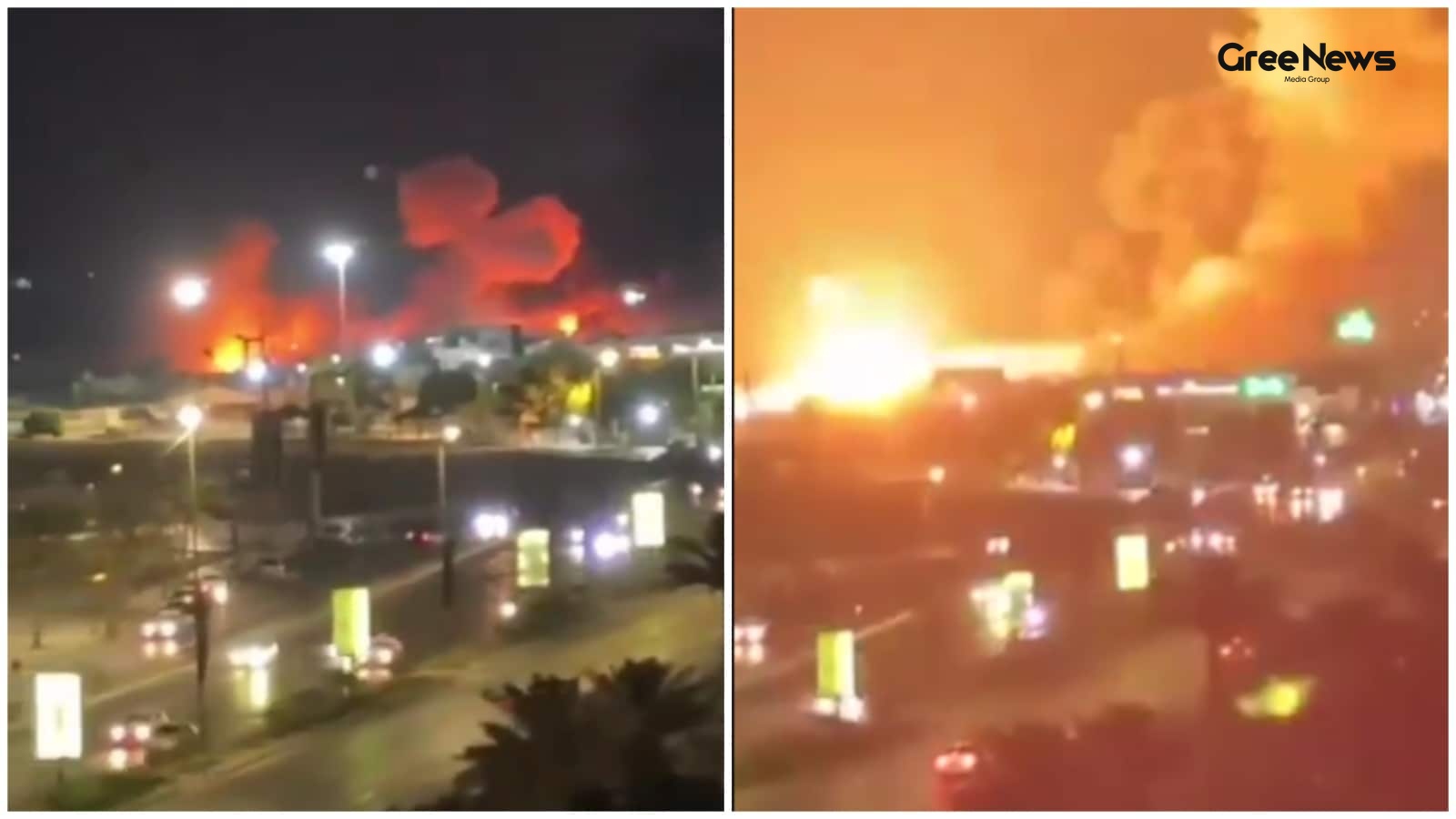
US Strikes and Tensions in the Strait of Hormuz
The US launched fresh strikes on Iran Wednesday. It happened right after ships were attacked in the Strait of Hormuz. These operations look like the most intense since that ceasefire started, you know? Videos are coming out from Bandar Abbas. They show a US strike hitting Shahid Haqqani Port. That p
Jul 8, 2026 by Gree News Team
US Strikes Against Iran and Impact on Oil Markets
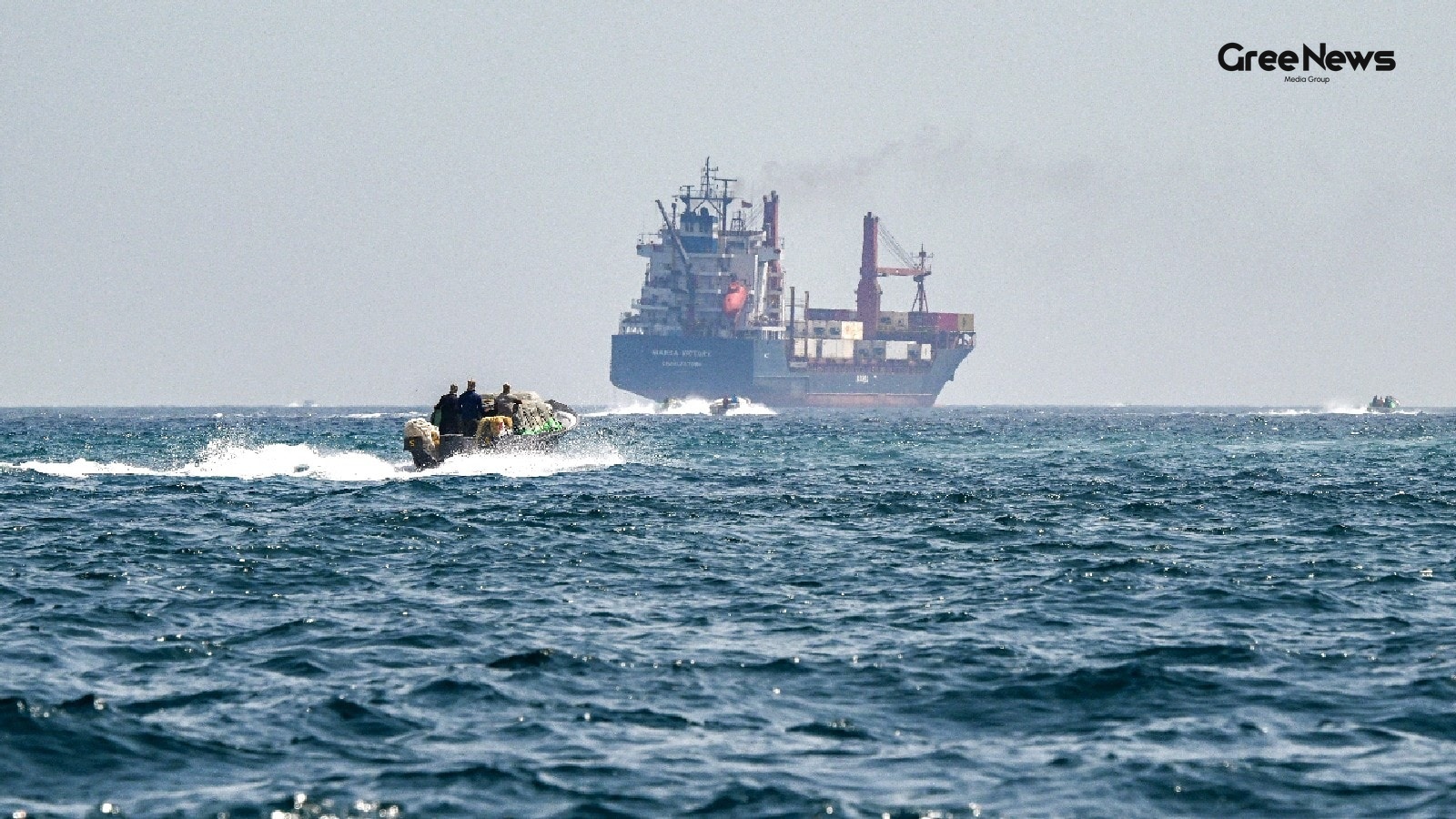
Oil prices jumped again this week after the United States kicked off another series of strikes against Iran on Tuesday. This happened right after there were attacks on shipping in that crucial Strait of Hormuz. The military unleashed what they called “powerful strikes,” hitting eighty targets across
Jul 8, 2026 by Gree News Team
Senior Military Commanders Greenlit Strikes Across Iran
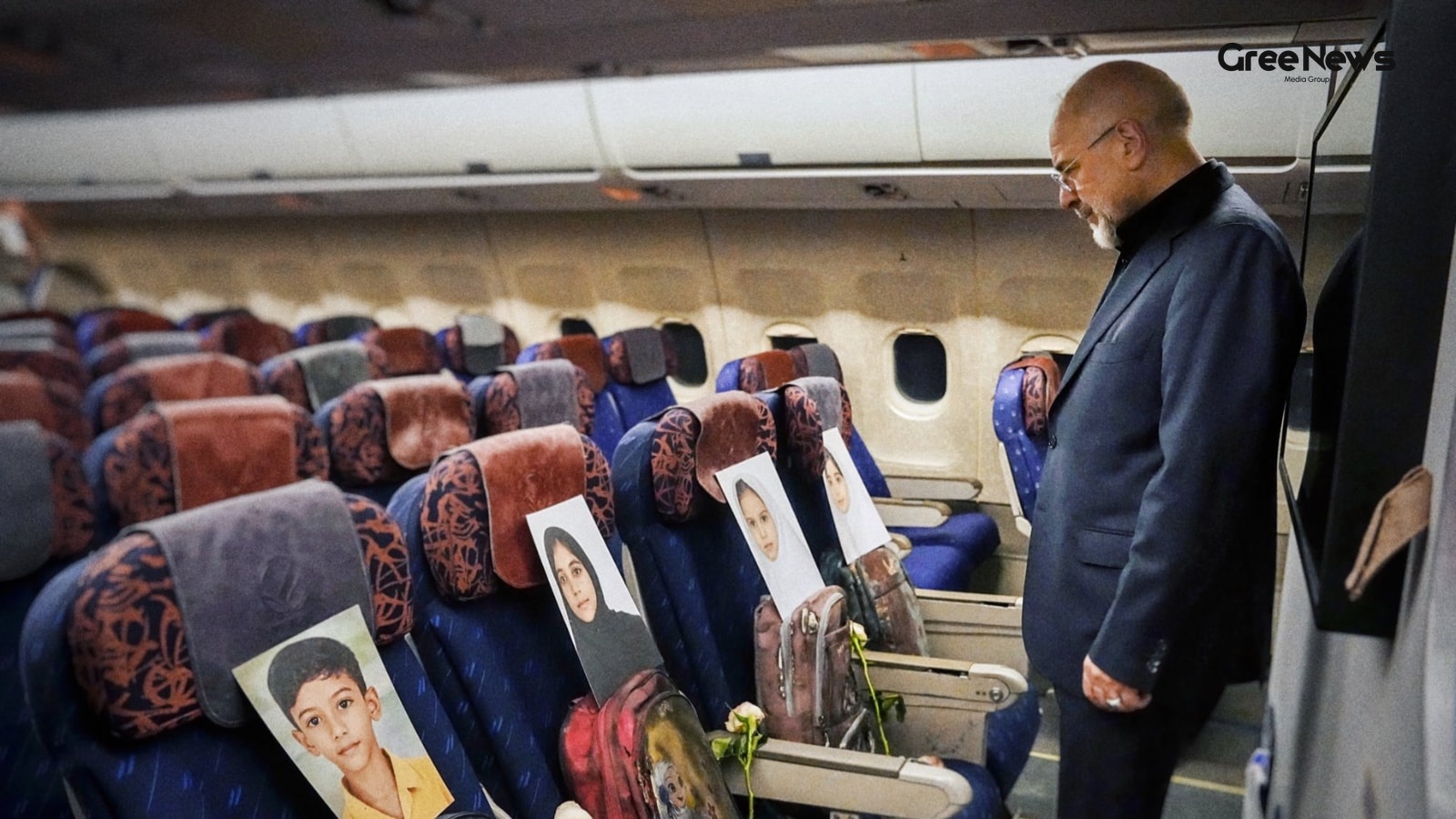
Senior military commanders greenlit strikes across Iran. This included one hitting a school in Minab, down in the south. It happened in February. But they ignored warnings. Warnings that intelligence about potential targets was probably already old. Messages came through suggesting the input used fo
Jul 8, 2026 by Gree News Team
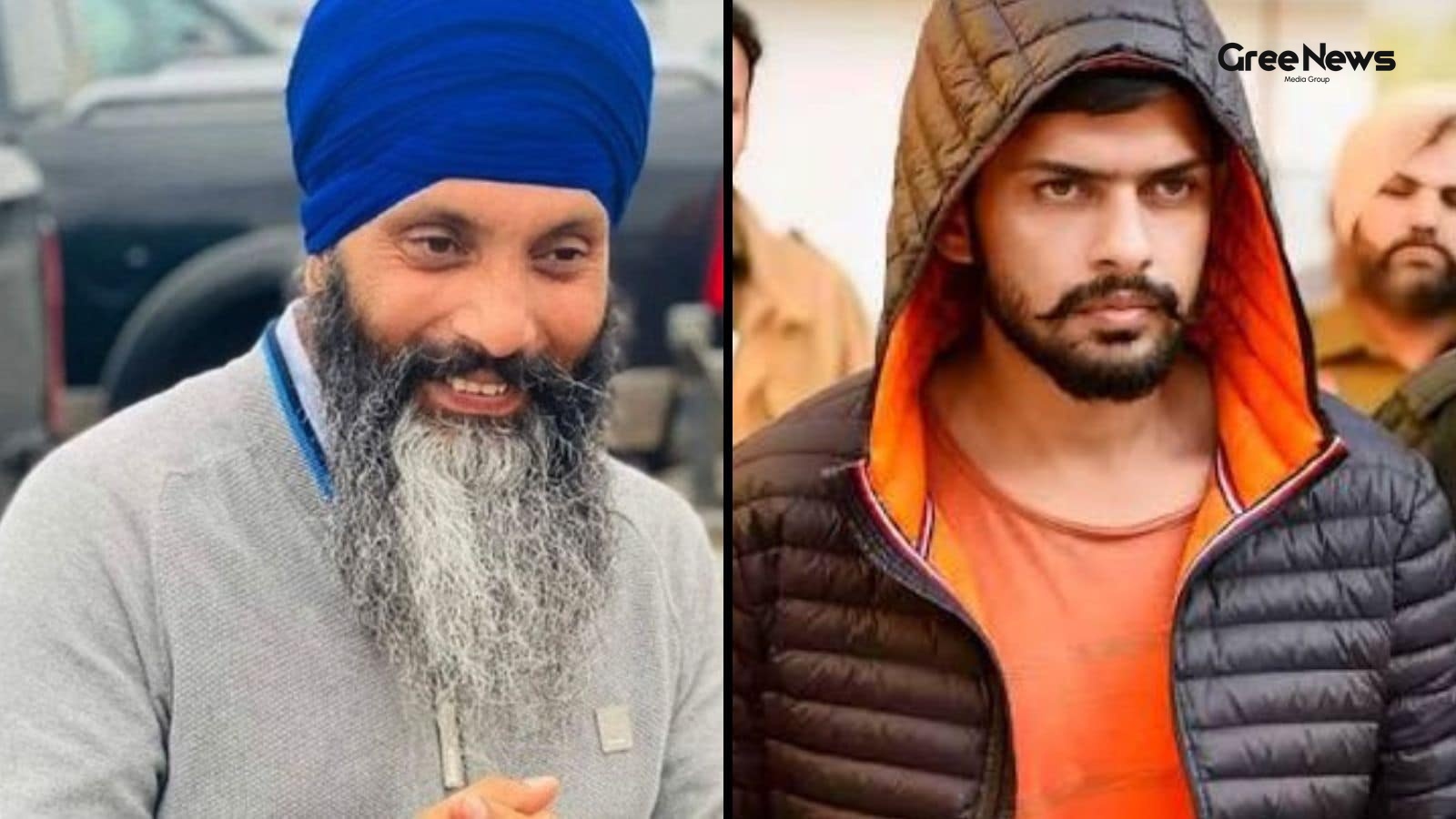
Canadian Investigation, US Indictments, and Transnational Organized Crime
Nearly three years have passed since Justin Trudeau brought up those "credible allegations" linking Indian government agents to Hardeep Singh Nijjar’s killing. That’s the backdrop for what the Canadian police have said recently. The RCMP investigation, which was looking into that whole situation, ul
Jul 8, 2026 by Gree News Team
Latest Headlines

Akanksha Chamola's Journey: Divorce, Freedom, and Identity
Akanksha Chamola finally made up her mind about things. She confirmed the divorce from Gaurav Khanna on Lock Upp Season 2. It sounds like she just doesn't want to get married again. She said she wants to live entirely on her own terms now. For the first time in her life, she’s not going into that pa
Jul 8, 2026 by Gree News Team
US Strikes and Tensions in the Strait of Hormuz
The US launched fresh strikes on Iran Wednesday. It happened right after ships were attacked in the Strait of Hormuz. These operations look like the most intense since that ceasefire started, you know? Videos are coming out from Bandar Abbas. They show a US strike hitting Shahid Haqqani Port. That p
Jul 8, 2026 by Gree News Team
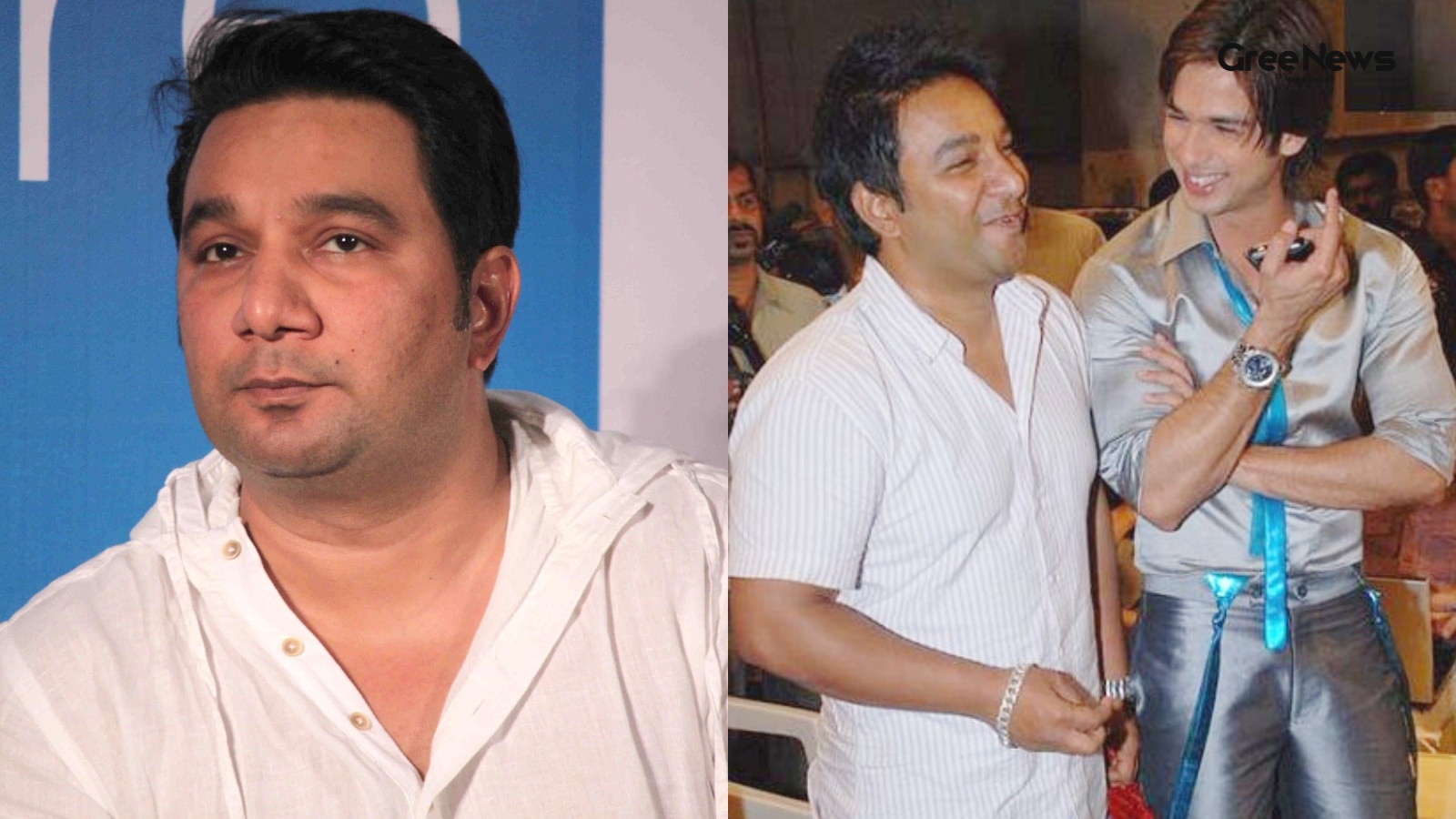
Shahid Kapoor and Ahmed Khan: The Story of Friendship and Collaboration
Shahid Kapoor and Ahmed Khan. Their friendship started way back, childhood stuff. Ahmed was the one who choreographed Shahid in his first big screen thing that iconic 90s pop track by Aryans that featured him and Hrishitaa Bhatt. Instant heartthrob status right there. They kept collaborating on a fe
Jul 8, 2026 by Gree News Team
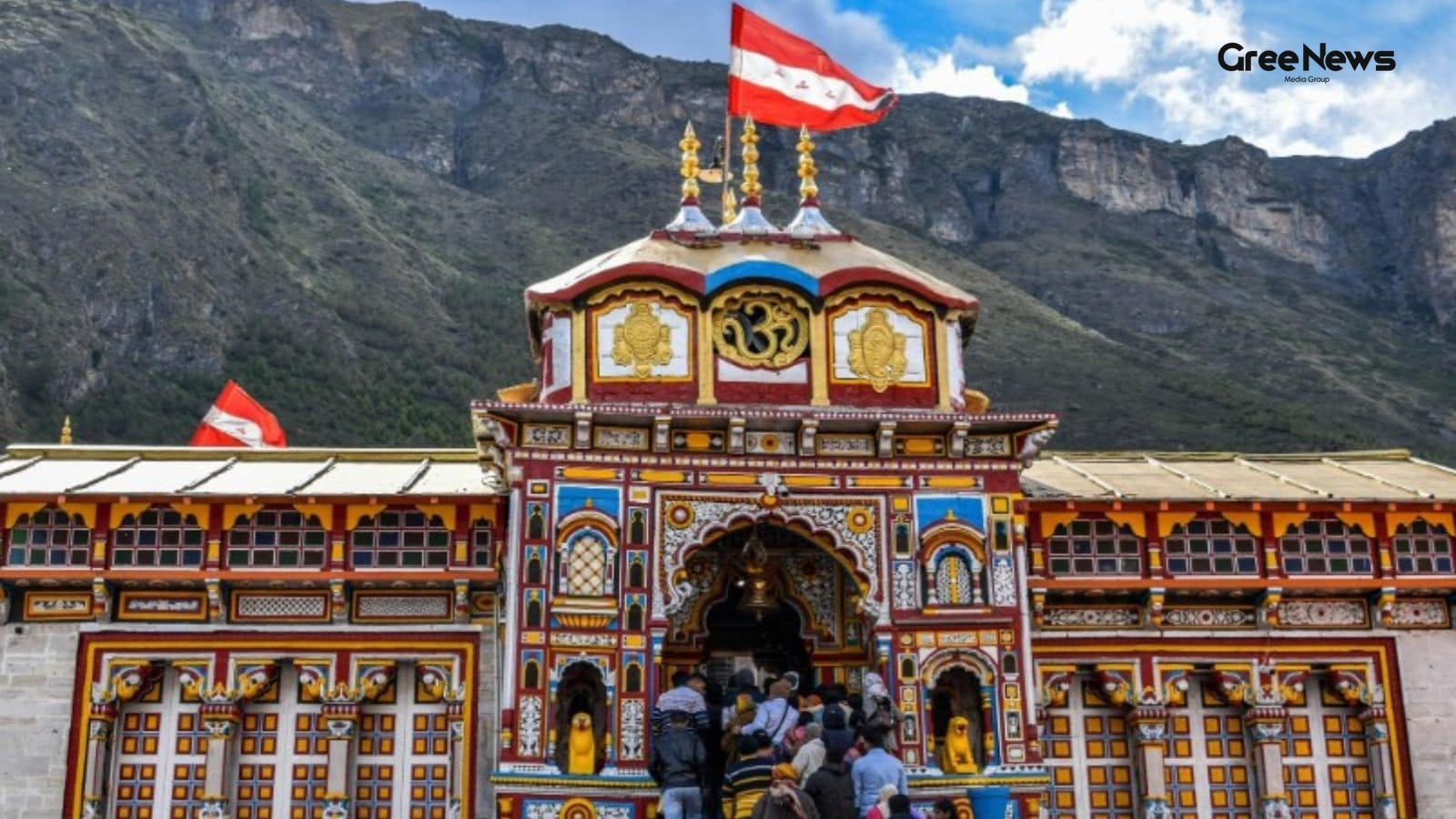
Inquiry into Alleged Donation Messes at Badrinath Temple
The Uttarakhand government just kicked off a big inquiry. It’s about alleged messes with donations at the Badrinath Temple. Really high level stuff. Meanwhile, the Shri Badrinath-Kedarnath Temple Committee BKTC did something else too. They suspended one of their staff members, Pramod Nautiyal. An FI
Jul 8, 2026 by Gree News Team

The Freedom and Debate of Remote Work
Remote work. It’s become this huge thing for professionals lately. Some companies are pushing back, asking people to come back in, but others just let things stay flexible. People still get to work wherever they want. One entrepreneur has a story about how remote life completely flipped everything a
Jul 8, 2026 by Gree News Team

The Messiness of Reporting and Shifting Narratives
It’s always messy, isn't it? Trying to report things feels less like building a structure and more like catching pieces as they fall. You don't get clean lines anymore. Everything gets jammed up. We were tracking these shifts in the background, you know? Not some neat timeline with clear cause and e
Jul 8, 2026 by Gree News Team
US Strikes Against Iran and Impact on Oil Markets
Oil prices jumped again this week after the United States kicked off another series of strikes against Iran on Tuesday. This happened right after there were attacks on shipping in that crucial Strait of Hormuz. The military unleashed what they called “powerful strikes,” hitting eighty targets across
Jul 8, 2026 by Gree News Team
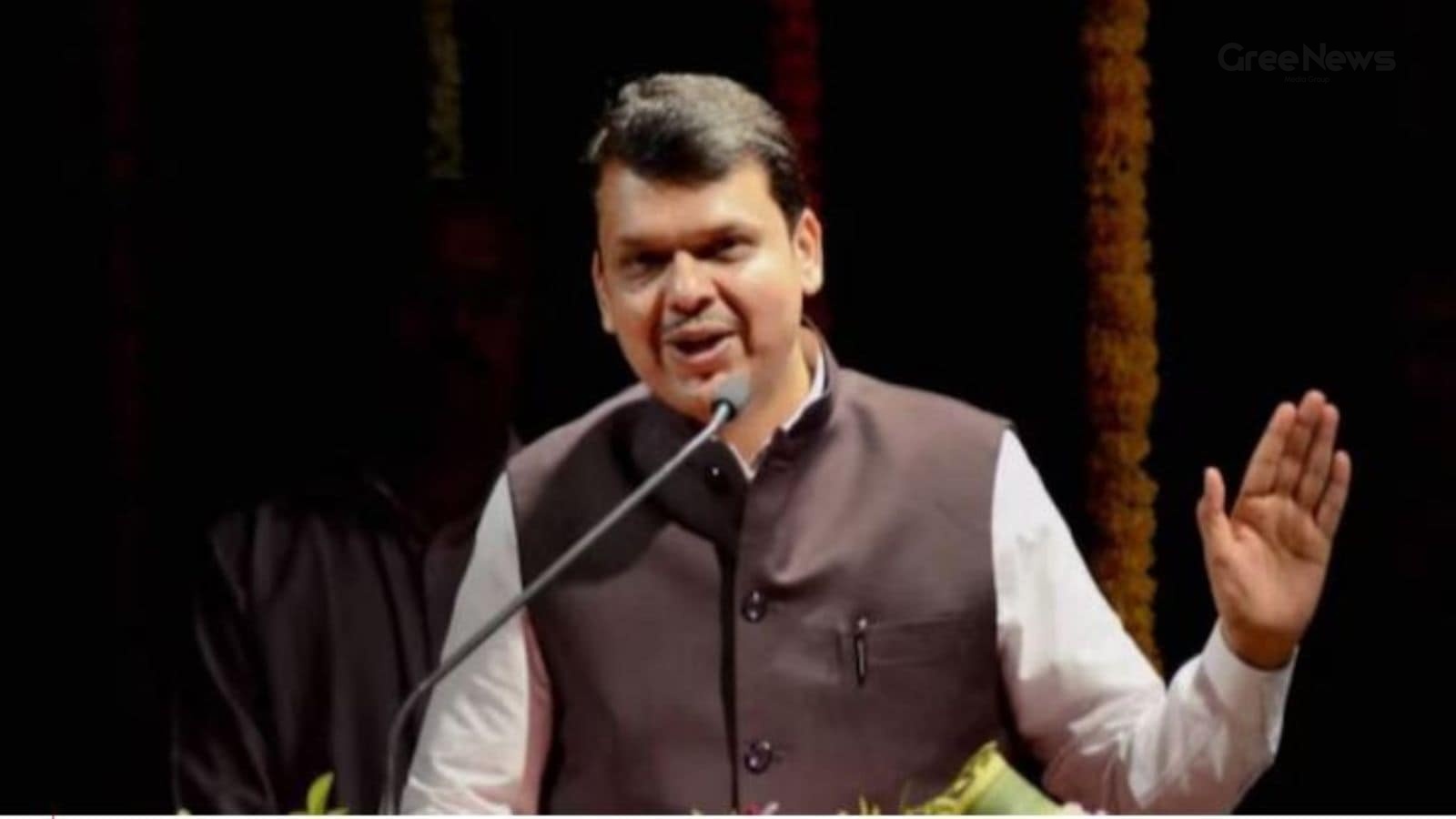
Political Speculation and Denial in Maharashtra: The Dynamics of Alliance Stability
Devendra Fadnavis threw a bit of shade this week. He was talking about some noise swirling around in Delhi that whole idea that the BJP was trying to pull the Sharad Pawar-led NCP-SP into the NDA fold. It’s always something, isn't it? These political currents just keep shifting, creating these phant
Jul 8, 2026 by Gree News Team
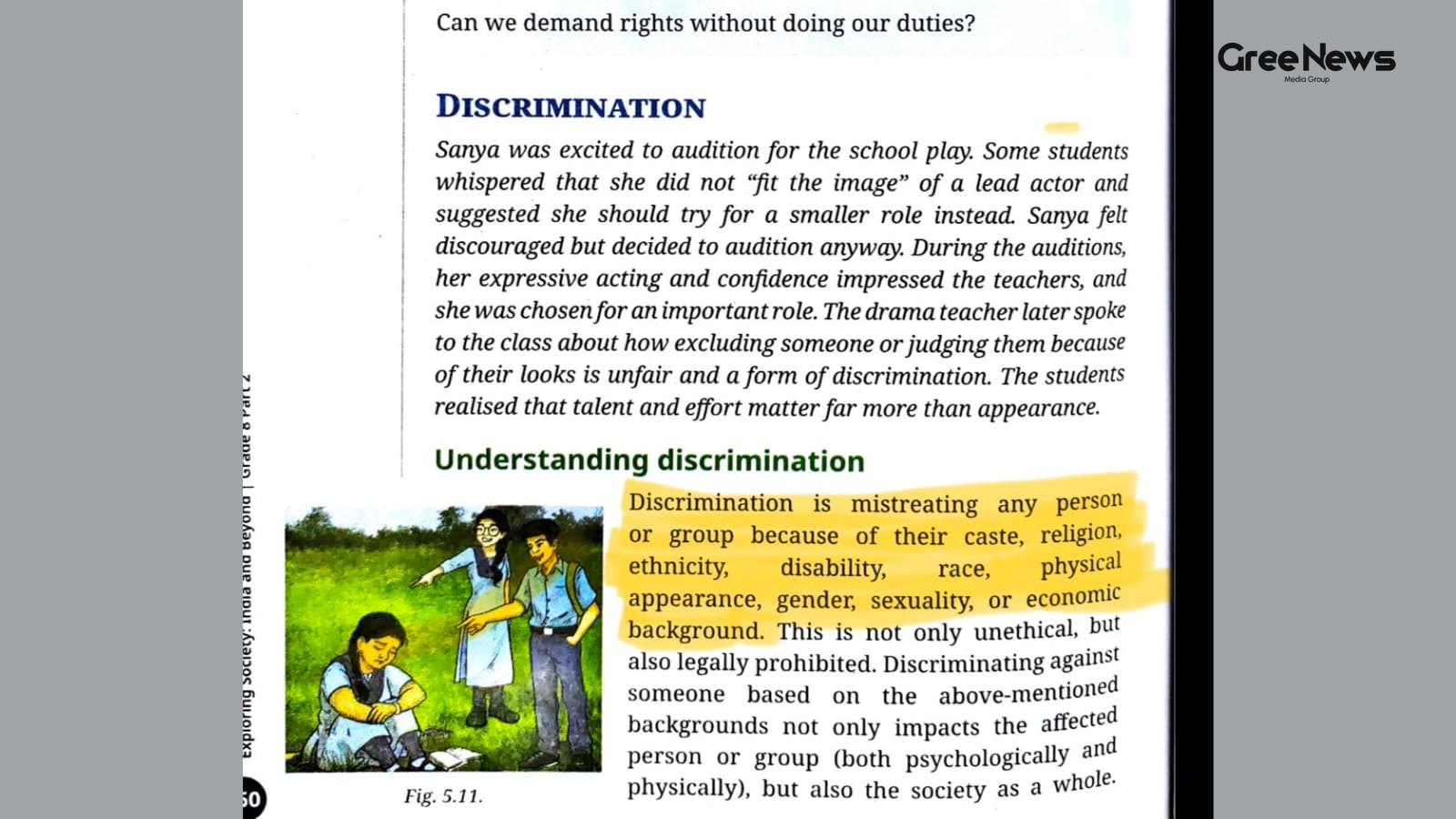
Recognizing Economic Background as a Reason for Discrimination in Education
The National Council of Educational Research and Training, they just rolled out this change in the Class 8 Social Science textbook. It’s significant. They decided to explicitly recognize economic background as a real reason for discrimination. Put it right alongside caste, religion, race, gender, di
Jul 8, 2026 by Gree News Team
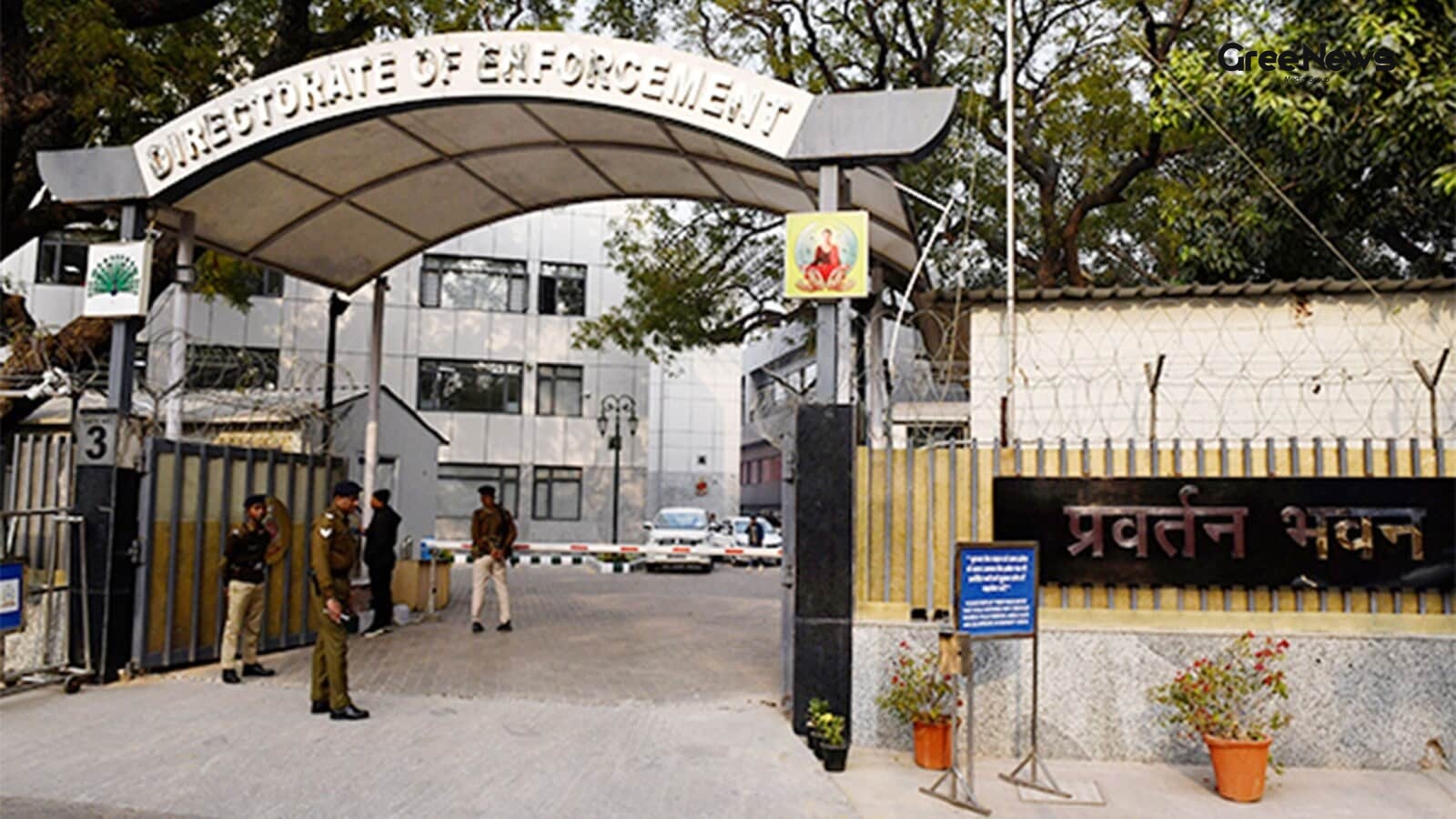
Enforcement Directorate Probe into Money Laundering and Aircraft Deals
An Agusta 109 SP helicopter purchase. That’s where the Enforcement Directorate’s money laundering probe against the Trinamool Congress hit. Investigators are alleging that party funds were shuffled through an aviation company before landing in high-value aircraft deals. It's a tangled web, you see.
Jul 8, 2026 by Gree News Team

Dipika Kakar's Cancer Recovery Journey and Ongoing Treatment
Dipika Kakar’s recovery isn't some neat timeline marked by a single surgery or when the doctors finally stamp 'success.' It’s just… ongoing stuff. Regular hospital trips. Those IV infusions. Choosing to keep moving, one slow step at a time. She recently gave fans another look behind the curtain, sho
Jul 8, 2026 by Gree News Team

Google Pixel Launch Predictions and Hardware Updates
Google’s gearing up for that next big Pixel launch. It’s scheduled for next month. They’ll be showing off the new Pixel 11 series, naturally, but you’ll also see stuff like the Pixel Watch 5 and even the updated Pixel Buds version creeping in there too. It always is the Made by Google event. That’s
Jul 8, 2026 by Gree News Team

Erling Haaland: The Diet, Discipline, and Indulgences of an Elite Footballer
You hear Erling Haaland’s name constantly these days. Even if football isn't your thing, you catch it. He’s been on fire at the World Cup 2026. Goals kept rolling in. Two goals against Senegal in Norway. A tight game, 3-2. And he ended up being one of those rare players just the sixth person ever to
Jul 8, 2026 by Gree News Team
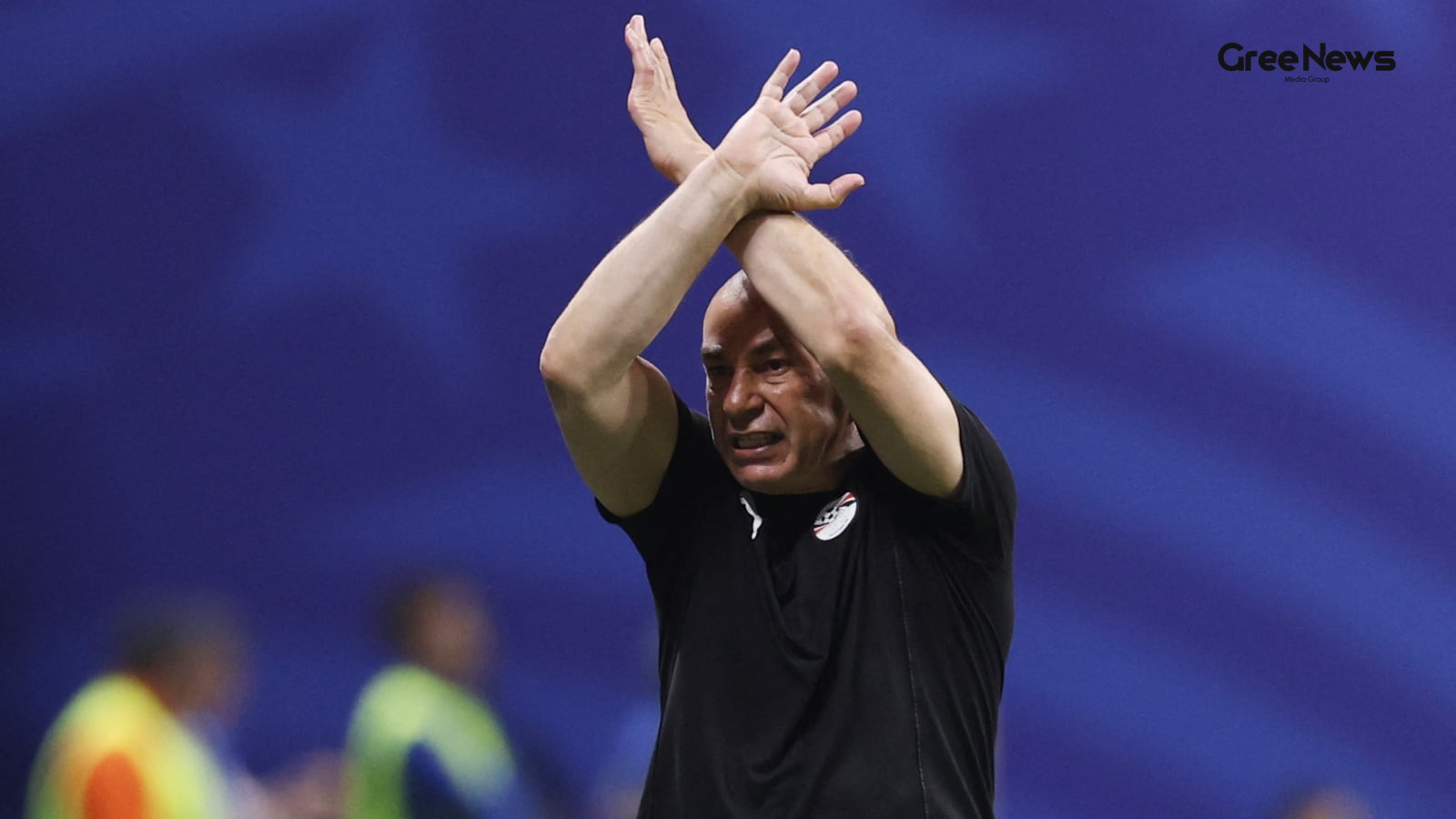
The Anger Behind the World Cup: Controversy, Injustice, and Referee Protocol
Hossam Hassan was absolutely fuming. You could practically hear the rage radiating off him during that press conference after the results came in. It wasn't just disappointment; it was pure, boiling anger because his team had been eliminated from the FIFA World Cup 2026. A crushing defeat. They lost
Jul 8, 2026 by Gree News Team
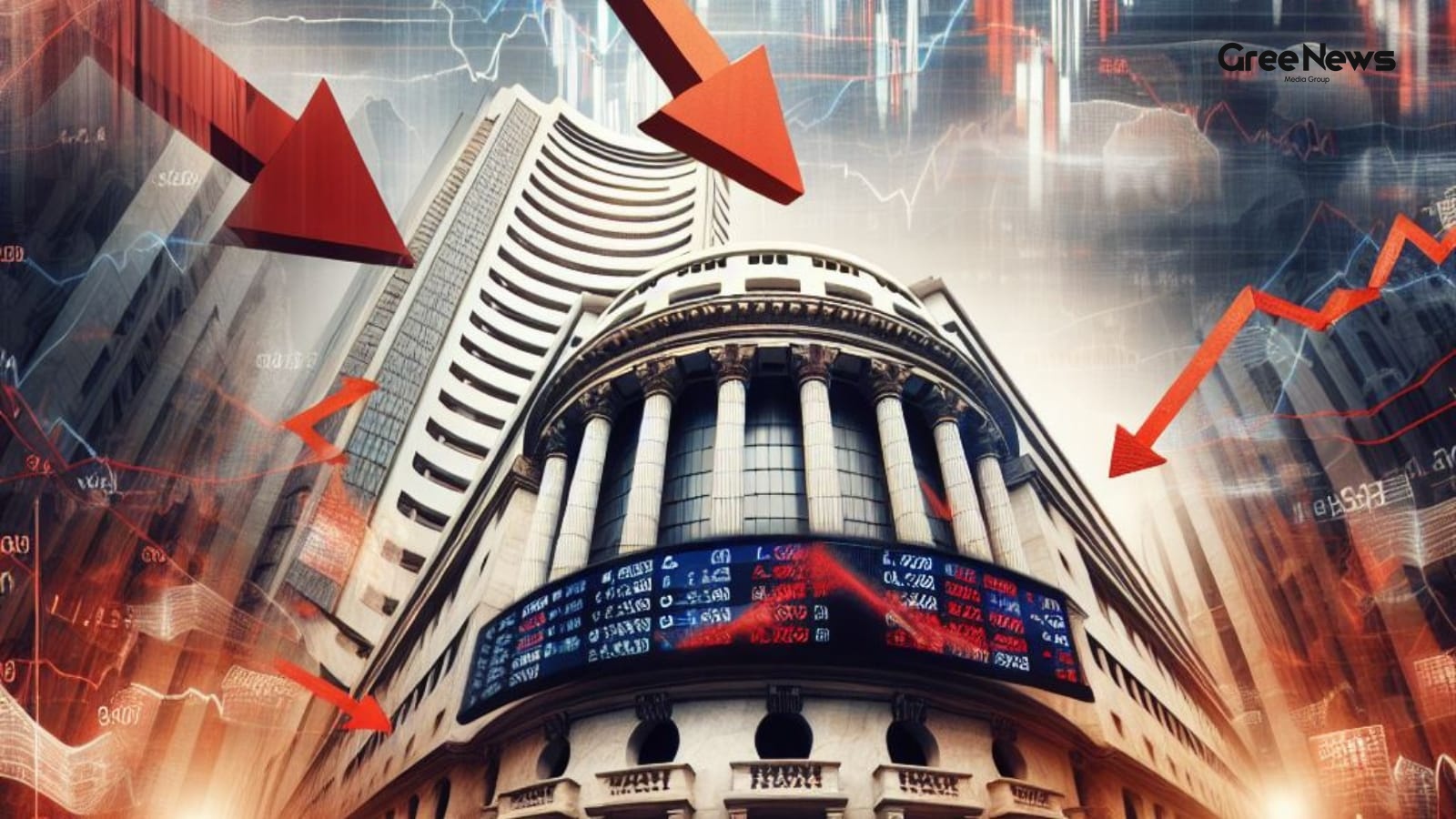
Market Plunge Driven by Geopolitical Tensions and Oil Spike
Markets took a serious hit Wednesday afternoon. Domestic equity markets just tumbled over two and a half percent. All because fresh geopolitical tensions flared up in West Asia. Investor mood shifted fast. It all kicked off after President Trump dropped some heavy remarks about the memorandum of und
Jul 8, 2026 by Gree News Team