China's Missile Test and the Escalation of Indo-Pacific Geopolitics
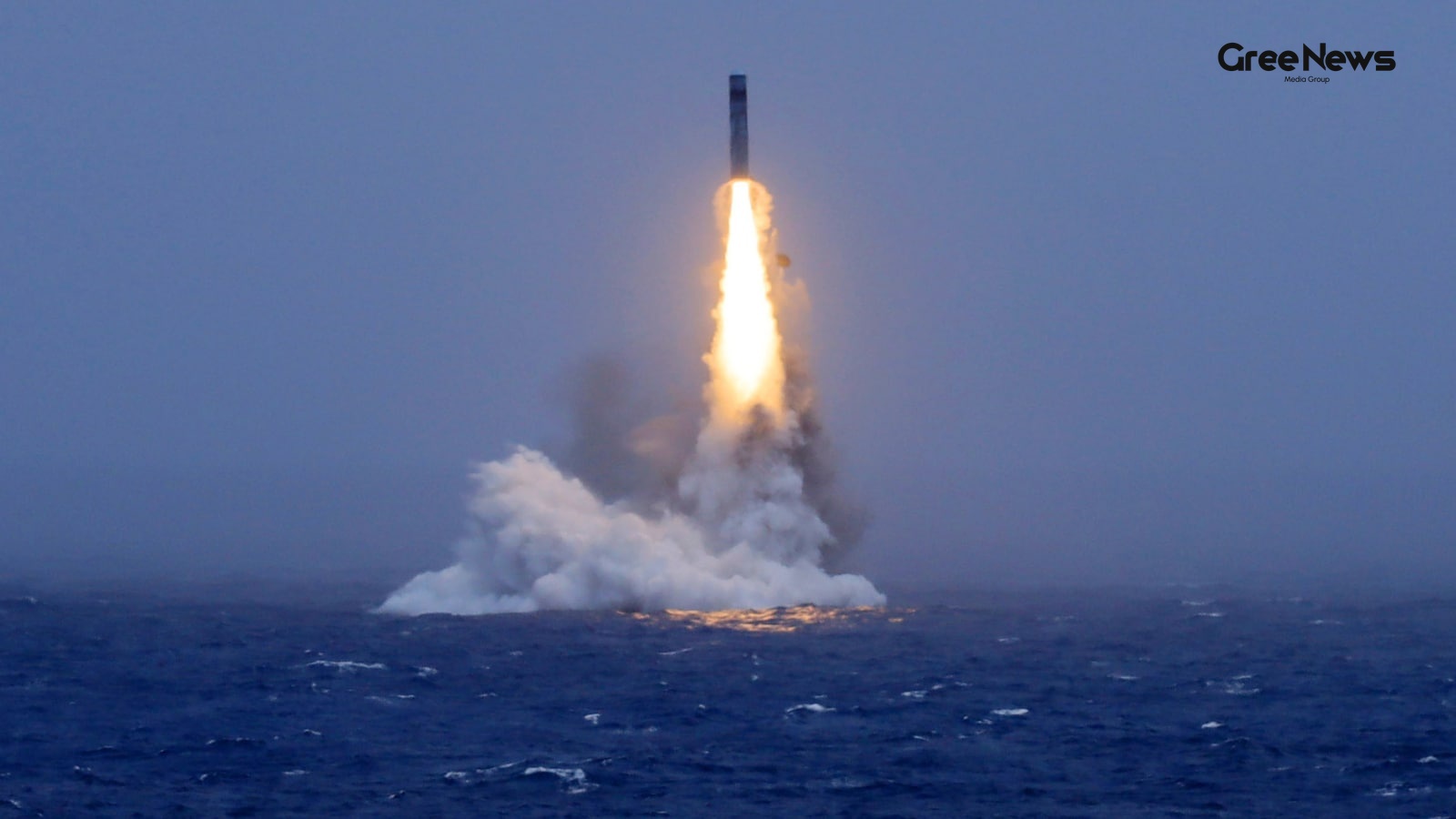
The air just feels thick right now, doesn't it? All this talk about China testing those long-range missiles over the Pacific it’s not just some routine military exercise; it’s everything. It really is a big deal.
The United States, for starters, is voicing serious concern. Washington has been loud about how fast Beijing is building up its nuclear arsenal, and frankly, there's this massive lack of transparency surrounding their whole strategic weapons program. That’s what the State Department spokesperson Tommy Pigott put out. "Concerned," he said. It’s a simple word, but it carries so much weight when you look at the situation unfolding right now.
It’s that clash, isn't it? At a time when America is supposedly working harder than ever to keep nuclear proliferation in check to stop this slide China seems determined to do the exact opposite. Their rapid buildup feels incredibly opaque, almost deliberately hidden. It just screams of regional anxiety.
And you have Australia, Japan, New Zealand, and Taiwan all chiming in with their own worries. They’re not sitting quietly watching.
So what actually happened on July 6th? The People’s Liberation Army Navy launched something serious from a nuclear-powered submarine into the Pacific. A long-range ballistic missile. Officially, Beijing claimed it was just some kind of training run, a routine arrangement under their annual military schedule. They said it wasn't aimed at anywhere specific.
But nobody really buys that line.
Defence analysts, they see something else entirely. They lean toward thinking this was the JL-3 system China’s newest, most capable sea-based nuclear missile. The range alone is staggering. We’re talking potential strikes way out there, even hitting targets as far as the continental United States without any Chinese subs having to get too deep into the Pacific. It signals a shift. A confidence that their deterrent isn't just sitting on land anymore; it’s moving into the water, becoming much more survivable.
It wasn't some casual drill. This launch sent a strategic weapon deep into international waters. That itself is unnerving.
And the timing? That’s where things get really messy geopolitically. This test happened right when Australia and Fiji were signing a new defence deal. Security cooperation in the Pacific, you know? So, this wasn't just about missiles; it felt like a very pointed message being sent at that exact moment.
Experts point out something critical here: submarine-launched ballistic missiles are key to what we call the "second-strike" capability. The ability to retaliate even if you get hit first. By demonstrating this kind of long-range, underwater capability, China is essentially showing that their deterrent is harder to neutralize. It makes things exponentially more dangerous for everyone else in the region.
Australia was one of the sharpest critics. Prime Minister Albanese called it provocative. He warned that if a warhead were attached, the potential damage would be considerable. That’s the kind of tone you expect when discussing weapons this powerful being tested openly.
Richard Marles, the Defence Minister, backed that up. He argued there was no strategic justification for the launch at all. It just felt like pure destabilization radiating out from Beijing.
Then there’s Penny Wong in the Foreign Ministry. She focused on the process itself. The lack of advance notification. That immediately raises the temperature. It increases the risk of a terrible miscalculation happening somewhere down the line. You can't ignore that kind of risk when you’re dealing with nuclear capabilities.
Japan, too, expressed real worry. They spoke about China's growing military activities and this increasing secrecy around it. Chief Cabinet Secretary Yoshimasa Hayashi was quite clear Tokyo was seriously concerned. He pushed Beijing to finally be transparent about what they are doing with their defense activities.
New Zealand felt the sting of being left out too, criticizing the limited notice given for the test. They pointed out that it completely ignored those long-standing regional sensitivities we have about military activity in the South Pacific. Winston Peters called it an unwelcome development. It just doesn't fit the whole picture of peace and stability they’ve tried to build under that Nuclear Free Zone aGreement.
And Taiwan? Their reaction was stark. They condemned the launch outright, seeing it as pure intimidation. It screams about Beijing’s increasingly aggressive posture, especially around Taiwan and the South China Sea. It reflects this overall feeling: the Pacific isn't just a place for trade anymore; it’s becoming an intensely contested strategic theatre.
It all ties back to that expansion. China is building up its arsenal, strengthening the navy, moving these weapons into more dangerous operational spaces. This missile test wasn't an isolated event. It was one more piece in a much larger equation where competition with the US and its allies is heating up across the entire Indo-Pacific. The uncertainty isn’t just about missiles anymore; it’s about how fast things are moving, and who controls the narrative of this increasingly volatile space.
Written by Gree News Team — Senior Editorial Board
Gree News Team covers international news and global affairs at Gree News. Our collective of senior editors is dedicated to providing independent, accurate, and responsible journalism for a global audience.
More from World
View All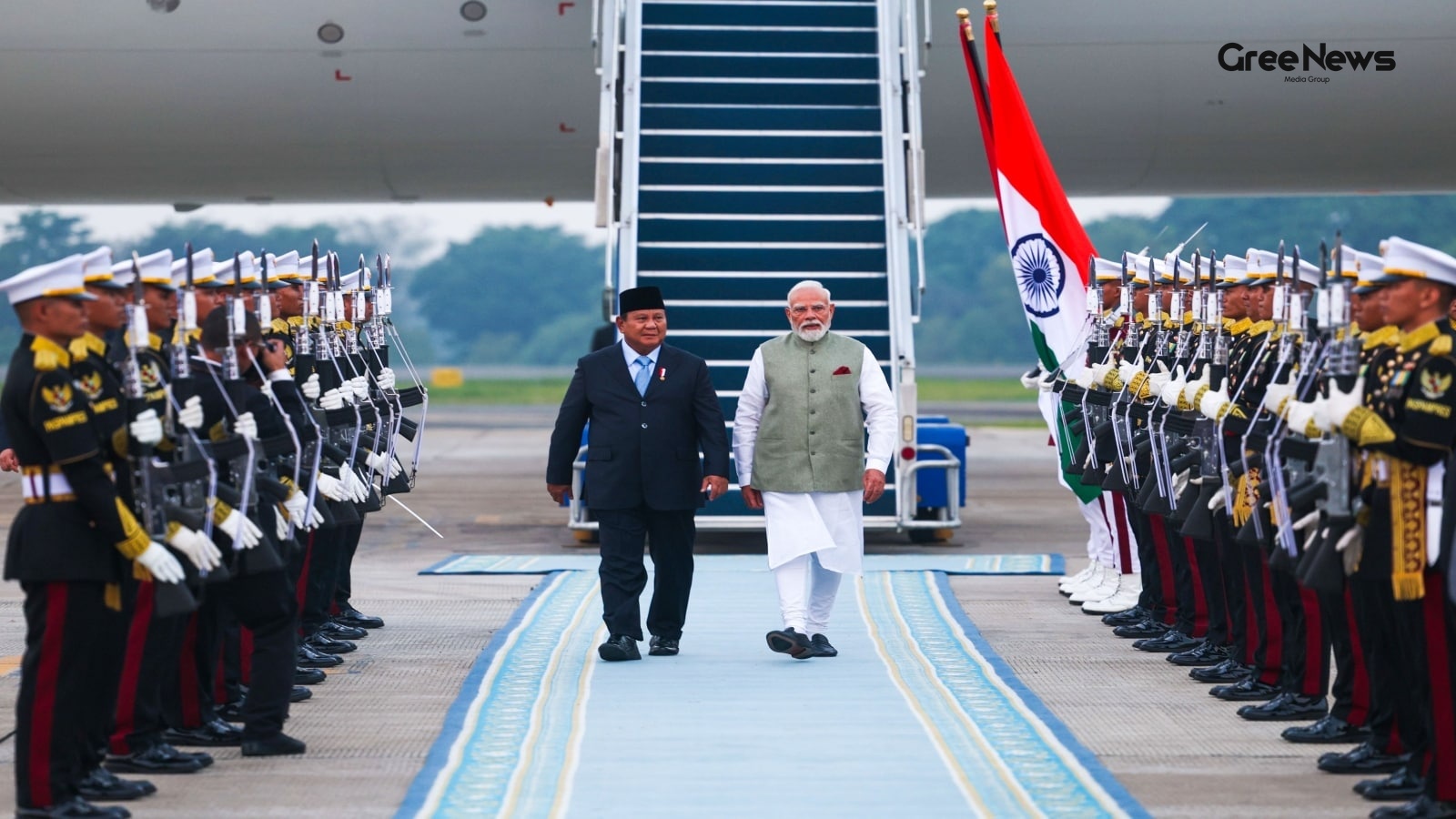
Modi’s Trip to Indonesia and the Indo-Pacific Strategy
Modi’s trip to Indonesia is happening now. Tuesday, July 7th, 2026. It’s the first leg of that big tour India, Australia, New Zealand. It’s all about pushing the Act East stuff. That MAHASAGAR Vision, and trying to stick to the whole free Indo-Pacific thing. A lot is being talked about behind closed
Jul 7, 2026 by Gree News Team

The Significance of the India and Indonesia 'Golden Chapter' Partnership
‘Golden Chapter’. That’s what Prime Minister Modi called it. India and Indonesia partnership. He suggested it would have profound impact on the 21st century world. This is breaking stuff right now. We don’t have much detail yet though. It’s just that it’s happening. There's a lot swirling around thi
Jul 7, 2026 by Gree News Team
Trump's Post and the Tension with Italian Prime Minister Meloni
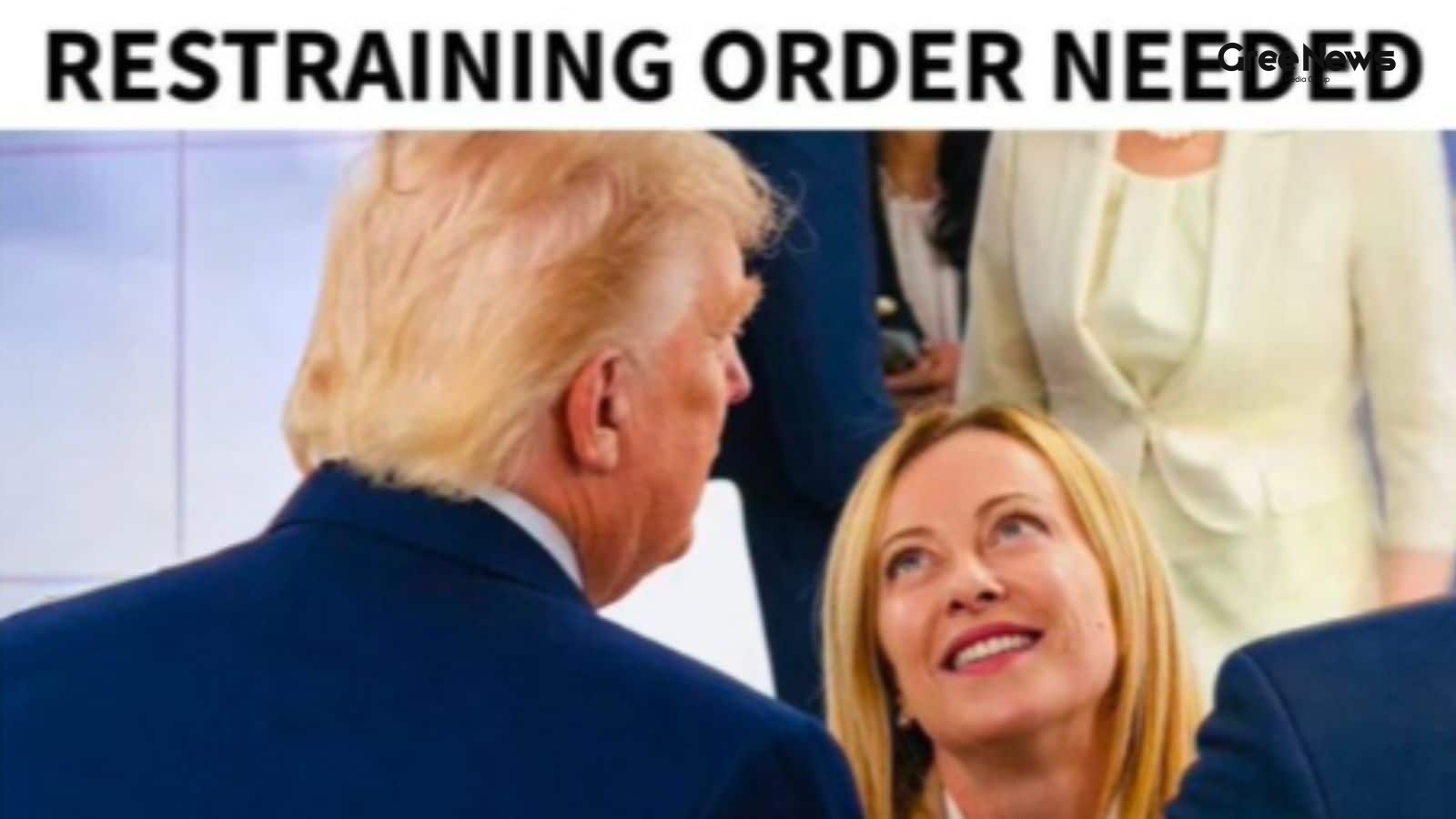
Trump just dropped another jab at Italian Prime Minister Meloni. He put an image up on Truth Social with a caption that read, “Restraining Order Needed.” It showed him standing there, and Meloni looking up, smiling. The whole thing suggests she was way too interested in him. This isn't new drama. It
Jul 6, 2026 by Gree News Team

The Historical and Diplomatic Significance of Ayatollah Ali Khamenei's Funeral
The funeral for Ayatollah Ali Khamenei brought together some heavy history. They called it a powerful expression of mutual respect. It pointed right back to those deep historical ties between Iran and India. It was a long post on X where they put all this out. But it wasn't just about the funeral it
Jul 6, 2026 by Gree News Team
Latest Headlines

Allegations and Social Reaction to Viral Video
That post just dropped on X. It’s serious stuff, allegations against an old man and his grandson. They’re supposedly picking up street dogs from the neighborhood and dumping them into a river. There’s a video attached, too. It looks like the two are moving a dog on a scooter late at night. But you h
Jul 7, 2026 by Gree News Team
Cloudburst Warning and Meteorological Explanation for Nashik
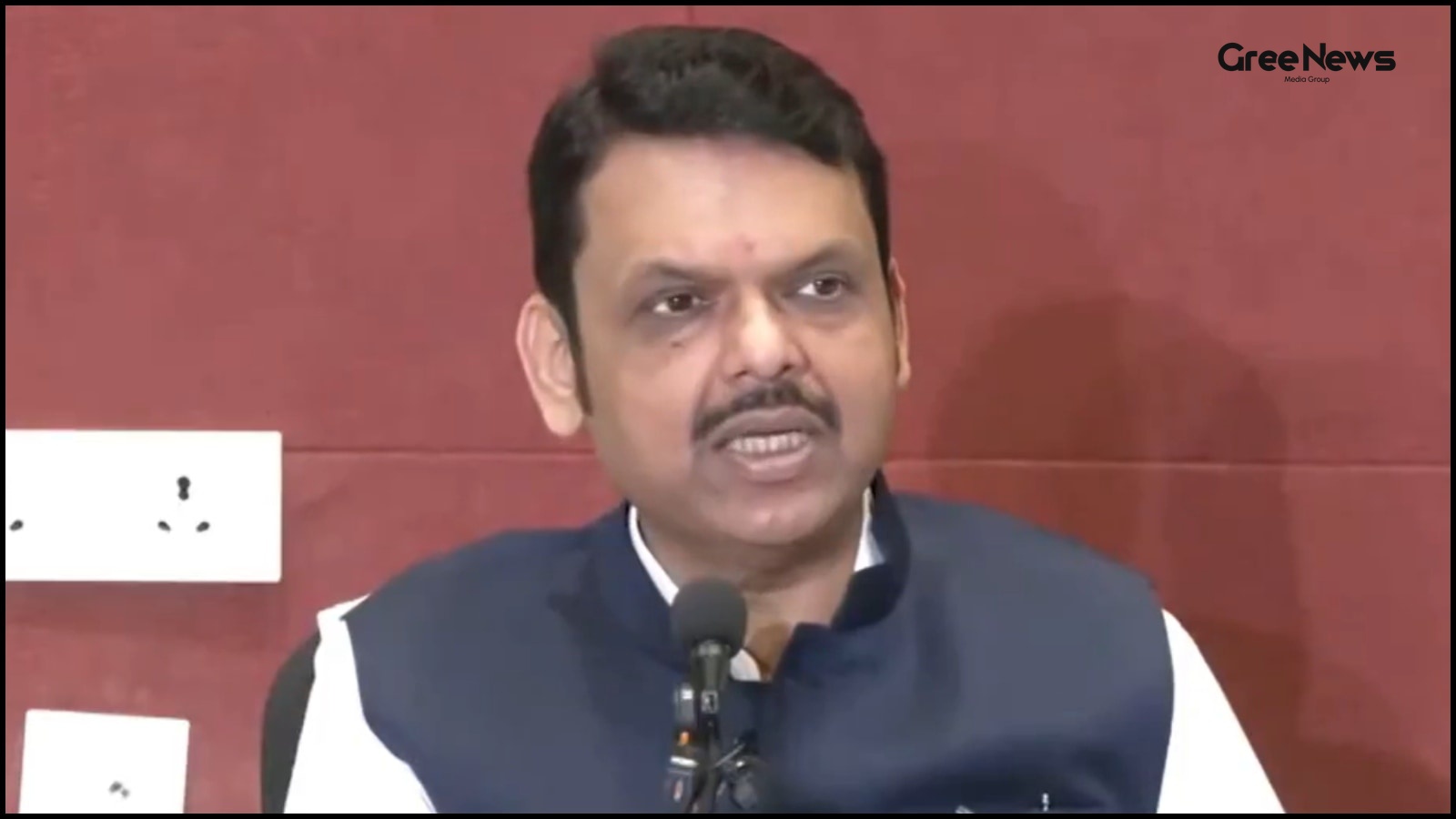
Devendra Fadnavis, the Chief Minister of Maharashtra, warned about something serious on Monday. He talked about a possible cloudburst-like spell hitting Nashik. And he stressed that the state machinery is already on high alert. Heavy rains are expected to keep coming, right up until July 8th. He sai
Jul 7, 2026 by Gree News Team
Modi’s Trip to Indonesia and the Indo-Pacific Strategy
Modi’s trip to Indonesia is happening now. Tuesday, July 7th, 2026. It’s the first leg of that big tour India, Australia, New Zealand. It’s all about pushing the Act East stuff. That MAHASAGAR Vision, and trying to stick to the whole free Indo-Pacific thing. A lot is being talked about behind closed
Jul 7, 2026 by Gree News Team

Christopher Nolan’s The Odyssey World Premiere and Critical Reception
Christopher Nolan’s *The Odyssey* just had its world premiere in London, and the reactions are honestly huge. Critics are calling it his finest work yet. People are raving about the scale, the performances it feels like one of those massive cinematic moments we talk about all year. The whole thing k
Jul 7, 2026 by Gree News Team
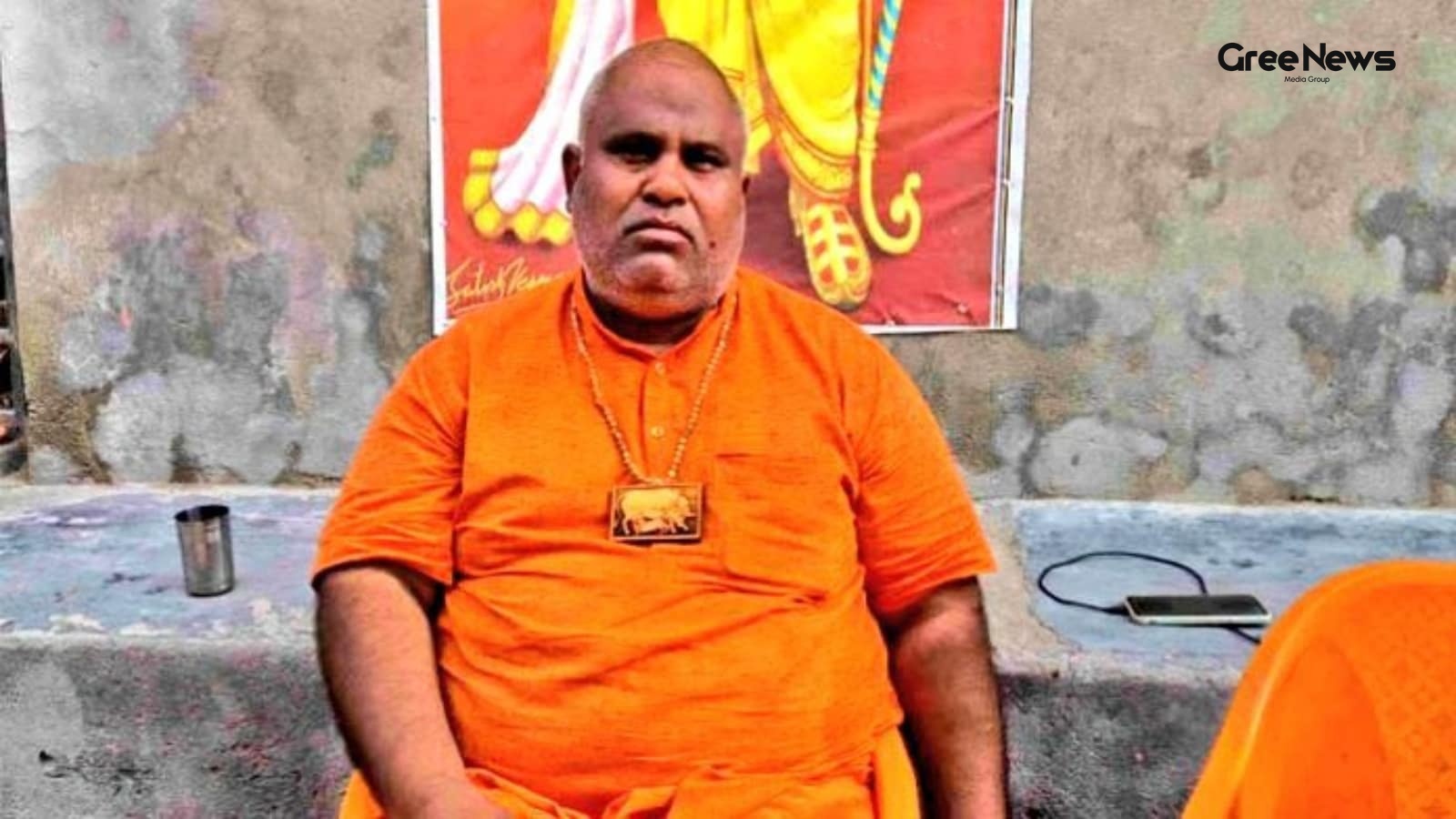
Bittu Bajrangi and the Inter-faith Marriage Fraud Scheme
For years, Bittu Bajrangi built his reputation leading campaigns against what they called "love jihad" and inter-faith relationships in Haryana. He was known for that stuff. But then things got twisted. The Gau Raksha Bajrang Force chief ended up being involved in some serious fake marriage fraud. H
Jul 7, 2026 by Gree News Team
The Significance of the India and Indonesia 'Golden Chapter' Partnership
‘Golden Chapter’. That’s what Prime Minister Modi called it. India and Indonesia partnership. He suggested it would have profound impact on the 21st century world. This is breaking stuff right now. We don’t have much detail yet though. It’s just that it’s happening. There's a lot swirling around thi
Jul 7, 2026 by Gree News Team

Investigation and Administrative Fallout at Shri Ram Janmabhoomi Teerth Kshetra Trust
The air around the Shri Ram Janmabhoomi Teerth Kshetra Trust is thick with something heavier than just ritual. It’s the shadow of investigation. Monday. That’s when the real work or at least, the crucial face-to-face session was set to happen. It wasn't some routine administrative chat. This meeting
Jul 6, 2026 by Gree News Team

Akanksha Chamola Confirms Bisexuality and the Aftermath
Akanksha Chamola finally confirmed it on Lock Upp 2. She is bisexual. And the immediate aftermath wasn't just a simple announcement; it turned into this thing her team posted on Instagram for everyone who cares about her. It was kind of moving, you know? They wrote something really strong. They talk
Jul 6, 2026 by Gree News Team
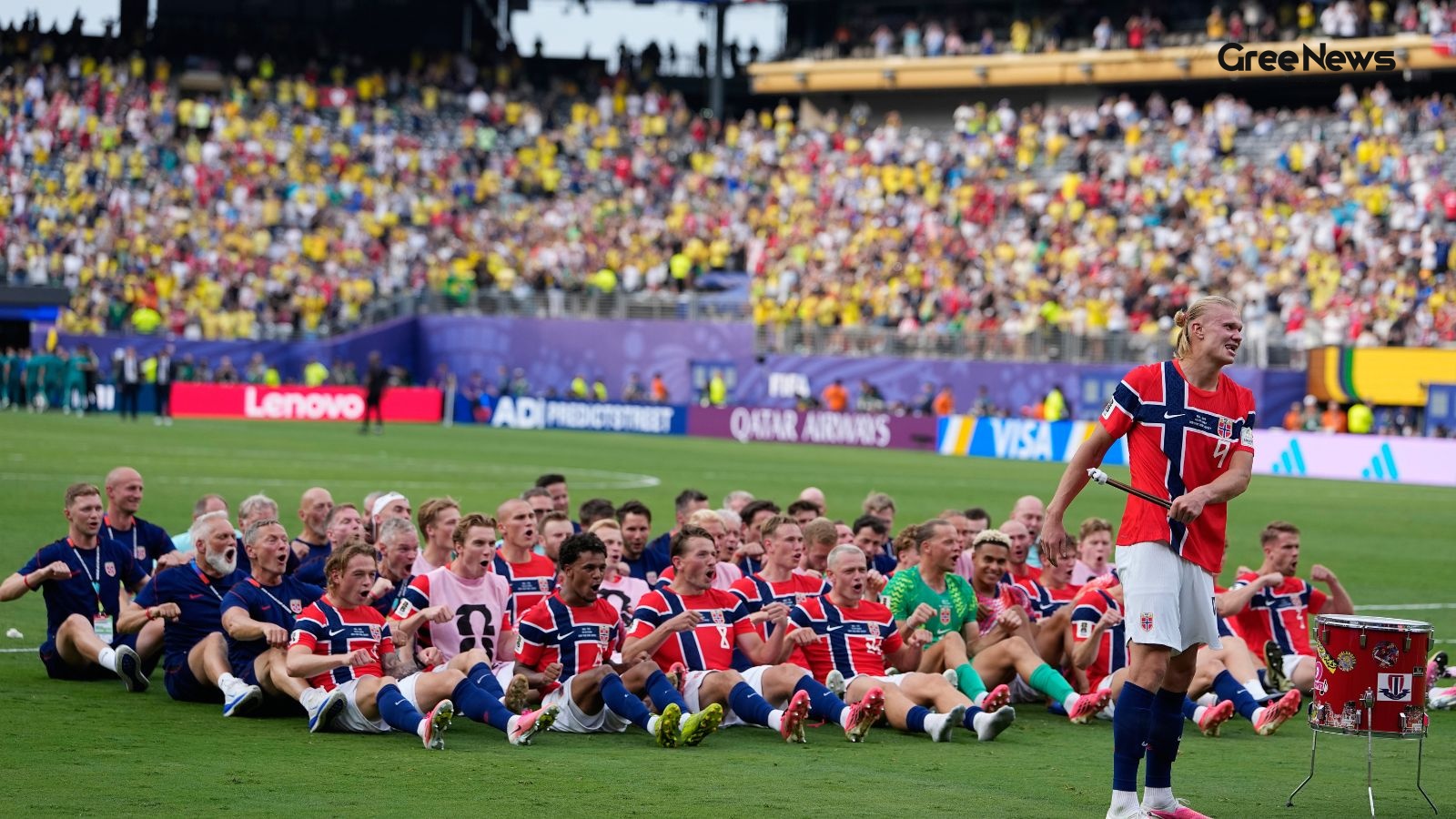
Erling Haaland's Masterclass: The Celebration Against Brazil
Erling Haaland took over the drumroll duties from Martin Odegaard after their huge win against Brazil in the Round of 16. It was a massive celebration with the fans at the New Jersey stadium, that familiar Viking Row showing up again. Thousands of Norwegian supporters moved together, mimicking rowin
Jul 6, 2026 by Gree News Team

The Controversy Surrounding the Removal of the Film *Satluj* from ZEE5
The whole thing blew up over that film, *Satluj*, starring Diljit Dosanjh, being pulled off ZEE5 in India. It wasn’t just some casual streaming decision. It turned into this huge political mess, opposition leaders and Sikh groups immediately jumping in, calling it an outright attack on free speech.
Jul 6, 2026 by Gree News Team
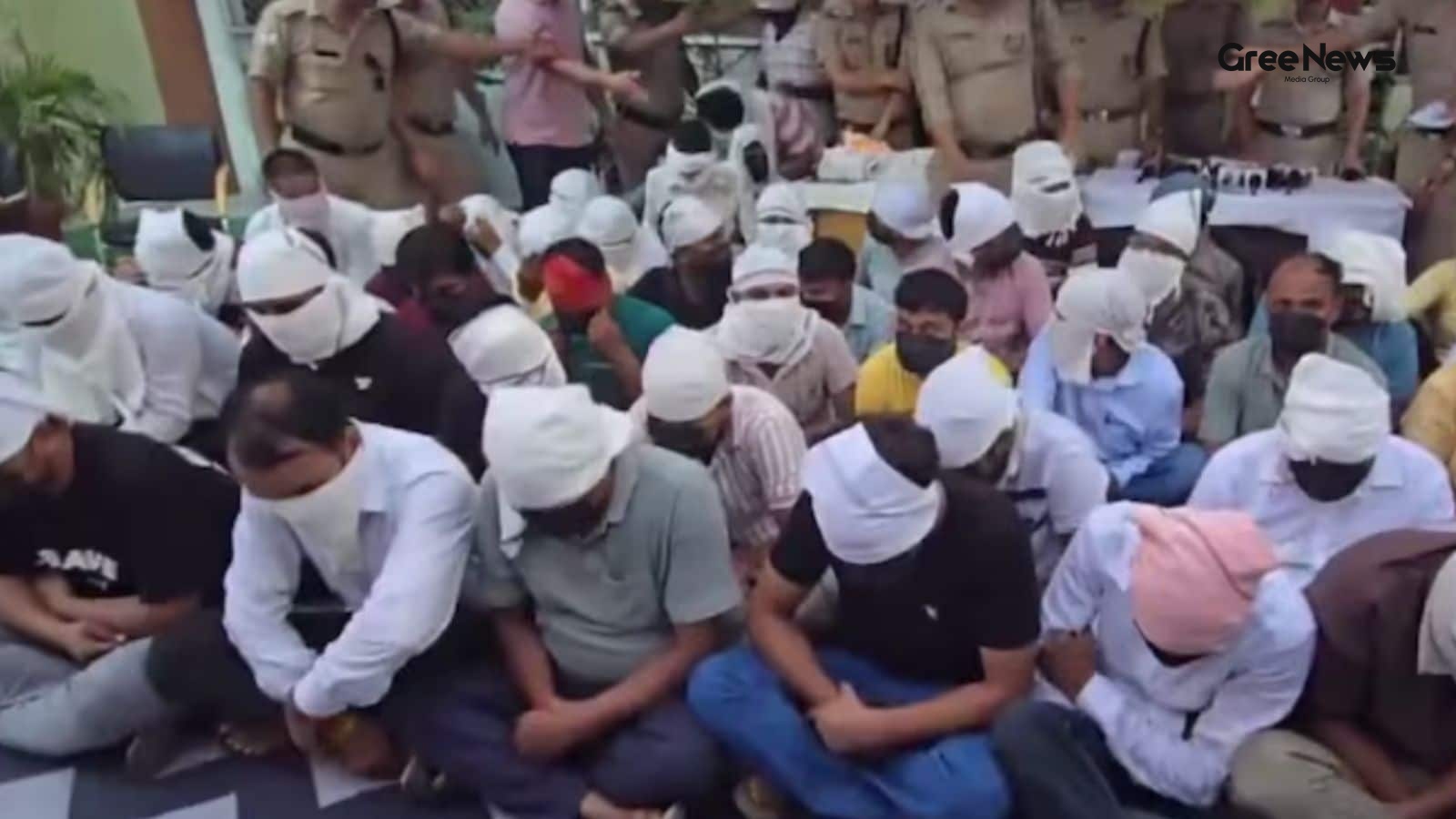
Police Raid Exposes Sex Racket at Luxury Resort Near Jim Corbett
A luxury resort tucked away near Jim Corbett National Park is now under serious scrutiny. It’s all because police found something nasty during a raid in Ramnagar, Uttarakhand. Talk about putting a spotlight on tourist spots. The operation itself was joint. It involved the Anti Human Trafficking Unit
Jul 6, 2026 by Gree News Team

The Rise and Reality of the 'Digital Arrest' Cyber Fraud Scam in India
The whole 'digital arrest' scam thing is getting worse. It’s one of the biggest cyber frauds hitting India right now. Government data they looked at shows nearly 3 lakh complaints filed and losses soaring past four thousand crore rupees between 2022 and May 2026. That’s a staggering figure. How does
Jul 6, 2026 by Gree News Team

Amazon Prime Day 2026 Home Appliance Deals and Discounts
Amazon Prime Day 2026 is winding down now. It’s one of those last chances to snag home appliances at seriously discounted prices. But trying to figure this out? That's where it gets complicated fast. You’ve got QLED TVs, Mini LEDs, AI washing machines, Wi-Fi fridges, inverter ACs... all the brands a
Jul 6, 2026 by Gree News Team
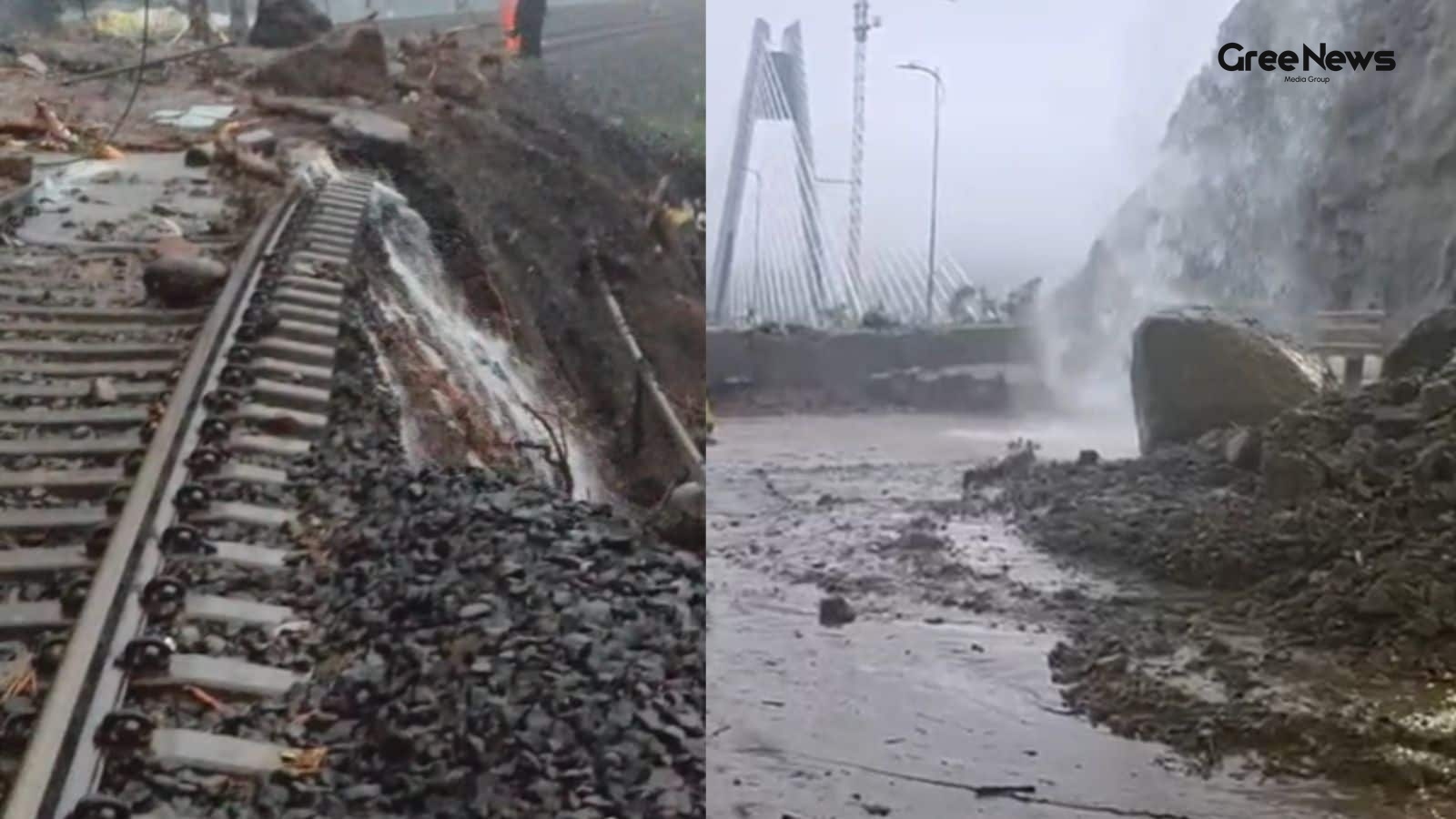
Disruption Caused by Rain and Landslide Affects Rail and Roads
This disruption isn't just about cars. The downpour is still hammering the region, and it’s affecting rail too. The India Meteorological Department had already sounded an orange alert for Mumbai, Thane, Navi Mumbai, and Palghar, warning of heavy to very heavy rain, plus gusty winds blowing through e
Jul 6, 2026 by Gree News Team
Trump's Post and the Tension with Italian Prime Minister Meloni
Trump just dropped another jab at Italian Prime Minister Meloni. He put an image up on Truth Social with a caption that read, “Restraining Order Needed.” It showed him standing there, and Meloni looking up, smiling. The whole thing suggests she was way too interested in him. This isn't new drama. It
Jul 6, 2026 by Gree News Team