The Unpaid Care Burden: Women's Opportunities in India's Urban Centers
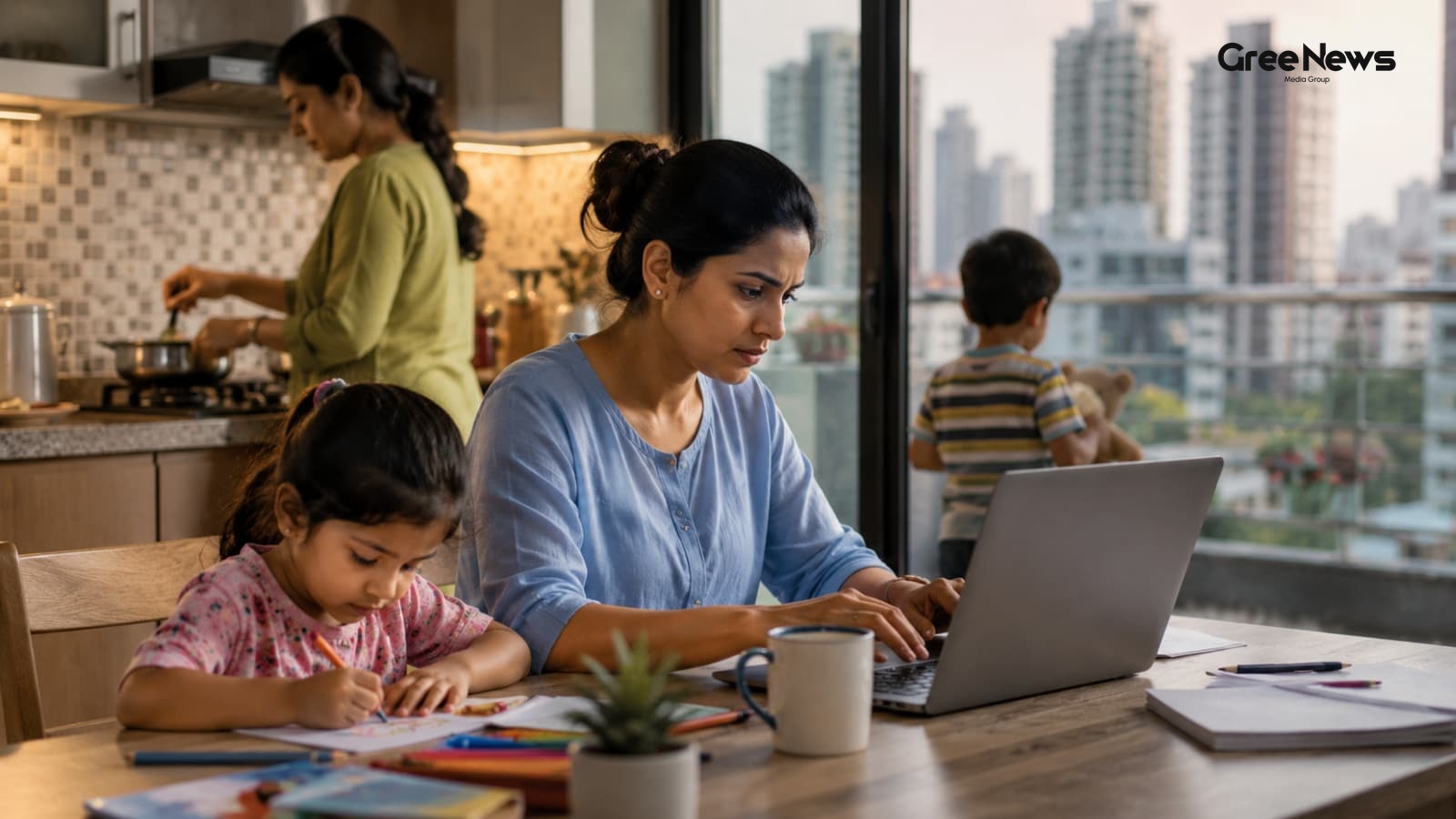
India’s biggest cities. They look like places full of chances. Better schools, more formal jobs, higher pay than most parts of the country. But for millions of urban women? The real wall isn't in the job market at all. It’s right there at home.
A new survey just came out from the National Statistics Office, and it puts a number on what people have argued about for years. Nearly sixty-nine percent of women in those big cities the ones with over a million people who aren't working? They say childcare and household duties are the main reason. It underlines something heavy: even in India’s most developed urban zones, that unpaid care work still falls disproportionately on them.
And there’s another gap. The same data shows women earning, on average, twenty-three percent less than men. That disparity isn't just about showing up for work; it bleeds into wages and where they can advance their careers. It’s systemic.
The NSO report paints a picture of economies shifting fast in these urban areas. Service jobs dominate. Agriculture? Just 1.6 per cent. Regular salaried positions make up fifty-eight point five percent. That's way higher than the average across all Indian cities. Casual labor is only six point three per cent. Cities offer more formal work, that’s clear.
Labour force participation for women has crept up over time. In those million-plus cities, it jumped from nineteen point eight percent in 2017 to twenty-seven point two percent by 2025. That sounds good on the surface. More women working. But look closer at the findings. While more are entering the workforce, a lot of them stay out because of caregiving duties, not just lack of jobs.
The data also shows these inequalities aren't uniform across cities. Thirty-one cities have unemployment rates higher than the national urban average, which is four point nine per cent. And in thirty-two places? At least one in five young people are stuck no job, no education, no training. It’s messy.
Economists have always pointed out that unpaid domestic work is almost invisible when talking about inequality. Cooking, cleaning, looking after kids, the elderly, just managing the house these things keep families running. They aren't paid employment. And because women do most of it? It cuts into time for earning, skill-building, anything career related.
Previous surveys, like those national Time Use Surveys, showed this too. Indian women spend multiple times more hours than men on these unpaid services every single day. A gendered division of labor that starts early and gets much worse once marriage hits, after motherhood sets in. It sticks around.
The latest NSO numbers confirm it. This imbalance persists even in India’s largest metropolitan economies. Despite better education access and more job openings? The caregiving burden remains fixed on women.
Then there's the idea of flexibility. Remote work came into sharp focus during the pandemic, offering a lifeline. Hope that working from home could help more women stay employed or return to it. It felt like a big possibility.
Flexible schedules cut down commuting time. They give some control over when you work. Maybe it makes juggling paid work and family care easier. That matters so much in huge Indian cities where travel is long, and childcare costs are steep burdens for working parents.
There's strong demand now, though. One study found that nearly eight out of ten women would take a lower salary if they could get work-from-home options. Eighty-three percent admitted they skipped applying for certain jobs because they thought balancing them with family life was impossible.
But here’s where things get complicated. Flexibility alone? It doesn't fix the core issue. Remote work is mostly stuck in IT, finance, consulting. Those sectors can adapt easily. But what about manufacturing? Retail? Healthcare? Public-facing services? Those jobs still demand physical presence. You can’t just move a desk and erase the need for care.
And this leads to the “double burden.” Working from home doesn't magically eliminate household chores. Studies show many women still shoulder most of the unpaid work even when they are working remotely. It’s paid work plus all that unpaid management. A heavy weight.
So, what does this mean? Increasing women’s workforce participation needs more than just economic growth to move things forward. Cities offer better jobs, yes. But we have to tackle the reality: how do women access those opportunities without having to choose between an income and caring for their families?
It means focusing on something else entirely. Expanding affordable childcare. Getting better quality care services everywhere. And creating workplaces that actually support caregivers. That’s what needs to happen if India wants its urban labor market to become truly inclusive.
Written by Gree News Team — Senior Editorial Board
Gree News Team covers international news and global affairs at Gree News. Our collective of senior editors is dedicated to providing independent, accurate, and responsible journalism for a global audience.
More from India
View All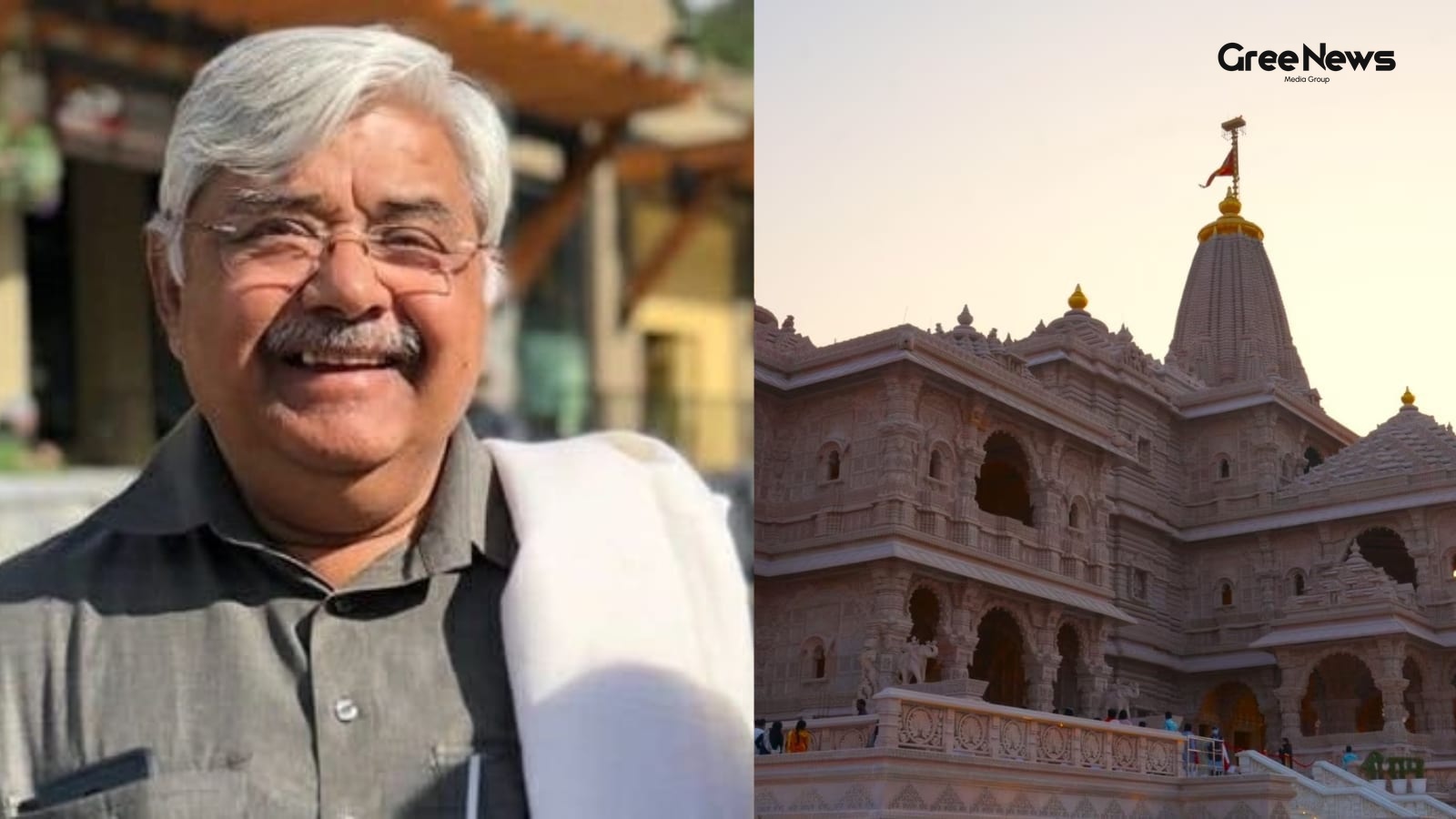
Alleged Theft Claims and Investigation at Ayodhya Ram Mandir Donations
Ram Mandir donation row. it’s all getting messier around the alleged theft claims at Ayodhya. Vishva Hindu Parishad International President Alok Kumar sent a letter to the Ayodhya Police. he was pushing hard, asking the investigating officer the one actually looking into this whole embezzlement busi
Jul 6, 2026 by Gree News Team

Shooters Linked to Lawrence Bishnoi Gang Killed Near Bahadurgarh
Two alleged shooters linked to the Lawrence Bishnoi gang were killed late Saturday night near Bahadurgarh. They were carrying a reward of one lakh each. The operation was carried out by a joint team the Haryana Police’s Special Task Force unit and Delhi Police's Counter Intelligence wing. The bodies
Jul 6, 2026 by Gree News Team
By-Election Schedule and Timeline in India
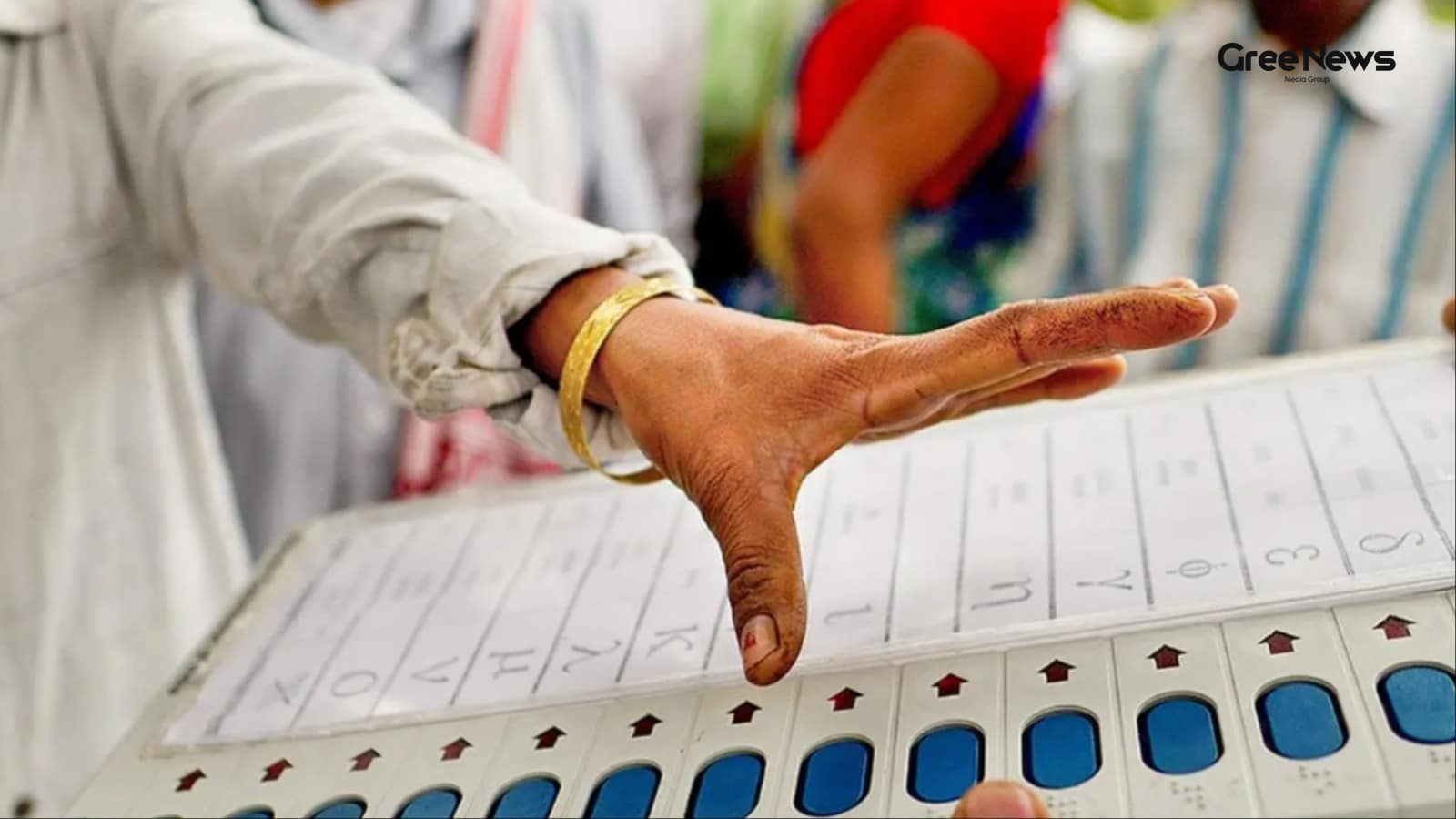
The Election Commission of India finally dropped the schedule for those by-elections. It’s about four seats across Bihar, Gujarat, and Madhya Pradesh. They’re setting the dates now. Polling will happen on July 30th for all of them if they need to vote at all. And the whole messy process is supposed
Jul 6, 2026 by Gree News Team

Legal Proceedings and Evidence in the Wadgaon Case
The Wadgaon court in Pune just made a move. They remanded Siya Goyal and Chetan Chaudhary back into custody for another fourteen days. It’s judicial lockup until July 16th, tied up in the murder of her fiancé, Ketan Agarwal. That kind of legal drag just drags things further down. You watch these pro
Jul 6, 2026 by Gree News Team
Latest Headlines
Diljit Dosanjh's Film Satluj Removal from ZEE5
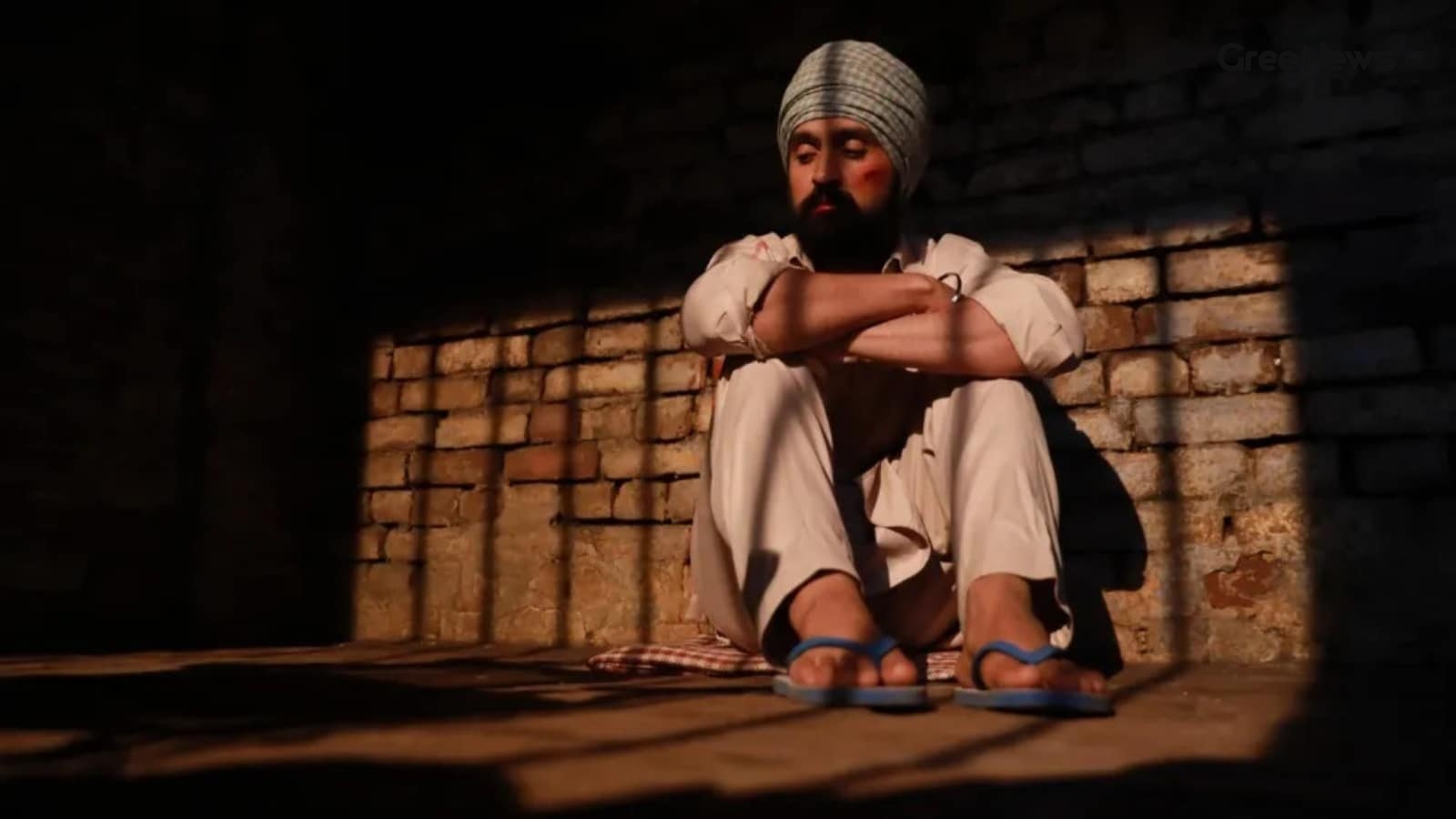
Two days after *Satluj* finally hit OTT, Diljit Dosanjh’s film got pulled from ZEE5 in India. It proved what everyone worried about. The streaming platform just announced it stays unavailable there "until further notice." They're apparently looking into legal ways to get it back. But don't worry ent
Jul 6, 2026 by Gree News Team
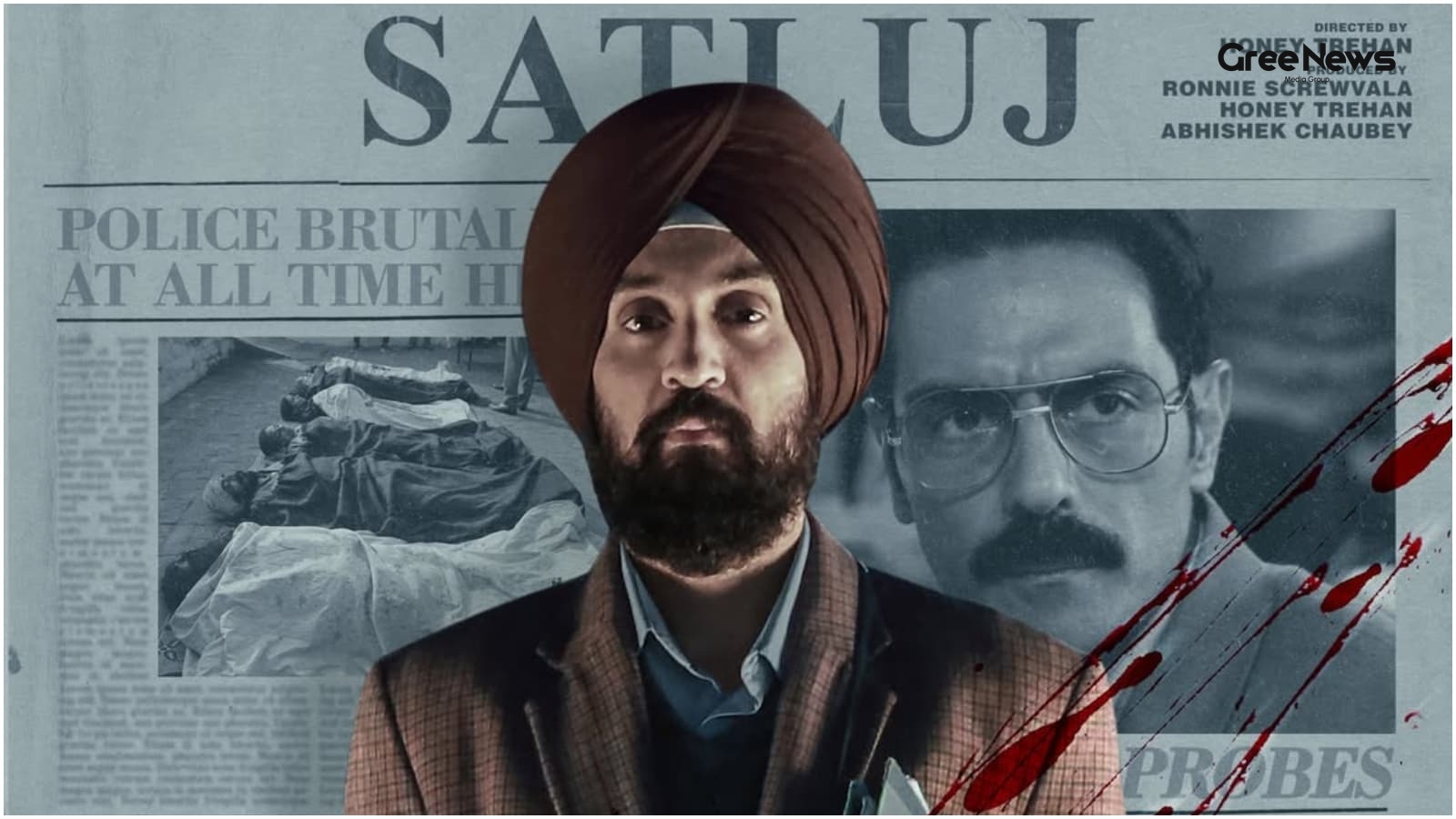
Satluj: The Story of Disappearance, Censorship, and Human Rights
Diljit Dosanjh’s *Satluj*. That’s what it was. A film based on the life of Jaswant Singh Khalra. The human rights activist stuff. And now? Gone from Zee5. Two days after that premiere. It just vanished. Zee5 dropped the bomb about ‘current developments.’ Not a big deal, really, unless you live in Pu
Jul 6, 2026 by Gree News Team

Harry Kane's Emotional Reaction After World Cup Win
Harry Kane had everything to celebrate after that win. England beat Mexico three-two in the World Cup Round of 16. But finding words? That was impossible. He just couldn’t talk. The England captain was left croaking through interviews after such an emotional night at the Estadio Azteca. They survive
Jul 6, 2026 by Gree News Team
Shooters Linked to Lawrence Bishnoi Gang Killed Near Bahadurgarh
Two alleged shooters linked to the Lawrence Bishnoi gang were killed late Saturday night near Bahadurgarh. They were carrying a reward of one lakh each. The operation was carried out by a joint team the Haryana Police’s Special Task Force unit and Delhi Police's Counter Intelligence wing. The bodies
Jul 6, 2026 by Gree News Team

Guillermo Ochoa's Farewell and Legacy at the World Cup
Guillermo Ochoa said goodbye after the match. It was tearful. He watched his team lose, 2-3 to England in that Round of 16 game at the World Cup. A huge moment for him. Moments after the final whistle blew at Azteca Stadium, he just broke down. Teammates and coaches surrounded him. Everyone knew wha
Jul 6, 2026 by Gree News Team

The Historical and Diplomatic Significance of Ayatollah Ali Khamenei's Funeral
The funeral for Ayatollah Ali Khamenei brought together some heavy history. They called it a powerful expression of mutual respect. It pointed right back to those deep historical ties between Iran and India. It was a long post on X where they put all this out. But it wasn't just about the funeral it
Jul 6, 2026 by Gree News Team
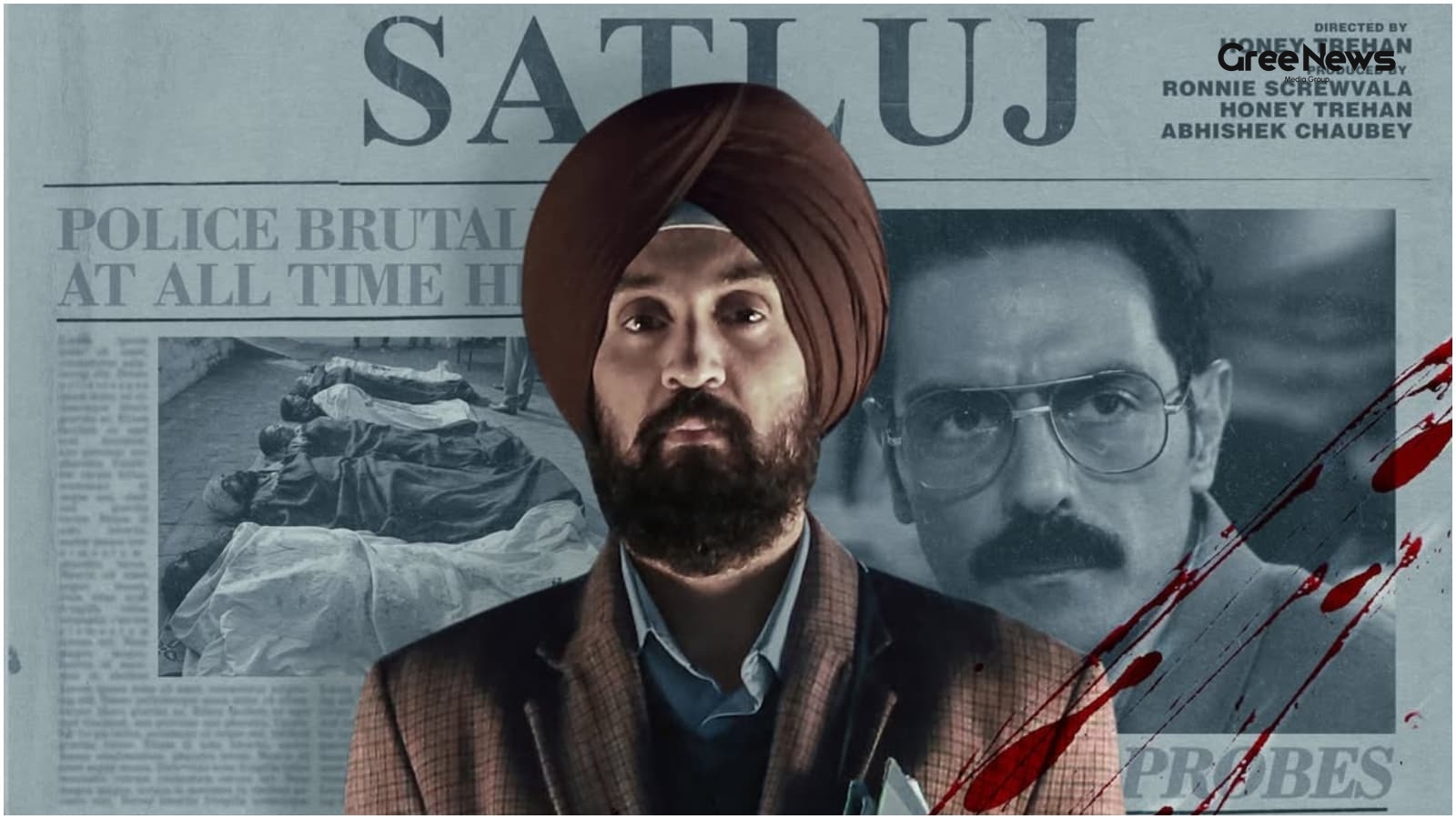
Diljit Dosanjh on the Controversy of *Satluj* and Censorship
Days after *Satluj* got pulled off ZEE5 India, Diljit Dosanjh jumped on an Instagram Live. It was all about the controversy, you know? The film has been stuck in this years-long fight over censorship. People flooded the comments section immediately. They were saying they had already managed to downl
Jul 6, 2026 by Gree News Team
By-Election Schedule and Timeline in India
The Election Commission of India finally dropped the schedule for those by-elections. It’s about four seats across Bihar, Gujarat, and Madhya Pradesh. They’re setting the dates now. Polling will happen on July 30th for all of them if they need to vote at all. And the whole messy process is supposed
Jul 6, 2026 by Gree News Team

Cristiano Ronaldo on Retirement and Legacy
Ronaldo knows the questions are always coming. It’s just how it is, even at forty-one. Is this his last World Cup? When does he actually stop playing? Is he still that player everyone remembers? He answered them all on the eve of Portugal’s clash against Spain in Dallas. The pressure was palpable th
Jul 6, 2026 by Gree News Team
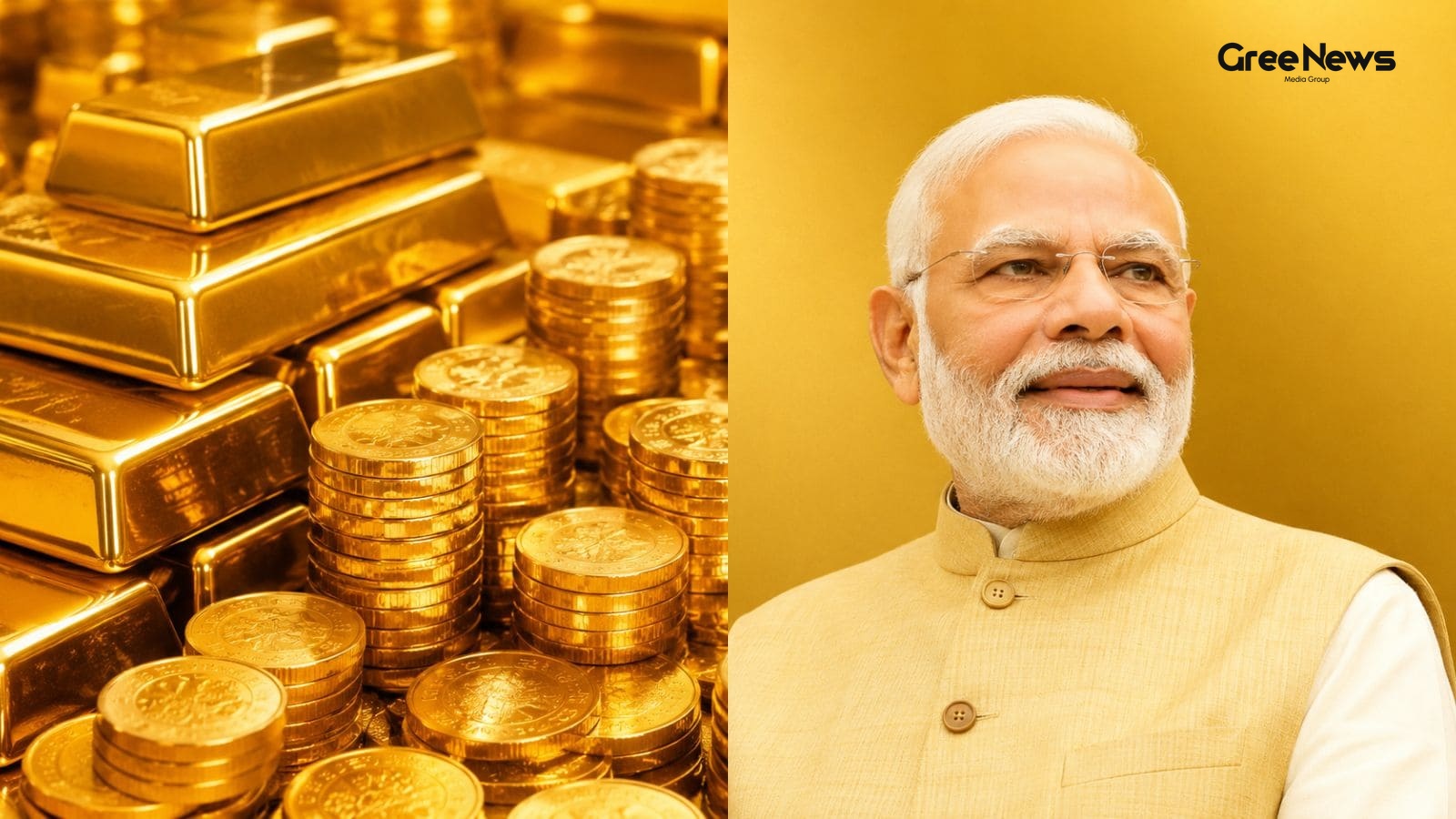
Gold Price Movement and Federal Reserve Impact
Gold prices took a dip on Monday. It felt like profit booking was kicking in after things had been climbing last week. That whole move hinged on that softer-than-expected US jobs report. Expectations about the Federal Reserve hiking rates got tempered. That’s what shifted the mood across the board.
Jul 6, 2026 by Gree News Team
Legal Proceedings and Evidence in the Wadgaon Case
The Wadgaon court in Pune just made a move. They remanded Siya Goyal and Chetan Chaudhary back into custody for another fourteen days. It’s judicial lockup until July 16th, tied up in the murder of her fiancé, Ketan Agarwal. That kind of legal drag just drags things further down. You watch these pro
Jul 6, 2026 by Gree News Team
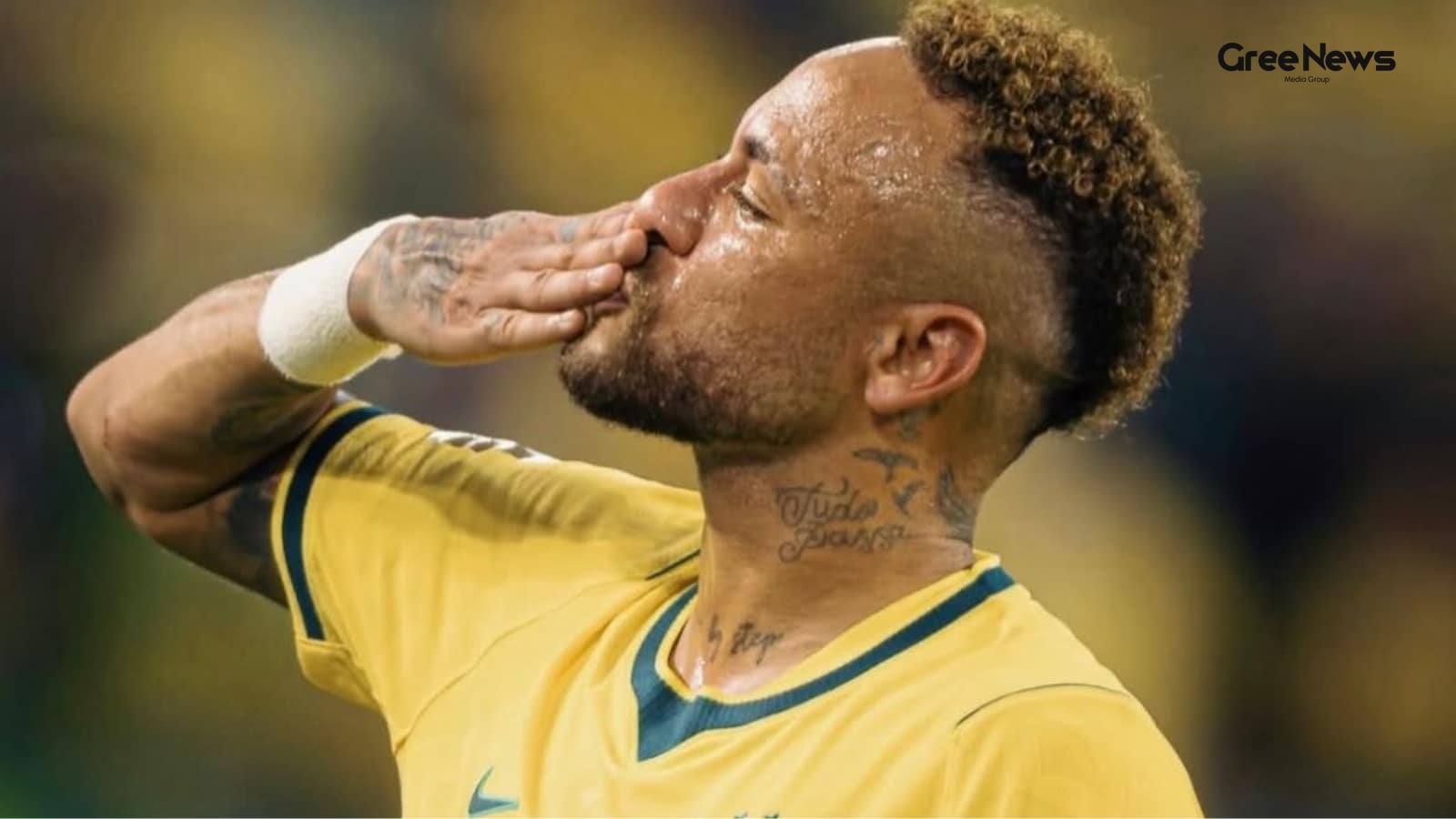
Neymar Jr.'s Retirement: A Heartbreaking Farewell and Legacy
Neymar Jr. finally hung up his boots. It’s over. After sixteen years of football, he officially announced his retirement from the international game following Brazil’s brutal 2-1 loss to Norway in the Round 16 of the 2026 World Cup. That kind of heartbreak just seems to mark the end for him now. He
Jul 6, 2026 by Gree News Team

Road Collapse and Tragic Incidents in Mumbai
Visuals from the scene showed the massive sign lying right across the middle of the road. Cars couldn't move. Traffic was completely jammed up there. No immediate reports about anyone getting hurt in that specific collapse. Just the debris and the blockage for now. Police got there quickly after it
Jul 6, 2026 by Gree News Team
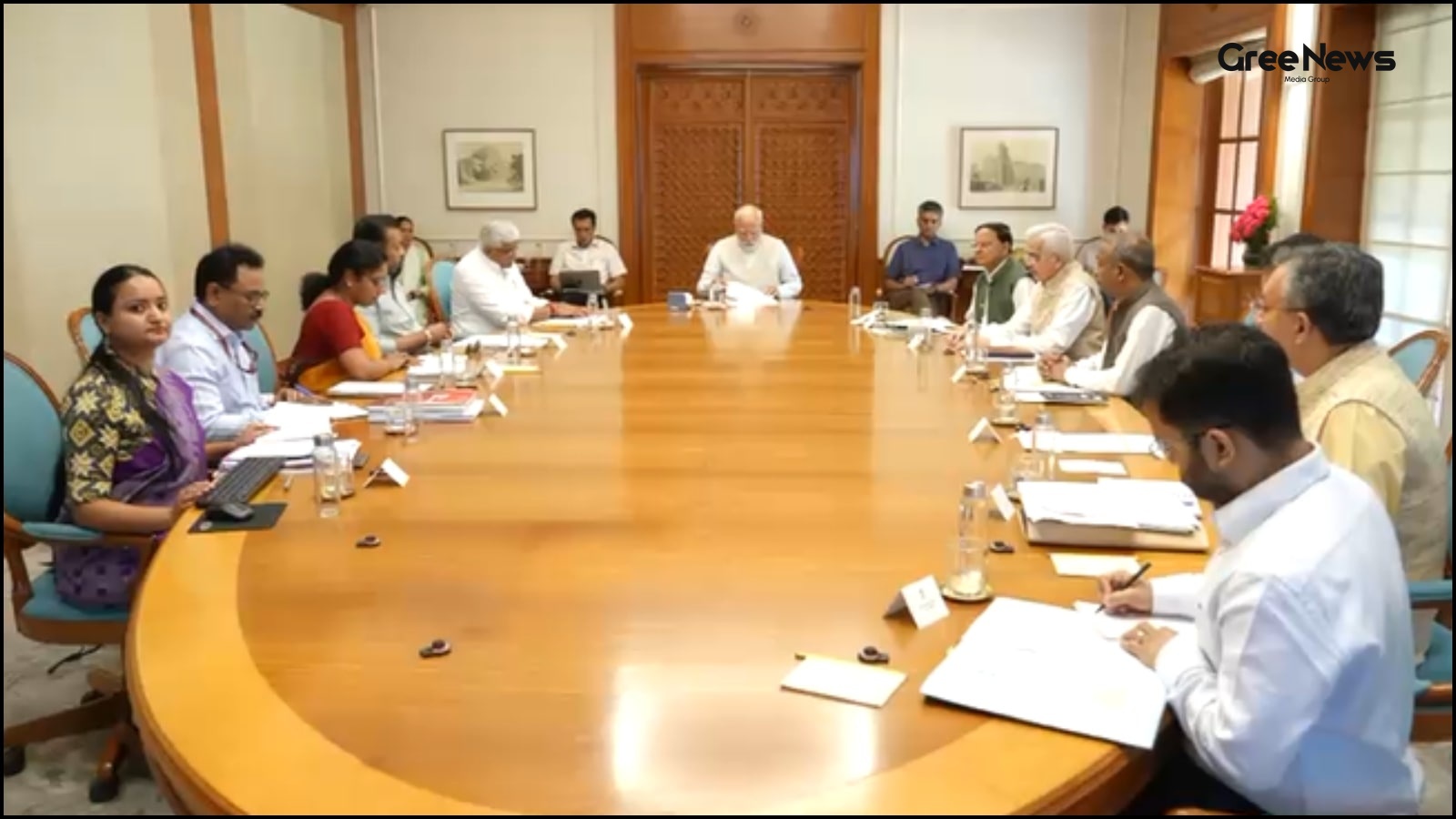
Analysis of Modi Cabinet Reshuffle Patterns
Modi Cabinet reshuffle talk is really picking up steam right now. People are talking about ministers being shuffled around, getting moved into different organizational spots within the BJP structure, or maybe even getting slotted into government roles. But here’s the thing, sources tell us it’s prob
Jul 6, 2026 by Gree News Team
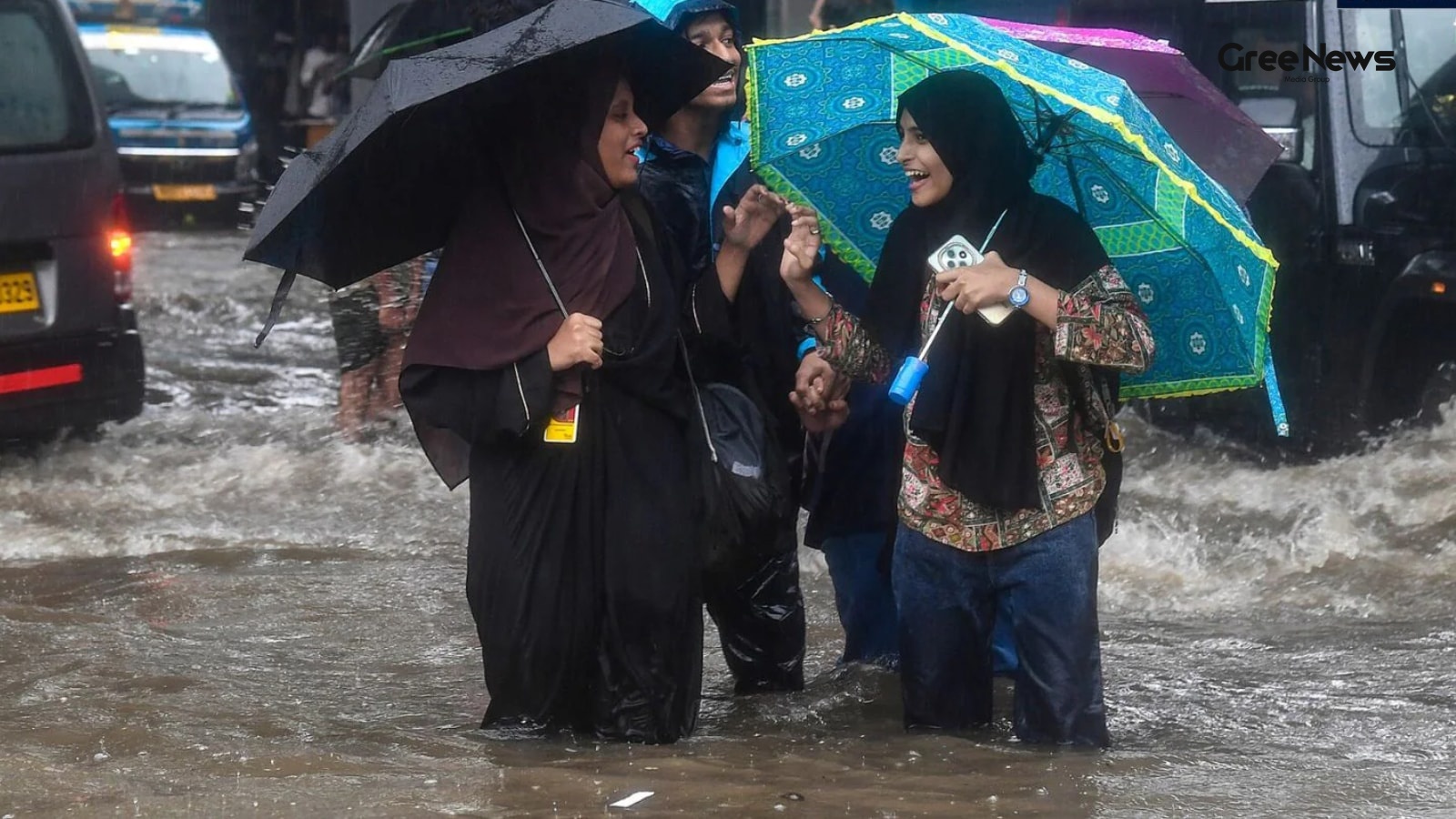
Mumbai Hit Hard by Deadliest Monsoon Spells and Landslides
Mumbai got hit hard this Monday. One of the deadliest monsoon spells they’ve seen, with at least ten people losing their lives because of the rain-related mess. Downpours just kept coming, bringing flooding, landslides, and total disruption across the whole Mumbai Metropolitan Region. Things really
Jul 6, 2026 by Gree News Team