New Regulations and Hurdles for Private School Fee Hikes in Delhi
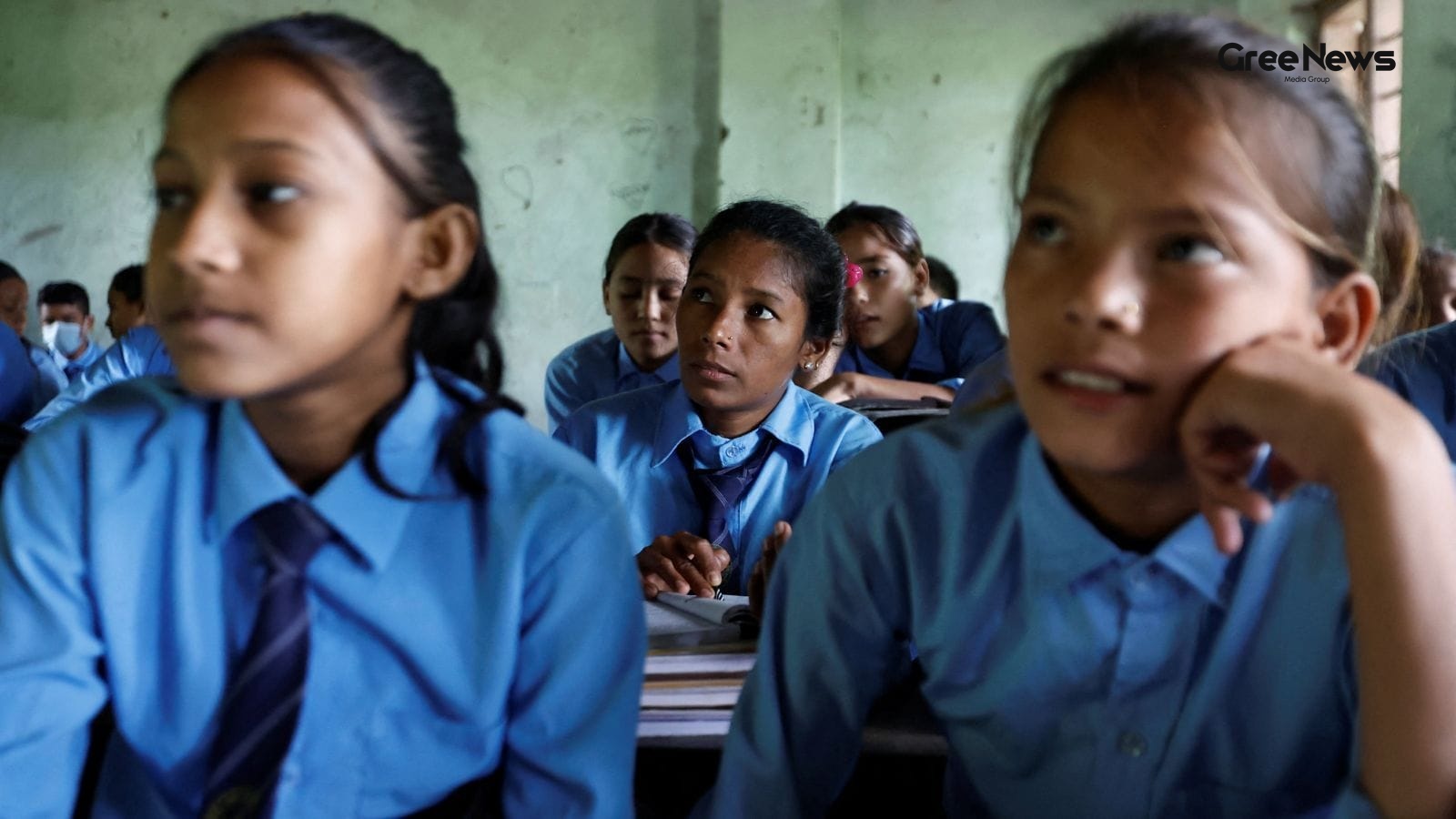
Ashish Sood, the Education Minister, basically said on Thursday that private schools in Delhi are now facing a massive hurdle if they want to hike fees. They have to justify every single proposed increase against eighteen specific parameters. Think infrastructure , how they manage transport, safety stuff, even staff recruitment. All of it has to be laid out before parents can even look at approving the money request.
The government put a deadline on this mess. All private unaided schools are directed to set up a School Level Fee Regulation Committee, or SLFRC . They have to get this committee running by July 15th, thanks to that new Delhi School Education Act of 2025. And if they miss it? Well, there will be strict action coming, Sood warned.
It sounds bureaucratic, but the underlying message is clear: quality education isn't just about throwing money around; it’s something else entirely. The minister pushed back hard, saying that education is “a noble service to society, not a commercial business.” That line really cuts through the usual noise, doesn’t it?
So what does this actually mean for the schools themselves? It means they can't just decide they need more cash and expect approval. They have to build a whole justification case. This isn't some simple ledger entry; it involves tracking infrastructure spending, transportation setups, actual school buildings, safety measures you name it. Plus, how they hire staff, those institutional requirements… all eighteen things loom over them now. And this has to be backed up by real financial records showing that the hike actually leads to genuine improvements, not just padding the budget.
The mechanism for getting this justification is going to be a committee. Every private unaided school needs to set up an SLFRC. Who’s on it? Parents, teachers, and the school management have to be represented. It’s not open-ended. They are setting up this structure with a specific mandate.
The process for picking who sits on that board is mandated too. They need five parent representatives and three teachers selected. How do they pick them? A publicly announced draw of lots. There has to be a seven-day notice period before anything happens. It’s supposed to be democratic, or at least appear to be.
But the procedure itself gets complicated fast. All parents, guardians, and teachers automatically get in the running for that draw. And if there are spots left over? Ten extra members are meant to fill any gaps on a waiting list. This whole selection process has to happen in front of some oversight. The principal needs to be there. A teacher who isn't participating, a PTA rep, and some government observer must also witness the entire thing.
The real fear seems to be manipulation. The Directorate of Education (DoE) was pretty blunt when they issued the order. They warned that if school management tries to pull strings or just skip this whole procedure, there will be serious consequences. We’re talking monetary penalties, maybe even losing recognition for the school, or worse the government could take over management entirely. That kind of threat is heavy.
Schools aren't just dealing with internal committee setups. They have a submission deadline too. They need to hand over their proposed fee structures for the next three academic years to this new SLFRC by July 31st. And here’s where things get really messy, because it ties directly into the money side. These proposals must come with audited financial statements from the previous three years. No shortcuts. Unaudited stuff or self-certified accounts? Absolutely not accepted. It has to be verified by a chartered accountant.
And while all this groundwork is happening the committees forming, the submissions being made there’s an interim fix in place, stemming from those earlier Delhi High Court directions. Private schools are still allowed to collect fees at the 2025-26 rates for now. But that’s temporary. Any extra money collected during this waiting period? It has to be refunded or adjusted once the final decisions from these regulatory committees come down. It’s a holding pattern, essentially.
The SLFRC itself isn't meant to be a permanent fixture. It’s only supposed to function for one academic year. They have to hold at least one meeting before August 15th to actually look at those proposed fee structures and make some sense of them. Then what? They need to put the names of the committee members up on their notice boards and websites within seven working days of that draw, sending those details over to the DoE. It’s all about transparency, they say.
Regional directors and district officials are being hammered with instructions to make sure this actually happens. The department is emphasizing something crucial: protecting the interests of the students and parents has to be the absolute priority. It’s less about following a checklist and more about ensuring that whatever decision is made doesn't end up hurting the kids who actually attend these schools.
It feels like a lot of moving parts here. Just a flood of rules designed to slow things down, sure, but maybe it’s also trying to force some kind of accountability where there was none before. The flow isn't perfectly smooth, you know? It’s more about the friction of implementation than any single clear directive.
Written by Gree News Team — Senior Editorial Board
Gree News Team covers international news and global affairs at Gree News. Our collective of senior editors is dedicated to providing independent, accurate, and responsible journalism for a global audience.
More from Education
View All
CA Foundation Results and Passing Criteria
July 3. That’s when the ICAI is supposed to drop the results for the CA Foundation May 2026 exams. It’s happening today. People are trying to get access now, logging into icai.org with their registration and roll numbers. The whole thing hinges on that official site opening up. They say the merit li
Jul 3, 2026 by Gree News Team
Changes Planned for NEET UG Medical Entrance Exam
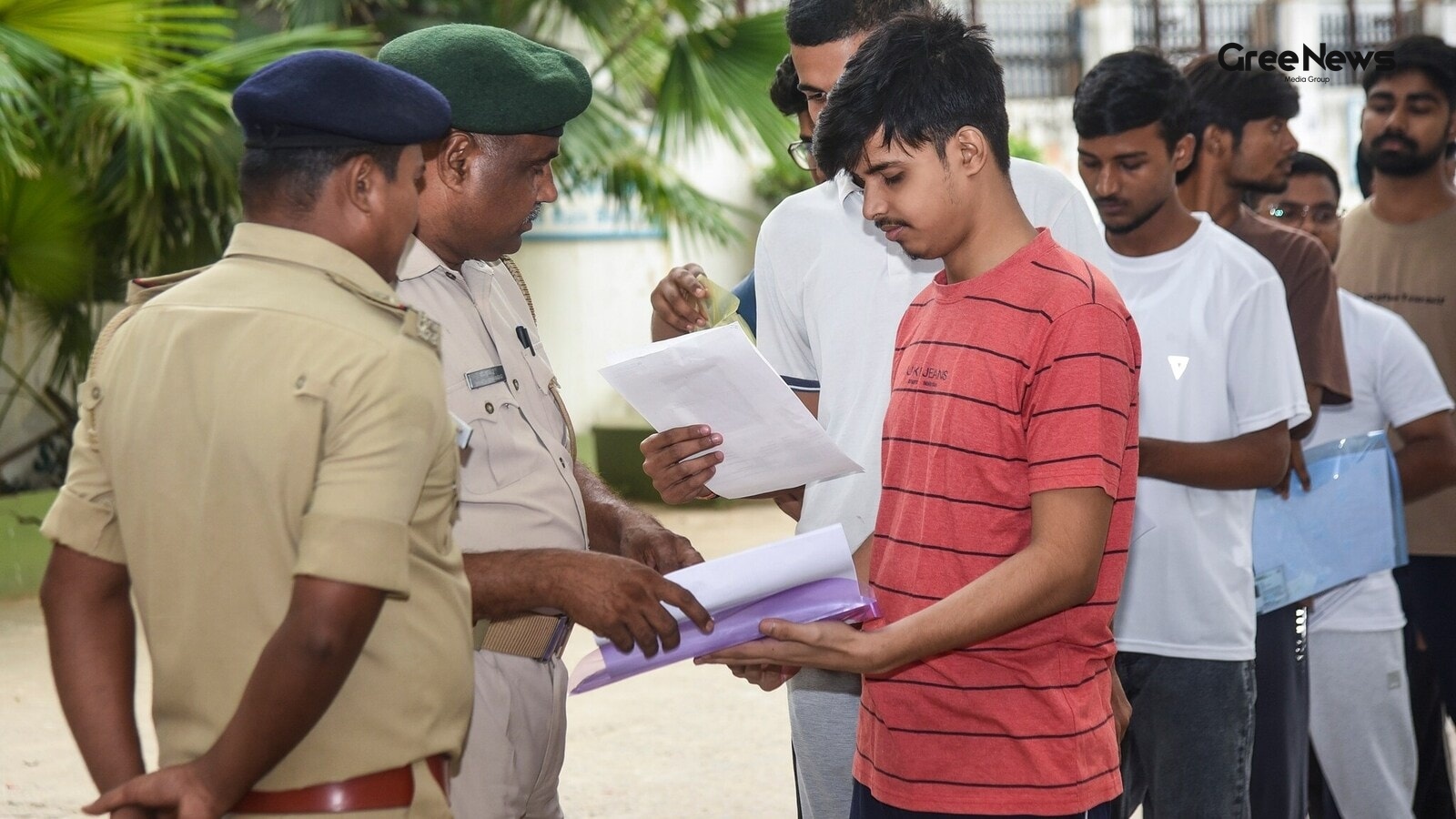
Significant changes are being planned for the NEET UG medical entrance exam. There’s a parliamentary committee pushing for a complete overhaul of the entire pattern. They brought up serious security worries, you see. Conducting that test for more than twenty lakh candidates all at once just doesn't
Jul 2, 2026 by Gree News Team
Odisha Textbook Controversy and Government Response
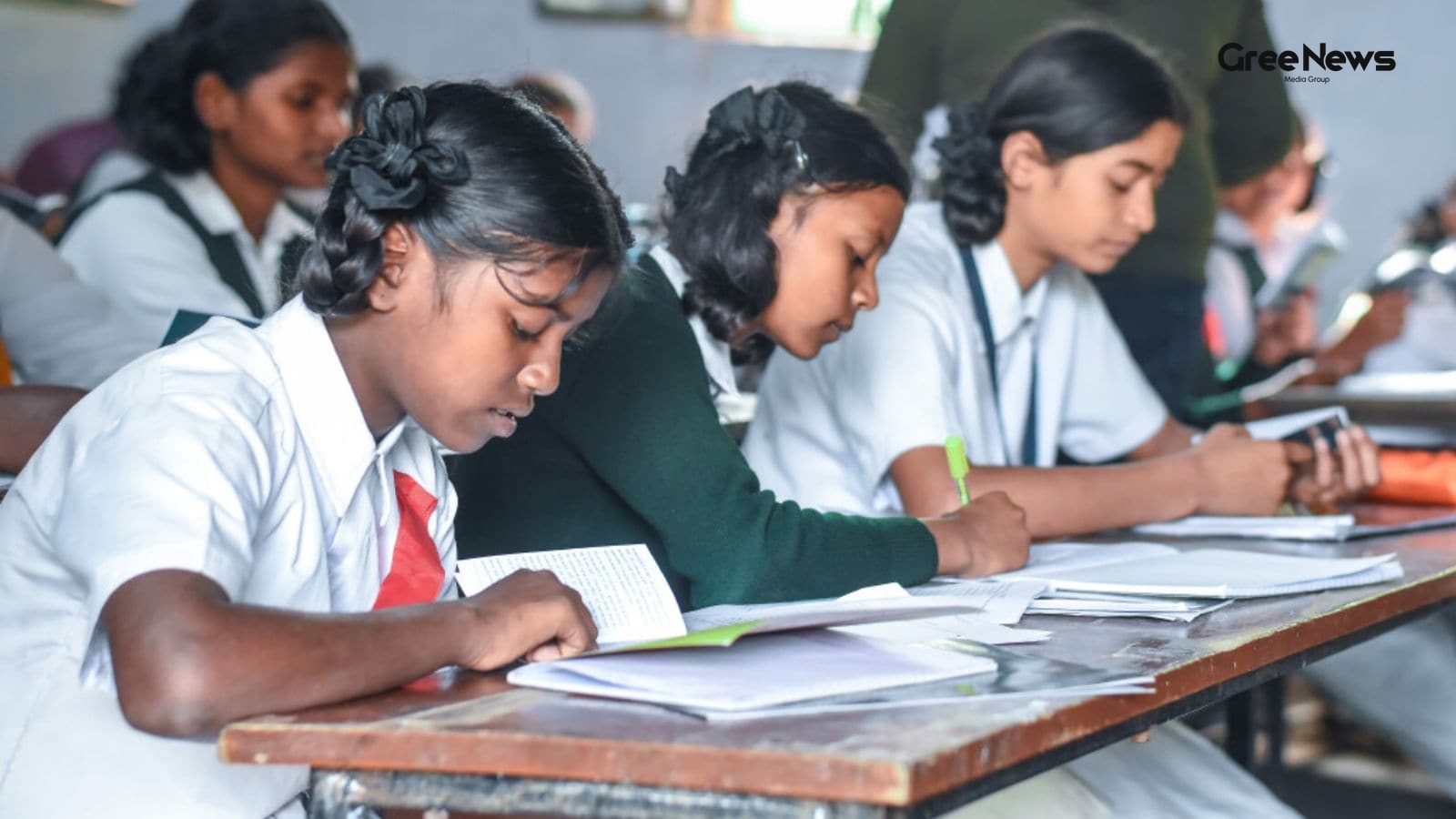
Odisha’s government is saying they’ll sort out those textbooks soon. They dismissed the claims that there were over sixteen hundred mistakes, which came up after people started pointing out spelling errors and wrong references to famous people in books for Classes one through eight. But things are s
Jul 2, 2026 by Gree News Team
Regulating the Coaching Industry and Entrance Exams
The Centre is looking at a national law now. Something about regulating that whole coaching industry. Why? Well, there’s this mounting stress among students suicide cases in those coaching hubs are really hitting people hard. They're also thinking about messing with entrance exams. Trying to shift t
Jul 1, 2026 by Gree News Team
Latest Headlines
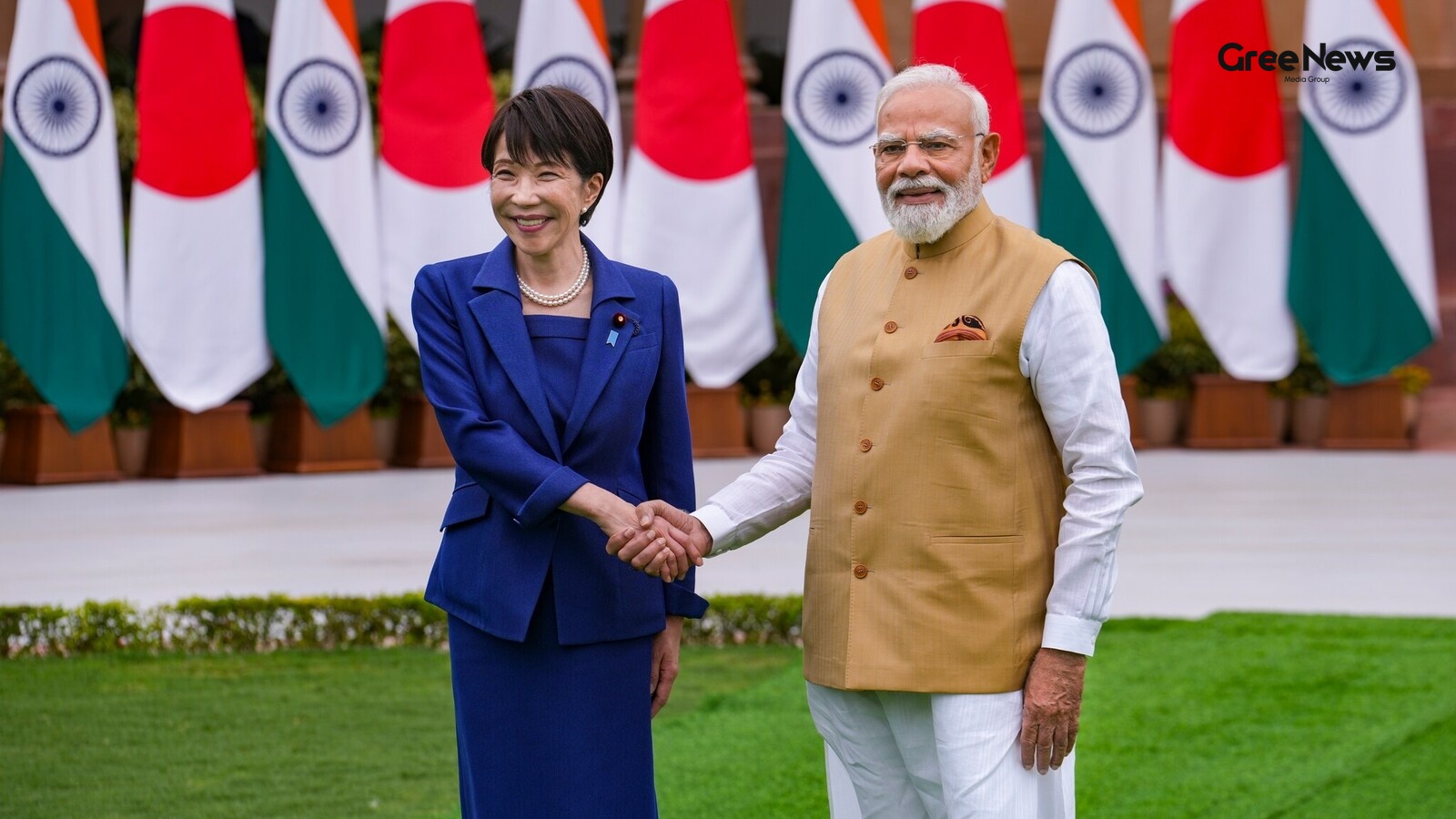
Modi and Takaichi Condemn Terrorism and Discuss India-Japan Cooperation
Modi and Takaichi strongly condemned terrorism. Violent extremism in all its forms. This included cross-border terror sponsored by Pakistan. The India-Japan Annual Summit happened on Thursday, July 2. That’s when the leaders made their joint statement. They talked about the deadly Pahalgam attack in
Jul 3, 2026 by Gree News Team

Stock Market Update: Domestic Gains and Global Sentiment
Stock market today started off better domestically. Equities opened higher Friday, just continuing the gains from the previous session. That move was mostly fueled by some solid buying in information technology stocks, plus things settled in Asia and general easing of volatility. The numbers themsel
Jul 3, 2026 by Gree News Team
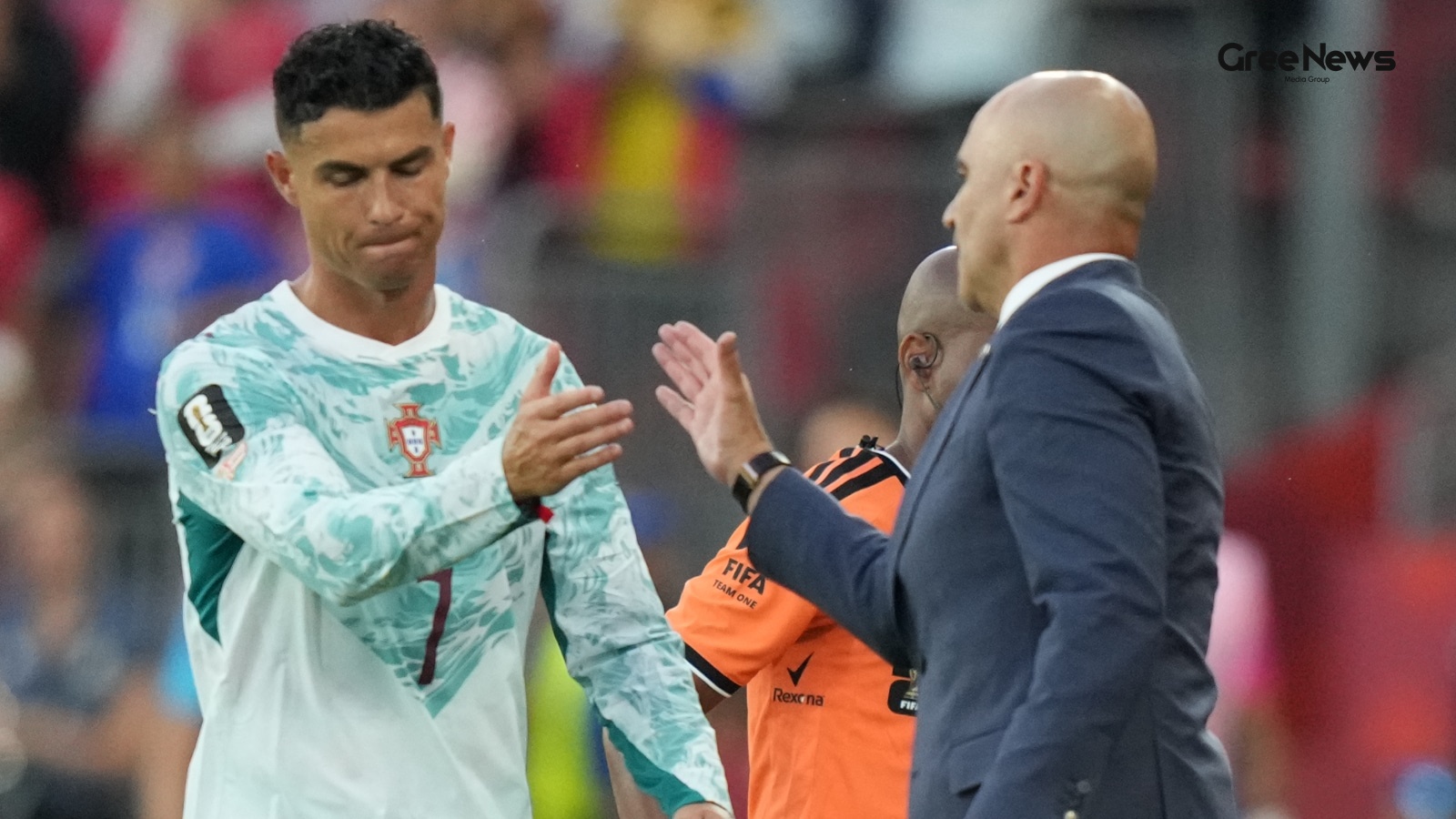
Cristiano Ronaldo's Retirement Speculation and World Cup Debate
The 41-year-old is dealing with a lot of speculation about his international future right now. Everything since Portugal’s dramatic win against Croatia in the Round of 32 seems to have kicked up the debate. He insisted he won’t make any rash decisions about retirement until the tournament is complet
Jul 3, 2026 by Gree News Team
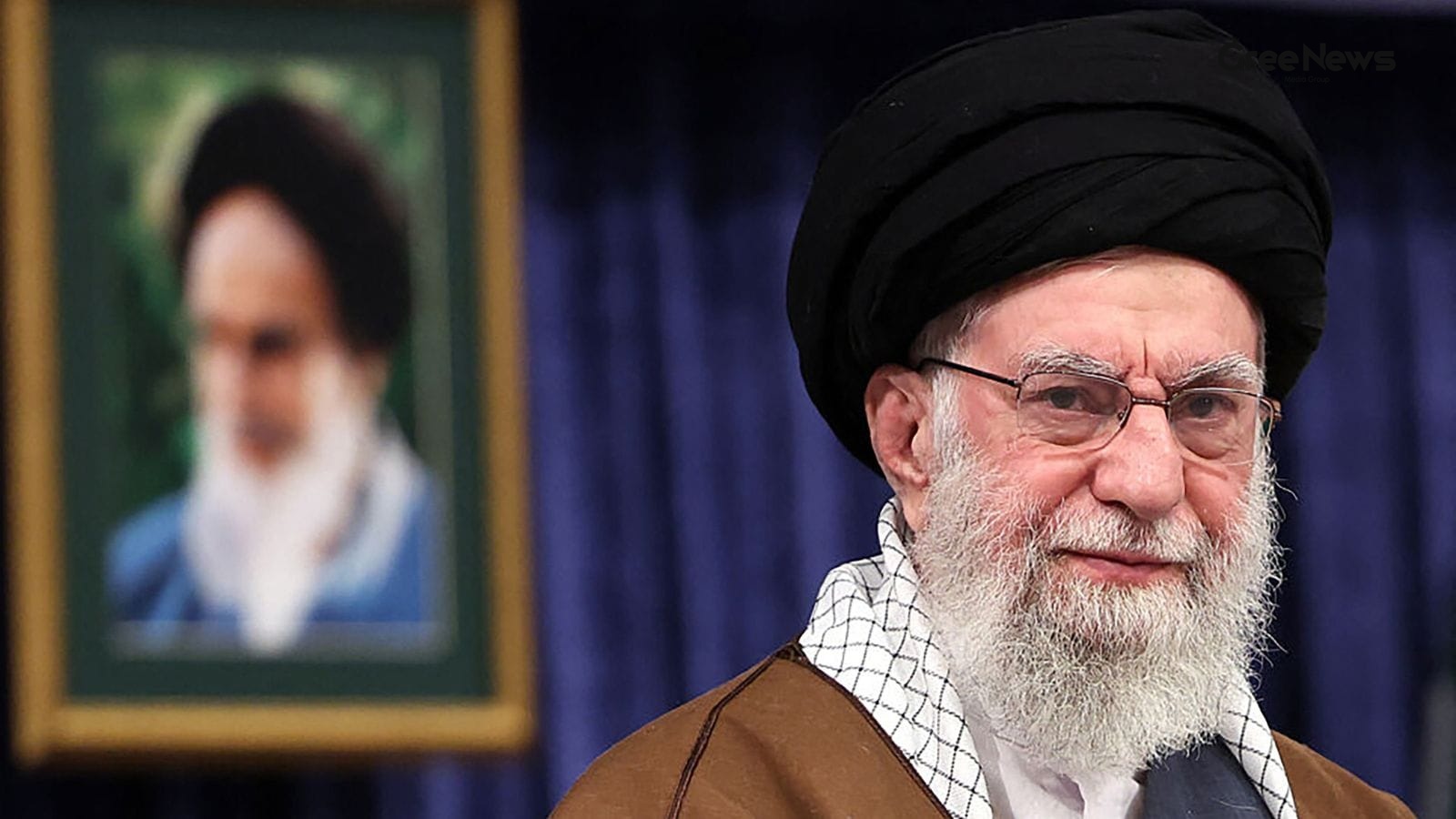
Ayatollah Khamenei's Funeral and Geopolitical Concerns
Ayatollah Khamenei's funeral. Iran is gearing up for it now. It’s set to run for six days starting July 4th. State media stuff said the coffin was moved ahead of the ceremonies too. To where he died. That site itself. A dead pause there. But there’s more going on behind the scenes. The Supreme Leade
Jul 3, 2026 by Gree News Team
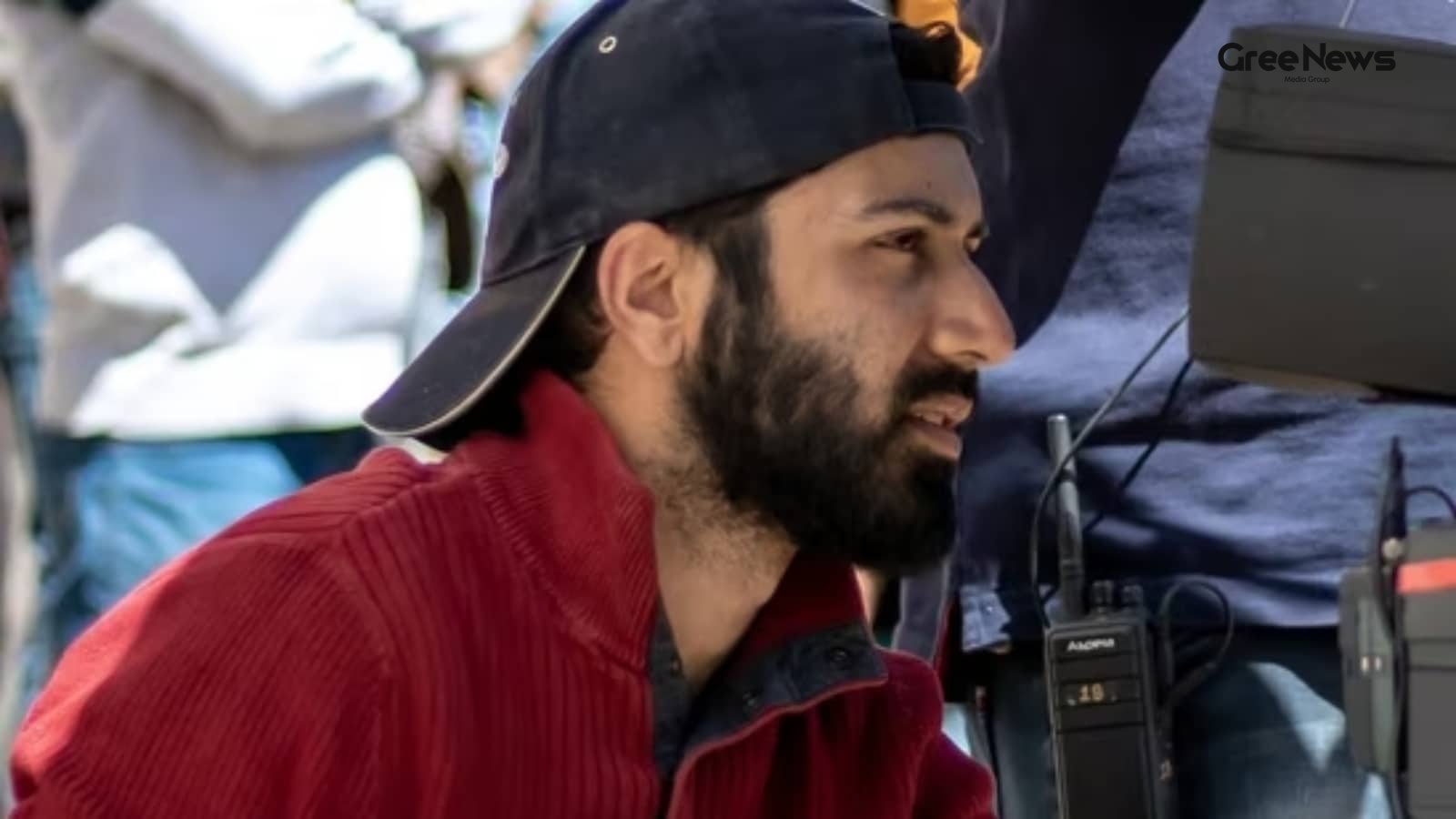
Pratik Shah's Apology and the Reaction of the IWCC
Pratik Shah’s apology over those sexual misconduct allegations just brought some real heat. It drew a massive reaction from the Indian Women Cinematographers’ Collective, or IWCC. A day after he put out his statement, the collective basically said it didn't feel sincere. They questioned everything a
Jul 3, 2026 by Gree News Team
CA Foundation Results and Passing Criteria
July 3. That’s when the ICAI is supposed to drop the results for the CA Foundation May 2026 exams. It’s happening today. People are trying to get access now, logging into icai.org with their registration and roll numbers. The whole thing hinges on that official site opening up. They say the merit li
Jul 3, 2026 by Gree News Team
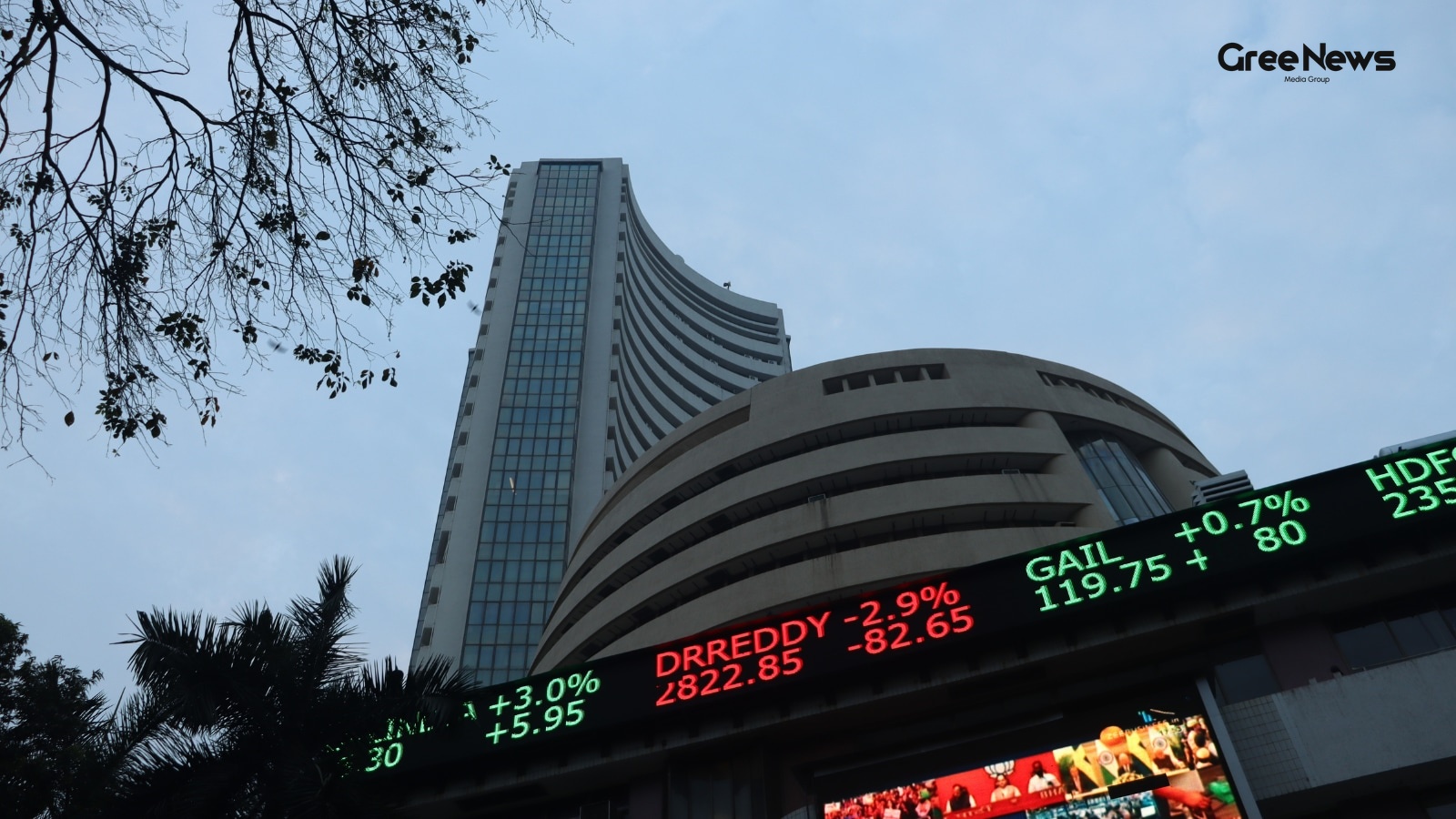
Indian Benchmark Indices Kick Off Thursday in the Green
The Indian benchmark indices kicked off Thursday in the green. Just positive global cues pushing things along, plus some solid investor sentiment overall. A tiny bump only 0.33%. It opened up at 77,083.14 after closing down slightly in the previous session. The Nifty 50 did the same thing, higher to
Jul 2, 2026 by Gree News Team
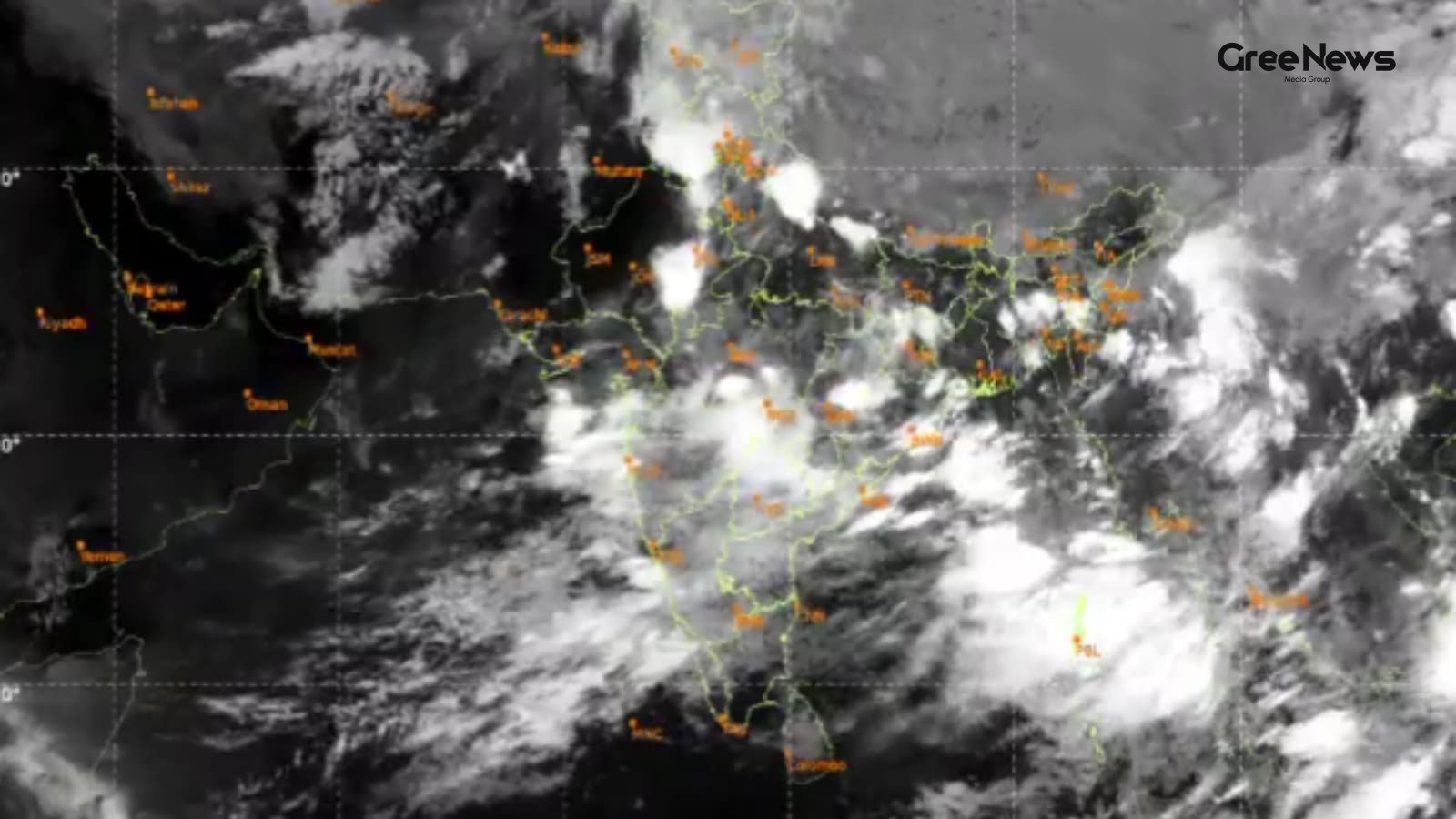
ISRO Satellite Images Show Strong Revival of Southwest Monsoon
Satellite images from ISRO this Wednesday really showed something happening with the monsoon. There was a dramatic surge in cloud cover sweeping across northern India. It signals a strong revival of the southwest monsoon, especially after one of the driest Junes we've seen. The thermal infrared pict
Jul 2, 2026 by Gree News Team
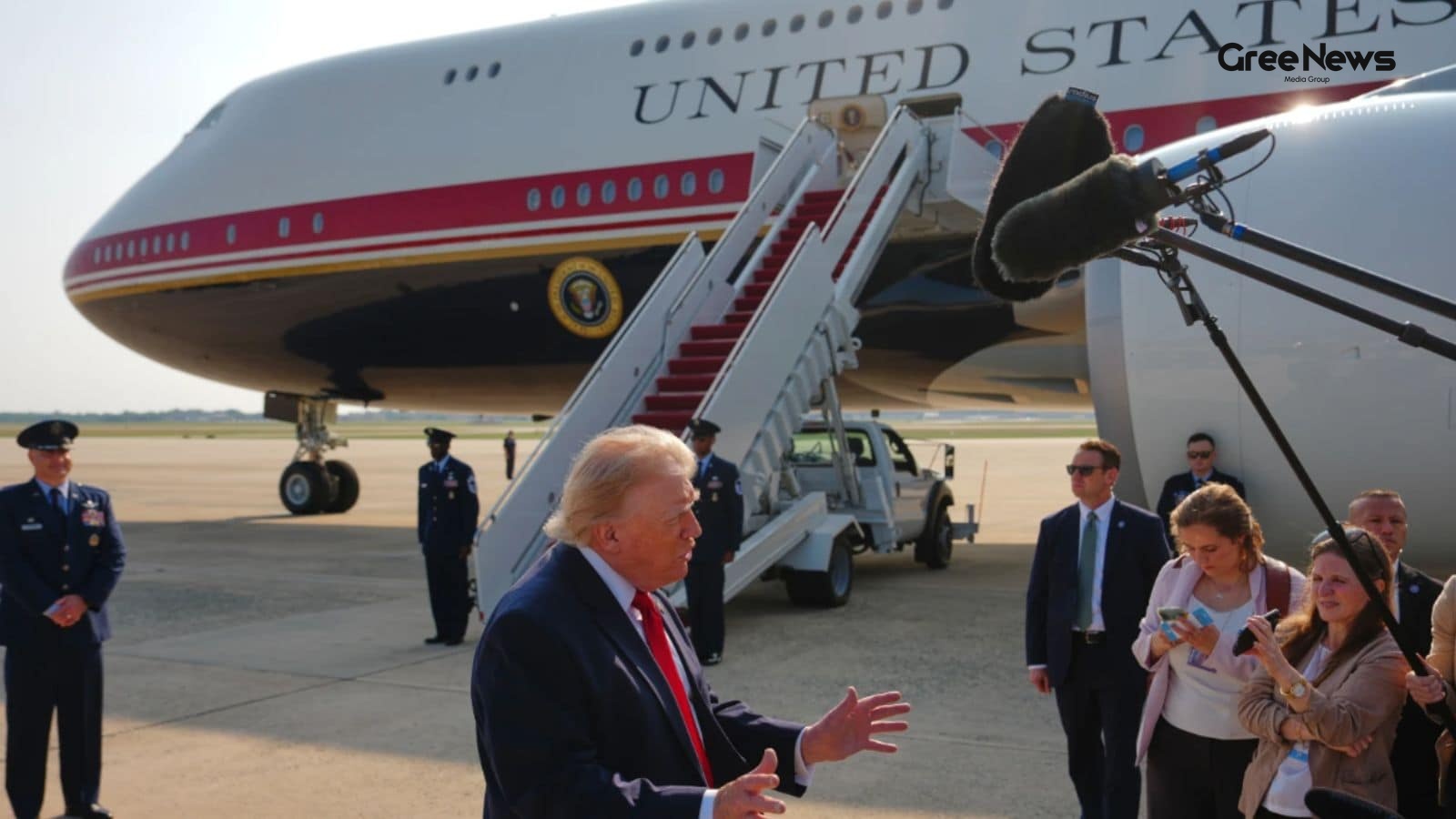
Donald Trump's Temporary Presidential Aircraft
Donald Trump flew on his newly refurbished Air Force One this past Wednesday. It was a Boeing 747-800, gifted by Qatar, serving as a temporary presidential aircraft while they wait for the new planes. That plane, worth about four hundred million dollars, obviously looks different. Gone was that fami
Jul 2, 2026 by Gree News Team
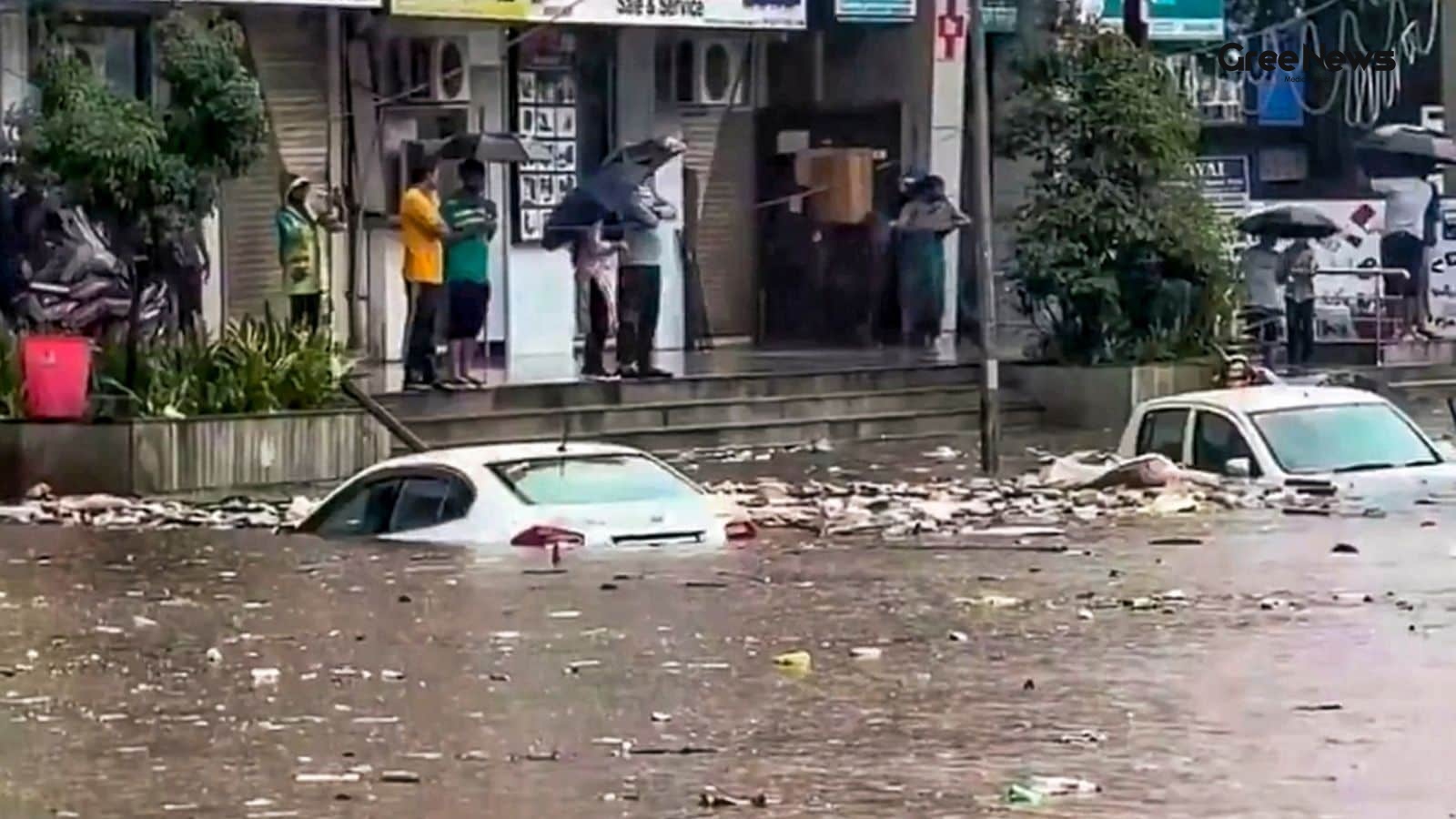
Monsoon Warning and Heavy Rainfall Forecast for Mumbai and Konkan
Mumbai is dealing with some serious monsoon trouble right now. The India Meteorological Department, IMD, just put out a warning predicting heavy to extremely heavy rain across parts of west India on Thursday, July 2nd. They said the monsoon isn't going anywhere soon. It’s an Orange warning for Mumba
Jul 2, 2026 by Gree News Team
The Reality Behind the BAT-BMS E-Rickshaw Videos
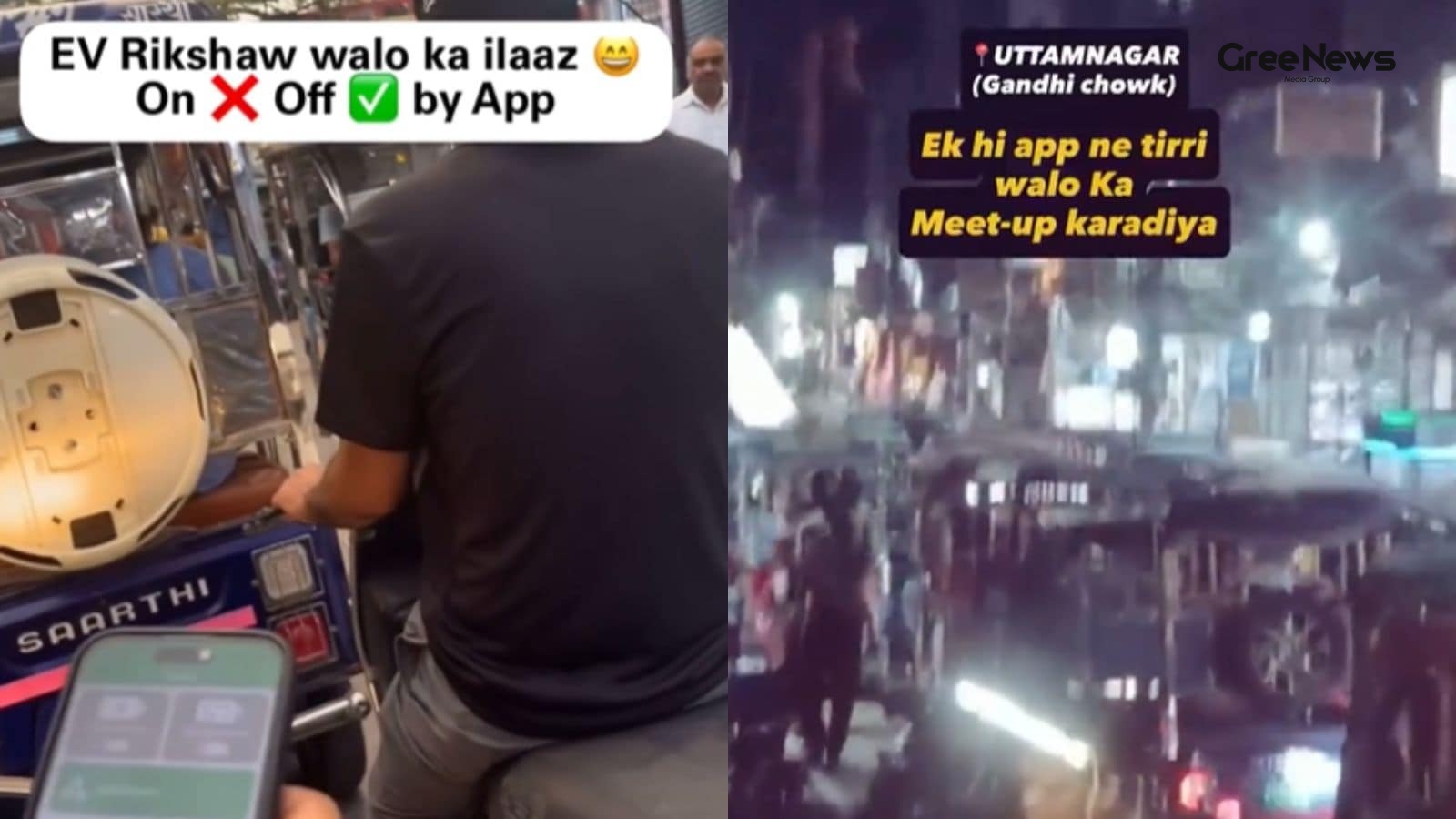
Those viral videos started causing real panic online, you know? People are seeing these clips where folks allegedly switch off moving e-rickshaws just by using a smartphone app. The whole thing centers around this application called BAT-BMS. It’s some kind of Chinese battery monitoring system, but a
Jul 2, 2026 by Gree News Team
Samik Bhattacharya and Mahua Moitra: Allegations and Political Friction in Bengal
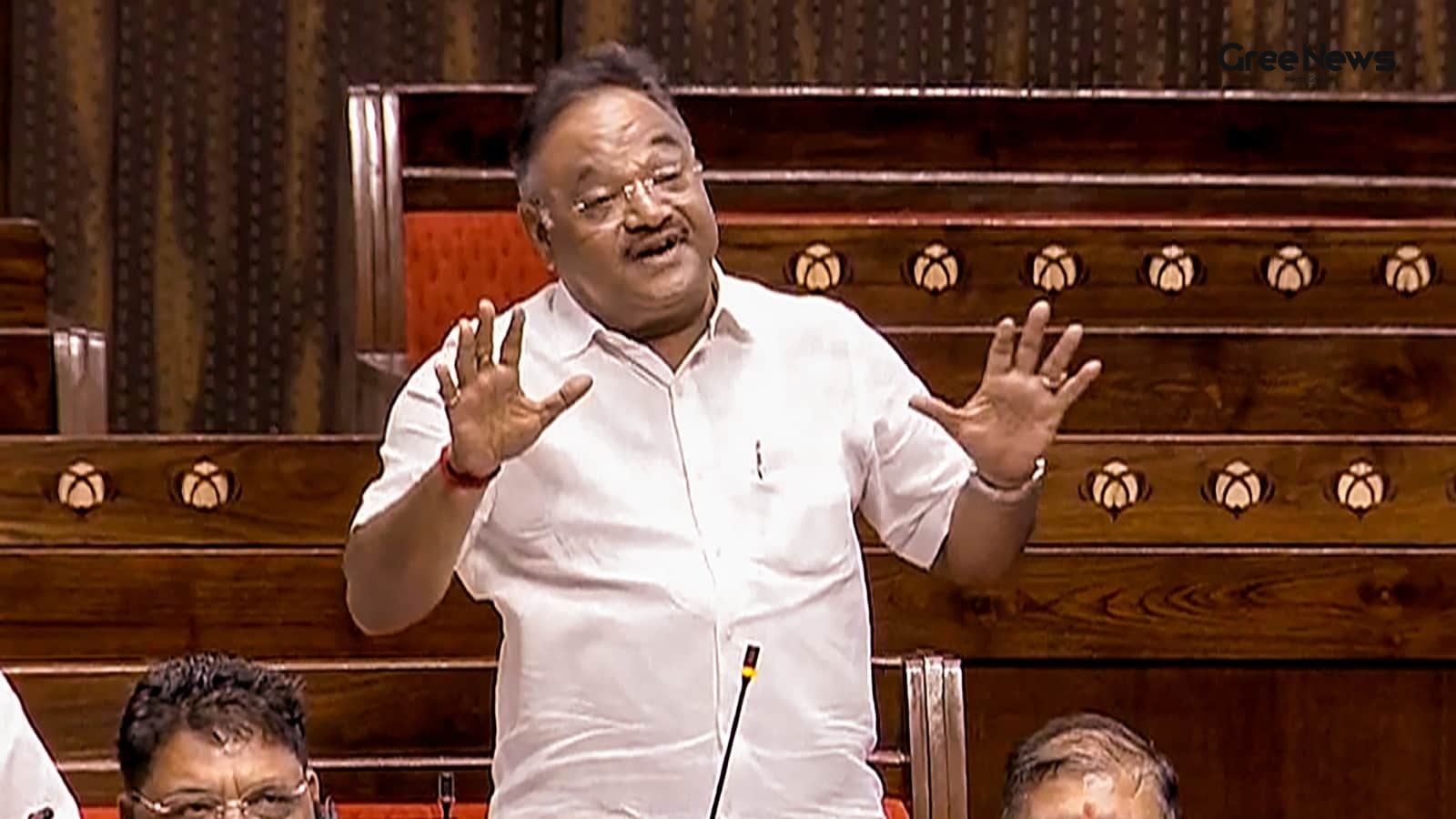
Samik Bhattacharya, the West Bengal BJP president, just shot back at Mahua Moitra’s claims. She alleged that BJP workers actually threw eggs at her during a protest over in Nadia district. But instead of addressing the egg incident itself, he pivoted. He pointed fingers at internal Trinamool Congres
Jul 2, 2026 by Gree News Team
Egg-Pelting Drama: Political Targeting and Legal Action
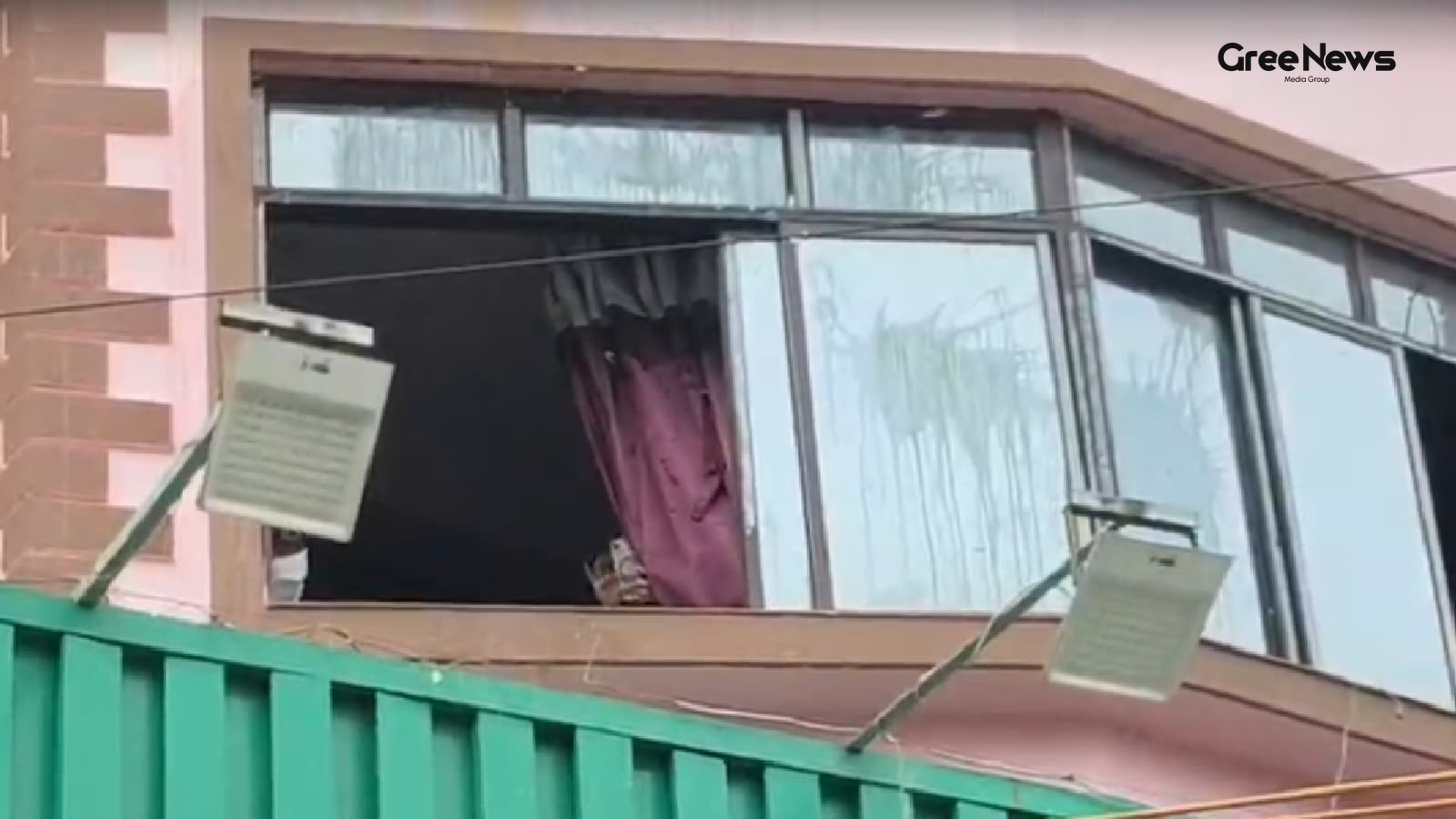
Mahua Moitra, the Trinamool Congress MP, ended up in the latest wave of egg-pelting drama on Wednesday. It happened right outside her office in Nadia. People just threw eggs at the building while she was meeting workers there. There were videos of it. Both sides had footage floating around quickly.
Jul 2, 2026 by Gree News Team
ISI's Shift to Soft Power and the Khalistan Movement in the Diaspora
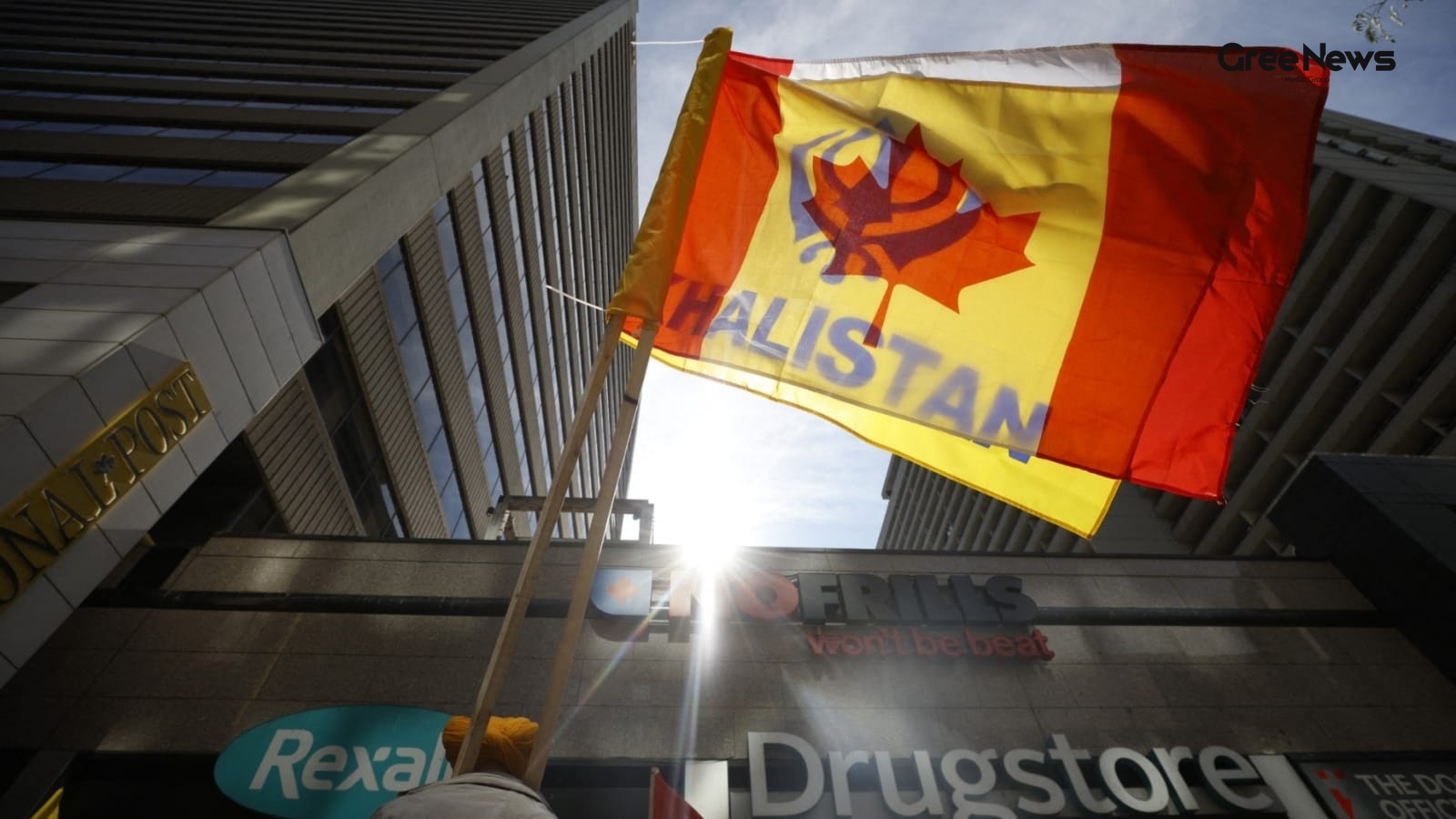
The ISI, Pakistan’s intelligence agency, is leaning heavily on "soft power" networks now. It's using these connections to keep the Khalistan movement alive among the Sikh diaspora in Canada. Top intelligence sources are pointing to this shift. It looks like they’ve moved away from direct militant su
Jul 2, 2026 by Gree News Team
El Niño Preparedness and Monsoon Concerns in India
Modi, he’s been pushing all the ministries right now. Tell them to get contingency plans ready for El Niño. It’s about mitigating what might hit us. Concerns are really growing about this weak monsoon, and how much rain we're actually getting across different parts of the country. Sources say he rec
Jul 2, 2026 by Gree News Team