China's Electromagnetic Space Launch Architecture
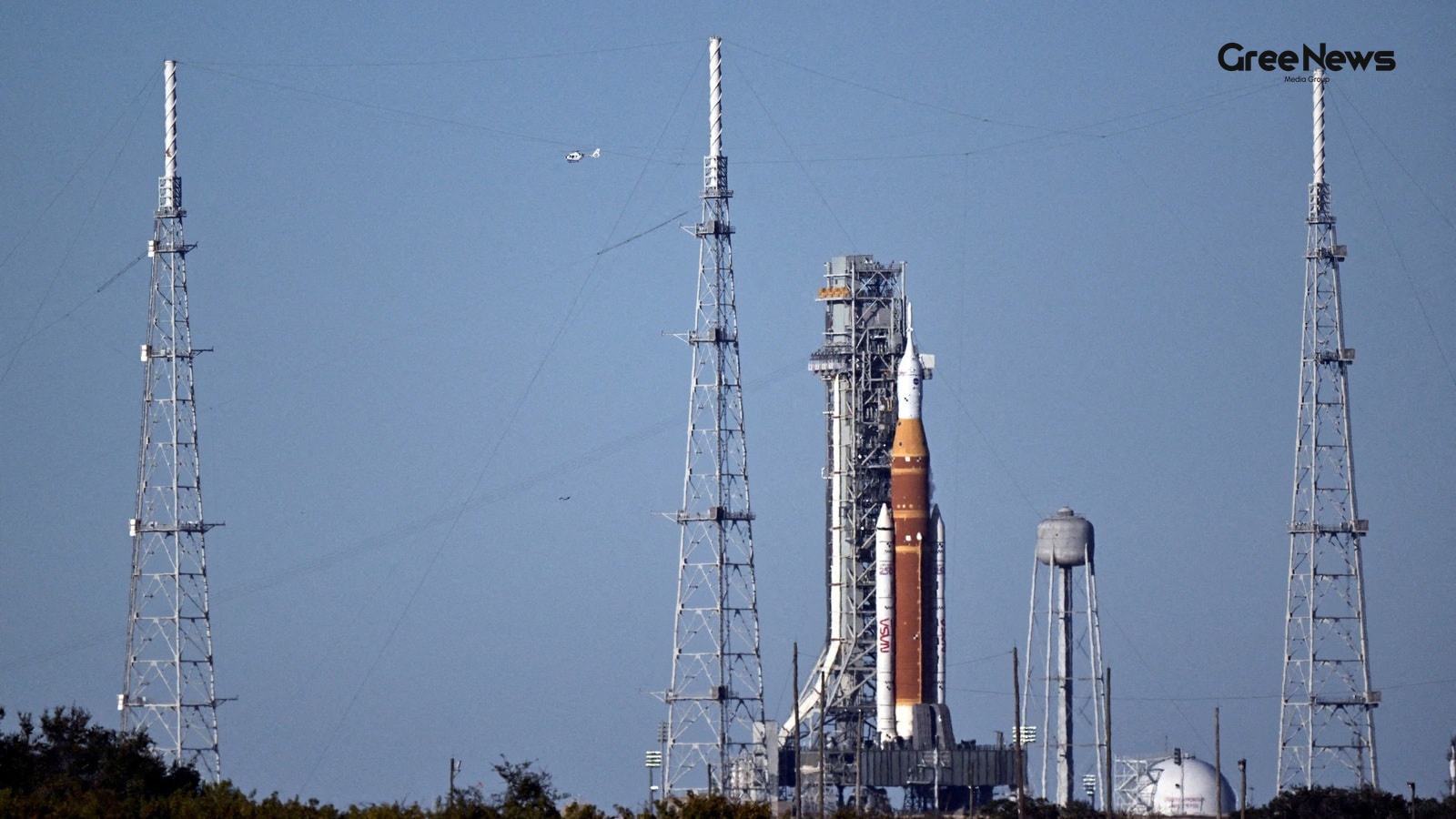
China isn’t just chasing chemical rockets anymore. They are aggressively pushing this experimental space-launch architecture that uses ground-based electromagnetic tracks to sling payloads into the upper atmosphere. Think of it like an electric “zero-stage booster.” The whole point is getting vehicles up to supersonic speeds before their own engines even kick in. It changes everything about how we think about launching things and deploying stuff into low-Earth orbit.
They actually got some validation on this, too. This happened at a facility run by the Ziyang Commercial Space Launch Technology Research Institute over in Sichuan province. They did initial full-system tracking tests there. They successfully ejected a rocket model a 1.4-meter diameter thing from an electromagnetic test platform. That proved a lot of complex stuff working together: heavy flywheel energy storage, controlling that high-performance electromagnetic propulsion, and real-time digital twin monitoring systems all running smoothly. Industry analysts are already calling that site a premier spot for this kind of work, using magnetic levitation for space applications.
The old way? Chemical rockets haul everything the fuel, the oxidizer all the way from the ground. They spend almost all their energy just fighting gravity through the thick atmosphere. China’s move flips that whole philosophy. They outsource the initial shove to a reusable electrical grid right there on the ground. It's a massive shift in how you approach spaceflight dynamics.
How does it actually work? They use matrix switching technology and segmented power supplies along this special track. That lets them push a vehicle to Mach 1 or faster, all in seconds. When that rocket finally separates from the track and fires its main engines, it doesn't need as much internal fuel to get into orbit. Technical projections from Chinese researchers suggest that ditching that initial heavy mass could mean rockets can effectively double their payload capacity relative to what they started with. That’s huge potential for reducing costs.
This isn't entirely new science, though. There are historical roots. NASA and some academic mass-driver models looked at these ideas long ago. But China took the actual research and built it into its commercial and state aerospace pipeline. The underlying electromagnetic principles actually tap into domestic breakthroughs in naval engineering specifically those high-powered catapult systems they developed for their aircraft carriers. It’s leveraging existing heavy industry knowledge, sort of repurposed.
Now, some private players are jumping in. Galactic Energy, that firm, is already positioning itself to use these advances. They're working on something called the Ceres-2 rocket. This vehicle is specifically engineered to hook up with this electromagnetic launch infrastructure. They’re targeting a payload capacity of about 3.5 metric tons for it. The goal? To see actual electromagnetic launches happen before the end of this decade.
There are still massive problems, obviously. Structural stress on the payloads during those rapid catapult phases is a big worry. Plus, generating enough power for those incredibly fast firing intervals requires serious energy output. But you have to look at the bigger picture. Beijing is pushing these satellite constellations hard against global competitors. Their heavy investment in this maglev infrastructure suggests that ground-assisted launches aren't just theory anymore. They’ve become a core part of their long-term aerospace strategy.
Researchers are also looking at where to test this setup best. High altitudes, places like the Tibetan Plateau? That makes sense. The air is thinner up there. It cuts down on all that brutal aerodynamic drag and thermal friction you get when something speeds up near the surface level.
It’s moving fast, isn't it? From theoretical physics right into physical infrastructure deployment. It changes how we look at getting things into space entirely.</p
Written by Gree News Team — Senior Editorial Board
Gree News Team covers international news and global affairs at Gree News. Our collective of senior editors is dedicated to providing independent, accurate, and responsible journalism for a global audience.
More from World
View All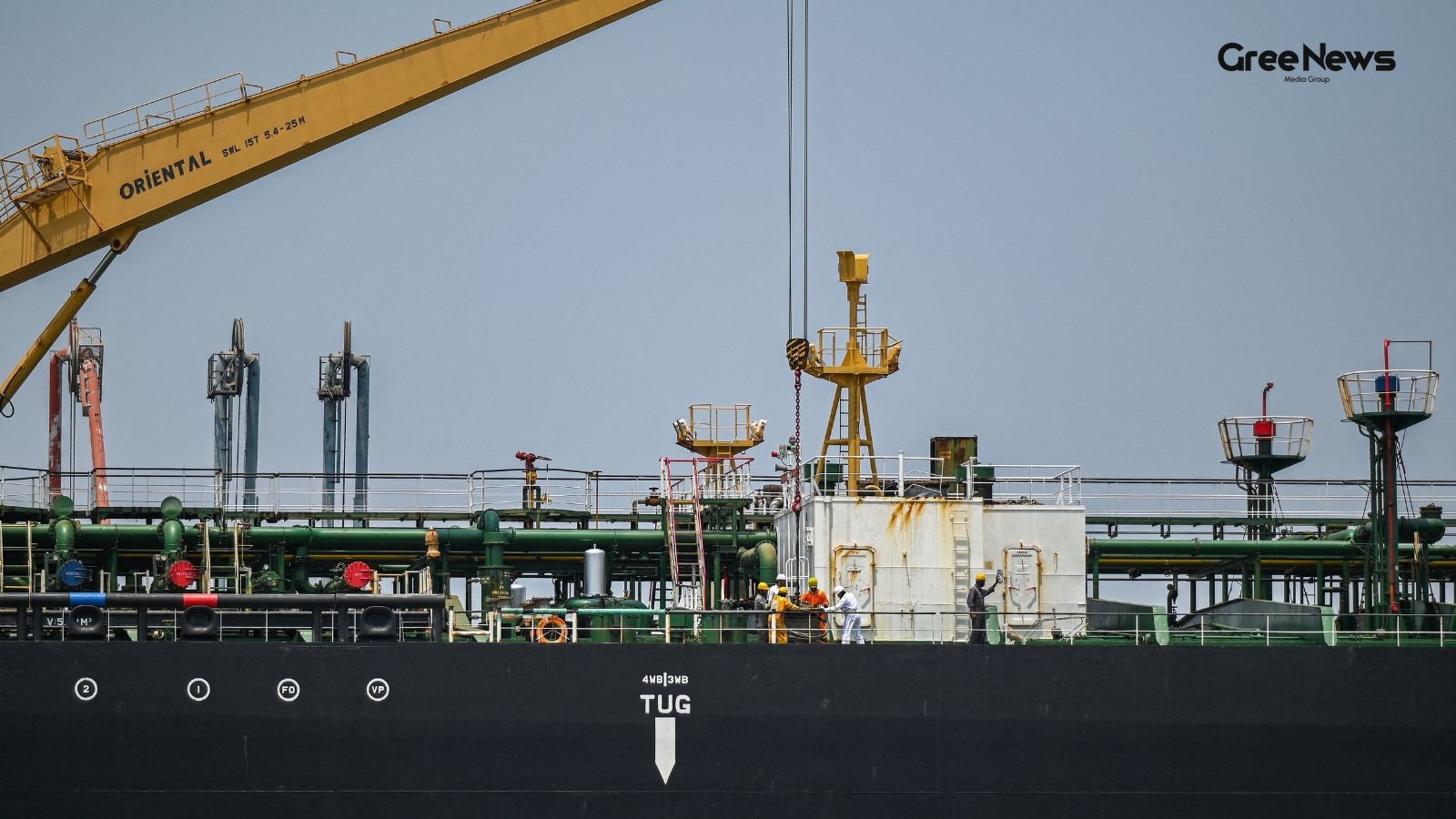
Russia Imports Gasoline from India Amid Fuel Shortages
Russia is starting to import gasoline from India by sea. This move comes to address fuel shortages across the country. The trouble started when Ukrainian drone strikes hit Russian refineries. Two industry sources told Reuters about this on Wednesday. Meanwhile, ship tracking data showed Indian refin
Jul 2, 2026 by Gree News Team
5.5 Magnitude Earthquake Hits Near Jurm in Afghanistan
A 5.5 magnitude earthquake hit near Jurm in northeastern Afghanistan this Wednesday. That’s what the United States Geological Survey reported. It struck at a depth of 216.7 kilometres, about 134 miles down. No immediate reports came through about any casualties or damage right after it happened. Jur
Jul 2, 2026 by Gree News Team
Donald Trump and Iran: Military Strikes, Diplomacy, and Nuclear Negotiations
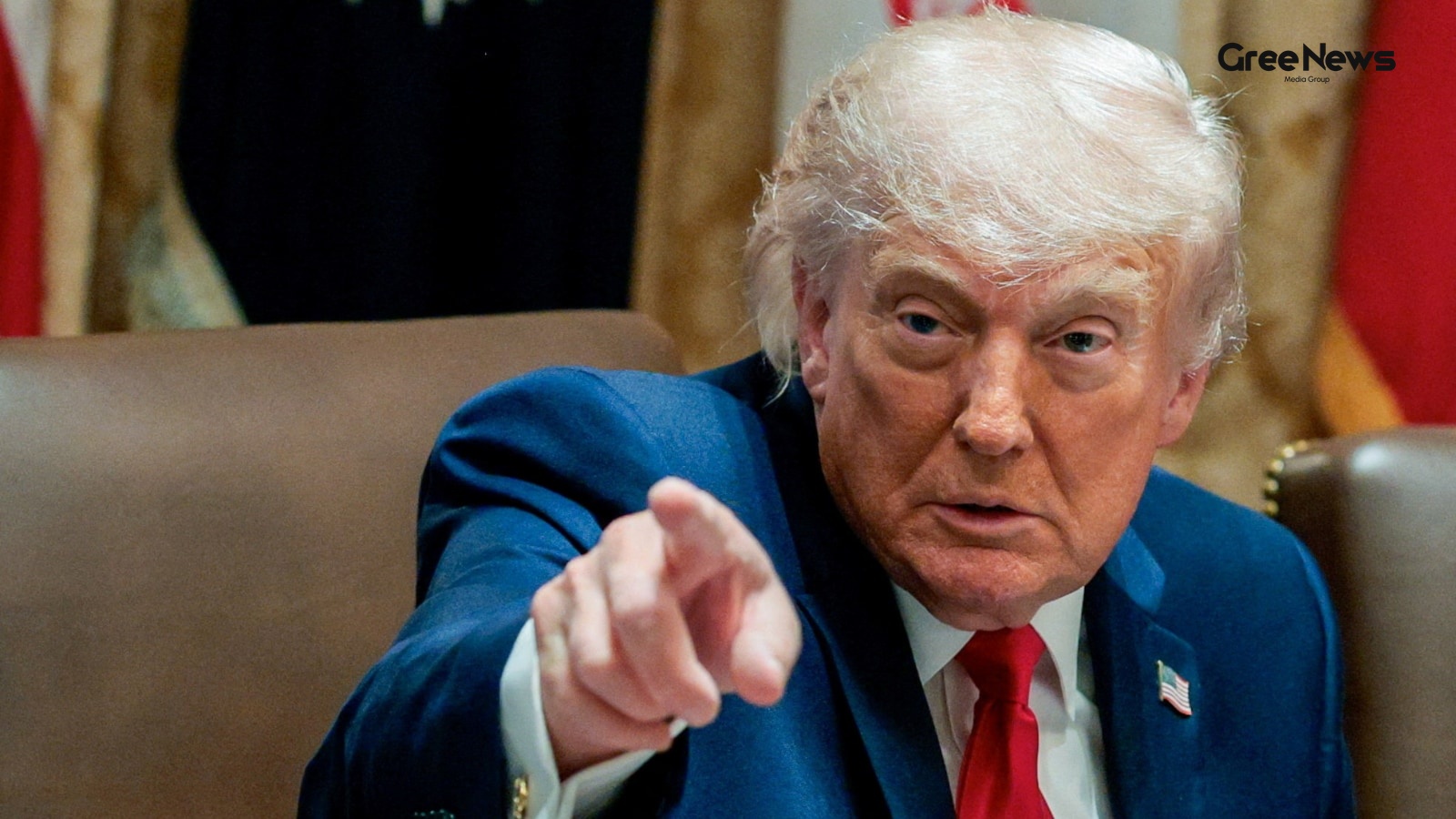
Donald Trump has been talking with senior defense officials lately about hitting Iran again. The idea of further military strikes keeps coming up in these talks. But he hasn't decided anything yet. He’s sticking to diplomacy for now, according to a report that came out in the Wall Street Journal. Th
Jul 2, 2026 by Gree News Team
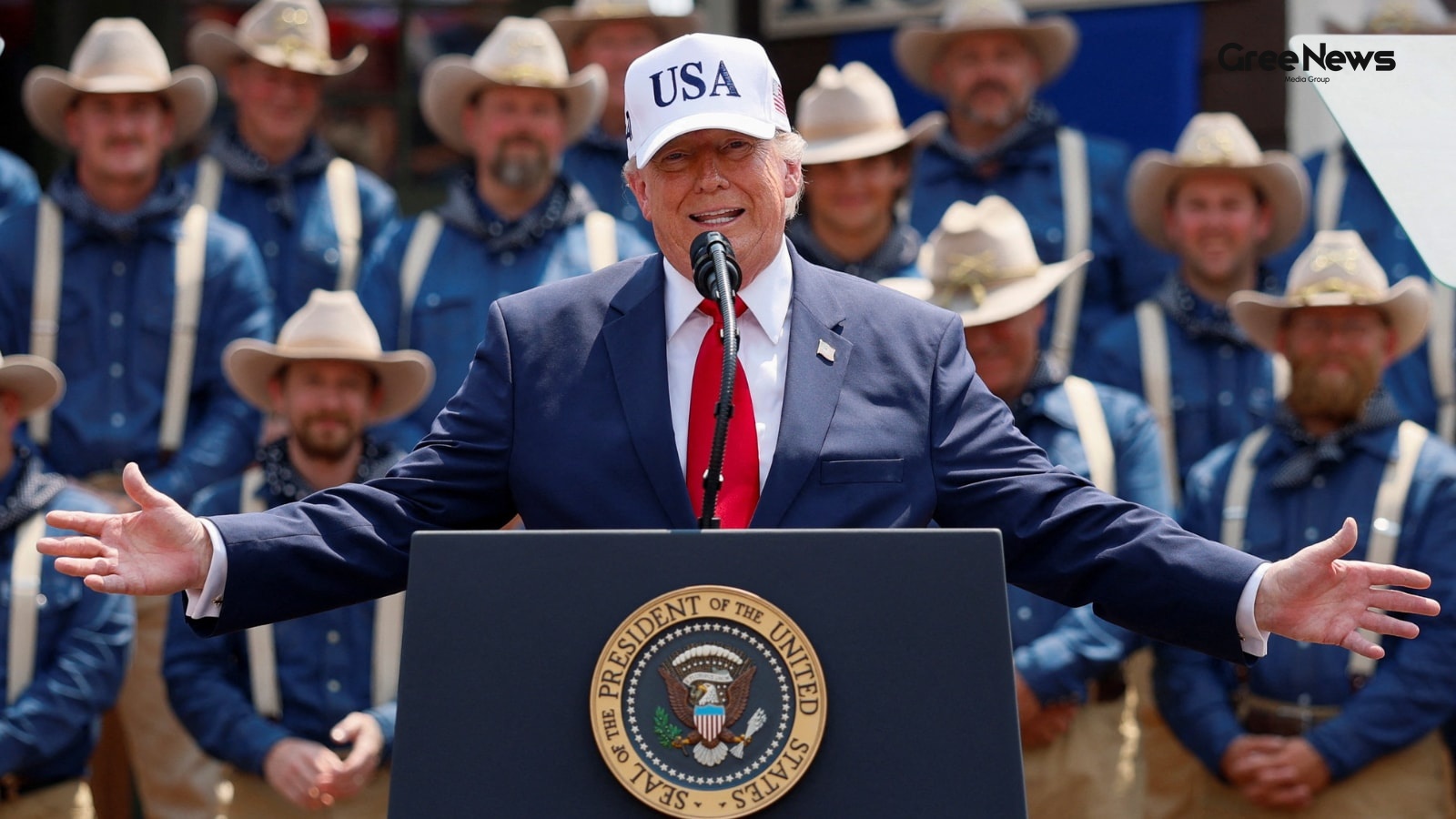
Donald Trump on the Panama Canal and US Strategy
Donald Trump was talking about the Panama Canal Wednesday, mostly. He said the United States absolutely would not let China take over that strategic waterway. It was clear he was criticizing how things ended up with Panama in the first place. Speaking at this dedication ceremony for the Theodore Roo
Jul 2, 2026 by Gree News Team
Latest Headlines
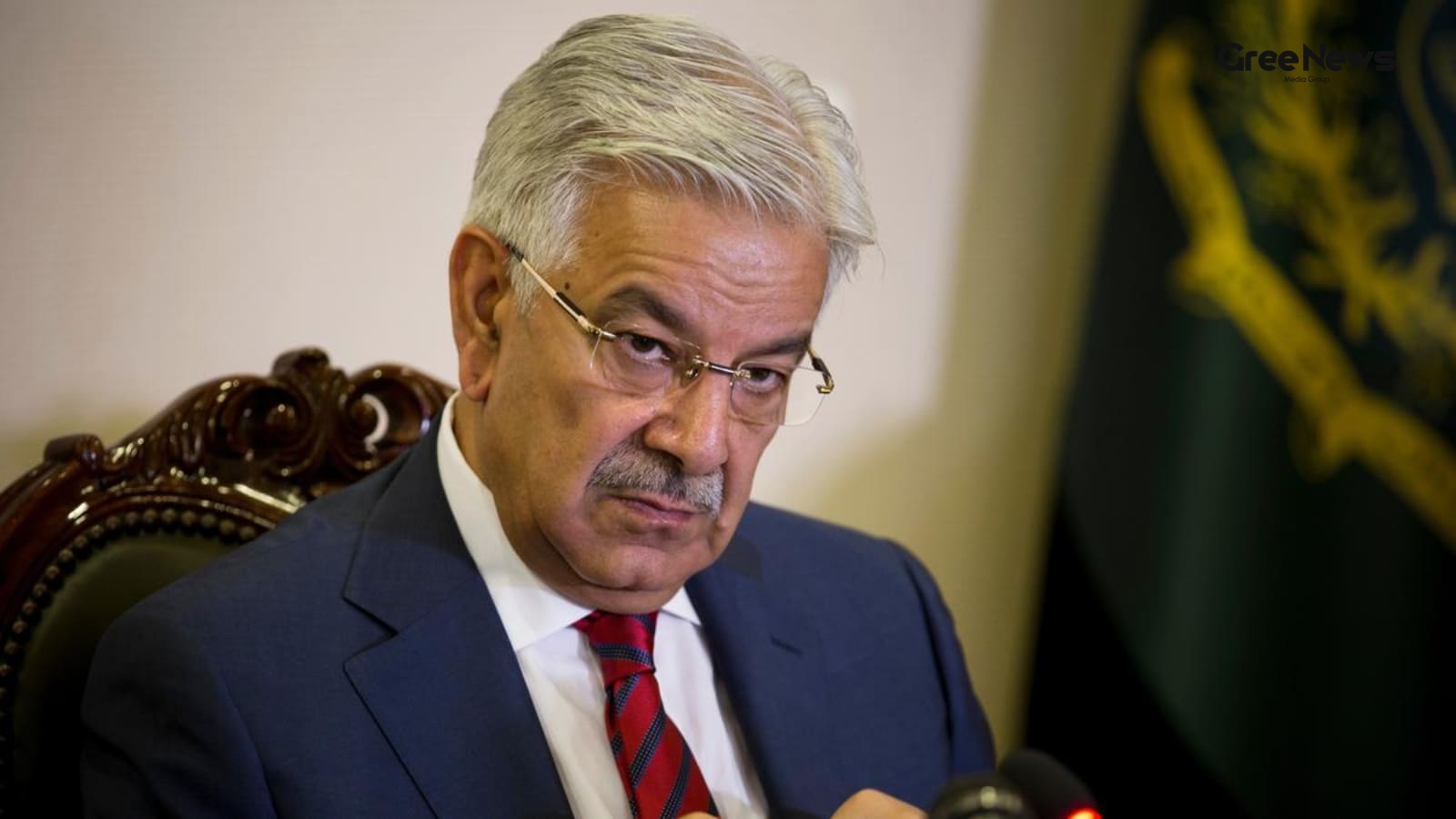
Water War Threat: India, Pakistan, and the Indus Waters Treaty
Khawaja Asif, Pakistan’s Defence Minister, just threw out a warning. A full-blown “water war,” he said. He threatened military retaliation if things don't cool down. All because India essentially tossed the 65-year-old Indus Waters Treaty into limbo. It felt like a desperate move by Islamabad, tryin
Jul 2, 2026 by Gree News Team

Murder Investigation: Deception and Discovery in Rajkot
A man from Rajkot, from Gujarat, apparently fell into a relationship with someone he met online. A "girl," they said. Things escalated fast. Within a short time frame, Piyush Kumar started living with Poonam and even got married to her. But then, something shifted. One day, Piyush allegedly found ou
Jul 2, 2026 by Gree News Team

WhatsApp Username Holdback and Government Scrutiny
WhatsApp is talking about holding back usernames for now. They said they’re going to keep names of public figures, government stuff, celebrities and verified Meta accounts reserved under this new feature. That came shortly after the Centre sent a notice to Meta. The worry was clear: people feared th
Jul 2, 2026 by Gree News Team
Russia Imports Gasoline from India Amid Fuel Shortages
Russia is starting to import gasoline from India by sea. This move comes to address fuel shortages across the country. The trouble started when Ukrainian drone strikes hit Russian refineries. Two industry sources told Reuters about this on Wednesday. Meanwhile, ship tracking data showed Indian refin
Jul 2, 2026 by Gree News Team
5.5 Magnitude Earthquake Hits Near Jurm in Afghanistan
A 5.5 magnitude earthquake hit near Jurm in northeastern Afghanistan this Wednesday. That’s what the United States Geological Survey reported. It struck at a depth of 216.7 kilometres, about 134 miles down. No immediate reports came through about any casualties or damage right after it happened. Jur
Jul 2, 2026 by Gree News Team
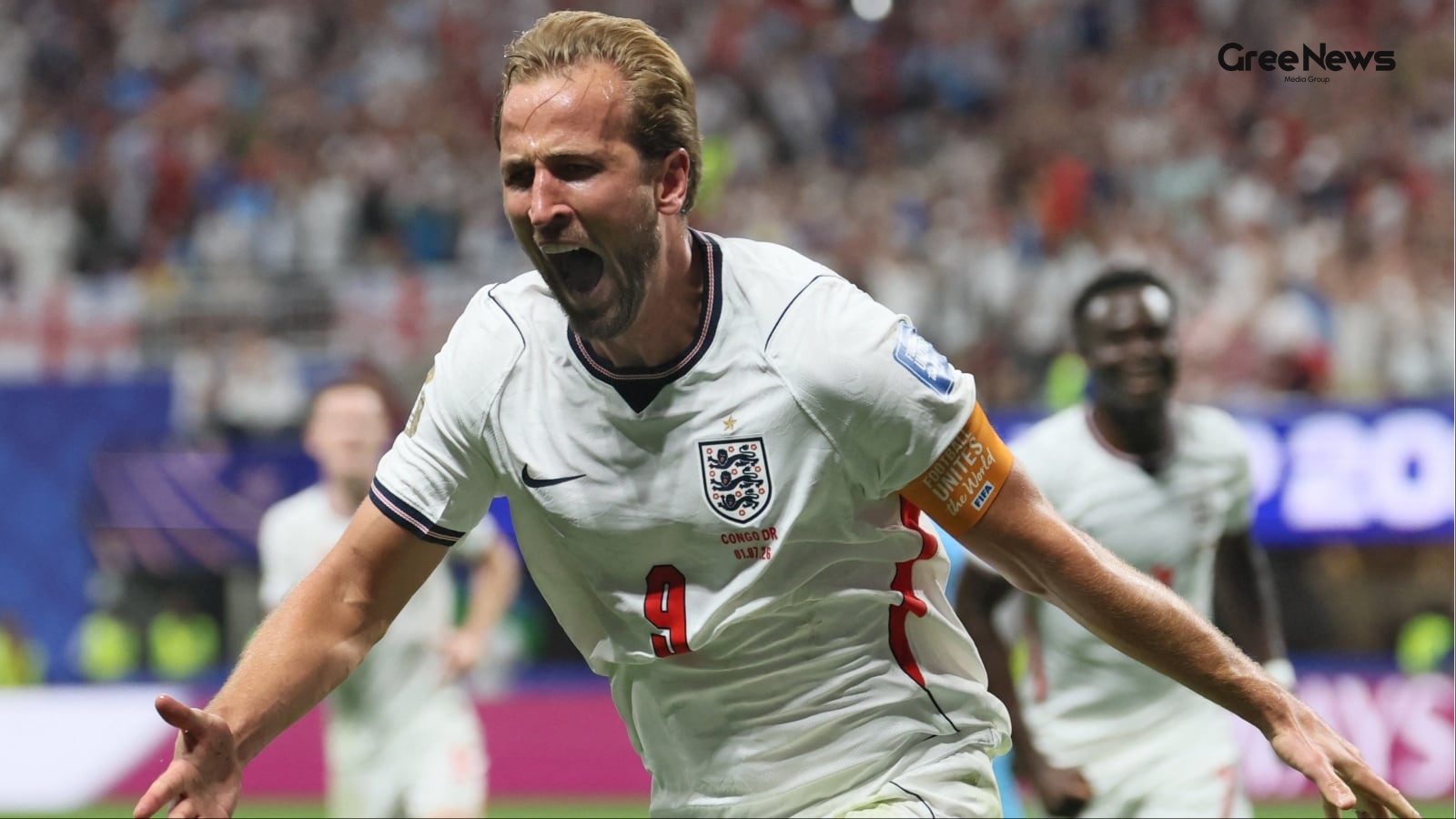
Harry Kane's Goal-Scoring History
Harry Kane’s name is getting into history books right now. It’s a big deal. He’s England’s all-time leading scorer, both in men's international football and across the World Cups. And he keeps adding to that tally. Just recently, he scored twice against DR Congo in that Round of 32 match in Atlanta.
Jul 2, 2026 by Gree News Team
Donald Trump and Iran: Military Strikes, Diplomacy, and Nuclear Negotiations
Donald Trump has been talking with senior defense officials lately about hitting Iran again. The idea of further military strikes keeps coming up in these talks. But he hasn't decided anything yet. He’s sticking to diplomacy for now, according to a report that came out in the Wall Street Journal. Th
Jul 2, 2026 by Gree News Team
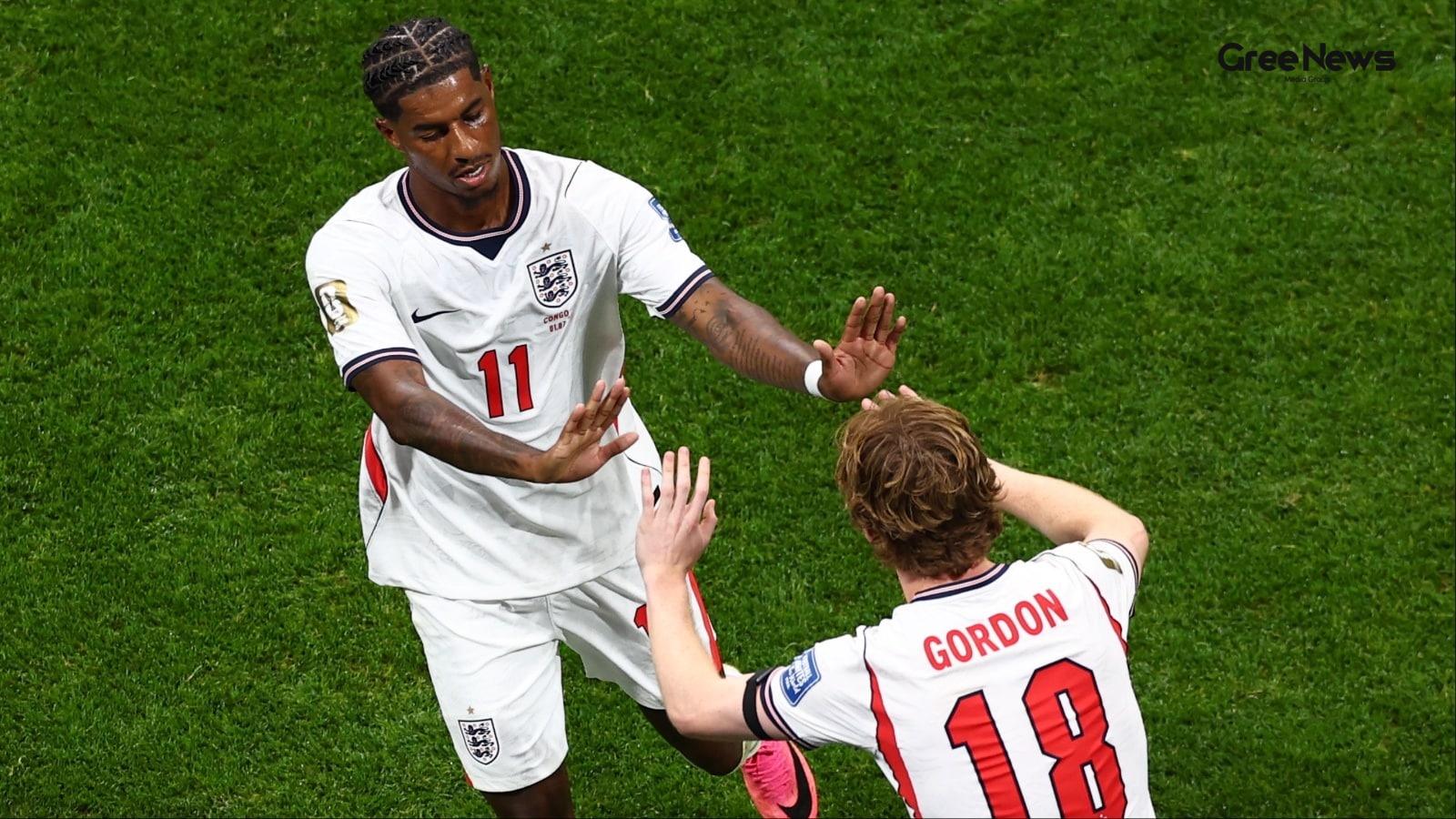
Anthony Gordon, Harry Kane, and Kylian Mbappé: World Cup History and Goal Records
Anthony Gordon came on for England in that World Cup match against DR Congo. It was the 61st minute. He just started providing assists for Harry Kane’s goals. Gordon set up the equalizer in the 75th minute. Then, right after that, he gave the assist for the winner at eighty-six. A real comeback win
Jul 2, 2026 by Gree News Team
Donald Trump on the Panama Canal and US Strategy
Donald Trump was talking about the Panama Canal Wednesday, mostly. He said the United States absolutely would not let China take over that strategic waterway. It was clear he was criticizing how things ended up with Panama in the first place. Speaking at this dedication ceremony for the Theodore Roo
Jul 2, 2026 by Gree News Team
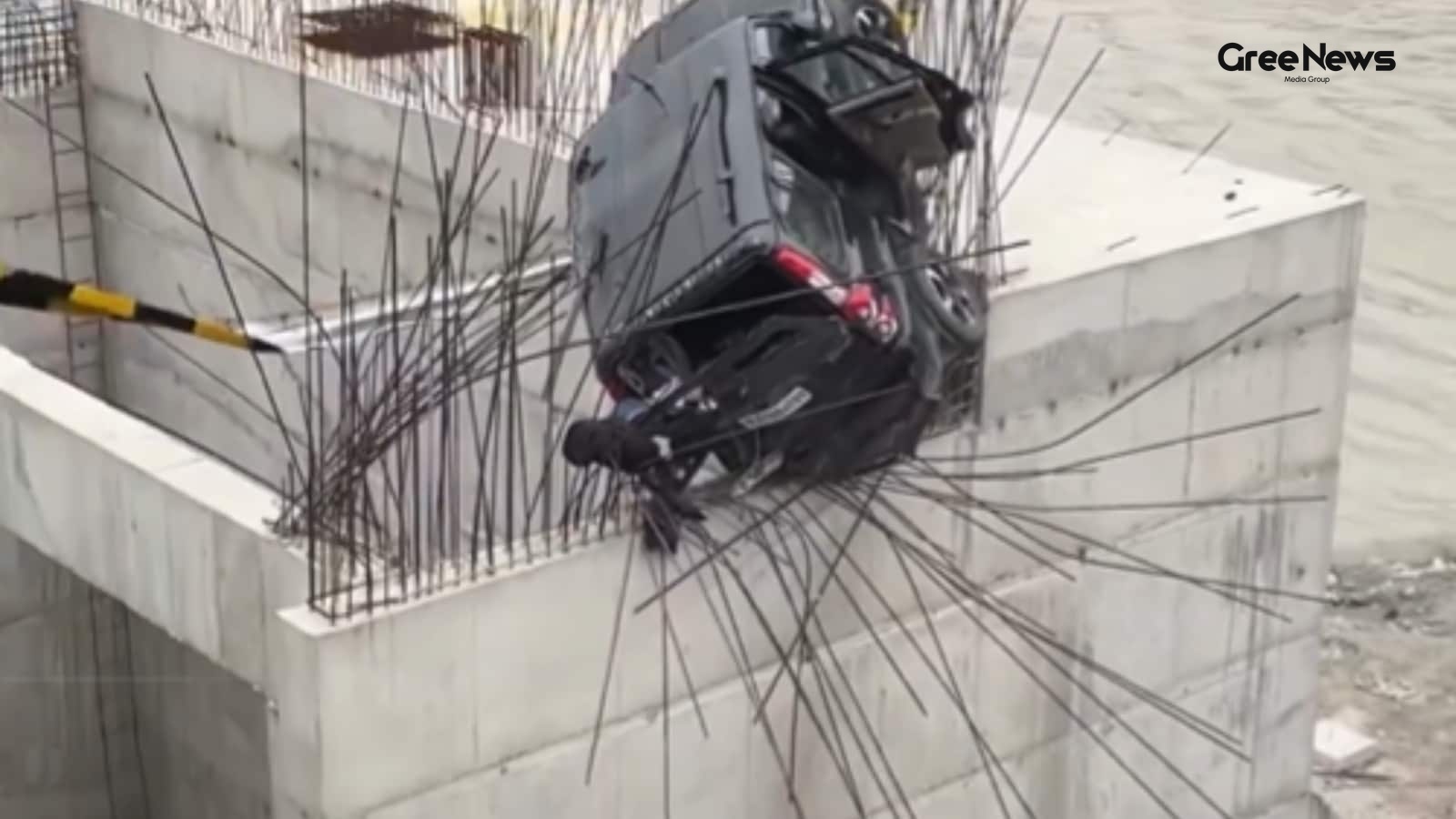
Accident Details and Police Warning
Three other people got hurt too. That’s where the crash occurred. Around ten pm, just after the vehicle got past that north portal of the tunnel, it veered off the road. It plunged straight down towards the Chandra River. The police claim the driver lost control. Apparently, he was speeding while tr
Jul 2, 2026 by Gree News Team
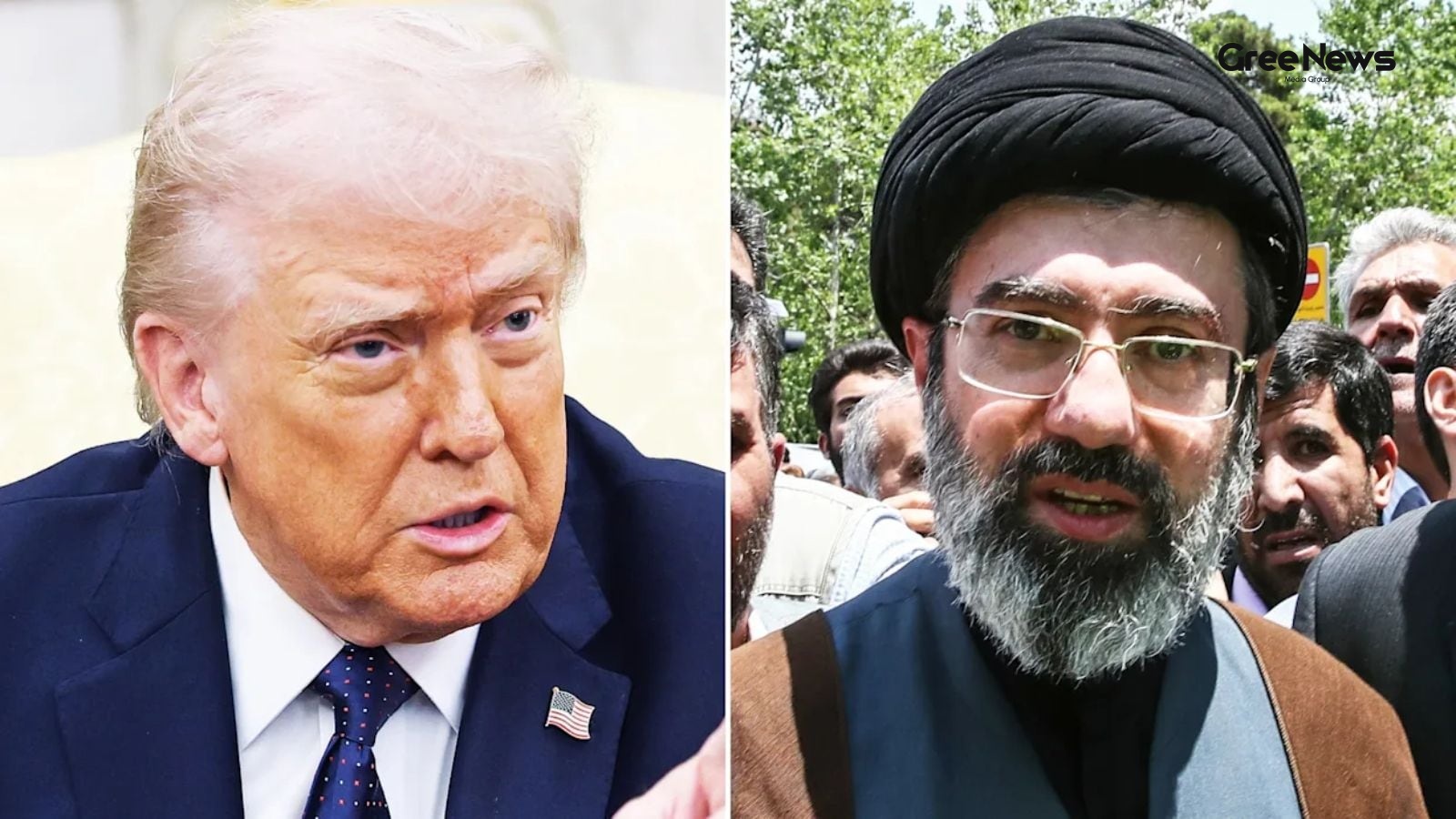
US-Iran Indirect Talks: Frozen Funds, MOU, and Regional Tensions
The latest indirect talks between the United States and Iran happened in Doha, focusing squarely on that memorandum of understanding. It wasn't just talk; they were trying to figure out how to actually implement things. We’re talking about a proposed release a potential $3 billion from those frozen
Jul 2, 2026 by Gree News Team
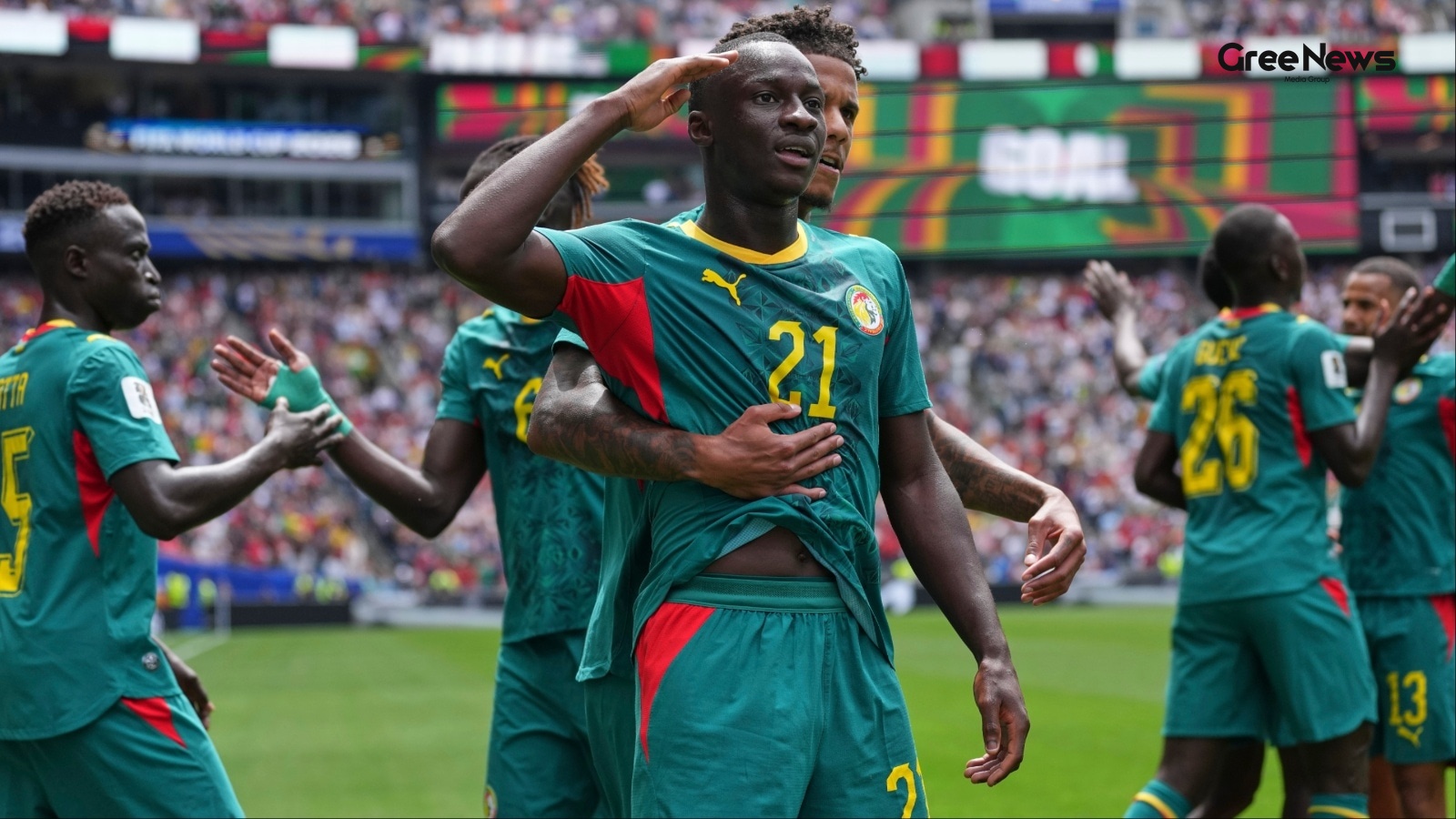
Senegal's Goal Record and Tournament Performance
That first-half goal by Diarra immediately broke something. It put Senegal ahead of the record for most goals scored by an African team in one World Cup edition. And then Sarr’s strike? That made them the first African nation to hit ten goals in a single tournament run. Crazy stuff, really. They man
Jul 2, 2026 by Gree News Team
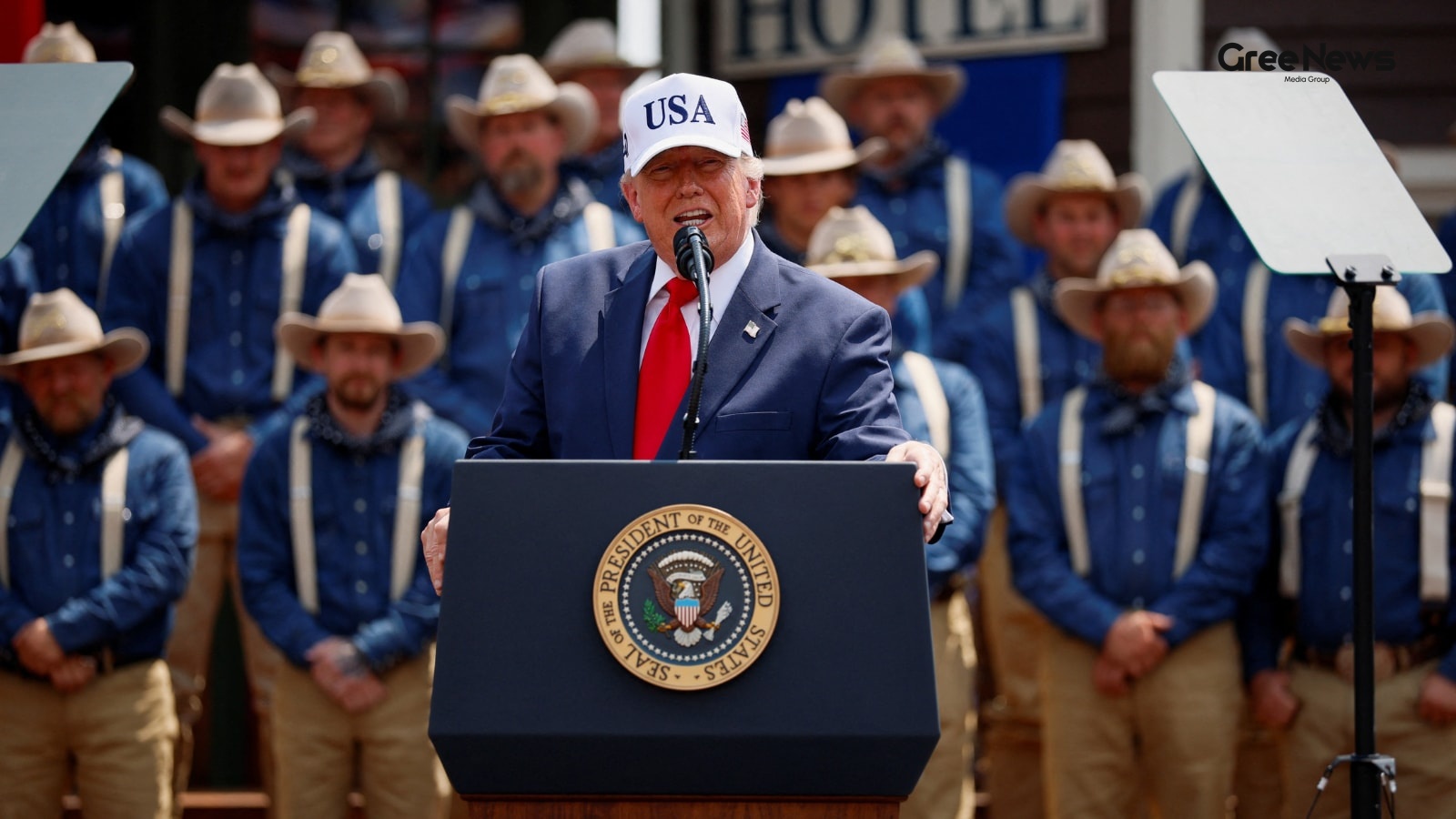
The Awkward Moment at the Theodore Roosevelt Library Opening
The whole thing happened during that big ceremony at the Theodore Roosevelt Presidential Library opening in Medora, North Dakota. It was Wednesday. And Donald Trump, he just throws out this kind of stuff. Bizarre. He was talking about the Medal of Honor recipients. Specifically former President Theo
Jul 2, 2026 by Gree News Team

Youri Tielemans' Historic Goal Sends Belgium to FIFA World Cup 2026 Round of 16
Youri Tielemans, captain of Belgium, just made history. He converted a penalty in stoppage time during extra time to push his team into the Round of 16 of the FIFA World Cup 2026. It happened in the fifth minute of that extra time. That strike itself it came in the 124th minute and 44th second of th
Jul 2, 2026 by Gree News Team
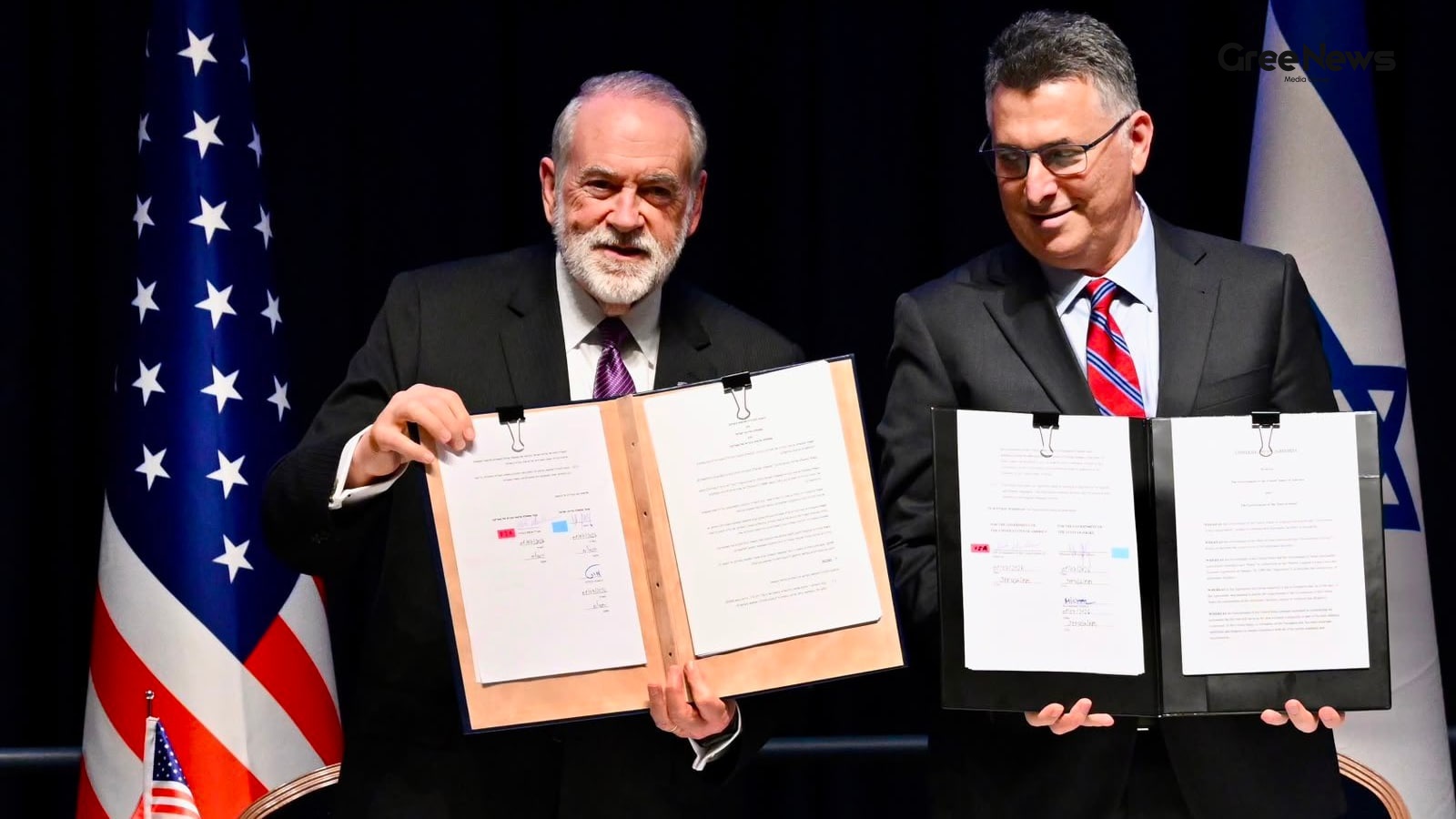
United States Agreement to Build Embassy Compound in Jerusalem
The United States signed something Wednesday. An agreement to build a permanent embassy compound in Jerusalem. Israeli officials called it proof of their “unbreakable alliance.” The plan is for this new base to be set up at the Allenby compound down in southern Jerusalem. Ambassador Mike Huckabee wa
Jul 2, 2026 by Gree News Team