Benjamin Netanyahu's Remarks on American Aid, Security, and Regional Conflicts
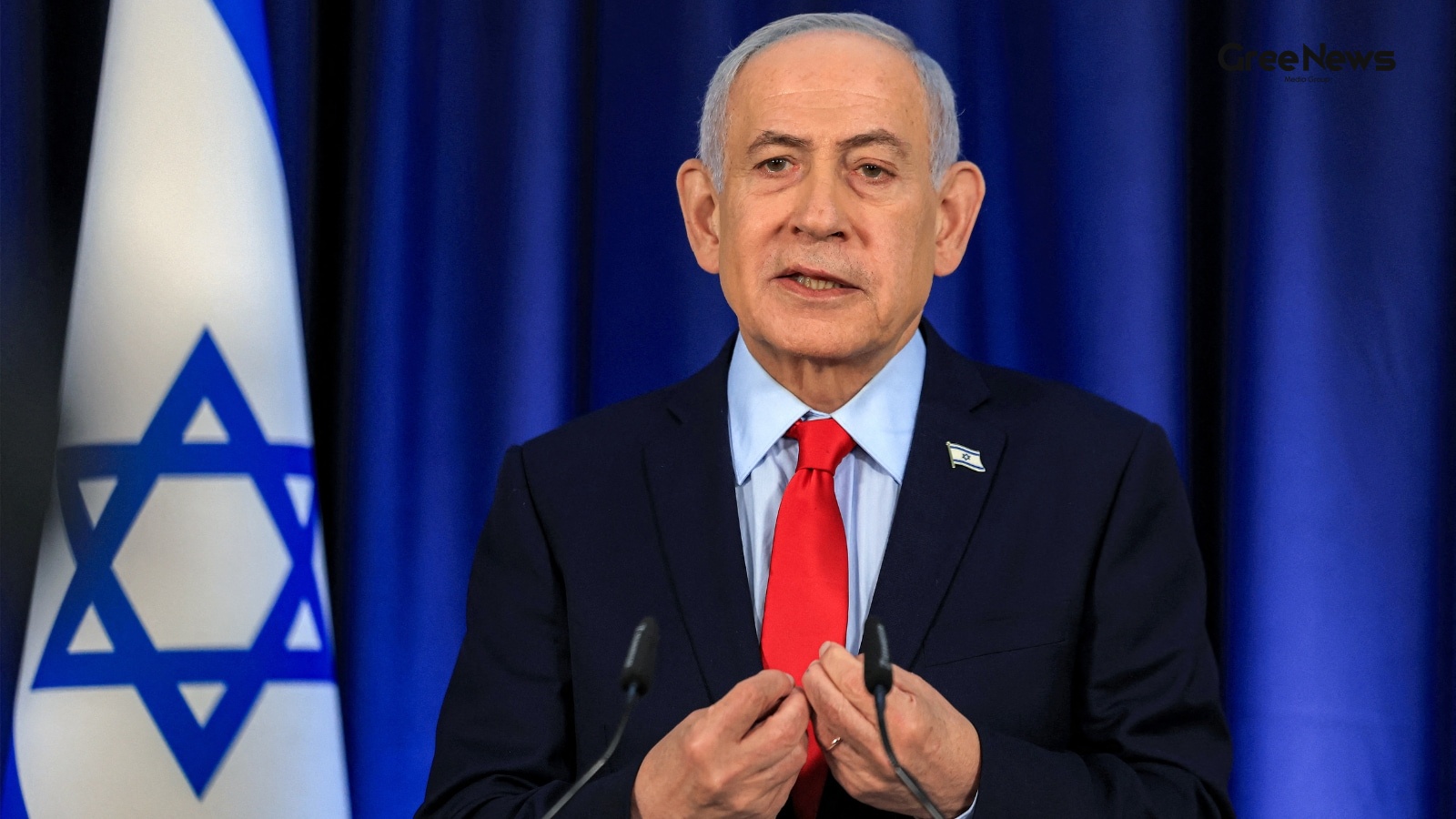
Benjamin Netanyahu dropped some heavy remarks on Tuesday about American aid. He basically said he wants to stop it. The argument was that Israel’s economy is strong now. It can handle things itself without relying on US assistance.
“I want to stop American aid,” he stated plainly. “It’s like welfare; I don’t want it.” That kind of bluntness cuts through the usual diplomatic noise.
He went on to talk about finances, suggesting that Israel can manage this fraction of a percent of GDP that comes from the United States. He wants this shift in policy to start right away, this year.
But he wasn't just talking money. He layered in his government’s view on security. The Palestinian issue came up, naturally. Netanyahu reiterated the core position: Israel is the nation-state of the Jewish people. No Palestinian state will be established here. Simple, and firm.
Then there was the security policy itself. He insisted that Israel needs to keep pushing for active security measures. “We will pursue an active security policy we won’t sit back and wait behind fences,” he stressed. It sounds like a warning. A readiness to act.
When the topic shifted toward Gaza, specifically rebuilding settlements there, his comment was oddly detached. He said you have to be ready to act first and talk afterward about rebuilding those settlements in Gaza. Sometimes it makes more sense just to separate those two things. He didn't add anything further on that subject. A deliberate refusal to wade into the specifics.
He also touched on statecraft generally. He added that understanding how states operate isn’t limited only to domestic politics. You don’t have to declare everything to the whole world every single moment. It’s a reminder about holding back some of the noise.
Then came the Iran angle, related to military action. Netanyahu brought up entering Iran twice. He said you enter for survival from destruction. If necessary, there will be a third time. A stark acknowledgment of ongoing tension.
The situation in Lebanon was next. Israel’s forces are staying deployed there, and this ties directly into the threat posed by Hezbollah, which is backed by Iran. Netanyahu insisted that Israeli forces won't leave southern Lebanon until that specific threat disappears. “We didn’t leave Lebanon,” he said. They effectively established this security belt about ten kilometers inside Lebanon with an aGreement from Beirut. And of course, Hezbollah is furious about it. The same holds true for Iran too.
Earlier on Tuesday, Netanyahu actually visited the Israeli troops down in southern Lebanon. He reinforced that the forces would stay put until the threat from Iran-backed Hezbollah was gone. It felt like a very direct, almost physical statement. A line drawn in the sand regarding where they would remain.
This came after some earlier aGreements. Lebanon and Israel had signed a US-sponsored framework aGreement. That deal aimed at peace and getting Hezbollah to disarm. The condition attached to that framework was specific: any Israeli withdrawal from occupied Lebanese territory would only happen if Beirut created these “pilot zones.” Zones where the Lebanese military could take over from Hezbollah.
It’s all moving, isn't it? These statements weave together economics, existential security worries, and border realities. A very messy picture.
Written by Gree News Team — Senior Editorial Board
Gree News Team covers international news and global affairs at Gree News. Our collective of senior editors is dedicated to providing independent, accurate, and responsible journalism for a global audience.
More from World
View All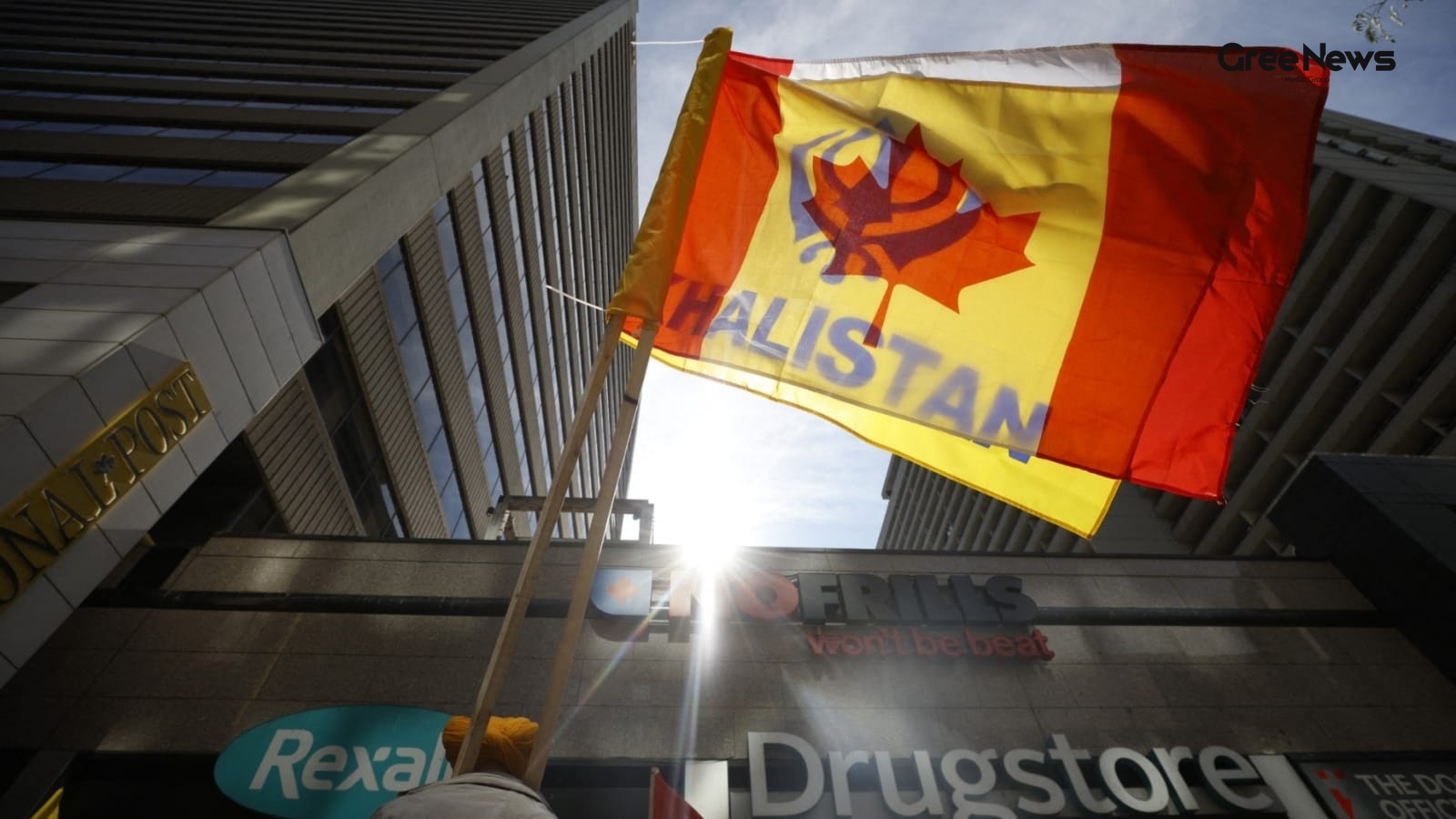
ISI's Shift to Soft Power and the Khalistan Movement in the Diaspora
The ISI, Pakistan’s intelligence agency, is leaning heavily on "soft power" networks now. It's using these connections to keep the Khalistan movement alive among the Sikh diaspora in Canada. Top intelligence sources are pointing to this shift. It looks like they’ve moved away from direct militant su
Jul 2, 2026 by Gree News Team
Donald Trump's Financial Disclosure and Pakistan Deal
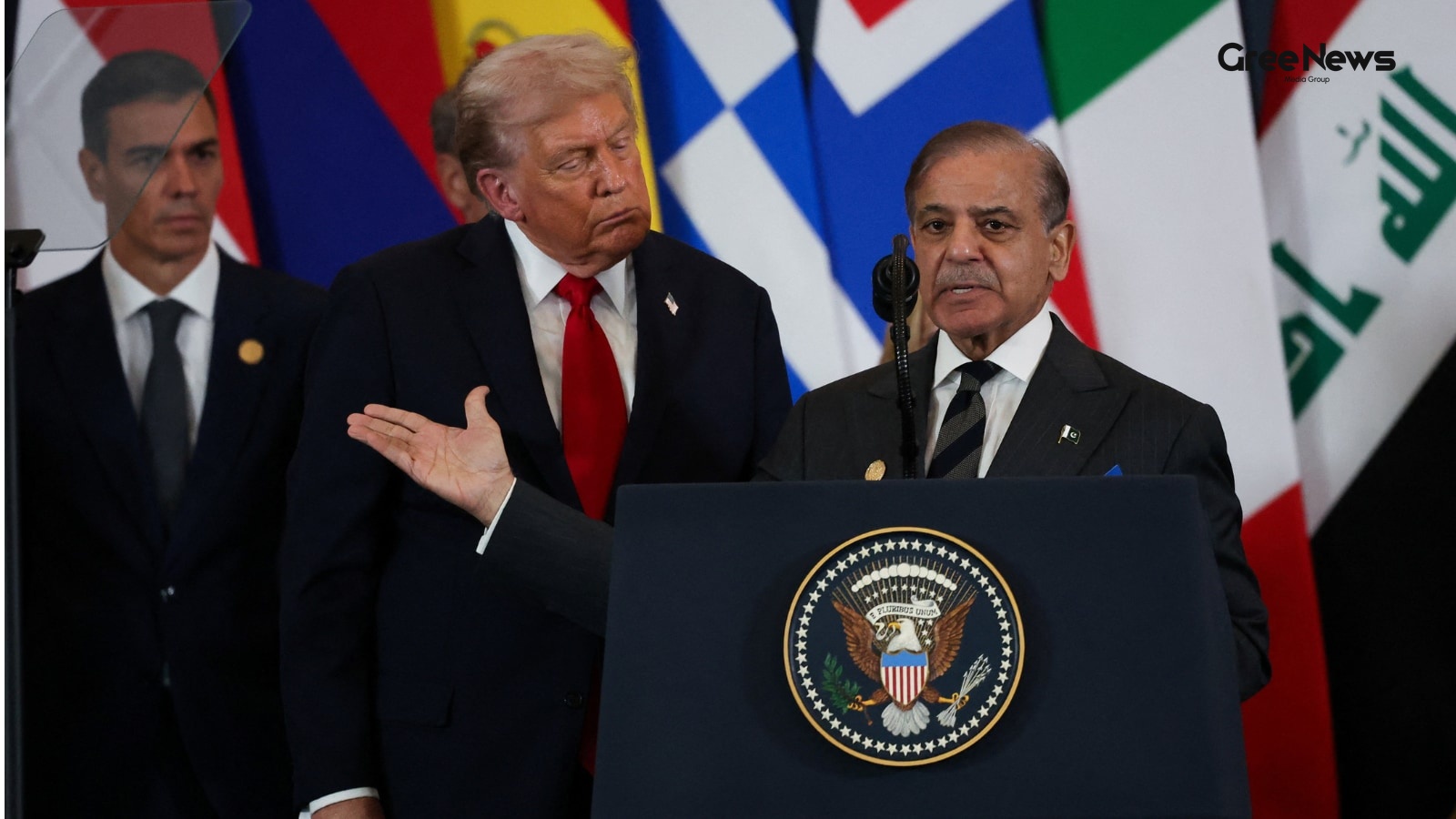
Donald Trump apparently pulled in at least two billion dollars in revenue during 2025. That includes about $1.4 billion coming from cryptocurrency ventures held in trusts that benefit him, according to a massive 927-page disclosure filed with the Office of Government Ethics. It’s a lot of money, and
Jul 2, 2026 by Gree News Team
Water War Threat: India, Pakistan, and the Indus Waters Treaty
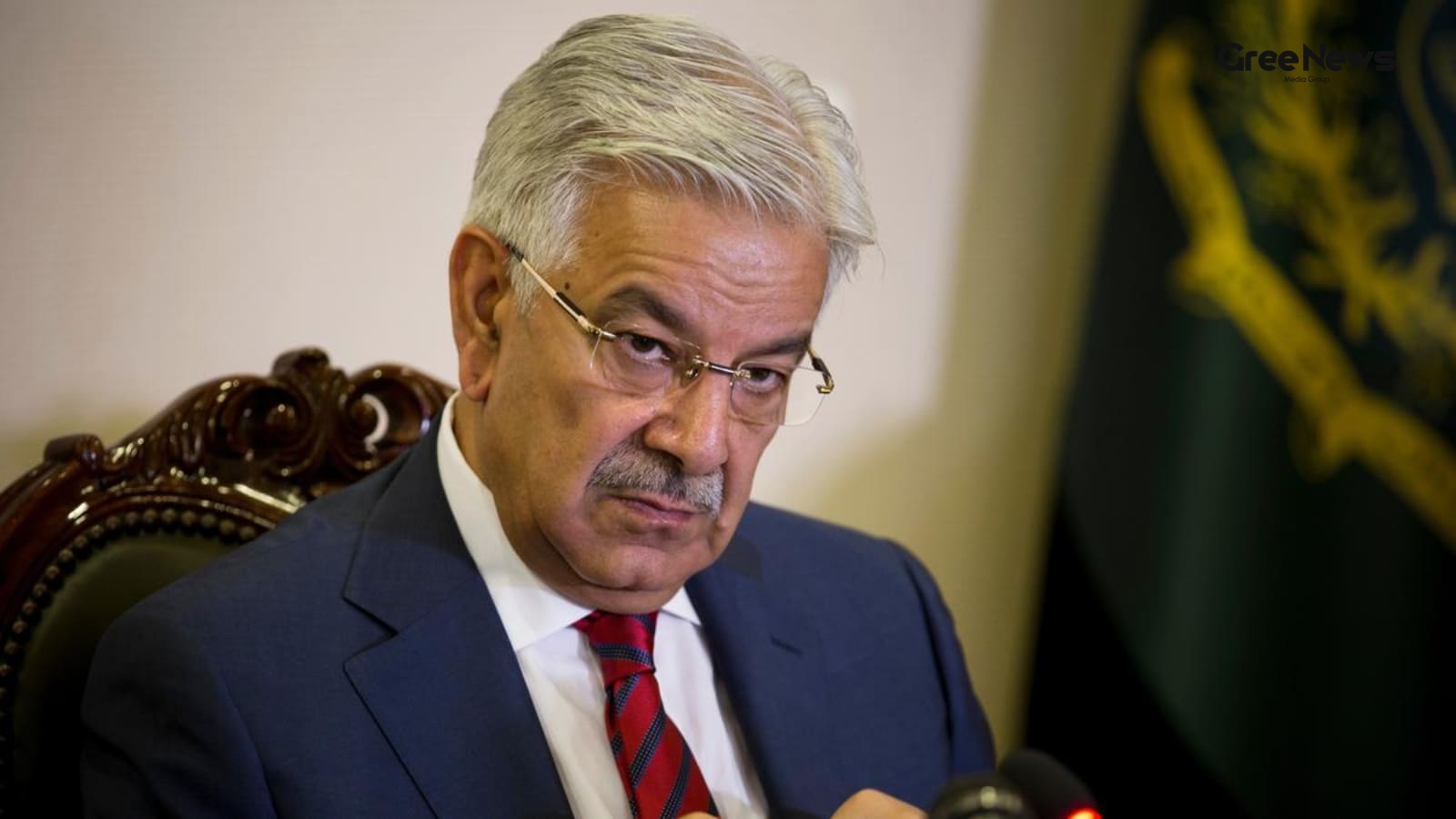
Khawaja Asif, Pakistan’s Defence Minister, just threw out a warning. A full-blown “water war,” he said. He threatened military retaliation if things don't cool down. All because India essentially tossed the 65-year-old Indus Waters Treaty into limbo. It felt like a desperate move by Islamabad, tryin
Jul 2, 2026 by Gree News Team
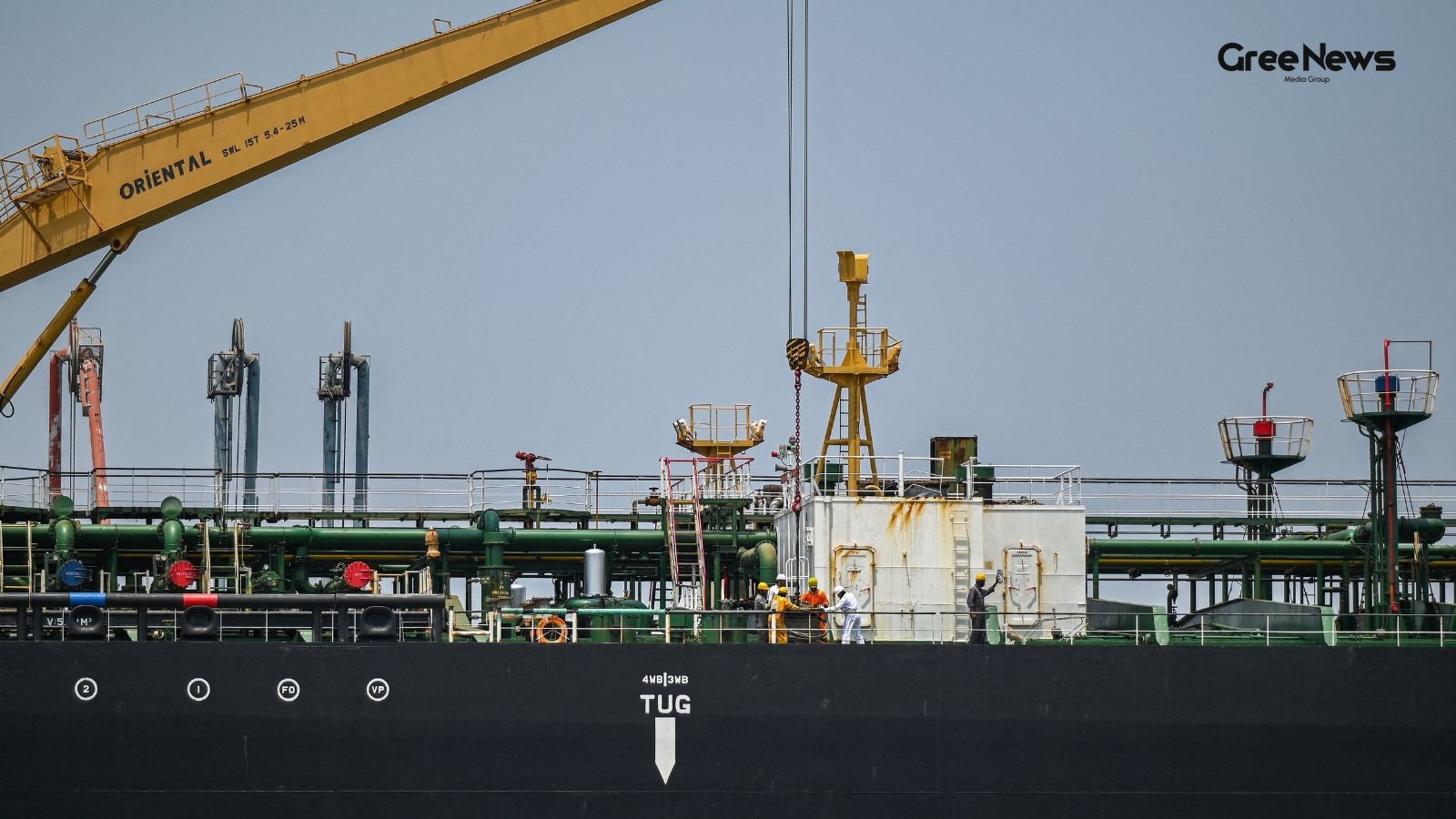
Russia Imports Gasoline from India Amid Fuel Shortages
Russia is starting to import gasoline from India by sea. This move comes to address fuel shortages across the country. The trouble started when Ukrainian drone strikes hit Russian refineries. Two industry sources told Reuters about this on Wednesday. Meanwhile, ship tracking data showed Indian refin
Jul 2, 2026 by Gree News Team
Latest Headlines
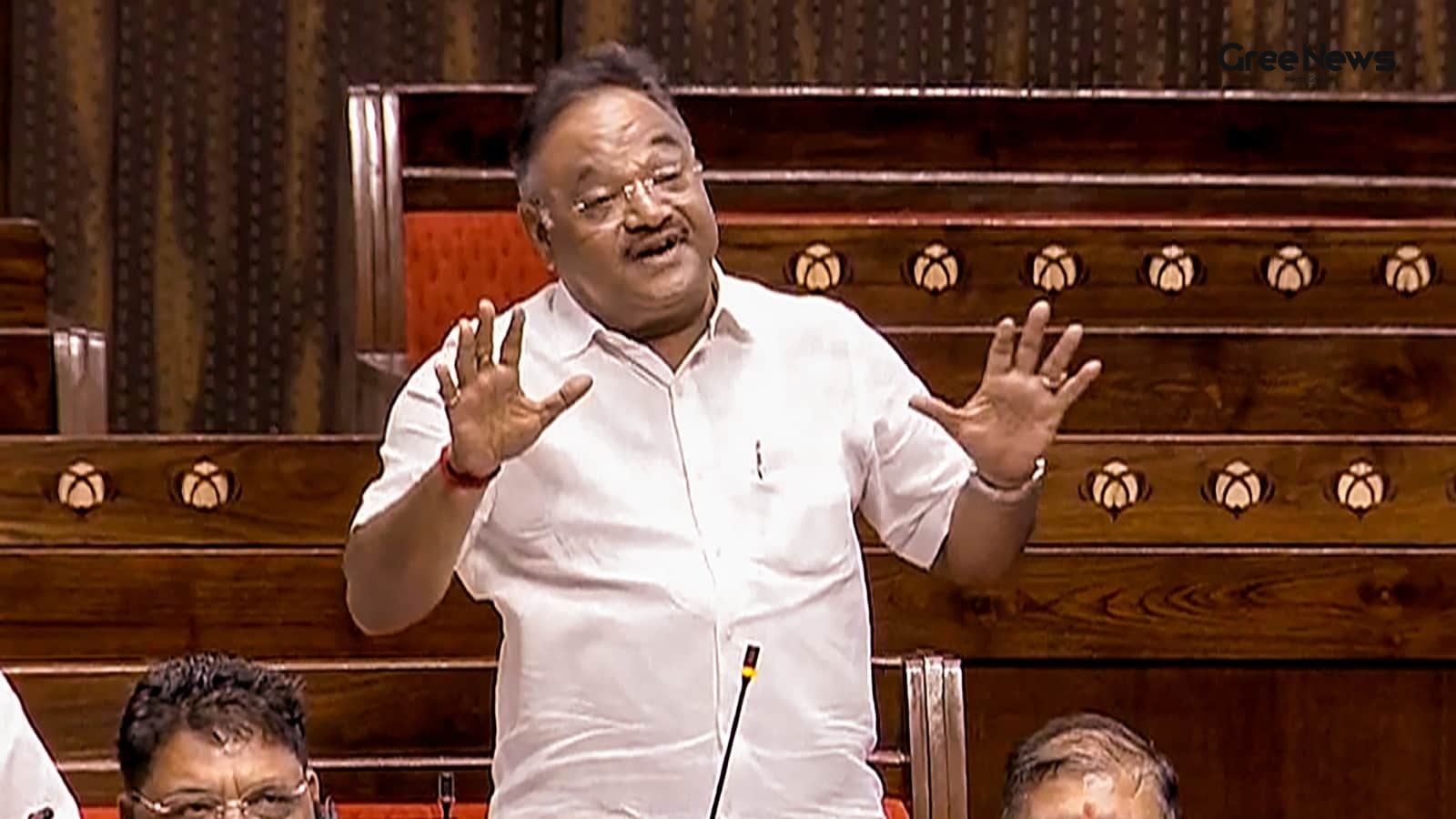
Samik Bhattacharya and Mahua Moitra: Allegations and Political Friction in Bengal
Samik Bhattacharya, the West Bengal BJP president, just shot back at Mahua Moitra’s claims. She alleged that BJP workers actually threw eggs at her during a protest over in Nadia district. But instead of addressing the egg incident itself, he pivoted. He pointed fingers at internal Trinamool Congres
Jul 2, 2026 by Gree News Team

Egg-Pelting Drama: Political Targeting and Legal Action
Mahua Moitra, the Trinamool Congress MP, ended up in the latest wave of egg-pelting drama on Wednesday. It happened right outside her office in Nadia. People just threw eggs at the building while she was meeting workers there. There were videos of it. Both sides had footage floating around quickly.
Jul 2, 2026 by Gree News Team
ISI's Shift to Soft Power and the Khalistan Movement in the Diaspora
The ISI, Pakistan’s intelligence agency, is leaning heavily on "soft power" networks now. It's using these connections to keep the Khalistan movement alive among the Sikh diaspora in Canada. Top intelligence sources are pointing to this shift. It looks like they’ve moved away from direct militant su
Jul 2, 2026 by Gree News Team
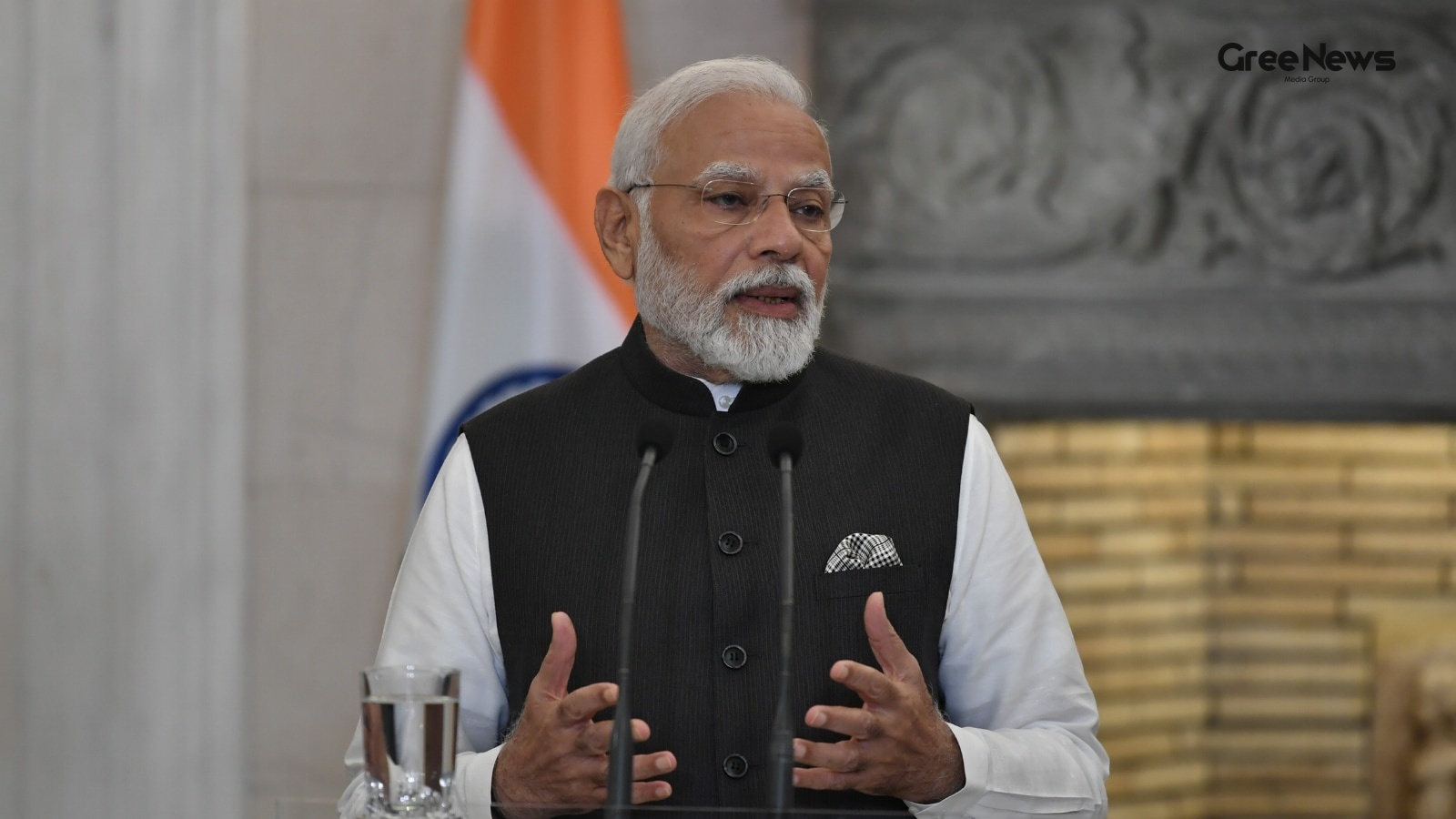
El Niño Preparedness and Monsoon Concerns in India
Modi, he’s been pushing all the ministries right now. Tell them to get contingency plans ready for El Niño. It’s about mitigating what might hit us. Concerns are really growing about this weak monsoon, and how much rain we're actually getting across different parts of the country. Sources say he rec
Jul 2, 2026 by Gree News Team
Donald Trump's Financial Disclosure and Pakistan Deal
Donald Trump apparently pulled in at least two billion dollars in revenue during 2025. That includes about $1.4 billion coming from cryptocurrency ventures held in trusts that benefit him, according to a massive 927-page disclosure filed with the Office of Government Ethics. It’s a lot of money, and
Jul 2, 2026 by Gree News Team
Water War Threat: India, Pakistan, and the Indus Waters Treaty
Khawaja Asif, Pakistan’s Defence Minister, just threw out a warning. A full-blown “water war,” he said. He threatened military retaliation if things don't cool down. All because India essentially tossed the 65-year-old Indus Waters Treaty into limbo. It felt like a desperate move by Islamabad, tryin
Jul 2, 2026 by Gree News Team

Murder Investigation: Deception and Discovery in Rajkot
A man from Rajkot, from Gujarat, apparently fell into a relationship with someone he met online. A "girl," they said. Things escalated fast. Within a short time frame, Piyush Kumar started living with Poonam and even got married to her. But then, something shifted. One day, Piyush allegedly found ou
Jul 2, 2026 by Gree News Team

WhatsApp Username Holdback and Government Scrutiny
WhatsApp is talking about holding back usernames for now. They said they’re going to keep names of public figures, government stuff, celebrities and verified Meta accounts reserved under this new feature. That came shortly after the Centre sent a notice to Meta. The worry was clear: people feared th
Jul 2, 2026 by Gree News Team
Russia Imports Gasoline from India Amid Fuel Shortages
Russia is starting to import gasoline from India by sea. This move comes to address fuel shortages across the country. The trouble started when Ukrainian drone strikes hit Russian refineries. Two industry sources told Reuters about this on Wednesday. Meanwhile, ship tracking data showed Indian refin
Jul 2, 2026 by Gree News Team

5.5 Magnitude Earthquake Hits Near Jurm in Afghanistan
A 5.5 magnitude earthquake hit near Jurm in northeastern Afghanistan this Wednesday. That’s what the United States Geological Survey reported. It struck at a depth of 216.7 kilometres, about 134 miles down. No immediate reports came through about any casualties or damage right after it happened. Jur
Jul 2, 2026 by Gree News Team
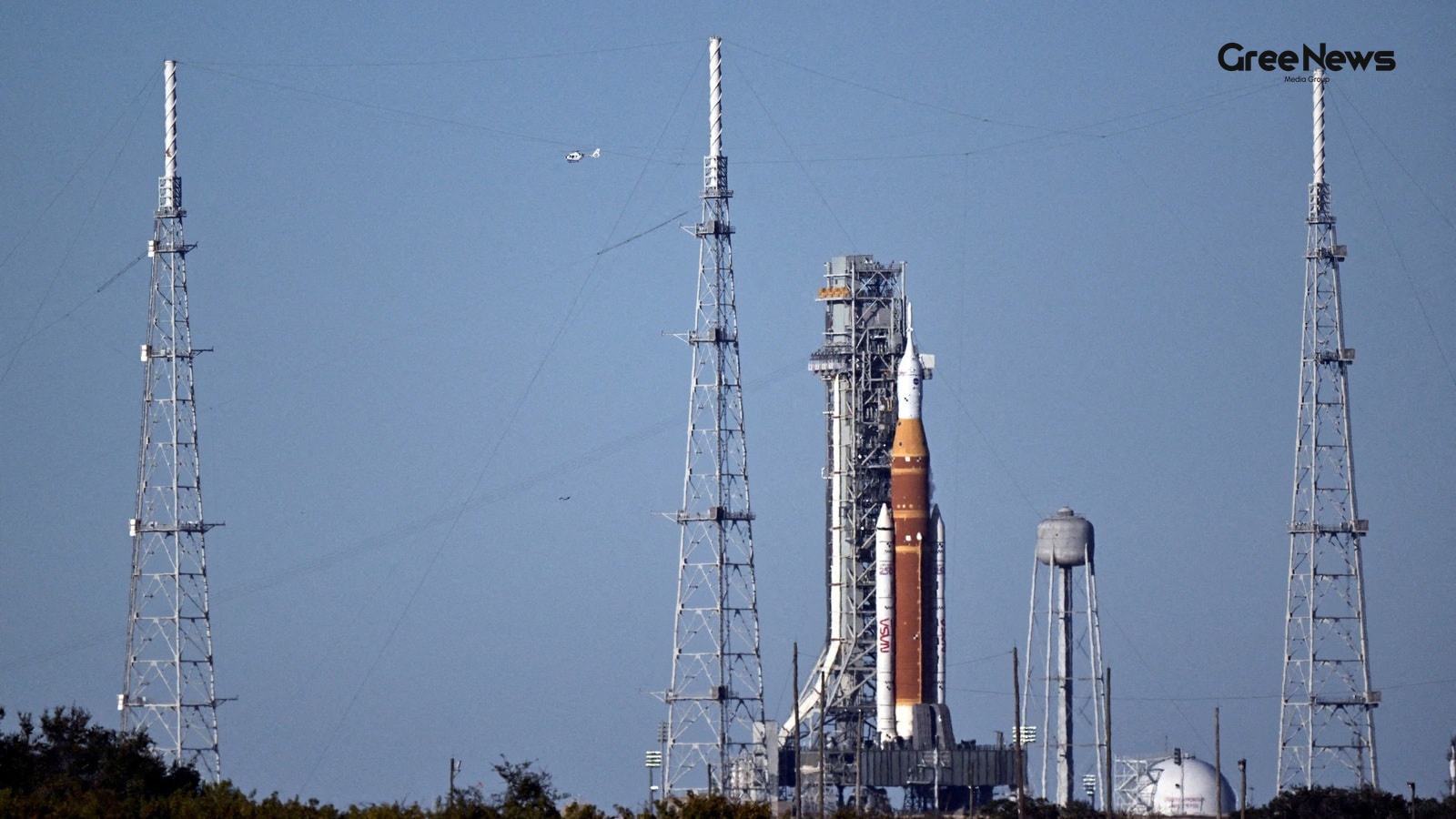
China's Electromagnetic Space Launch Architecture
China isn’t just chasing chemical rockets anymore. They are aggressively pushing this experimental space-launch architecture that uses ground-based electromagnetic tracks to sling payloads into the upper atmosphere. Think of it like an electric “zero-stage booster.” The whole point is getting vehicl
Jul 2, 2026 by Gree News Team
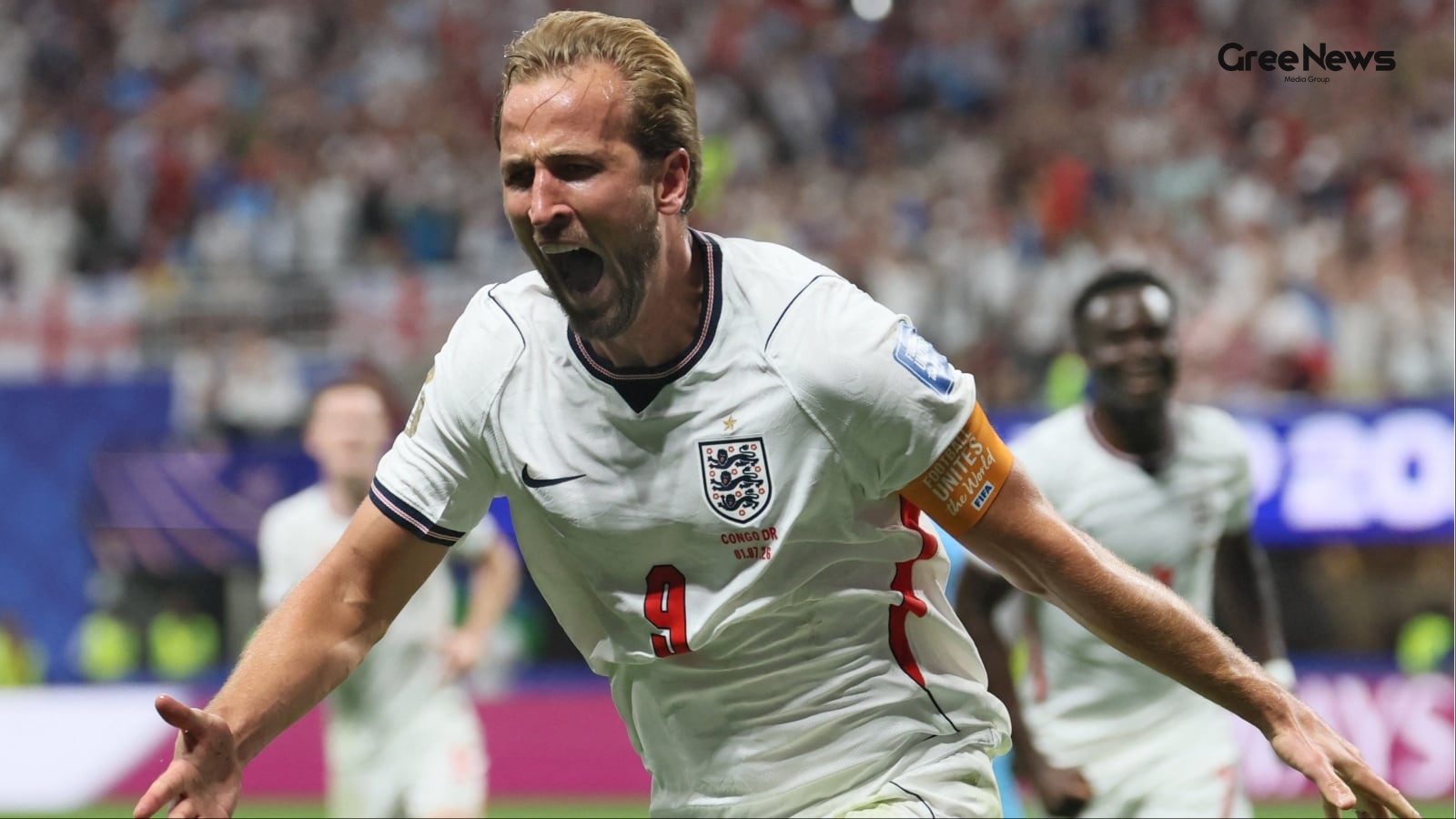
Harry Kane's Goal-Scoring History
Harry Kane’s name is getting into history books right now. It’s a big deal. He’s England’s all-time leading scorer, both in men's international football and across the World Cups. And he keeps adding to that tally. Just recently, he scored twice against DR Congo in that Round of 32 match in Atlanta.
Jul 2, 2026 by Gree News Team
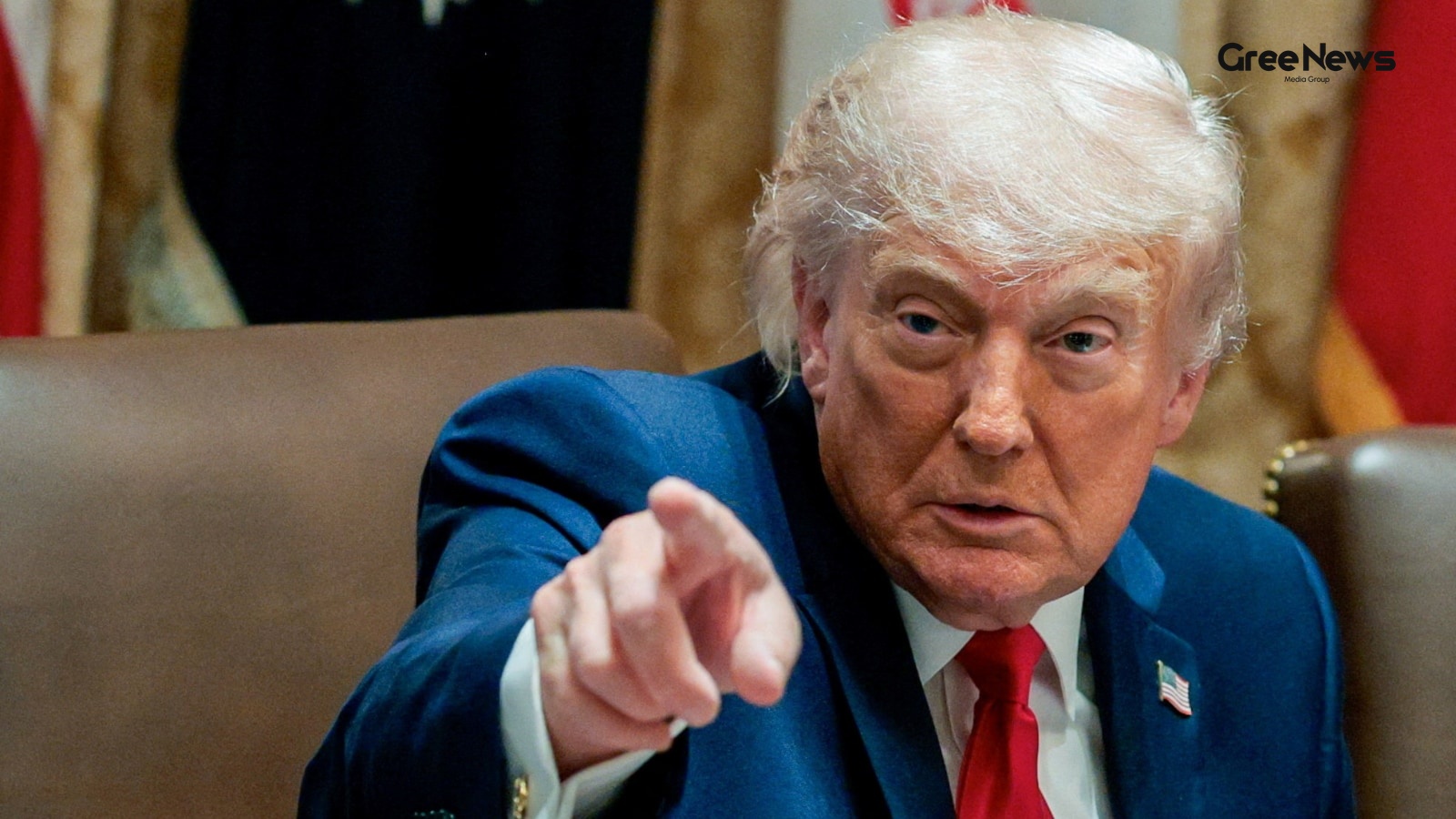
Donald Trump and Iran: Military Strikes, Diplomacy, and Nuclear Negotiations
Donald Trump has been talking with senior defense officials lately about hitting Iran again. The idea of further military strikes keeps coming up in these talks. But he hasn't decided anything yet. He’s sticking to diplomacy for now, according to a report that came out in the Wall Street Journal. Th
Jul 2, 2026 by Gree News Team
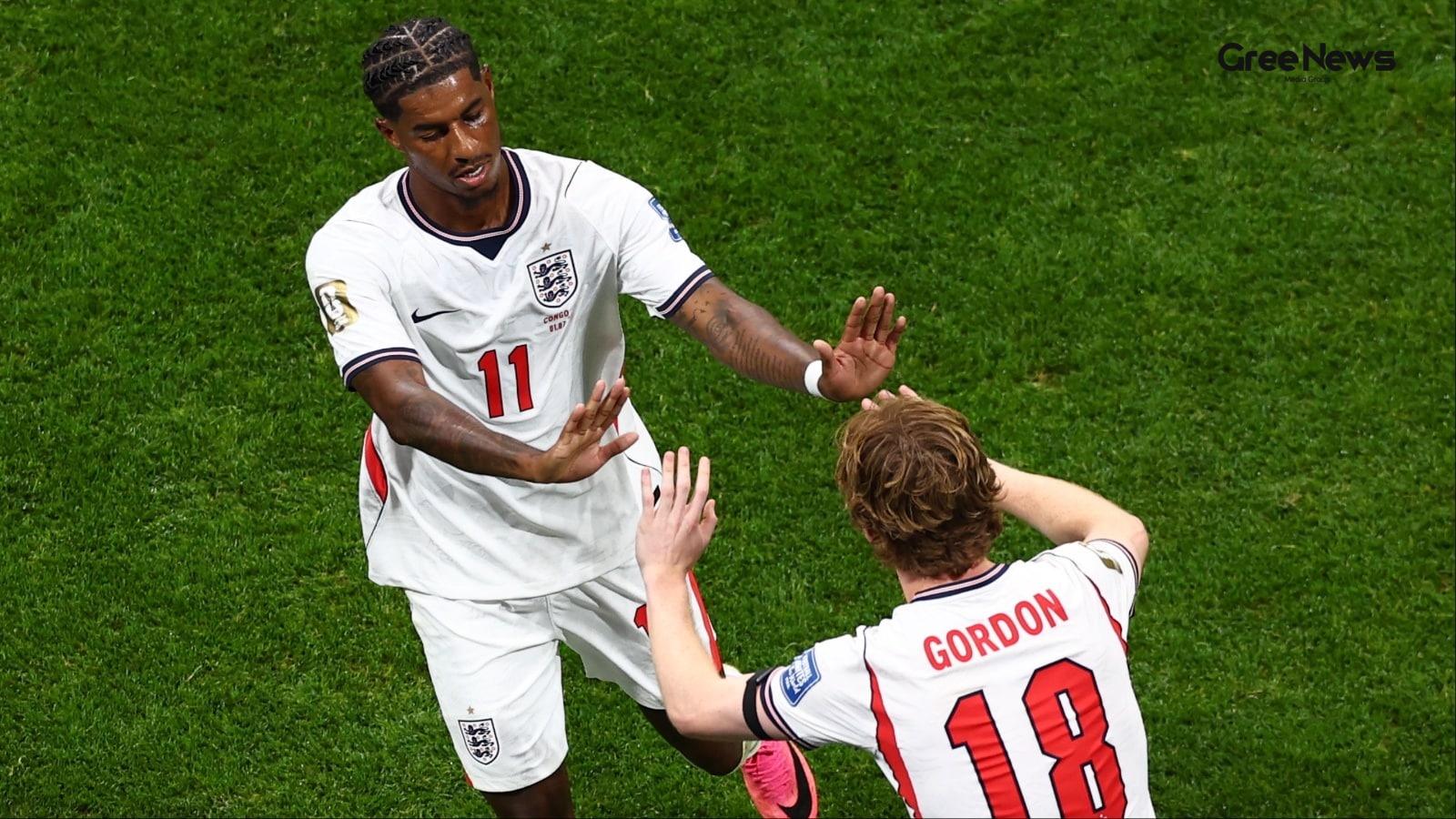
Anthony Gordon, Harry Kane, and Kylian Mbappé: World Cup History and Goal Records
Anthony Gordon came on for England in that World Cup match against DR Congo. It was the 61st minute. He just started providing assists for Harry Kane’s goals. Gordon set up the equalizer in the 75th minute. Then, right after that, he gave the assist for the winner at eighty-six. A real comeback win
Jul 2, 2026 by Gree News Team
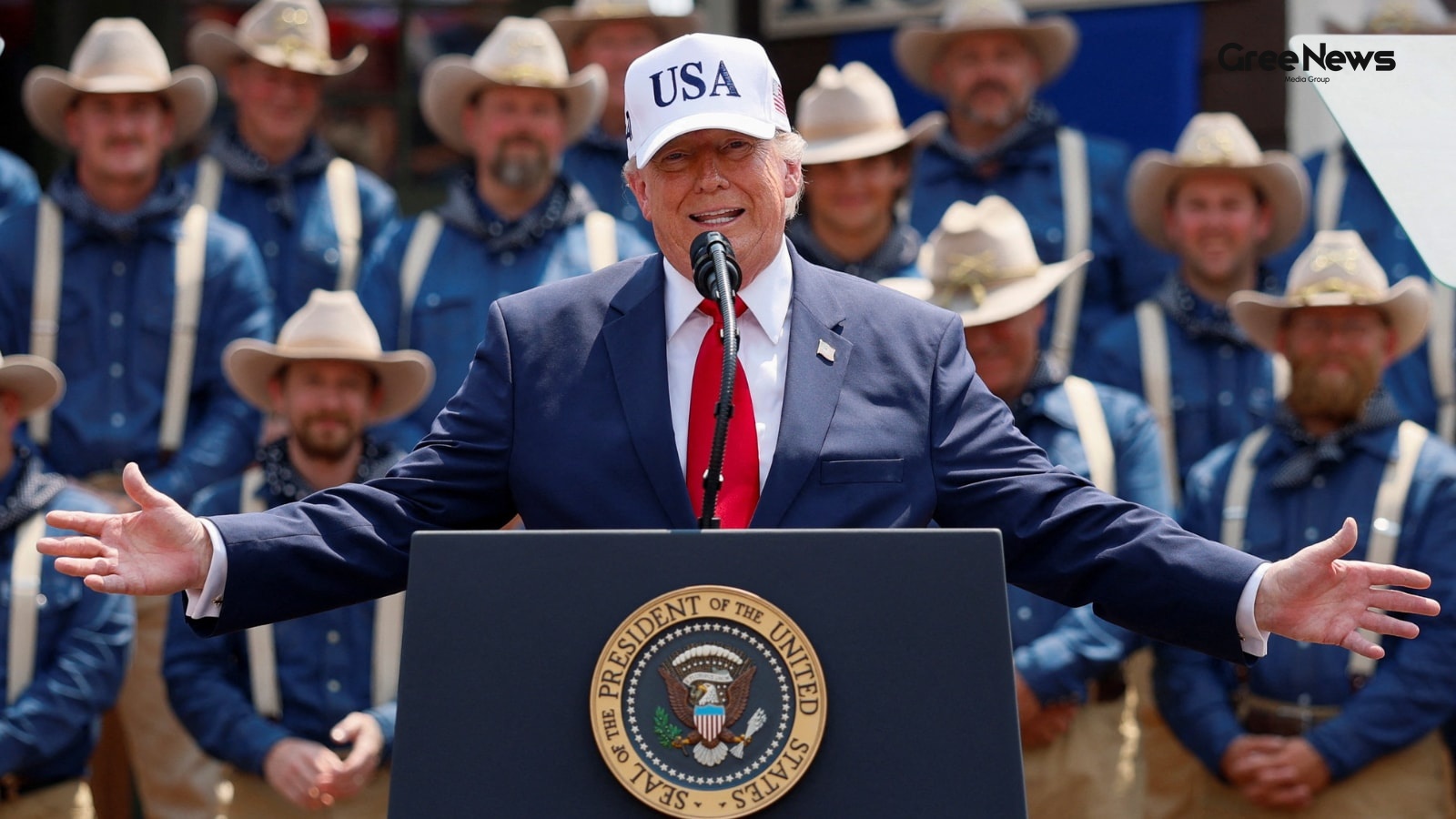
Donald Trump on the Panama Canal and US Strategy
Donald Trump was talking about the Panama Canal Wednesday, mostly. He said the United States absolutely would not let China take over that strategic waterway. It was clear he was criticizing how things ended up with Panama in the first place. Speaking at this dedication ceremony for the Theodore Roo
Jul 2, 2026 by Gree News Team