ISI's Shift to Soft Power and the Khalistan Movement in the Diaspora
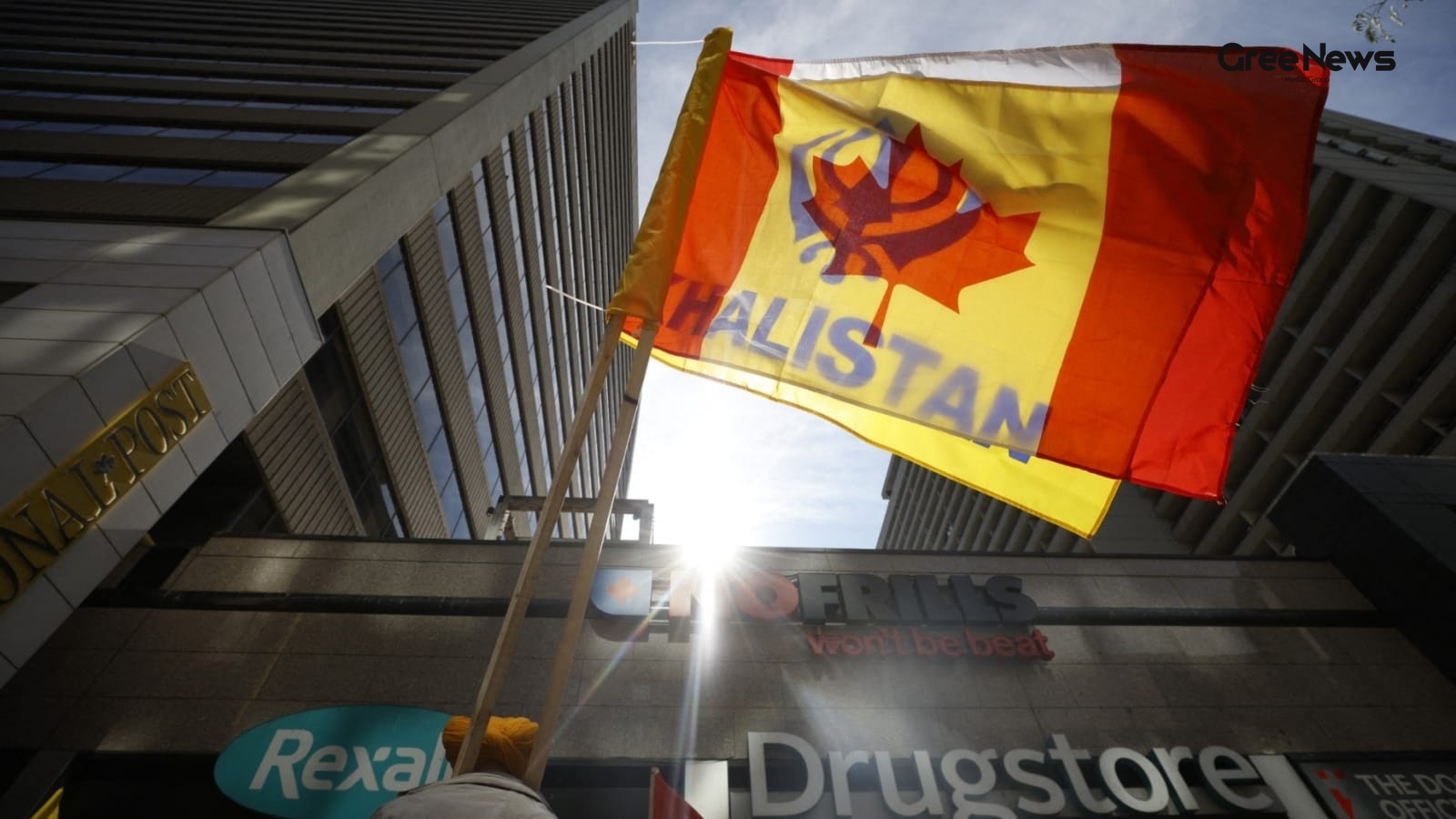
The ISI, Pakistan’s intelligence agency, is leaning heavily on "soft power" networks now. It's using these connections to keep the Khalistan movement alive among the Sikh diaspora in Canada. Top intelligence sources are pointing to this shift.
It looks like they’ve moved away from direct militant support. Instead, the focus is on leveraging diaspora groups and media platforms. The goal? Build political influence, mobilize supporters, and keep that separatist narrative bubbling overseas. It's a different kind of game altogether.
We're hearing things about how this plays out. Apparently, Baaz News, a platform sources say aligns closely with the World Sikh Organization (WSO), has really stepped up its content lately. They’re pushing narratives all centered around Khalistan and Sikh identity. It just makes sense that intelligence officials see this as part of a larger effort to boost transnational support for the separatist cause within Canada's Sikh community.
The WSO, it seems, is organizing things too. Reports suggest they are running community events across Canadian provinces. These gatherings present Khalistan not just as a political idea, but as some kind of future homeland. They talk about what that land would look like. The messaging pushes for these proposed values and governance principles. Officials believe the aim here is simple: get Canadian Sikhs to keep strong political and emotional ties to the movement. Fundraising and advocacy from Canada are key elements in this strategy, apparently.
There's a concern surfacing about what they’re actually trying to achieve with all this outreach. Sources allege that these networks are fostering what they call "parallel identities." Some segments of the diaspora seem to be prioritizing overseas separatist politics over just fitting into Canadian civic life. This is where things get tricky. The intelligence assessment suggests that if this continues, it risks eroding the long-standing image of Canadian Sikhs the successful, law-abiding community replacing it with something driven purely by historical grievances and separatism.
And Canada itself, well, there’s a warning attached to this whole situation. Officials are flagging that Canada could end up becoming sort of a safe haven for these transnational separatist activities if these networks keep expanding without any real checks. Even though the territorial demand is directed at India, the potential fallout seems designed to ripple outwards. It could seriously affect Canada's internal security and social harmony by encouraging mobilization based on grievances, increasing that risk of youth radicalization.
It’s worth remembering where this path leads, especially considering Pakistan’s long history with extremism. Indian intelligence agencies have accused the ISI for years of backing groups like Babbar Khalsa International (BKI), ISYF, and KCF. That historical link is real. But now the assessment suggests something has changed in focus.
Militant support structures still exist, naturally. Funding, training, safe havens that history remains. But what’s new? There's a greater emphasis on political advocacy. On fundraising through non-violent platforms and influence networks targeting the diaspora. It’s less about direct armed backing now, more about soft power maneuvering.
This ecosystem is complicated. The WSO functions as one part of it, playing that public, political role. And then you have media outlets like Baaz News amplifying the message. They are all working together to sustain support for Khalistan among overseas Sikh communities. This whole setup seems designed to generate diplomatic pressure on both India and Canada simultaneously.
The recent uptick in community outreach and media activity is being viewed by intelligence sources as a kind of wake-up call for Canadian authorities. The argument, they make, is that if Canada keeps being seen as a base for fundraising tied to these overseas movements, it messes with the bilateral relationship with India. And then there’s the damage done domestically to Canada’s international reputation and its own social cohesion. It’s becoming a complicated balancing act, really.
Written by Gree News Team — Senior Editorial Board
Gree News Team covers international news and global affairs at Gree News. Our collective of senior editors is dedicated to providing independent, accurate, and responsible journalism for a global audience.
More from World
View All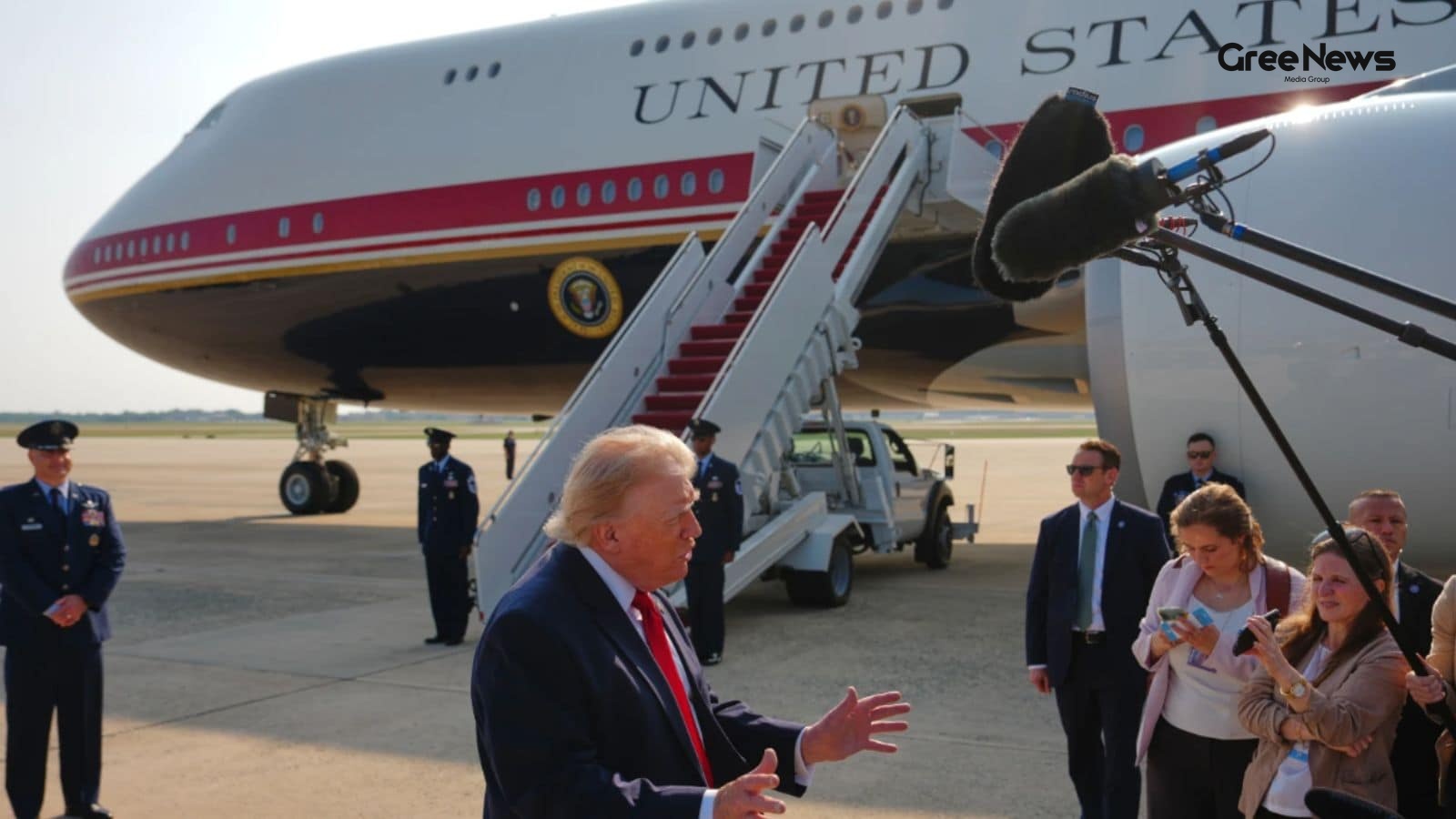
Donald Trump's Temporary Presidential Aircraft
Donald Trump flew on his newly refurbished Air Force One this past Wednesday. It was a Boeing 747-800, gifted by Qatar, serving as a temporary presidential aircraft while they wait for the new planes. That plane, worth about four hundred million dollars, obviously looks different. Gone was that fami
Jul 2, 2026 by Gree News Team
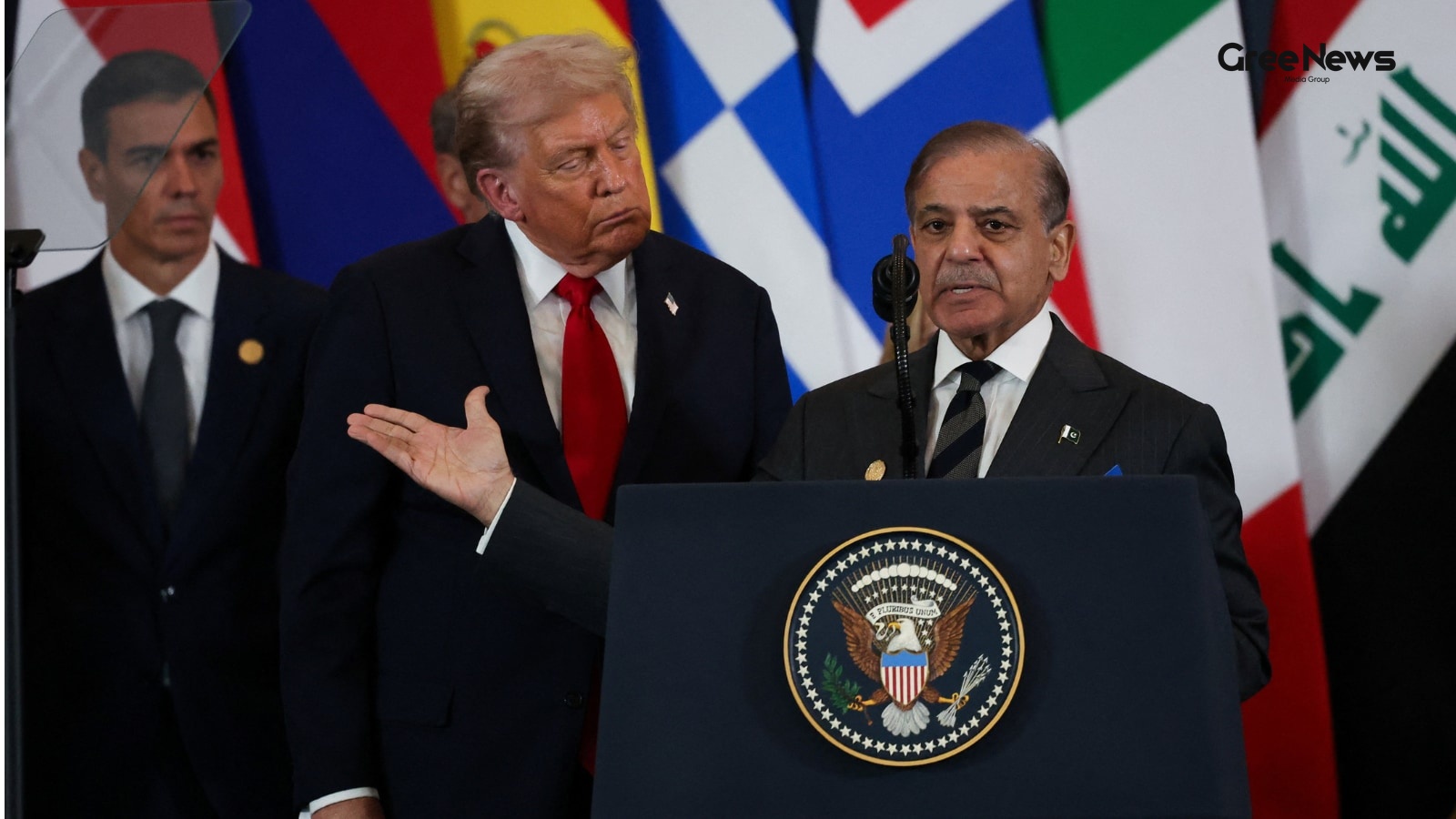
Donald Trump's Financial Disclosure and Pakistan Deal
Donald Trump apparently pulled in at least two billion dollars in revenue during 2025. That includes about $1.4 billion coming from cryptocurrency ventures held in trusts that benefit him, according to a massive 927-page disclosure filed with the Office of Government Ethics. It’s a lot of money, and
Jul 2, 2026 by Gree News Team
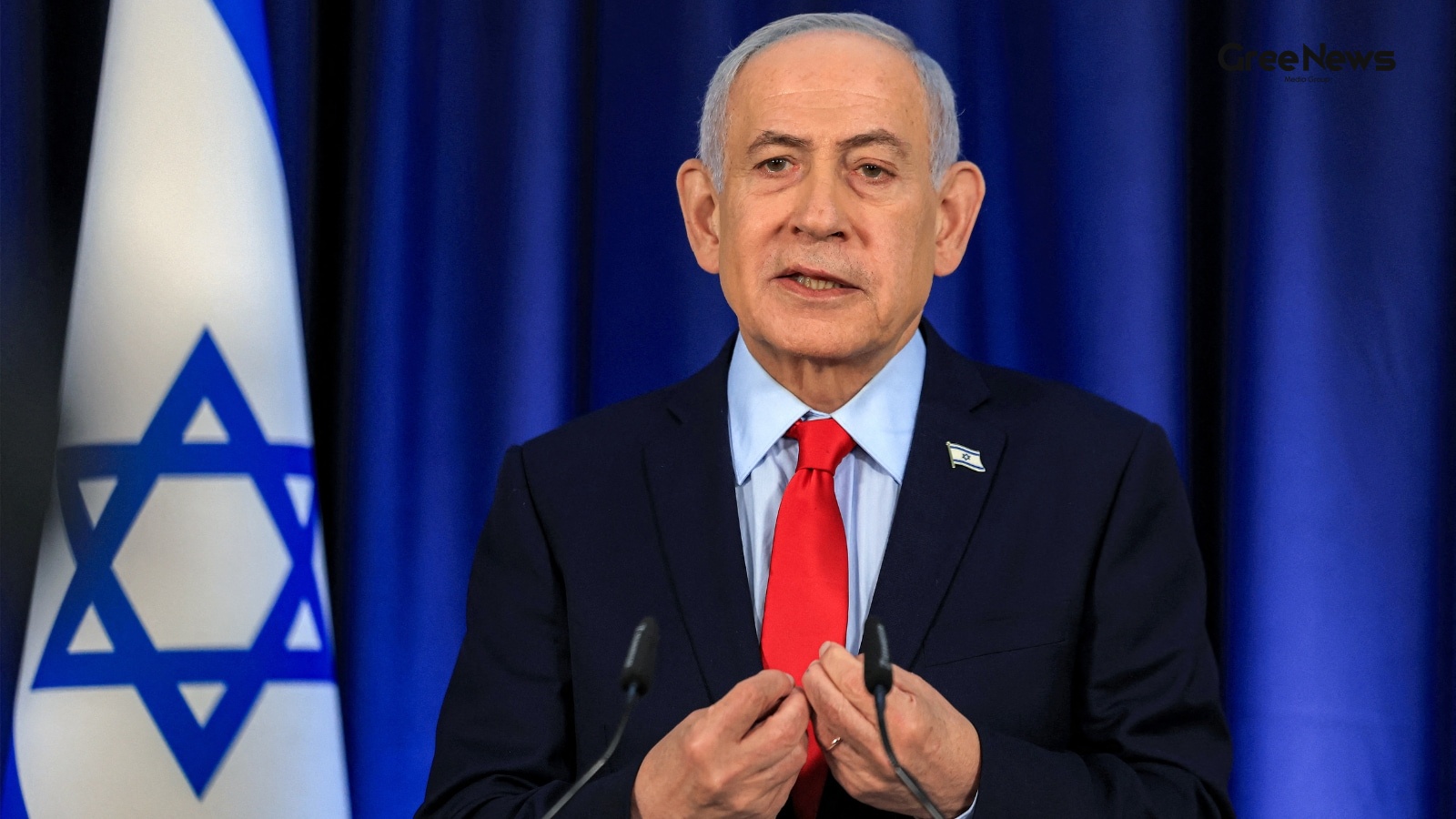
Benjamin Netanyahu's Remarks on American Aid, Security, and Regional Conflicts
Benjamin Netanyahu dropped some heavy remarks on Tuesday about American aid. He basically said he wants to stop it. The argument was that Israel’s economy is strong now. It can handle things itself without relying on US assistance. “I want to stop American aid,” he stated plainly. “It’s like welfare
Jul 2, 2026 by Gree News Team
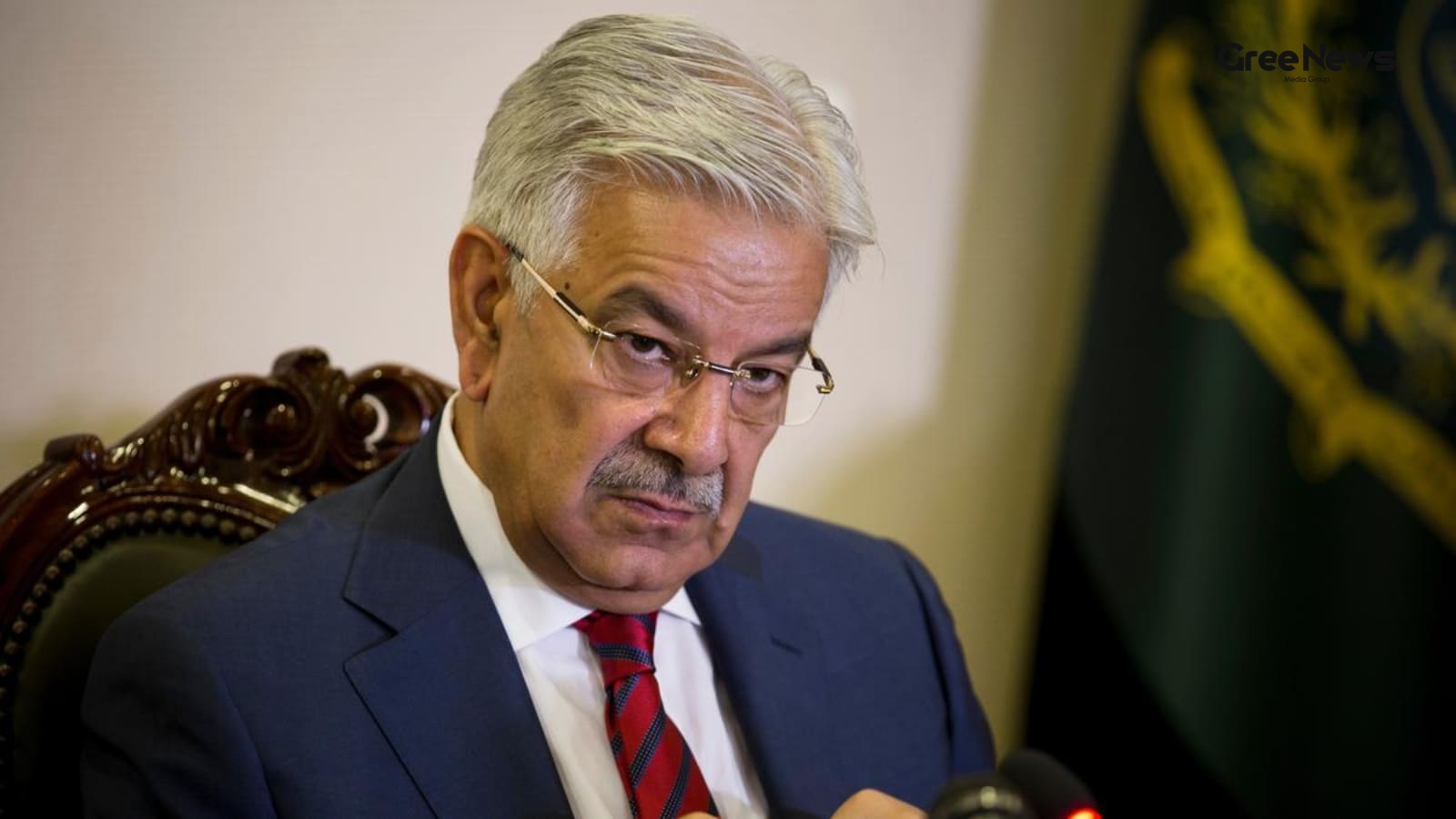
Water War Threat: India, Pakistan, and the Indus Waters Treaty
Khawaja Asif, Pakistan’s Defence Minister, just threw out a warning. A full-blown “water war,” he said. He threatened military retaliation if things don't cool down. All because India essentially tossed the 65-year-old Indus Waters Treaty into limbo. It felt like a desperate move by Islamabad, tryin
Jul 2, 2026 by Gree News Team
Latest Headlines
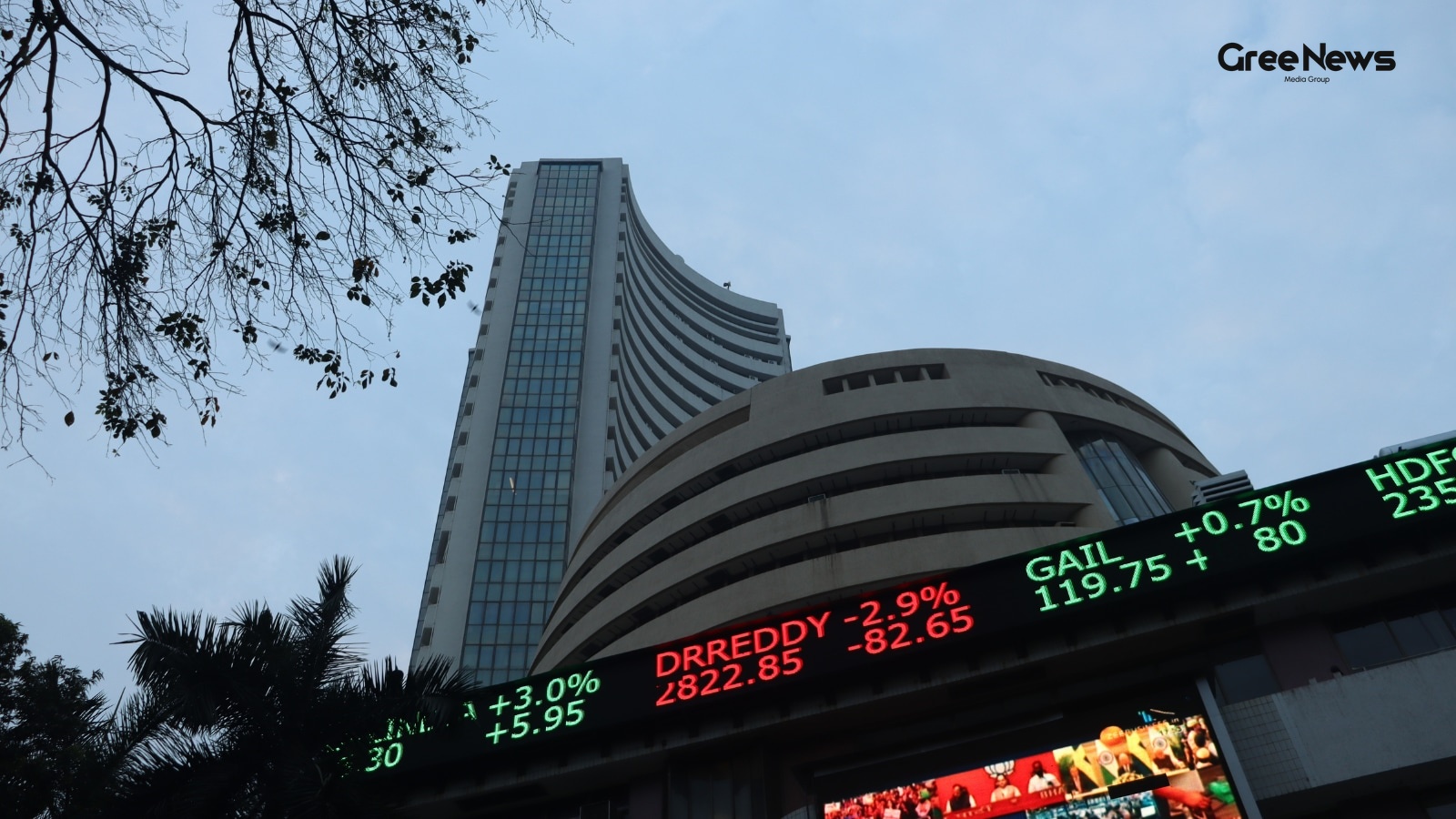
Indian Benchmark Indices Kick Off Thursday in the Green
The Indian benchmark indices kicked off Thursday in the green. Just positive global cues pushing things along, plus some solid investor sentiment overall. A tiny bump only 0.33%. It opened up at 77,083.14 after closing down slightly in the previous session. The Nifty 50 did the same thing, higher to
Jul 2, 2026 by Gree News Team
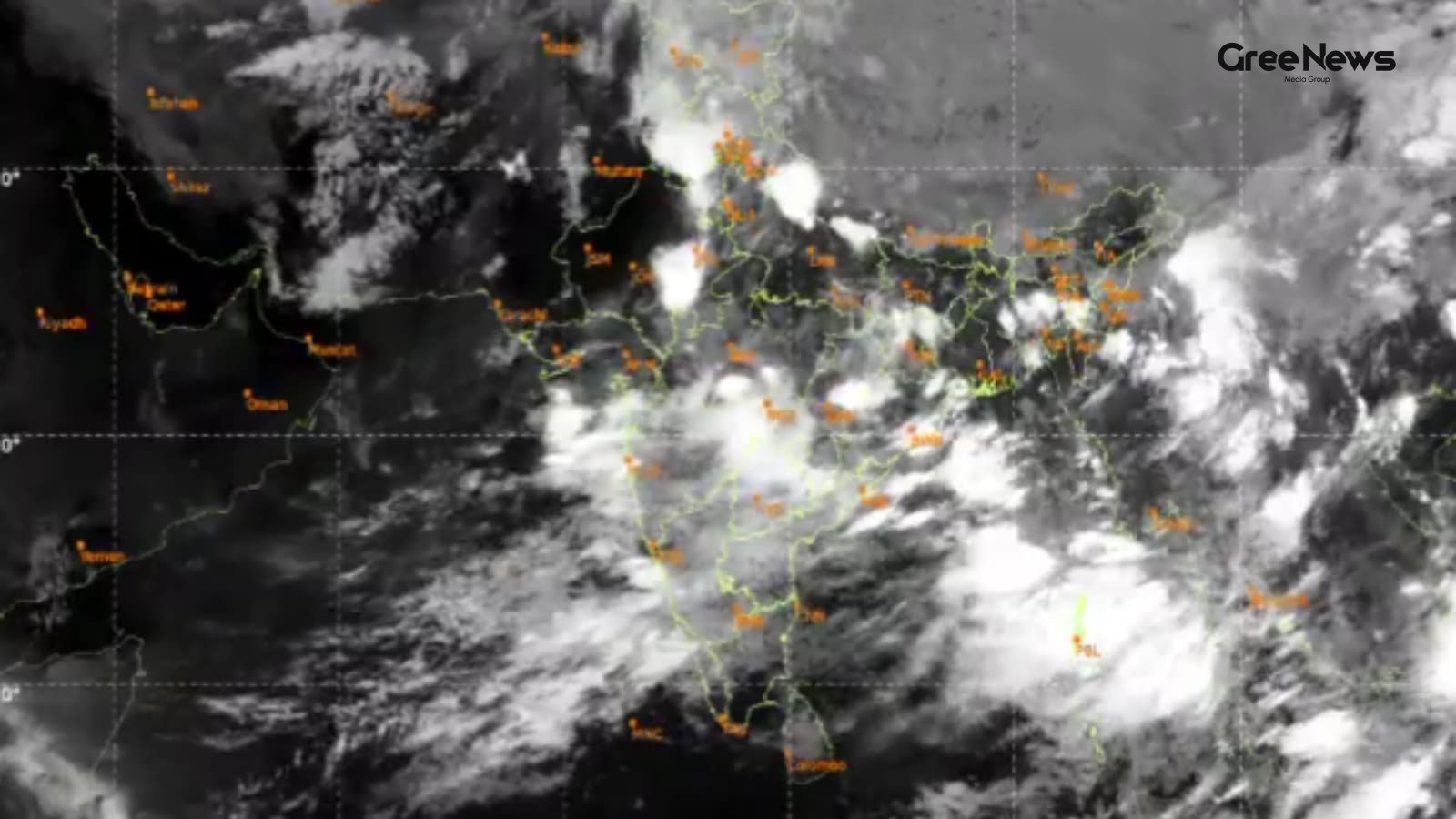
ISRO Satellite Images Show Strong Revival of Southwest Monsoon
Satellite images from ISRO this Wednesday really showed something happening with the monsoon. There was a dramatic surge in cloud cover sweeping across northern India. It signals a strong revival of the southwest monsoon, especially after one of the driest Junes we've seen. The thermal infrared pict
Jul 2, 2026 by Gree News Team
Donald Trump's Temporary Presidential Aircraft
Donald Trump flew on his newly refurbished Air Force One this past Wednesday. It was a Boeing 747-800, gifted by Qatar, serving as a temporary presidential aircraft while they wait for the new planes. That plane, worth about four hundred million dollars, obviously looks different. Gone was that fami
Jul 2, 2026 by Gree News Team
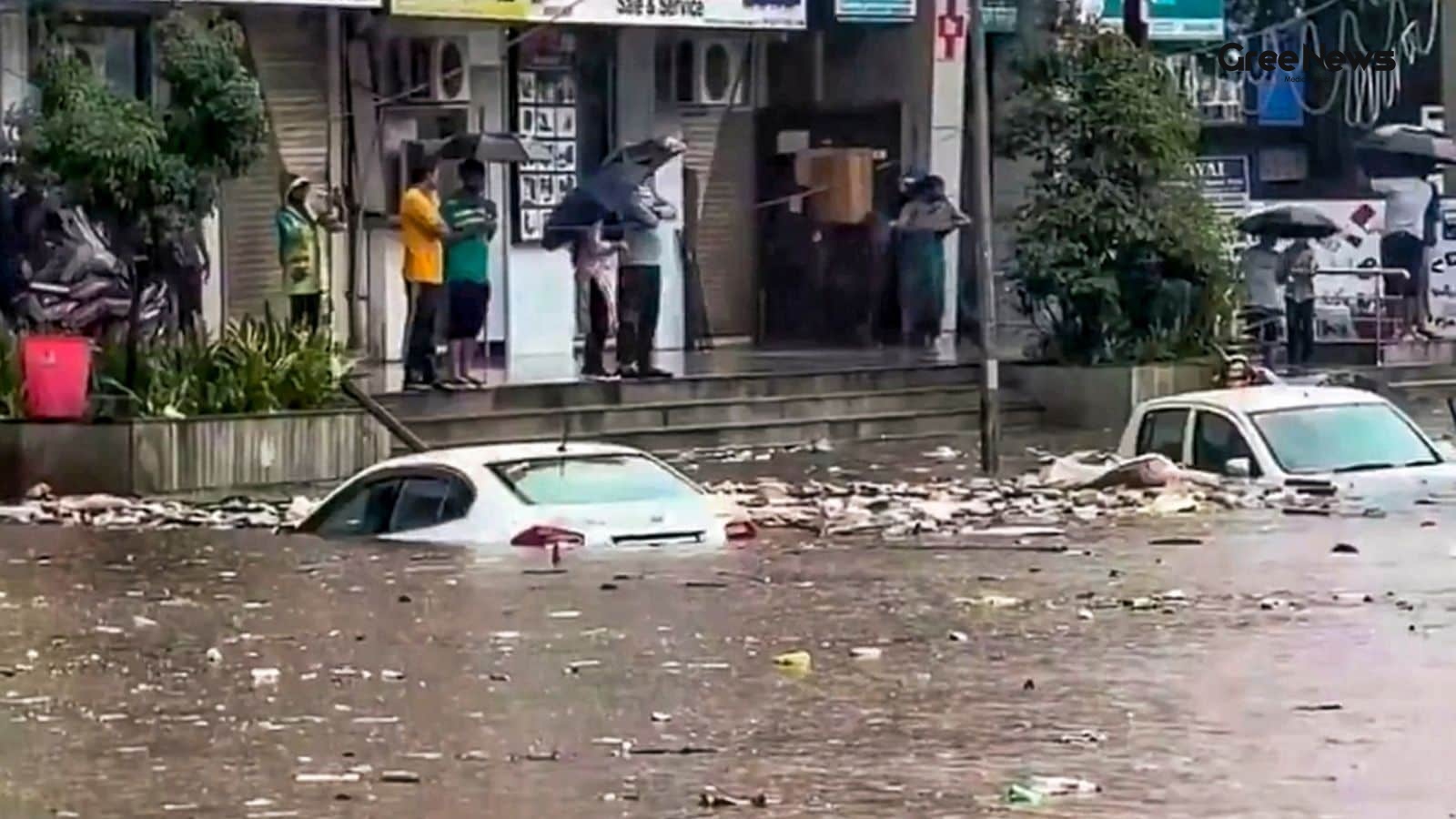
Monsoon Warning and Heavy Rainfall Forecast for Mumbai and Konkan
Mumbai is dealing with some serious monsoon trouble right now. The India Meteorological Department, IMD, just put out a warning predicting heavy to extremely heavy rain across parts of west India on Thursday, July 2nd. They said the monsoon isn't going anywhere soon. It’s an Orange warning for Mumba
Jul 2, 2026 by Gree News Team

The Reality Behind the BAT-BMS E-Rickshaw Videos
Those viral videos started causing real panic online, you know? People are seeing these clips where folks allegedly switch off moving e-rickshaws just by using a smartphone app. The whole thing centers around this application called BAT-BMS. It’s some kind of Chinese battery monitoring system, but a
Jul 2, 2026 by Gree News Team
Samik Bhattacharya and Mahua Moitra: Allegations and Political Friction in Bengal
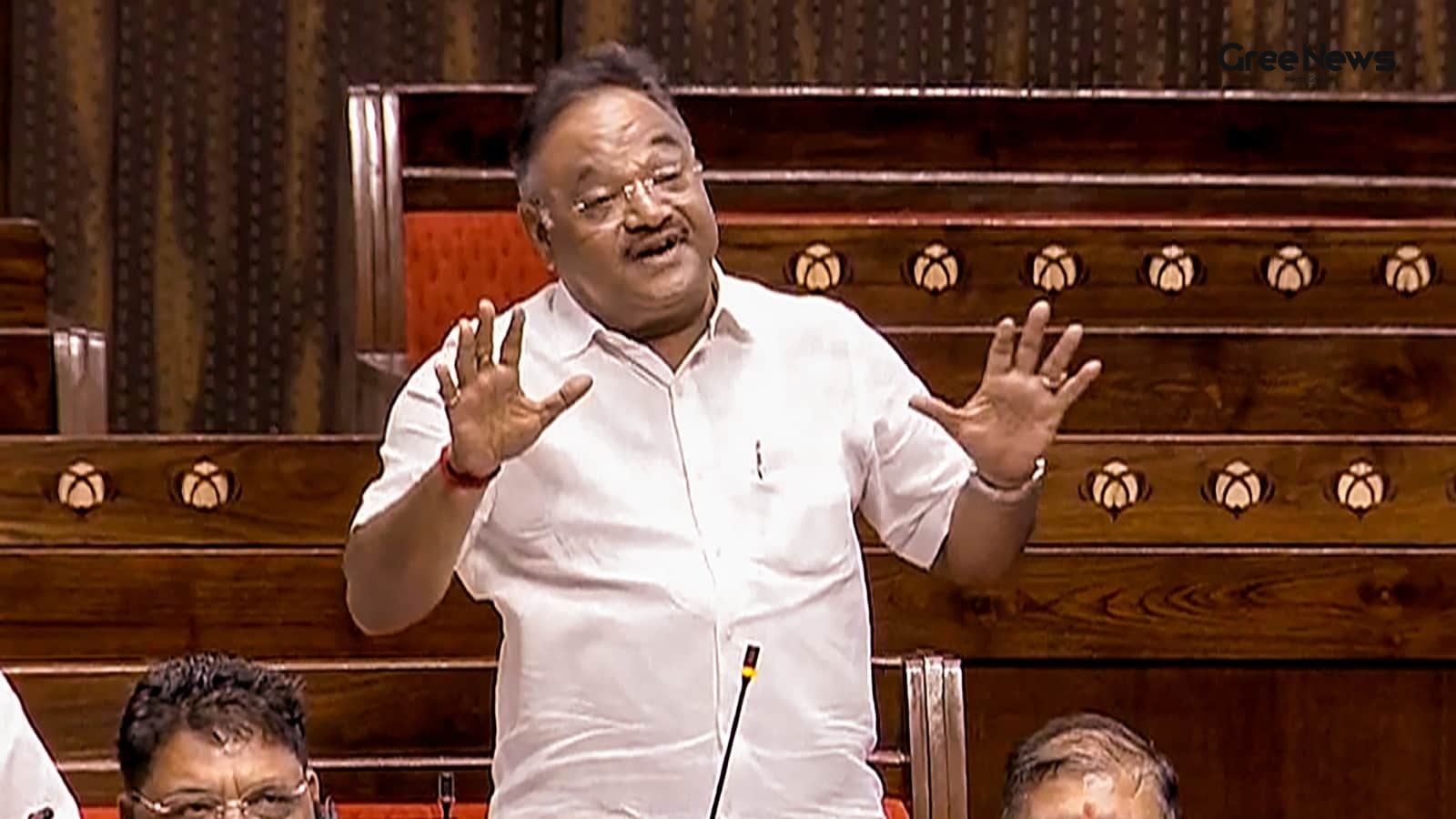
Samik Bhattacharya, the West Bengal BJP president, just shot back at Mahua Moitra’s claims. She alleged that BJP workers actually threw eggs at her during a protest over in Nadia district. But instead of addressing the egg incident itself, he pivoted. He pointed fingers at internal Trinamool Congres
Jul 2, 2026 by Gree News Team

Egg-Pelting Drama: Political Targeting and Legal Action
Mahua Moitra, the Trinamool Congress MP, ended up in the latest wave of egg-pelting drama on Wednesday. It happened right outside her office in Nadia. People just threw eggs at the building while she was meeting workers there. There were videos of it. Both sides had footage floating around quickly.
Jul 2, 2026 by Gree News Team
El Niño Preparedness and Monsoon Concerns in India
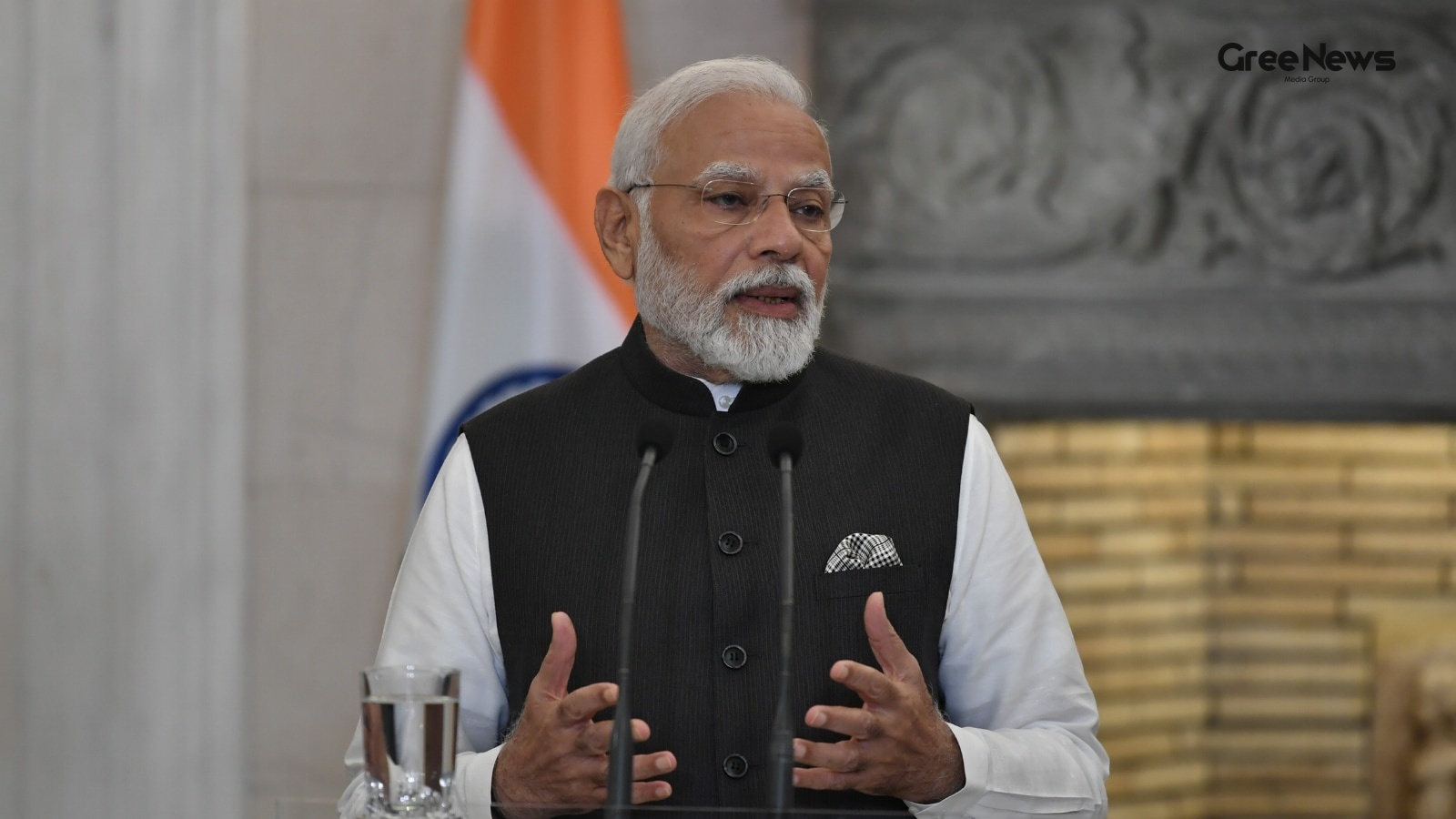
Modi, he’s been pushing all the ministries right now. Tell them to get contingency plans ready for El Niño. It’s about mitigating what might hit us. Concerns are really growing about this weak monsoon, and how much rain we're actually getting across different parts of the country. Sources say he rec
Jul 2, 2026 by Gree News Team
Donald Trump's Financial Disclosure and Pakistan Deal
Donald Trump apparently pulled in at least two billion dollars in revenue during 2025. That includes about $1.4 billion coming from cryptocurrency ventures held in trusts that benefit him, according to a massive 927-page disclosure filed with the Office of Government Ethics. It’s a lot of money, and
Jul 2, 2026 by Gree News Team
Benjamin Netanyahu's Remarks on American Aid, Security, and Regional Conflicts
Benjamin Netanyahu dropped some heavy remarks on Tuesday about American aid. He basically said he wants to stop it. The argument was that Israel’s economy is strong now. It can handle things itself without relying on US assistance. “I want to stop American aid,” he stated plainly. “It’s like welfare
Jul 2, 2026 by Gree News Team
Water War Threat: India, Pakistan, and the Indus Waters Treaty
Khawaja Asif, Pakistan’s Defence Minister, just threw out a warning. A full-blown “water war,” he said. He threatened military retaliation if things don't cool down. All because India essentially tossed the 65-year-old Indus Waters Treaty into limbo. It felt like a desperate move by Islamabad, tryin
Jul 2, 2026 by Gree News Team
Murder Investigation: Deception and Discovery in Rajkot
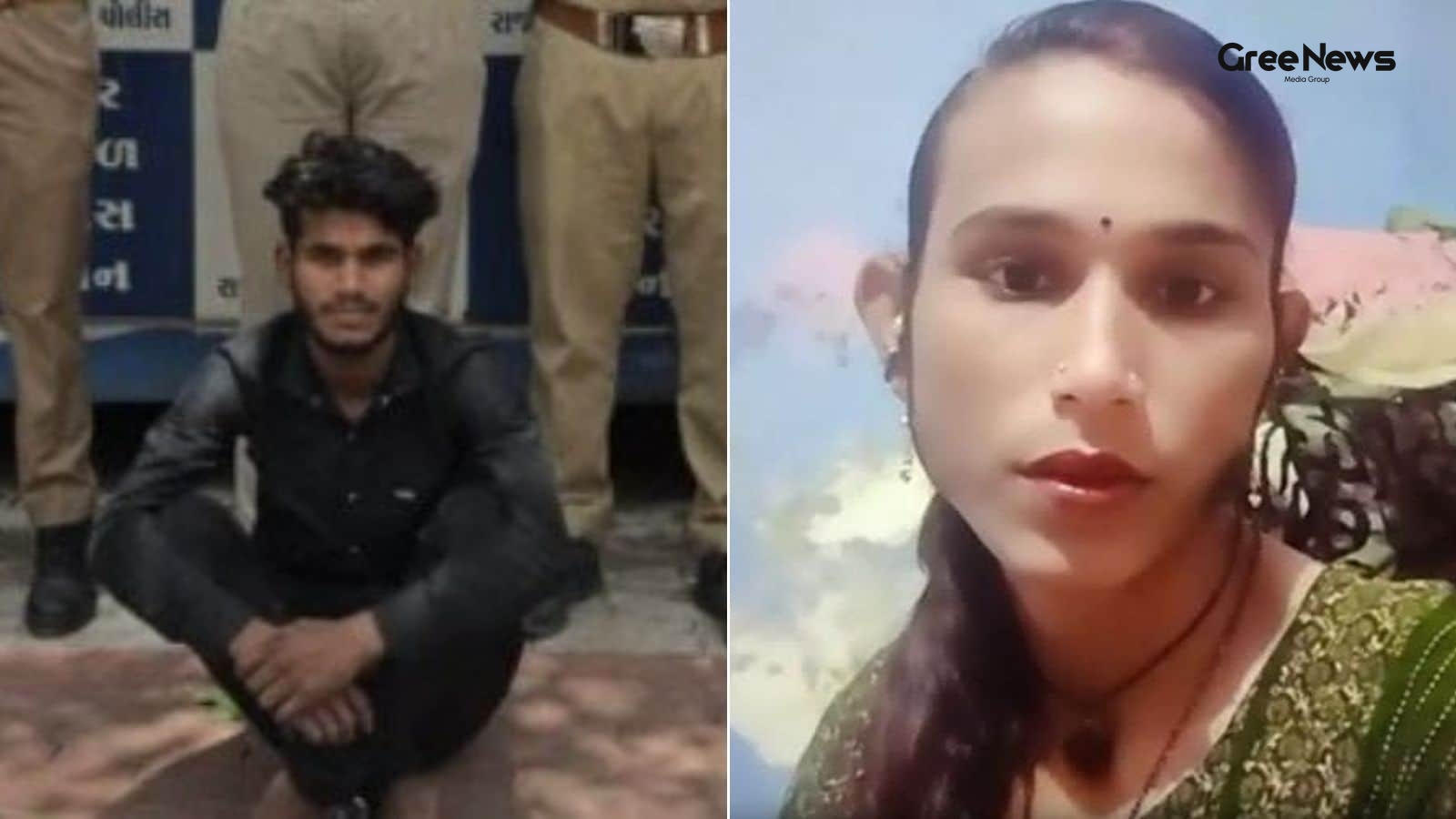
A man from Rajkot, from Gujarat, apparently fell into a relationship with someone he met online. A "girl," they said. Things escalated fast. Within a short time frame, Piyush Kumar started living with Poonam and even got married to her. But then, something shifted. One day, Piyush allegedly found ou
Jul 2, 2026 by Gree News Team

WhatsApp Username Holdback and Government Scrutiny
WhatsApp is talking about holding back usernames for now. They said they’re going to keep names of public figures, government stuff, celebrities and verified Meta accounts reserved under this new feature. That came shortly after the Centre sent a notice to Meta. The worry was clear: people feared th
Jul 2, 2026 by Gree News Team
Russia Imports Gasoline from India Amid Fuel Shortages
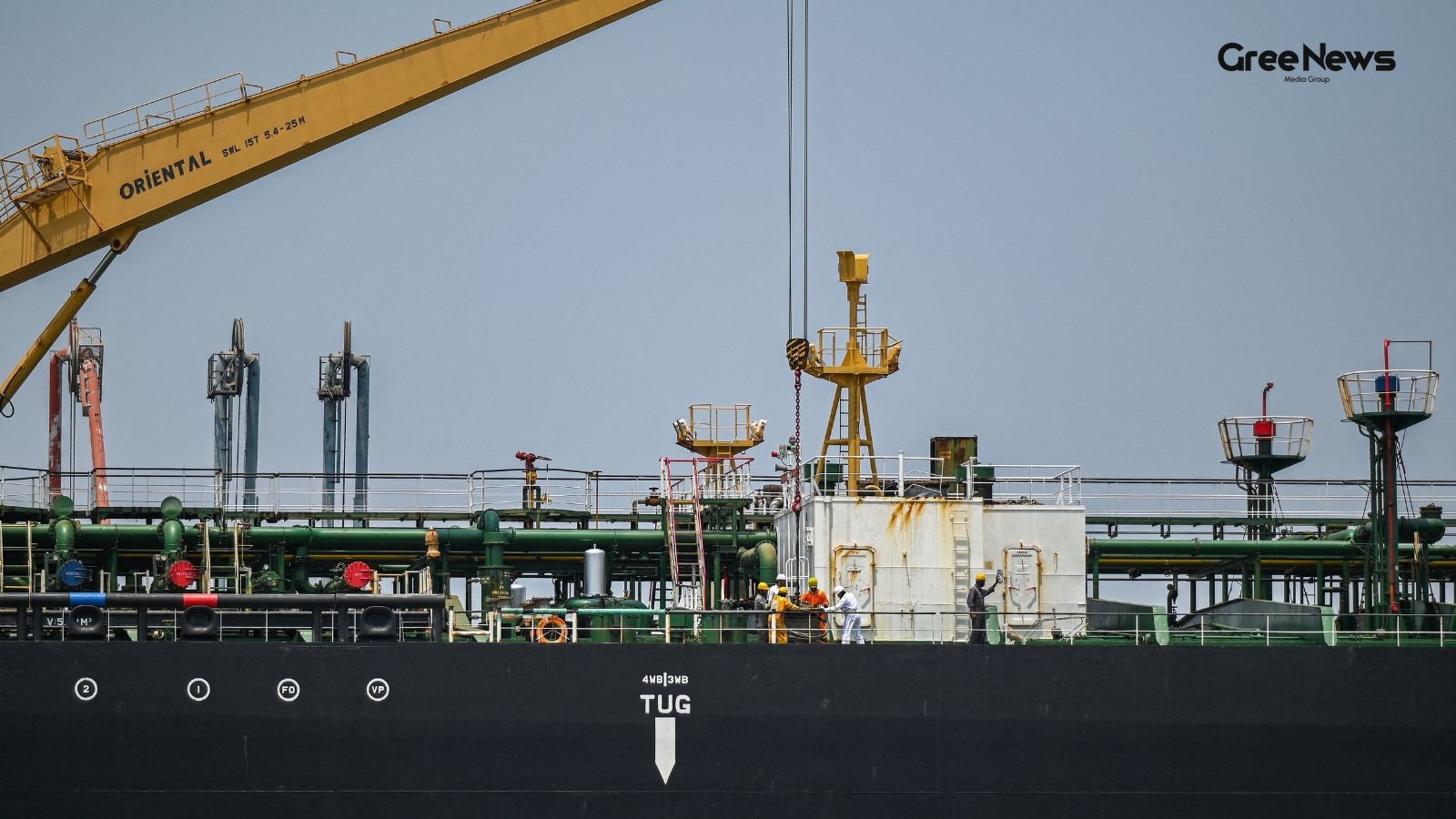
Russia is starting to import gasoline from India by sea. This move comes to address fuel shortages across the country. The trouble started when Ukrainian drone strikes hit Russian refineries. Two industry sources told Reuters about this on Wednesday. Meanwhile, ship tracking data showed Indian refin
Jul 2, 2026 by Gree News Team
5.5 Magnitude Earthquake Hits Near Jurm in Afghanistan
A 5.5 magnitude earthquake hit near Jurm in northeastern Afghanistan this Wednesday. That’s what the United States Geological Survey reported. It struck at a depth of 216.7 kilometres, about 134 miles down. No immediate reports came through about any casualties or damage right after it happened. Jur
Jul 2, 2026 by Gree News Team