US-Iran Indirect Talks: Frozen Funds, MOU, and Regional Tensions
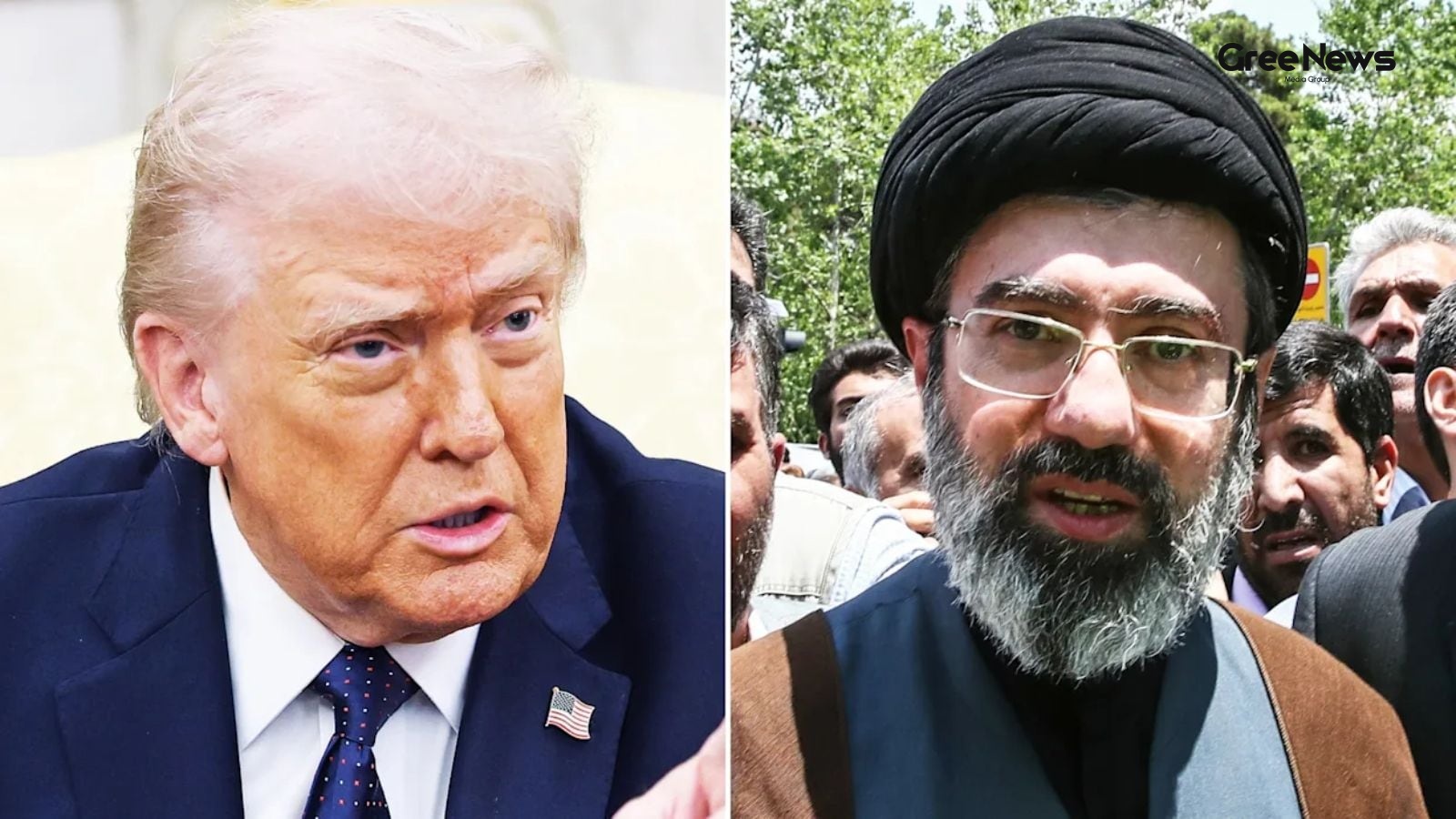
The latest indirect talks between the United States and Iran happened in Doha, focusing squarely on that memorandum of understanding. It wasn't just talk; they were trying to figure out how to actually implement things.
We’re talking about a proposed release a potential $3 billion from those frozen Iranian funds. And setting up some kind of communication channel so everyone could report if the deal was being broken, or violated.
Iran’s Deputy Foreign Minister, Kazem Gharibabadi, announced that these talks wrapped up on Wednesday. He said they managed to aGree on something tangible: a way to record any violations of the whole aGreement. And he pushed for this channel to be set up by tomorrow.
But there was no direct meeting between the US delegation and the Iranian side itself. That’s what Gharibabadi noted. Everything went through mediators Qatar and Pakistan, it turned out. Axios picked up on that angle, saying negotiations ran entirely through those intermediaries.
And then you have the money part. Al Arabiya reported that an initial aGreement was reached to release that $3 billion during these indirect discussions in Doha. Iran tied the release of those frozen funds directly to progress in the negotiations. It’s supposed to be phased, released as they move forward.
But things got complicated quickly. A US official later told Al Arabiya something different entirely. He said no frozen funds had actually been released yet. Any future release depended entirely on Tehran meeting all the conditions written down in that memorandum of understanding. The sticking point was clear: “No frozen funds will be released unless Iran meets the requirements outlined in the MOU.”
That official also made a specific demand under the aGreement. He stressed that the US had to approve how those assets were used. If they were released, the money would be specifically earmarked for purchasing American agricultural products from farmers to feed the Iranian people. That’s the condition attached to any release. It felt very specific.
Meanwhile, Iran also brought up other sticking points. They discussed where the frozen funds were sitting in Qatar. And it seemed there was an aGreement that based on what Iran stated they needed, those required goods would be purchased and delivered directly to them. A sort of trade-off woven into the financial discussion.
The whole package touched on bigger regional headaches too. The talks weren't just about money. They looked at Lebanon. And obviously, the Strait of Hormuz was right there in the conversation. Iran accused Israel of undermining the deal by keeping forces in Lebanon. That’s one side of the story they presented. On the other hand, Iran insisted that the Strait of Hormuz falls under Iranian and Omani sovereignty.
Iran asked for things before moving on. They wanted five specific provisions from the memorandum to be implemented first. There was a lot going on simultaneously. Discussions were also ongoing about the Strait of Hormuz based on something Oman proposed. The delegations were supposed to go back to their home countries to hash out that proposal further.
Qatar seemed to be playing an important role in keeping things moving there, too. They said they saw positive progress on issues related to the Islamabad Memorandum of Understanding. Majed Al Ansari from Qatar’s foreign ministry spoke about this, noting that the mediators reached separate meetings with both US and Iranian negotiators today. He mentioned building on the outcomes from that Lake Lucerne Summit.
He also made it clear they wanted more time. The parties aGreed to keep talking over the next period. The next meeting would be scheduled as soon as possible, after the funeral processions for the former Supreme Leader. That sets a kind of timeline, doesn’t it? A very specific one tacked onto political events.
The actual negotiations started late Tuesday night and stretched into Wednesday across these indirect channels. They used separate sessions chief negotiators talking to technical experts, things like that. It wasn't a smooth, unified flow; it was fragmented back-and-forth.
It’s worth remembering that US envoy Steve Witkoff and Jared Kushner met with Qatar’s prime minister before everything kicked off. That was meant to lay some groundwork for the whole process. A bit of behind-the-scenes maneuvering happening while the public talks were going on in Doha about these very sensitive routes, like the Strait of Hormuz.
The administration side had its own view on what would actually work. They argued that a nuclear aGreement would offer Iran better economic benefits than just getting revenue from tolls through that strategic waterway. That’s the big philosophical difference they brought to the table.
And finally, there was that brief moment of de-escalation mentioned in the context of the Strait itself. Following some exchanges of fire on Sunday, both sides managed to aGree on a one-week pause in tensions in the Strait of Hormuz. A temporary breather before diving back into the deeper issues. It’s all moving, but it's messy.
Written by Gree News Team — Senior Editorial Board
Gree News Team covers international news and global affairs at Gree News. Our collective of senior editors is dedicated to providing independent, accurate, and responsible journalism for a global audience.
More from World
View All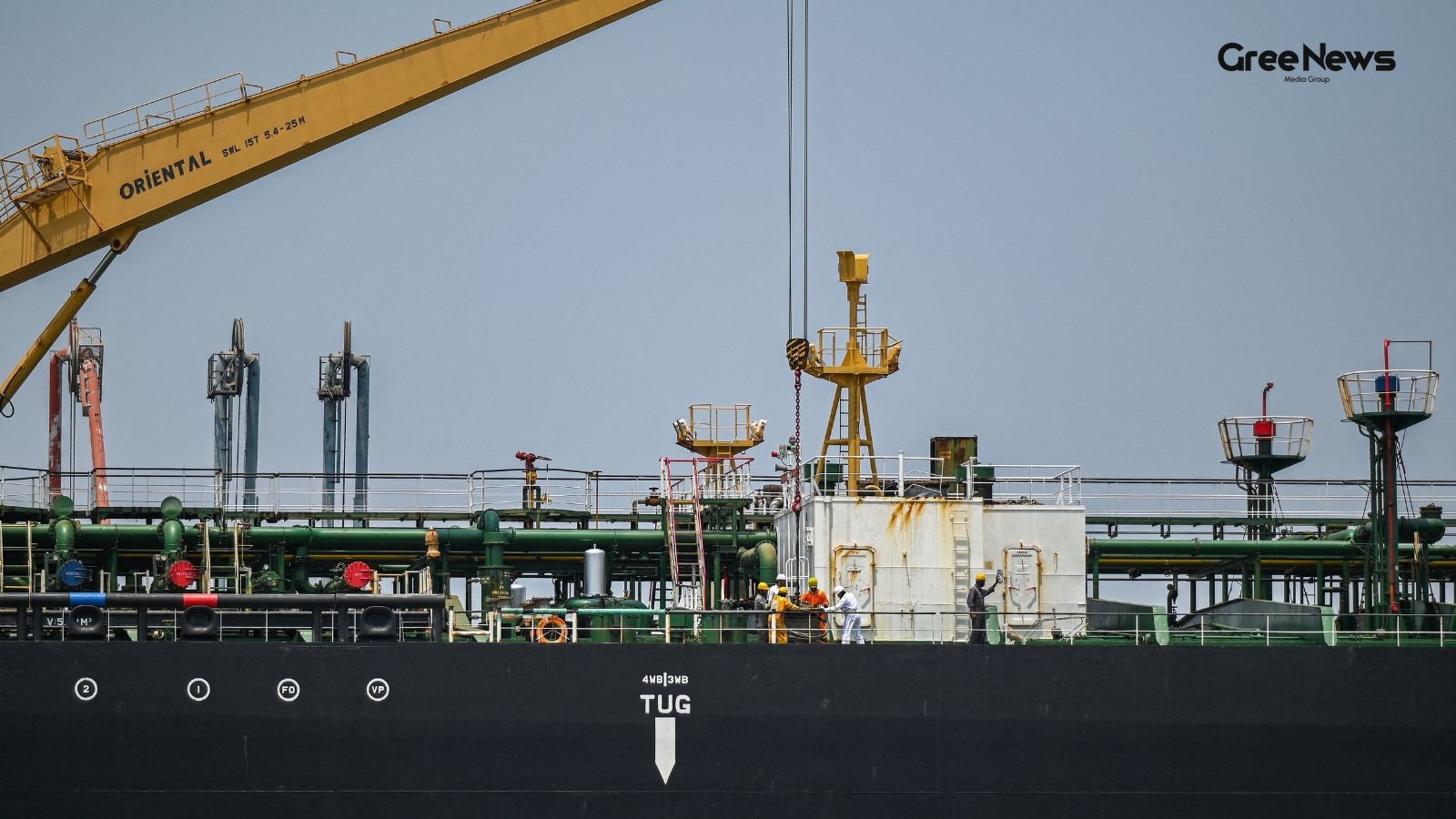
Russia Imports Gasoline from India Amid Fuel Shortages
Russia is starting to import gasoline from India by sea. This move comes to address fuel shortages across the country. The trouble started when Ukrainian drone strikes hit Russian refineries. Two industry sources told Reuters about this on Wednesday. Meanwhile, ship tracking data showed Indian refin
Jul 2, 2026 by Gree News Team
5.5 Magnitude Earthquake Hits Near Jurm in Afghanistan
A 5.5 magnitude earthquake hit near Jurm in northeastern Afghanistan this Wednesday. That’s what the United States Geological Survey reported. It struck at a depth of 216.7 kilometres, about 134 miles down. No immediate reports came through about any casualties or damage right after it happened. Jur
Jul 2, 2026 by Gree News Team
China's Electromagnetic Space Launch Architecture
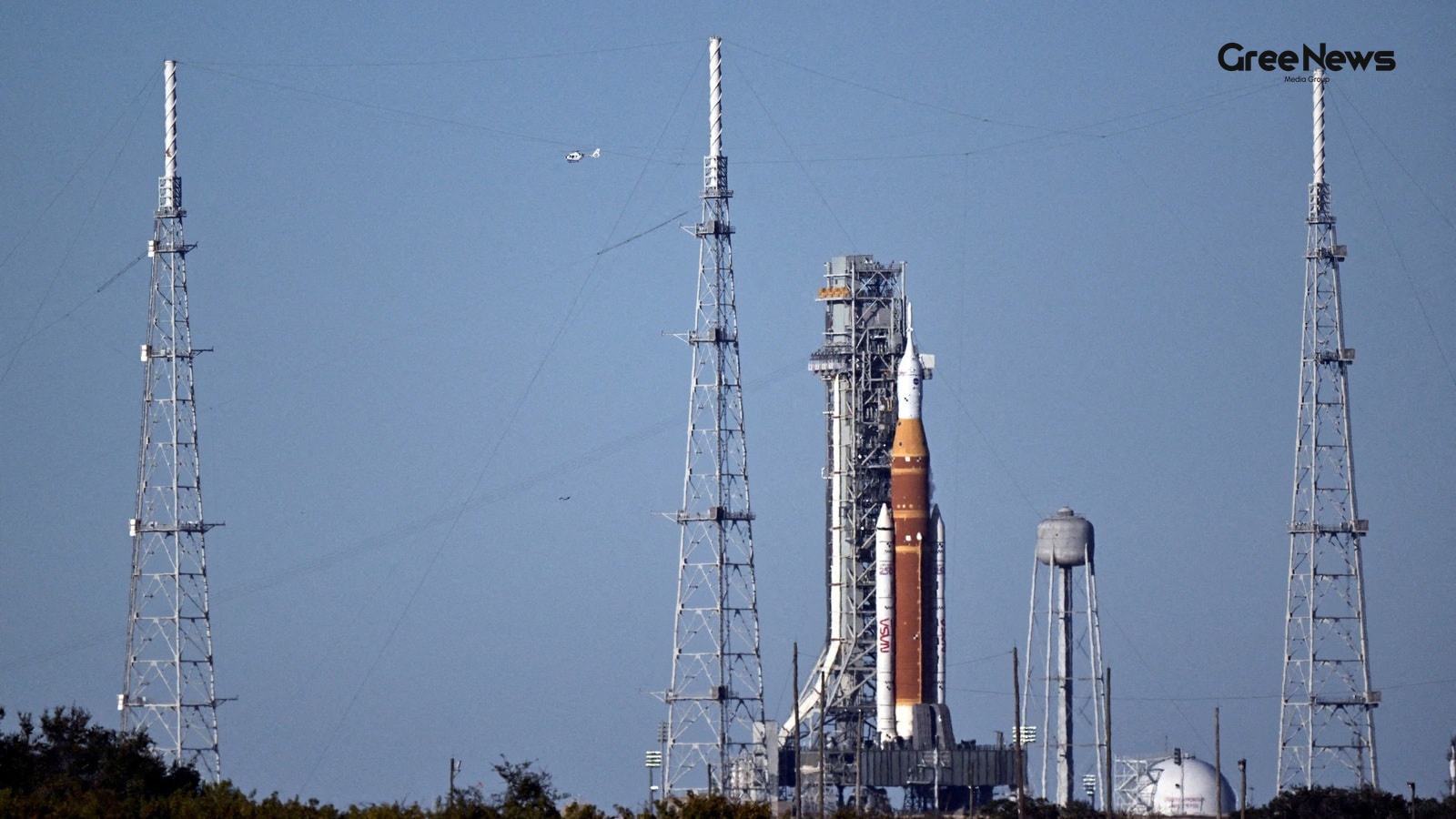
China isn’t just chasing chemical rockets anymore. They are aggressively pushing this experimental space-launch architecture that uses ground-based electromagnetic tracks to sling payloads into the upper atmosphere. Think of it like an electric “zero-stage booster.” The whole point is getting vehicl
Jul 2, 2026 by Gree News Team
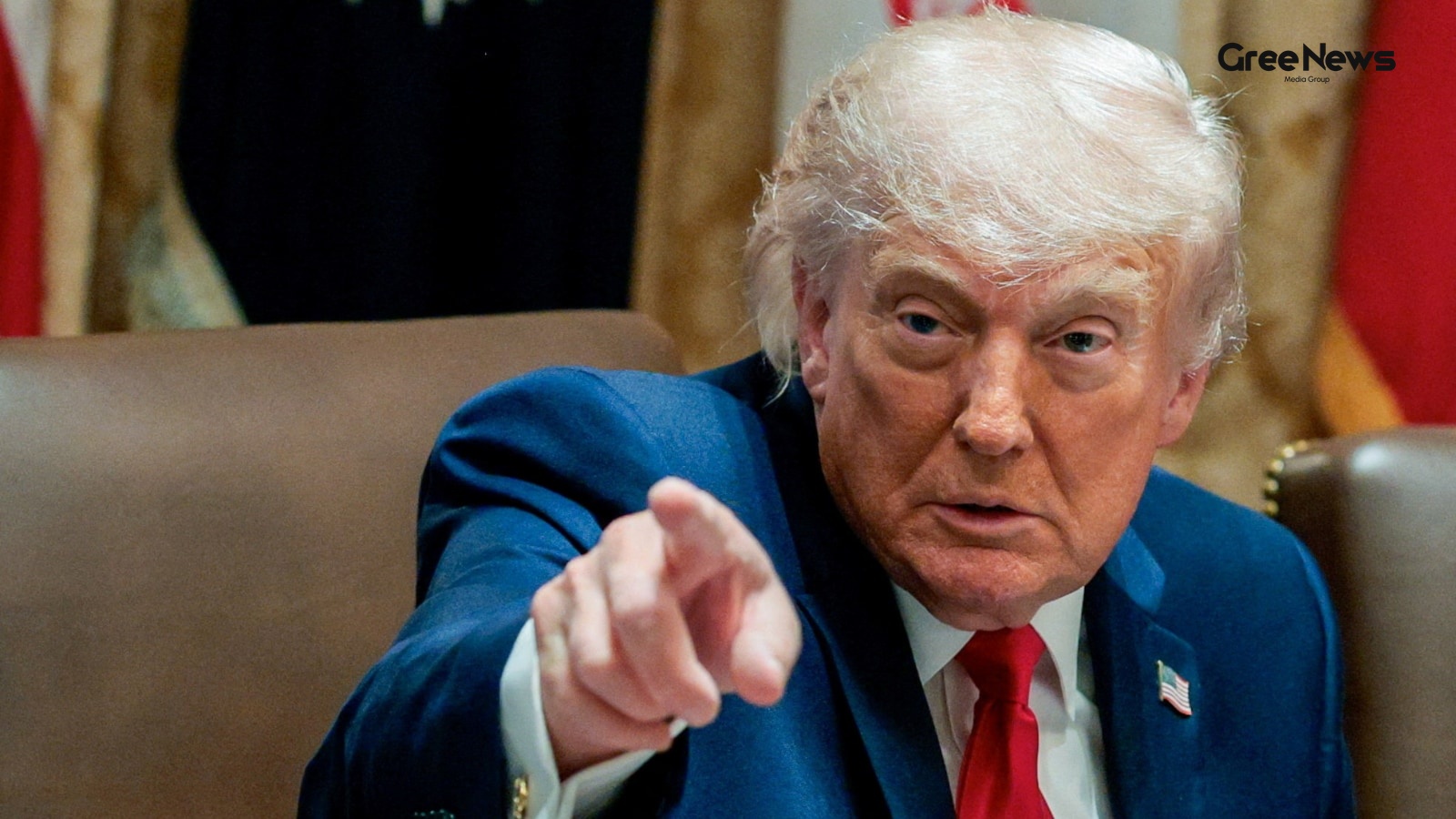
Donald Trump and Iran: Military Strikes, Diplomacy, and Nuclear Negotiations
Donald Trump has been talking with senior defense officials lately about hitting Iran again. The idea of further military strikes keeps coming up in these talks. But he hasn't decided anything yet. He’s sticking to diplomacy for now, according to a report that came out in the Wall Street Journal. Th
Jul 2, 2026 by Gree News Team
Latest Headlines
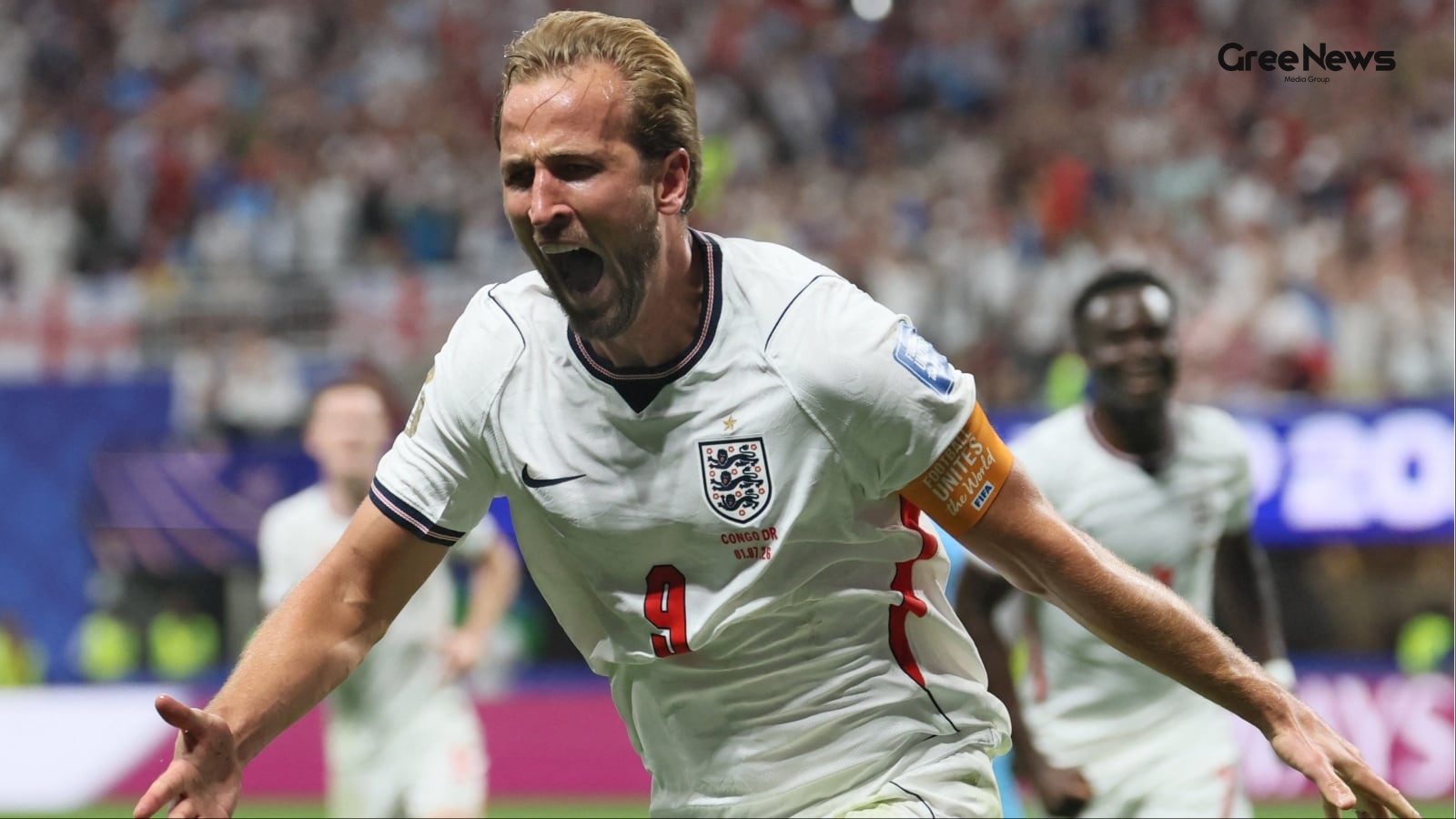
Harry Kane's Goal-Scoring History
Harry Kane’s name is getting into history books right now. It’s a big deal. He’s England’s all-time leading scorer, both in men's international football and across the World Cups. And he keeps adding to that tally. Just recently, he scored twice against DR Congo in that Round of 32 match in Atlanta.
Jul 2, 2026 by Gree News Team
Donald Trump and Iran: Military Strikes, Diplomacy, and Nuclear Negotiations
Donald Trump has been talking with senior defense officials lately about hitting Iran again. The idea of further military strikes keeps coming up in these talks. But he hasn't decided anything yet. He’s sticking to diplomacy for now, according to a report that came out in the Wall Street Journal. Th
Jul 2, 2026 by Gree News Team
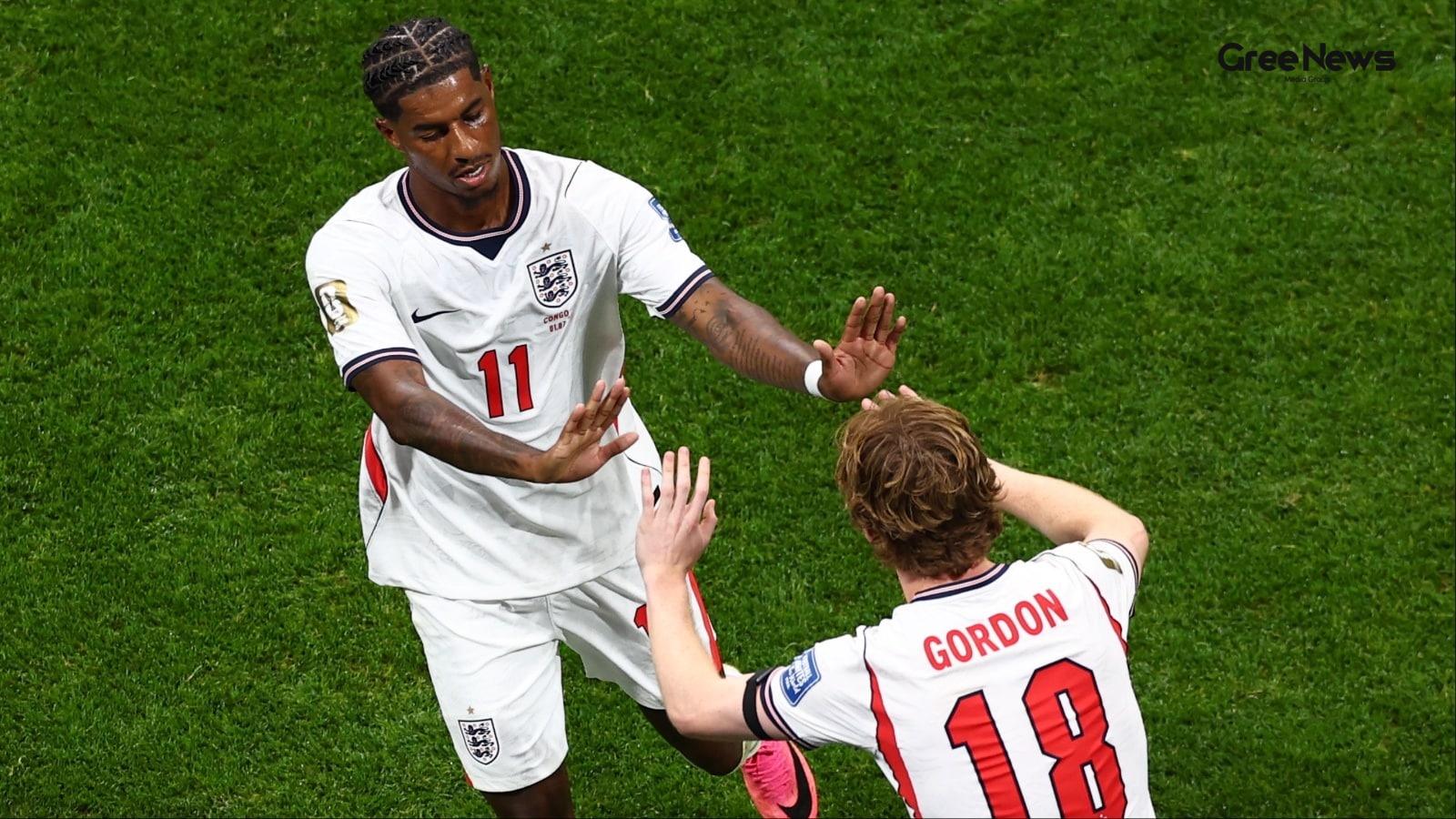
Anthony Gordon, Harry Kane, and Kylian Mbappé: World Cup History and Goal Records
Anthony Gordon came on for England in that World Cup match against DR Congo. It was the 61st minute. He just started providing assists for Harry Kane’s goals. Gordon set up the equalizer in the 75th minute. Then, right after that, he gave the assist for the winner at eighty-six. A real comeback win
Jul 2, 2026 by Gree News Team
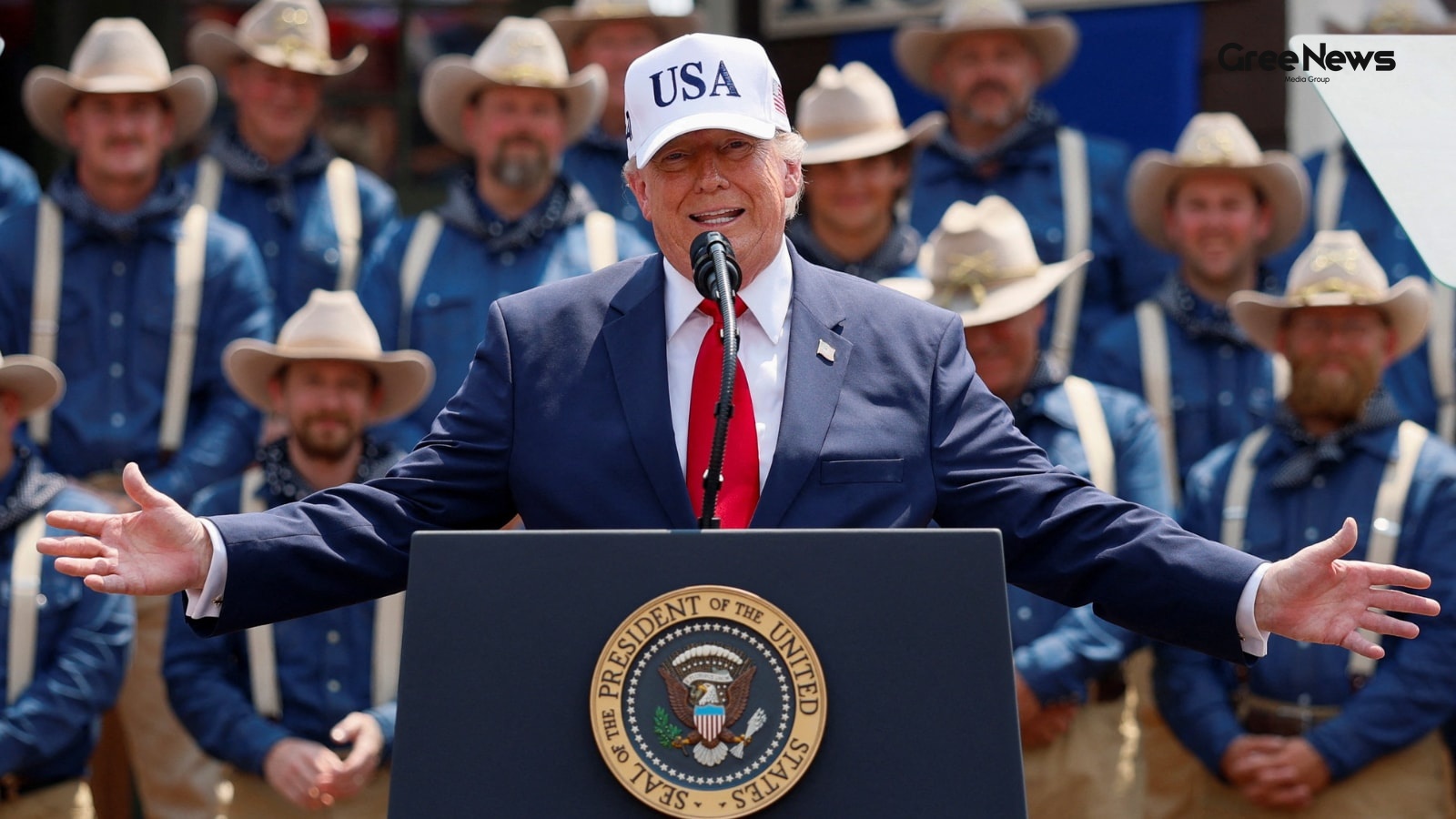
Donald Trump on the Panama Canal and US Strategy
Donald Trump was talking about the Panama Canal Wednesday, mostly. He said the United States absolutely would not let China take over that strategic waterway. It was clear he was criticizing how things ended up with Panama in the first place. Speaking at this dedication ceremony for the Theodore Roo
Jul 2, 2026 by Gree News Team
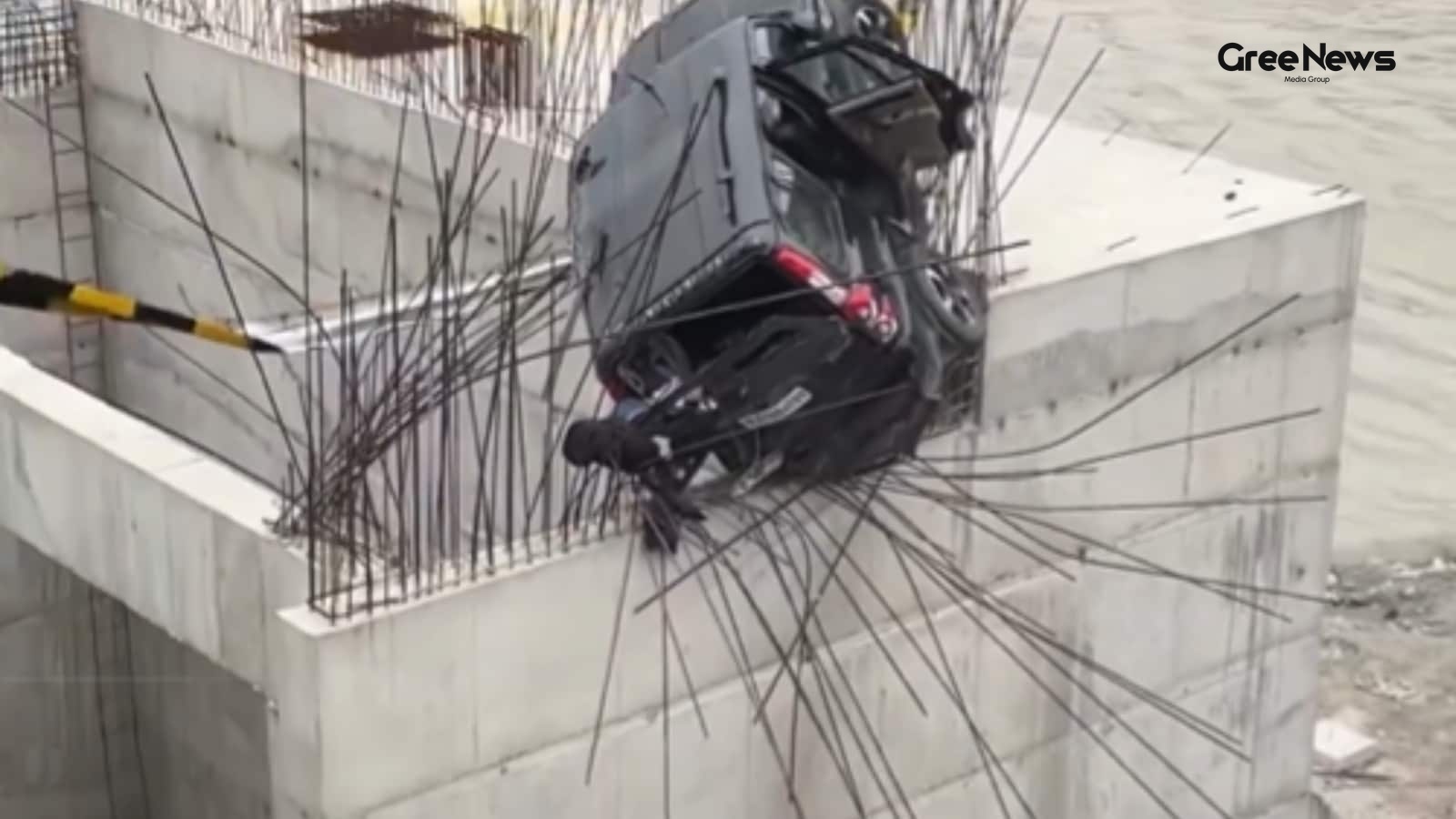
Accident Details and Police Warning
Three other people got hurt too. That’s where the crash occurred. Around ten pm, just after the vehicle got past that north portal of the tunnel, it veered off the road. It plunged straight down towards the Chandra River. The police claim the driver lost control. Apparently, he was speeding while tr
Jul 2, 2026 by Gree News Team
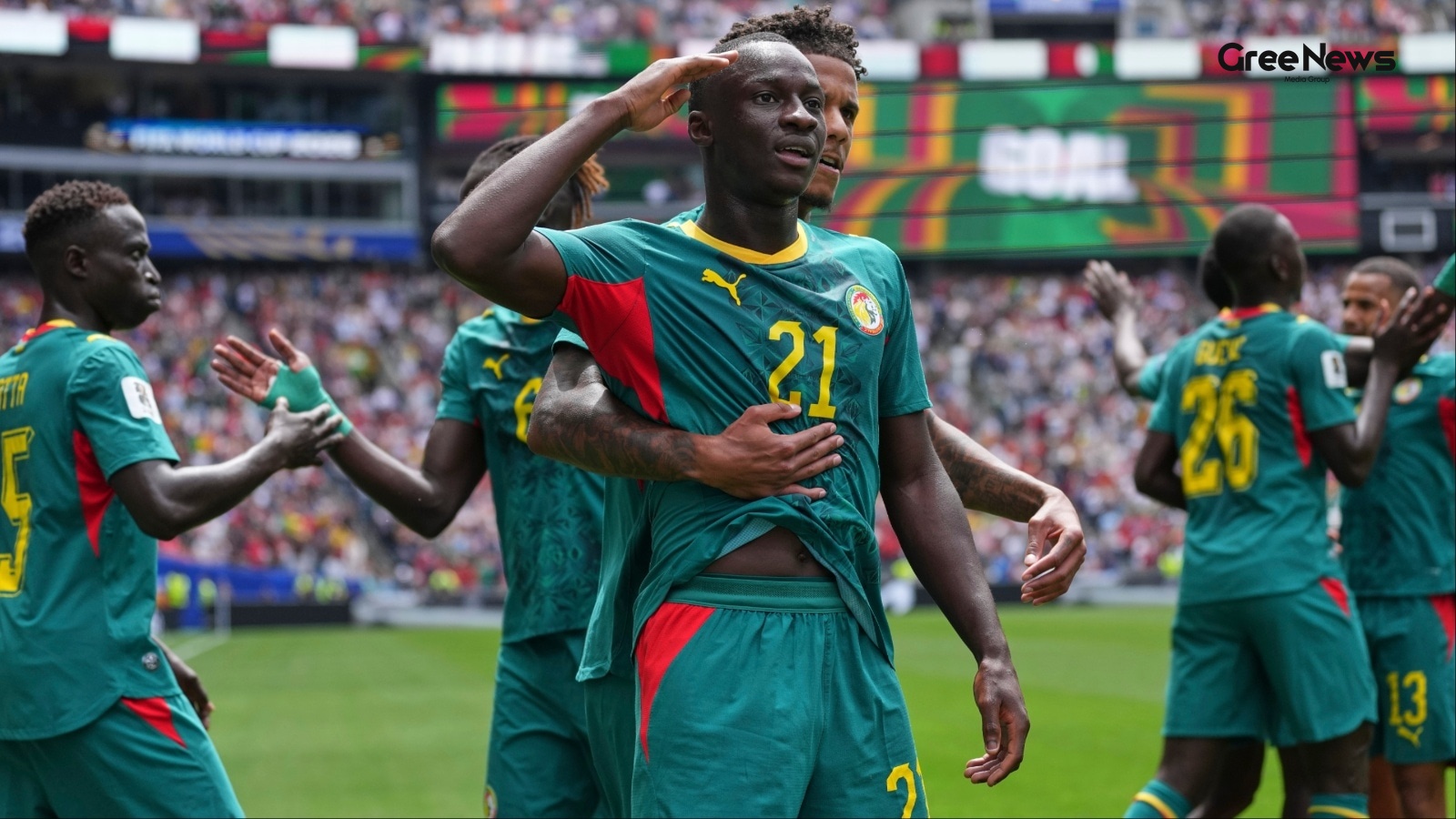
Senegal's Goal Record and Tournament Performance
That first-half goal by Diarra immediately broke something. It put Senegal ahead of the record for most goals scored by an African team in one World Cup edition. And then Sarr’s strike? That made them the first African nation to hit ten goals in a single tournament run. Crazy stuff, really. They man
Jul 2, 2026 by Gree News Team
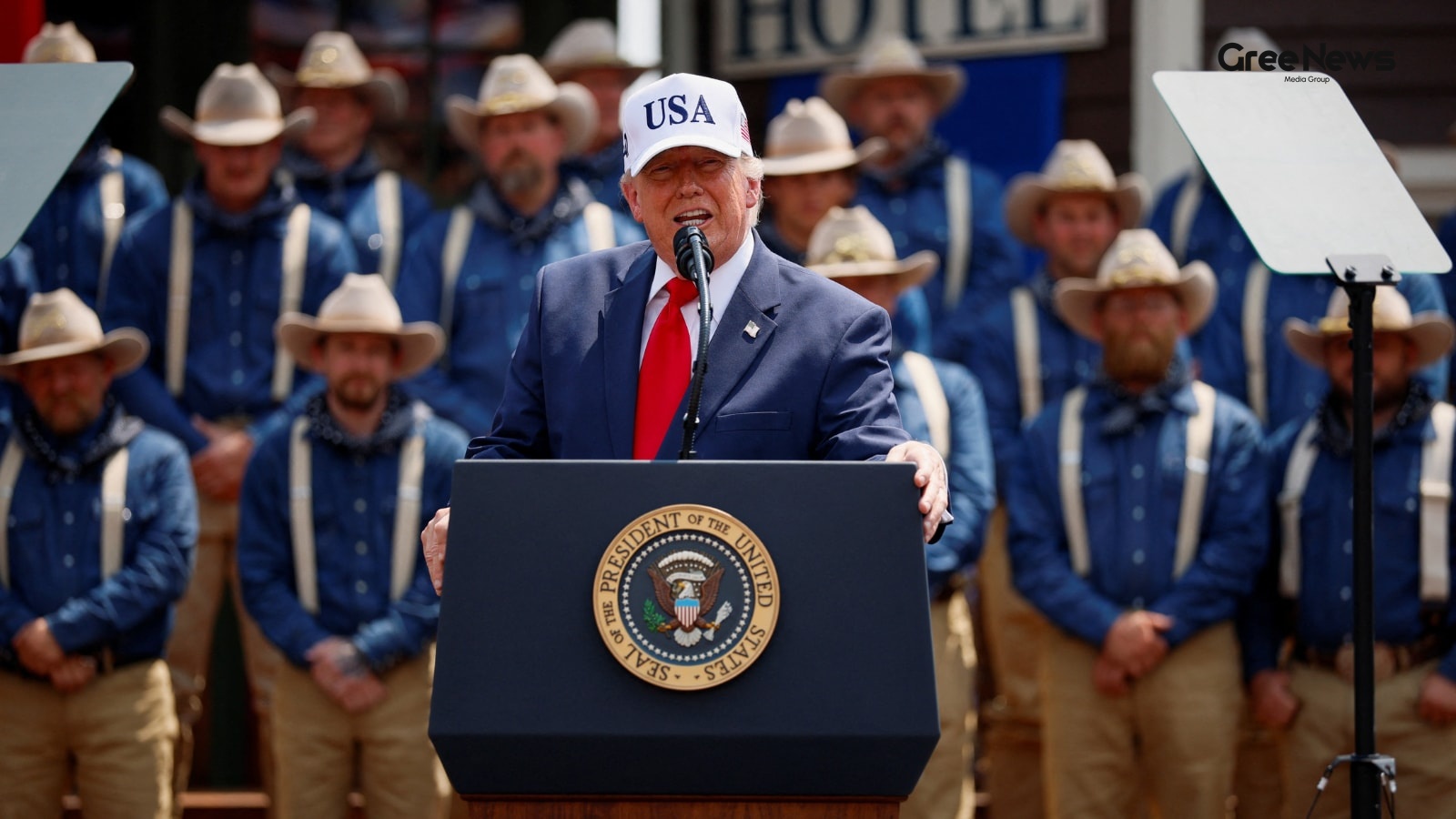
The Awkward Moment at the Theodore Roosevelt Library Opening
The whole thing happened during that big ceremony at the Theodore Roosevelt Presidential Library opening in Medora, North Dakota. It was Wednesday. And Donald Trump, he just throws out this kind of stuff. Bizarre. He was talking about the Medal of Honor recipients. Specifically former President Theo
Jul 2, 2026 by Gree News Team
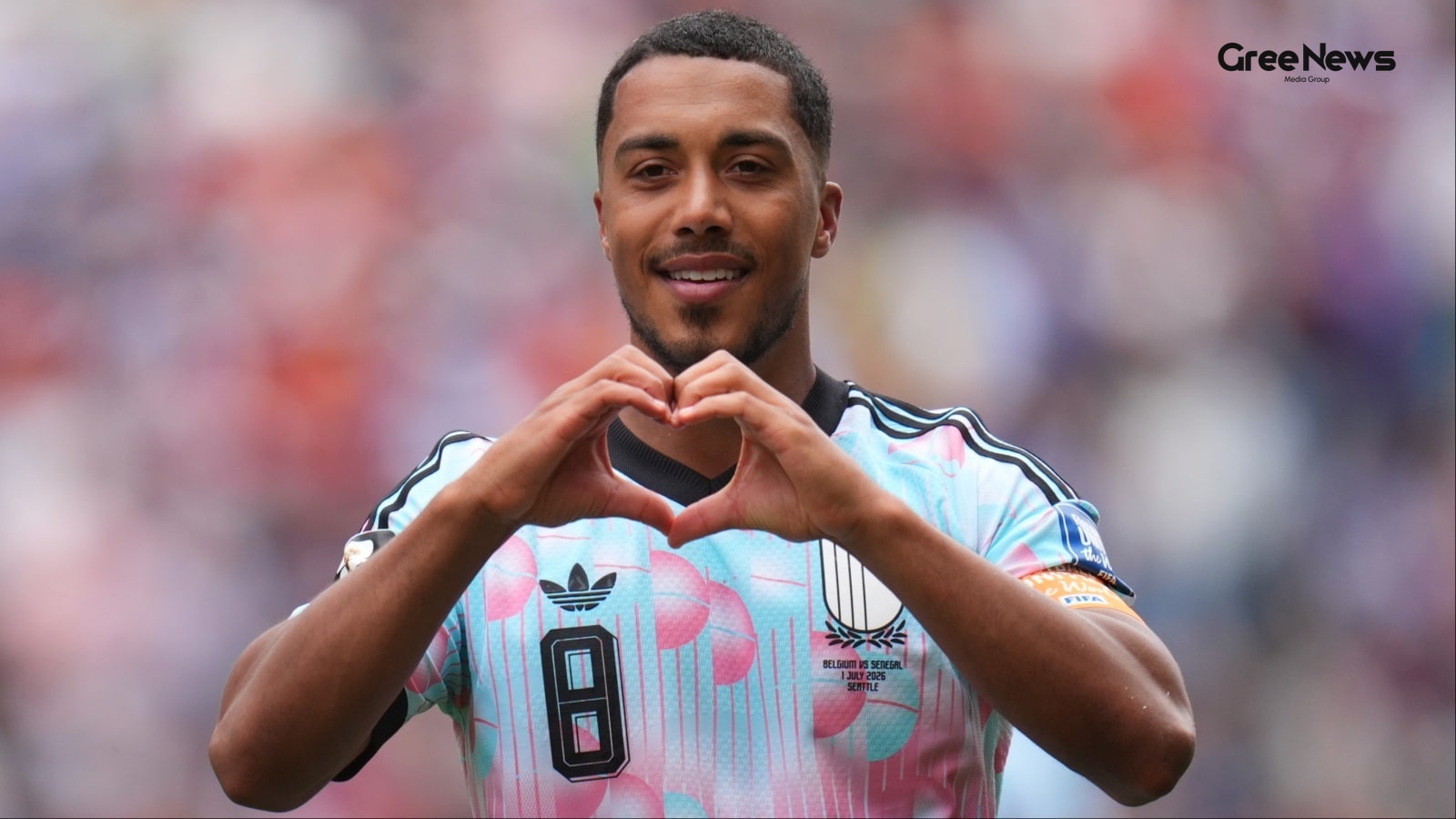
Youri Tielemans' Historic Goal Sends Belgium to FIFA World Cup 2026 Round of 16
Youri Tielemans, captain of Belgium, just made history. He converted a penalty in stoppage time during extra time to push his team into the Round of 16 of the FIFA World Cup 2026. It happened in the fifth minute of that extra time. That strike itself it came in the 124th minute and 44th second of th
Jul 2, 2026 by Gree News Team
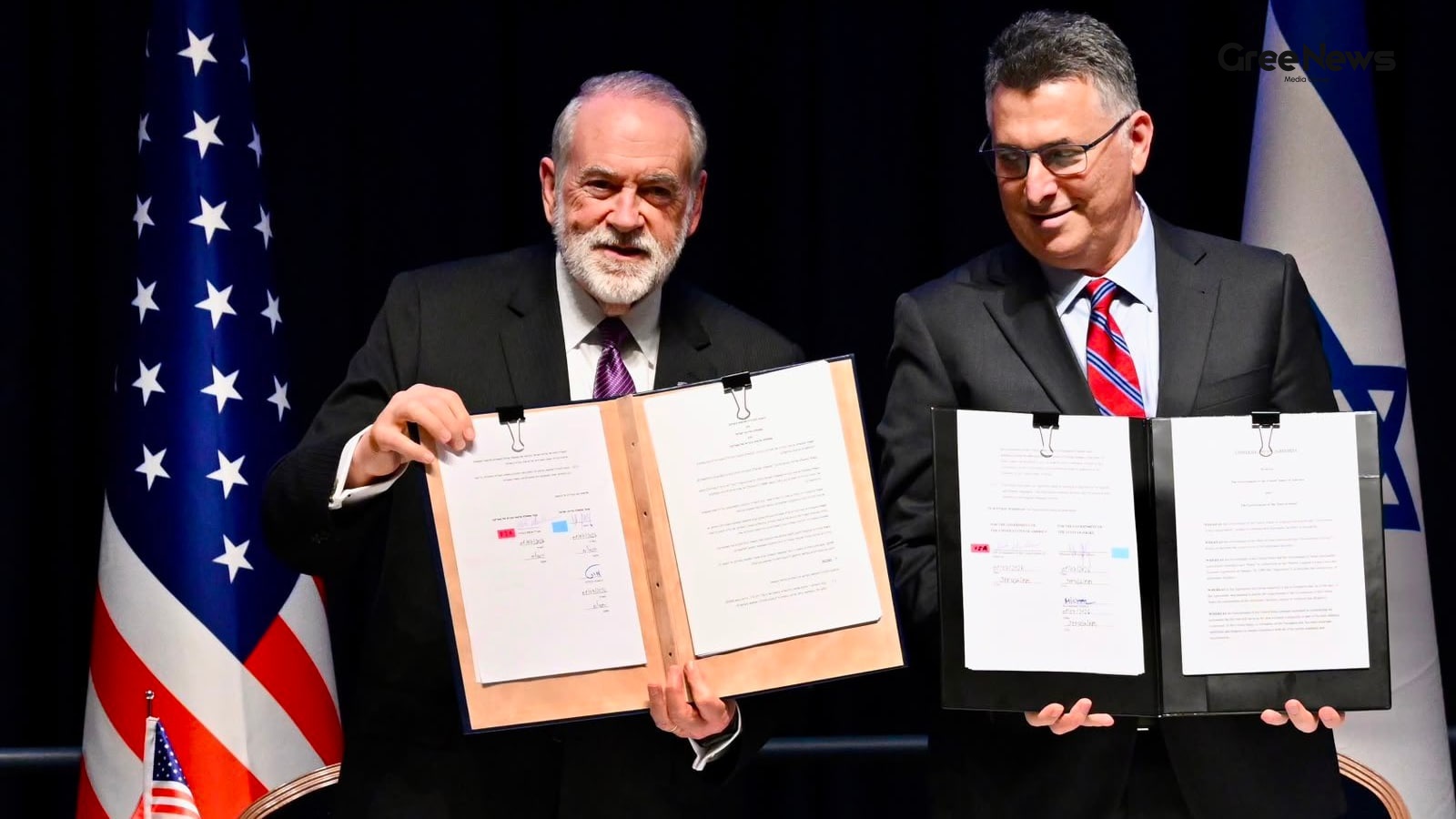
United States Agreement to Build Embassy Compound in Jerusalem
The United States signed something Wednesday. An agreement to build a permanent embassy compound in Jerusalem. Israeli officials called it proof of their “unbreakable alliance.” The plan is for this new base to be set up at the Allenby compound down in southern Jerusalem. Ambassador Mike Huckabee wa
Jul 2, 2026 by Gree News Team
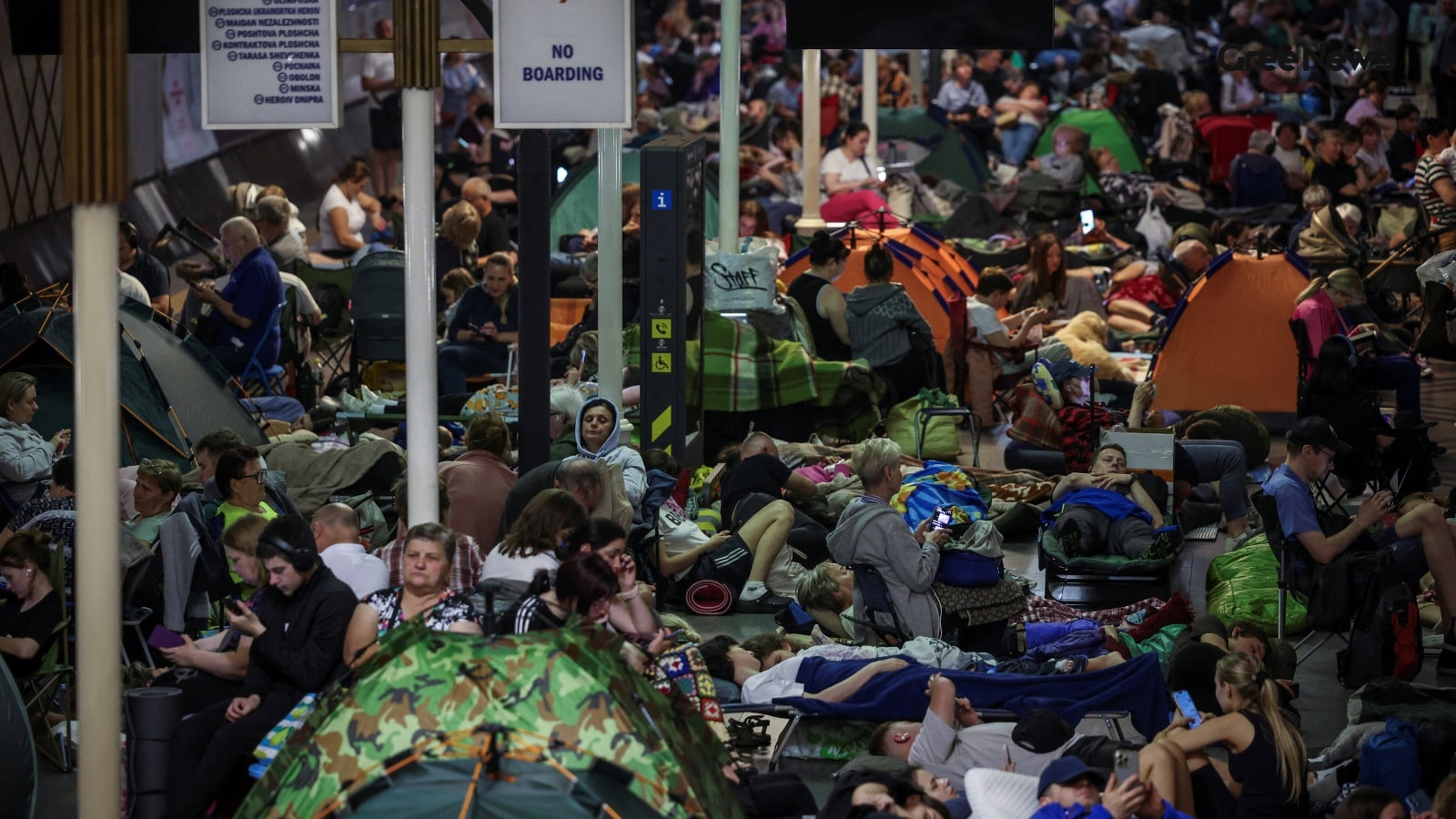
Explosions Hit Kyiv: Reports and Response
Explosions hit Kyiv early Thursday. Multiple ones. AFP journalists were hearing things. They reported more than a dozen blasts echoing through central and eastern districts of Kyiv. This happened just as Ukraine’s air force was warning that those ballistic missiles were closing in on the capital. Ma
Jul 2, 2026 by Gree News Team
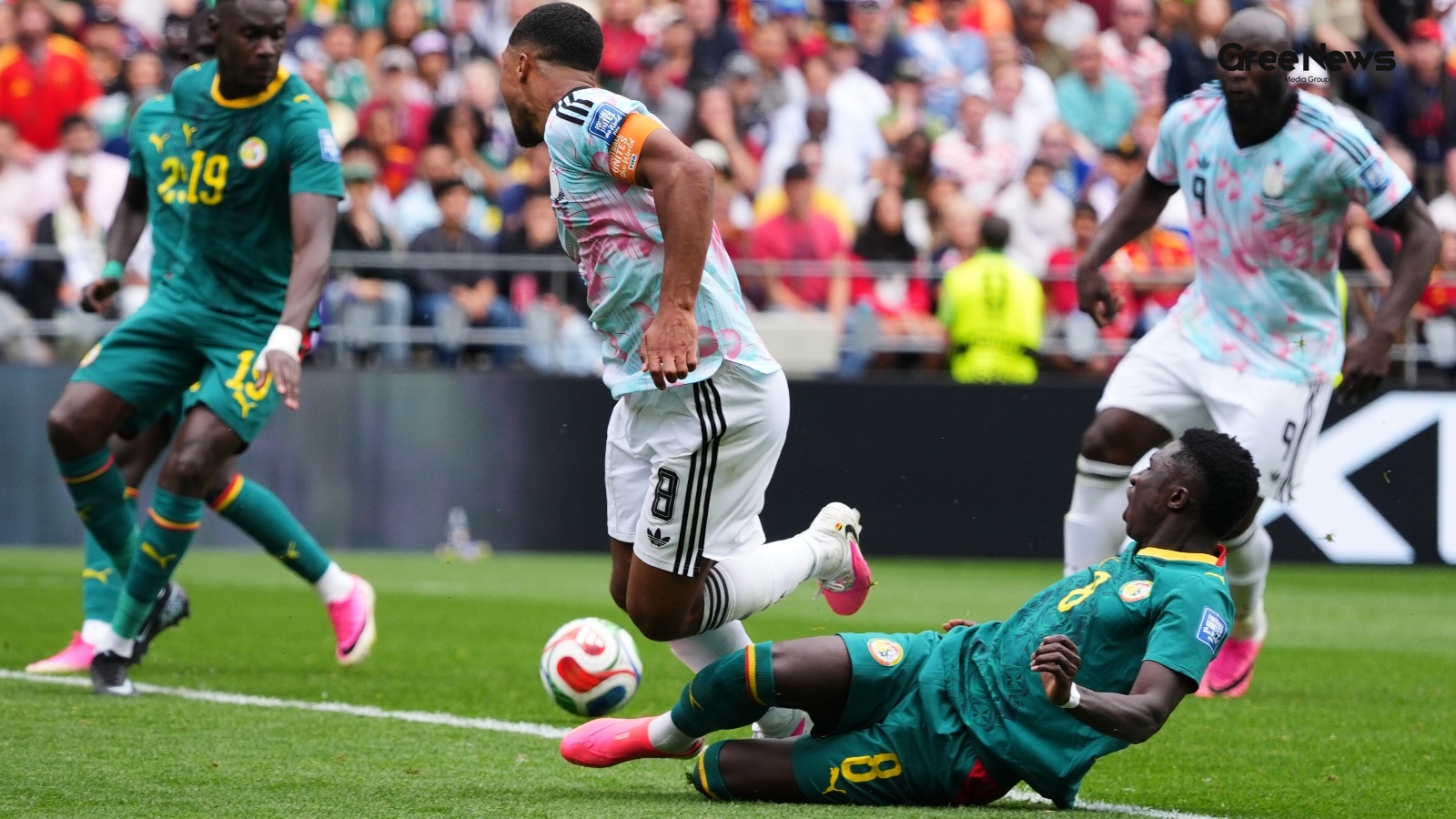
Belgium's Stunning Comeback After Dramatic VAR Call
Belgium pulled off something huge in that World Cup 2026 game. A real comeback story after everything. It all hinged on a really dramatic VAR call deep into stoppage time of extra time against Senegal in the Round of 32 match over in Seattle. They were down two goals, fighting back for every second
Jul 2, 2026 by Gree News Team
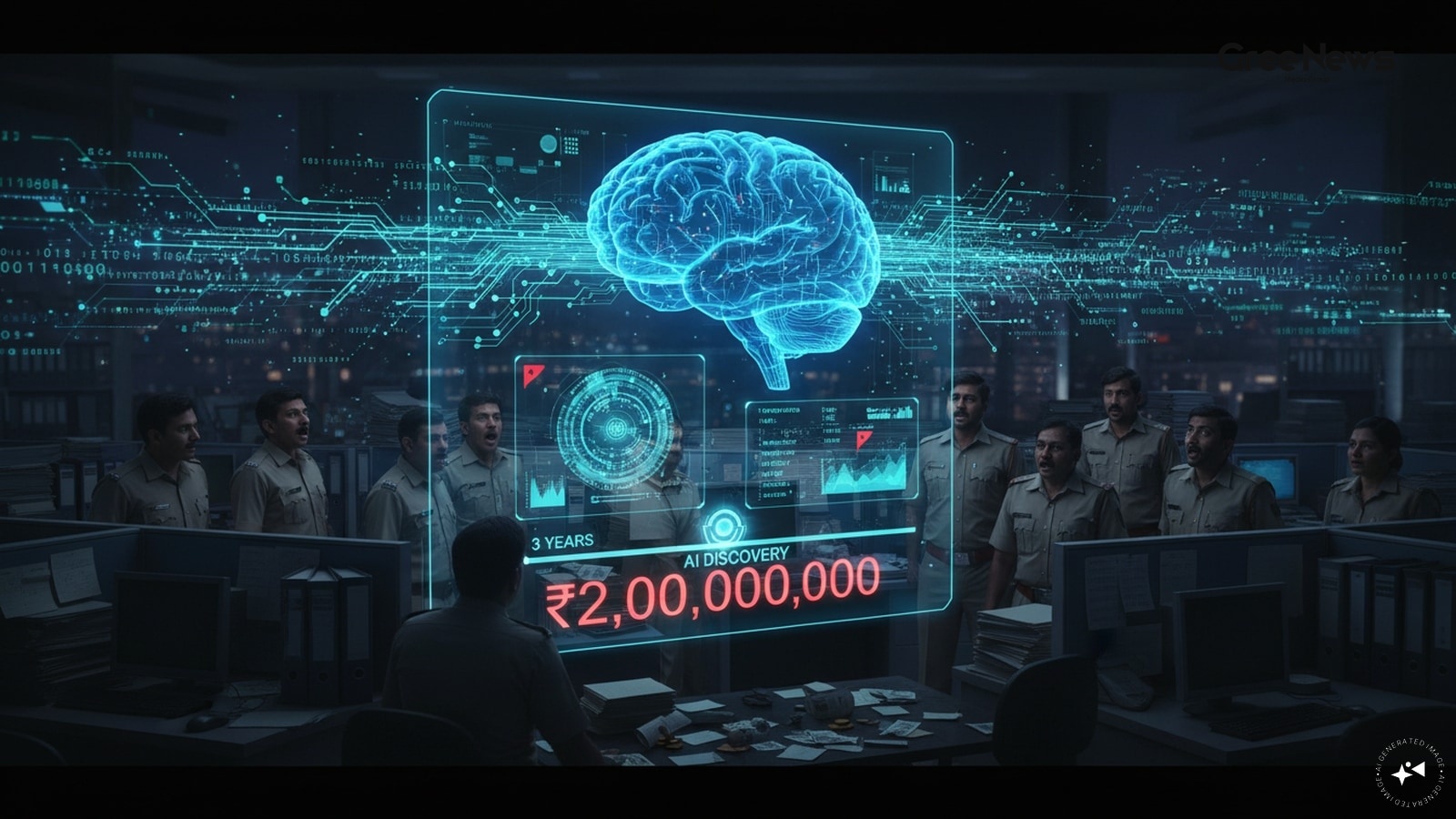
Salary Fraud Discovered by AI Audit in Chhattisgarh
A salary fraud, nearly two crore rupees worth it turned out, that slipped under the radar for almost three years. It only surfaced after some kind of AI audit allegedly dug it up. This whole thing led to the arrest of three police constables over in Chhattisgarh’s Bastar district. It all kicked off
Jul 2, 2026 by Gree News Team
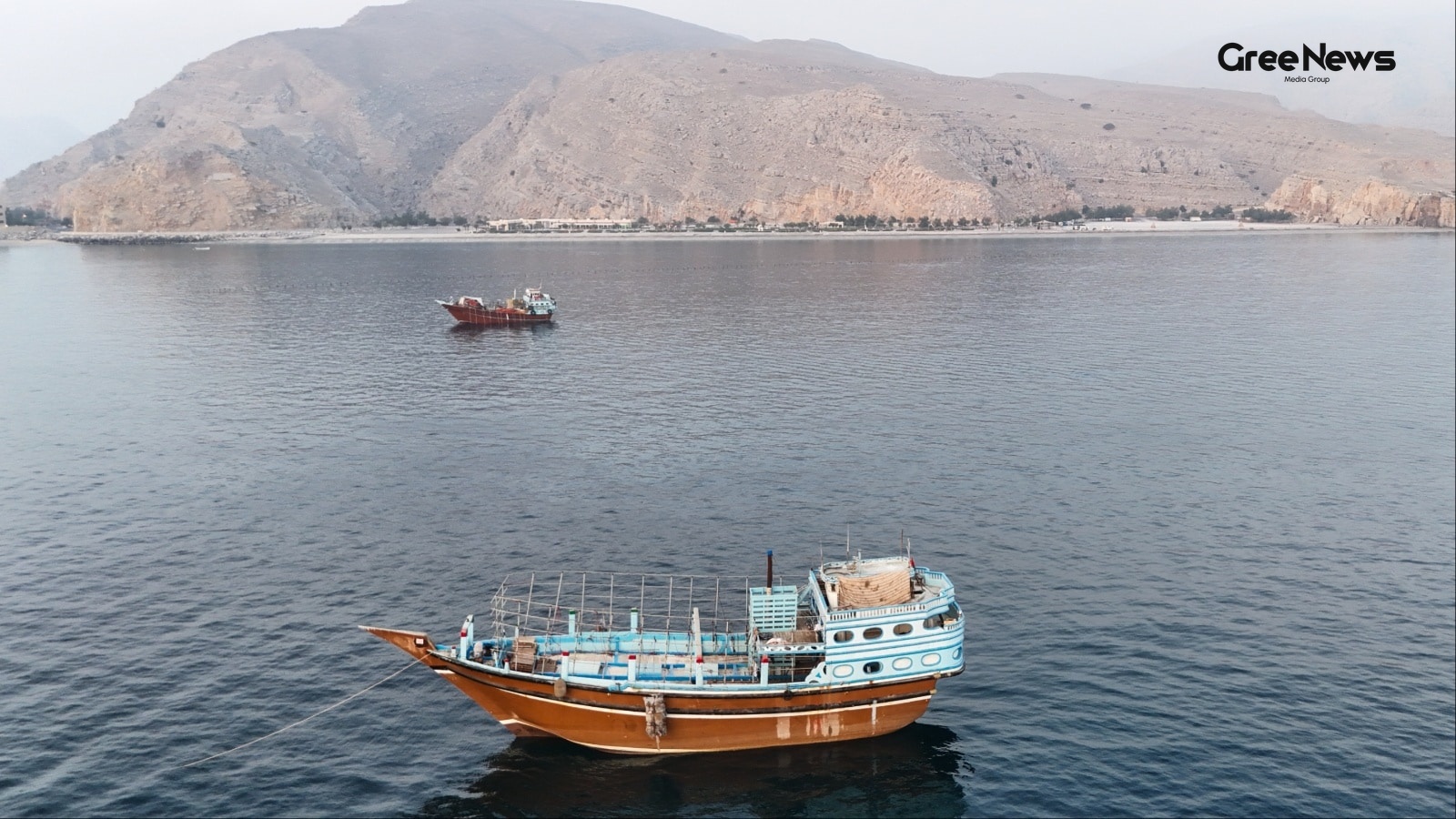
US-Iran Dispute Over the Strait of Hormuz
The US and Iran managed some kind of week-long pause in the Strait of Hormuz, they reported. It was meant to ease things down while those indirect talks kept spinning on in Qatar. That’s what the New York Post put out, citing someone from the US side. But even with that temporary calm, the real stic
Jul 2, 2026 by Gree News Team
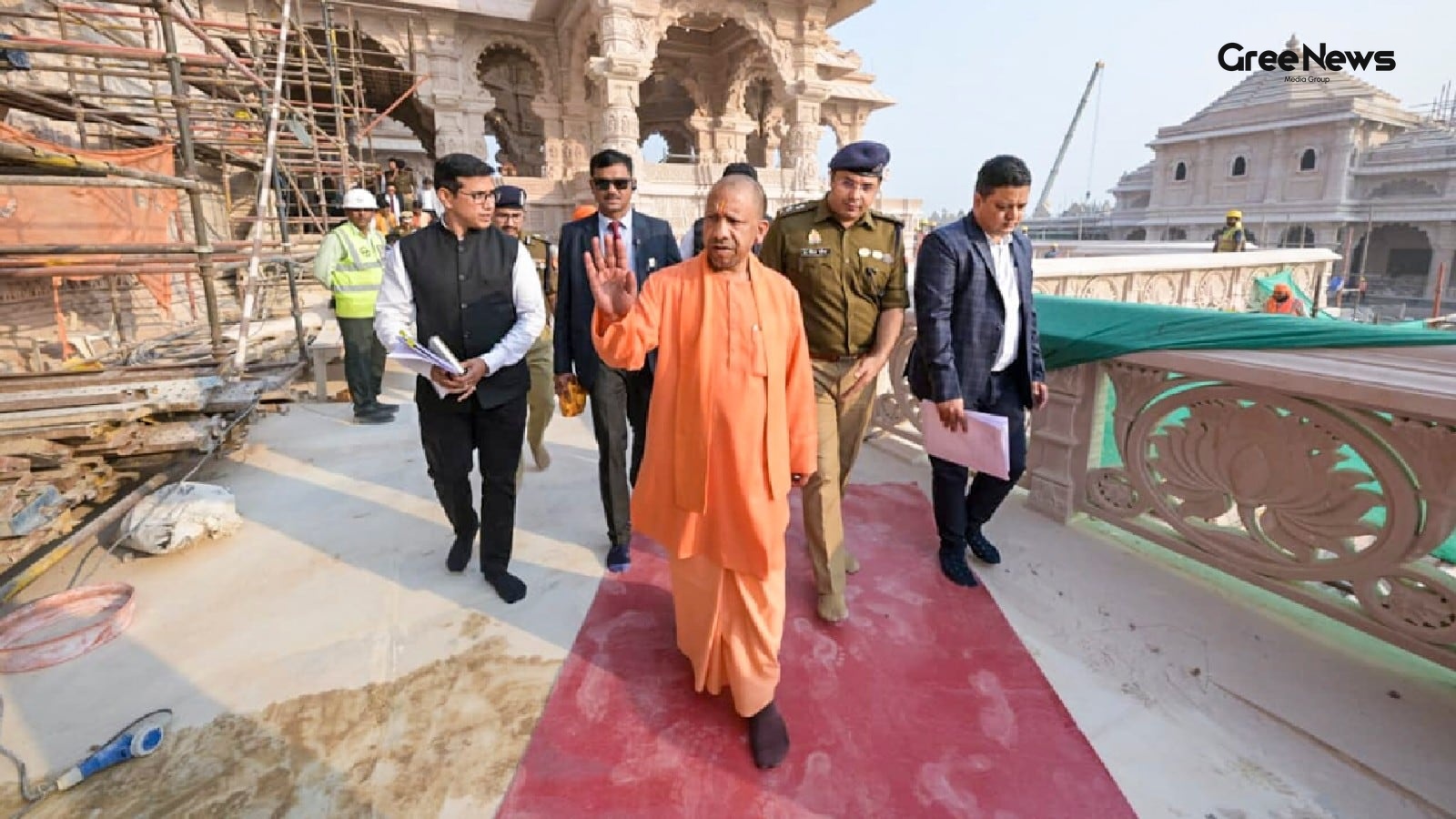
Investigation into Alleged Theft and Embezzlement at Ayodhya Ram Temple
The Uttar Pradesh government is looking at moving this investigation. They’re considering handing the probe into the alleged theft and embezzlement of cash donated to the Ram temple in Ayodhya over to the CBI or some other central agency. There are growing demands for a fast probe, you know? Sources
Jul 2, 2026 by Gree News Team
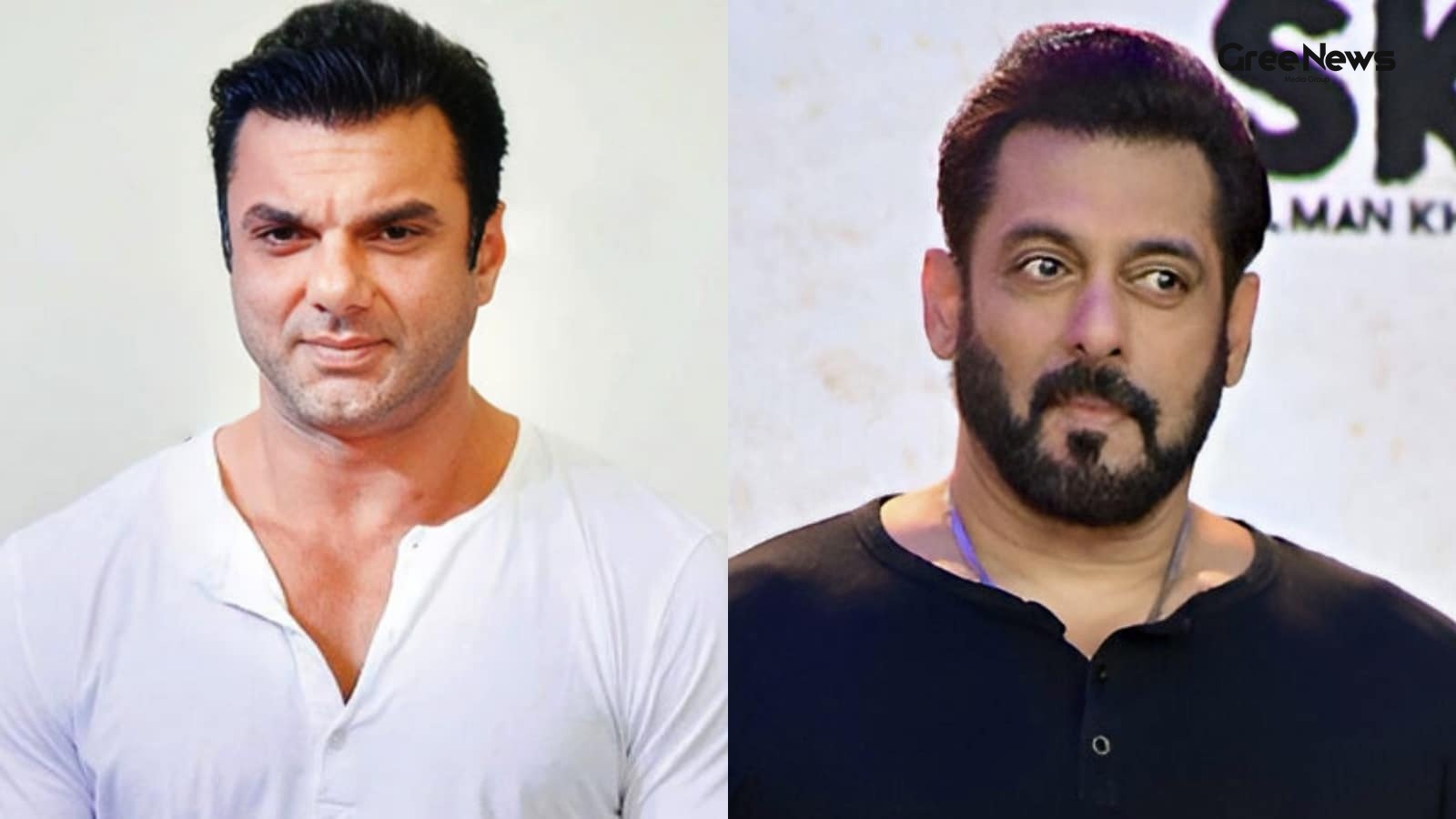
Sohail Khan joins Prime Video's *Alliance* as contestant
Sohail Khan just confirmed he’s going into Prime Video’s new show, *Alliance*, as a contestant. It’s definitely ramped up public interest for this thing. He spent some time reflecting on jumping into reality TV, talking about wanting to actually show everyone something different. He stressed that he
Jul 2, 2026 by Gree News Team