Cyclosporiasis Outbreak and Food Safety Concerns in Michigan

A growing problem is happening in Michigan. A real outbreak of cyclosporiasis has caught health officials off guard. They’re ramping up investigations now that cases have started climbing sharply.
CBS News got the numbers from the Michigan Department of Health and Human Services. They reported 572 cases there already. That number jumped from over 300 just a few days earlier. Where are these people getting sick? Officials are still searching for what food item is to blame. It’s still unclear, though. But they strongly suspect contaminated food. This pattern has happened before with other outbreaks, you know, the Cyclospora ones.
These Michigan numbers came after reports from elsewhere too. We saw infections across at least seventeen states earlier. New York, Texas, Illinois were high up on that list. About twenty people ended up in the hospital. No deaths linked to this outbreak yet. Still a lot of uncertainty hanging over things.
So what exactly is cyclosporiasis? It’s an intestinal illness. Caused by a microscopic parasite called Cyclospora cayetanensis . It lives in the small intestine. The CDC says it usually causes watery diarrhea. Frequent, sometimes explosive bowel movements. That’s the main symptom they are looking at.
People get infected when they eat food or water that has the parasite on it. But here’s a strange thing about Cyclospora . It doesn't really spread from person to person easily. The reason is its life cycle. After it leaves someone in their stool, it needs time days or even weeks to survive outside before it can infect someone else.
Investigators are focusing on fresh produce now. Even though they haven’t found the exact source for this current Michigan spike, fresh food has been implicated in past outbreaks across the US and Canada.
Michigan health officials pointed fingers at certain foods from earlier incidents. Bagged salad mixes came up. Salad kits. Fresh herbs like cilantro and basil. Raspberries, snow peas, Green onions. These are all things people eat raw. That makes it riskier if the produce wasn't properly cleaned or cooked. They are now tracing where that contamination might have happened along the supply chain.
The symptoms themselves can be really rough. It usually shows up about a week after eating the bad stuff, but sometimes the waiting time is longer two days to maybe two weeks. The watery diarrhea is the big one. But there’s more happening inside. Stomach cramps. Abdominal pain. Nausea. Vomiting. Bloating. Fatigue, weakness. Loss of appetite and weight loss too. Some folks get mild fever.
It isn't usually life-threatening. But it drags on. If you don't treat it right, symptoms can stick around for weeks or come back later. Persistent diarrhea is a big danger. It makes dehydration really likely. Especially for kids, older adults, and anyone with a weaker immune system. You have to keep fluids up.
Doctors usually look at stool tests to confirm the parasite is there. Symptoms look like other stomach issues, so it’s a tough call sometimes. But treatment works. Antibiotics help. Rest and drinking lots of fluids are crucial for replacing what they lost in the diarrhea. Most people bounce back fine once they get the right care.
But until they pinpoint where this specific batch got contaminated, officials are urging caution. Be careful with raw produce. This is the main message now.
Michigan health authorities gave some specific advice on handling food. They said be wary of pre-cut items like salad mixes. Buy whole heads of lettuce instead. Take off those outer layers two or three leaves and wash what’s left really well under running water.
Fresh herbs need careful rinsing too. Separate the leaves when you wash cilantro or basil. Trim Green onions, peel back the outside layer, and rinse them thoroughly. For snow peas, just run them under water while rubbing the surface. Raspberries are tricky to clean effectively, so frozen ones might be a safer bet if you’re worried about getting it right.
And cooking? That adds another safety layer. Michigan officials stressed that heating food up to 158 deGrees Fahrenheit or higher kills the parasite completely. Basic hygiene matters too. Washing your hands before you cook is non-negotiable. Clean fruits and veggies under running water, always use clean drinking water, and stop cross-contamination between raw stuff and ready-to-eat foods. That’s how you keep this risk down.
Written by Gree News Team — Senior Editorial Board
Gree News Team covers international news and global affairs at Gree News. Our collective of senior editors is dedicated to providing independent, accurate, and responsible journalism for a global audience.
More from World
View All
Security Concerns Surround Iran’s Supreme Leader’s State Funeral
Iran’s Supreme Leader Mojtaba Khamenei probably won't show up for his father’s state funeral. That’s because of serious security worries right now, especially with all the regional tension swirling around. Ayatollah Hakim Elahi, who acts as the Supreme Leader’s representative in India, pointed this
Jul 3, 2026 by Gree News Team

Security Risks and Shadows in Washington-Tehran Negotiations
The air around the indirect talks between Washington and Tehran felt thick with something colder than diplomacy. US officials, according to a report surfacing from The New York Times, were deeply worried about what might be happening in the shadows of those negotiations earlier this year. They feare
Jul 3, 2026 by Gree News Team
Logistics and Political Context of the Farewell to Ayatollah Ali Khamenei
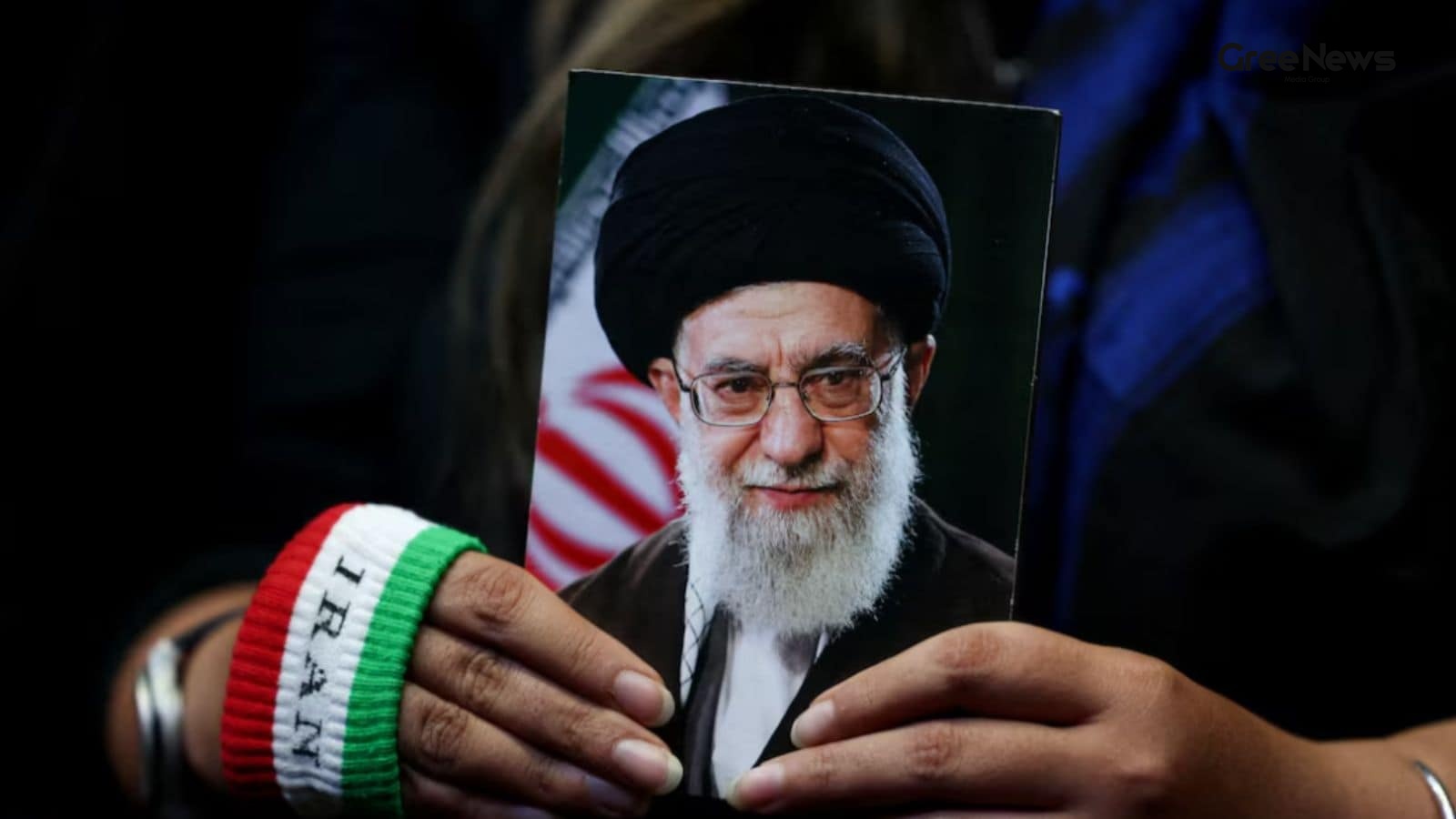
Iran is gearing up for the final farewell to former Supreme Leader Ayatollah Ali Khamenei. State media is reporting that preparations are already underway, and his coffin has reportedly been moved to where he was killed during an unannounced ceremony. The logistics behind this massive event are stag
Jul 3, 2026 by Gree News Team

Ayatollah Khamenei's Funeral and Geopolitical Concerns
Ayatollah Khamenei's funeral. Iran is gearing up for it now. It’s set to run for six days starting July 4th. State media stuff said the coffin was moved ahead of the ceremonies too. To where he died. That site itself. A dead pause there. But there’s more going on behind the scenes. The Supreme Leade
Jul 3, 2026 by Gree News Team
Latest Headlines

Ali Fazal and Richa Chadha Paired for New Situational Comedy
Ali Fazal and Richa Chadha are finally getting paired up. Opposite each other on screen for the very first time. It’s going to be in some untitled situational comedy. Scenework Productions and Giriraj Productions are behind it. Kumud Mishra is also joining them. The whole thing is set against Delhi.
Jul 6, 2026 by Gree News Team

Controversy Surrounds Removal of *Satluj* from ZEE5 in India
The decision came down about taking Diljit Dosanjh’s *Satluj* off ZEE5 in India. It followed a deep dive review, apparently. Authorities flagged things concerns that certain parts of the film could be used by anti-India groups. Sources are whispering about it. It turns out *Satluj* never even got a
Jul 6, 2026 by Gree News Team

Monsoon Chaos: Impact and Criticism in Mumbai and Maharashtra
The monsoon just hit hard. Relentless showers hammered Mumbai and much of Maharashtra. The India Meteorological Department threw an orange or red alert out there for everything. Heavy rain was coming, really heavy stuff, plus those isolated, brutal showers with gusty winds expected over the next few
Jul 6, 2026 by Gree News Team

Modi's Strategic Tour: Securing Nickel Supply for India's EV Future
Modi started his six-day tour Monday. He was heading to Indonesia, Australia, and New Zealand. The focus there is deepening that comprehensive strategic partnership with Indonesia, meeting with President Prabowo Subianto between July 6th and 8th. This trip isn't just diplomacy. It hits a nerve right
Jul 6, 2026 by Gree News Team

Arjun Rampal's Birthday Wishes and Behind-the-Scenes of Dhurandhar
Arjun Rampal sent some birthday wishes over to Ranveer Singh. Not just a quick note. He shared something from behind the scenes of the sets for *Dhurandhar*. It was a clip, posted on Instagram, Monday. A glimpse into their camaraderie. You could see the laughs there. Just two actors hanging out on s
Jul 6, 2026 by Gree News Team

Mumbai Chaos and Heavy Rainfall Warnings
Landslides hit hard. Roads and trains got crippled. And there was a building collapse too. People got trapped under the debris. The India Meteorological Department IMD is warning about more heavy, extremely heavy rainfall coming for Mumbai and the surrounding areas. Authorities are pushing alerts. T
Jul 6, 2026 by Gree News Team
Supreme Court Plea Regarding CBI Probe and Witness Allegations in Karur Stampede
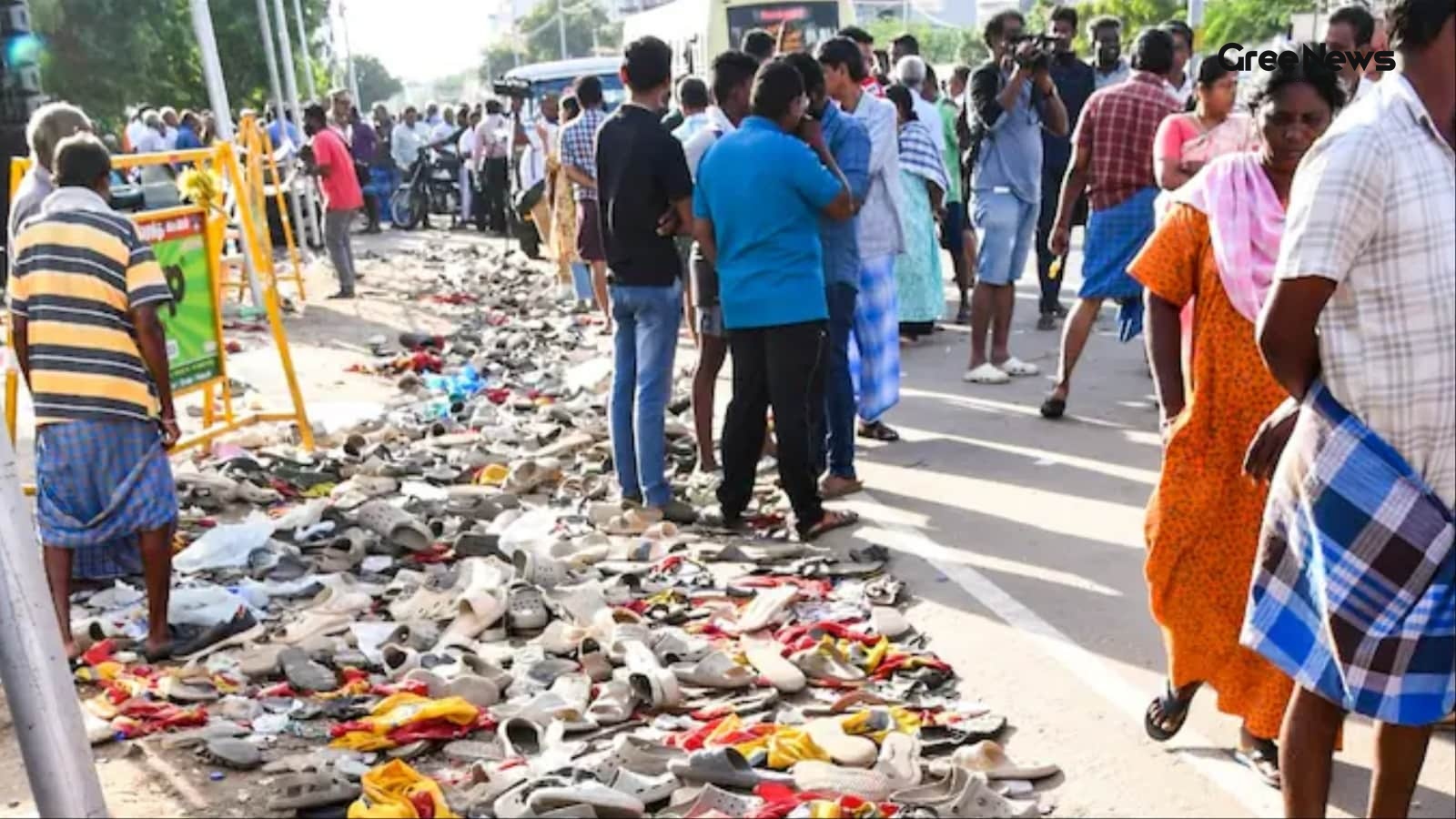
The Supreme Court finally agreed to look at something serious on Monday. It’s a plea alleging that Tamil Nadu ministers were actively influencing witnesses during the ongoing CBI probe into the Karur stampede the one where forty-one people died last year. A small bench of judges, Justices Ahsanuddin
Jul 6, 2026 by Gree News Team
Security Concerns Surround Iran’s Supreme Leader’s State Funeral
Iran’s Supreme Leader Mojtaba Khamenei probably won't show up for his father’s state funeral. That’s because of serious security worries right now, especially with all the regional tension swirling around. Ayatollah Hakim Elahi, who acts as the Supreme Leader’s representative in India, pointed this
Jul 3, 2026 by Gree News Team

Arden Cho's Wedding Story: From KPop Demon Hunters to Italian Romance
Arden Cho just gave everyone something sweet. Seriously. The star from *Teen Wolf*, the one known for KPop Demon Hunters and Partner Track she actually tied the knot with orthopedic surgeon Christopher Lee. They kept all that relationship totally private, which made the wedding reveal even bigger wh
Jul 3, 2026 by Gree News Team

Das's Stance on Youth Issues and Politics
Das pushed for him to step forward. To talk about the youth issues swirling around India. He felt like there had to be a reaction from someone of that stature. The pushback came quickly. His response was pretty firm. He basically said he didn’t know much about it. Too busy with his Aura Tour schedul
Jul 3, 2026 by Gree News Team
Security Risks and Shadows in Washington-Tehran Negotiations
The air around the indirect talks between Washington and Tehran felt thick with something colder than diplomacy. US officials, according to a report surfacing from The New York Times, were deeply worried about what might be happening in the shadows of those negotiations earlier this year. They feare
Jul 3, 2026 by Gree News Team
Logistics and Political Context of the Farewell to Ayatollah Ali Khamenei
Iran is gearing up for the final farewell to former Supreme Leader Ayatollah Ali Khamenei. State media is reporting that preparations are already underway, and his coffin has reportedly been moved to where he was killed during an unannounced ceremony. The logistics behind this massive event are stag
Jul 3, 2026 by Gree News Team

Modi and Takaichi Condemn Terrorism and Discuss India-Japan Cooperation
Modi and Takaichi strongly condemned terrorism. Violent extremism in all its forms. This included cross-border terror sponsored by Pakistan. The India-Japan Annual Summit happened on Thursday, July 2. That’s when the leaders made their joint statement. They talked about the deadly Pahalgam attack in
Jul 3, 2026 by Gree News Team

Stock Market Update: Domestic Gains and Global Sentiment
Stock market today started off better domestically. Equities opened higher Friday, just continuing the gains from the previous session. That move was mostly fueled by some solid buying in information technology stocks, plus things settled in Asia and general easing of volatility. The numbers themsel
Jul 3, 2026 by Gree News Team

Cristiano Ronaldo's Retirement Speculation and World Cup Debate
The 41-year-old is dealing with a lot of speculation about his international future right now. Everything since Portugal’s dramatic win against Croatia in the Round of 32 seems to have kicked up the debate. He insisted he won’t make any rash decisions about retirement until the tournament is complet
Jul 3, 2026 by Gree News Team