Security Risks and Shadows in Washington-Tehran Negotiations
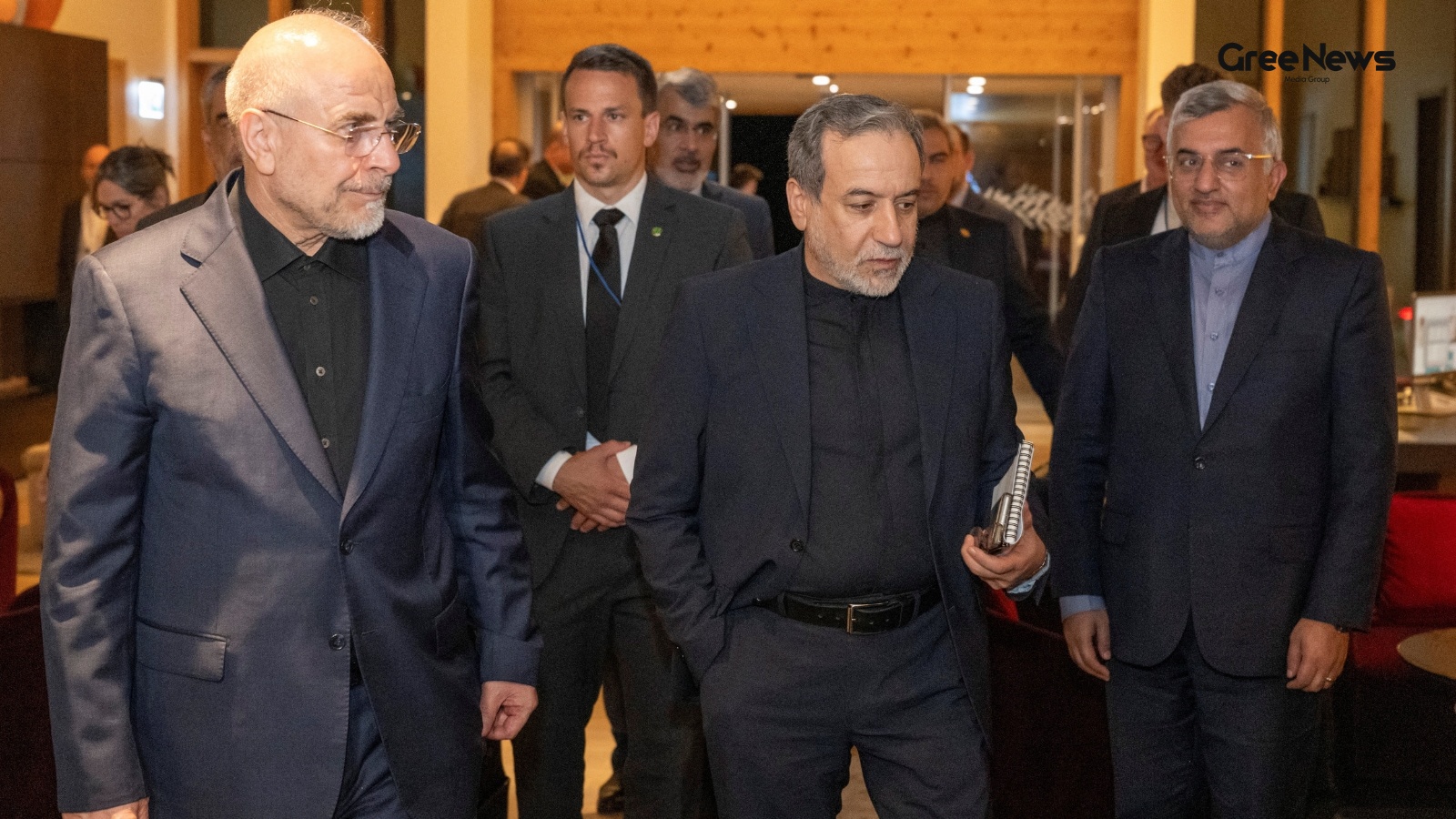
The air around the indirect talks between Washington and Tehran felt thick with something colder than diplomacy.
US officials, according to a report surfacing from The New York Times, were deeply worried about what might be happening in the shadows of those negotiations earlier this year. They feared Israel might actually be planning something sinister something aimed at killing two key Iranian negotiators during those fragile peace discussions. It wasn’t just a theoretical concern; it was an urgent pull to seek help from regional countries, trying to shake Iran out of whatever deadly trap they thought was coming.
The focus of this worry landed squarely on figures like Foreign Minister Abbas Araghchi and Parliament Speaker Mohammad Bagher Ghalibaf. These were the people at the heart of ceasefire talks that kicked off back in April. It’s a heavy thing, knowing that high-level diplomacy is being overlaid with potential lethal threats.
The report made it clear: if an assassination attempt happened on those two leaders while they were talking, everything would unravel. Negotiations any progress made could just dissolve into renewed fighting. That was the core fear driving Washington’s reaction. They looked at the situation and saw a direct line between diplomatic silence and potential bloodshed.
Washington didn't sit back. They actually asked other countries in the region to raise alarms, to warn Tehran about this possibility of Israeli targeting. It felt like an appeal for regional security, thrown into the swirling uncertainty of the conflict zone.
There was a tricky layer of perception involved here. US officials were juggling different realities. During the active phase of the fighting, they considered Araghchi and Ghalibaf legitimate military targets. That made sense in that context. But once the talks started once the diplomatic track opened up the calculus shifted immediately. They believed any move against those leaders after negotiations began would just be a deliberate sabotage of the entire diplomatic effort. The threat wasn't about wartime necessity; it was about destroying peace itself.
Meanwhile, things were already complicated by intelligence that had been circulating for some time. Back in March, reports from the Wall Street Journal hinted at something even more troubling: both Araghchi and Ghalibaf were on an Israeli target list. But there was a temporary pause there too. They had managed to pull them off that list just as the United States was gearing up for those crucial talks with Iran. A shifting, almost bewildering series of intelligence moves unfolding behind closed doors.
The route these leaders took to try and secure assurances felt even more fraught. Iranian officials were actively trying to get guarantees from the United States. They used Pakistani and Qatari intermediaries in this process, especially leading up to Ghalibaf’s planned trip to Islamabad in April. The underlying concern was palpable: Israel could use that visit that movement across borders as an opening to strike either of them.
The logistics of that journey were tense. The report mentioned that Pakistani fighter jets actually escorted the Iranian delegation’s aircraft between the border and Islamabad. A literal air escort for a sensitive diplomatic mission. That detail, when you think about it, just adds another layer of vulnerability.
And then there was the return trip. It got messy quickly. Iranian security officials informed the delegation that intelligence suggested Israel planned an attack on the aircraft itself. Worse still: two Israeli fighter jets had reportedly entered Iranian airspace from the western border near Iraq. Imagine that moment. An emergency landing, a sudden halt to movement. Mahdi Mohammadi, who was part of that delegation and a senior adviser to Ghalibaf, confirmed this account later on social media. The aircraft ended up making an emergency landing in Mashhad before the delegation managed to get onto the ground by road back to Tehran. A jarring sequence of events, all happening under immense pressure.
This whole situation unfolded right as US and Iranian negotiators were wrapping up another round of indirect talks in Doha. Those discussions weren't about peace; they were focused on very specific, grinding details: maritime traffic through the Strait of Hormuz, and trying to unfreeze those vast sums of Iranian funds that had been frozen under an interim aGreement. Progress towards a broader peace settlement? Not much indication there. It felt like just managing the immediate crisis while deeper issues remained buried.
The next round of talks was slated for after the funeral of Iran’s late Supreme Leader, Ayatollah Ali Khamenei, scheduled for July 9th. A somber backdrop to what were essentially logistical discussions about oil lanes and frozen money. The tension didn't ease up; it just changed its form, waiting for the next opportunity to flare.
It’s this constant state of flux that defines the atmosphere. You have these high-stakes diplomatic maneuvers happening simultaneously with very real, immediate security risks floating overhead. It’s not a clean narrative. It’s more about shadows and calculated moves than smooth negotiation. The fear isn't just an abstract political concept; it bleeds into every flight path and every conversation.
The reports keep pointing back to that initial anxiety the suspicion that the process itself was being weaponized, whether by external forces or internal actors trying to derail any hope for a wider peace settlement. It’s a reminder that behind the official statements, there's always a dangerous, unpredictable layer of real-world risk hanging over everything. And that risk is constantly shifting.
Written by Gree News Team — Senior Editorial Board
Gree News Team covers international news and global affairs at Gree News. Our collective of senior editors is dedicated to providing independent, accurate, and responsible journalism for a global audience.
More from World
View All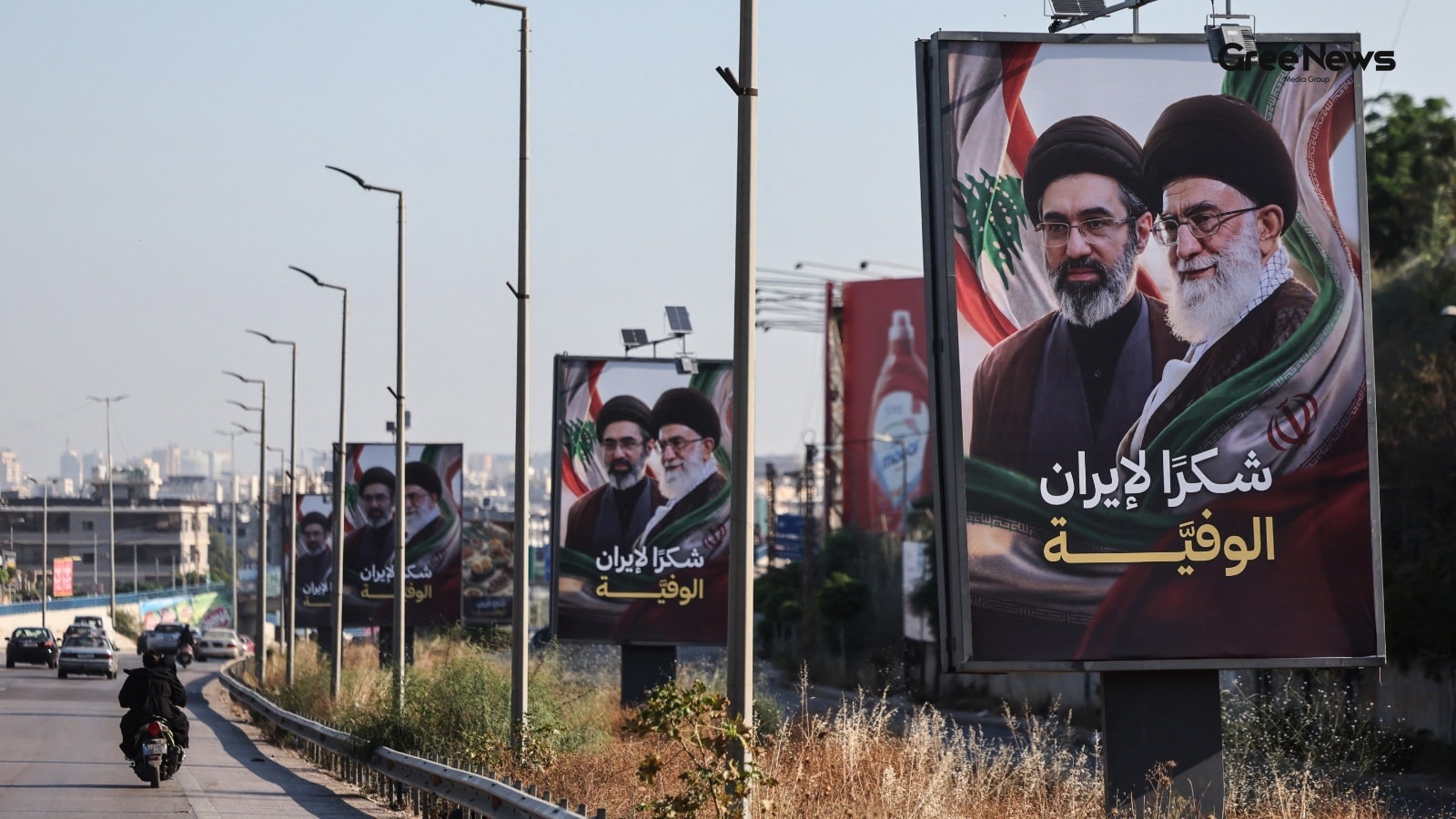
Security Concerns Surround Iran’s Supreme Leader’s State Funeral
Iran’s Supreme Leader Mojtaba Khamenei probably won't show up for his father’s state funeral. That’s because of serious security worries right now, especially with all the regional tension swirling around. Ayatollah Hakim Elahi, who acts as the Supreme Leader’s representative in India, pointed this
Jul 3, 2026 by Gree News Team
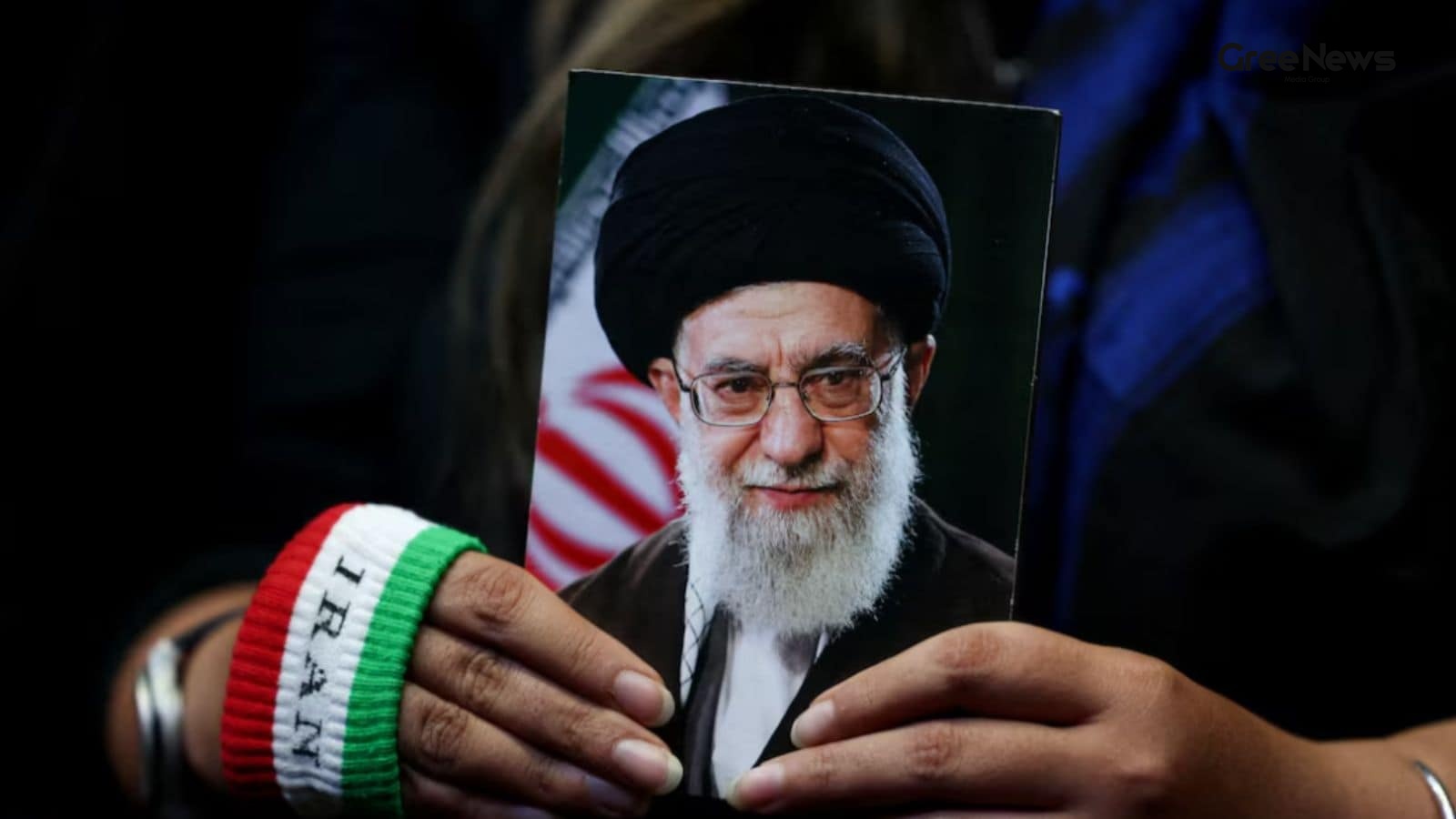
Logistics and Political Context of the Farewell to Ayatollah Ali Khamenei
Iran is gearing up for the final farewell to former Supreme Leader Ayatollah Ali Khamenei. State media is reporting that preparations are already underway, and his coffin has reportedly been moved to where he was killed during an unannounced ceremony. The logistics behind this massive event are stag
Jul 3, 2026 by Gree News Team
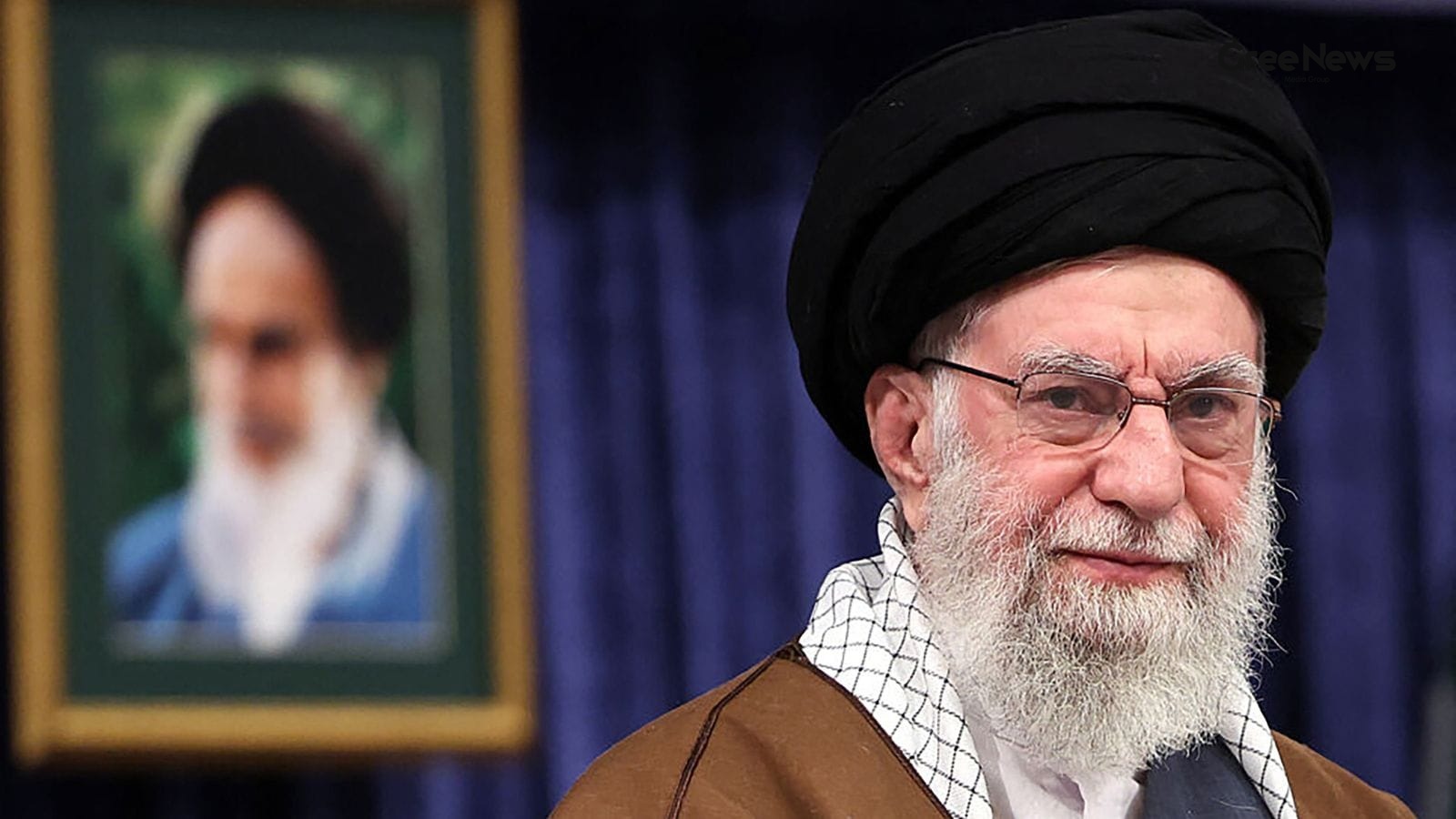
Ayatollah Khamenei's Funeral and Geopolitical Concerns
Ayatollah Khamenei's funeral. Iran is gearing up for it now. It’s set to run for six days starting July 4th. State media stuff said the coffin was moved ahead of the ceremonies too. To where he died. That site itself. A dead pause there. But there’s more going on behind the scenes. The Supreme Leade
Jul 3, 2026 by Gree News Team
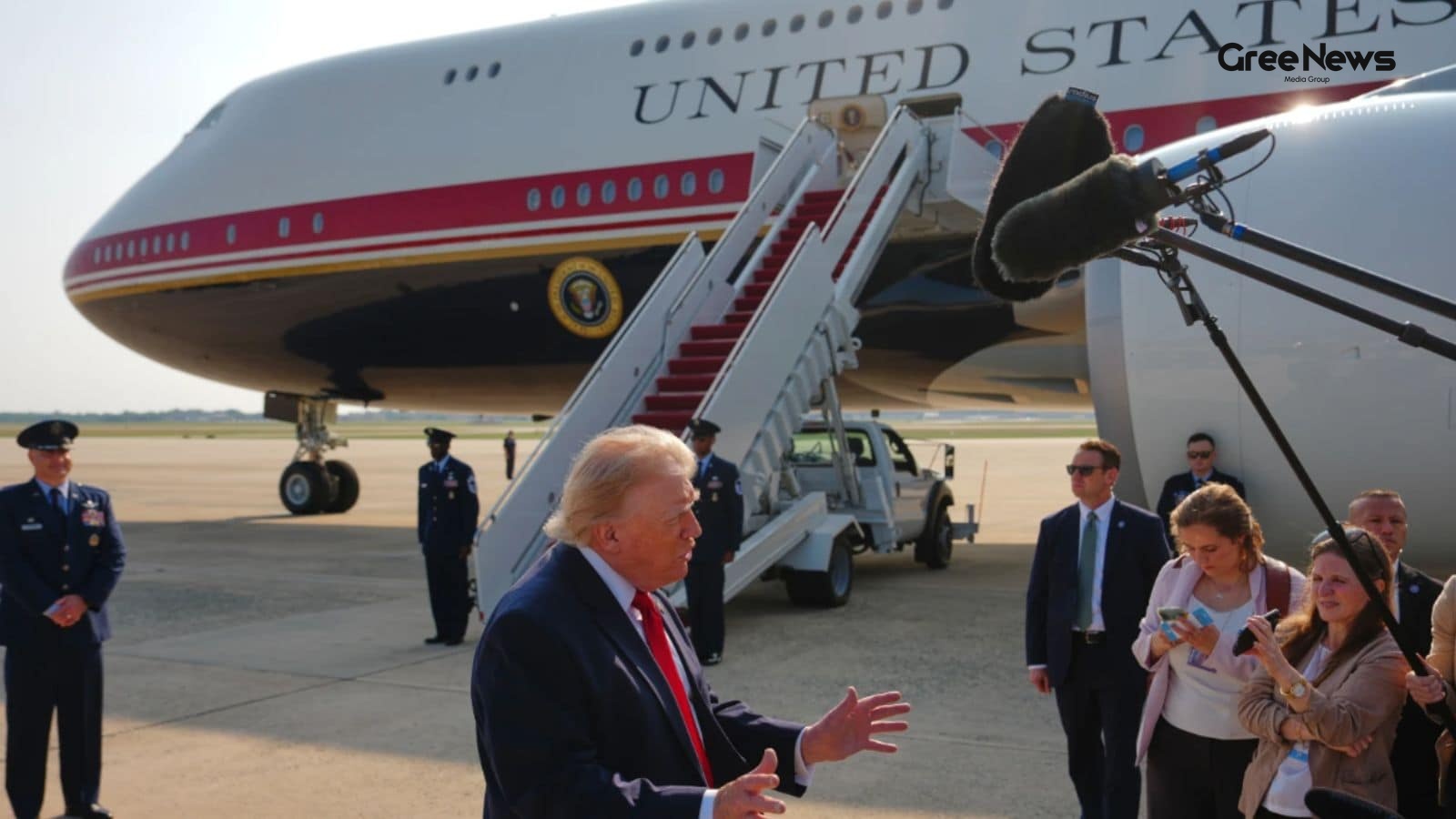
Donald Trump's Temporary Presidential Aircraft
Donald Trump flew on his newly refurbished Air Force One this past Wednesday. It was a Boeing 747-800, gifted by Qatar, serving as a temporary presidential aircraft while they wait for the new planes. That plane, worth about four hundred million dollars, obviously looks different. Gone was that fami
Jul 2, 2026 by Gree News Team
Latest Headlines
Security Concerns Surround Iran’s Supreme Leader’s State Funeral
Iran’s Supreme Leader Mojtaba Khamenei probably won't show up for his father’s state funeral. That’s because of serious security worries right now, especially with all the regional tension swirling around. Ayatollah Hakim Elahi, who acts as the Supreme Leader’s representative in India, pointed this
Jul 3, 2026 by Gree News Team

Arden Cho's Wedding Story: From KPop Demon Hunters to Italian Romance
Arden Cho just gave everyone something sweet. Seriously. The star from *Teen Wolf*, the one known for KPop Demon Hunters and Partner Track she actually tied the knot with orthopedic surgeon Christopher Lee. They kept all that relationship totally private, which made the wedding reveal even bigger wh
Jul 3, 2026 by Gree News Team
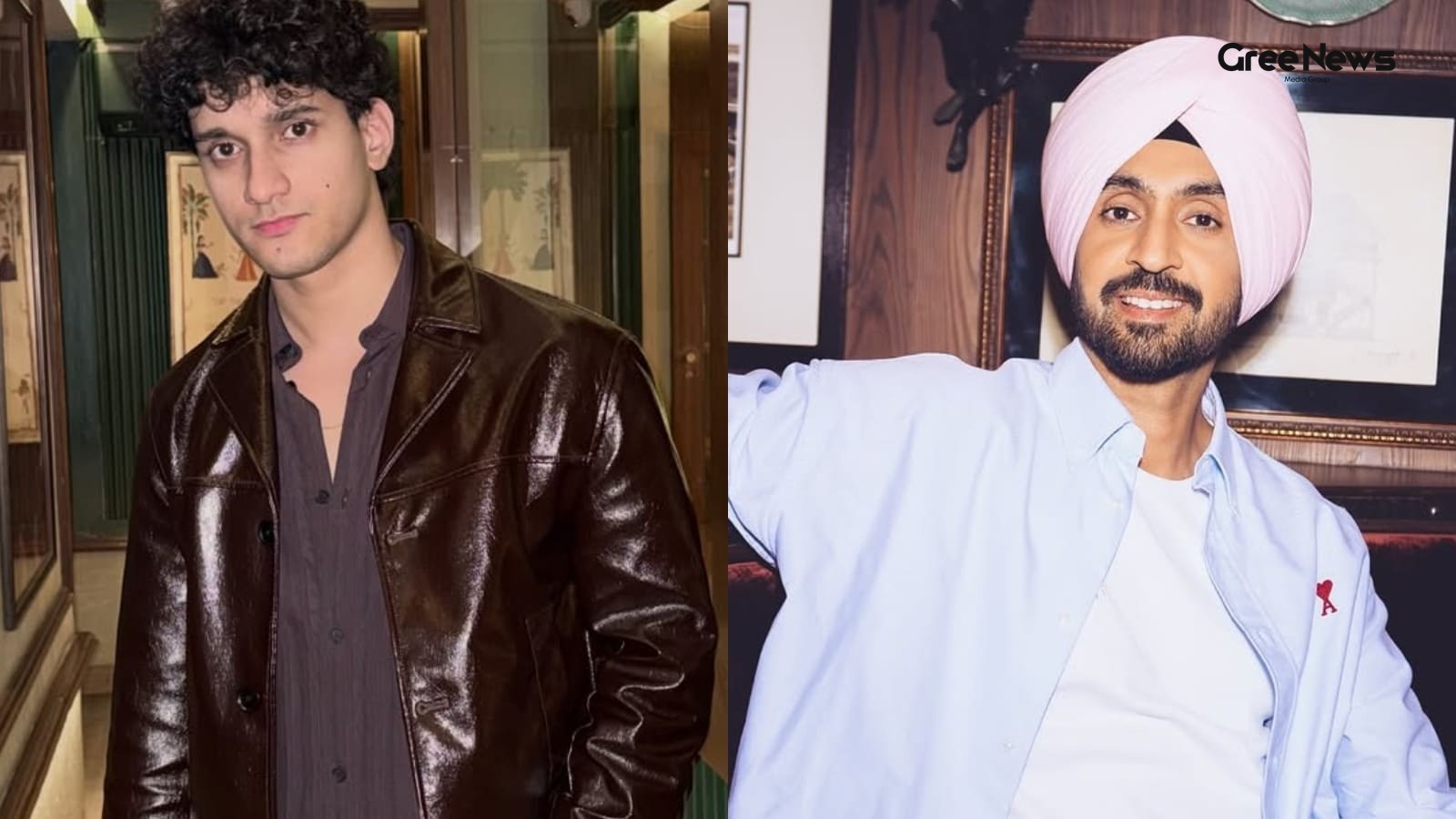
Das's Stance on Youth Issues and Politics
Das pushed for him to step forward. To talk about the youth issues swirling around India. He felt like there had to be a reaction from someone of that stature. The pushback came quickly. His response was pretty firm. He basically said he didn’t know much about it. Too busy with his Aura Tour schedul
Jul 3, 2026 by Gree News Team
Logistics and Political Context of the Farewell to Ayatollah Ali Khamenei
Iran is gearing up for the final farewell to former Supreme Leader Ayatollah Ali Khamenei. State media is reporting that preparations are already underway, and his coffin has reportedly been moved to where he was killed during an unannounced ceremony. The logistics behind this massive event are stag
Jul 3, 2026 by Gree News Team
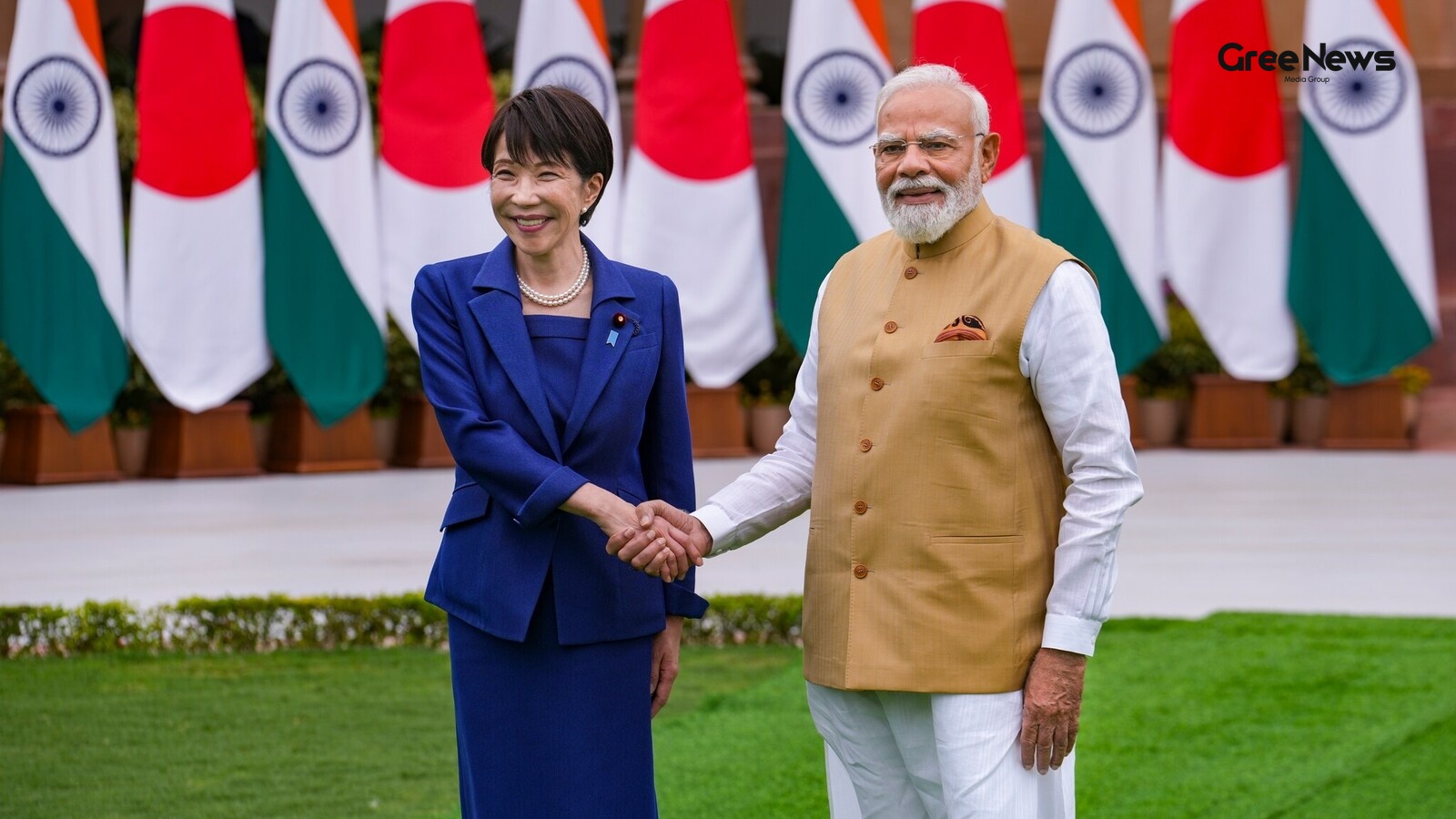
Modi and Takaichi Condemn Terrorism and Discuss India-Japan Cooperation
Modi and Takaichi strongly condemned terrorism. Violent extremism in all its forms. This included cross-border terror sponsored by Pakistan. The India-Japan Annual Summit happened on Thursday, July 2. That’s when the leaders made their joint statement. They talked about the deadly Pahalgam attack in
Jul 3, 2026 by Gree News Team

Stock Market Update: Domestic Gains and Global Sentiment
Stock market today started off better domestically. Equities opened higher Friday, just continuing the gains from the previous session. That move was mostly fueled by some solid buying in information technology stocks, plus things settled in Asia and general easing of volatility. The numbers themsel
Jul 3, 2026 by Gree News Team
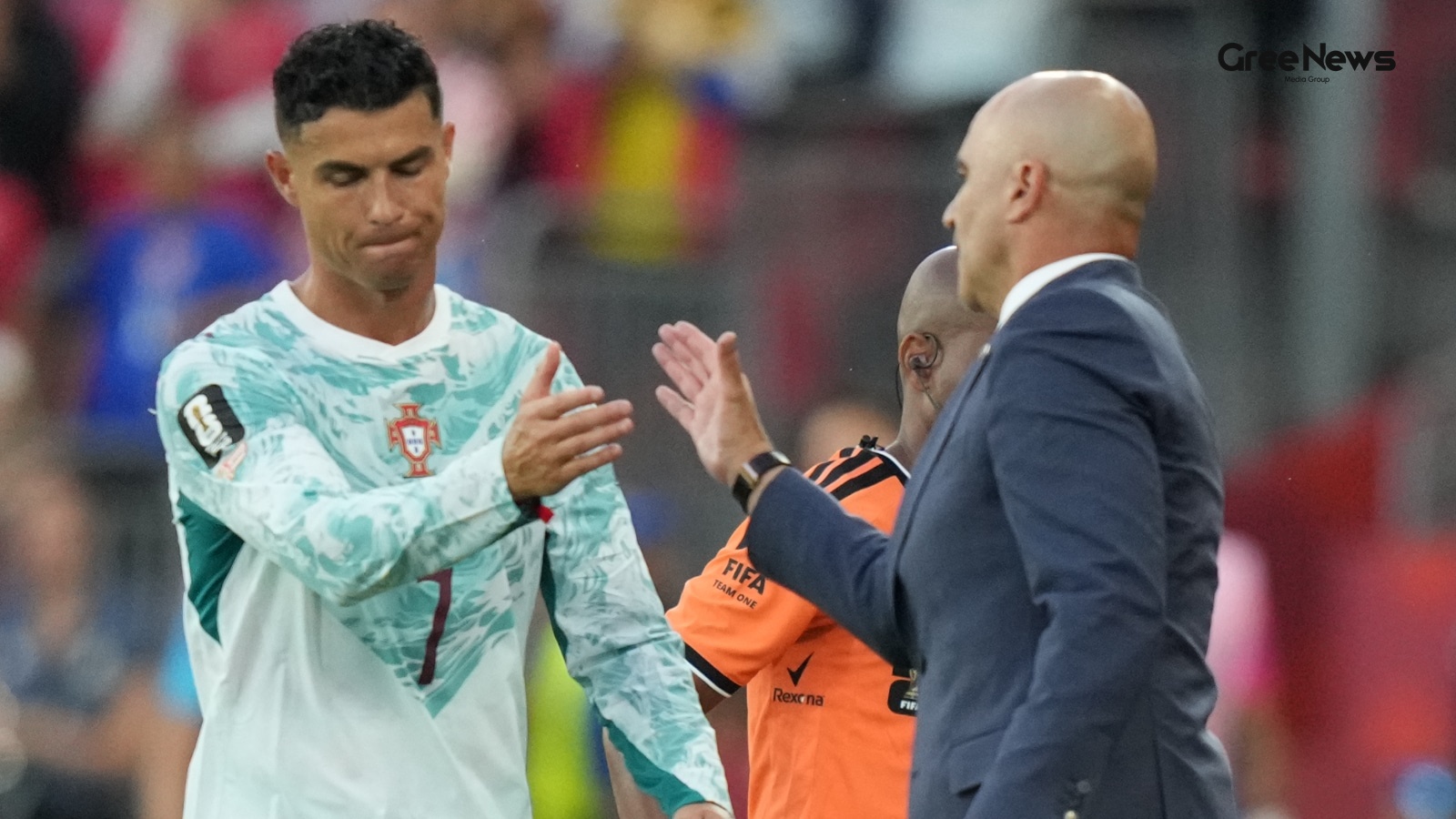
Cristiano Ronaldo's Retirement Speculation and World Cup Debate
The 41-year-old is dealing with a lot of speculation about his international future right now. Everything since Portugal’s dramatic win against Croatia in the Round of 32 seems to have kicked up the debate. He insisted he won’t make any rash decisions about retirement until the tournament is complet
Jul 3, 2026 by Gree News Team
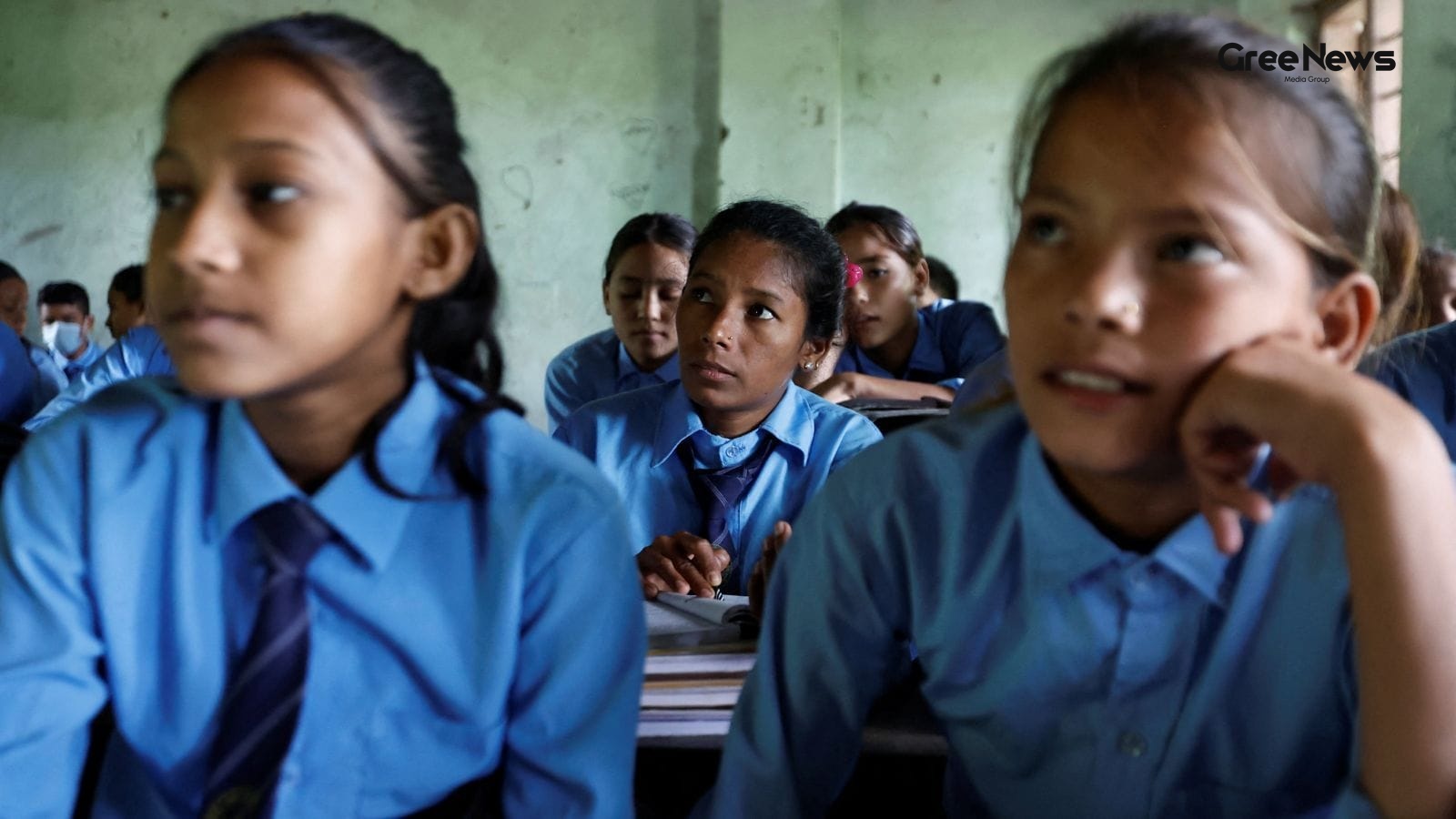
New Regulations and Hurdles for Private School Fee Hikes in Delhi
Ashish Sood, the Education Minister, basically said on Thursday that private schools in Delhi are now facing a massive hurdle if they want to hike fees. They have to justify every single proposed increase against eighteen specific parameters. Think infrastructure, how they manage transport, safety s
Jul 3, 2026 by Gree News Team
Ayatollah Khamenei's Funeral and Geopolitical Concerns
Ayatollah Khamenei's funeral. Iran is gearing up for it now. It’s set to run for six days starting July 4th. State media stuff said the coffin was moved ahead of the ceremonies too. To where he died. That site itself. A dead pause there. But there’s more going on behind the scenes. The Supreme Leade
Jul 3, 2026 by Gree News Team
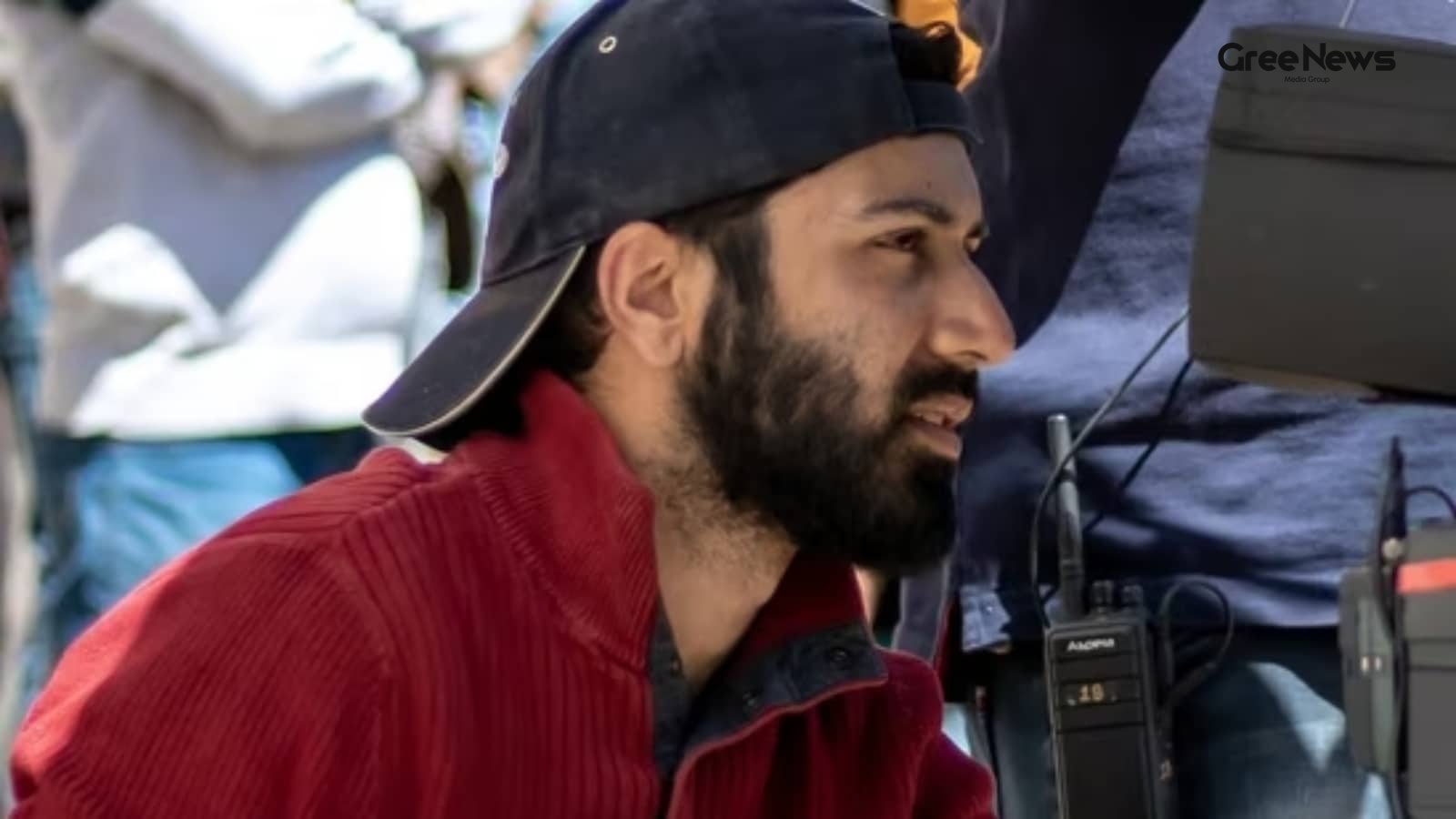
Pratik Shah's Apology and the Reaction of the IWCC
Pratik Shah’s apology over those sexual misconduct allegations just brought some real heat. It drew a massive reaction from the Indian Women Cinematographers’ Collective, or IWCC. A day after he put out his statement, the collective basically said it didn't feel sincere. They questioned everything a
Jul 3, 2026 by Gree News Team

CA Foundation Results and Passing Criteria
July 3. That’s when the ICAI is supposed to drop the results for the CA Foundation May 2026 exams. It’s happening today. People are trying to get access now, logging into icai.org with their registration and roll numbers. The whole thing hinges on that official site opening up. They say the merit li
Jul 3, 2026 by Gree News Team
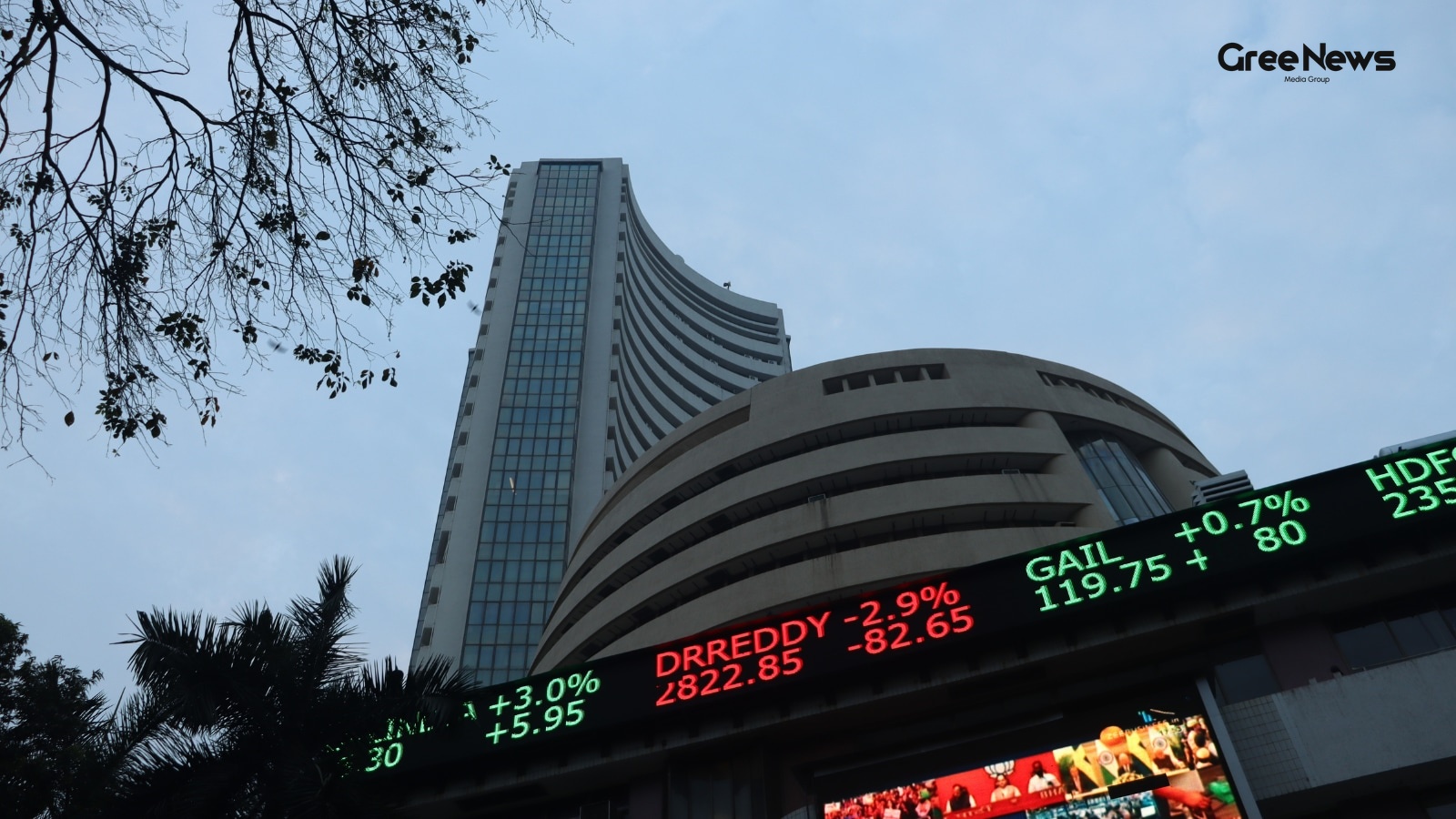
Indian Benchmark Indices Kick Off Thursday in the Green
The Indian benchmark indices kicked off Thursday in the green. Just positive global cues pushing things along, plus some solid investor sentiment overall. A tiny bump only 0.33%. It opened up at 77,083.14 after closing down slightly in the previous session. The Nifty 50 did the same thing, higher to
Jul 2, 2026 by Gree News Team
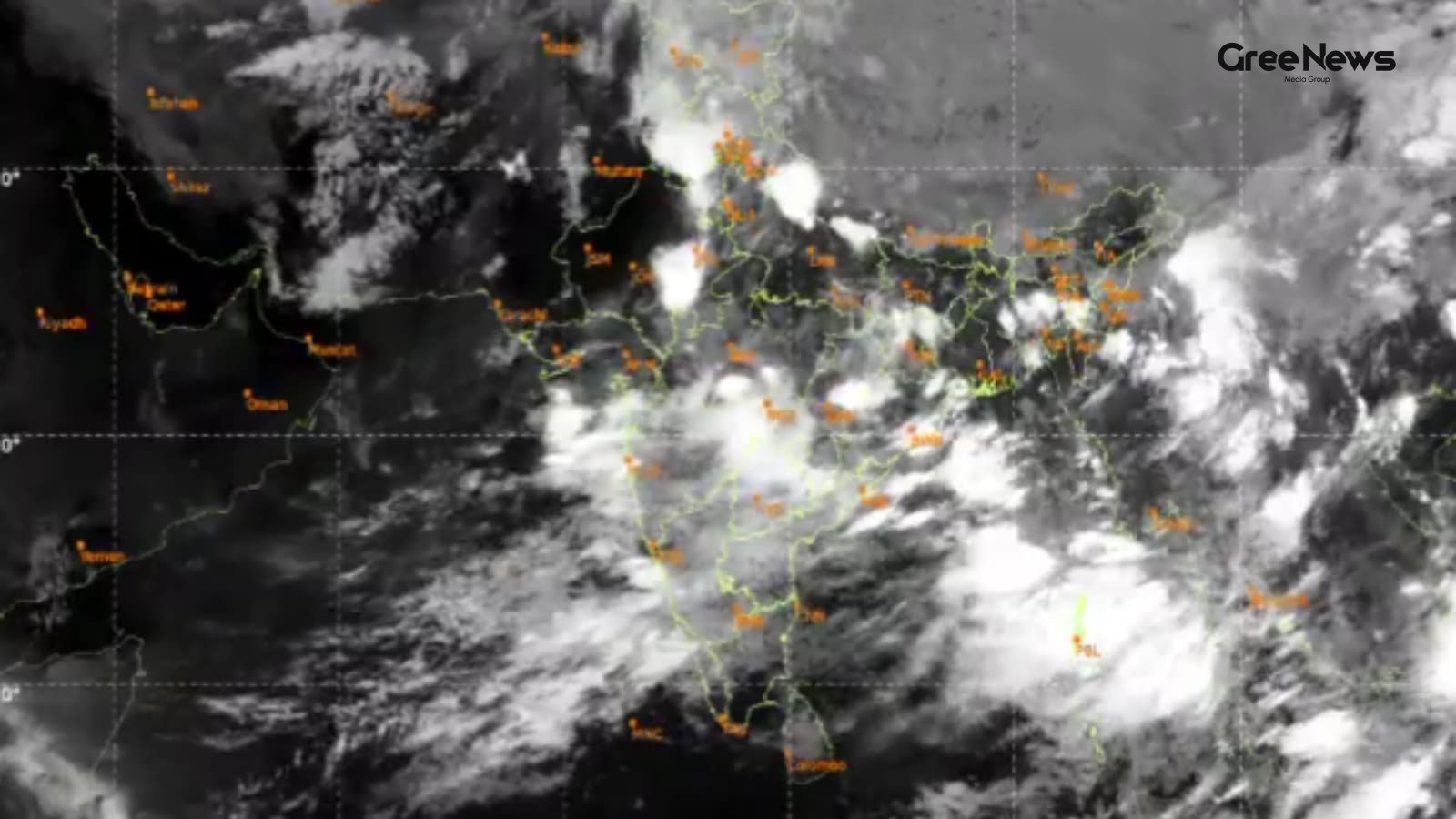
ISRO Satellite Images Show Strong Revival of Southwest Monsoon
Satellite images from ISRO this Wednesday really showed something happening with the monsoon. There was a dramatic surge in cloud cover sweeping across northern India. It signals a strong revival of the southwest monsoon, especially after one of the driest Junes we've seen. The thermal infrared pict
Jul 2, 2026 by Gree News Team
Donald Trump's Temporary Presidential Aircraft
Donald Trump flew on his newly refurbished Air Force One this past Wednesday. It was a Boeing 747-800, gifted by Qatar, serving as a temporary presidential aircraft while they wait for the new planes. That plane, worth about four hundred million dollars, obviously looks different. Gone was that fami
Jul 2, 2026 by Gree News Team
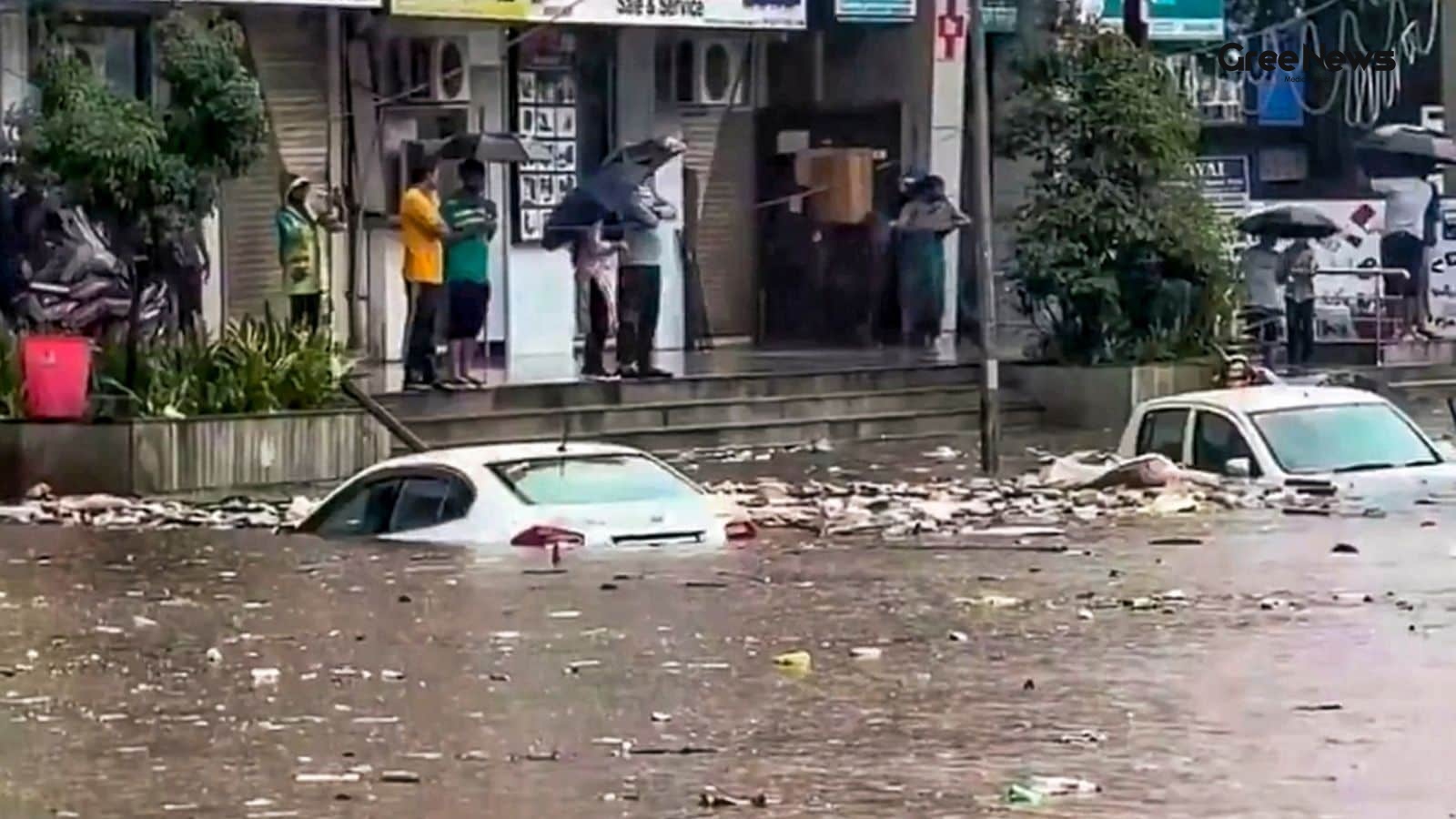
Monsoon Warning and Heavy Rainfall Forecast for Mumbai and Konkan
Mumbai is dealing with some serious monsoon trouble right now. The India Meteorological Department, IMD, just put out a warning predicting heavy to extremely heavy rain across parts of west India on Thursday, July 2nd. They said the monsoon isn't going anywhere soon. It’s an Orange warning for Mumba
Jul 2, 2026 by Gree News Team