Satluj: The Story of Disappearance, Censorship, and Human Rights
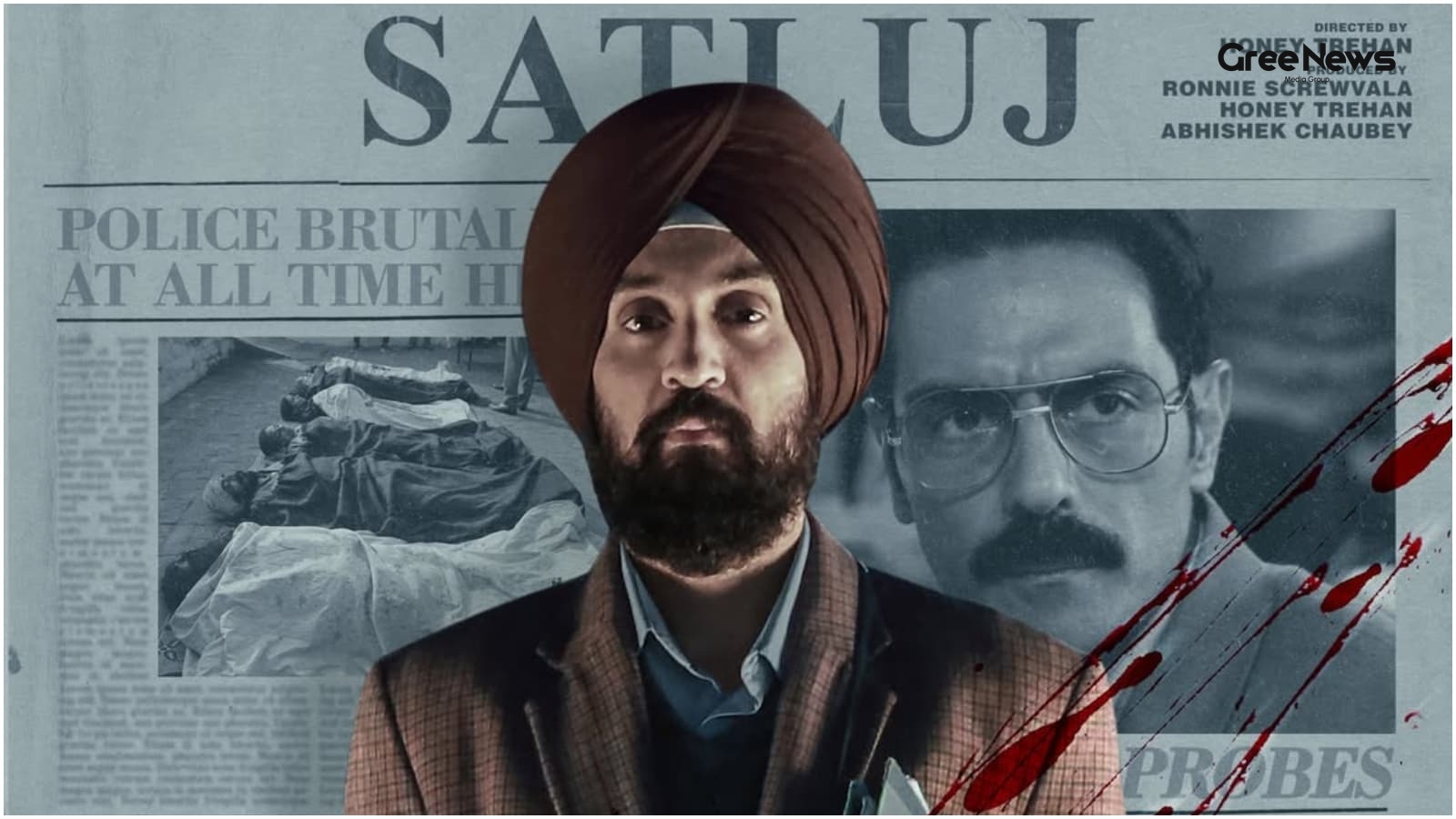
Diljit Dosanjh’s Satluj . That’s what it was. A film based on the life of Jaswant Singh Khalra. The human rights activist stuff. And now? Gone from Zee5. Two days after that premiere. It just vanished.
Zee5 dropped the bomb about ‘current developments.’ Not a big deal, really, unless you live in Punjab right now. But it’s enough to make things feel heavy. Honey Trehan directed it. That’s the setup. A story about someone who fought. Against silence. Against the system.
Diljit reacted fast. On Instagram. He didn't mince words. Said Satluj met the same fate as Khalra Ji. Like, exactly the same trajectory. That hashtag choice #ichallengethedarkness it felt loaded. It wasn’t just about a movie ban. It was about mirroring that history.
He shared a clip from the film too. Just throwing it out there. You watch what he posts. It feels less like PR and more like a raw reaction. A visceral response to something being pulled back, shut down.
Jaswant Singh Khalra. That name itself carries weight. He wasn’t just some guy fighting local issues. He was operating in that whole chaotic space of Punjab during the militancy period. Fear. Violence. State action you couldn't trust. Insurgency boiling over. And then there was the disappearances. The custodial deaths.
Khalra started looking into it all. Not politely. Just digging into the reports. Allegations of illegal killings, secret cremations. Things that official history usually ignores. Amnesty International pegged him as a defender. A human rights defender.
And where was he? They said he hadn't been seen since September 6, 1995. Arrested outside his own home then. That kind of silence… it sticks with you. It suggests something massive happened behind closed doors. Institutional denial is a heavy cloak in that time.
Satluj , the film itself, tries to unpack that journey. It sets itself during Punjab’s turbulence. It frames everything as a struggle against injustice. Against the suffocating silence and institutional refusal to see what was happening. It’s not just drama. It’s history trying to break through something thick.
The whole process of getting it seen, though. That wasn't smooth at all. Years of delays probably piled up before it even hit the screen properly. Hurdles over certification. Things that stall art. Art that needs to be heard right now.
It finally got onto OTT. It reached audiences eventually. A small window for people to look. And then, bam. Taken down within two days. How does that happen? What ‘developments’ are they talking about? Is it censorship? Or something more subtle, institutional pressure kicking in hard? You have to wonder about the mechanisms behind it all.
Diljit was speaking truth here. He linked his work to Khalra’s legacy. It wasn't just a celebrity reaction. It felt like an echo of a deeper, ongoing struggle for visibility. The film becomes a mirror. A reflection of what happens when inconvenient truths are managed.
Think about the context surrounding this kind of cinema now. Everything is being watched, everything is being scrutinized. There’s an undercurrent always present. You watch those short bursts of news, and you see patterns forming. People react differently to things depending on where they stand. The digital space amplifies that tension. It makes the silence harder to maintain.
When a story about disappearances gets made especially one tied to such intense political history it’s not just entertainment. It becomes an act of resistance, sometimes. A way to force something into the light. If it's taken away, it feels like another piece of that fight has been erased.
The public response isn't always neat. There are people who feel strongly about what is shown and what is hidden. Some want the story out immediately. Others worry about the fallout. The space between awareness and action is often messy. It’s rarely a simple 'yes' or 'no.'
Khalra’s life that stark reality of fear and disappearance it demands attention. That kind of history doesn't just fade away when you stop talking about it. It lingers. It demands context. And the film, by attempting to give that context, stepped into that space. But now that it’s gone... what remains? Just the echo.
The way these things play out on platforms like Zee5, or anywhere else for that matter, is always complicated. It's not just about the content itself. It’s about who has the power to decide what gets seen and what gets suppressed. Who controls the narrative flow in this space? That question hangs over everything.
Diljit’s post wasn't a request for an explanation from Zee5. It was an assertion, rooted in personal experience. He connected his art to that historical wound. He used the platform he has the visibility of Bollywood to point toward something wider. A systemic issue. The fact that this film disappeared speaks volumes about freedom of expression in certain contexts.
It forces you to look at the system itself. Why is it easier for some stories to be allowed than others? What are the unspoken rules governing what can exist on screen? These aren't just cinematic issues. They bleed into politics. Into human rights discourse. Right into how we define reality.
The removal feels like a deliberate act of silencing, doesn’t it? A quiet correction made by unseen hands. It reminds everyone that there are boundaries being drawn. Lines being redrawn in the shadows. And you look at Diljit’s reaction, and you see that immediate sense of injustice bubbling up. That urgency is palpable.
It’s a reminder that even when art tries to speak truth, it can be pulled back into the silence if the currents are strong enough against it. But the attempt itself the making of Satluj that part remains. It exists somewhere. In memory. In the act of speaking out. That persistence is what matters most.
And that’s where things get complicated again. You have the narrative being consumed, then abruptly halted. Then you have the reaction from those who care about the underlying reality. The personal connection to Khalra's struggle seeps into the public debate about media and history. It all mixes together in a way that doesn't follow any clean line. Just messy human response colliding with institutional control.
It’s an observation, really. Watching how these stories move or stop moving. How they interact with the political climate. The weight of that specific historical context on something as seemingly simple as a film release. It stops being just Bollywood drama. It becomes something much larger. Something about memory and power. A very uncomfortable space to occupy.
Written by Gree News Team — Senior Editorial Board
Gree News Team covers international news and global affairs at Gree News. Our collective of senior editors is dedicated to providing independent, accurate, and responsible journalism for a global audience.
More from Movies
View All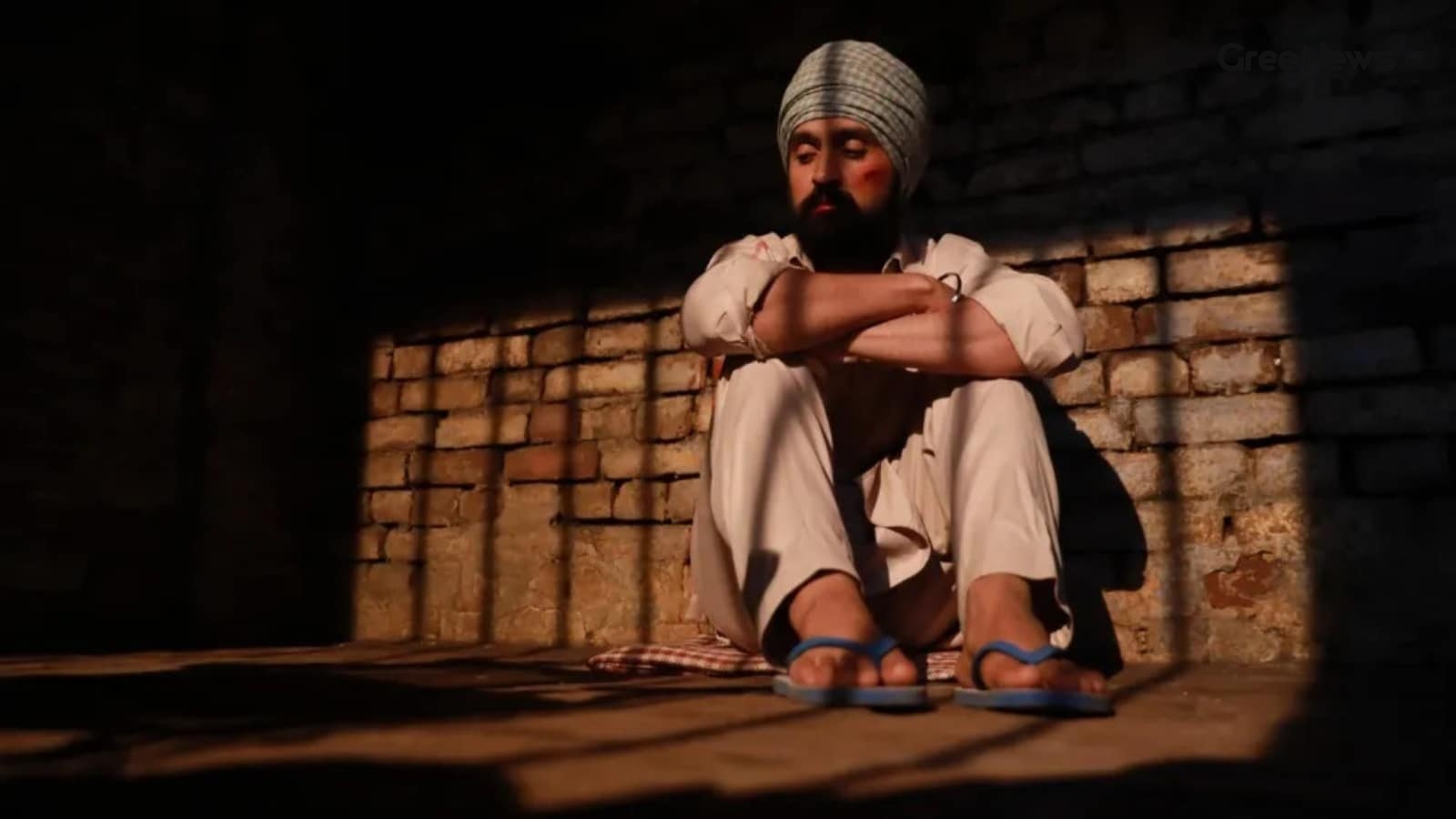
Diljit Dosanjh's Film Satluj Removal from ZEE5
Two days after *Satluj* finally hit OTT, Diljit Dosanjh’s film got pulled from ZEE5 in India. It proved what everyone worried about. The streaming platform just announced it stays unavailable there "until further notice." They're apparently looking into legal ways to get it back. But don't worry ent
Jul 6, 2026 by Gree News Team
Diljit Dosanjh on the Controversy of *Satluj* and Censorship
Days after *Satluj* got pulled off ZEE5 India, Diljit Dosanjh jumped on an Instagram Live. It was all about the controversy, you know? The film has been stuck in this years-long fight over censorship. People flooded the comments section immediately. They were saying they had already managed to downl
Jul 6, 2026 by Gree News Team
Ali Fazal and Richa Chadha Paired for New Situational Comedy
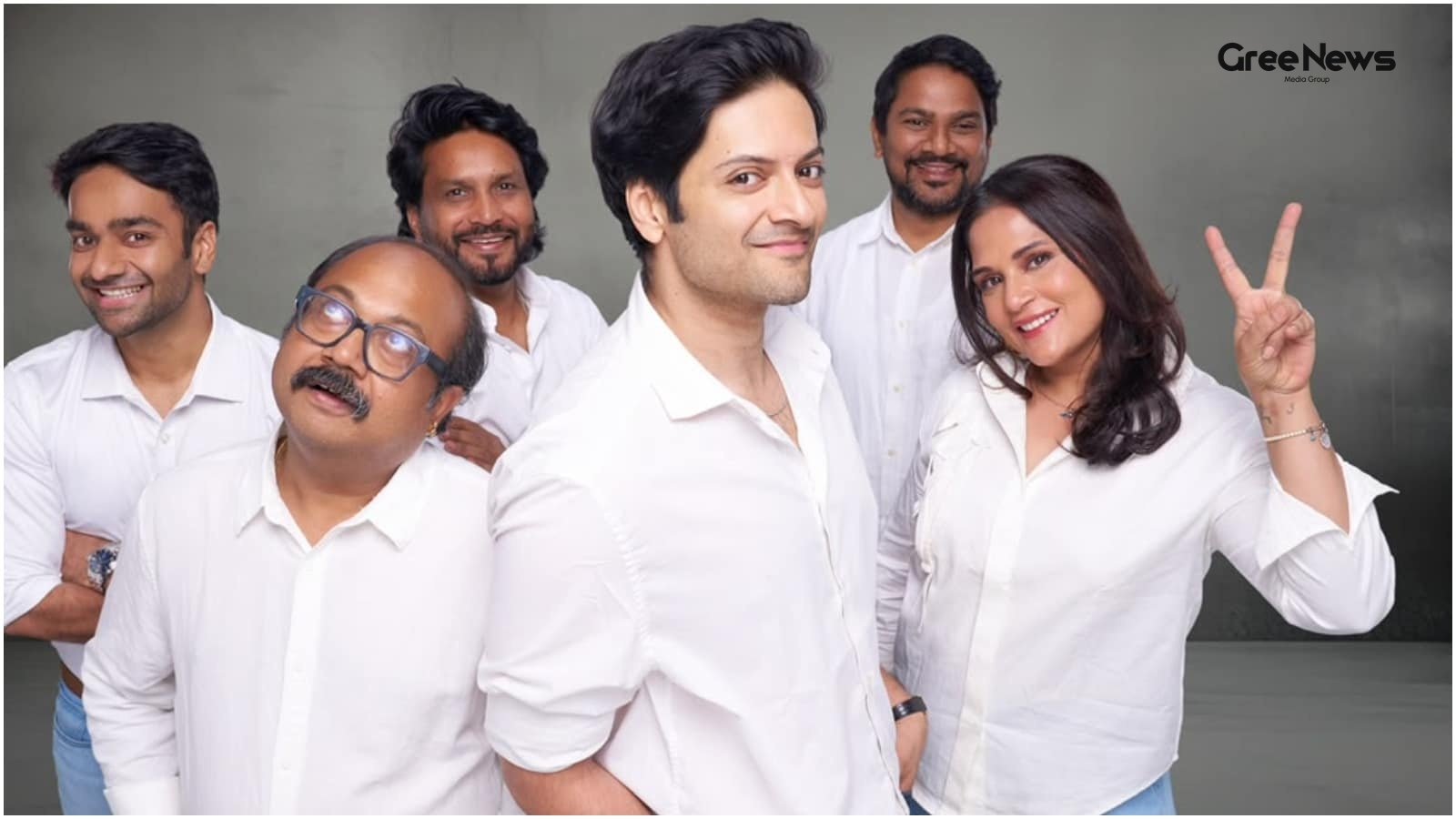
Ali Fazal and Richa Chadha are finally getting paired up. Opposite each other on screen for the very first time. It’s going to be in some untitled situational comedy. Scenework Productions and Giriraj Productions are behind it. Kumud Mishra is also joining them. The whole thing is set against Delhi.
Jul 6, 2026 by Gree News Team
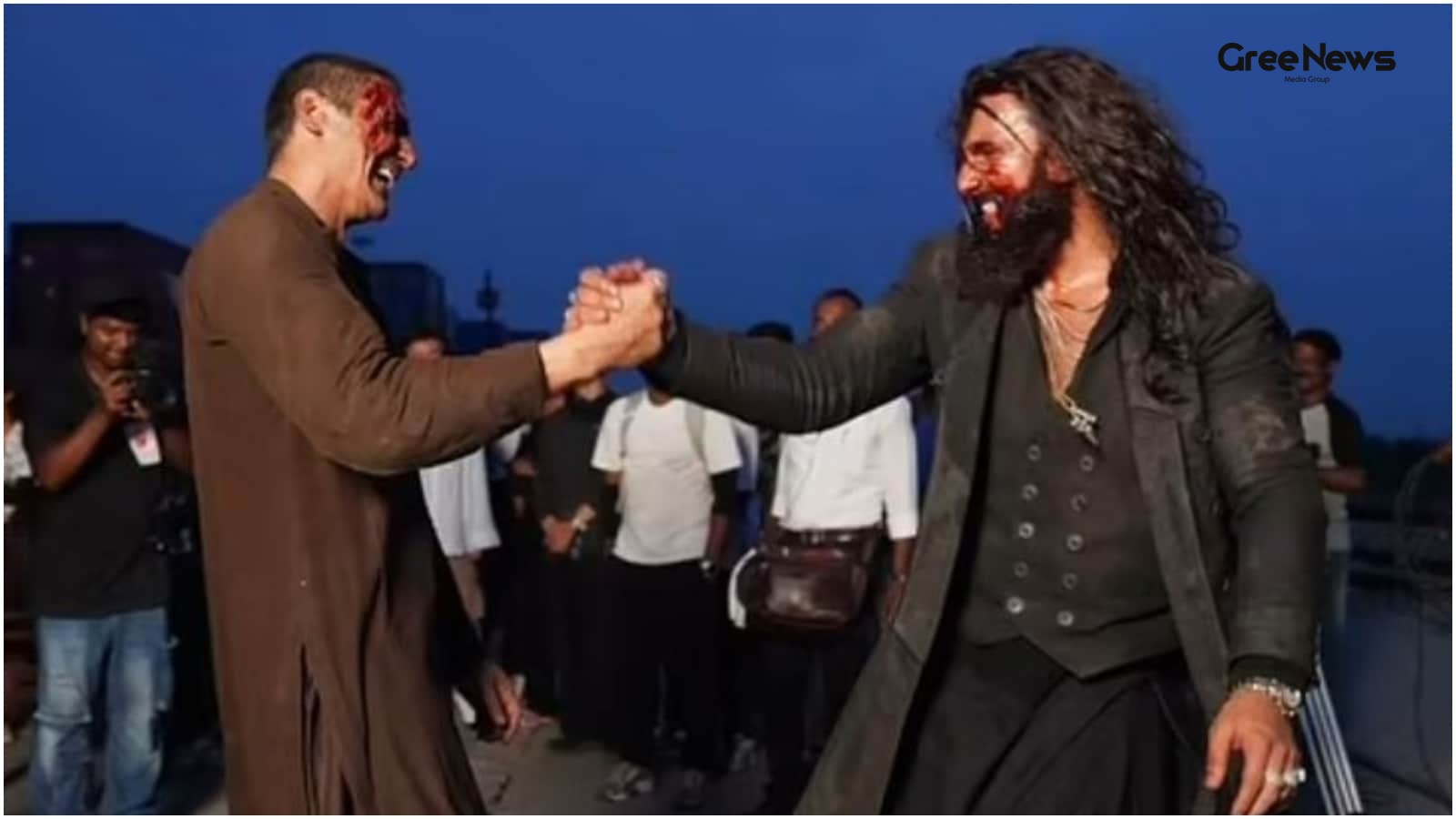
Arjun Rampal's Birthday Wishes and Behind-the-Scenes of Dhurandhar
Arjun Rampal sent some birthday wishes over to Ranveer Singh. Not just a quick note. He shared something from behind the scenes of the sets for *Dhurandhar*. It was a clip, posted on Instagram, Monday. A glimpse into their camaraderie. You could see the laughs there. Just two actors hanging out on s
Jul 6, 2026 by Gree News Team
Latest Headlines
Diljit Dosanjh's Film Satluj Removal from ZEE5
Two days after *Satluj* finally hit OTT, Diljit Dosanjh’s film got pulled from ZEE5 in India. It proved what everyone worried about. The streaming platform just announced it stays unavailable there "until further notice." They're apparently looking into legal ways to get it back. But don't worry ent
Jul 6, 2026 by Gree News Team
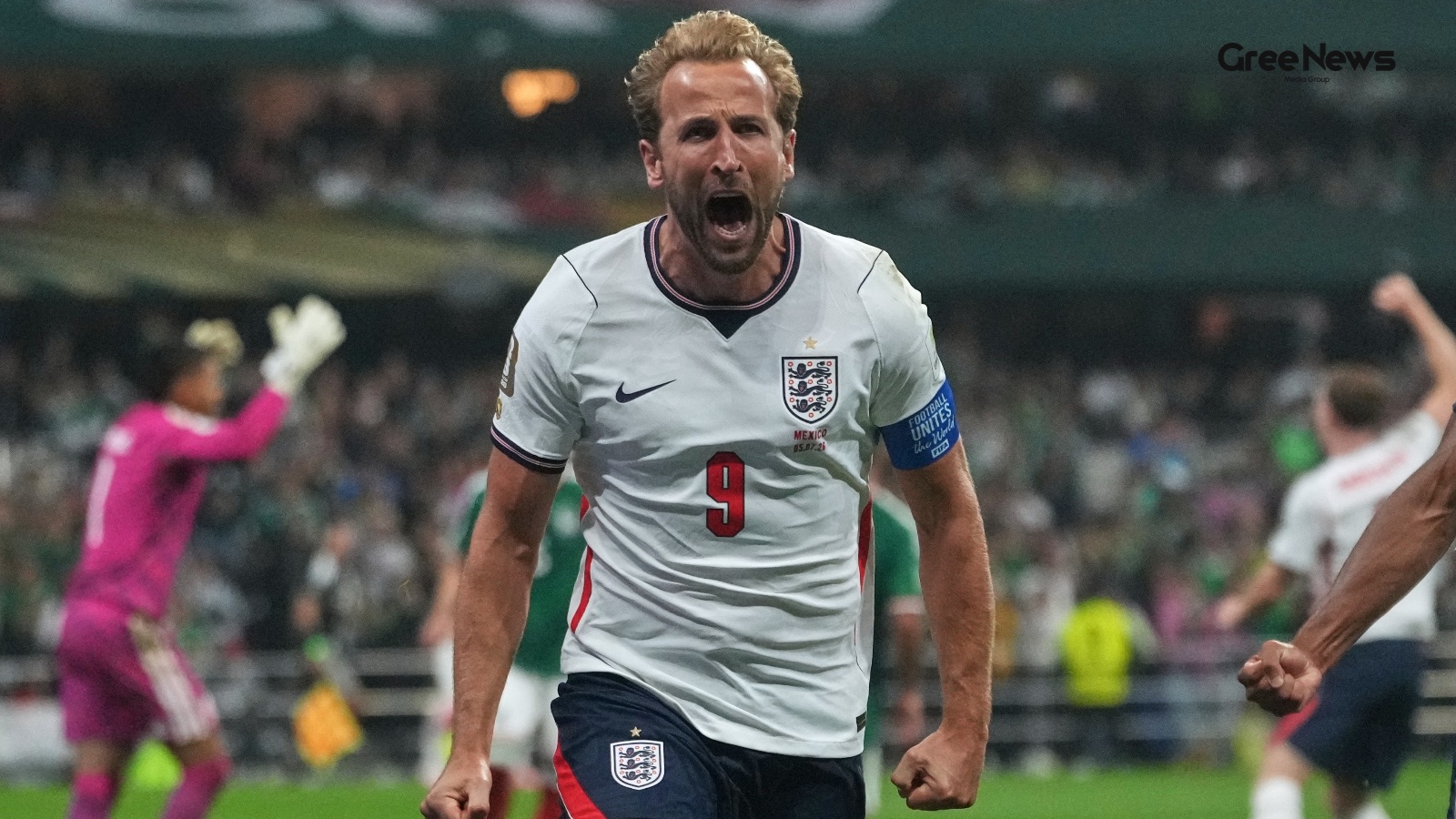
Harry Kane's Emotional Reaction After World Cup Win
Harry Kane had everything to celebrate after that win. England beat Mexico three-two in the World Cup Round of 16. But finding words? That was impossible. He just couldn’t talk. The England captain was left croaking through interviews after such an emotional night at the Estadio Azteca. They survive
Jul 6, 2026 by Gree News Team
Shooters Linked to Lawrence Bishnoi Gang Killed Near Bahadurgarh
Two alleged shooters linked to the Lawrence Bishnoi gang were killed late Saturday night near Bahadurgarh. They were carrying a reward of one lakh each. The operation was carried out by a joint team the Haryana Police’s Special Task Force unit and Delhi Police's Counter Intelligence wing. The bodies
Jul 6, 2026 by Gree News Team
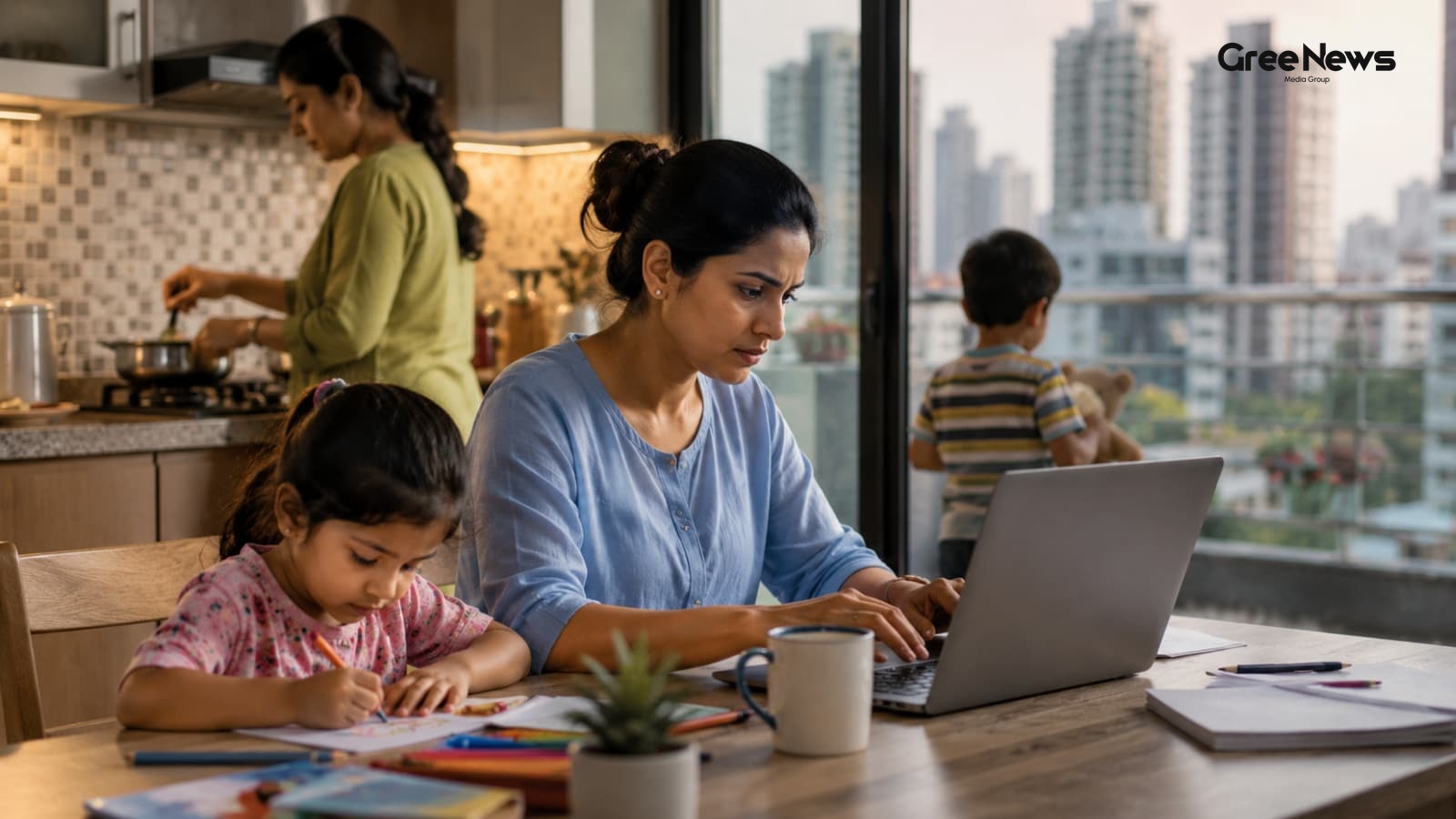
The Unpaid Care Burden: Women's Opportunities in India's Urban Centers
India’s biggest cities. They look like places full of chances. Better schools, more formal jobs, higher pay than most parts of the country. But for millions of urban women? The real wall isn't in the job market at all. It’s right there at home. A new survey just came out from the National Statistics
Jul 6, 2026 by Gree News Team
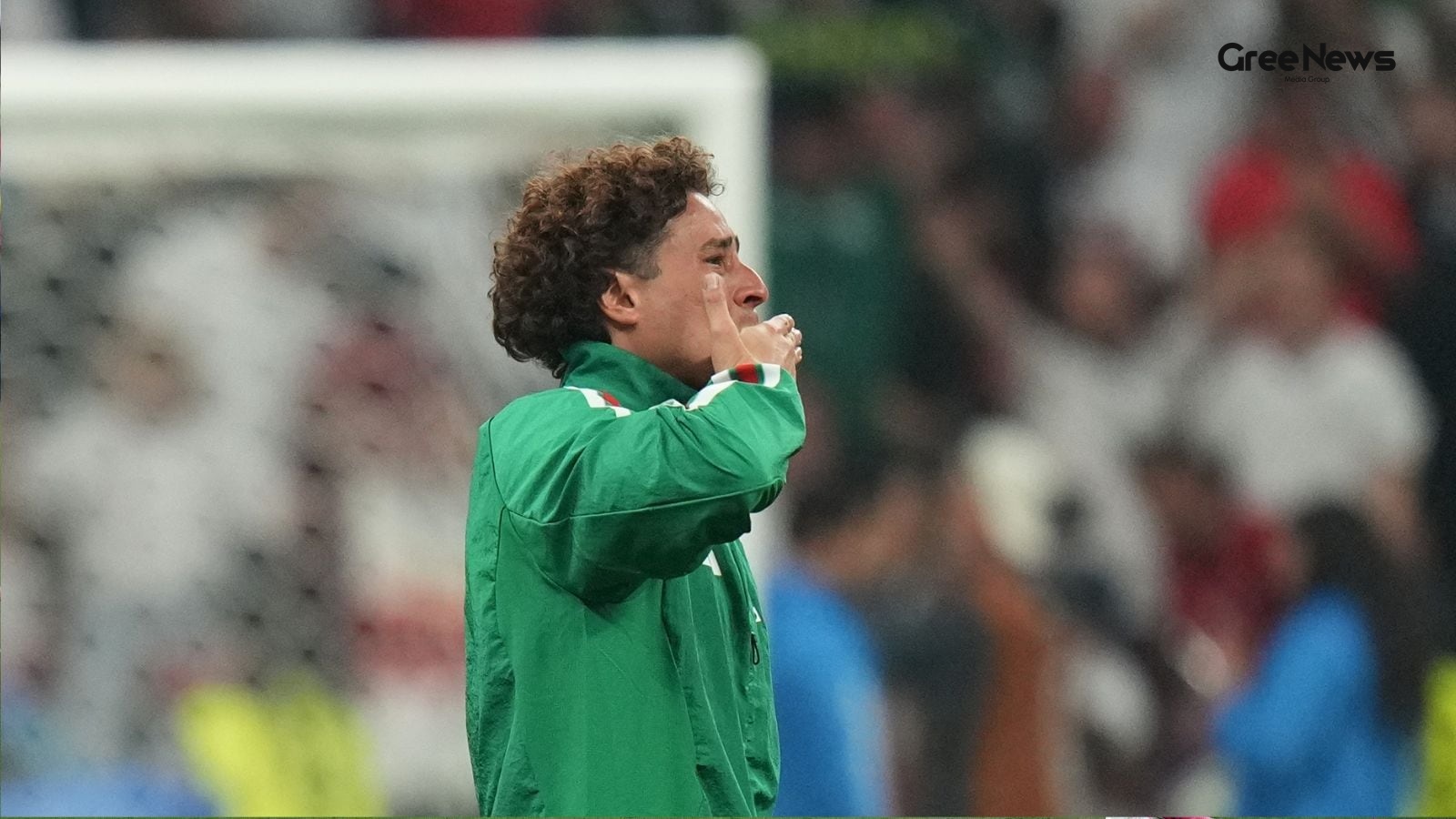
Guillermo Ochoa's Farewell and Legacy at the World Cup
Guillermo Ochoa said goodbye after the match. It was tearful. He watched his team lose, 2-3 to England in that Round of 16 game at the World Cup. A huge moment for him. Moments after the final whistle blew at Azteca Stadium, he just broke down. Teammates and coaches surrounded him. Everyone knew wha
Jul 6, 2026 by Gree News Team
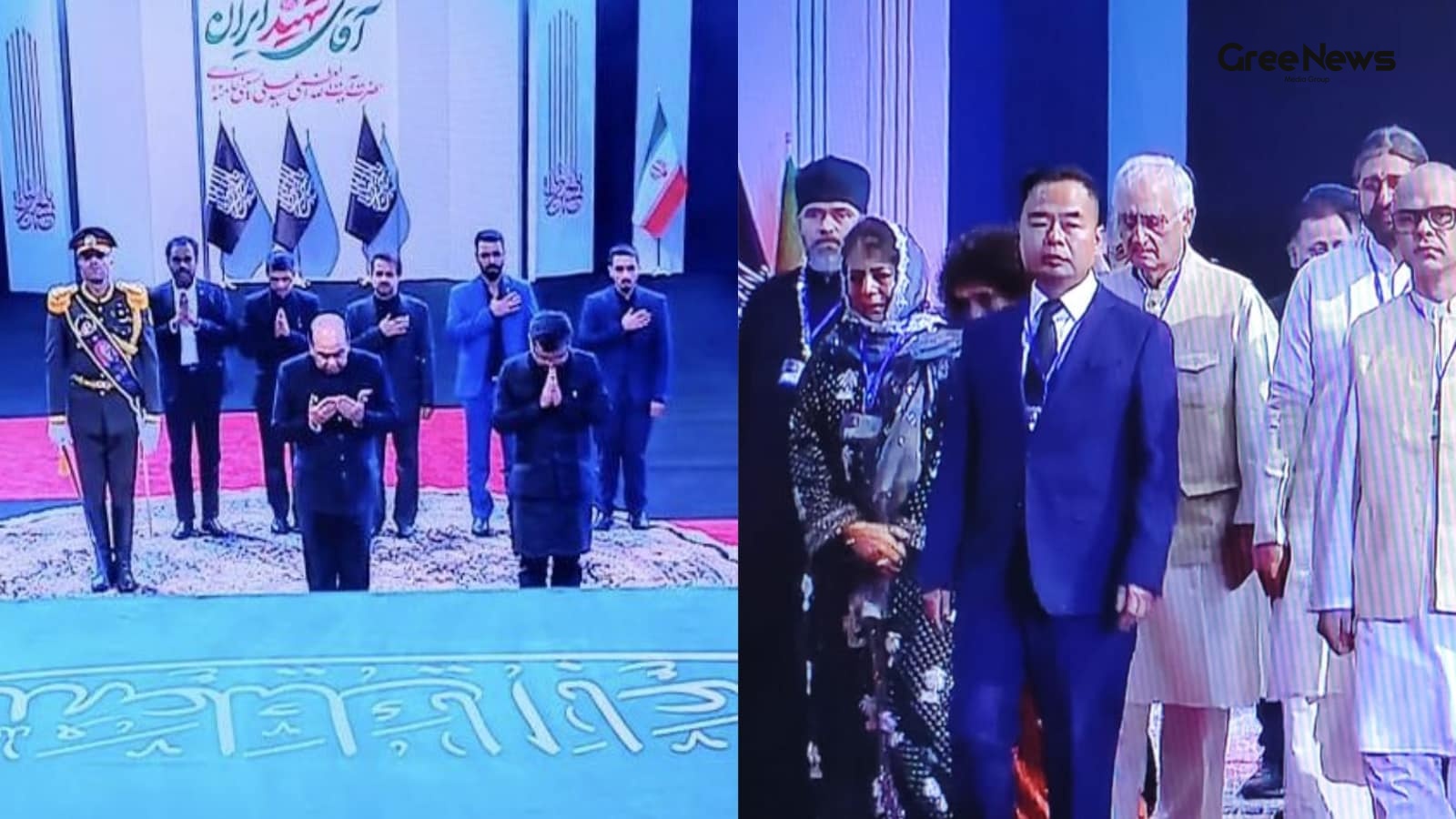
The Historical and Diplomatic Significance of Ayatollah Ali Khamenei's Funeral
The funeral for Ayatollah Ali Khamenei brought together some heavy history. They called it a powerful expression of mutual respect. It pointed right back to those deep historical ties between Iran and India. It was a long post on X where they put all this out. But it wasn't just about the funeral it
Jul 6, 2026 by Gree News Team
Diljit Dosanjh on the Controversy of *Satluj* and Censorship
Days after *Satluj* got pulled off ZEE5 India, Diljit Dosanjh jumped on an Instagram Live. It was all about the controversy, you know? The film has been stuck in this years-long fight over censorship. People flooded the comments section immediately. They were saying they had already managed to downl
Jul 6, 2026 by Gree News Team
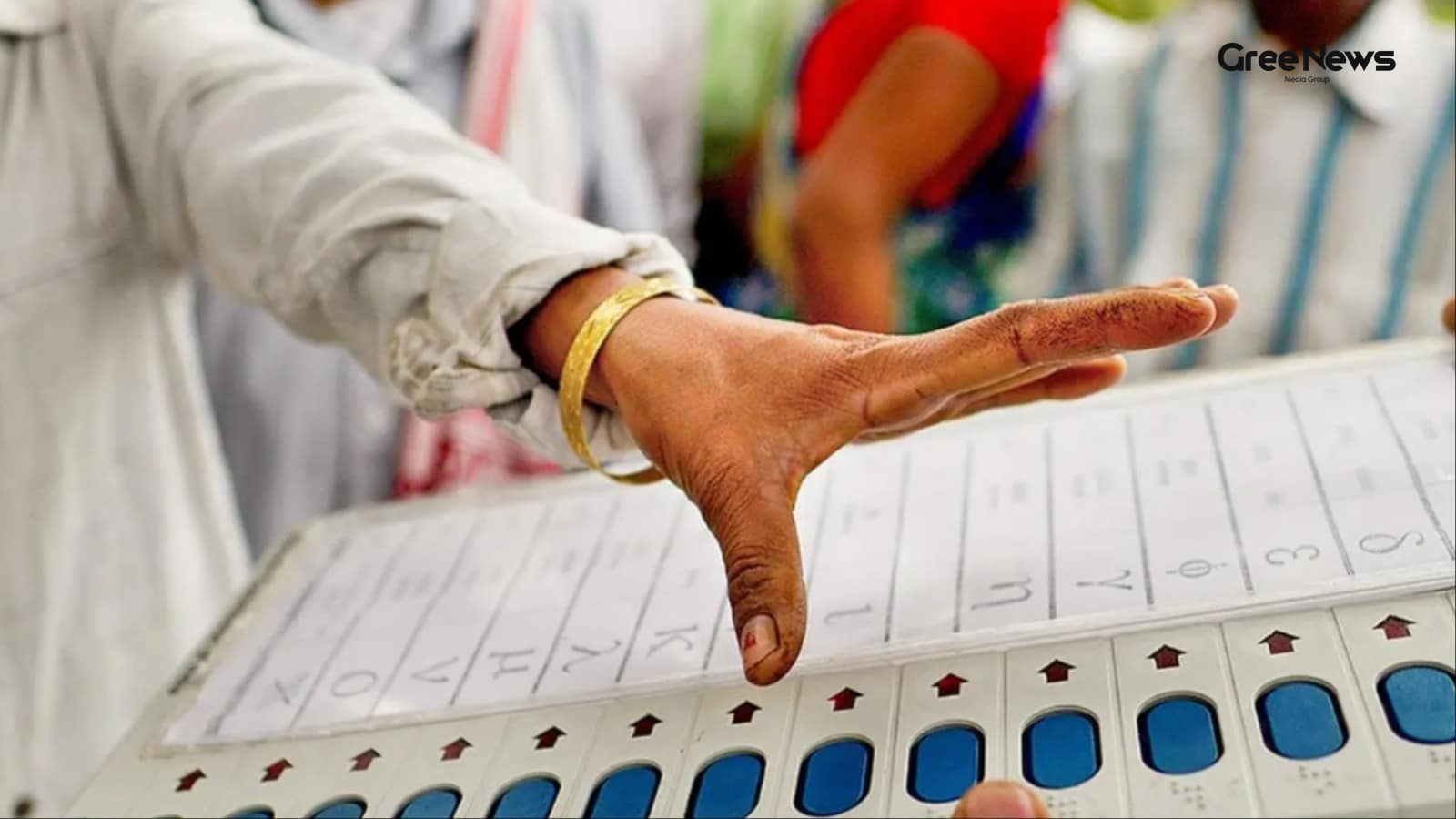
By-Election Schedule and Timeline in India
The Election Commission of India finally dropped the schedule for those by-elections. It’s about four seats across Bihar, Gujarat, and Madhya Pradesh. They’re setting the dates now. Polling will happen on July 30th for all of them if they need to vote at all. And the whole messy process is supposed
Jul 6, 2026 by Gree News Team
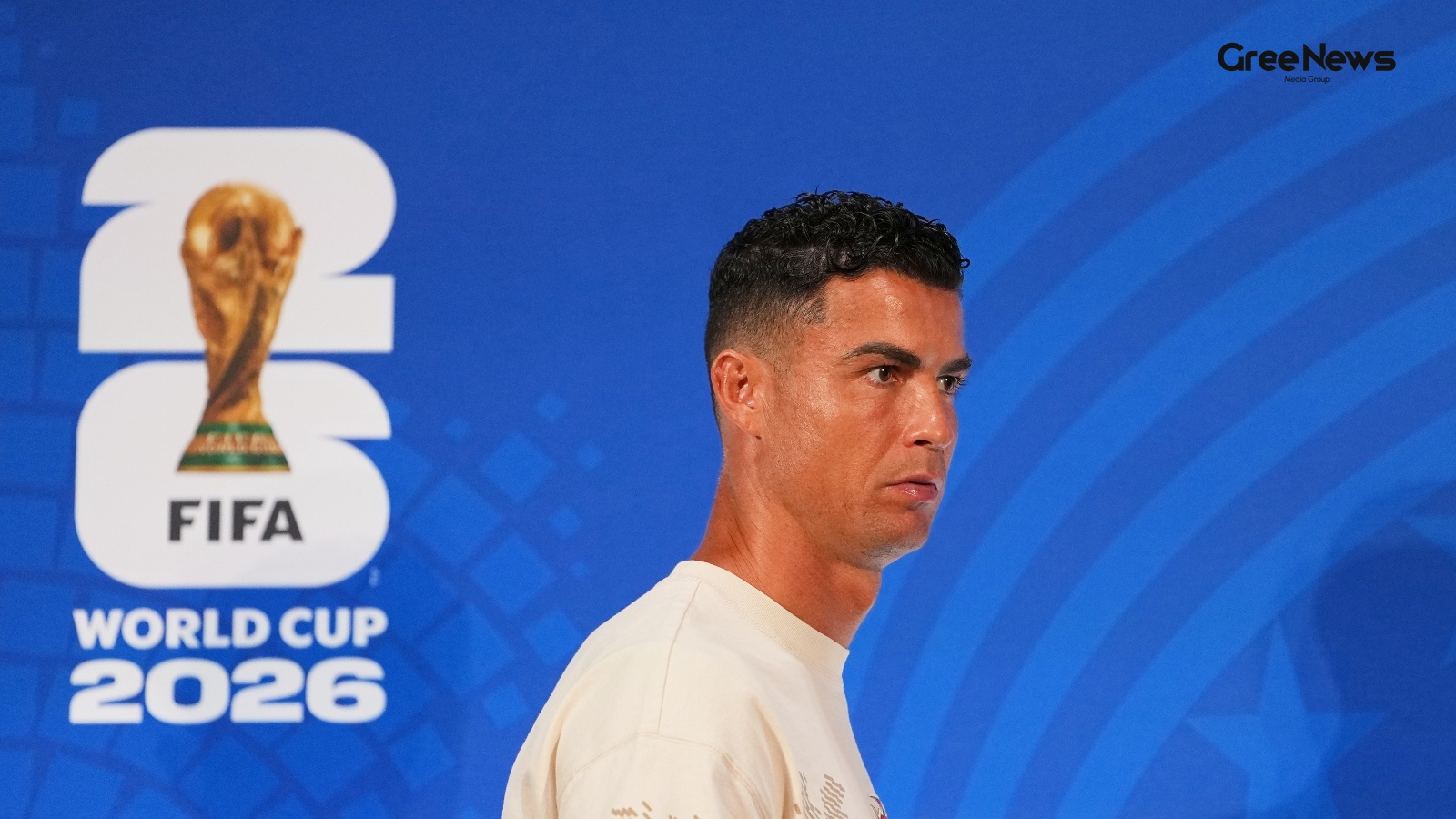
Cristiano Ronaldo on Retirement and Legacy
Ronaldo knows the questions are always coming. It’s just how it is, even at forty-one. Is this his last World Cup? When does he actually stop playing? Is he still that player everyone remembers? He answered them all on the eve of Portugal’s clash against Spain in Dallas. The pressure was palpable th
Jul 6, 2026 by Gree News Team
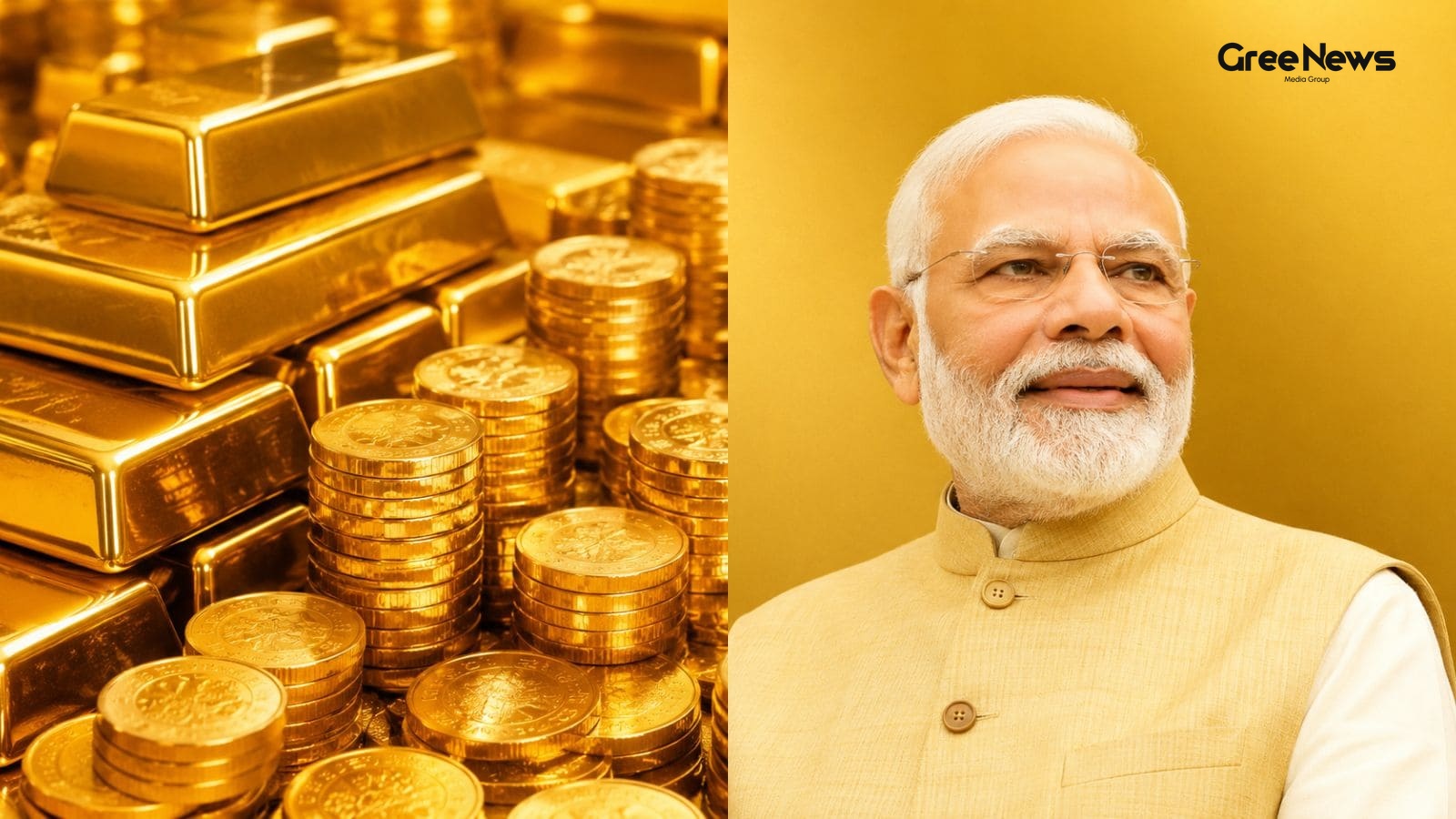
Gold Price Movement and Federal Reserve Impact
Gold prices took a dip on Monday. It felt like profit booking was kicking in after things had been climbing last week. That whole move hinged on that softer-than-expected US jobs report. Expectations about the Federal Reserve hiking rates got tempered. That’s what shifted the mood across the board.
Jul 6, 2026 by Gree News Team
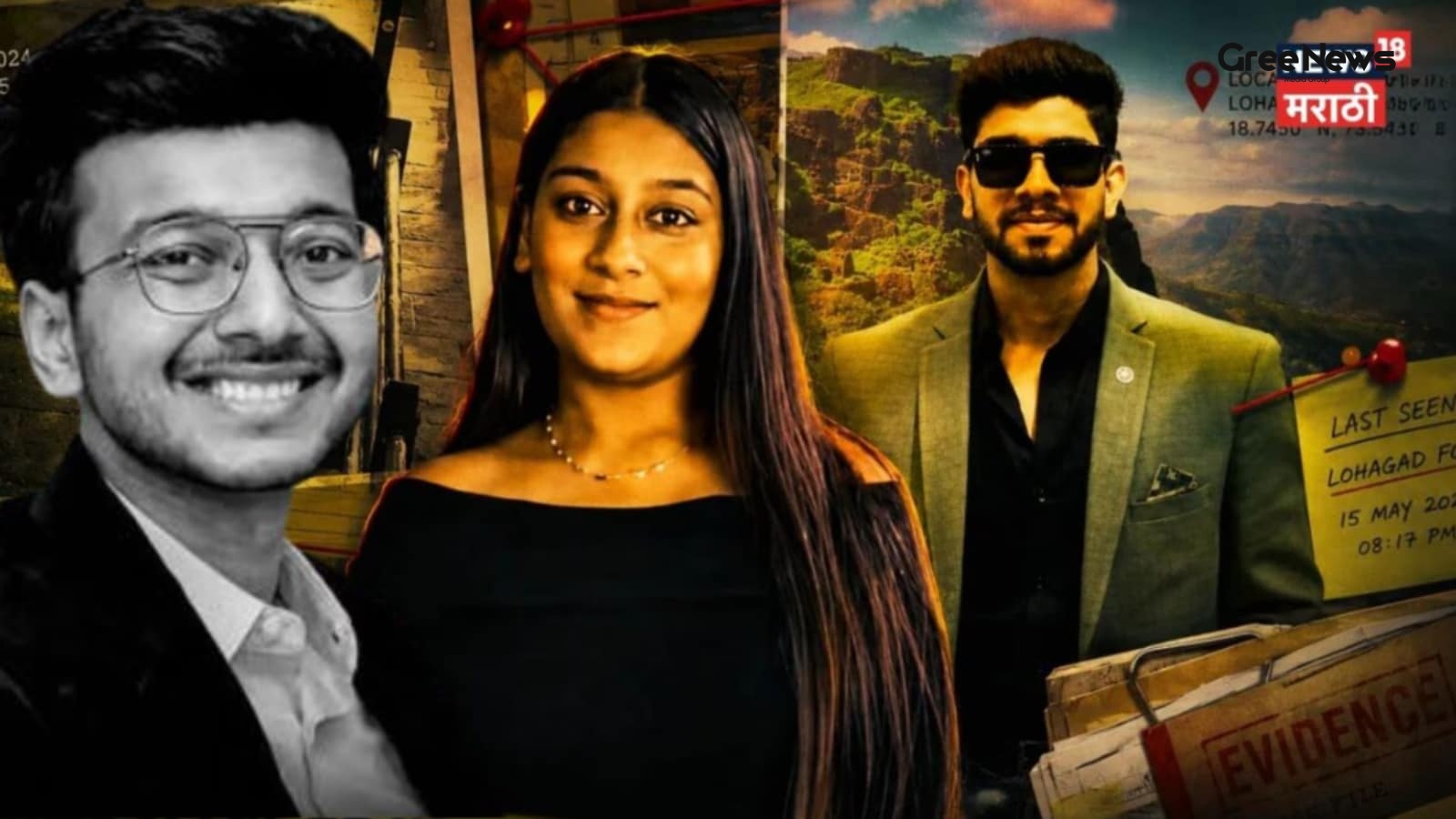
Legal Proceedings and Evidence in the Wadgaon Case
The Wadgaon court in Pune just made a move. They remanded Siya Goyal and Chetan Chaudhary back into custody for another fourteen days. It’s judicial lockup until July 16th, tied up in the murder of her fiancé, Ketan Agarwal. That kind of legal drag just drags things further down. You watch these pro
Jul 6, 2026 by Gree News Team
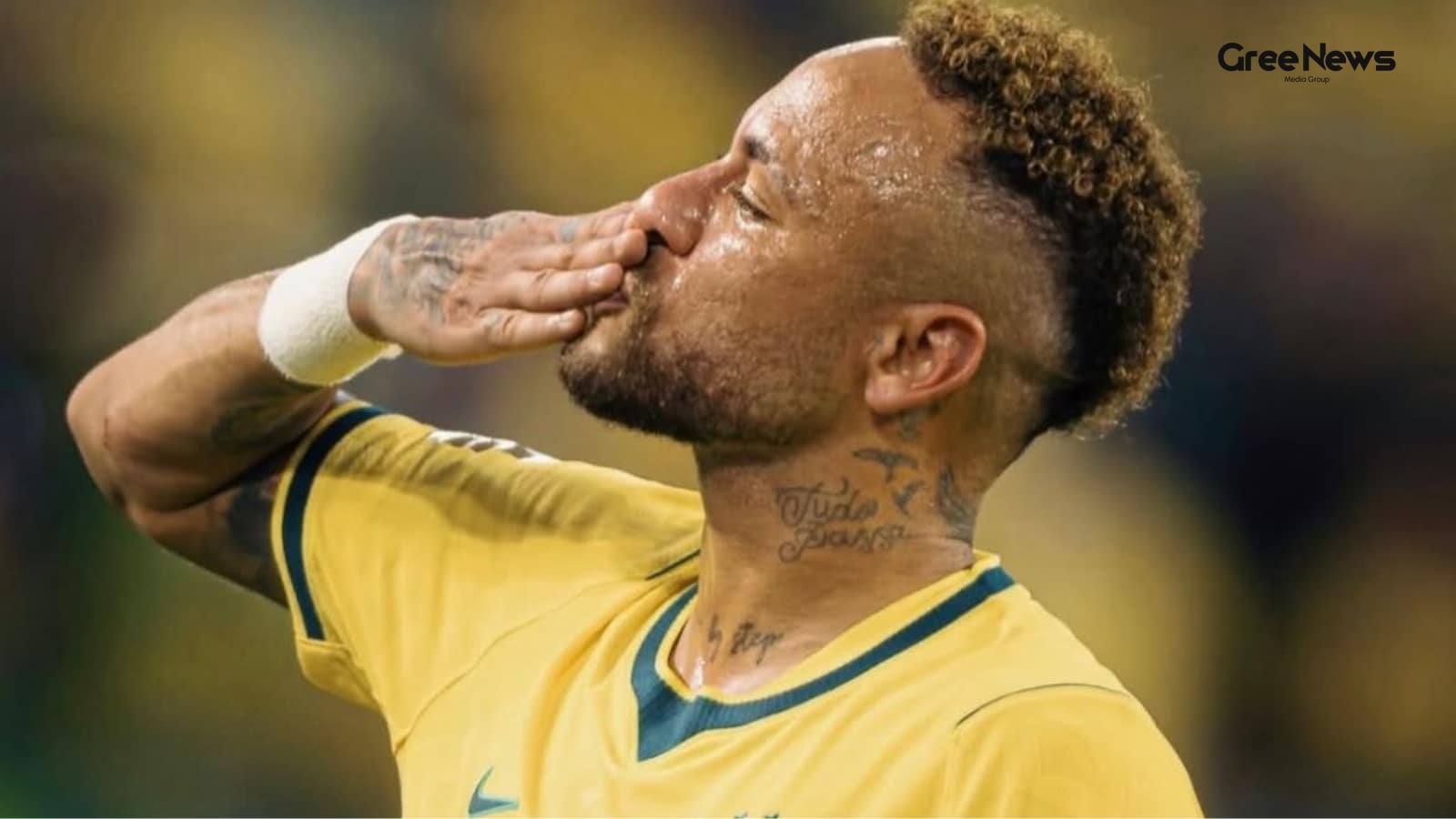
Neymar Jr.'s Retirement: A Heartbreaking Farewell and Legacy
Neymar Jr. finally hung up his boots. It’s over. After sixteen years of football, he officially announced his retirement from the international game following Brazil’s brutal 2-1 loss to Norway in the Round 16 of the 2026 World Cup. That kind of heartbreak just seems to mark the end for him now. He
Jul 6, 2026 by Gree News Team
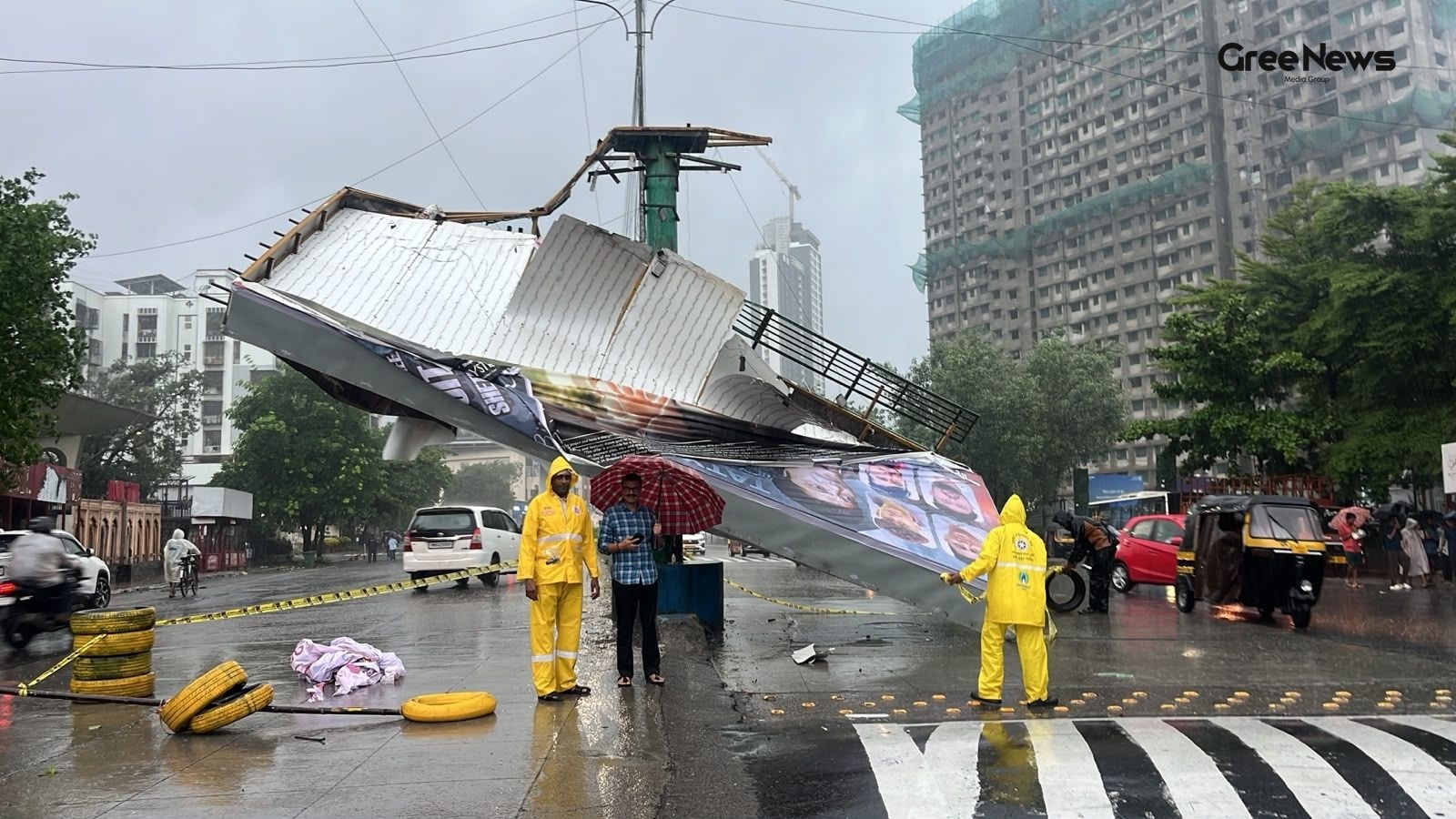
Road Collapse and Tragic Incidents in Mumbai
Visuals from the scene showed the massive sign lying right across the middle of the road. Cars couldn't move. Traffic was completely jammed up there. No immediate reports about anyone getting hurt in that specific collapse. Just the debris and the blockage for now. Police got there quickly after it
Jul 6, 2026 by Gree News Team
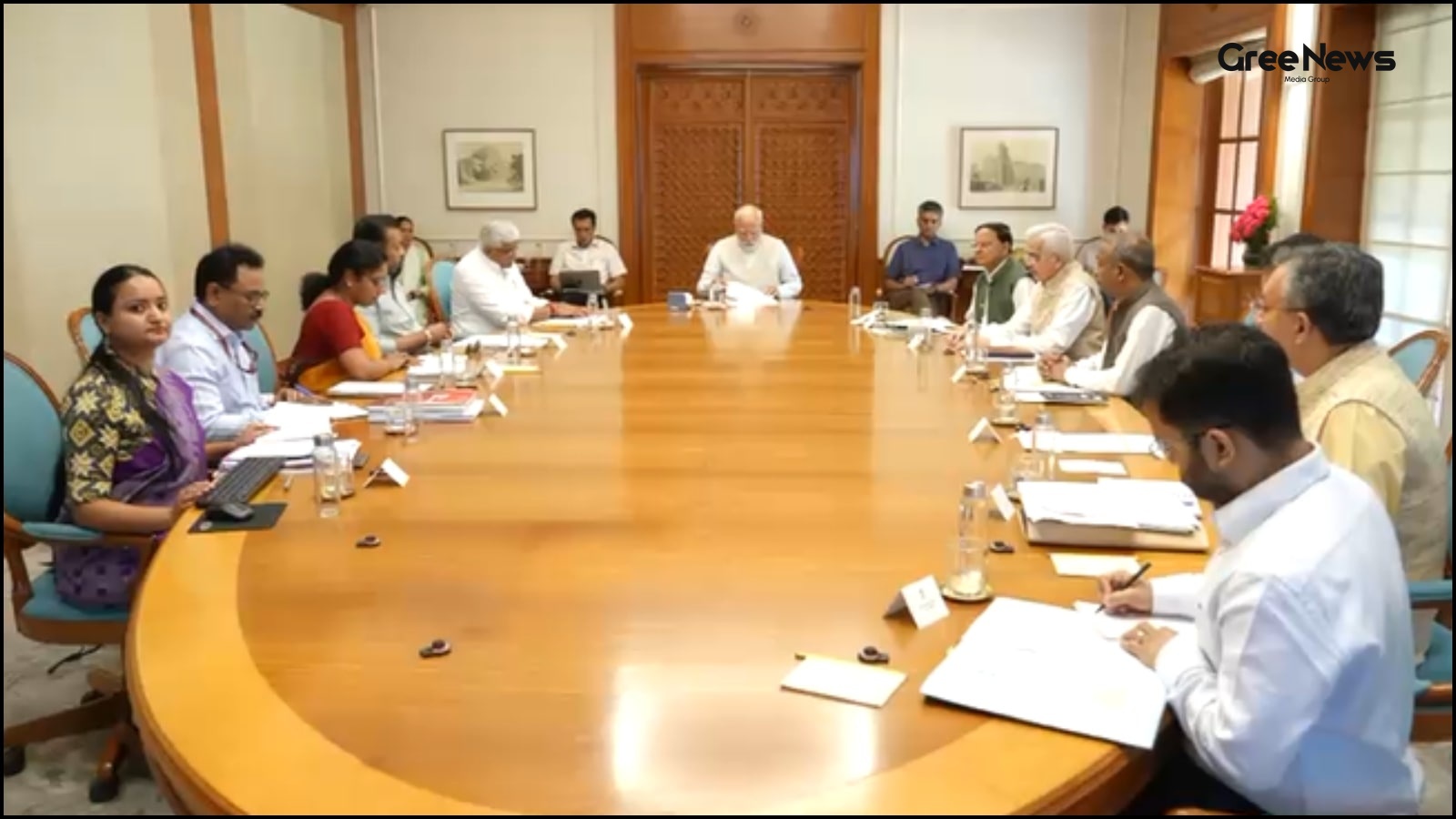
Analysis of Modi Cabinet Reshuffle Patterns
Modi Cabinet reshuffle talk is really picking up steam right now. People are talking about ministers being shuffled around, getting moved into different organizational spots within the BJP structure, or maybe even getting slotted into government roles. But here’s the thing, sources tell us it’s prob
Jul 6, 2026 by Gree News Team
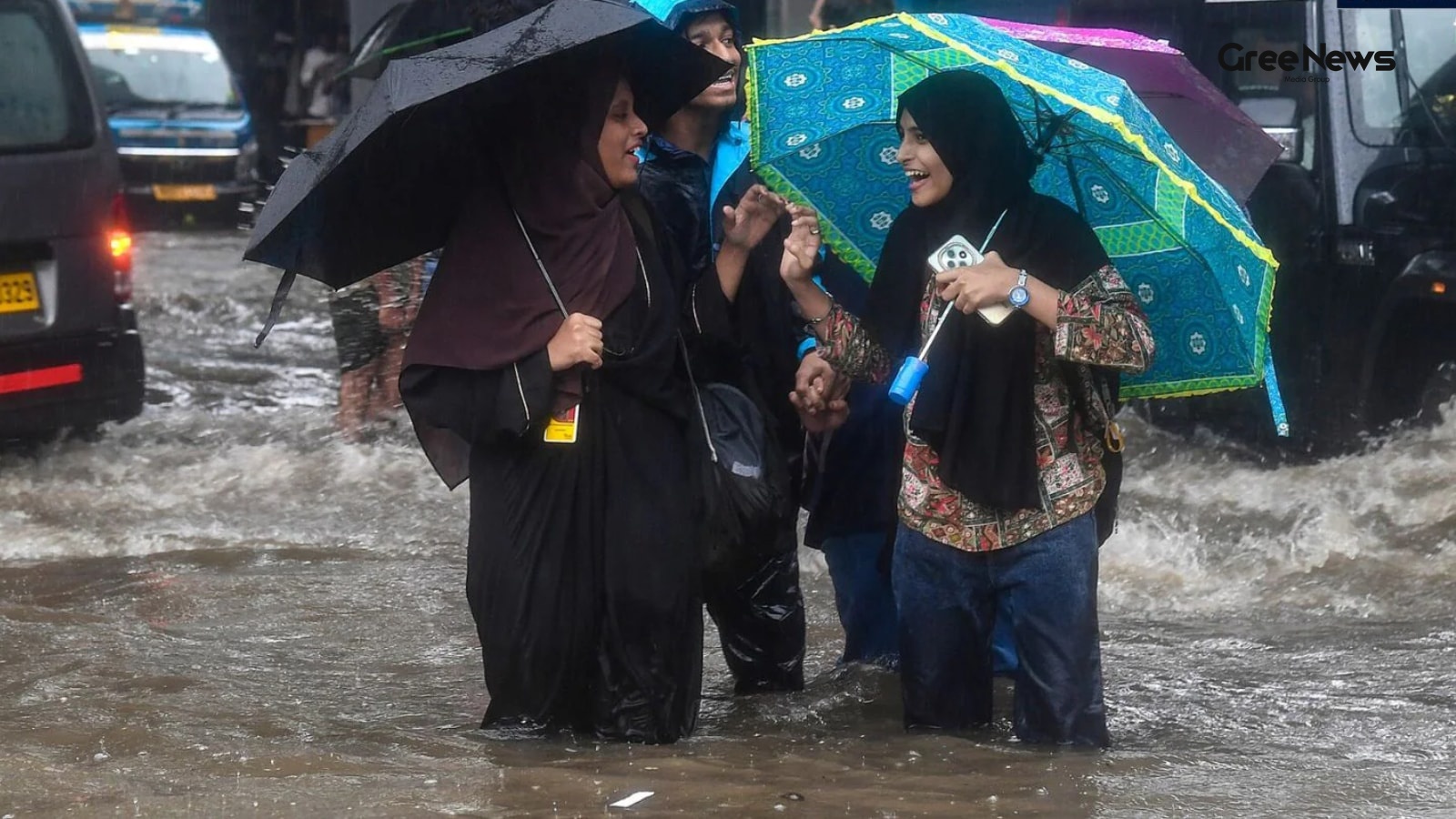
Mumbai Hit Hard by Deadliest Monsoon Spells and Landslides
Mumbai got hit hard this Monday. One of the deadliest monsoon spells they’ve seen, with at least ten people losing their lives because of the rain-related mess. Downpours just kept coming, bringing flooding, landslides, and total disruption across the whole Mumbai Metropolitan Region. Things really
Jul 6, 2026 by Gree News Team