The Anger Behind the World Cup: Controversy, Injustice, and Referee Protocol
Hossam Hassan was absolutely fuming. You could practically hear the rage radiating off him during that press conference after the results came in. It wasn't just disappointment; it was pure, boiling anger because his team had been eliminated from the FIFA World Cup 2026. A crushing defeat.
They lost three-two to Argentina. Reigning champions. The sheer weight of that loss hung heavy over Egypt. They were supposed to be on the cusp of something historic. Quarter-finals. That was the dream, wasn't it? You see these massive global events play out, and then you get this wreckage.
Before all that, there was the game itself. It felt like a total disaster from the start. Egypt had managed to build some momentum. They took an early 2-0 lead in Atlanta. A promising start, maybe. But Argentina just kept pushing. They mounted this incredible comeback. It was dramatic. Absolutely agonizing to watch.
It wasn't just the scoreline that caused the real explosion of anger, though. The whole contest felt poisoned by controversy. Hassan didn’t just want to talk about the goals. He claimed his team had been cheated. That accusation that feeling of being wronged it’s what really drove him to this point. It wasn't just a game lost; it felt like an injustice that was deliberately manufactured, or at least allowed to happen on the field.
Think about the moments leading up to those goals. The sequence of events feels disjointed now, doesn't it? You have to rewind and look at what actually happened, not just how people are framing it afterward. It’s messy. Really messy.
One specific moment sticks out, a flashpoint in that entire fallout. Egypt had managed to secure a 1-0 lead in the first half. Things looked good for them then. Then came the denial of a goal. Mostafa Zico was involved. He should have found the net. But VAR stepped in. It spotted something else entirely a foul on Lisandro Martinez during that build-up play. A decision made off the field, but it completely derailed Egypt’s momentum. It felt like an immediate betrayal. One moment they were ahead, the next everything shifted. Zico later found the net anyway, of course. That kind of contradiction just feeds the narrative of unfairness.
And then you have the other side of the argument swirling around: those alleged calls that went against them. Hassan wasn't just talking about goals being missed. He felt systematically undermined. There were claims serious ones that decisions made during the match played a massive role in determining that final, painful outcome for Egypt. It’s not an easy thing to process when you’re watching something so intense, but those claims stick with you. They suggest a level of manipulation that goes beyond simple bad luck or poor play.
Then there are the calls about penalties. The frustration escalated further when Egypt claimed they deserved a penalty. Allegedly, Alexis Mac Allister pulled Hamdy Farthy inside the box. A clear, visible action. If that was the case, why wasn't the call made? Why did the decision go against them at such a crucial juncture? It felt like an outright snub.
And of course, as if that wasn't enough frustration, things continued to spiral. Enzo Fernandez scored the winner. The moment it happened, it sealed Argentina’s fate. It kept their hopes alive for that World Cup title. And this winning goal felt tainted by all the preceding arguments. It was the final blow, and Hassan was left feeling completely cheated by the entire process.
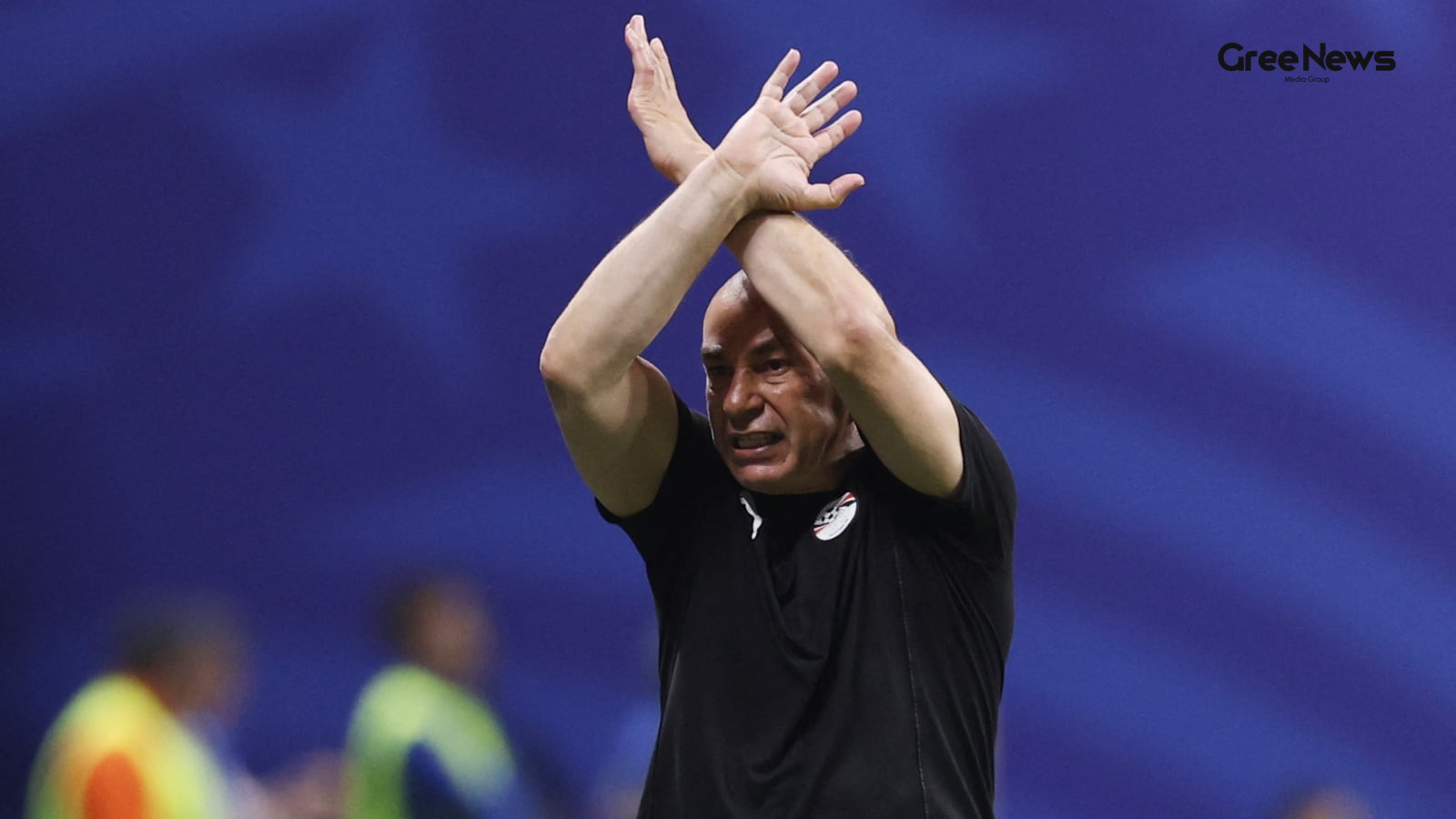
The reaction from the side of the referee, Francois Letexier, is another layer in this complicated mess. When Hassan reacted holding up both arms in that clear "X" shape it was a physical manifestation of that outrage. It was an internationally recognized signal for reporting racial abuse during a match. A direct appeal to FIFA’s protocols.
But the referee just looked past it. He ignored the gesture entirely before issuing a yellow card to Hassan. That dismissal, that lack of acknowledgment, added another layer of infuriating injustice. The system seemed to shrug off the protest entirely. It didn't validate the feeling of being wronged.
It forces us to look at what happens next, because the rules surrounding such gestures are incredibly specific, and they reveal a lot about how power operates in these high-stakes moments. People need to understand that mechanism, even if it feels deliberately opaque when it’s happening live.
Players and officials have this protocol for reporting racist abuse during play. It's not just some random gesture. They cross their arms at the wrists to form an "X." That simple action is supposed to trigger something immediate within FIFA’s system. Once that signal goes up, the referee isn't just left sitting there. He initiates a three-step protocol.
- First, he observes or receives a report of this abuse from a player or competition official. It’s based on what they see, what they hear. The reality of the situation unfolding in front of them has to factor in.
- Then comes the decision point. The referee decides whether to stop the match right there. Stop everything because of that gesture and whatever else was happening? Or does he let it continue? That choice is massive. It’s a decision between immediate intervention and letting the game flow on, even if something feels deeply wrong.
- If another incident happens after play resumes if things get worse, or if the abuse continues in some way the referee has more options. He can suspend the match. Stop it dead. Instruct both teams to go back to their dressing rooms. A complete halt. Then they have to wait for an announcement explaining exactly why this happened. The pause itself is heavy with implication.
- And finally, there’s the possibility of abandoning the entire match. If racism or abuse continues after play resumes, if the situation remains untenable the referee has that ultimate power to walk away from it entirely. To abandon it. That’s a huge lever, a final statement about what is acceptable in competition. It’s an option they have when things go completely off the rails.
It all connects back to Hassan's experience. He felt cheated by the flow of events. But the rules governing how misconduct is reported and handled feel just as frustratingly arbitrary when you watch them applied, or ignored. The system exists, these protocols exist for a reason. They are supposed to provide order, but in moments like this moments soaked in raw emotion, where people feel they have been wronged by the very structure of the game the rules often feel distant and ineffective.
The difference between what happened on the pitch and how the official system processes it is vast. One is immediate, visceral pain. The other is a slow, bureaucratic dance around protocol. Hassan’s rage wasn't just about the score; it was about the perceived failure of that structure to protect him or validate his experience in that moment.
It makes you wonder what happens when real human feeling slams into rigid international regulation. Does the procedure matter more than the pain? Or does the system inherently fail those who are most emotionally affected by the outcome? That's the messy reality unfolding behind every controversial call, every missed penalty, and every frustrated gesture made under the glare of the stadium lights.
The performance of control in a game is often just that a performance. It’s supposed to be fair, balanced, objective. But when you see the aftermath the anger, the claims of cheating, the procedural rules hanging uselessly over an emotional breakdown you realize it's rarely clean. It’s human drama played out under layers of expectation and regulation. And that’s where the real story lies, far beyond the simple 3-2 scoreline.
Written by Gree News Team — Senior Editorial Board
Gree News Team covers international news and global affairs at Gree News. Our collective of senior editors is dedicated to providing independent, accurate, and responsible journalism for a global audience.
More from Sports
View All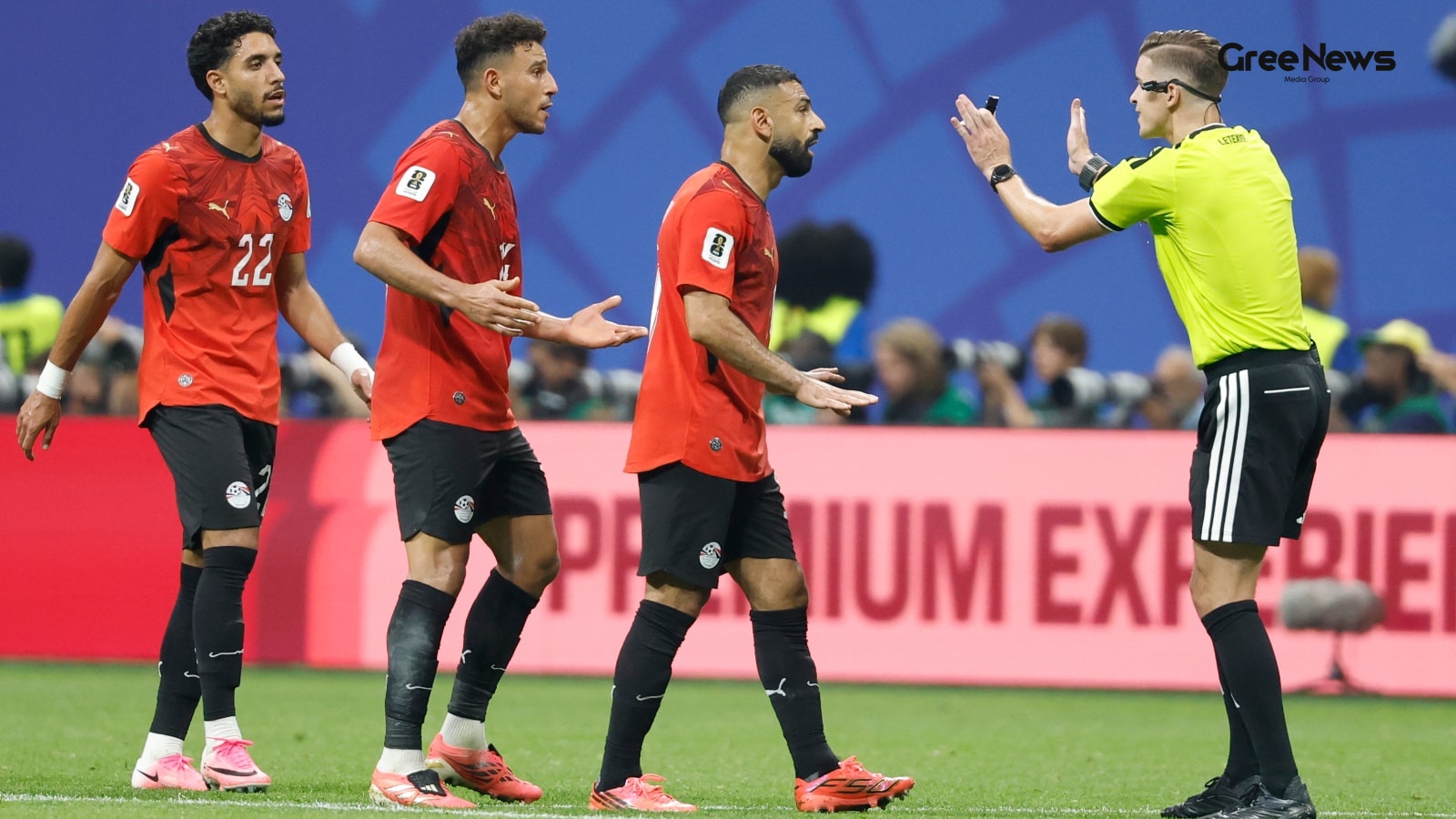
Controversy and Accusations in the Egypt vs. Argentina Match
Those calls during that last-16 game between Egypt and Argentina felt utterly debatable. Social media was blowing up with people shouting about favoritism, especially after Garry Kasparov started throwing around accusations. Mostafa Zico got chalked out as a goal thanks to VAR intervention; Lisandro
Jul 8, 2026 by Gree News Team
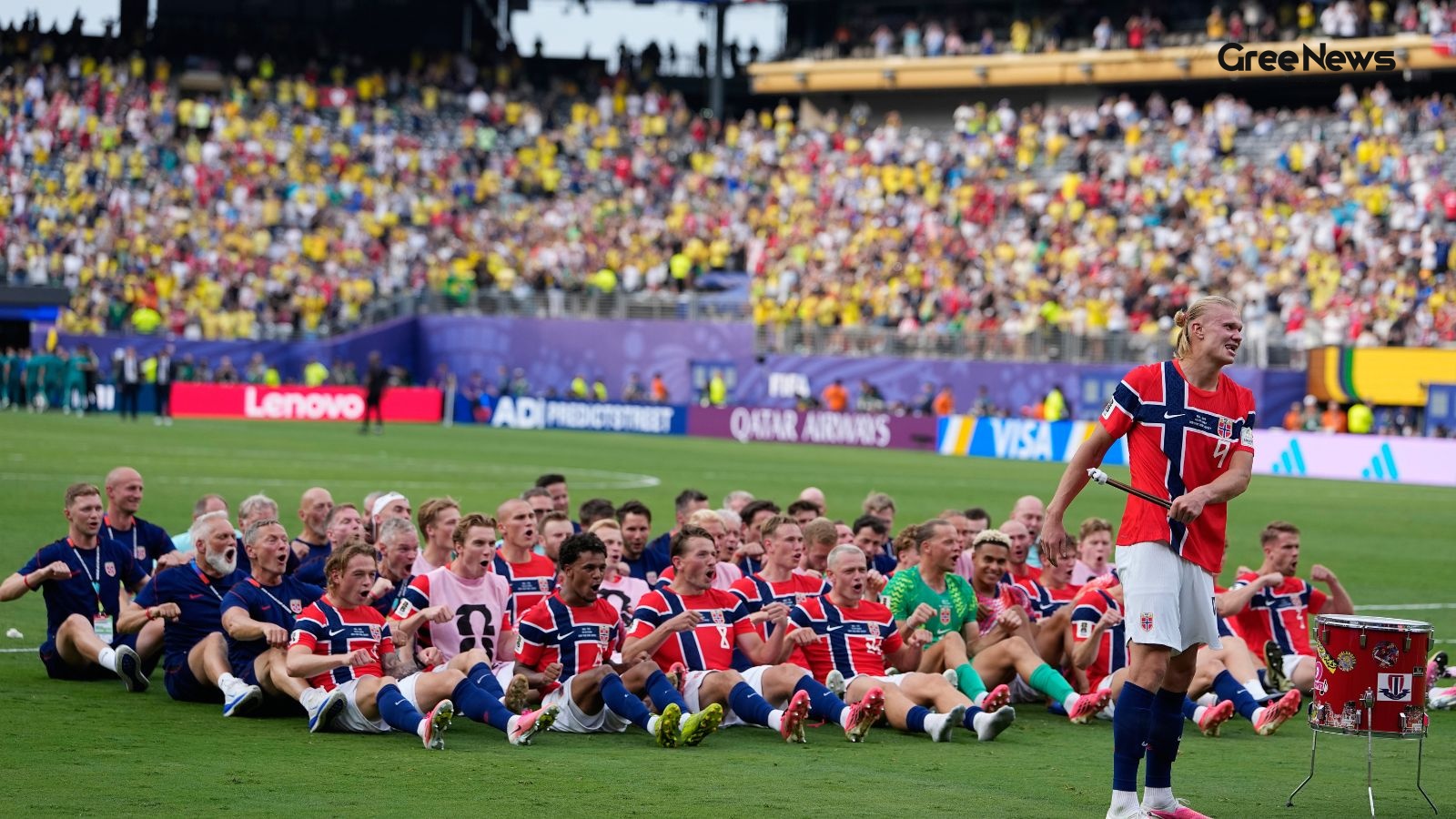
Erling Haaland's Masterclass: The Celebration Against Brazil
Erling Haaland took over the drumroll duties from Martin Odegaard after their huge win against Brazil in the Round of 16. It was a massive celebration with the fans at the New Jersey stadium, that familiar Viking Row showing up again. Thousands of Norwegian supporters moved together, mimicking rowin
Jul 6, 2026 by Gree News Team
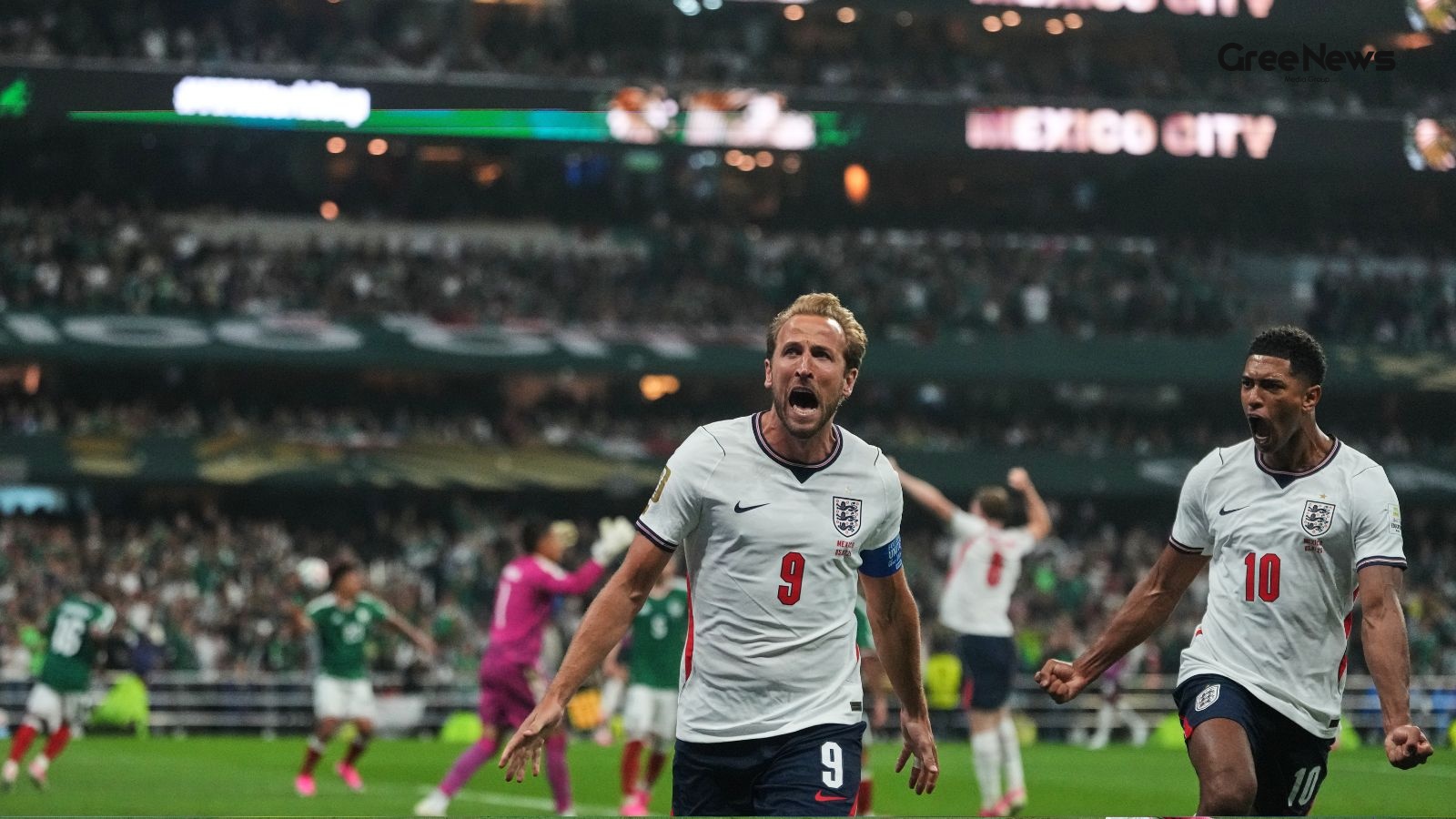
Harry Kane's Historic Performance in the World Cup
Harry Kane, England captain he did something historic on Monday. He became the first player ever since '66 to score a penalty and then concede one in a World Cup game. All in one match. He scored the winner for England from the spot, but he also fouled Brian Gutiérrez, leading to another penalty bei
Jul 6, 2026 by Gree News Team
Coco Gauff and the Battle Against Time at Wimbledon
The clock really doesn’t matter in tennis. Matches end when someone wins the last point. Period. But at Wimbledon, things changed. On Centre Court, time suddenly became Coco Gauff’s main opponent. There was that looming threat: the strict 11 p.m. curfew at the All England Club. It felt like a physic
Jul 6, 2026 by Gree News Team
Latest Headlines
Shahid Kapoor and Ahmed Khan: The Story of Friendship and Collaboration
Shahid Kapoor and Ahmed Khan. Their friendship started way back, childhood stuff. Ahmed was the one who choreographed Shahid in his first big screen thing that iconic 90s pop track by Aryans that featured him and Hrishitaa Bhatt. Instant heartthrob status right there. They kept collaborating on a fe
Jul 8, 2026 by Gree News Team

Inquiry into Alleged Donation Messes at Badrinath Temple
The Uttarakhand government just kicked off a big inquiry. It’s about alleged messes with donations at the Badrinath Temple. Really high level stuff. Meanwhile, the Shri Badrinath-Kedarnath Temple Committee BKTC did something else too. They suspended one of their staff members, Pramod Nautiyal. An FI
Jul 8, 2026 by Gree News Team
The Freedom and Debate of Remote Work
Remote work. It’s become this huge thing for professionals lately. Some companies are pushing back, asking people to come back in, but others just let things stay flexible. People still get to work wherever they want. One entrepreneur has a story about how remote life completely flipped everything a
Jul 8, 2026 by Gree News Team

The Messiness of Reporting and Shifting Narratives
It’s always messy, isn't it? Trying to report things feels less like building a structure and more like catching pieces as they fall. You don't get clean lines anymore. Everything gets jammed up. We were tracking these shifts in the background, you know? Not some neat timeline with clear cause and e
Jul 8, 2026 by Gree News Team

US Strikes Against Iran and Impact on Oil Markets
Oil prices jumped again this week after the United States kicked off another series of strikes against Iran on Tuesday. This happened right after there were attacks on shipping in that crucial Strait of Hormuz. The military unleashed what they called “powerful strikes,” hitting eighty targets across
Jul 8, 2026 by Gree News Team
Geopolitical Deadlock: Conflict, Economics, and Rituals in the Middle East
The air in Tehran felt thick lately. Heavy with unspoken threats and a kind of simmering, almost exhausted defiance. It’s hard to process what’s happening when you look at the sheer volume of noise coming from the Middle East right now. You just keep watching. Deputy Mayor Hamidreza Gholamzadeh, he
Jul 8, 2026 by Gree News Team
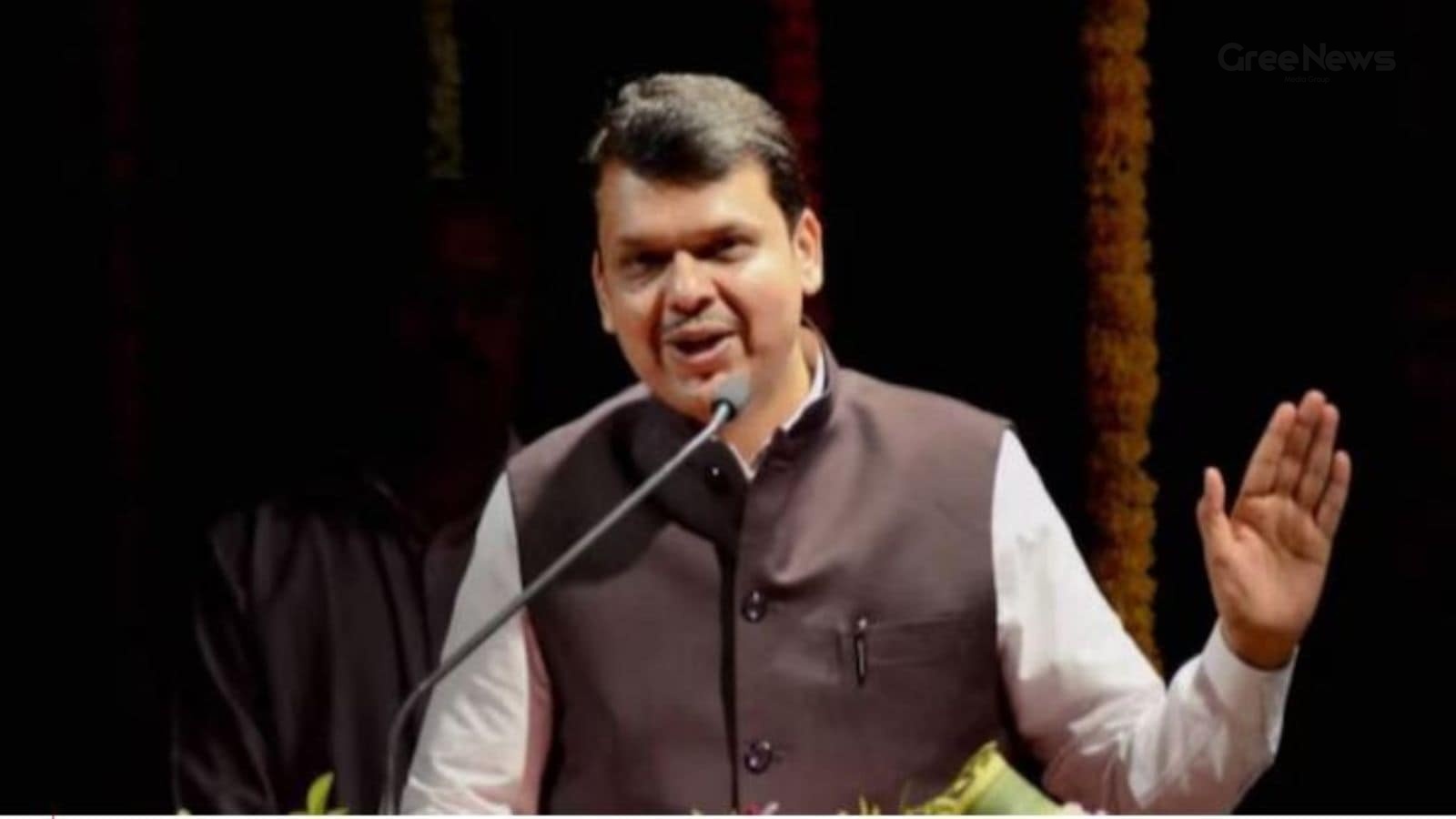
Political Speculation and Denial in Maharashtra: The Dynamics of Alliance Stability
Devendra Fadnavis threw a bit of shade this week. He was talking about some noise swirling around in Delhi that whole idea that the BJP was trying to pull the Sharad Pawar-led NCP-SP into the NDA fold. It’s always something, isn't it? These political currents just keep shifting, creating these phant
Jul 8, 2026 by Gree News Team
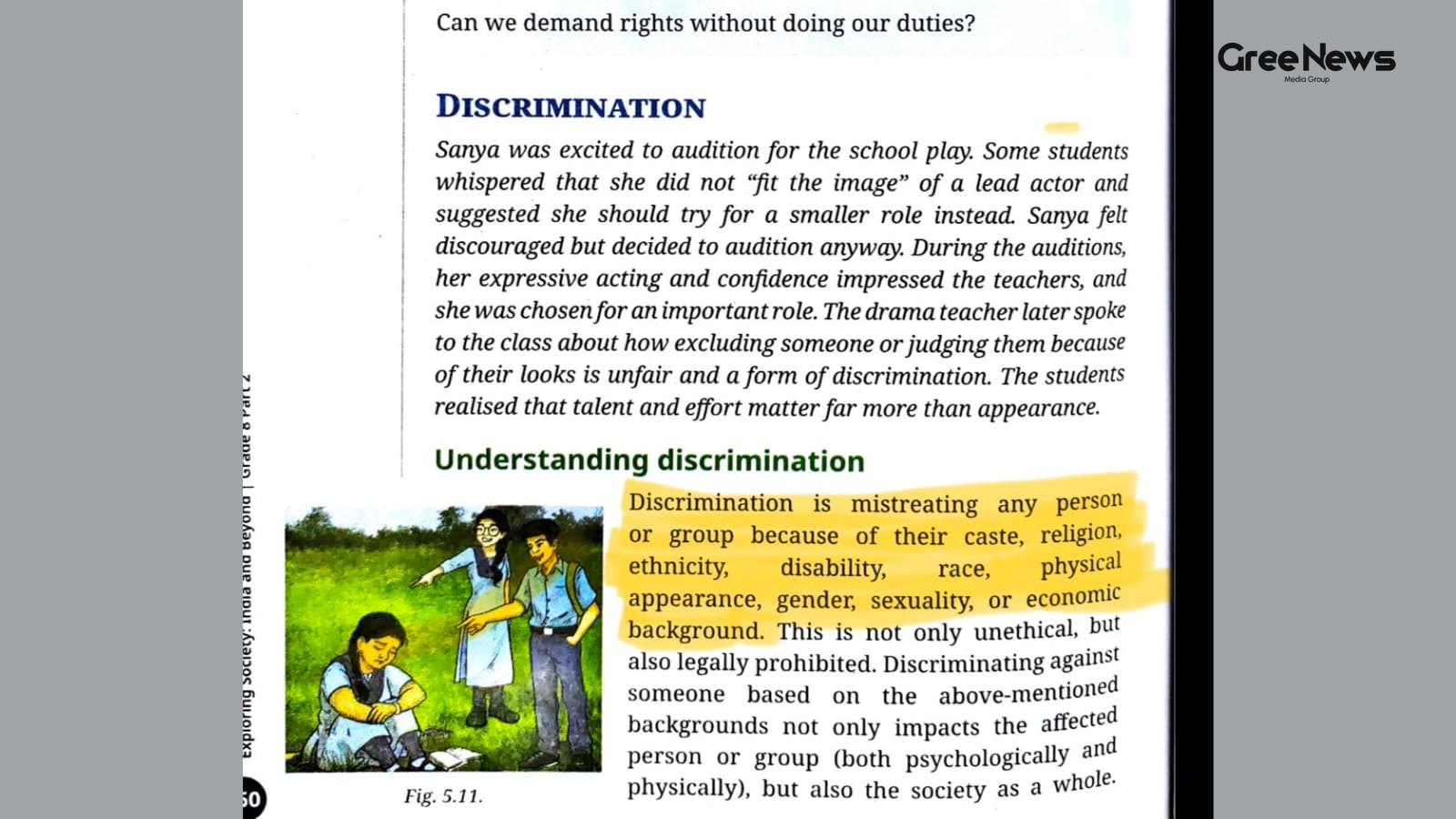
Recognizing Economic Background as a Reason for Discrimination in Education
The National Council of Educational Research and Training, they just rolled out this change in the Class 8 Social Science textbook. It’s significant. They decided to explicitly recognize economic background as a real reason for discrimination. Put it right alongside caste, religion, race, gender, di
Jul 8, 2026 by Gree News Team
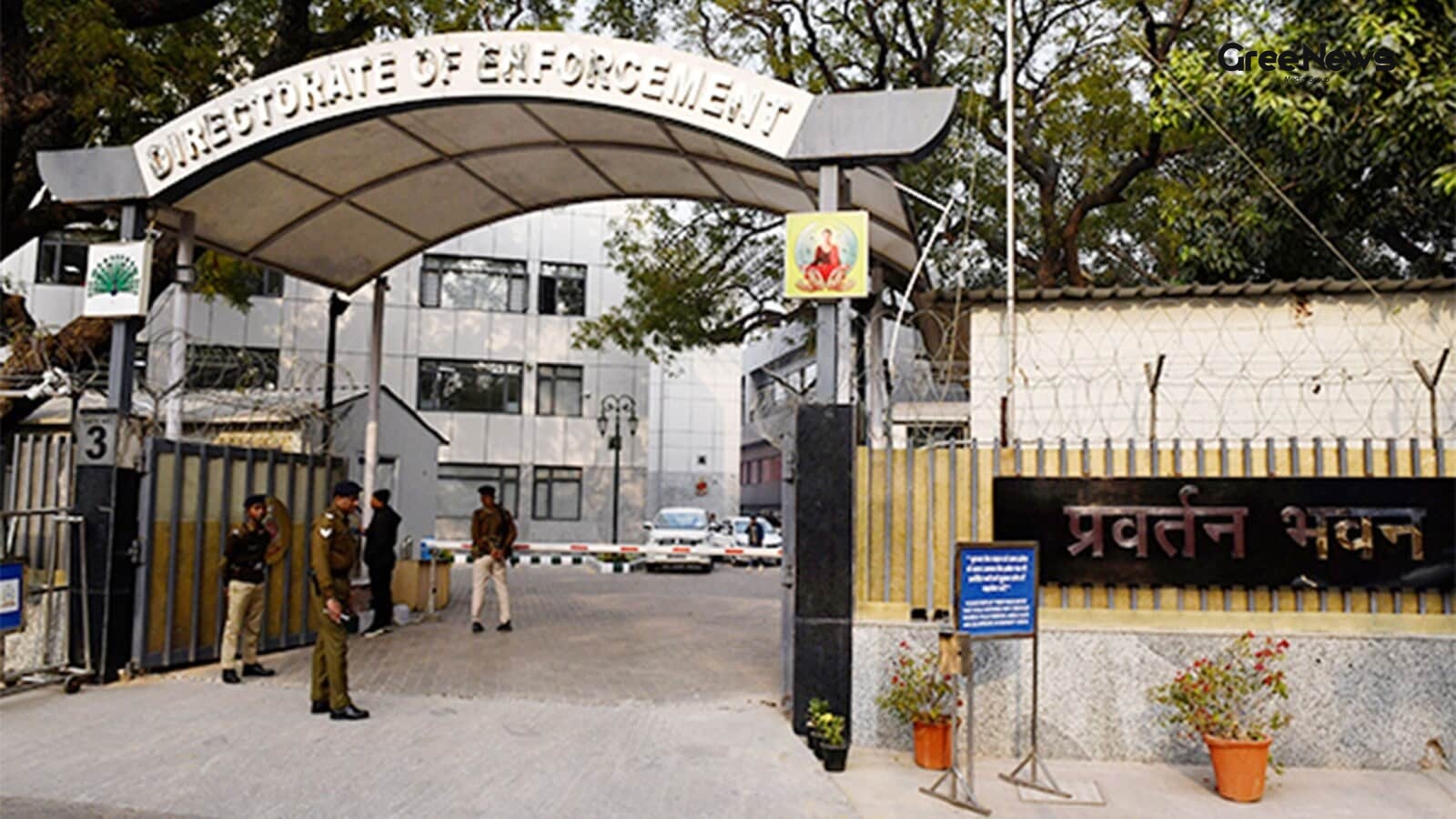
Enforcement Directorate Probe into Money Laundering and Aircraft Deals
An Agusta 109 SP helicopter purchase. That’s where the Enforcement Directorate’s money laundering probe against the Trinamool Congress hit. Investigators are alleging that party funds were shuffled through an aviation company before landing in high-value aircraft deals. It's a tangled web, you see.
Jul 8, 2026 by Gree News Team

Dipika Kakar's Cancer Recovery Journey and Ongoing Treatment
Dipika Kakar’s recovery isn't some neat timeline marked by a single surgery or when the doctors finally stamp 'success.' It’s just… ongoing stuff. Regular hospital trips. Those IV infusions. Choosing to keep moving, one slow step at a time. She recently gave fans another look behind the curtain, sho
Jul 8, 2026 by Gree News Team

Google Pixel Launch Predictions and Hardware Updates
Google’s gearing up for that next big Pixel launch. It’s scheduled for next month. They’ll be showing off the new Pixel 11 series, naturally, but you’ll also see stuff like the Pixel Watch 5 and even the updated Pixel Buds version creeping in there too. It always is the Made by Google event. That’s
Jul 8, 2026 by Gree News Team
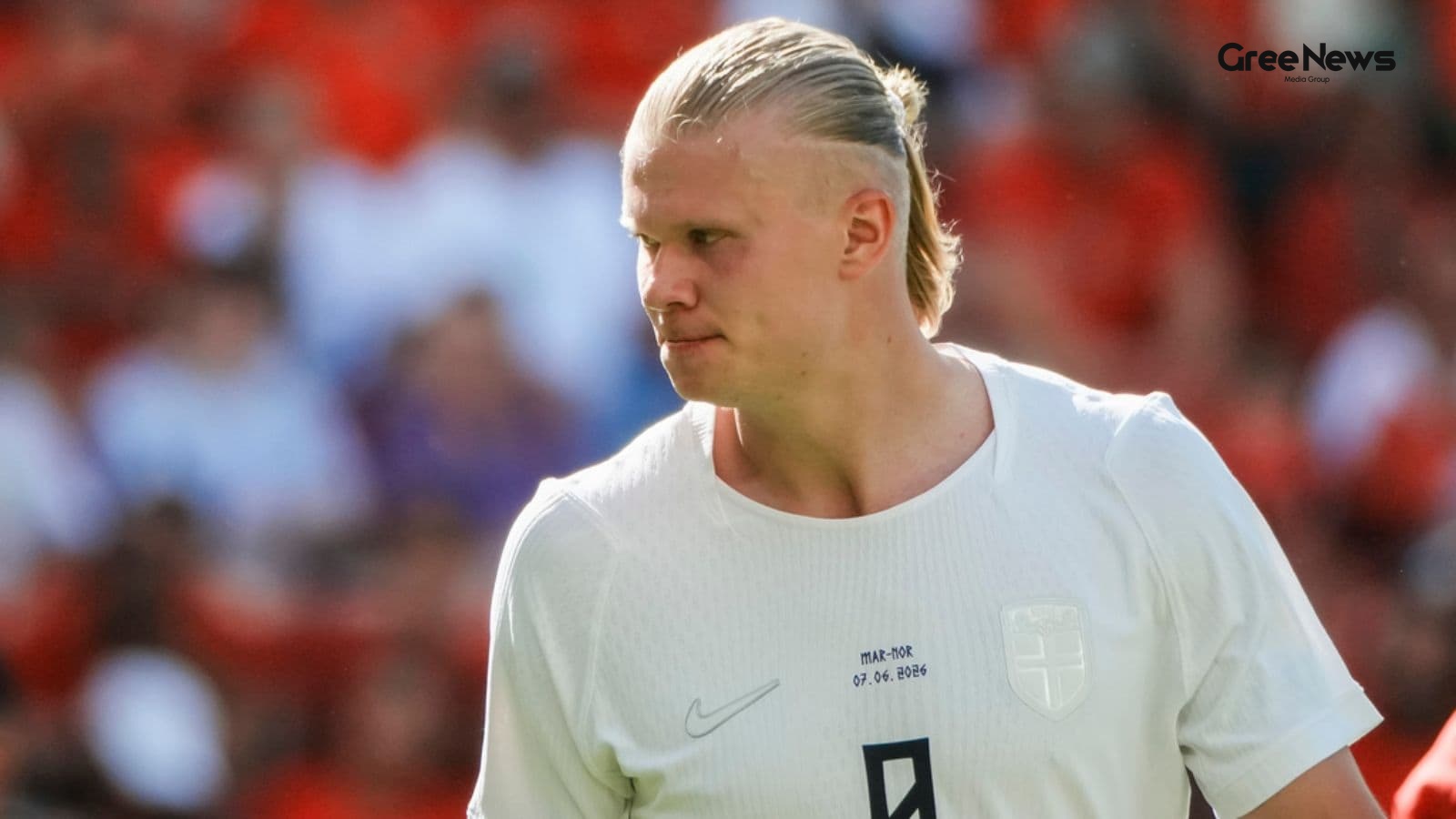
Erling Haaland: The Diet, Discipline, and Indulgences of an Elite Footballer
You hear Erling Haaland’s name constantly these days. Even if football isn't your thing, you catch it. He’s been on fire at the World Cup 2026. Goals kept rolling in. Two goals against Senegal in Norway. A tight game, 3-2. And he ended up being one of those rare players just the sixth person ever to
Jul 8, 2026 by Gree News Team

Market Plunge Driven by Geopolitical Tensions and Oil Spike
Markets took a serious hit Wednesday afternoon. Domestic equity markets just tumbled over two and a half percent. All because fresh geopolitical tensions flared up in West Asia. Investor mood shifted fast. It all kicked off after President Trump dropped some heavy remarks about the memorandum of und
Jul 8, 2026 by Gree News Team

Prabhas Mondal Shot Dead During Crime Scene Reconstruction
Prabhas Mondal was shot dead. That’s what happened during a police encounter while they were trying to reconstruct the crime scene related to the brutal rape and murder of a 12-year-old girl in West Bengal’s Baruipur. The police said they left the station with him, Prabash Mondal, around midnight, m
Jul 8, 2026 by Gree News Team
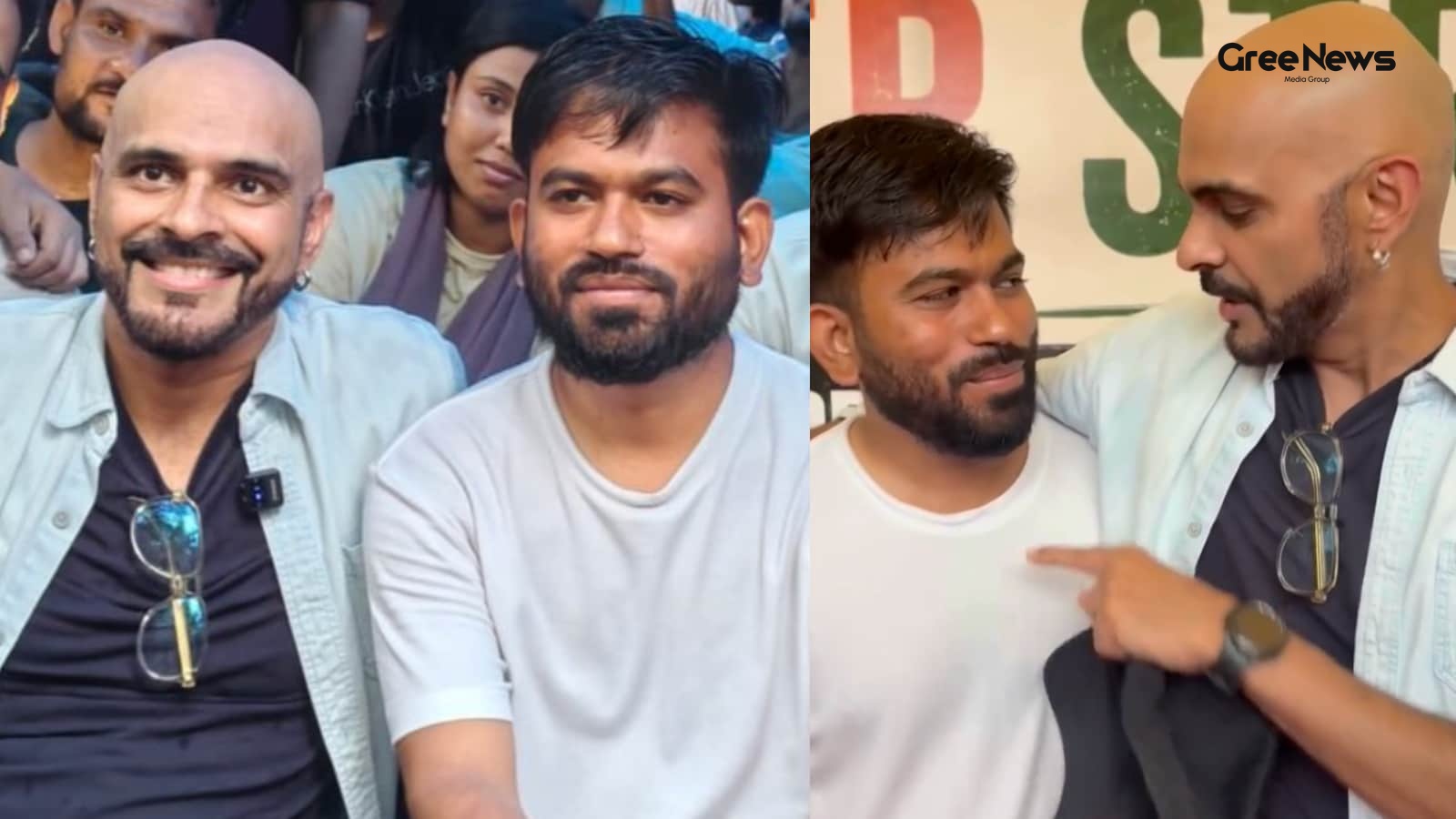
Mistaken Identity and Social Media Madness: The Story of Raghu Ram and Abhijeet Dipke
A bit of a complete mess happened recently involving some old TV clips and social media madness. It started with a total case of mistaken identity, which somehow ended up being pretty hilarious. Raghu Ram, who used to be that Roadies gang leader, and Abhijeet Dipke, the founder of the Cockroach Jant
Jul 8, 2026 by Gree News Team