Meta's Muse AI Image Generator: Privacy Concerns and History

Meta just dropped a new AI image generator , and honestly, it’s already making people uneasy. It goes way beyond the usual arguments about whether the images look good.
On Tuesday, they rolled out Muse Image. It came from Meta Superintelligence Labs, their internal research unit. They internally called it Mango while it was being built. Now it’s free to use across the Meta AI app, Instagram Stories, and WhatsApp.
So what does Muse actually let you do? At its core, it functions like those other image generators you’ve probably played with before. You can make fun cartoon stuff. Experiment with different styles. Just play around with ideas. If you get stuck on what to type, Meta threw in these "presets" ready-made prompts meant to kickstart your imagination.
It also handles prompt-based editing. You can tweak existing photos just by typing simple instructions. They showed an example of this pretty clearly. Like, asking it to mock up a picture of you standing in front of some historical landmark. Or trying to cleanly erase a photobomber from the background. Even writing a custom prompt to build something functional, like a QR code.
There are some genuinely useful sides to it too. Think about building custom ads. AI has been creeping into advertising for a while now. Then there’s the practical stuff interior decorating ideas. One of Meta’s own videos showed someone using Muse to picture what a secondhand couch might look like sitting in their garage before they even bought it. That feature is tied right into Facebook Marketplace, where people trade used furniture and items.
But here’s where things get really thorny. The part that’s causing the real headache. Muse has a feature that lets users manipulate other Instagram users’ photos using AI. This only works if the person's profile is public. You just tag them, and Muse can pull their picture to generate a whole new AI image.
The Verge was quick to point out how invasive this could be. And people online reacted pretty sharply. One user on X put it dead simple: “Pulling real users into generated photos without explicit consent? That’s a privacy landmine waiting to detonate.”
Meta's official stance is that people can create content using their Instagram stuff with AI features. But they added this kicker: “you will not be notified about content created using AI features at Meta.” So if someone uses your public photo for something, you won't get an alert.
And there’s the fine print on control. Meta says users have some say here. There are settings to opt out of having your pictures used this way. The kicker is that it defaults to on. It’s switched on by default unless you actively go into those settings and flip the switch off yourself.
This whole situation feels worse because of where Meta has been. Their past privacy record really fuels these strong reactions.
Remember 2019? They paid a massive five billion dollar fine to the FTC. Regulators found that Cambridge Analytica had improperly scooped up data from tens of millions of Facebook users without anyone knowing, just to build political targeting profiles before the 2016 election. And what was grim about it? Reports suggested Facebook knew about this misuse for years before it became public knowledge.
Then there’s another piece of history. Back in 2021, Meta shut down their facial recognition system. It was a tool that automatically recognized people in photos and videos. That system had been under lawsuits and regulatory pressure because of how it collected biometric data without proper permission.
When you look at Muse’s ability to tag public photos and use them this way, it just fits into that pattern. Mass use of personal data by default unless you make a huge effort to turn it off.
And don't forget what else is coming. Alongside the image generator, Meta is pushing out new AI effects for Instagram Stories. These are powered by the same Muse tech and they bring more privacy worries with them. Think customizable filters that can mess with existing photos right inside Stories.
Meta says using Muse is free for casual stuff now. But eventually, you’ll need a paid subscription once you hit certain limits. They also confirmed that Muse Video, probably an AI video generator, is already in development, though details on that are still pretty thin right now.
This isn't just one thing. It's part of a string of AI products Meta has released this past year. There’s the Creator AI assistant and Pocket, which lets people build simple video games using AI with almost no coding. All this activity is happening while critics point out that Meta’s overall AI strategy feels scattered. They keep pouring serious money into the infrastructure, but it seems disorganized.
For now, if you're an Instagram user with a public profile, maybe check those Muse settings directly. See if your photos can be used like this. Don't just assume you’re automatically safe.
Written by Gree News Team — Senior Editorial Board
Gree News Team covers international news and global affairs at Gree News. Our collective of senior editors is dedicated to providing independent, accurate, and responsible journalism for a global audience.
More from Tech
View All
Apple and Broadcom's Massive Investment in US Manufacturing
Apple just pulled off another massive play, betting some serious money on building things right here in America. This isn’t just some small partnership; it’s a multiyear deal with Broadcom that blows past thirty billion dollars. The aim? Designing and actually producing over fifteen billion custom w
Jul 9, 2026 by Gree News Team

Google Pixel Launch Predictions and Hardware Updates
Google’s gearing up for that next big Pixel launch. It’s scheduled for next month. They’ll be showing off the new Pixel 11 series, naturally, but you’ll also see stuff like the Pixel Watch 5 and even the updated Pixel Buds version creeping in there too. It always is the Made by Google event. That’s
Jul 8, 2026 by Gree News Team

New Voice Controls in iOS 27 Developer Beta
Apple just dropped something. A real peek at how useful these new voice controls are if you talk to Siri all the time. It’s in the latest iOS 27 developer beta. You can actually control *how* Siri talks now, not just which voice it pulls from the menu. That’s a big shift. In this iOS 27 beta 3 stuff
Jul 8, 2026 by Gree News Team

Amazon Prime Day 2026 Home Appliance Deals and Discounts
Amazon Prime Day 2026 is winding down now. It’s one of those last chances to snag home appliances at seriously discounted prices. But trying to figure this out? That's where it gets complicated fast. You’ve got QLED TVs, Mini LEDs, AI washing machines, Wi-Fi fridges, inverter ACs... all the brands a
Jul 6, 2026 by Gree News Team
Latest Headlines

Negligence and Trauma: The Story of the Fitness Club Incident
The story about what happened at that fitness club in Southern California… it’s honestly just too much to process. A daycare employee, someone working somewhere associated with The Bay Club, allegedly threw a toddler a two-year-old kid, maybe twenty-three months old right into the air and missed cat
Jul 9, 2026 by Gree News Team
Justin and Emily Baldoni: Reflection on Celebrity Disputes and Legal Battles
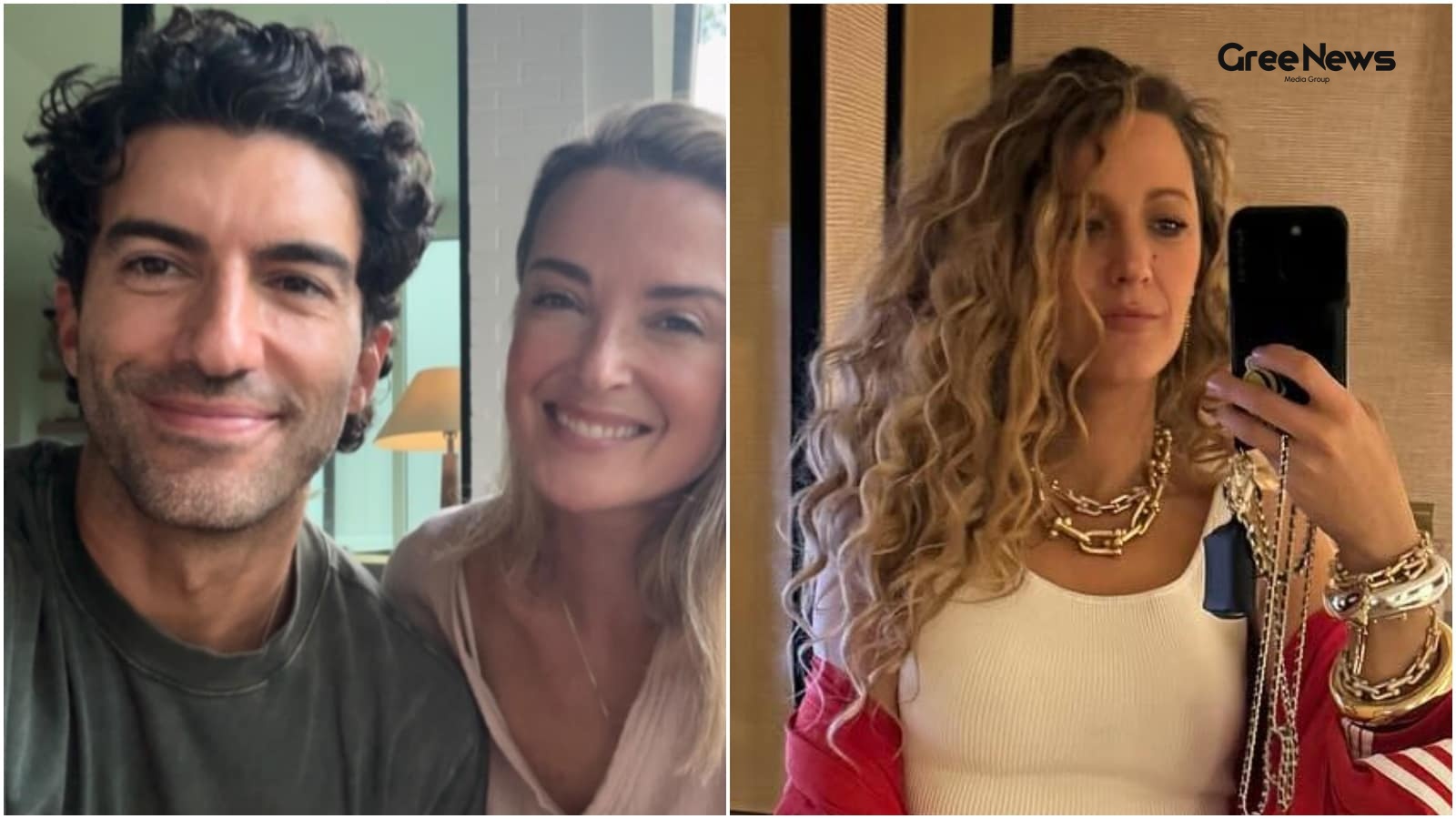
The silence, you know. It’s heavy. Especially when you look at something that explosive a whole legal mess involving big names, accusations, and a movie that was supposed to be about something else entirely. Justin Baldoni and Emily Baldoni finally decided to open up about it, after nearly two years
Jul 9, 2026 by Gree News Team

Market Rally Amid Geopolitical Tensions and Easing Volatility
Things were moving fast on Thursday. Despite the oil prices climbing and that whole Iran-US mess heating up missiles flying around, the Strait of Hormuz getting shut down, contracts cancelled India’s main market indices actually managed a rally. They jumped over 650 points overall, after dipping jus
Jul 9, 2026 by Gree News Team

Ram Kapoor, Ageism, and Personal Struggles
Ram Kapoor actually dropped some heavy stuff recently. It wasn't just about acting; it was about how he and his wife Gautami dealt with something really unfair in the industry ageism. This came out during a private chat, a little tête-à-tête, with co-contestant Akanksha Chamola. The air felt thick w
Jul 9, 2026 by Gree News Team

Tensions and Disruptions in the Middle East
Train lines between Tehran and Mashhad are shut down. Iranian officials said a section of the railway was damaged in what they called a US attack. They're working on fixing it now. Technical teams are out there, trying to repair the track. They keep saying they want to get the route back up “in the
Jul 9, 2026 by Gree News Team
Modi’s Trip to Australia and the Growing Partnership
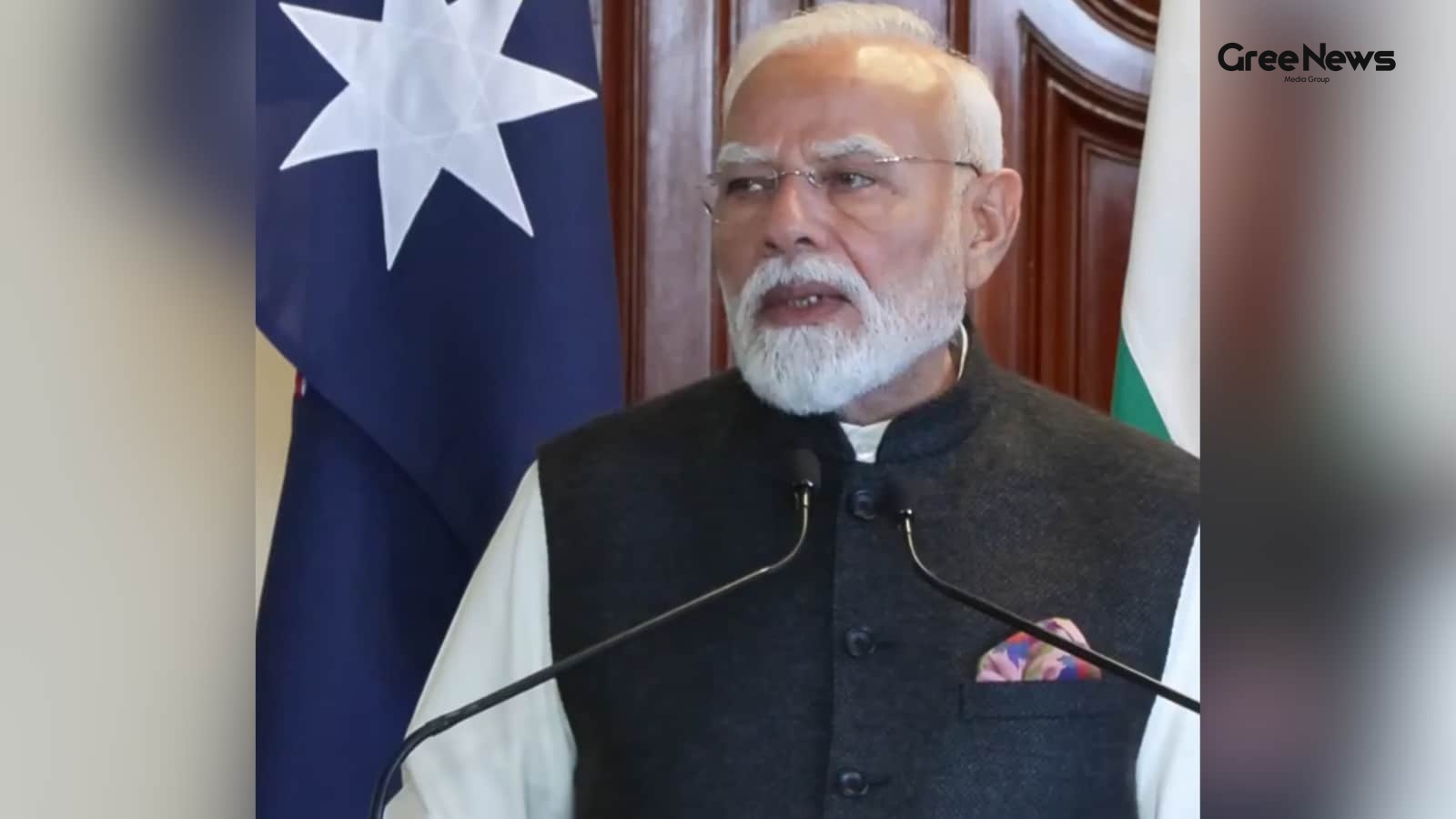
Modi’s trip to Australia... things were moving fast there. He just wrapped up addressing the India-Australia CEO’s Forum in Melbourne this morning. And of course, Anthony Albanese was there too. It felt like a real moment for that forum, you know? A sign of that economic partnership actually gaining
Jul 9, 2026 by Gree News Team
Latest Weather Updates Across India
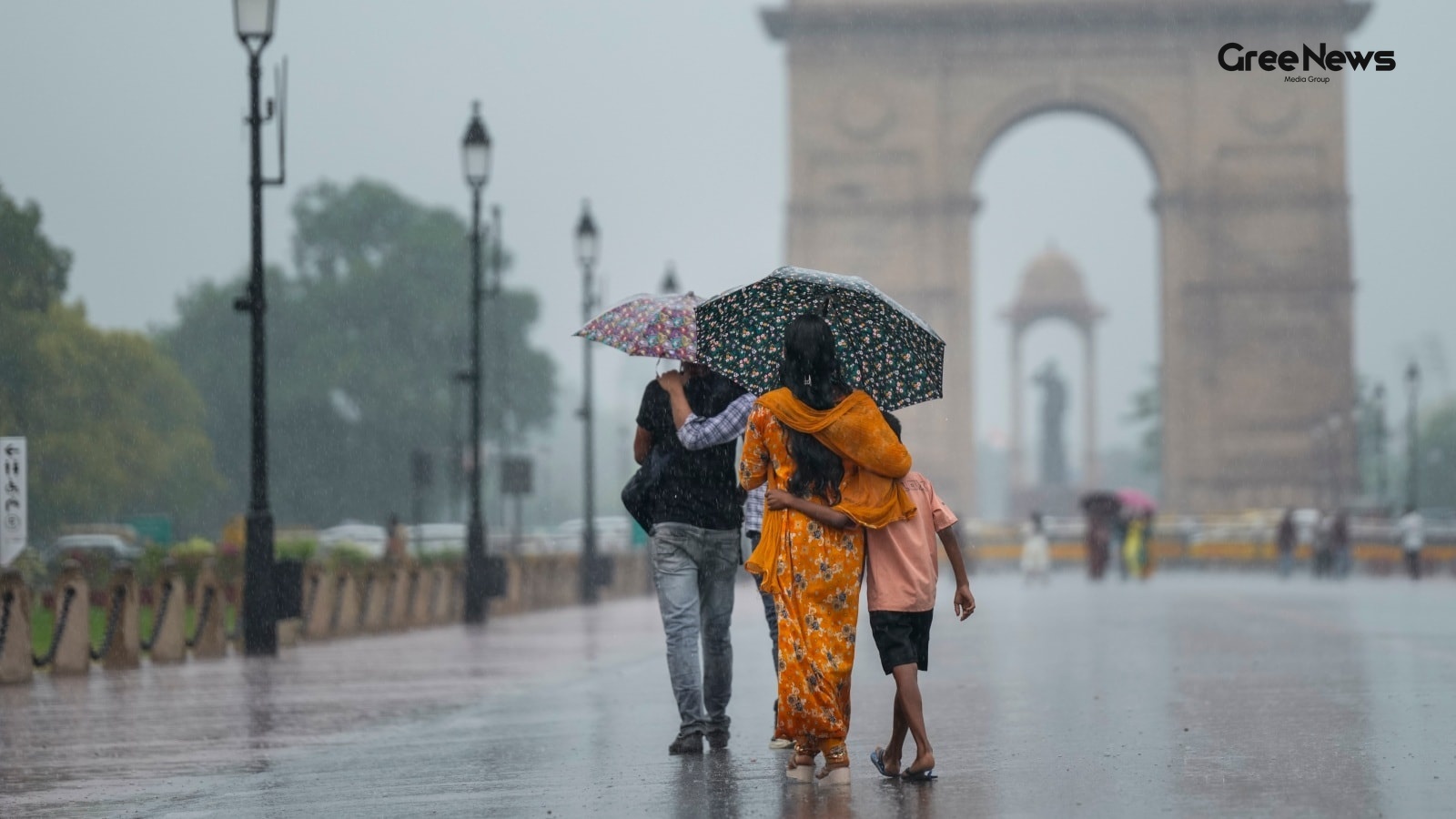
Weather updates are moving fast. Delhi got another downpour Thursday morning. Noida and Ghaziabad, though? They’re just Yellow. Still expecting heavy rain for most of the day. It’s not just north. Haryana, Chandigarh, Delhi, and western Uttar Pradesh are seeing widespread rain stretching through Jul
Jul 9, 2026 by Gree News Team
Southwest Monsoon Update and Rainfall Data
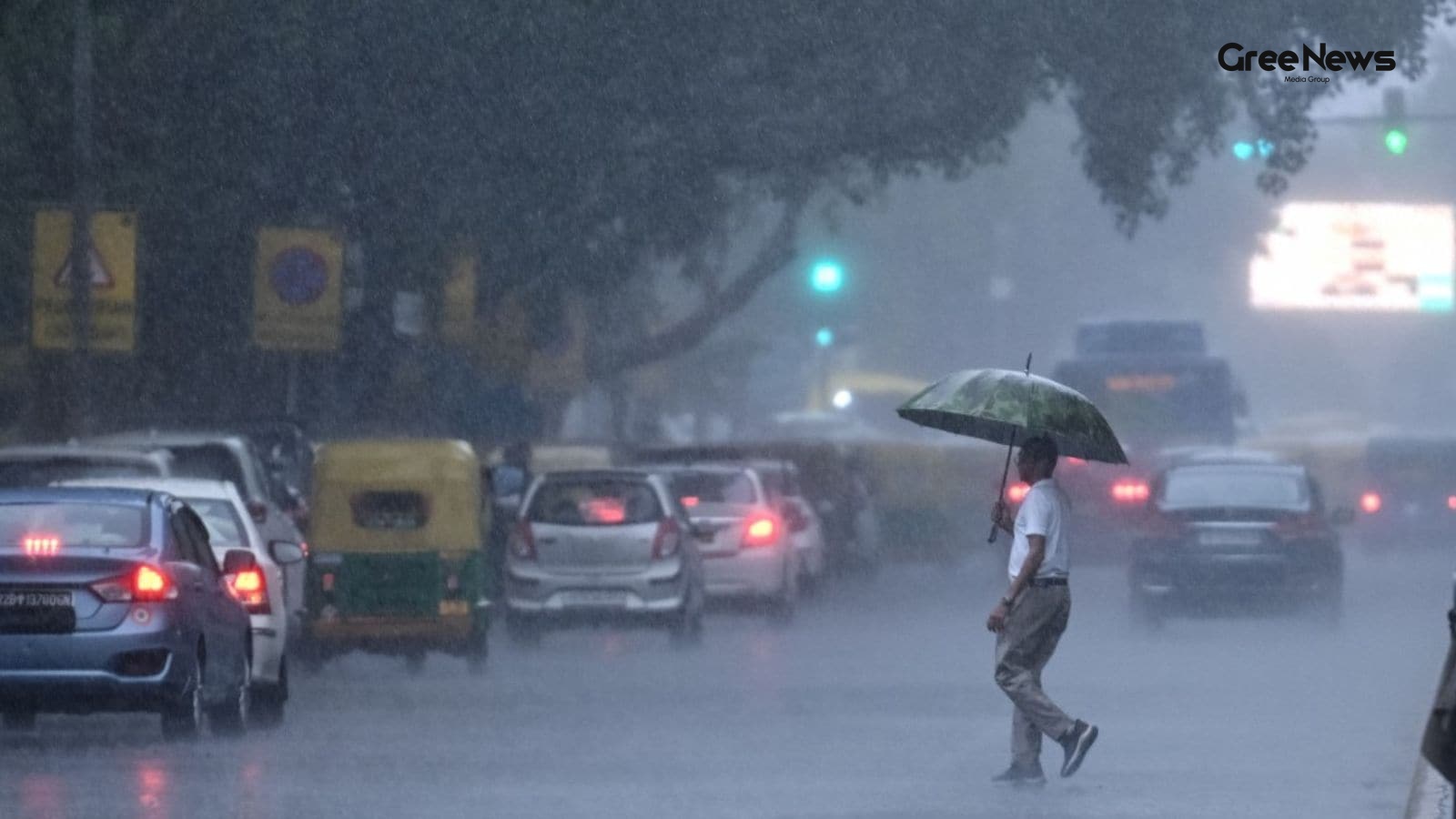
Weeks of eluding the country, and now the southwest monsoon is finally pushing back. Heavy rainfall has started rolling in across the past week. It’s brought some relief, cutting that massive national deficit down to fifteen percent overall. But the picture is complicated. India just had its fifth d
Jul 9, 2026 by Gree News Team
Apple and Broadcom's Massive Investment in US Manufacturing
Apple just pulled off another massive play, betting some serious money on building things right here in America. This isn’t just some small partnership; it’s a multiyear deal with Broadcom that blows past thirty billion dollars. The aim? Designing and actually producing over fifteen billion custom w
Jul 9, 2026 by Gree News Team

Heavy Monsoon Rain Causes Widespread Waterlogging and Traffic Chaos in Delhi NCR
Heavy monsoon rain hit Delhi and the entire NCR this morning. It just lashed down. Roads got submerged fast. Traffic snarled up across the region as people tried to navigate the flooded streets. Videos were circulating from places like Delhi, Noida, Ghaziabad, even Bulandshahr. You could see exactly
Jul 9, 2026 by Gree News Team
India and Australia's Strategic Cooperation on Uranium, Clean Energy, and Defense
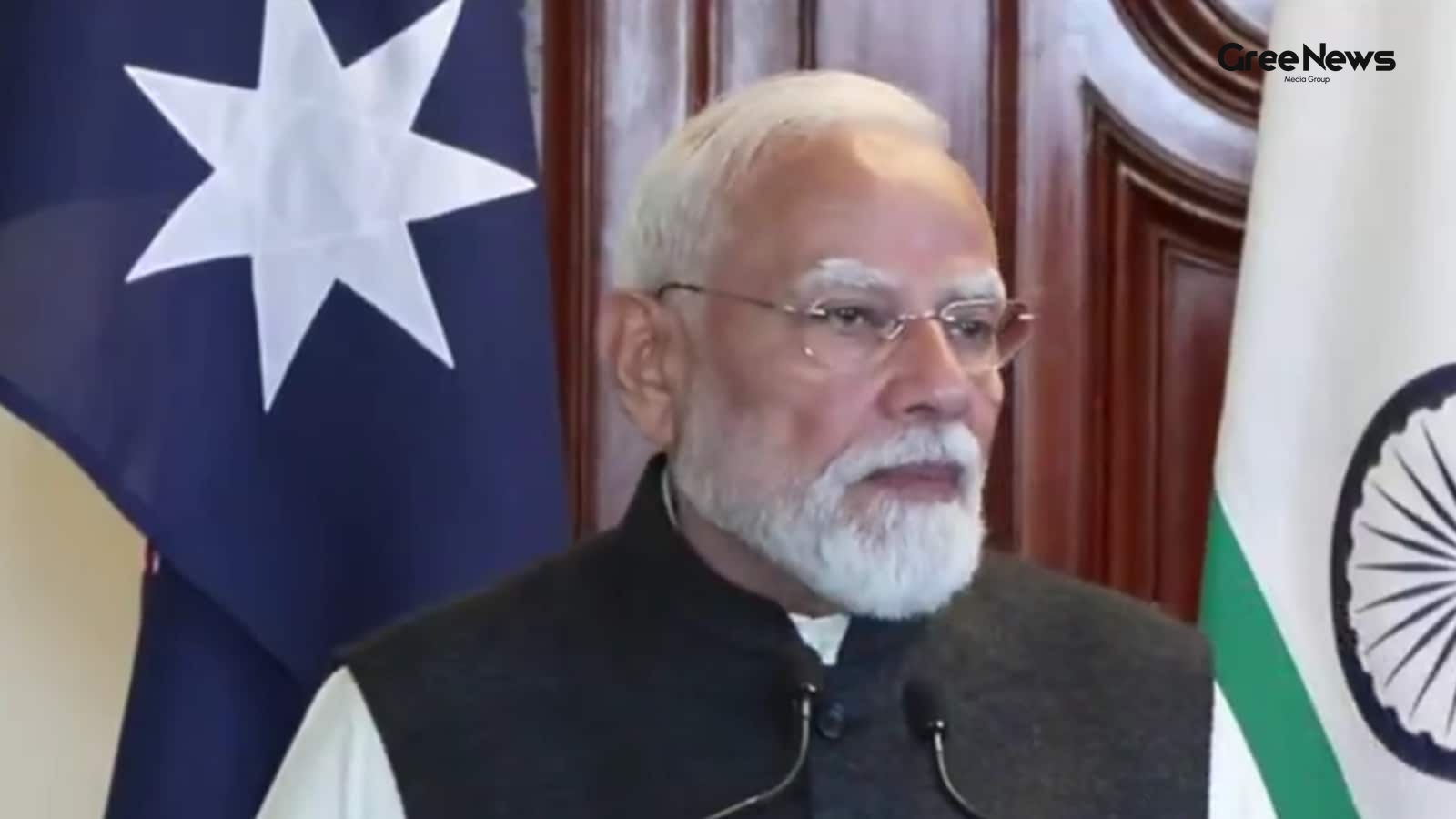
India and Australia are talking about uranium. A big deal for India’s clean energy push, apparently. Prime Minister Modi announced Thursday that Australia is going to supply uranium after they wrapped up some key nuclear energy talks. It all happened during a joint press conference in Melbourne with
Jul 9, 2026 by Gree News Team
Opposition Leaders' Criticism of the Political and Security Setup in Balochistan
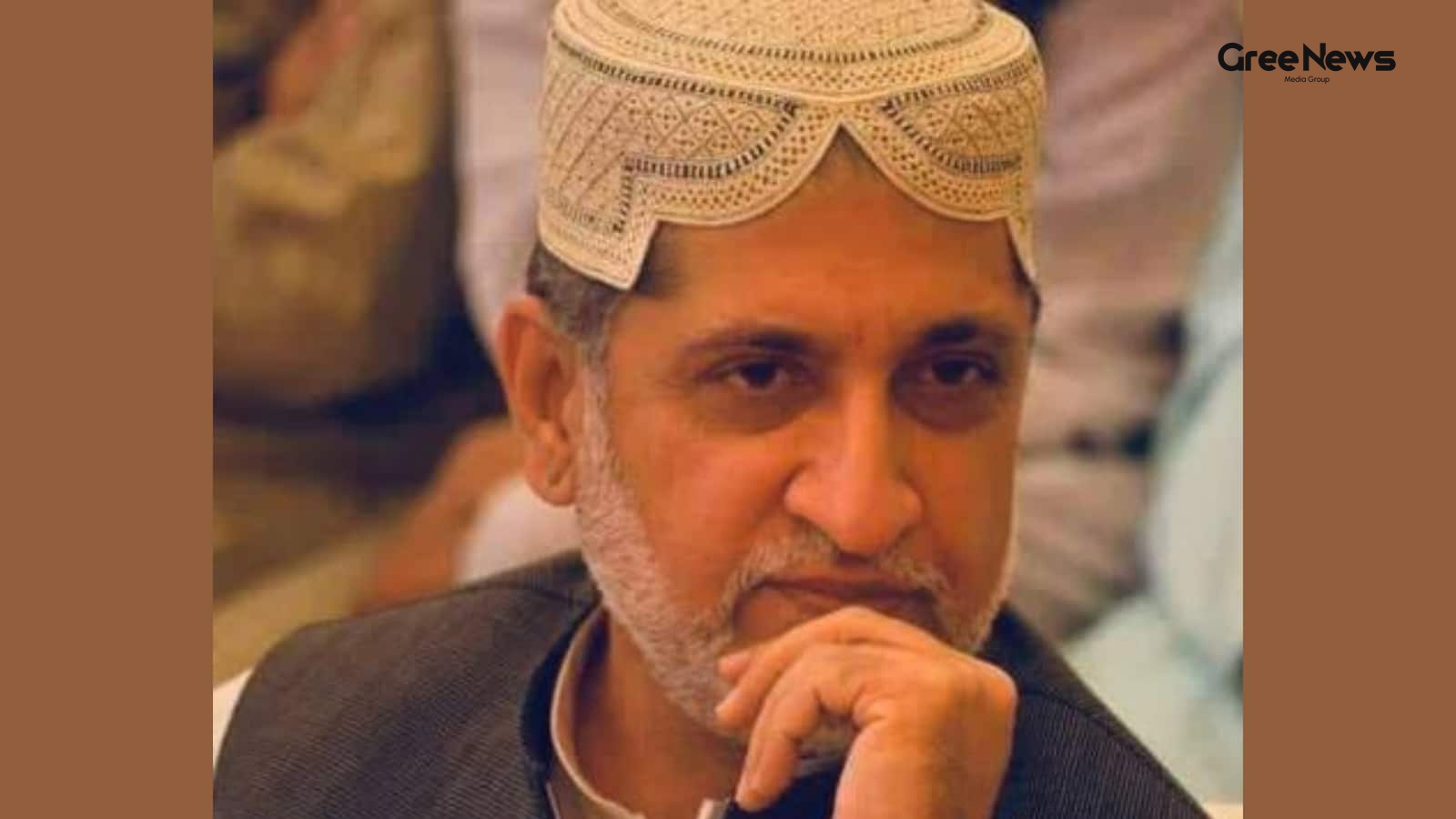
Opposition leaders really went off on the political and security setup at that All Parties Conference. It happened in Balochistan, led by the PTI. They basically declared that Parliament, the courts, all those mainstream parties they are completely useless when it comes to fixing what’s happening in
Jul 9, 2026 by Gree News Team

Akanksha Chamola's Journey: Divorce, Freedom, and Identity
Akanksha Chamola finally made up her mind about things. She confirmed the divorce from Gaurav Khanna on Lock Upp Season 2. It sounds like she just doesn't want to get married again. She said she wants to live entirely on her own terms now. For the first time in her life, she’s not going into that pa
Jul 8, 2026 by Gree News Team

US Strikes and Tensions in the Strait of Hormuz
The US launched fresh strikes on Iran Wednesday. It happened right after ships were attacked in the Strait of Hormuz. These operations look like the most intense since that ceasefire started, you know? Videos are coming out from Bandar Abbas. They show a US strike hitting Shahid Haqqani Port. That p
Jul 8, 2026 by Gree News Team

Shahid Kapoor and Ahmed Khan: The Story of Friendship and Collaboration
Shahid Kapoor and Ahmed Khan. Their friendship started way back, childhood stuff. Ahmed was the one who choreographed Shahid in his first big screen thing that iconic 90s pop track by Aryans that featured him and Hrishitaa Bhatt. Instant heartthrob status right there. They kept collaborating on a fe
Jul 8, 2026 by Gree News Team