India-Oman Comprehensive Economic Partnership Agreement Impact
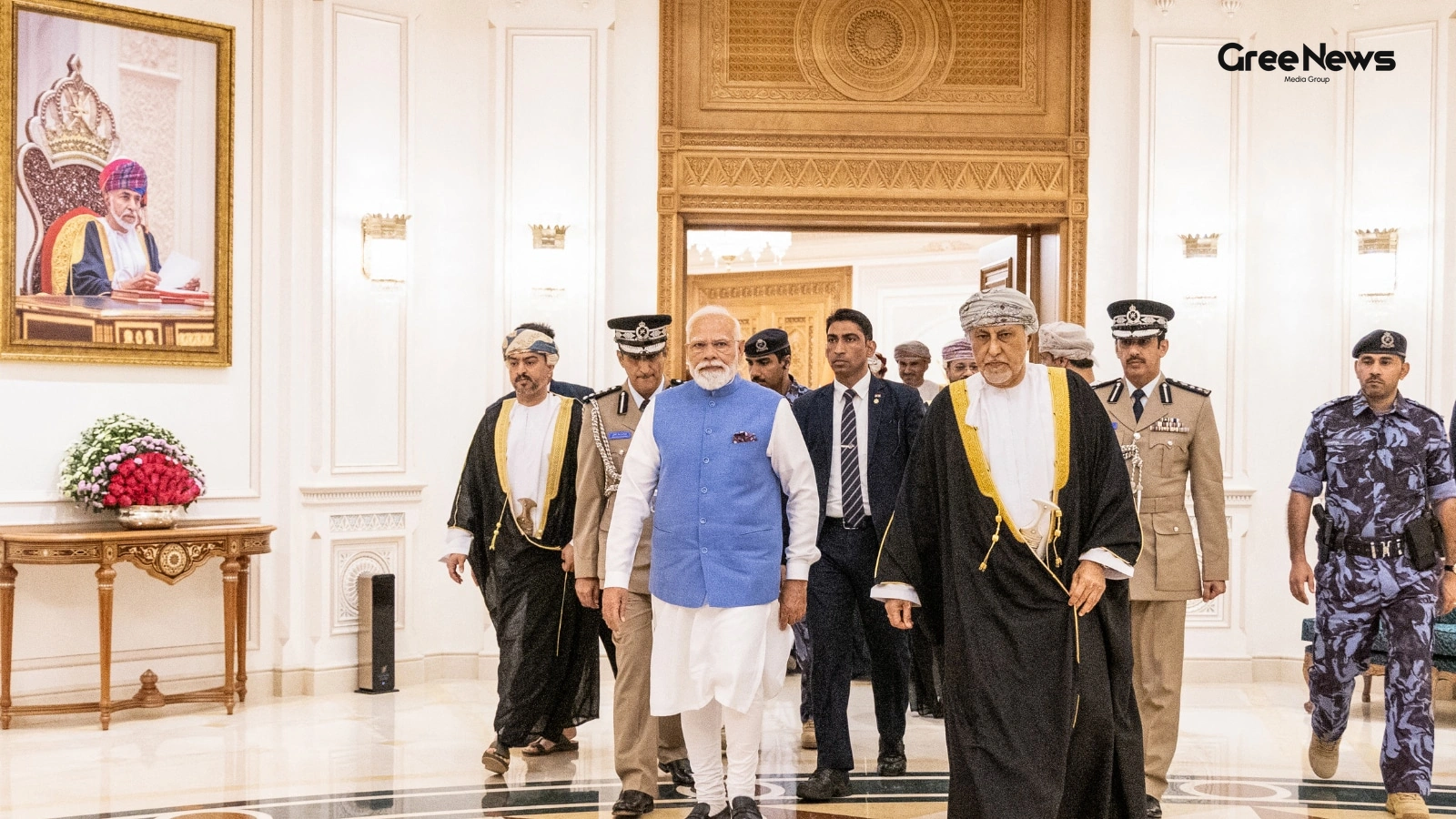
The India-Oman Comprehensive Economic Partnership AGreement finally kicked in on Monday. Suddenly, thousands of products are duty-free. Indian exporters have this unprecedented access to the Gulf market.
It’s shaping up to be a big deal for trade between the two nations. India gets duty-free access for almost everything it exports to Oman. And, naturally, Indian consumers are looking at cheaper imports from Oman too.
The immediate relief seems aimed squarely at consumers. Think about Omani dates. They’ll now enter India under quota-based duty concessions. That’s something people will notice right away.
India did concede tariffs on several items imported from Oman. We’re talking about specific concessions.
But New Delhi kept some things locked down. There were sectors they absolutely didn't budge on. Things like certain sensitive areas. They didn't offer duty cuts on those.
The real weight of the aGreement, though, lands on the exporters. That’s where the biggest gains are expected.
Under this pact, 99.38% of India’s exports by value get duty-free access to Oman. That’s a massive jump from the old Most Favoured Nation setup, where only 15.33% qualified.
What products are riding this wave?
The pharmaceutical industry looks like a huge winner here. It guarantees zero-duty access for certain medicines. And it streamlines approvals for drugs already cleared by big players like the US FDA and the European Medicines Agency. That cuts down the time it takes to get products into the Omani market.
Meanwhile, look at electronics. Oman imported about $1.7 billion worth of electronics in 2025. India currently sends only about $146 million. There’s still a huge gap there.
Products poised to benefit include various goods. Some of these items previously faced duties around 5% in Oman. That reduced their competitiveness against suppliers already enjoying preferential access elsewhere.
And it’s not just about physical goods. This aGreement also opens doors for Indian professionals. For the first time, Oman has significantly expanded access for skilled Indian workers.
The rules changed for intra-corporate transferees, too. The quota jumped from 20% up to 50%. That should help those joint ventures operating in the Gulf, maybe more than 6,000 of them.
This whole shift happens while things are tense. Indian exporters have been dealing with logistical headaches lately. Tensions in West Asia, the fallout from the US-Iran conflict—it all adds pressure.
Commerce Minister Piyush Goyal pointed to the future. He said this pact will create jobs. Strengthen manufacturing. Make Indian businesses more competitive in areas like textiles, gems and jewellery, engineering goods, and pharmaceuticals.
Trade between India and Oman was already substantial, hitting $11.18 billion in FY 2025-26. Officials are betting this deal will add another two billion dollars in bilateral trade over the next few years.
For Oman, this is access to one of the world’s fastest-growing large markets. For India? It opens up Oman’s nearly $28 billion import market. It’s a strategic gateway, too. To the wider Gulf Cooperation Council region and East Africa. It’s a lot of movement, really.
Written by Gree News Team — Senior Editorial Board
Gree News Team covers international news and global affairs at Gree News. Our collective of senior editors is dedicated to providing independent, accurate, and responsible journalism for a global audience.
More from India
View All
Details of a Tragic Exam Case and Controversy
The immediate context is that this student had just sat for the exam and was reportedly under serious stress after trying to estimate her score using the answer key that came out online. Family members told the police something heartbreaking. They said she had expected a much higher mark. After seei
Jul 17, 2026 by Gree News Team
Anurag Kumar Appointed Next Commissioner of Police in Delhi
Anurag Kumar was appointed the next Commissioner of Police in Delhi on Friday. It’s a big leadership shift happening right now. He replaced Satish Golcha. Golcha is leaving the post soon, due to retirement in April 2027, and he was removed from the role prematurely. That sets the stage for this chan
Jul 17, 2026 by Gree News Team

Controversy involving Lord Krishna, Islam, and Maulana Jarjis Ansari
Lord Krishna Namaz Row. That’s what started it. A controversy blew up after some video surfaced involving cleric Maulana Jarjis Ansari. He allegedly claimed Lord Krishna was Muslim. And that Krishna offered namaz five times a day. It went viral on social media fast. This whole thing immediately trig
Jul 17, 2026 by Gree News Team
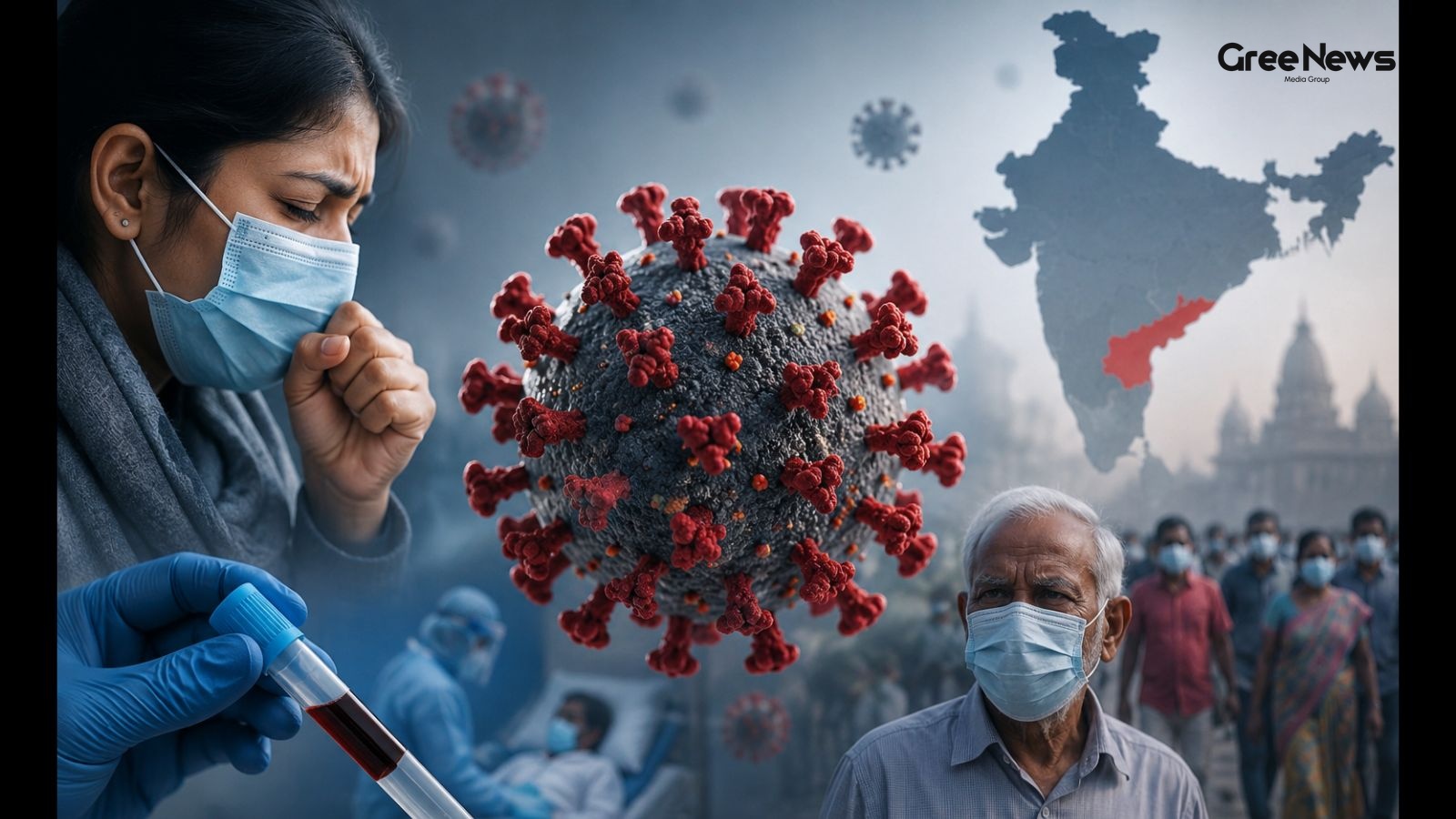
Andhra Pradesh Covid-19 Statistics and Management Report
Andhra Pradesh is seeing some grim numbers lately. They clocked twelve Covid-19 infections between June 26 and July 16. And four people died from it. That’s what State Health Commissioner G Veerapandian told them on Thursday. Sporadic cases, he said in a release. Twelve people caught the virus in th
Jul 17, 2026 by Gree News Team
Latest Headlines
Details of a Tragic Exam Case and Controversy
The immediate context is that this student had just sat for the exam and was reportedly under serious stress after trying to estimate her score using the answer key that came out online. Family members told the police something heartbreaking. They said she had expected a much higher mark. After seei
Jul 17, 2026 by Gree News Team
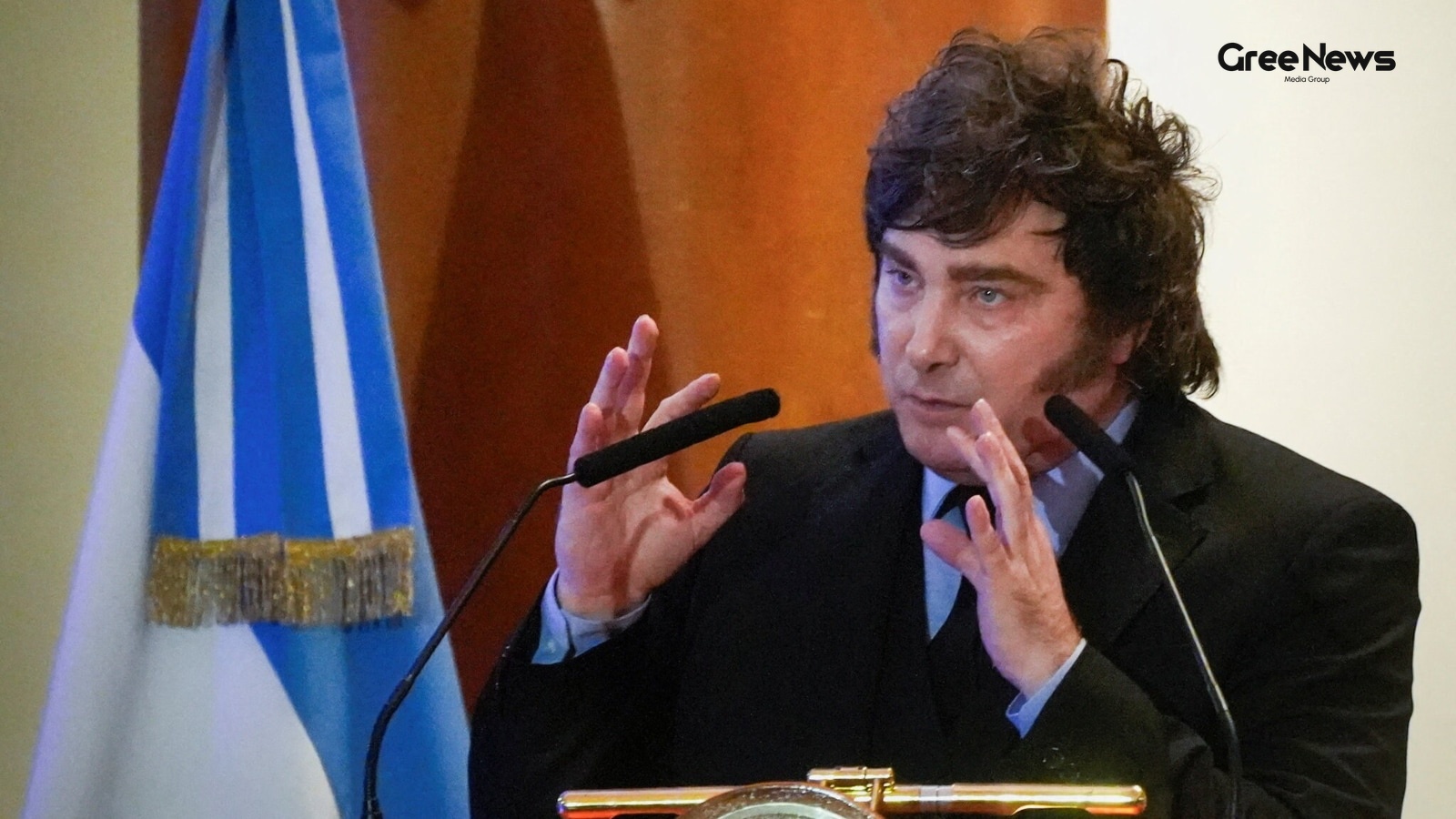
Milei's World Cup Ritual and the Final
He told *El Observador* radio about this on Thursday. There’s no backing down from that tradition. Watching World Cup matches from the presidential residence is just how he does it. He has done it for the entire run leading up to Sunday’s final. A routine, really. There’s another thing he keeps doin
Jul 17, 2026 by Gree News Team

The Record-Breaking Value of Football Memorabilia
A shirt from one of football’s biggest moments just hit the record books. It sold for four point nine million dollars at auction in the United States this Thursday. It was Pele's jersey. The blue shirt he wore during Brazil’s first FIFA World Cup triumph back in ’58. That piece? It became incredibly
Jul 17, 2026 by Gree News Team

Ranveer Singh's Next Big Project: Details on Pralay and Filming Plans
Ranveer Singh seems to be riding something good right now. Professionally, personally. He’s excited about being a dad again. His wife, Deepika Padukone, is pregnant with their second kid. And then there’s the next big thing: *Pralay*. He’s gearing up for that one. Reports say he might start shooting
Jul 17, 2026 by Gree News Team
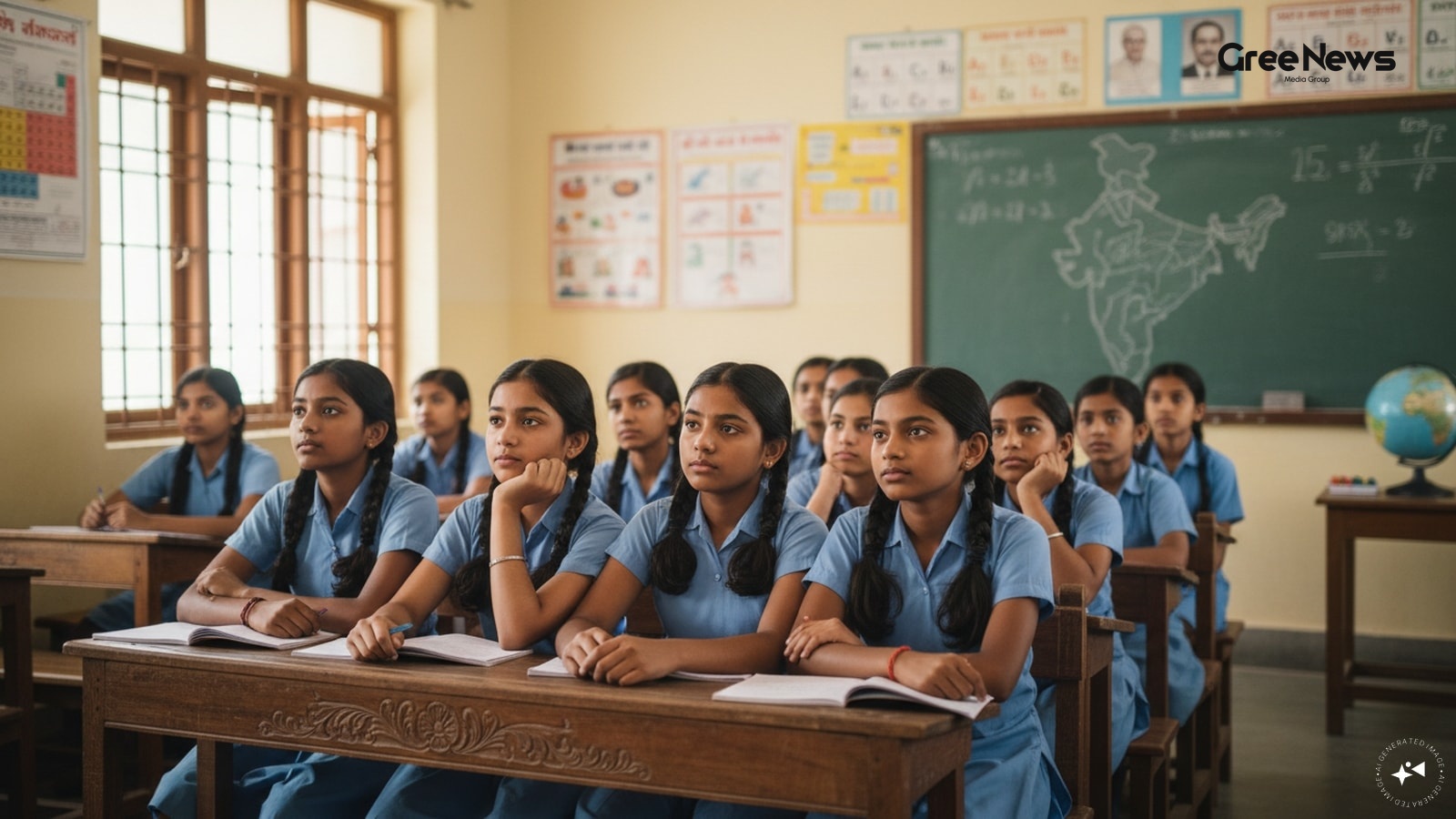
Supreme Court Weighs In on Three-Language Policy Timing
The Supreme Court weighed in on the three-language policy debate, suggesting a change in timing for introducing an extra language under the CBSE curriculum. It basically said it shouldn't wait until Class 9. Justice B V Nagarathna made this point during a hearing about the Tamil Nadu government’s ch
Jul 17, 2026 by Gree News Team
Anurag Kumar Appointed Next Commissioner of Police in Delhi
Anurag Kumar was appointed the next Commissioner of Police in Delhi on Friday. It’s a big leadership shift happening right now. He replaced Satish Golcha. Golcha is leaving the post soon, due to retirement in April 2027, and he was removed from the role prematurely. That sets the stage for this chan
Jul 17, 2026 by Gree News Team
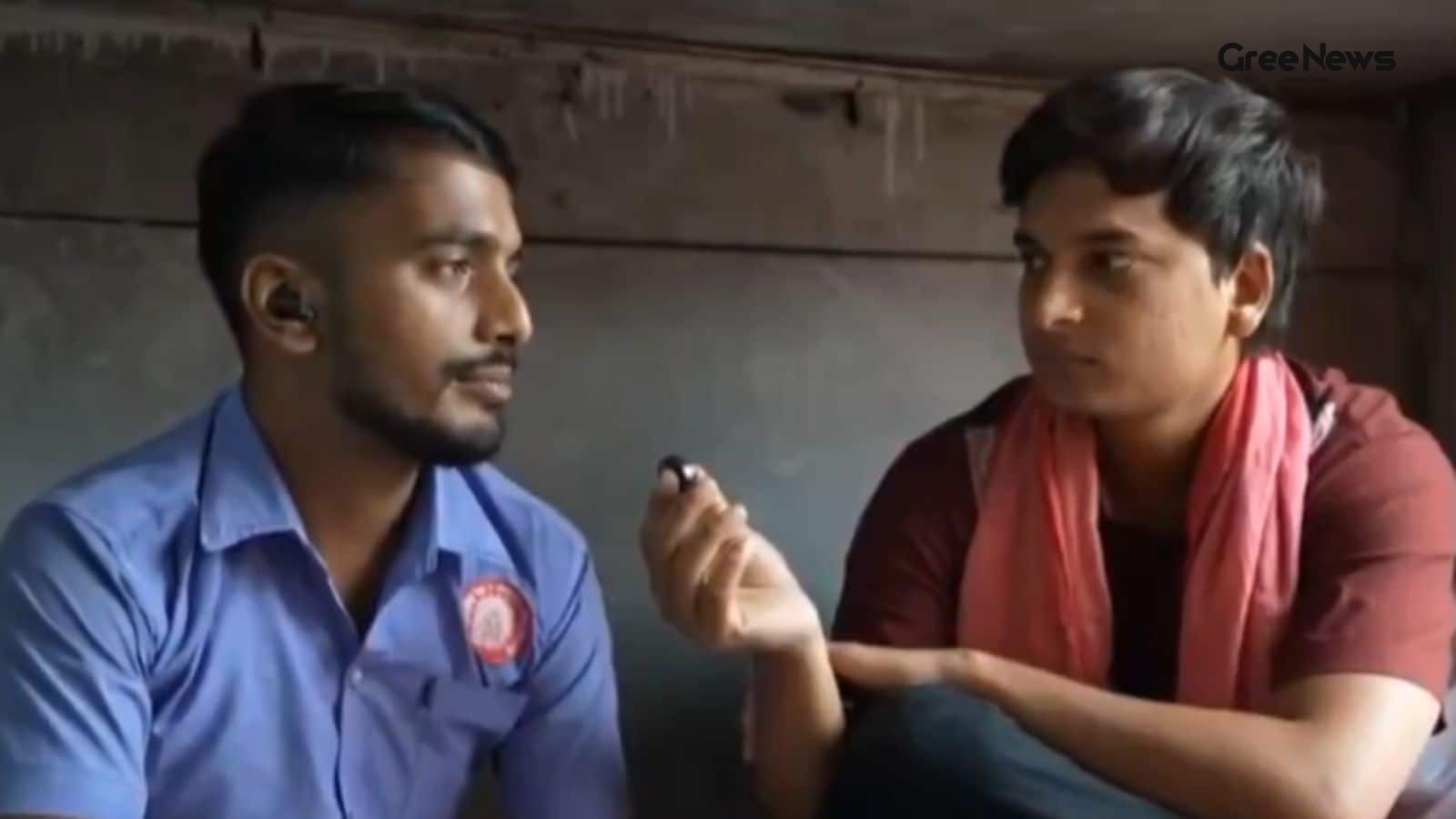
The Financial Cost of Missing Linens on Indian Railways
Most people probably just grab a railway towel or blanket and think it’s a free souvenir. But there’s another side to that picture, a cost someone else ends up paying for. A viral clip surfaced recently showing Amit Yadav, an attendant on Indian Railways trains. He handles the distribution and colle
Jul 17, 2026 by Gree News Team
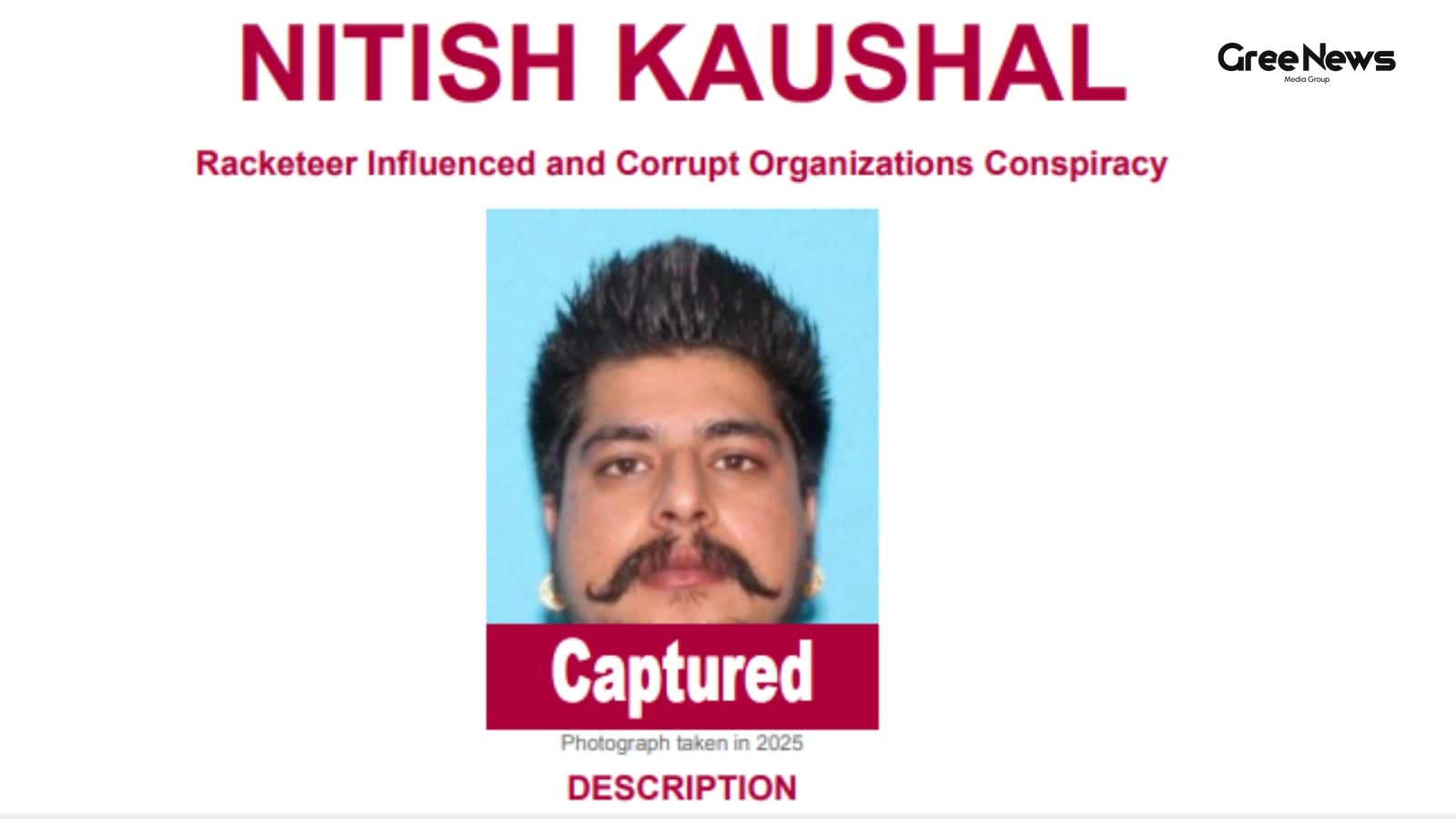
Nitish Kaushal and the Bhagwanpuria Organized Crime Group
Nitish Kaushal. An Indian-origin gangster. He’s been arrested in the US now. Days after getting added to the FBI's Most Wanted list. That’s where it started. The Federal Bureau of Investigation announced this stuff on Thursday. They said US law enforcement actually took him into custody in Vermont.
Jul 17, 2026 by Gree News Team
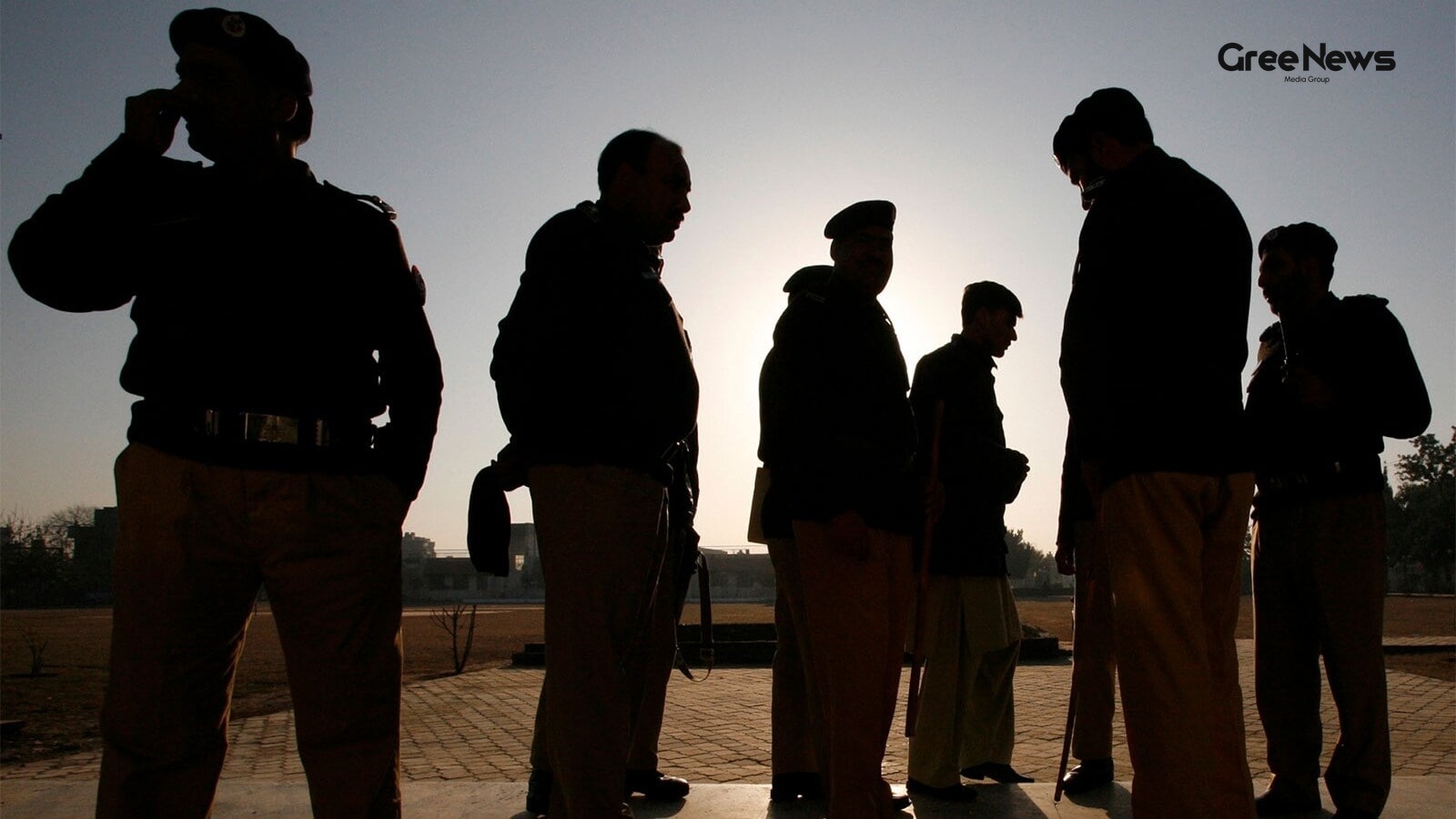
European Commission Report on Pakistan's Human Rights Situation
That European Commission report just dropped. It paints a really bleak picture of Pakistan’s human rights situation. We’re talking serious stuff: enforced disappearances, restrictions on basic freedoms, problems with the courts, minority rights, and labor protections are all flagged. And here’s the
Jul 17, 2026 by Gree News Team
Controversy involving Lord Krishna, Islam, and Maulana Jarjis Ansari
Lord Krishna Namaz Row. That’s what started it. A controversy blew up after some video surfaced involving cleric Maulana Jarjis Ansari. He allegedly claimed Lord Krishna was Muslim. And that Krishna offered namaz five times a day. It went viral on social media fast. This whole thing immediately trig
Jul 17, 2026 by Gree News Team
Andhra Pradesh Covid-19 Statistics and Management Report
Andhra Pradesh is seeing some grim numbers lately. They clocked twelve Covid-19 infections between June 26 and July 16. And four people died from it. That’s what State Health Commissioner G Veerapandian told them on Thursday. Sporadic cases, he said in a release. Twelve people caught the virus in th
Jul 17, 2026 by Gree News Team
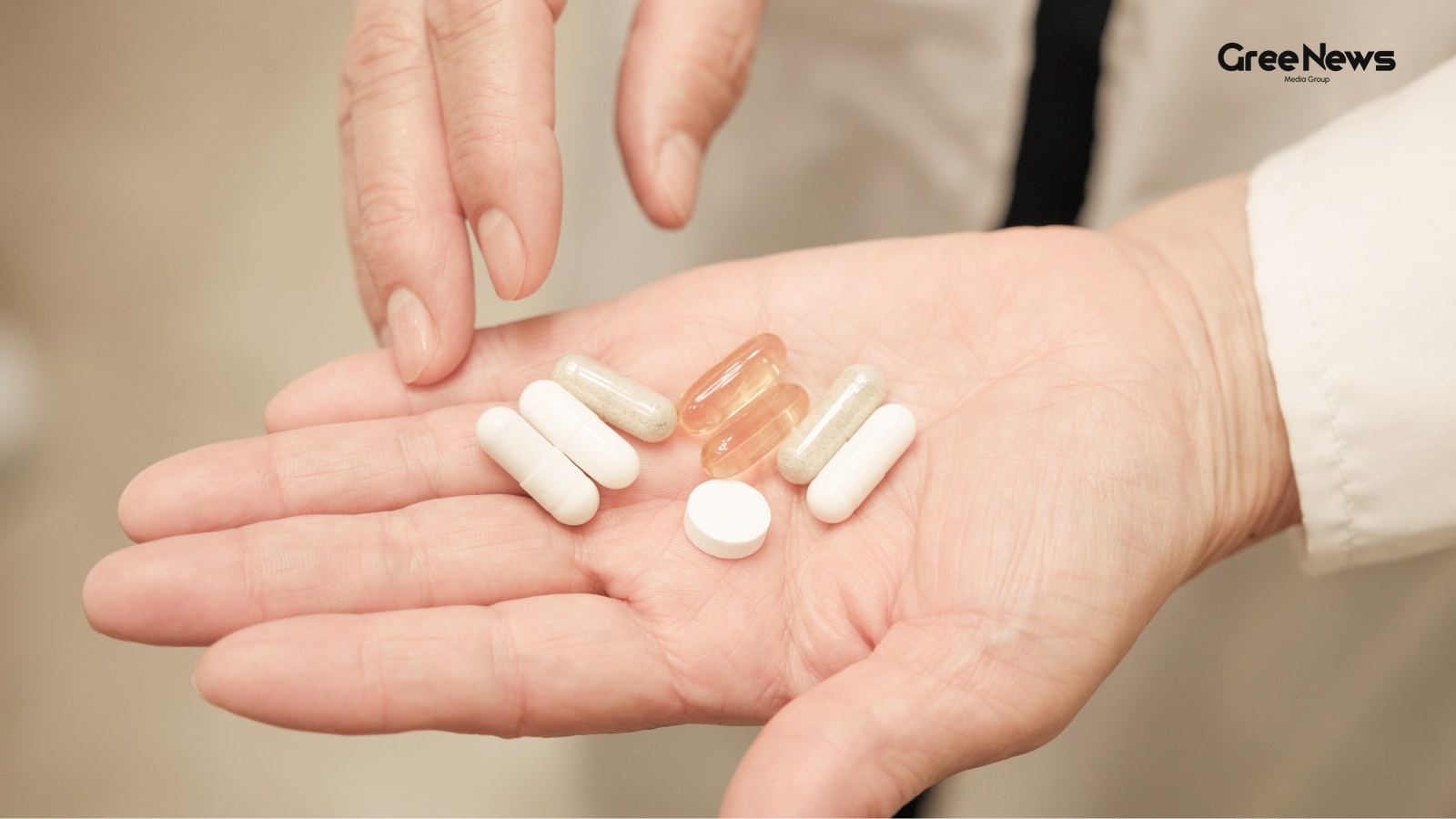
Lipfendra (enlicitide): The New Once-Daily Oral PCSK9 Inhibitor
The FDA just gave the green light for Lipfendra, which is enlicitide. It’s a big deal because it’s the first time we have a once-daily oral PCSK9 inhibitor available for adults dealing with certain types of high cholesterol. Merck developed this pill. It offers a new route. A way around those pesky
Jul 17, 2026 by Gree News Team
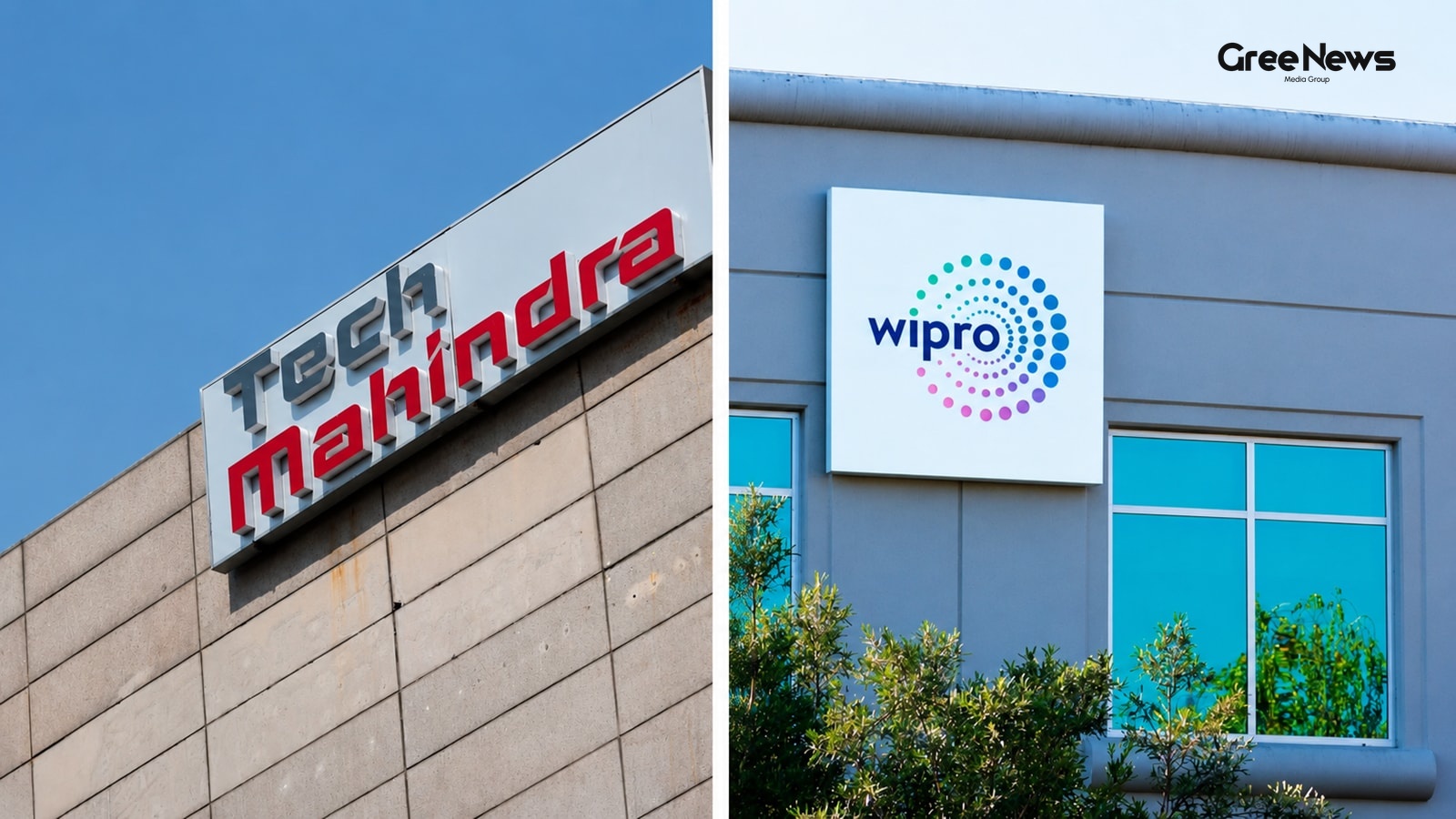
IT Stocks Jump After June-Quarter Earnings Release
IT stocks generally jumped Thursday after those June-quarter earnings came out. Investors seemed to favor companies that showed better growth, pushing hard on margins and guidance for the ones that fell short. The Nifty IT index ticked up 1.33% in morning trade, hitting 29,103.50. Some large names w
Jul 17, 2026 by Gree News Team
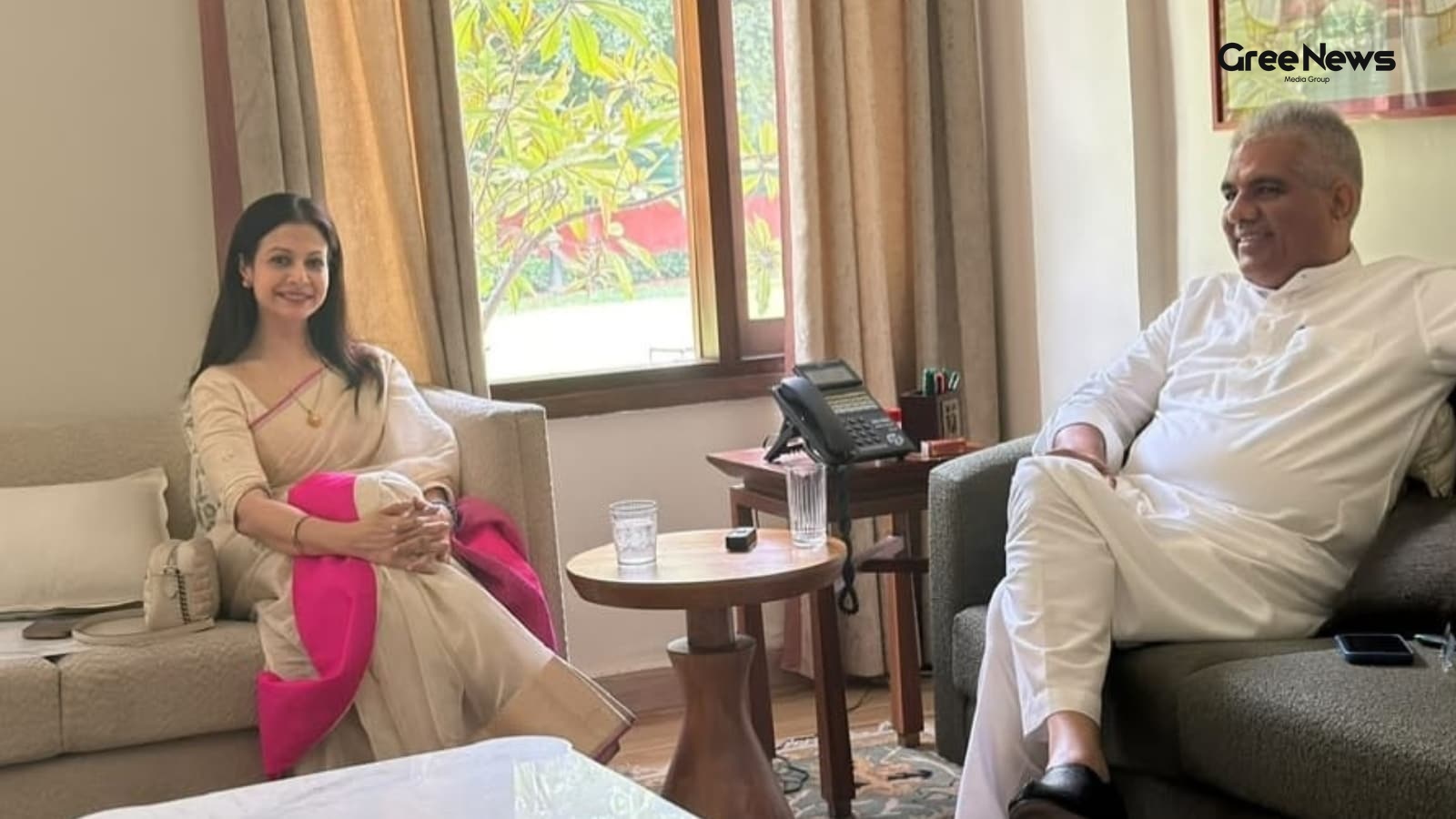
Koel Mallick's Political Shift and West Bengal Politics
Koel Mallick stepping down from her Rajya Sabha seat without showing up for a single day in Parliament has really stirred things up in West Bengal politics. It’s just… unprecedented stuff, you know? There was chatter immediately about where she might go next. Some folks were talking about joining so
Jul 17, 2026 by Gree News Team

Donation Theft Scandal at Ram Mandir Complex
What started so simply. Finding a suspicious pile of cash tucked away in a washroom inside the Ram Mandir complex in Ayodhya. That little discovery snowballed fast into one of the biggest donation theft scandals ever linked to the temple. It’s unbelievable how that happened. A Times of India report
Jul 17, 2026 by Gree News Team