Maritime Choke Points: The Geopolitical Risks of the Strait of Hormuz and Bab al-Mandab
The Strait of Hormuz is still shut down, obviously. But Iran is signaling something else is coming. Another major maritime choke point is on the table.
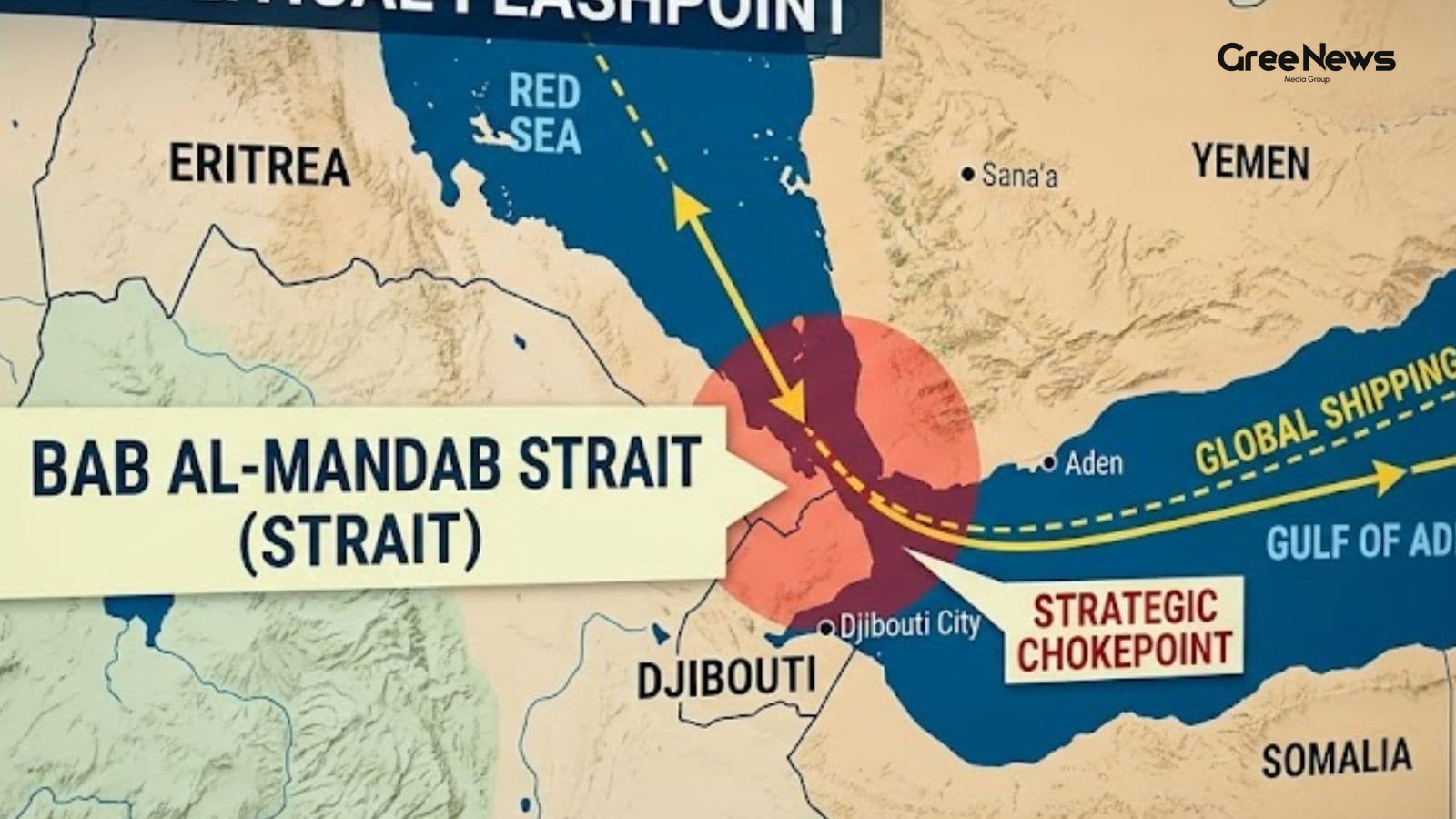
Esmail Qaani, the head of the IRGC Quds Force, warned that if Israel keeps pushing its military actions in Lebanon and Gaza, that whole "Resistance Axis" could just bleed into shipping conditions in the Bab al-Mandab Strait .
He said continued Israeli moves would just make Iran-backed groups more determined. They’d open new fronts. More pressure on shipping routes, regional and global.
Sure, the immediate danger might have eased a bit after that US President announced a ceasefire with Hezbollah. But things are still really fragile. They could snap quickly if fighting kicks off again.
And the Bab al-Mandab . It’s thousands of kilometers from Iran’s actual borders. But Tehran could still use its regional friends to mess up traffic there.
It’s a place that matters. The strait itself. It’s called the "Gate of Tears" or something similar. It’s one of those spots that are absolutely critical for shipping. It links the Red Sea to the Gulf of Aden. It connects the Suez Canal to the Indian Ocean.
Geographically, it’s a bottleneck. It’s pinched down to just twenty-six or twenty-nine kilometers at its tightest spot.
Right there, in the middle, is Perim Island. It’s volcanic, controlled by Yemen. It splits the water into two channels. The eastern one, the Alexander Channel, only about three point two kilometers wide. That’s the main route for commercial ships.
This whole area is the southern gateway for Europe-Asia trade. Everything moving between those continents has to squeeze through here. An estimated ten to twelve percent of global shipping goes through that strait every single year.
Thousands of container ships are making that journey. Electronics, machinery, cars, industrial stuff. Moving from Asian factories to European markets.
Then there’s the energy. It’s equally vital for oil and gas. Six to eight million barrels of crude and refined products move through Bab al-Mandab daily. Mostly heading for Europe and North America. And lots of LNG, especially from Qatar, flows through too.
Any hiccup there? Immediate fallout for global energy prices. For supply chains.
If shipping companies decide to dodge it, they have to go around the Cape of Good Hope. That adds weeks to the journey. Costs shoot up. Insurance premiums jump. Massive delays everywhere.
The real immediate headache for shipping in the Bab al-Mandab ? The Houthis.
They’re backed by Iran, strategically and logistically. They control huge parts of Yemen’s western coast, overlooking the Red Sea. They’ve shown they can hit commercial ships and warships with missiles, drones, and boats loaded with explosives.
That position gives them serious leverage. They can weaponize this corridor, making it a tool in regional conflicts.
Even though the strait is narrow, limited attacks can cause huge disruptions. Weapons launched from the land can threaten ships and warships alike. Regional players get a powerful way to influence global trade and energy markets just by acting.
And look at the shore. Djibouti dominates the opposite side. It’s become one of the most heavily militarized spots globally. They’ve got Camp Lemonnier there. The only permanent US base in Africa. Plus, China, France, Japan, Italy—all have major military installations there.
These countries are keeping a serious naval presence. It’s all about securing the routes. Fighting piracy, fighting state-backed attacks.
But the geography is brutal. Even a small attack causes massive traffic jams. It’s a choke point.
So, with the Strait of Hormuz already under strain, any trouble in the Bab al-Mandab just piles on.
Together, these two waterways handle a huge chunk of the world’s energy exports and trade. They are some of the most important choke points on the entire planet. If they get disrupted, the effect isn't local. It hits global supply chains. It crashes energy markets. It messes with international security. It’s just a massive domino effect.
Written by Gree News Team — Senior Editorial Board
Gree News Team covers international news and global affairs at Gree News. Our collective of senior editors is dedicated to providing independent, accurate, and responsible journalism for a global audience.
More from World
View All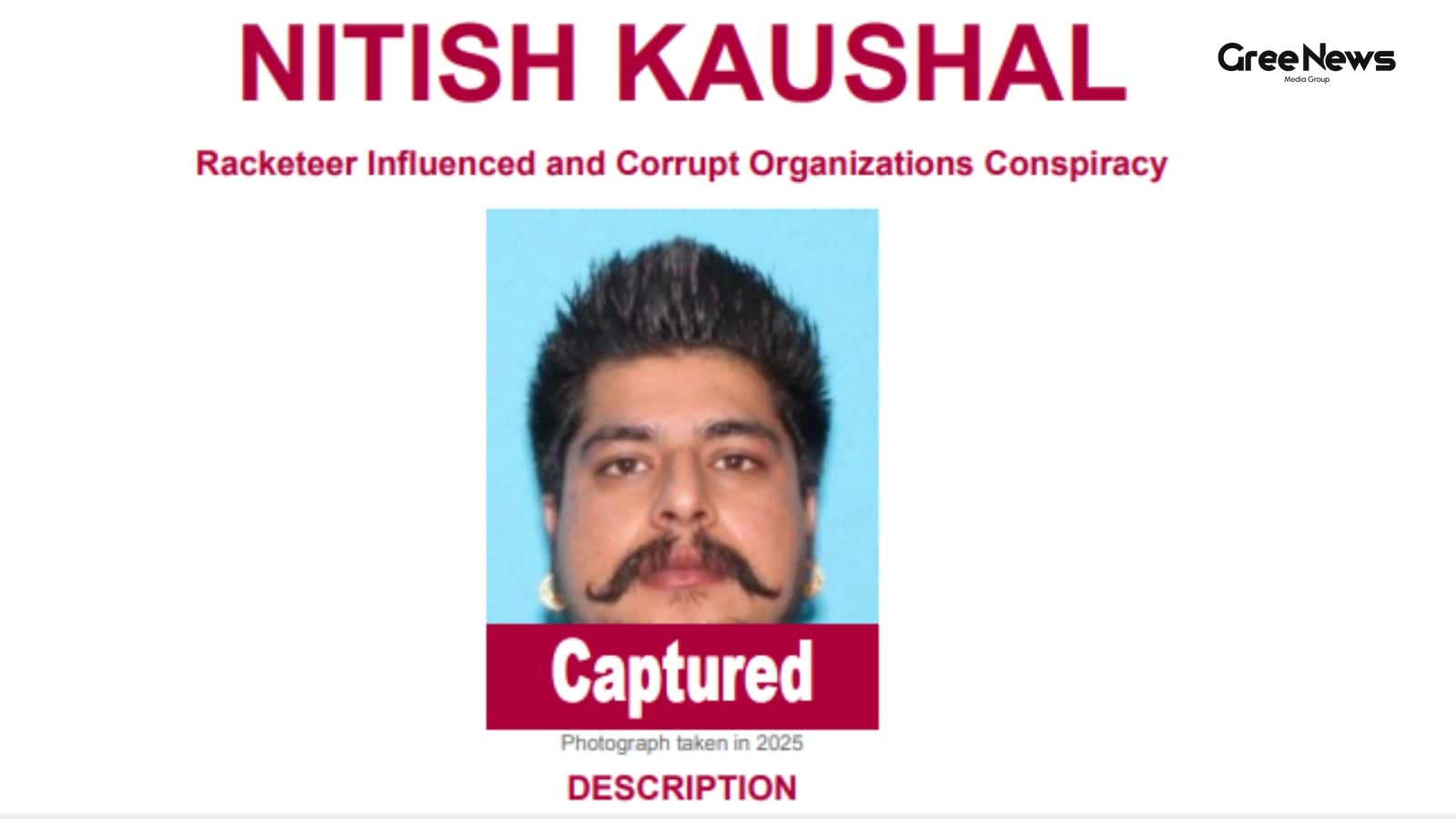
Nitish Kaushal and the Bhagwanpuria Organized Crime Group
Nitish Kaushal. An Indian-origin gangster. He’s been arrested in the US now. Days after getting added to the FBI's Most Wanted list. That’s where it started. The Federal Bureau of Investigation announced this stuff on Thursday. They said US law enforcement actually took him into custody in Vermont.
Jul 17, 2026 by Gree News Team
European Commission Report on Pakistan's Human Rights Situation
That European Commission report just dropped. It paints a really bleak picture of Pakistan’s human rights situation. We’re talking serious stuff: enforced disappearances, restrictions on basic freedoms, problems with the courts, minority rights, and labor protections are all flagged. And here’s the
Jul 17, 2026 by Gree News Team
US and Iran Attacks: Conflict, Strikes, and the Strait of Hormuz
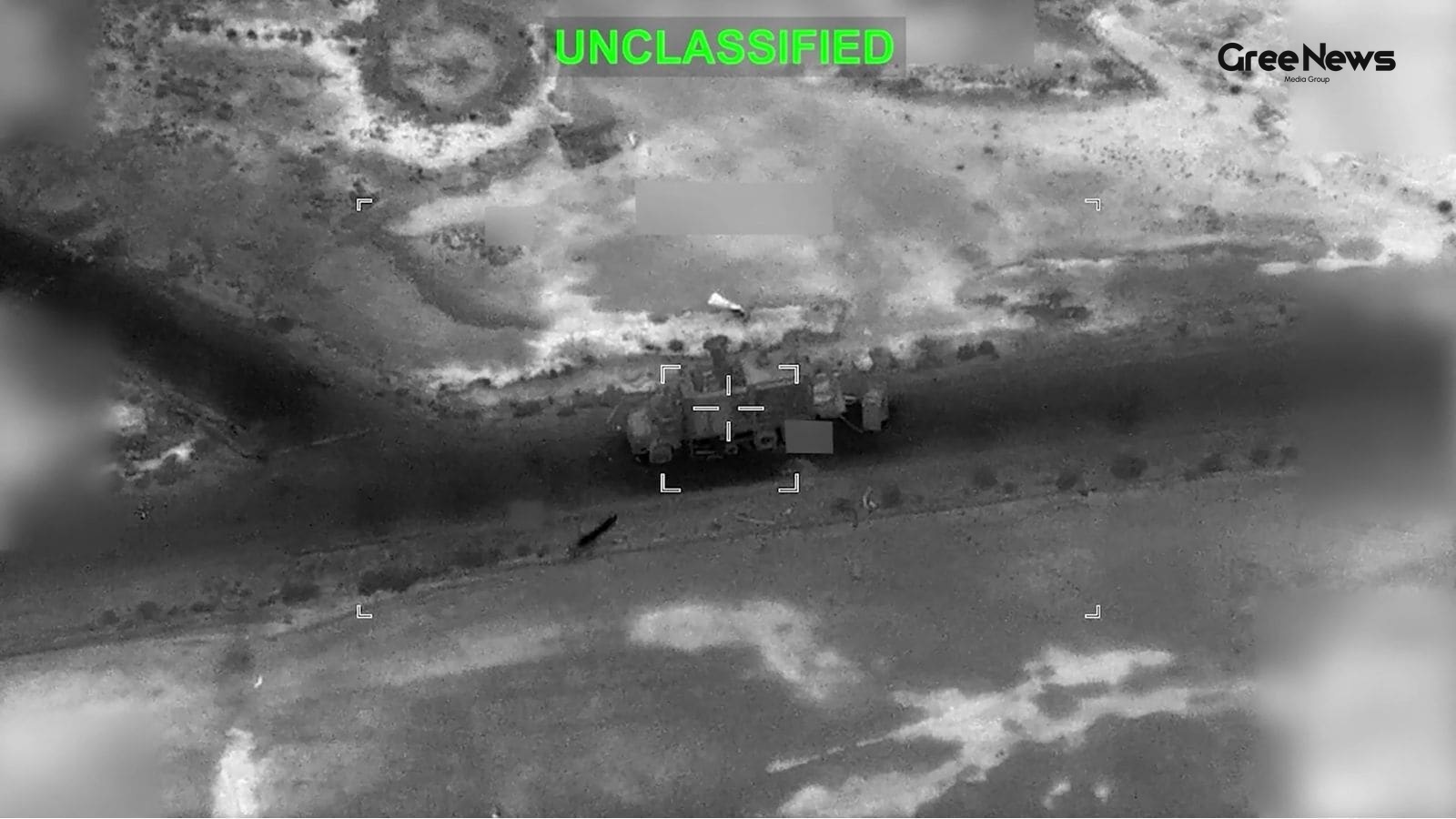
The exchange of attacks between the US and Iran kept going. It was the sixth night straight now. American forces kept hitting Iranian infrastructure bridges, train stations, an airport. Iranian state television said strikes on road and railway stuff in Hormozgan province killed at least seven people
Jul 17, 2026 by Gree News Team
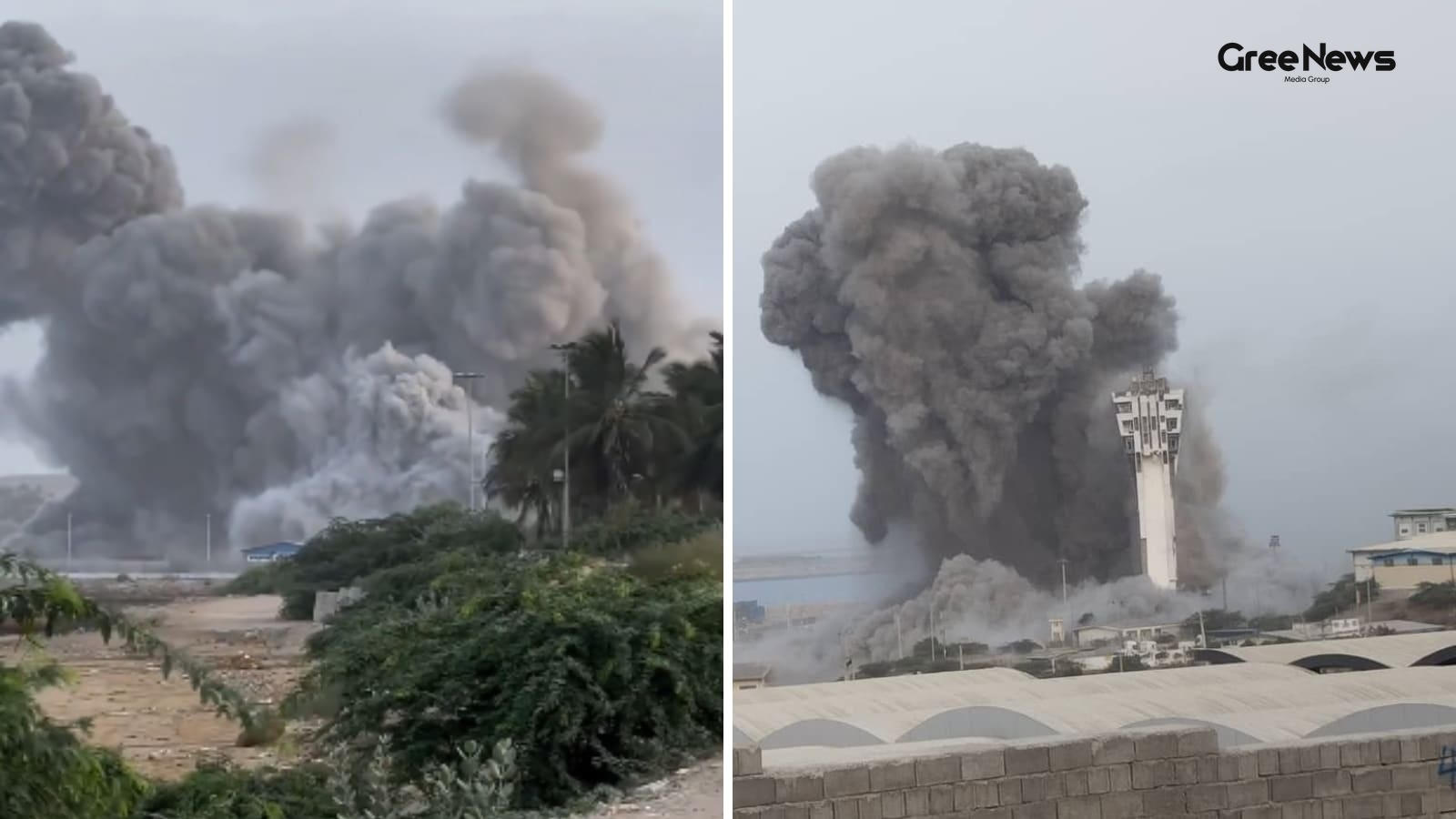
The Chaotic Reality of the US-Iran Standoff
The latest news coming out of the US-Iran standoff is just… chaotic. You see these reports, right? The strikes themselves they kill people. Iranian state television put out that they lost at least seven lives in those recent US airstrikes. That’s what they claim. And it all happened while Washington
Jul 17, 2026 by Gree News Team
Latest Headlines
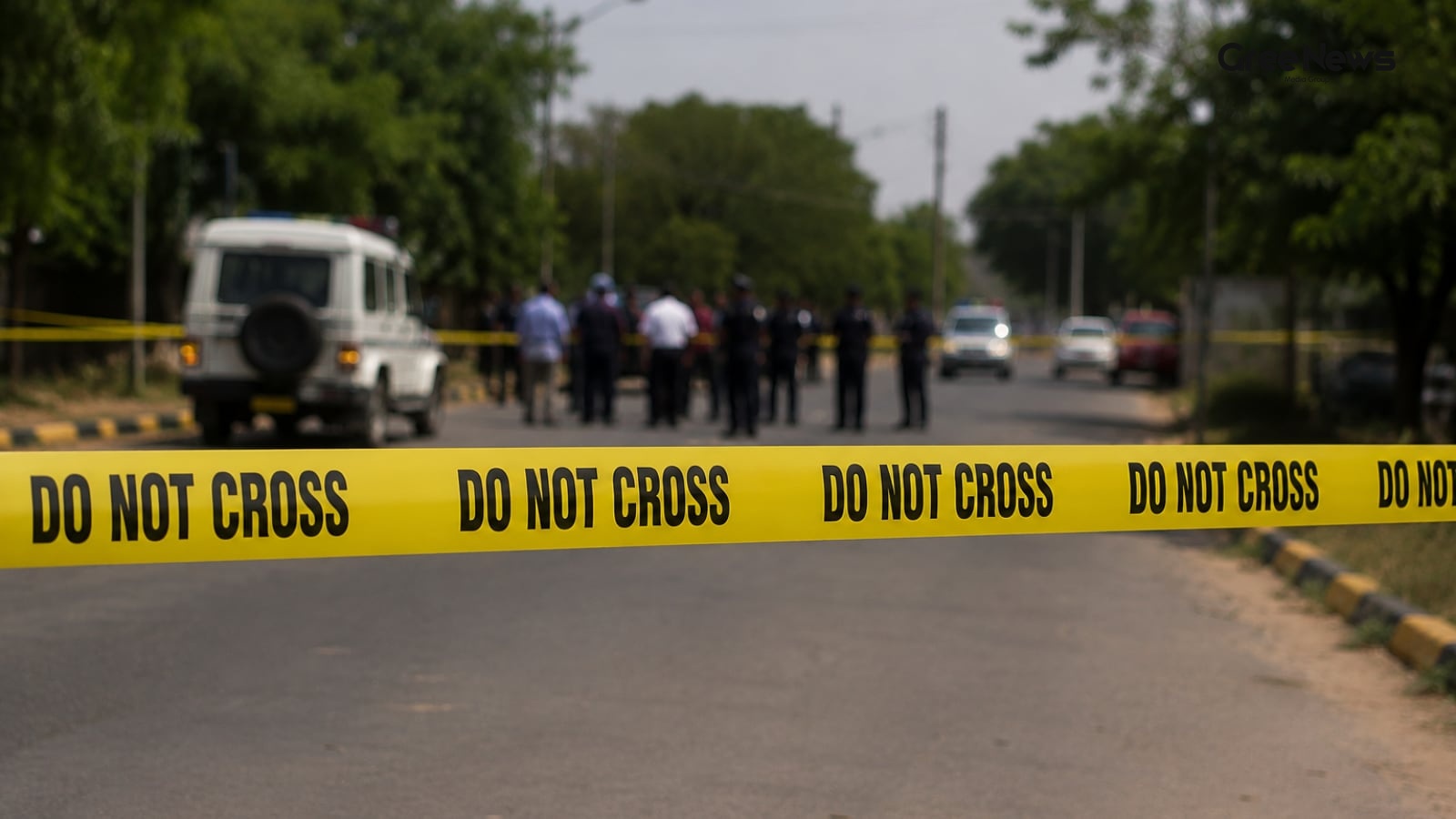
Details of a Tragic Exam Case and Controversy
The immediate context is that this student had just sat for the exam and was reportedly under serious stress after trying to estimate her score using the answer key that came out online. Family members told the police something heartbreaking. They said she had expected a much higher mark. After seei
Jul 17, 2026 by Gree News Team
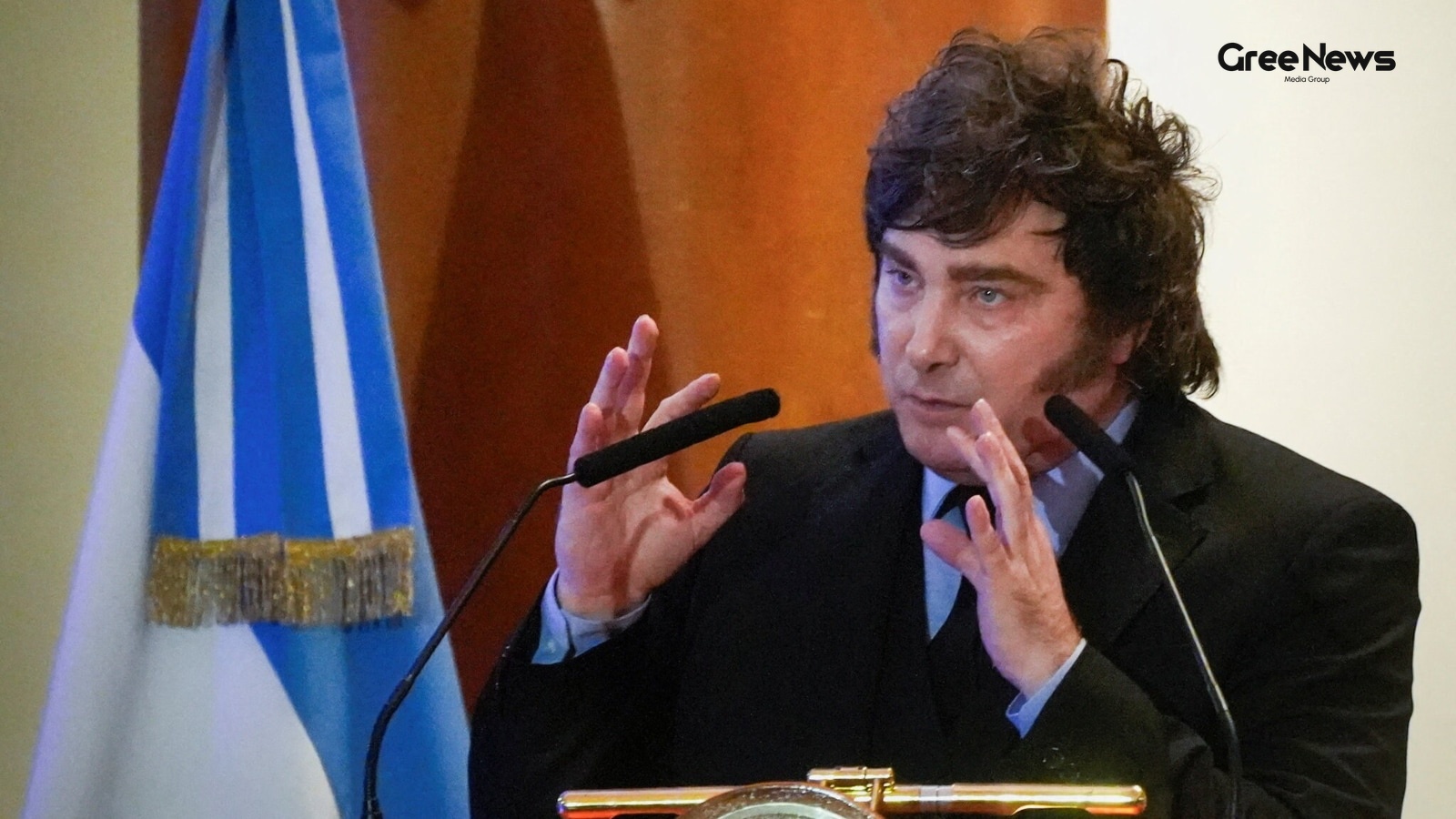
Milei's World Cup Ritual and the Final
He told *El Observador* radio about this on Thursday. There’s no backing down from that tradition. Watching World Cup matches from the presidential residence is just how he does it. He has done it for the entire run leading up to Sunday’s final. A routine, really. There’s another thing he keeps doin
Jul 17, 2026 by Gree News Team

The Record-Breaking Value of Football Memorabilia
A shirt from one of football’s biggest moments just hit the record books. It sold for four point nine million dollars at auction in the United States this Thursday. It was Pele's jersey. The blue shirt he wore during Brazil’s first FIFA World Cup triumph back in ’58. That piece? It became incredibly
Jul 17, 2026 by Gree News Team

Ranveer Singh's Next Big Project: Details on Pralay and Filming Plans
Ranveer Singh seems to be riding something good right now. Professionally, personally. He’s excited about being a dad again. His wife, Deepika Padukone, is pregnant with their second kid. And then there’s the next big thing: *Pralay*. He’s gearing up for that one. Reports say he might start shooting
Jul 17, 2026 by Gree News Team
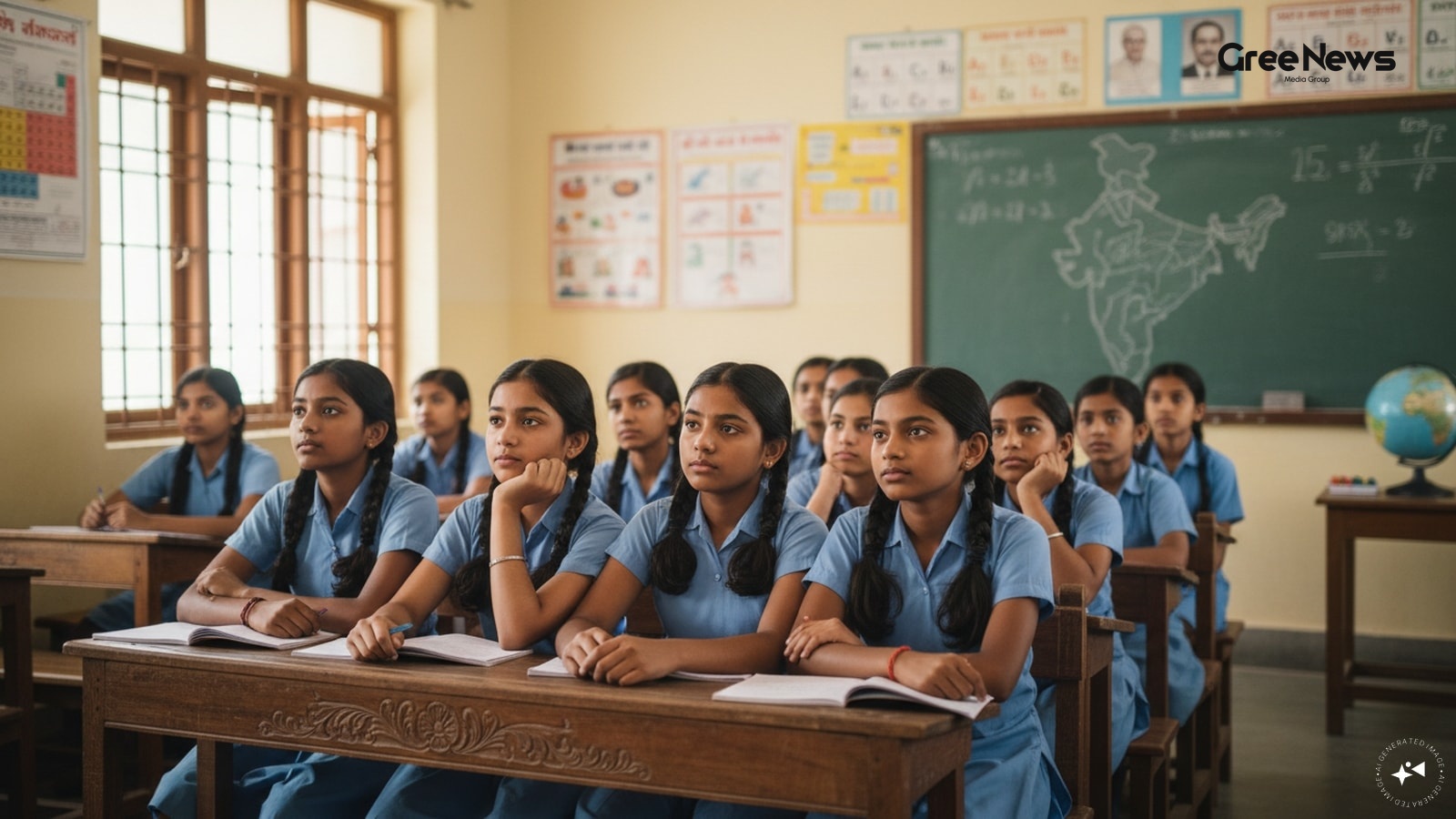
Supreme Court Weighs In on Three-Language Policy Timing
The Supreme Court weighed in on the three-language policy debate, suggesting a change in timing for introducing an extra language under the CBSE curriculum. It basically said it shouldn't wait until Class 9. Justice B V Nagarathna made this point during a hearing about the Tamil Nadu government’s ch
Jul 17, 2026 by Gree News Team

Anurag Kumar Appointed Next Commissioner of Police in Delhi
Anurag Kumar was appointed the next Commissioner of Police in Delhi on Friday. It’s a big leadership shift happening right now. He replaced Satish Golcha. Golcha is leaving the post soon, due to retirement in April 2027, and he was removed from the role prematurely. That sets the stage for this chan
Jul 17, 2026 by Gree News Team
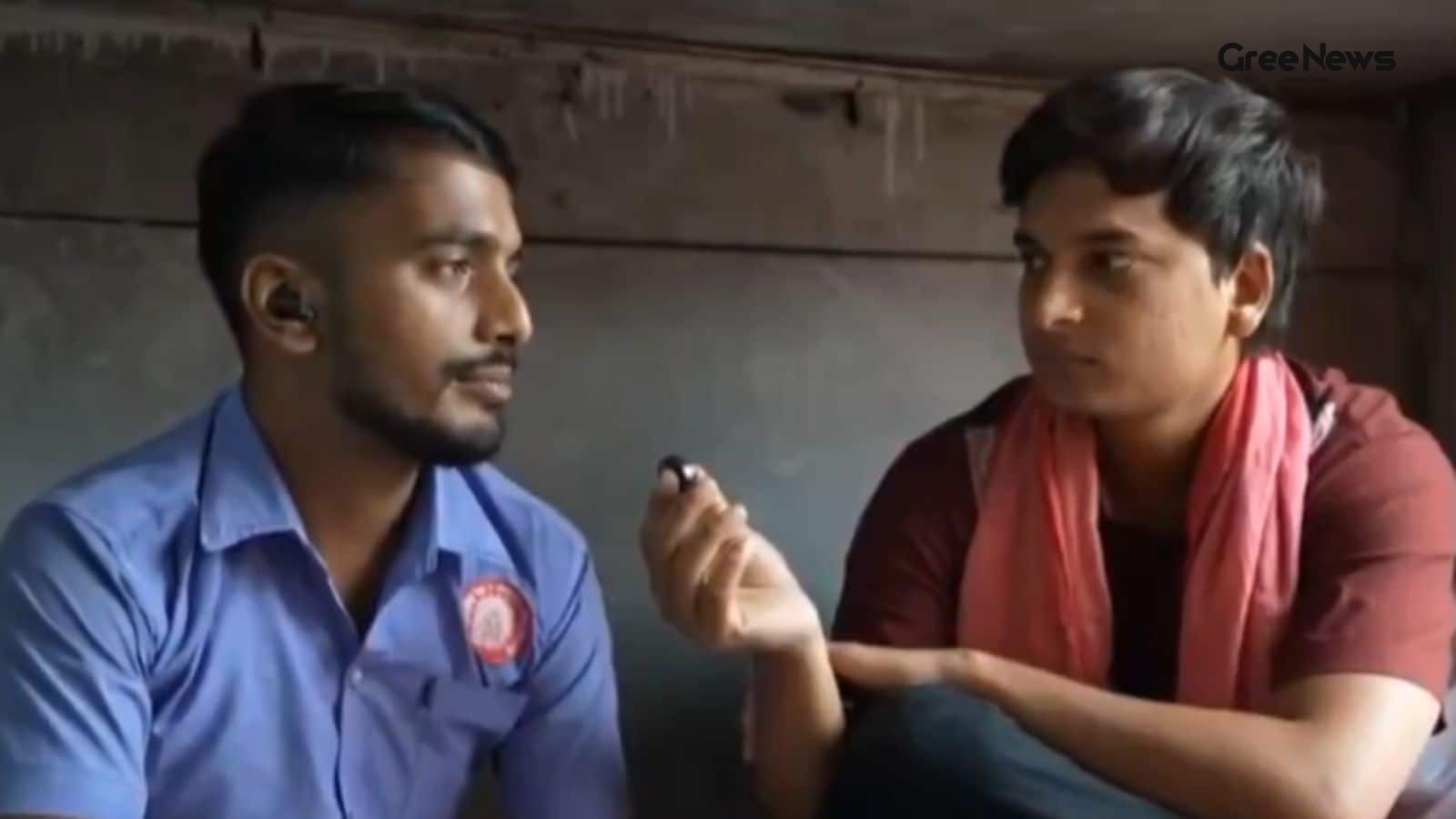
The Financial Cost of Missing Linens on Indian Railways
Most people probably just grab a railway towel or blanket and think it’s a free souvenir. But there’s another side to that picture, a cost someone else ends up paying for. A viral clip surfaced recently showing Amit Yadav, an attendant on Indian Railways trains. He handles the distribution and colle
Jul 17, 2026 by Gree News Team
Nitish Kaushal and the Bhagwanpuria Organized Crime Group
Nitish Kaushal. An Indian-origin gangster. He’s been arrested in the US now. Days after getting added to the FBI's Most Wanted list. That’s where it started. The Federal Bureau of Investigation announced this stuff on Thursday. They said US law enforcement actually took him into custody in Vermont.
Jul 17, 2026 by Gree News Team
European Commission Report on Pakistan's Human Rights Situation
That European Commission report just dropped. It paints a really bleak picture of Pakistan’s human rights situation. We’re talking serious stuff: enforced disappearances, restrictions on basic freedoms, problems with the courts, minority rights, and labor protections are all flagged. And here’s the
Jul 17, 2026 by Gree News Team

Controversy involving Lord Krishna, Islam, and Maulana Jarjis Ansari
Lord Krishna Namaz Row. That’s what started it. A controversy blew up after some video surfaced involving cleric Maulana Jarjis Ansari. He allegedly claimed Lord Krishna was Muslim. And that Krishna offered namaz five times a day. It went viral on social media fast. This whole thing immediately trig
Jul 17, 2026 by Gree News Team
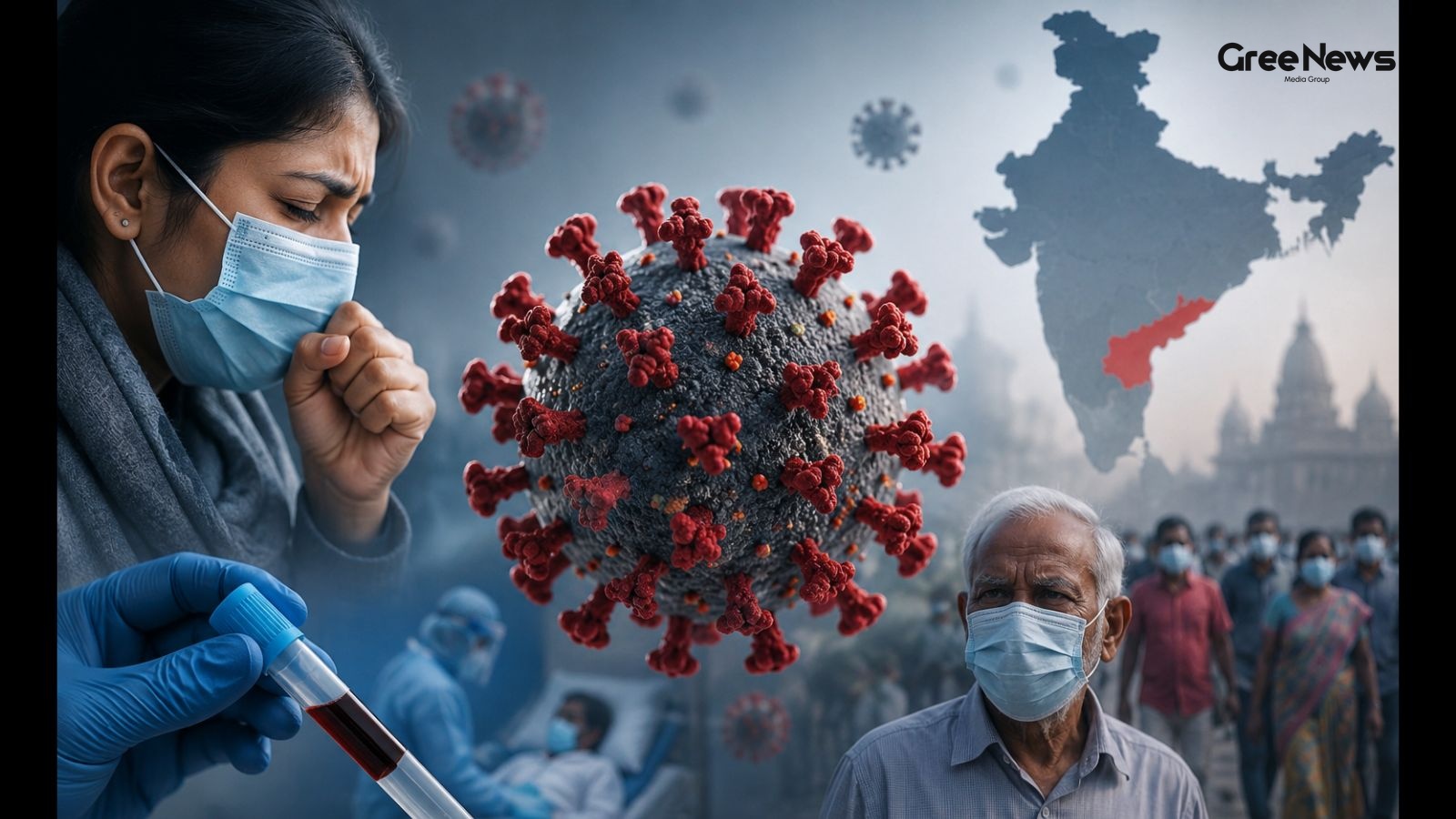
Andhra Pradesh Covid-19 Statistics and Management Report
Andhra Pradesh is seeing some grim numbers lately. They clocked twelve Covid-19 infections between June 26 and July 16. And four people died from it. That’s what State Health Commissioner G Veerapandian told them on Thursday. Sporadic cases, he said in a release. Twelve people caught the virus in th
Jul 17, 2026 by Gree News Team
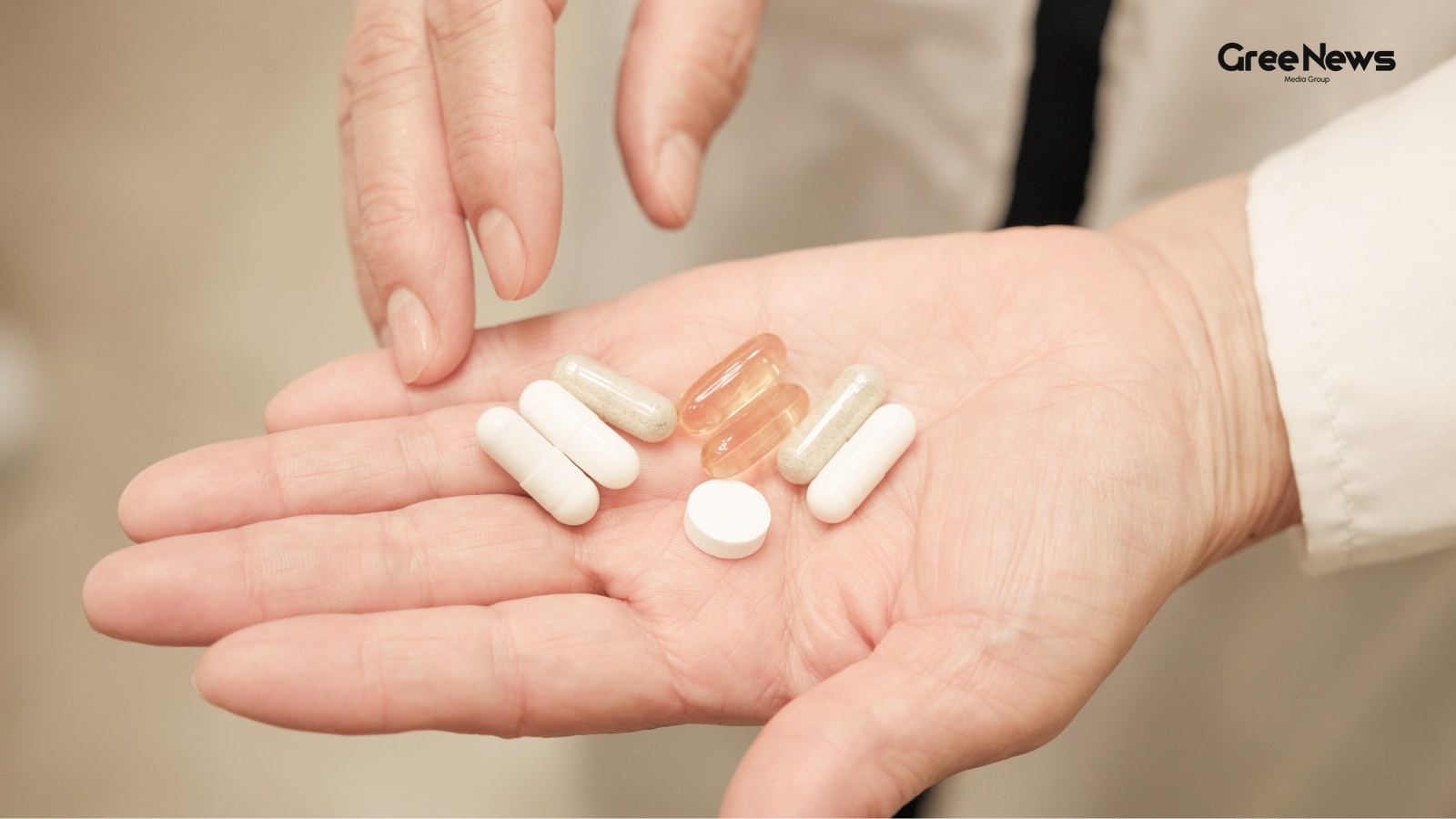
Lipfendra (enlicitide): The New Once-Daily Oral PCSK9 Inhibitor
The FDA just gave the green light for Lipfendra, which is enlicitide. It’s a big deal because it’s the first time we have a once-daily oral PCSK9 inhibitor available for adults dealing with certain types of high cholesterol. Merck developed this pill. It offers a new route. A way around those pesky
Jul 17, 2026 by Gree News Team
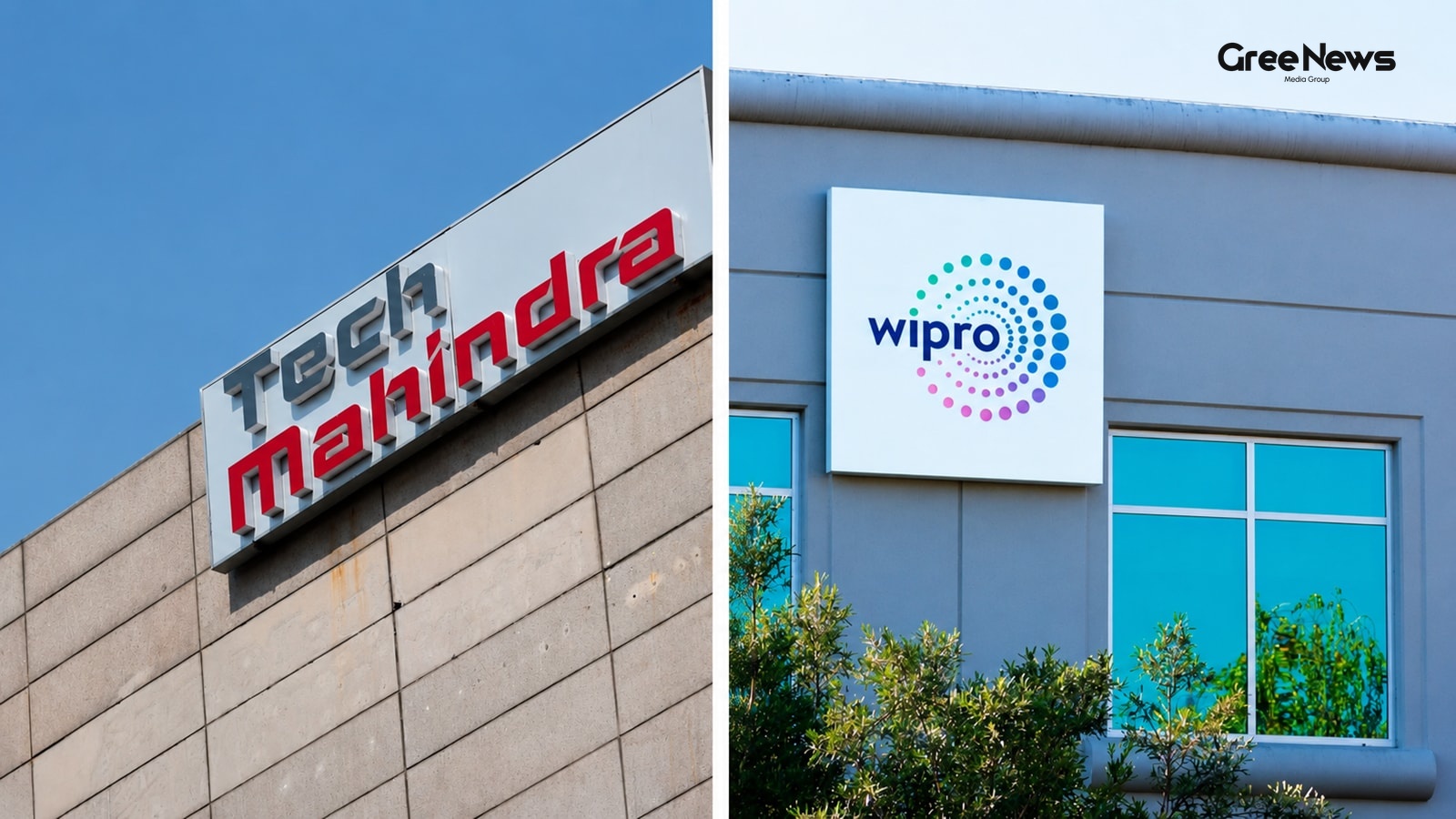
IT Stocks Jump After June-Quarter Earnings Release
IT stocks generally jumped Thursday after those June-quarter earnings came out. Investors seemed to favor companies that showed better growth, pushing hard on margins and guidance for the ones that fell short. The Nifty IT index ticked up 1.33% in morning trade, hitting 29,103.50. Some large names w
Jul 17, 2026 by Gree News Team
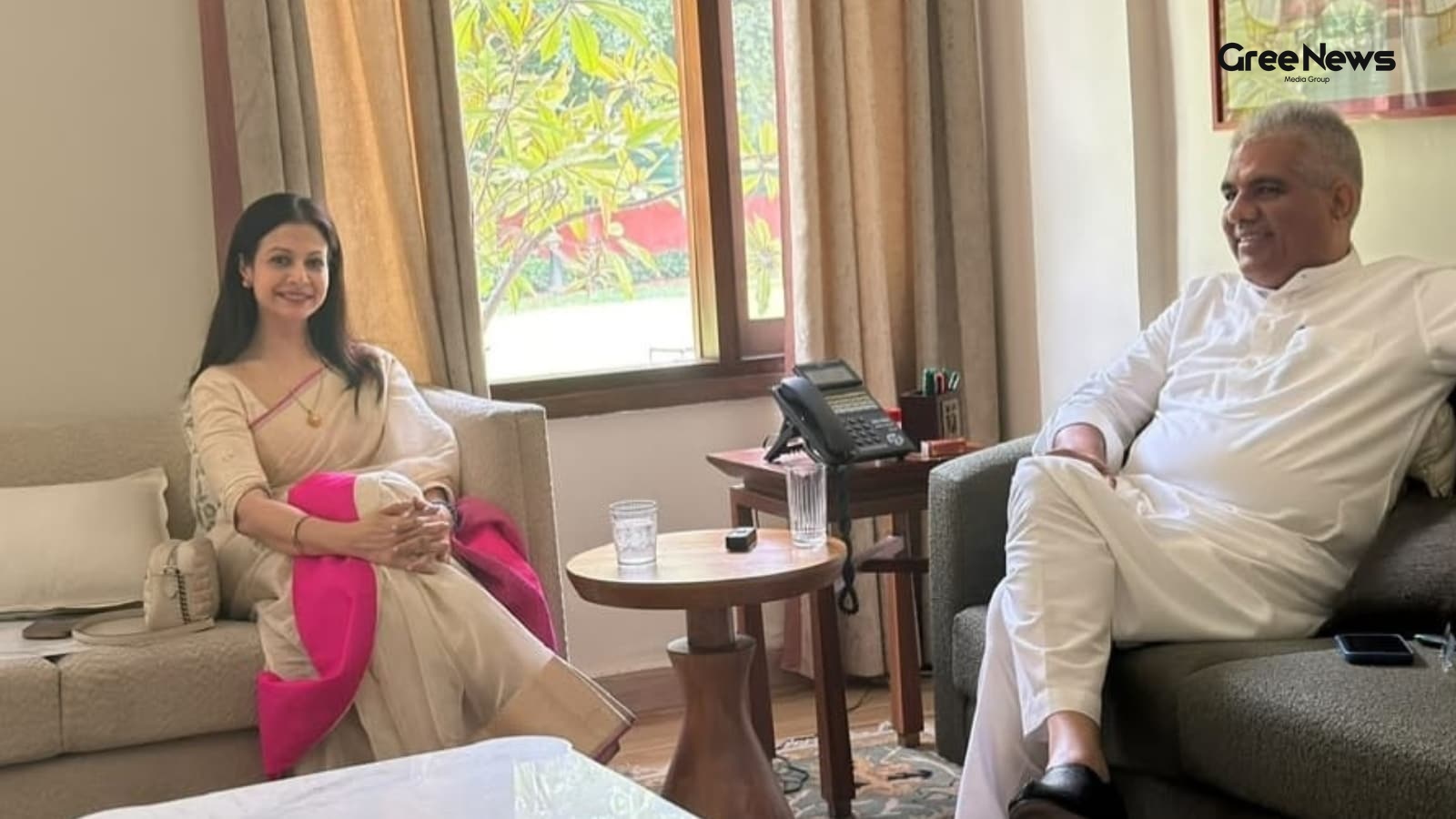
Koel Mallick's Political Shift and West Bengal Politics
Koel Mallick stepping down from her Rajya Sabha seat without showing up for a single day in Parliament has really stirred things up in West Bengal politics. It’s just… unprecedented stuff, you know? There was chatter immediately about where she might go next. Some folks were talking about joining so
Jul 17, 2026 by Gree News Team

Donation Theft Scandal at Ram Mandir Complex
What started so simply. Finding a suspicious pile of cash tucked away in a washroom inside the Ram Mandir complex in Ayodhya. That little discovery snowballed fast into one of the biggest donation theft scandals ever linked to the temple. It’s unbelievable how that happened. A Times of India report
Jul 17, 2026 by Gree News Team