RBI MPC Meeting: Navigating Inflation, Growth, and Geopolitical Uncertainty
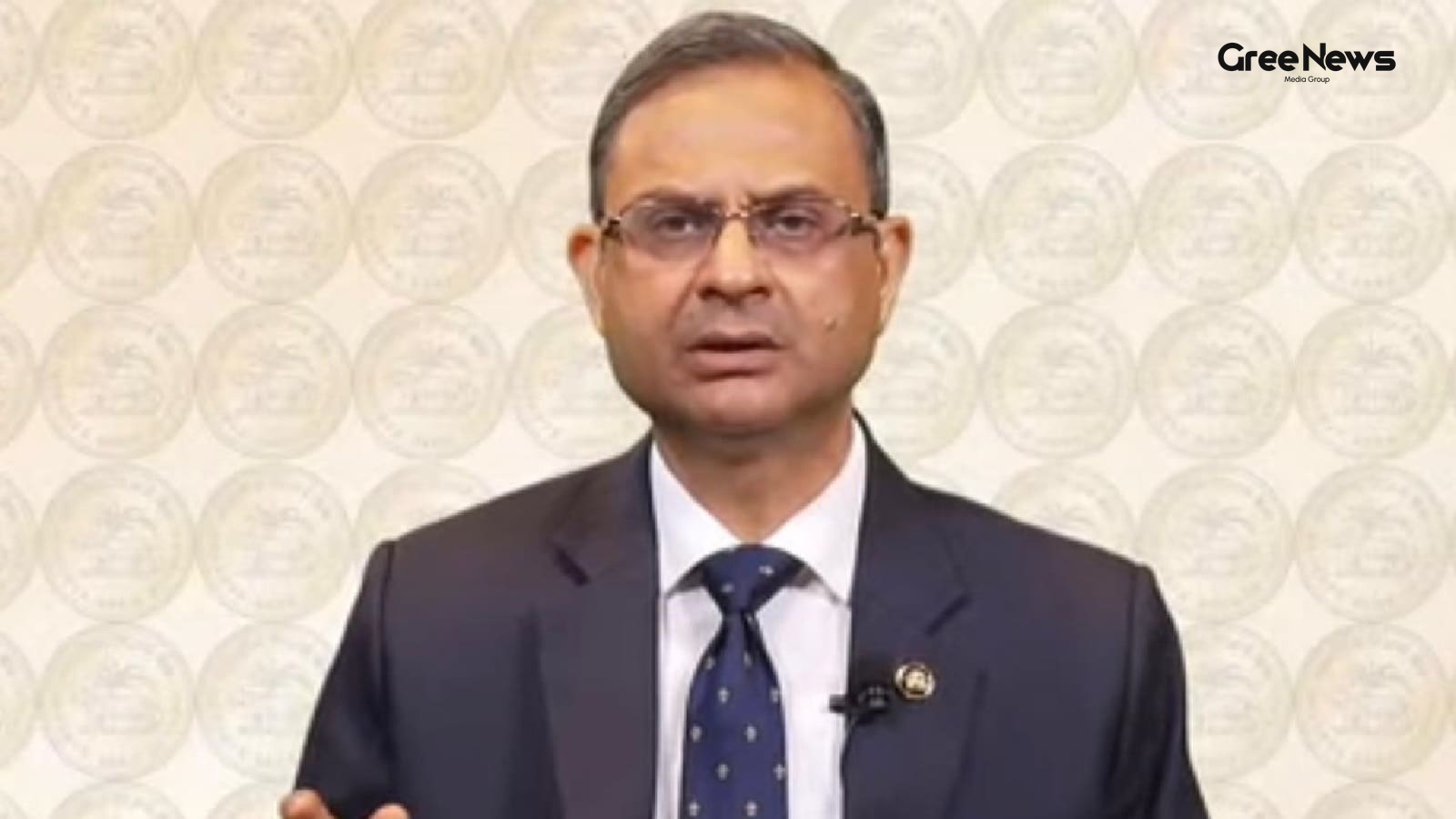
The RBI MPC meeting . June 3rd. That’s when the real pressure kicks in.
It’s three days, just three days where everyone is holding their breath, waiting for Governor Sanjay Malhotra to drop the hammer on the policy decision on June 5th. But what’s everyone actually hoping for? Mostly, silence. Or maybe, just the same old story.
The general consensus, if you ask around the financial hubs, is that the benchmark repo rate will stay put. 5.25 per cent. That’s the easy answer, the comfortable pause. But underneath that surface calm, there’s a whole mess brewing. Investors and the economists—they aren't just looking at the numbers; they're watching the shadows moving across the geopolitical landscape, the supply chain snarls, and how that all bleeds into the rupee.
Crude oil prices, they’ve been wild lately, surging. That volatility alone is enough to make things feel shaky. And you can’t ignore the backdrop of the ongoing conflict in West Asia. It’s not just some distant skirmish; it’s directly feeding into global supply chains, hitting energy costs, and putting a serious strain on everything India is trying to manage right now. This uncertainty? It’s feeding right back into the inflation and growth outlook. It’s making everyone expect the central bank to tread way, way more cautiously than usual.
There’s a split, of course. Some people are leaning into the pause. Others are already bracing for a move.
Take that poll from Moneycontrol. Ten out of fourteen people are betting on the rate staying exactly where it is, 5.25 per cent, for June. That’s the majority comfort zone. But four people? Four participants are clearly flagging the possibility of a hike. They’re saying, "Hold on, if inflation risks really intensify, we need to see some action." That’s the nervous edge of the market showing through.
Remember the history for a second. The RBI has been easing things. They pulled the repo rate down by a cumulative 125 basis points since February 2025. A whole monetary easing cycle. Then, they just kept things steady during the February and April reviews of 2026. It’s a pattern of waiting.
Most of the big money thinkers seem to aGree with the pause. They prefer to sit back, observe the fallout from those higher energy prices and all the geopolitical noise before they decide to shift gears. It’s a strategy of assessment, maybe even hesitation.
But inflation itself is still a thorny issue. Retail inflation did ease a bit, hitting 3.48 per cent back in April. That’s better than where we started, sure. But that easing doesn't erase the immediate threat. The recent spike in crude oil prices, though—that feels like a giant anchor dragging the inflation trajectory down, or maybe pushing it up, depending on how you look at it.
Some research is already pointing toward a darker possibility. SBI’s Economic Research Department put out a report suggesting that the Consumer Price Index, the CPI, might actually creep above 5 per cent over the next three quarters. That’s a significant jump, isn't it? That’s pushing the boundaries. Still, they note that for the current quarter, things are holding relatively steady, hovering around 4 to 4.1 per cent. A tightrope walk.
Then you have the voices from the experts, and they are starting to sharpen their knives. Madan Sabnavis, chief economist at Bank of Baroda, he’s got a slightly more hawkish take. He expects the RBI to maintain the rates, sure, but he wants a shift in tone. He’s forecasting that the RBI will start pushing the inflation forecast up towards 5 per cent, and simultaneously lower the GDP growth projection, aiming for something closer to 6.5 per cent, down from the previous 6.9 per cent. It’s a subtle but clear shift in the narrative—more focus on inflation control, less on pure growth momentum.
The official target, of course, is still 4 per cent, with that 2 to 6 per cent tolerance band. But the reality on the ground, with these external shocks, feels much wider than that band.
And it’s not just inflation that’s getting attention. Growth concerns are resurfacing, too. It’s all tied up in those commodity prices and the sheer uncertainty surrounding global trade flows.
Remember the previous projection? The RBI had pegged India’s GDP growth at 6.9 per cent for FY27. That was the comfortable number. Now, the mood is shifting. Economists are increasingly expecting the central bank to pull that growth forecast back, to trim it amid all this external headwinds.
SBI estimates are already doing that work. They’re projecting FY27 growth at 6.6 per cent. And FY26? That’s sitting at 7.5 per cent. The numbers are starting to feel less certain, more volatile.
The RBI itself, in its latest annual report, tried to paint a positive picture. They pointed to strong macroeconomic fundamentals. But they also threw in a warning. A prolonged conflict in West Asia? That could introduce real downside risks to growth. It’s that kind of hedging language you hear, trying to acknowledge the risk without causing a panic.
What really seems to be happening in the market, though, is that people are starting to look past the immediate rate decision. They’re watching for the RBI’s guidance. What they want to know is, what’s the playbook for the next few months?
Dipti Deshpande, principal economist at Crisil, she sounds pretty measured. She expects the MPC to keep the repo rate where it is, maintain a neutral stance. Her argument centers on where the pressure is coming from. She points out that the current inflation pressures are largely supply-driven. Think elevated fuel costs, input costs, and that weaker rupee dragging things further. So, she suggests the MPC might choose to look through those supply-side pressures when assessing policy.
She then brings in another factor. She mentions monitoring the pass-through effect of those energy prices on domestic inflation. And the impact of emerging El Niño conditions on food prices. It’s a complex web of factors.
Meanwhile, you can’t ignore the weather. The monsoon outlook is definitely playing a role. The India Meteorological Department is forecasting below-normal rainfall for the June-September season. We’re talking about precipitation estimated at only 90 per cent of the long-period average. That uncertainty about the rains, that’s another variable the MPC has to wrestle with.
Aditi Nayar, chief economist at ICRA, she brings the monsoon uncertainty right into the mix. She argues that combining that monsoon uncertainty with the ongoing tensions in West Asia demands extreme caution from the RBI. It’s a double dose of external volatility hitting the domestic economy.
And then there’s the market’s own bets. Vinay Pai, MD and Head of Fixed Income at Equirus Capital, he’s talking about the potential movement ahead. He suggests that markets are already pricing in a possibility of rate hikes over the coming months. He talks about a range, 25 to 50 basis points of hikes.
He puts a specific scenario on the table. If crude prices stick above USD 100 per barrel for a sustained period—and that’s a big "if"—then inflationary pressures could force the central bank to consider a cumulative 50 basis point hike by August. But he stresses, this isn't the base case right now. It’s a possibility, a scare tactic, not the immediate reality.
So, what do we end up with? The consensus is still tilted toward the status quo. But that status quo is fraying at the edges.
The real focus, beyond the single rate number, is what the RBI will say about the future. Investors are now tracking several things simultaneously. They want to see changes in the RBI’s inflation forecast for FY27. They want to see revisions to those GDP growth estimates. They want commentary on how the rupee and the external sector are being assessed. And critically, they want signals about future rate actions or any moves regarding liquidity management.
It’s all about the forward guidance.
And that’s the tension. The meeting itself, the decision on June 5th, it’s less about the immediate move on the repo rate. It’s more about the message. It’s about whether the RBI is simply pausing, or if they are actively preparing for a potential reversal in the rate cycle in the months ahead.
There’s this underlying current of nervousness. The combination of rising inflation risks and the sheer intensity of global uncertainty means this meeting isn't just a routine check-in. It could be the moment where the pause turns into a signal. It could be the clue we’ve been waiting for about where India’s rate cycle is heading next. It’s messy. It’s unpredictable. And it feels very, very important.
Written by Gree News Team — Senior Editorial Board
Gree News Team covers international news and global affairs at Gree News. Our collective of senior editors is dedicated to providing independent, accurate, and responsible journalism for a global audience.
More from Economy
View All
The Timeline and Demands of the 8th Pay Commission
Eight months have slipped by since the 8th Pay Commission was set up. People are starting to expect that final report, though. It feels like a long wait for something this big. The commission itself has been doing its work through regional consultations. Nine rounds done so far across various states
Jul 17, 2026 by Gree News Team

India's Vegetable Oil Imports and Global Market Dynamics
Modi appealed to citizens back in May 2026. He wanted everyone to partner up to strengthen the nation amid that West Asia crisis. Seven appeals were made. Avoid gold buying, avoid foreign travel for a year. And reduce edible oil consumption. Farmers needed to cut dependence on imported chemical fert
Jul 15, 2026 by Gree News Team
Rupee Hit by Geopolitical Events and Oil Price Surge
The rupee took a hit this morning. It slipped by forty-nine paise to settle at 96.17 against the dollar. That all because of those US strikes against Iran, happening for the third night in a row. It just poured gasoline on the fire, making everyone nervous about that ceasefire finally falling apart
Jul 14, 2026 by Gree News Team
Indian Rupee, Oil Prices, and Market Movements
Friday opened with the Indian rupee taking a jump of twenty-four paise, hitting 95.23 against the US dollar. That movement was fueled by some oil price dip and general weakness in the dollar. But you can’t ignore the background noise; traders are still watching those Middle East war risks lurking ar
Jul 10, 2026 by Gree News Team
Latest Headlines

Details of a Tragic Exam Case and Controversy
The immediate context is that this student had just sat for the exam and was reportedly under serious stress after trying to estimate her score using the answer key that came out online. Family members told the police something heartbreaking. They said she had expected a much higher mark. After seei
Jul 17, 2026 by Gree News Team
Milei's World Cup Ritual and the Final
He told *El Observador* radio about this on Thursday. There’s no backing down from that tradition. Watching World Cup matches from the presidential residence is just how he does it. He has done it for the entire run leading up to Sunday’s final. A routine, really. There’s another thing he keeps doin
Jul 17, 2026 by Gree News Team

The Record-Breaking Value of Football Memorabilia
A shirt from one of football’s biggest moments just hit the record books. It sold for four point nine million dollars at auction in the United States this Thursday. It was Pele's jersey. The blue shirt he wore during Brazil’s first FIFA World Cup triumph back in ’58. That piece? It became incredibly
Jul 17, 2026 by Gree News Team

Ranveer Singh's Next Big Project: Details on Pralay and Filming Plans
Ranveer Singh seems to be riding something good right now. Professionally, personally. He’s excited about being a dad again. His wife, Deepika Padukone, is pregnant with their second kid. And then there’s the next big thing: *Pralay*. He’s gearing up for that one. Reports say he might start shooting
Jul 17, 2026 by Gree News Team
Supreme Court Weighs In on Three-Language Policy Timing
The Supreme Court weighed in on the three-language policy debate, suggesting a change in timing for introducing an extra language under the CBSE curriculum. It basically said it shouldn't wait until Class 9. Justice B V Nagarathna made this point during a hearing about the Tamil Nadu government’s ch
Jul 17, 2026 by Gree News Team

Anurag Kumar Appointed Next Commissioner of Police in Delhi
Anurag Kumar was appointed the next Commissioner of Police in Delhi on Friday. It’s a big leadership shift happening right now. He replaced Satish Golcha. Golcha is leaving the post soon, due to retirement in April 2027, and he was removed from the role prematurely. That sets the stage for this chan
Jul 17, 2026 by Gree News Team
The Financial Cost of Missing Linens on Indian Railways
Most people probably just grab a railway towel or blanket and think it’s a free souvenir. But there’s another side to that picture, a cost someone else ends up paying for. A viral clip surfaced recently showing Amit Yadav, an attendant on Indian Railways trains. He handles the distribution and colle
Jul 17, 2026 by Gree News Team

Nitish Kaushal and the Bhagwanpuria Organized Crime Group
Nitish Kaushal. An Indian-origin gangster. He’s been arrested in the US now. Days after getting added to the FBI's Most Wanted list. That’s where it started. The Federal Bureau of Investigation announced this stuff on Thursday. They said US law enforcement actually took him into custody in Vermont.
Jul 17, 2026 by Gree News Team
European Commission Report on Pakistan's Human Rights Situation
That European Commission report just dropped. It paints a really bleak picture of Pakistan’s human rights situation. We’re talking serious stuff: enforced disappearances, restrictions on basic freedoms, problems with the courts, minority rights, and labor protections are all flagged. And here’s the
Jul 17, 2026 by Gree News Team

Controversy involving Lord Krishna, Islam, and Maulana Jarjis Ansari
Lord Krishna Namaz Row. That’s what started it. A controversy blew up after some video surfaced involving cleric Maulana Jarjis Ansari. He allegedly claimed Lord Krishna was Muslim. And that Krishna offered namaz five times a day. It went viral on social media fast. This whole thing immediately trig
Jul 17, 2026 by Gree News Team

Andhra Pradesh Covid-19 Statistics and Management Report
Andhra Pradesh is seeing some grim numbers lately. They clocked twelve Covid-19 infections between June 26 and July 16. And four people died from it. That’s what State Health Commissioner G Veerapandian told them on Thursday. Sporadic cases, he said in a release. Twelve people caught the virus in th
Jul 17, 2026 by Gree News Team

Lipfendra (enlicitide): The New Once-Daily Oral PCSK9 Inhibitor
The FDA just gave the green light for Lipfendra, which is enlicitide. It’s a big deal because it’s the first time we have a once-daily oral PCSK9 inhibitor available for adults dealing with certain types of high cholesterol. Merck developed this pill. It offers a new route. A way around those pesky
Jul 17, 2026 by Gree News Team
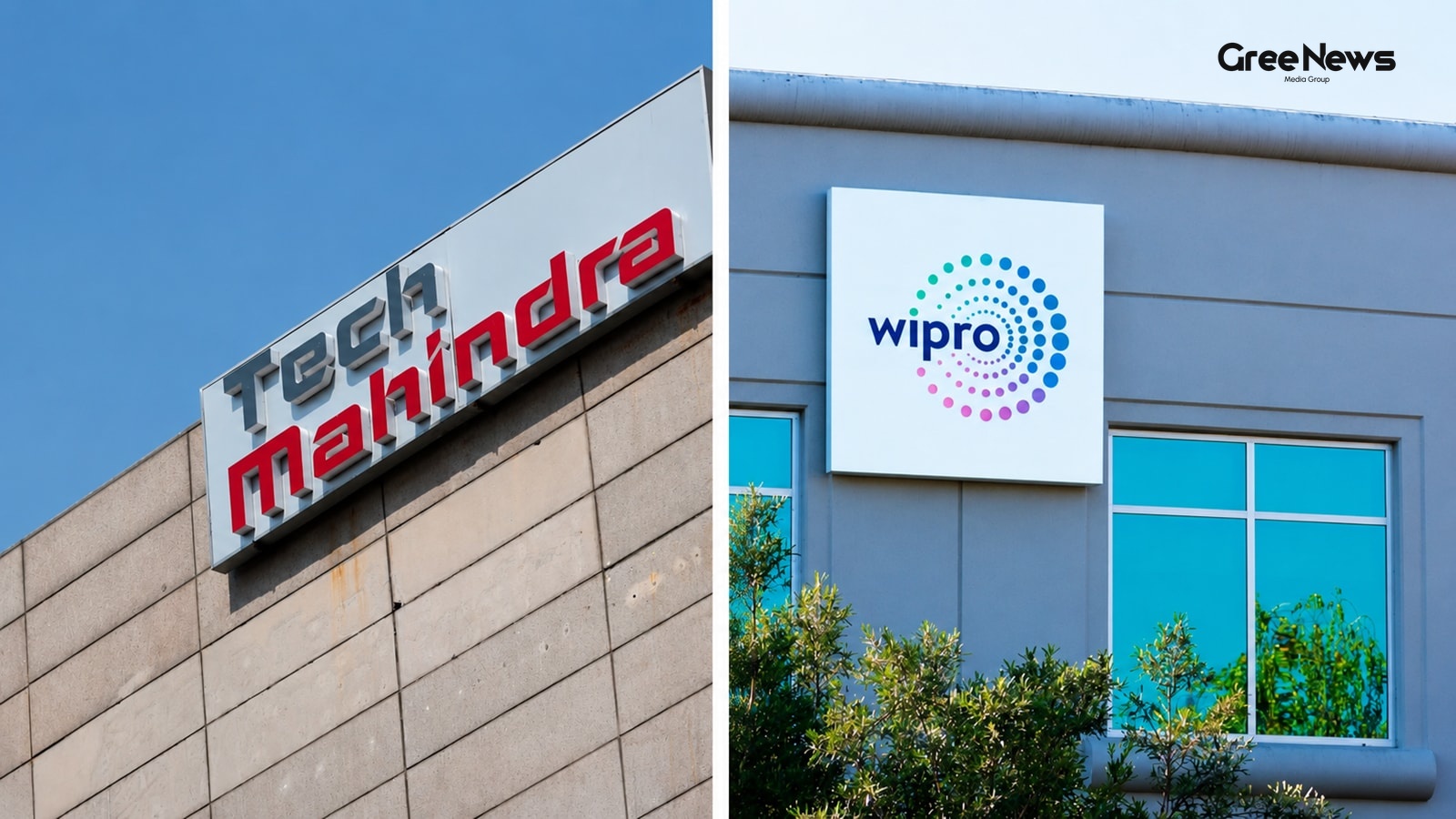
IT Stocks Jump After June-Quarter Earnings Release
IT stocks generally jumped Thursday after those June-quarter earnings came out. Investors seemed to favor companies that showed better growth, pushing hard on margins and guidance for the ones that fell short. The Nifty IT index ticked up 1.33% in morning trade, hitting 29,103.50. Some large names w
Jul 17, 2026 by Gree News Team
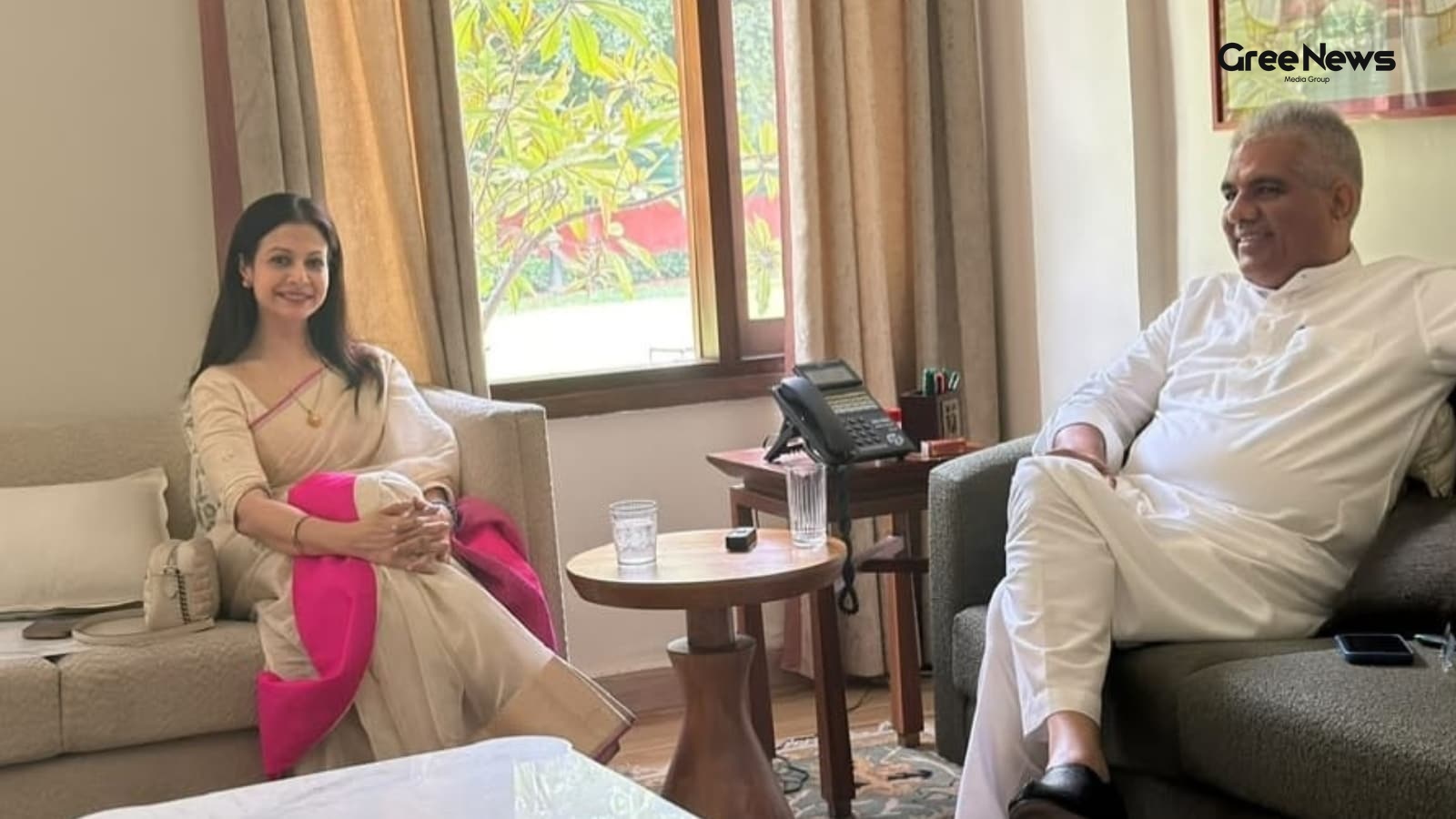
Koel Mallick's Political Shift and West Bengal Politics
Koel Mallick stepping down from her Rajya Sabha seat without showing up for a single day in Parliament has really stirred things up in West Bengal politics. It’s just… unprecedented stuff, you know? There was chatter immediately about where she might go next. Some folks were talking about joining so
Jul 17, 2026 by Gree News Team

Donation Theft Scandal at Ram Mandir Complex
What started so simply. Finding a suspicious pile of cash tucked away in a washroom inside the Ram Mandir complex in Ayodhya. That little discovery snowballed fast into one of the biggest donation theft scandals ever linked to the temple. It’s unbelievable how that happened. A Times of India report
Jul 17, 2026 by Gree News Team