The Collision of Conflict: War, Diplomacy, and the Human Cost in Lebanon
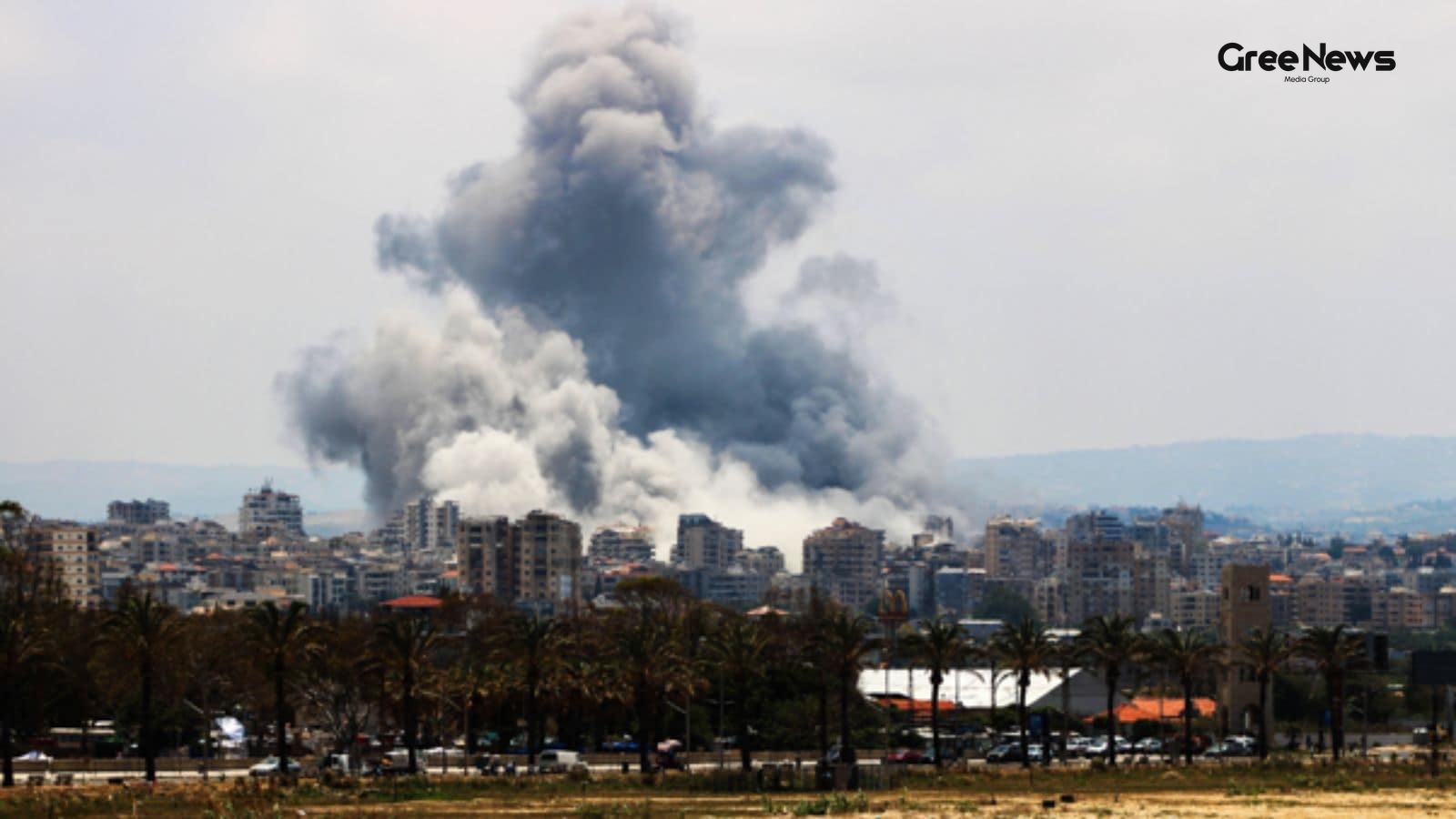
The air just feels thick, doesn't it? Heavy with something you can’t quite name. Israel moving in, deep into Lebanon. It’s not just a border skirmish anymore. It’s this whole mess, this whole three-month-old war between the US and Iran, it’s suddenly being dragged into the dirt of this southern country.
They took Beaufort Castle. That old thing. A thousand years of history sitting on that hilltop. It’s not just some piece of real estate, you know? It’s a symbol. A really old symbol of some kind of heroic battle for the fighters, they call it. But Netanyahu, he said it. He framed it, trying to spin it, making it sound like a victory, a necessary push. But he also admitted it was a symbol of deep division between them. That kind of contradiction just sits there, heavy.
And this is where the real trouble starts, isn’t it? This aggression. It doesn’t just happen in a vacuum. It hits the ongoing negotiations, this whole fragile attempt to get some kind of ceasefire deal sorted out between Tehran and Washington.
The whole deal hinges on things that are now being deliberately ignored. Iran’s side, they’ve shut down the message exchange. They’ve stopped talking through the usual channels, using the intermediaries, trying to pull the rug out from under whatever was supposed to be happening. Why? Because the Israeli military is still moving. Still active in Lebanon. That’s the sticking point.
Tasnim news agency reported it. They said the negotiating team stopped sending documents back and forth. They cited the continued Israeli military activity as the reason. It’s a classic standoff, really. Diplomacy grinding to a halt because the ground reality on the ground keeps shifting, keeps escalating.
And the agency added something else. That the decision came because those bigger diplomatic efforts across the Middle East just keep stalling. It’s not just about the immediate fighting; it’s about the whole structure collapsing.
Iran made it clear, sort of. They won’t resume talks unless something specific happens. They want the Israeli forces to actually withdraw from the occupied areas. They want the operations in Gaza and Lebanon to stop. That’s the condition. That’s the price they’re setting.
It’s this cycle, isn't it? One side acts, the other reacts, and the talks just get more and more stalled.
Then you have the warning. Foreign Minister Araqchi spoke up, right there on X. He warned that any escalation in Lebanon, any further push, it won’t be seen as an isolated event. It’s going to be seen as breaking the whole framework of the ceasefire involving the US.
“The ceasefire between Iran and the US is unequivocally a ceasefire on all fronts, including in Lebanon,” he wrote. Then he followed up. “Its violation on one front is a violation of the ceasefire on all fronts. The US and Israel are responsible for the consequences of any violation.”
That line. It’s dripping with accusation. It shifts the blame immediately. It moves the focus away from the immediate skirmish and onto the overarching aGreement that everyone is supposed to be honoring. It puts the responsibility squarely on the two major players.
And the human cost of this whole dance? It’s staggering. AP figures floating around the edges of this situation are just impossible to process. Over three thousand three hundred people. That’s the number killed in Lebanon since the fighting kicked off, March 2nd. Two days after the Iran war started. And then there are the displaced. About a million people have been forced from their homes. A million people just scattered.
It’s not abstract numbers. It’s families uprooted. It’s history being erased, piece by piece.
Look at what’s happening on the ground. Hundreds of thousands of people. They fled south Lebanon. They ran. As the Israeli forces pushed in. Airstrikes, ground troops. It’s a flight driven by sheer terror. They are trying to escape something that feels utterly relentless.
And this is where the memory gets twisted. The Lebanese Prime Minister, Salam, he said something really sharp, something that cuts right through the official noise. He said the forces aren’t just taking territory. They are demolishing homes. They are tearing down historical sites. He spoke about trying to “uproot Lebanon’s memory and erase the people’s history.” That’s a heavy thing to hear. It’s the reality of occupying force, isn't it? It’s not just about land; it’s about the narrative. Trying to wipe the slate clean.
The physical presence of the soldiers, the movement through the landscape—it’s layered with this intent. It’s not just military strategy. It’s something deeper, something about ownership, about defining what is real and what is gone.
The whole picture is this messy collision. You have the high-level diplomatic posturing, the broken deals between superpowers, and then you have the brutal, immediate reality unfolding in a place like Lebanon. The castles, the border lines, the shouted warnings—they all feed into this one dreadful reality.
The fear is palpable. It hangs over everything. It’s not just about who controls which patch of dirt. It’s about the fragility of any aGreement, the way those grand, sweeping deals between giants just dissolve when boots hit the ground. It’s about the million people who have to live with the fallout, the displacement, and the deliberate attempt to rewrite the past.
It’s all just noise, really. A relentless, uneven rhythm of violence and broken promises. And you just watch it happen.
Written by Gree News Team — Senior Editorial Board
Gree News Team covers international news and global affairs at Gree News. Our collective of senior editors is dedicated to providing independent, accurate, and responsible journalism for a global audience.
More from World
View All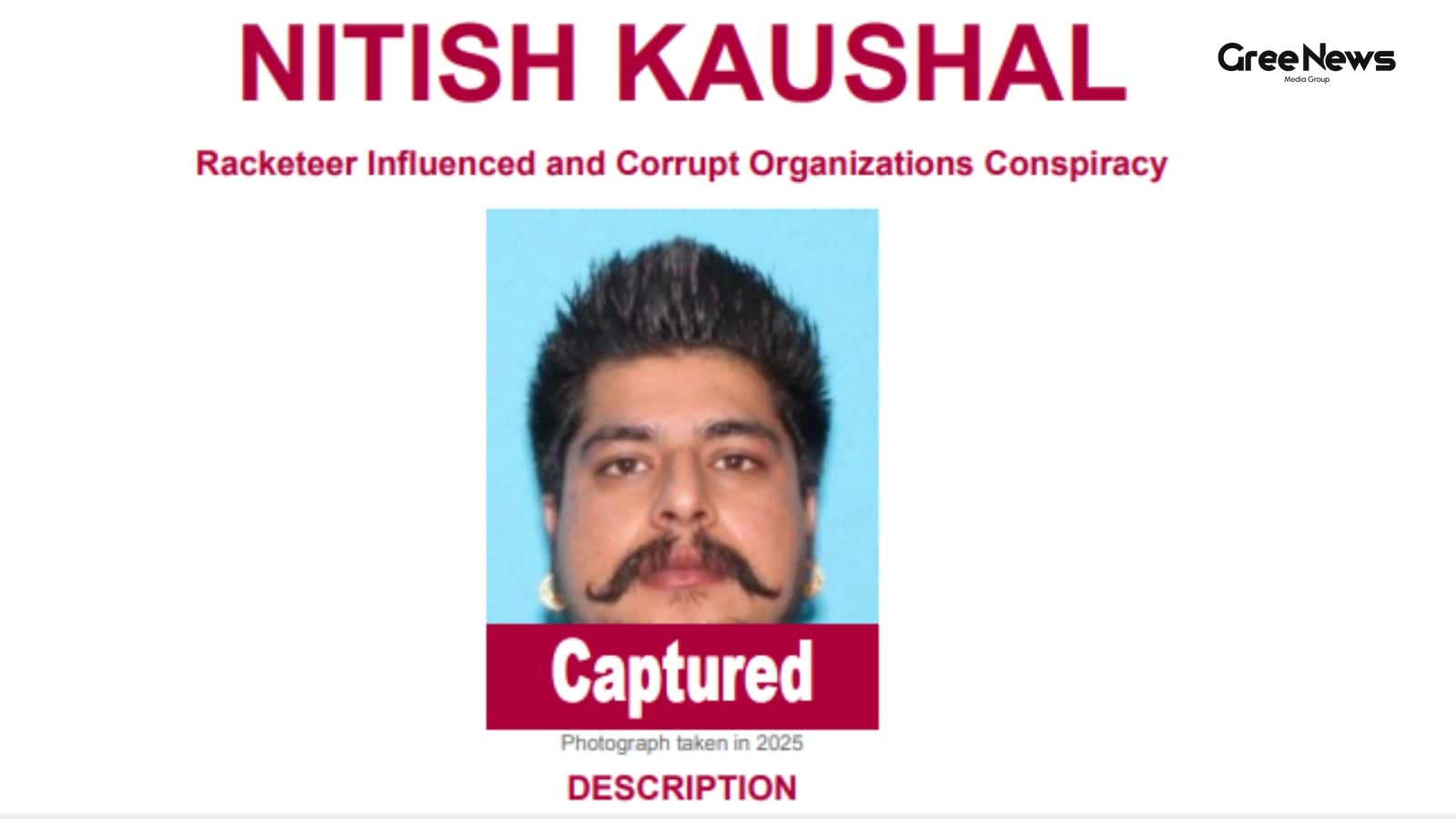
Nitish Kaushal and the Bhagwanpuria Organized Crime Group
Nitish Kaushal. An Indian-origin gangster. He’s been arrested in the US now. Days after getting added to the FBI's Most Wanted list. That’s where it started. The Federal Bureau of Investigation announced this stuff on Thursday. They said US law enforcement actually took him into custody in Vermont.
Jul 17, 2026 by Gree News Team
European Commission Report on Pakistan's Human Rights Situation
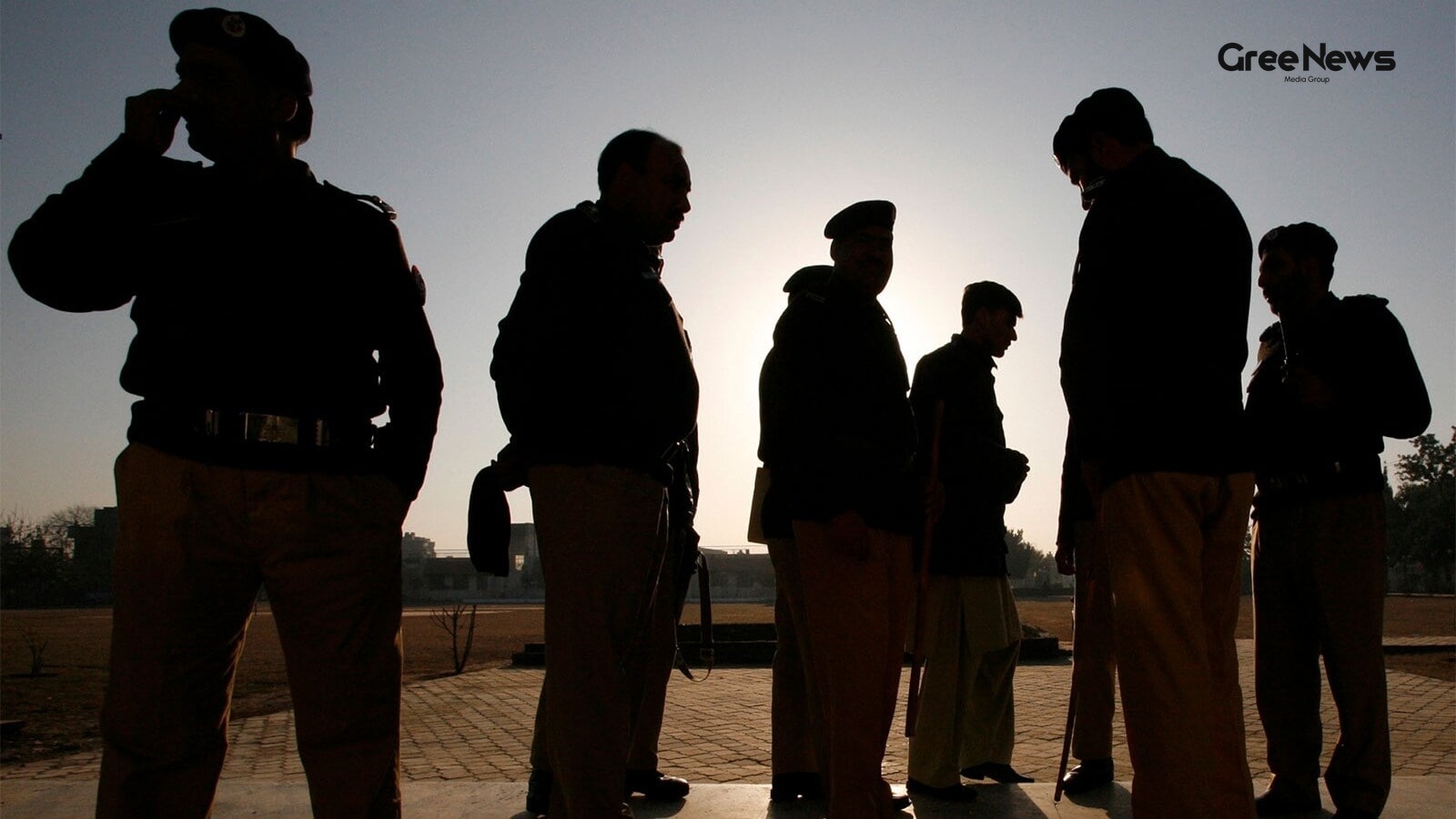
That European Commission report just dropped. It paints a really bleak picture of Pakistan’s human rights situation. We’re talking serious stuff: enforced disappearances, restrictions on basic freedoms, problems with the courts, minority rights, and labor protections are all flagged. And here’s the
Jul 17, 2026 by Gree News Team
US and Iran Attacks: Conflict, Strikes, and the Strait of Hormuz
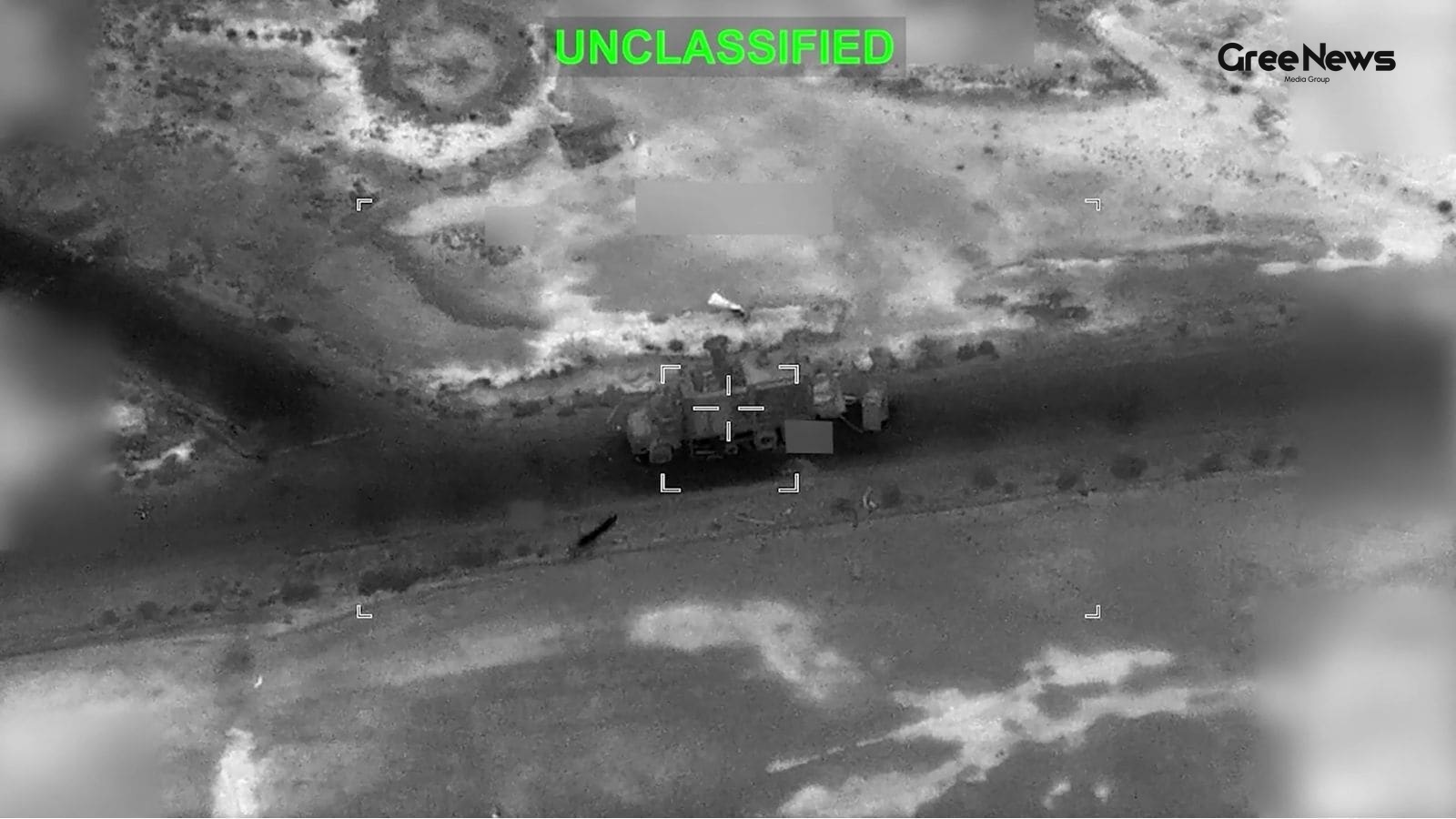
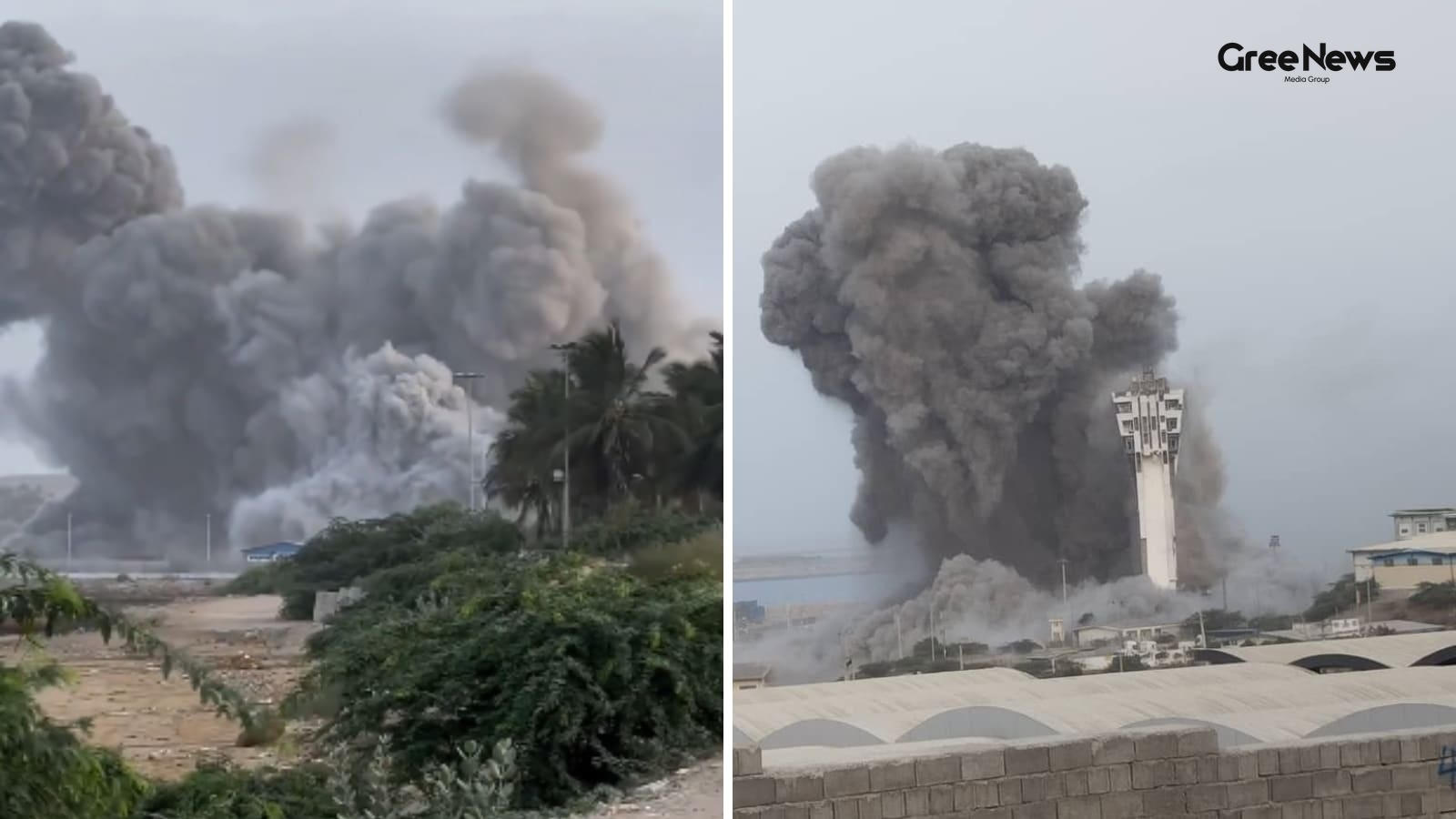
The exchange of attacks between the US and Iran kept going. It was the sixth night straight now. American forces kept hitting Iranian infrastructure bridges, train stations, an airport. Iranian state television said strikes on road and railway stuff in Hormozgan province killed at least seven people
Jul 17, 2026 by Gree News Team
The Chaotic Reality of the US-Iran Standoff
The latest news coming out of the US-Iran standoff is just… chaotic. You see these reports, right? The strikes themselves they kill people. Iranian state television put out that they lost at least seven lives in those recent US airstrikes. That’s what they claim. And it all happened while Washington
Jul 17, 2026 by Gree News Team
Latest Headlines
Details of a Tragic Exam Case and Controversy
The immediate context is that this student had just sat for the exam and was reportedly under serious stress after trying to estimate her score using the answer key that came out online. Family members told the police something heartbreaking. They said she had expected a much higher mark. After seei
Jul 17, 2026 by Gree News Team
Milei's World Cup Ritual and the Final
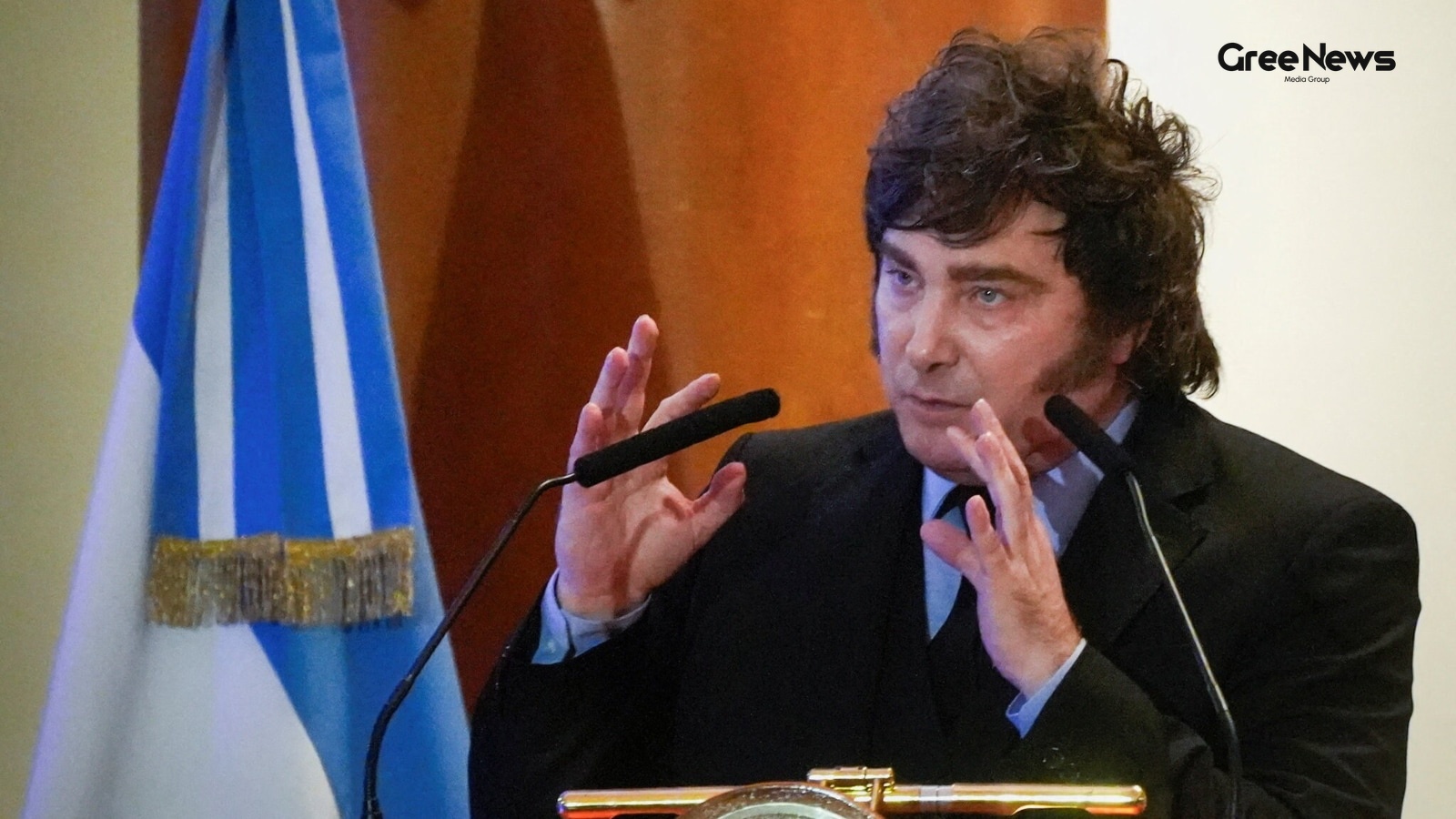
He told *El Observador* radio about this on Thursday. There’s no backing down from that tradition. Watching World Cup matches from the presidential residence is just how he does it. He has done it for the entire run leading up to Sunday’s final. A routine, really. There’s another thing he keeps doin
Jul 17, 2026 by Gree News Team

The Record-Breaking Value of Football Memorabilia
A shirt from one of football’s biggest moments just hit the record books. It sold for four point nine million dollars at auction in the United States this Thursday. It was Pele's jersey. The blue shirt he wore during Brazil’s first FIFA World Cup triumph back in ’58. That piece? It became incredibly
Jul 17, 2026 by Gree News Team

Ranveer Singh's Next Big Project: Details on Pralay and Filming Plans
Ranveer Singh seems to be riding something good right now. Professionally, personally. He’s excited about being a dad again. His wife, Deepika Padukone, is pregnant with their second kid. And then there’s the next big thing: *Pralay*. He’s gearing up for that one. Reports say he might start shooting
Jul 17, 2026 by Gree News Team
Supreme Court Weighs In on Three-Language Policy Timing
The Supreme Court weighed in on the three-language policy debate, suggesting a change in timing for introducing an extra language under the CBSE curriculum. It basically said it shouldn't wait until Class 9. Justice B V Nagarathna made this point during a hearing about the Tamil Nadu government’s ch
Jul 17, 2026 by Gree News Team

Anurag Kumar Appointed Next Commissioner of Police in Delhi
Anurag Kumar was appointed the next Commissioner of Police in Delhi on Friday. It’s a big leadership shift happening right now. He replaced Satish Golcha. Golcha is leaving the post soon, due to retirement in April 2027, and he was removed from the role prematurely. That sets the stage for this chan
Jul 17, 2026 by Gree News Team
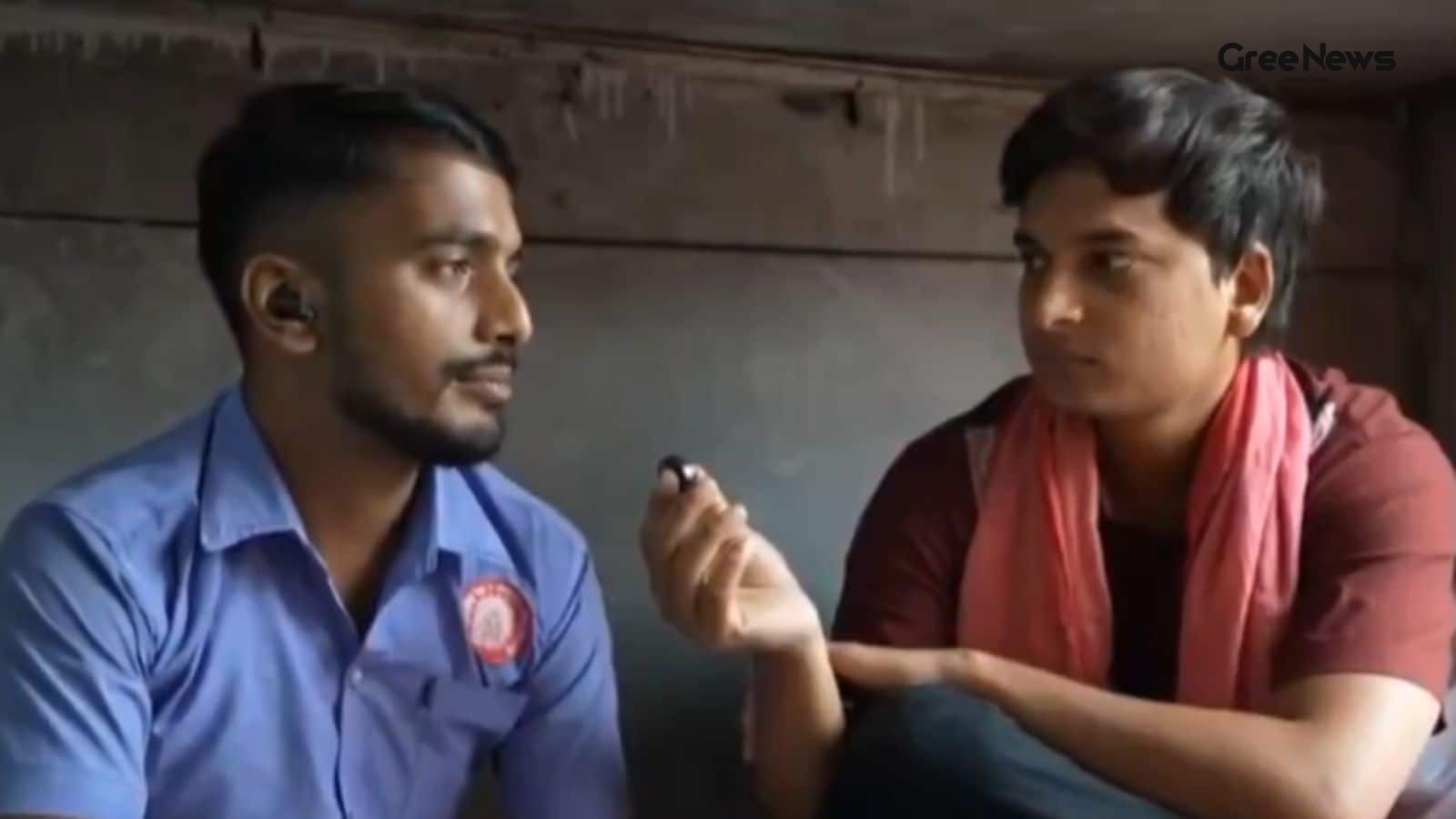
The Financial Cost of Missing Linens on Indian Railways
Most people probably just grab a railway towel or blanket and think it’s a free souvenir. But there’s another side to that picture, a cost someone else ends up paying for. A viral clip surfaced recently showing Amit Yadav, an attendant on Indian Railways trains. He handles the distribution and colle
Jul 17, 2026 by Gree News Team
Nitish Kaushal and the Bhagwanpuria Organized Crime Group
Nitish Kaushal. An Indian-origin gangster. He’s been arrested in the US now. Days after getting added to the FBI's Most Wanted list. That’s where it started. The Federal Bureau of Investigation announced this stuff on Thursday. They said US law enforcement actually took him into custody in Vermont.
Jul 17, 2026 by Gree News Team
European Commission Report on Pakistan's Human Rights Situation
That European Commission report just dropped. It paints a really bleak picture of Pakistan’s human rights situation. We’re talking serious stuff: enforced disappearances, restrictions on basic freedoms, problems with the courts, minority rights, and labor protections are all flagged. And here’s the
Jul 17, 2026 by Gree News Team

Controversy involving Lord Krishna, Islam, and Maulana Jarjis Ansari
Lord Krishna Namaz Row. That’s what started it. A controversy blew up after some video surfaced involving cleric Maulana Jarjis Ansari. He allegedly claimed Lord Krishna was Muslim. And that Krishna offered namaz five times a day. It went viral on social media fast. This whole thing immediately trig
Jul 17, 2026 by Gree News Team

Andhra Pradesh Covid-19 Statistics and Management Report
Andhra Pradesh is seeing some grim numbers lately. They clocked twelve Covid-19 infections between June 26 and July 16. And four people died from it. That’s what State Health Commissioner G Veerapandian told them on Thursday. Sporadic cases, he said in a release. Twelve people caught the virus in th
Jul 17, 2026 by Gree News Team

Lipfendra (enlicitide): The New Once-Daily Oral PCSK9 Inhibitor
The FDA just gave the green light for Lipfendra, which is enlicitide. It’s a big deal because it’s the first time we have a once-daily oral PCSK9 inhibitor available for adults dealing with certain types of high cholesterol. Merck developed this pill. It offers a new route. A way around those pesky
Jul 17, 2026 by Gree News Team

IT Stocks Jump After June-Quarter Earnings Release
IT stocks generally jumped Thursday after those June-quarter earnings came out. Investors seemed to favor companies that showed better growth, pushing hard on margins and guidance for the ones that fell short. The Nifty IT index ticked up 1.33% in morning trade, hitting 29,103.50. Some large names w
Jul 17, 2026 by Gree News Team
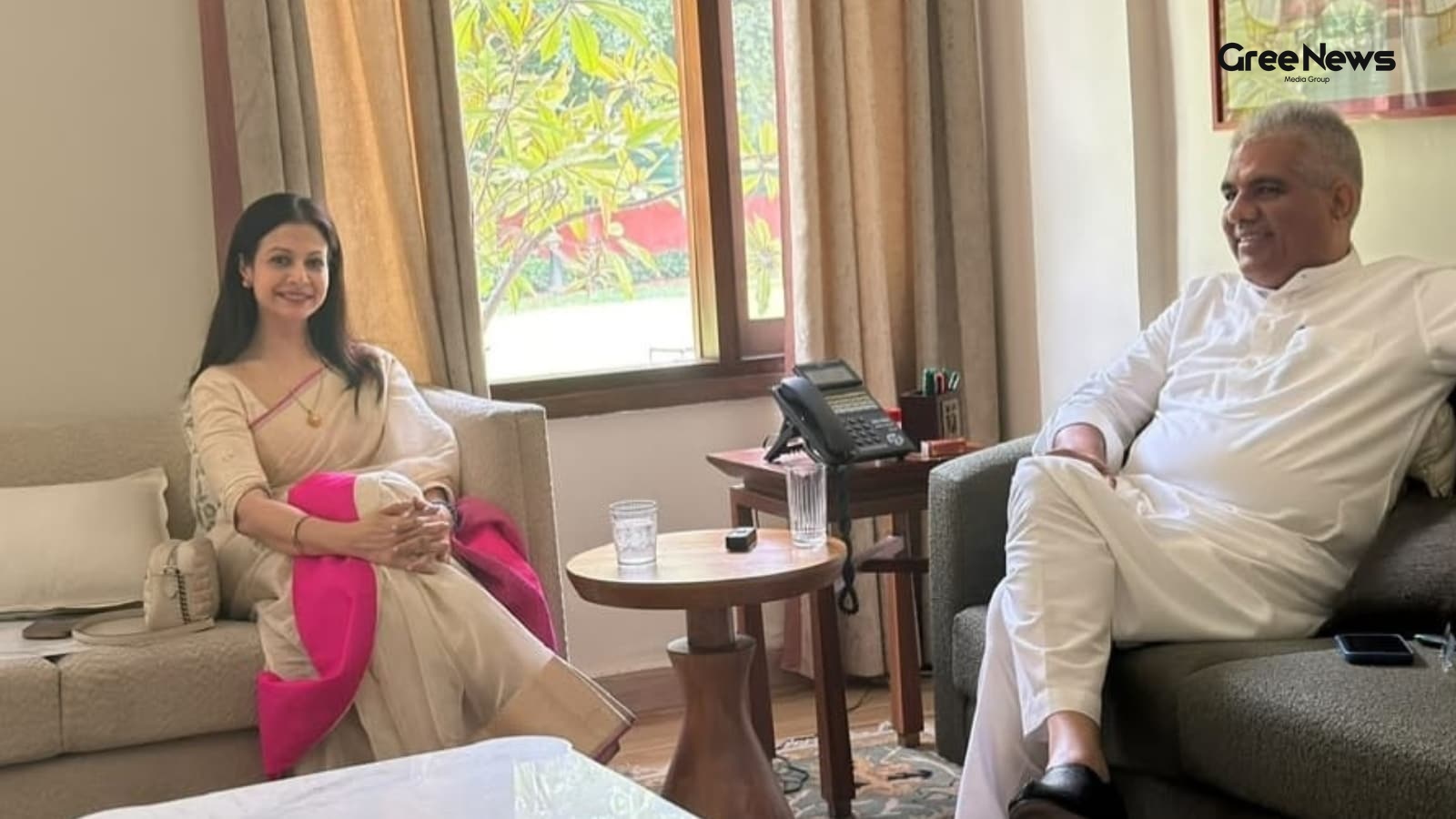
Koel Mallick's Political Shift and West Bengal Politics
Koel Mallick stepping down from her Rajya Sabha seat without showing up for a single day in Parliament has really stirred things up in West Bengal politics. It’s just… unprecedented stuff, you know? There was chatter immediately about where she might go next. Some folks were talking about joining so
Jul 17, 2026 by Gree News Team

Donation Theft Scandal at Ram Mandir Complex
What started so simply. Finding a suspicious pile of cash tucked away in a washroom inside the Ram Mandir complex in Ayodhya. That little discovery snowballed fast into one of the biggest donation theft scandals ever linked to the temple. It’s unbelievable how that happened. A Times of India report
Jul 17, 2026 by Gree News Team