The Digital Shift in Mental Health: Understanding ADHD, Autism, and the New Landscape
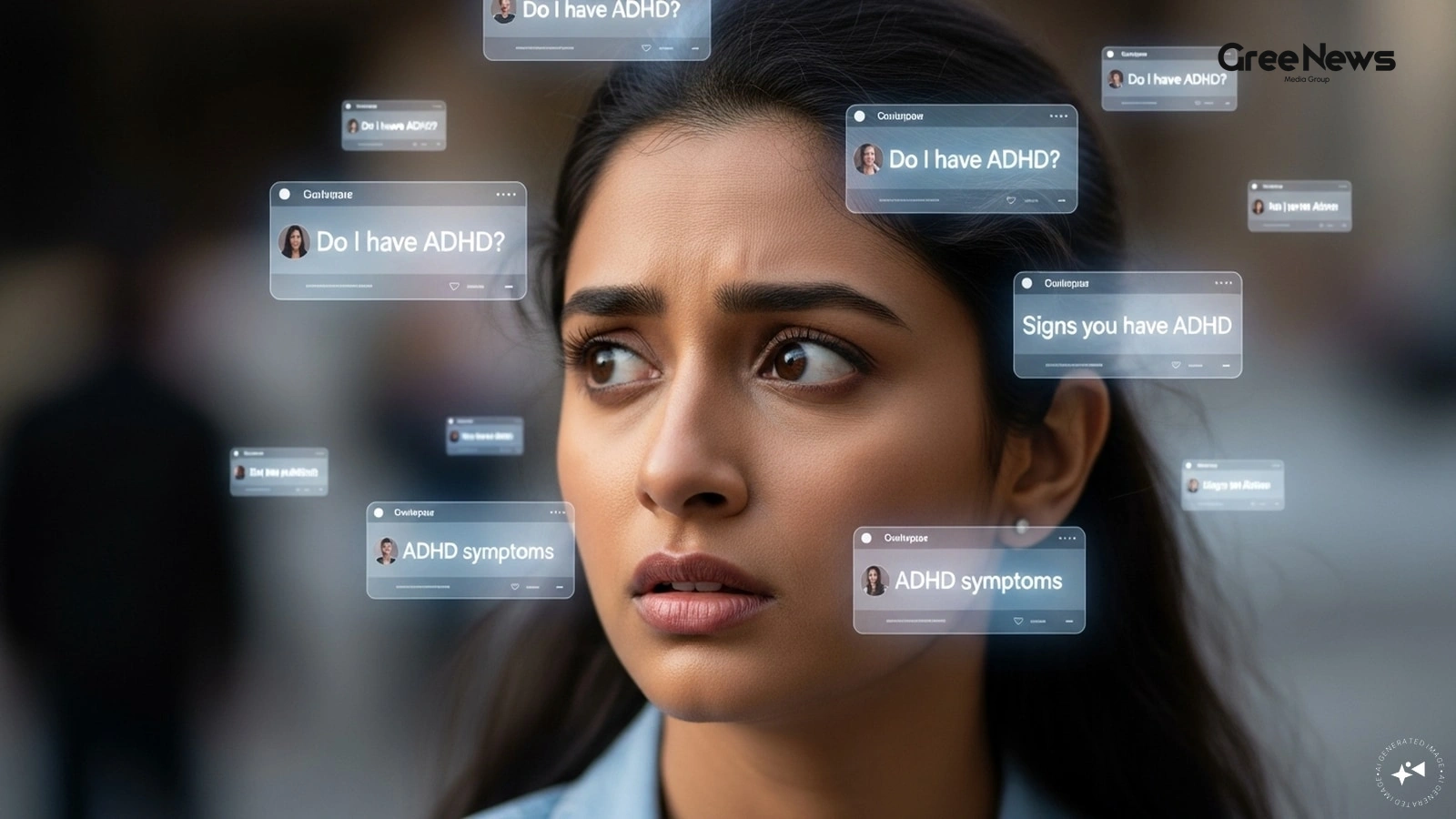
A decade ago, that was the landscape of online mental health talk. Mostly, it was depression. Anxiety. Schizophrenia. Those were the heavy anchors people sought out.
Now? Look around. It’s a massive shift, a kind of cultural migration happening right there in the feed.
A new study, one that really dug into this digital shift, looked at nearly fourteen million Reddit posts. And what they found wasn't just a small change. ADHD , autism , that stuff. It’s a global trend, really. The stuff that used to be locked away in doctor’s offices is now spilling into the mainstream internet culture.
It makes you wonder what that actually means for us.
Think about India, specifically. The numbers are stark. It suggests something huge is happening. People are turning to the algorithm for answers.
So, is this growing awareness, or is it just a generation diagnosing itself through whatever systems are feeding them information? That’s the real question hanging over these digital trends.
People are finding information everywhere—social media, educational content, workplace chats, those mental health campaigns. They’re curious. They’re digging into the symptoms, the behaviors, the cognitive differences that might be affecting them or their families. It’s a genuine curiosity, maybe.
But you have to tread carefully here. It’s easy to get swept up.
The Reddit study itself really laid out the language change. Researchers looked at those thirteen-point-nine million posts across more than ten years. The language itself changed.
And this isn't just about swapping out medical words. The researchers argue that the digital space isn't just reflecting what people are already thinking. It’s actively shaping those thoughts. The platforms are steering the conversation.
Dr More stressed this point. Young people today use search engines, AI, and social media to try and make sense of their emotions, their behavior, their mental health. They’re looking for explanations. And while these platforms can absolutely raise awareness, they also create a dangerous tendency toward self-labeling. People are latching onto certain conditions based on limited online snippets.
This brings up the complexity. Mental health and neurodevelopmental disorders are messy. They overlap constantly. Symptoms bleed into one another. So, online resources should be a starting point. A place to spark awareness. But the hard truth is that a real diagnosis requires something much deeper. A thorough assessment by a qualified professional. That caution is essential.
The way the internet works, it amplifies the symptoms. Algorithms favor content that hooks you. They favor emotionally charged stuff. If you interact with posts about depression or anxiety, the platforms keep feeding you more of that. It traps vulnerable people in echo chambers. They validate those negative mindsets. They can deepen the distress.
Then there’s the simplification.
And the metrics pile on top. Likes. Shares. Comments. Followers. People start adjusting what they post. They might exaggerate their distress just to fit the aesthetic. To get that validation. To maximize engagement. It becomes a performance, not a genuine expression.
Why is ADHD suddenly so everywhere?
It’s because the symptoms are so relatable. Forgetting appointments. The constant struggle to focus. The procrastination that feels like a physical weight. The sheer overwhelm of tasks.
A thirty-second video explaining "five signs you might have ADHD" blows up. Millions watch it. Why? Because people see pieces of themselves in that description. It’s a mirror.
Podcasts, influencers, online communities—they’ve all amplified this visibility. It led to legitimate diagnoses and finally, some long-overdue support.
But there’s the flip side, the worry. Experts are watching closely. They worry that this short-form content, this symptom checklist approach, oversimplifies something incredibly complex.
Dr More points this out constantly. Those quick videos, those checklists—they offer a limited view. They make everyday experiences look like a diagnosis.
You can connect with isolated symptoms. You might feel the restlessness. You might feel the forgetfulness. But you might miss the context. The severity. How much it’s functionally impairing life. The entire developmental history.
Awareness efforts need to be perfectly balanced with accurate information. Otherwise, you end up with confusion and unnecessary anxiety.
The Environmental and Systemic Challenges
The pressure cooker of modern life feeds this trend. We are living in a culture that demands constant performance. And that performance is exhausting.
Or are they something else?
The answer, often, lies in the environment. Stress. Anxiety. Lack of sleep. Burnout from work. The relentless screen time. These lifestyle factors are huge contributors.
ADHD isn't just about occasional distraction. It’s easy to jump to the easiest explanation.
It’s a massive gap.
Rural villages? They are almost entirely left without specialized care.
This isn't just about access. It’s about the barriers that remain. Long waiting periods. Astronomical consultation costs. They keep the door shut.
The statistics on the fallout are staggering. The WHO estimates that seventy-six to eighty-five percent of people with mental disorders in developing countries don't get the treatment they actually need. Seventy to ninety-two percent don't get proper treatment. Why? Lack of awareness, stigma, and just plain shortage of professionals.
And the economic cost? It’s immense. Between 2012 and 2030, the economic loss due to mental health conditions in India is estimated to be a trillion dollars. That’s a massive drain on resources, a failure of public health.
Even when health spending ticks up—like it did since FY2014-15—the allocation for mental health services has historically been barely one percent of the total health budget.
India is seeing a greater recognition of ADHD , autism spectrum disorder, and other neurodevelopmental differences. But the core challenge isn't just identifying the cases. It’s about finding the people. It’s about timely intervention. It’s about getting better access to specialists. And crucially, it’s about tearing down that wall of public ignorance and stigma.
Global estimates tell us that ADHD affects maybe five to seven percent of children. Autism spectrum disorder impacts around one to two percent. Given India’s massive population, the actual number of affected individuals is enormous. But the real hurdle isn't the raw number of cases. It’s the identification process. It’s getting the right help at the right time. It’s building a system that can handle this reality. That’s the work ahead.
Written by Gree News Team — Senior Editorial Board
Gree News Team covers international news and global affairs at Gree News. Our collective of senior editors is dedicated to providing independent, accurate, and responsible journalism for a global audience.
More from Life & Style
View All
Lipfendra (enlicitide): The New Once-Daily Oral PCSK9 Inhibitor
The FDA just gave the green light for Lipfendra, which is enlicitide. It’s a big deal because it’s the first time we have a once-daily oral PCSK9 inhibitor available for adults dealing with certain types of high cholesterol. Merck developed this pill. It offers a new route. A way around those pesky
Jul 17, 2026 by Gree News Team
Biological Factors Influencing Insect Attraction
Have you ever just felt… singled out? Certain biological factors make some people way more attractive to these blood-sucking insects than others. It really comes down to a few things influencing the whole situation. The air you breathe, your body temperature, even that natural scent you carry all of
Jul 14, 2026 by Gree News Team
Understanding Autoimmune Gastritis and Digestive Health
Bryan Johnson’s recent story about his autoimmune gastritis diagnosis really puts a spotlight on something that just… slips by so easily. It brings attention to this whole cluster of digestive issues that often get ignored because they just move along, silently. And that silence? it can lead to some
Jul 13, 2026 by Gree News Team
Dipika Kakar's Cancer Recovery Journey and Ongoing Treatment
Dipika Kakar’s recovery isn't some neat timeline marked by a single surgery or when the doctors finally stamp 'success.' It’s just… ongoing stuff. Regular hospital trips. Those IV infusions. Choosing to keep moving, one slow step at a time. She recently gave fans another look behind the curtain, sho
Jul 8, 2026 by Gree News Team
Latest Headlines
Details of a Tragic Exam Case and Controversy
The immediate context is that this student had just sat for the exam and was reportedly under serious stress after trying to estimate her score using the answer key that came out online. Family members told the police something heartbreaking. They said she had expected a much higher mark. After seei
Jul 17, 2026 by Gree News Team
Milei's World Cup Ritual and the Final
He told *El Observador* radio about this on Thursday. There’s no backing down from that tradition. Watching World Cup matches from the presidential residence is just how he does it. He has done it for the entire run leading up to Sunday’s final. A routine, really. There’s another thing he keeps doin
Jul 17, 2026 by Gree News Team

The Record-Breaking Value of Football Memorabilia
A shirt from one of football’s biggest moments just hit the record books. It sold for four point nine million dollars at auction in the United States this Thursday. It was Pele's jersey. The blue shirt he wore during Brazil’s first FIFA World Cup triumph back in ’58. That piece? It became incredibly
Jul 17, 2026 by Gree News Team
Ranveer Singh's Next Big Project: Details on Pralay and Filming Plans
Ranveer Singh seems to be riding something good right now. Professionally, personally. He’s excited about being a dad again. His wife, Deepika Padukone, is pregnant with their second kid. And then there’s the next big thing: *Pralay*. He’s gearing up for that one. Reports say he might start shooting
Jul 17, 2026 by Gree News Team
Supreme Court Weighs In on Three-Language Policy Timing
The Supreme Court weighed in on the three-language policy debate, suggesting a change in timing for introducing an extra language under the CBSE curriculum. It basically said it shouldn't wait until Class 9. Justice B V Nagarathna made this point during a hearing about the Tamil Nadu government’s ch
Jul 17, 2026 by Gree News Team
Anurag Kumar Appointed Next Commissioner of Police in Delhi
Anurag Kumar was appointed the next Commissioner of Police in Delhi on Friday. It’s a big leadership shift happening right now. He replaced Satish Golcha. Golcha is leaving the post soon, due to retirement in April 2027, and he was removed from the role prematurely. That sets the stage for this chan
Jul 17, 2026 by Gree News Team
The Financial Cost of Missing Linens on Indian Railways
Most people probably just grab a railway towel or blanket and think it’s a free souvenir. But there’s another side to that picture, a cost someone else ends up paying for. A viral clip surfaced recently showing Amit Yadav, an attendant on Indian Railways trains. He handles the distribution and colle
Jul 17, 2026 by Gree News Team
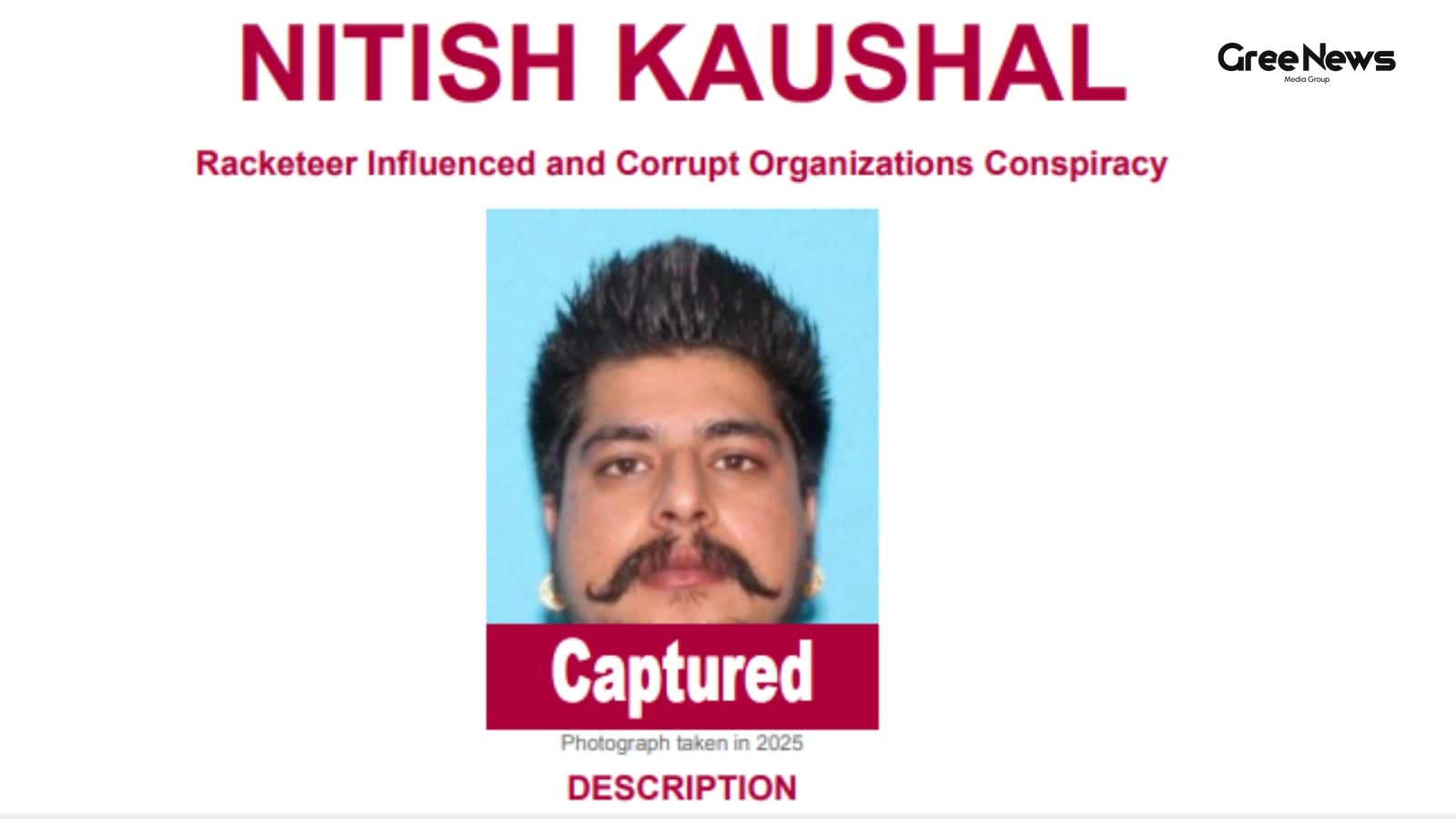
Nitish Kaushal and the Bhagwanpuria Organized Crime Group
Nitish Kaushal. An Indian-origin gangster. He’s been arrested in the US now. Days after getting added to the FBI's Most Wanted list. That’s where it started. The Federal Bureau of Investigation announced this stuff on Thursday. They said US law enforcement actually took him into custody in Vermont.
Jul 17, 2026 by Gree News Team
European Commission Report on Pakistan's Human Rights Situation
That European Commission report just dropped. It paints a really bleak picture of Pakistan’s human rights situation. We’re talking serious stuff: enforced disappearances, restrictions on basic freedoms, problems with the courts, minority rights, and labor protections are all flagged. And here’s the
Jul 17, 2026 by Gree News Team
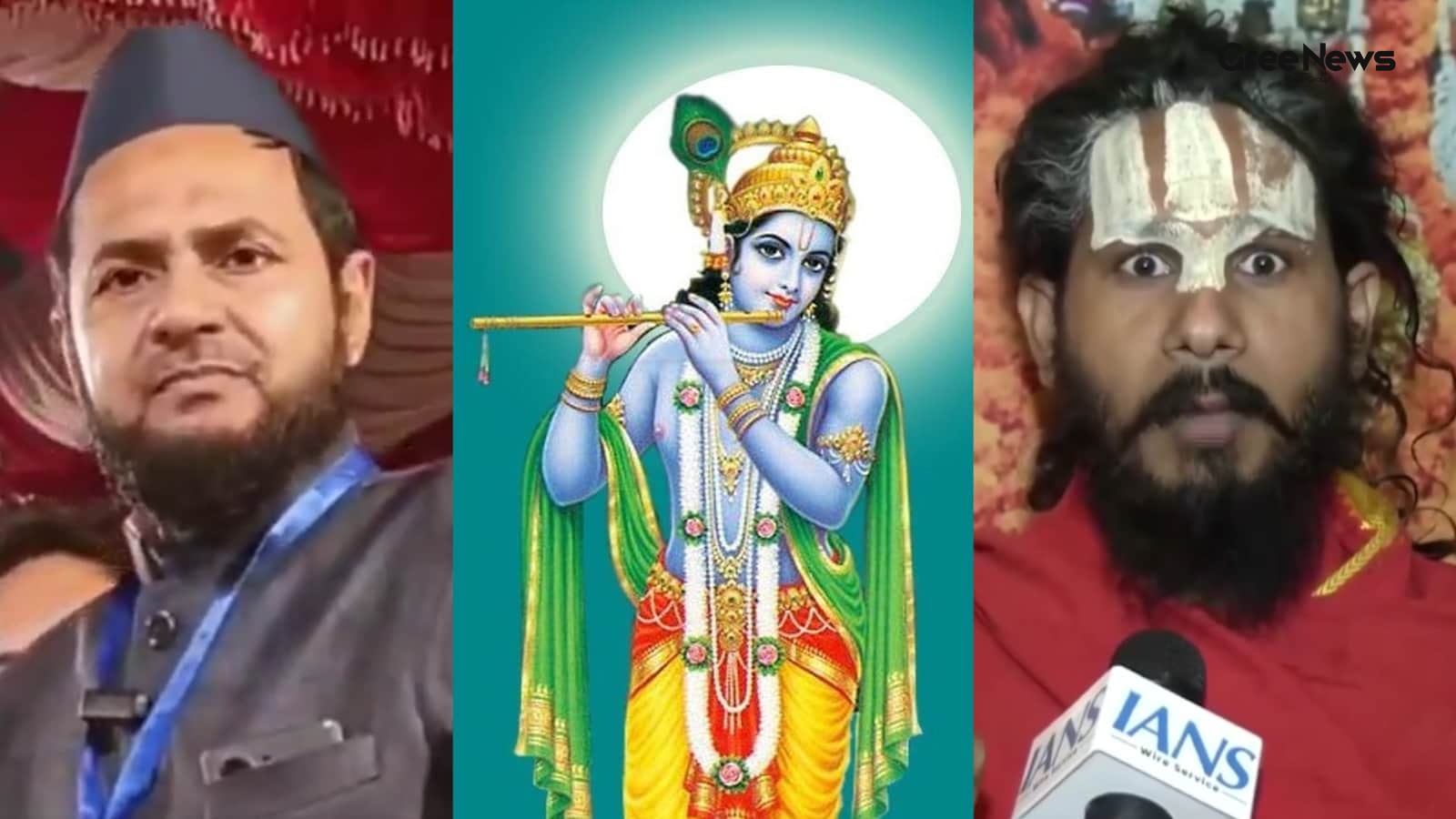
Controversy involving Lord Krishna, Islam, and Maulana Jarjis Ansari
Lord Krishna Namaz Row. That’s what started it. A controversy blew up after some video surfaced involving cleric Maulana Jarjis Ansari. He allegedly claimed Lord Krishna was Muslim. And that Krishna offered namaz five times a day. It went viral on social media fast. This whole thing immediately trig
Jul 17, 2026 by Gree News Team
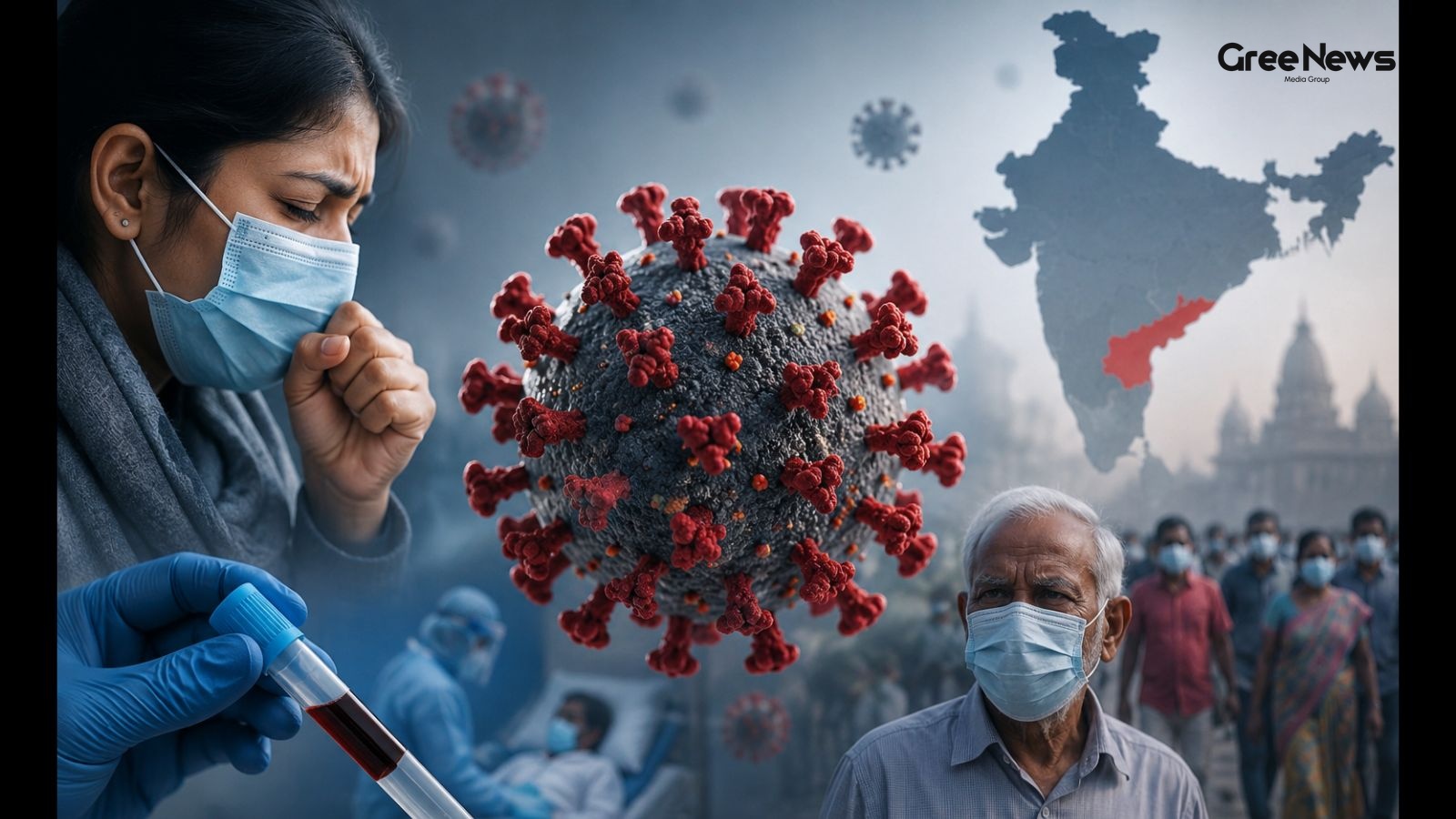
Andhra Pradesh Covid-19 Statistics and Management Report
Andhra Pradesh is seeing some grim numbers lately. They clocked twelve Covid-19 infections between June 26 and July 16. And four people died from it. That’s what State Health Commissioner G Veerapandian told them on Thursday. Sporadic cases, he said in a release. Twelve people caught the virus in th
Jul 17, 2026 by Gree News Team
Lipfendra (enlicitide): The New Once-Daily Oral PCSK9 Inhibitor
The FDA just gave the green light for Lipfendra, which is enlicitide. It’s a big deal because it’s the first time we have a once-daily oral PCSK9 inhibitor available for adults dealing with certain types of high cholesterol. Merck developed this pill. It offers a new route. A way around those pesky
Jul 17, 2026 by Gree News Team
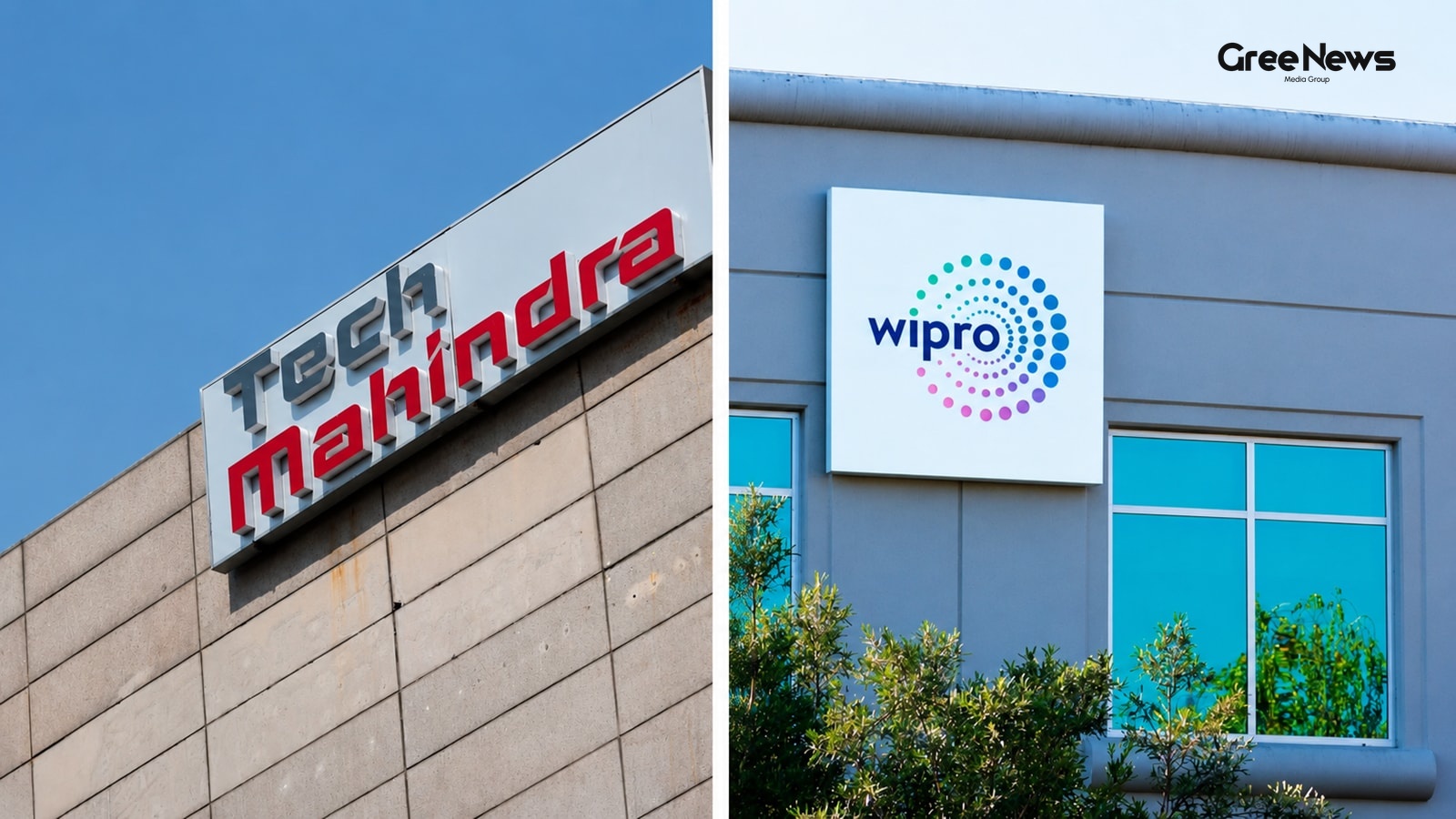
IT Stocks Jump After June-Quarter Earnings Release
IT stocks generally jumped Thursday after those June-quarter earnings came out. Investors seemed to favor companies that showed better growth, pushing hard on margins and guidance for the ones that fell short. The Nifty IT index ticked up 1.33% in morning trade, hitting 29,103.50. Some large names w
Jul 17, 2026 by Gree News Team
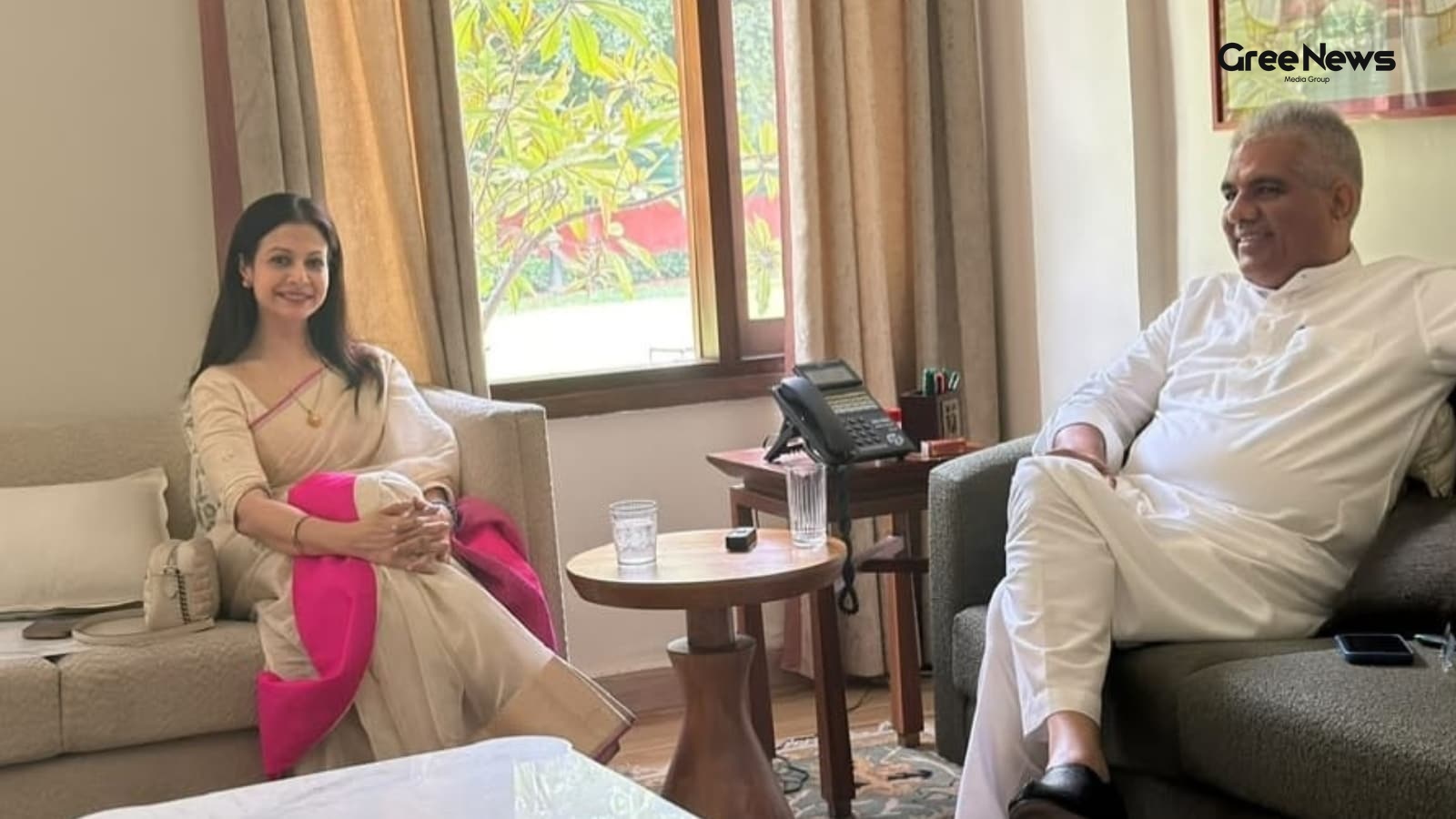
Koel Mallick's Political Shift and West Bengal Politics
Koel Mallick stepping down from her Rajya Sabha seat without showing up for a single day in Parliament has really stirred things up in West Bengal politics. It’s just… unprecedented stuff, you know? There was chatter immediately about where she might go next. Some folks were talking about joining so
Jul 17, 2026 by Gree News Team

Donation Theft Scandal at Ram Mandir Complex
What started so simply. Finding a suspicious pile of cash tucked away in a washroom inside the Ram Mandir complex in Ayodhya. That little discovery snowballed fast into one of the biggest donation theft scandals ever linked to the temple. It’s unbelievable how that happened. A Times of India report
Jul 17, 2026 by Gree News Team