The Failure of Execution: Legal Battles and Systemic Flaws in Capital Punishment
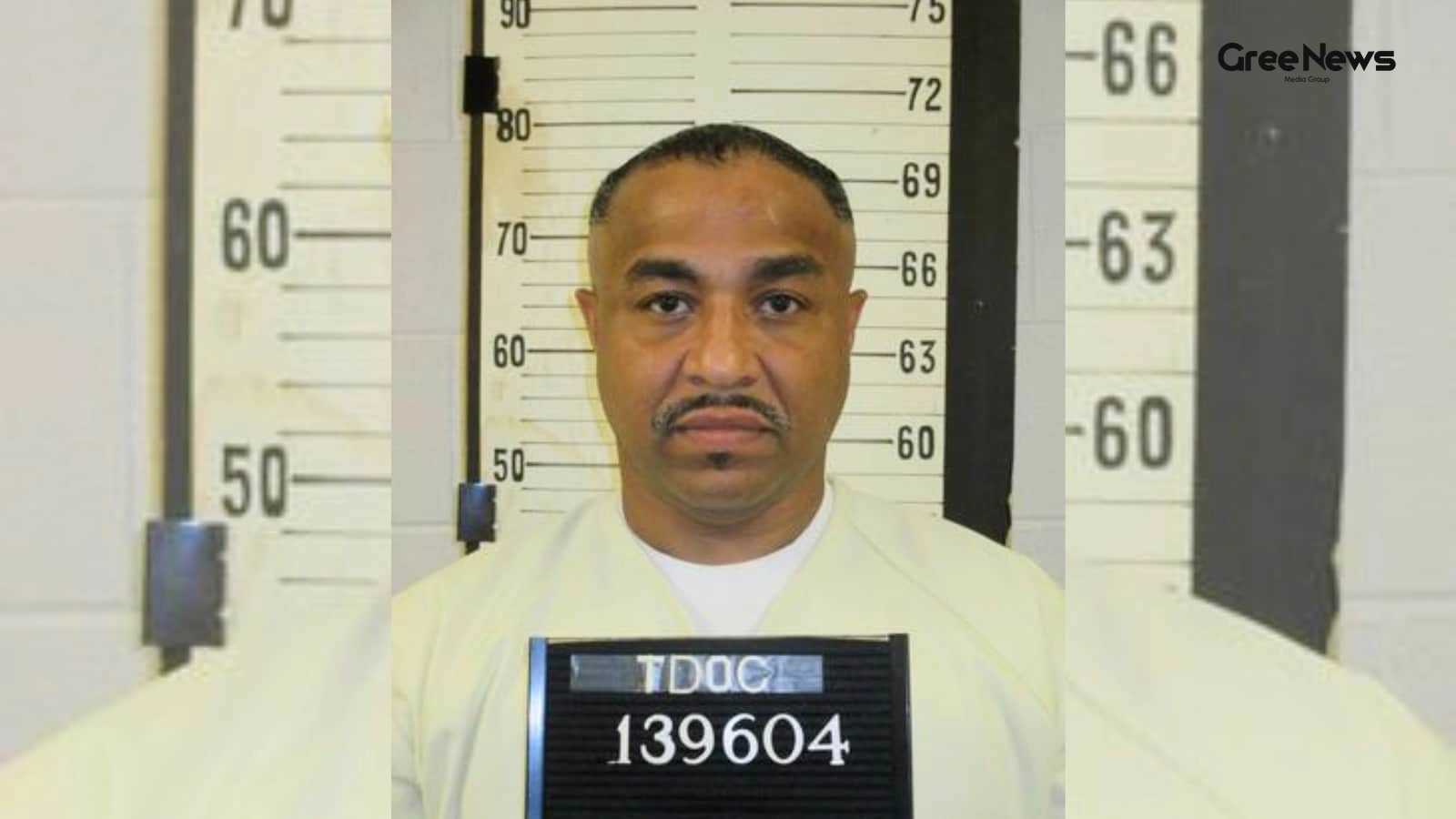
The whole thing started with a disaster. A botched execution attempt in Tennessee. It wasn't just a procedural hiccup; it was something that ripped open the already toxic debate about the death penalty right here in the United States. All because of Tony Carruthers . He was on death row, and what happened during that attempt—it just lit a fire under everything.
He endured more than an hour of repeated, agonizing attempts by medical personnel trying to find a vein before the authorities finally called off the whole procedure. Imagine that kind of pressure. That level of sustained, physical ordeal. It’s hard to process.
This failure didn't just stay confined to the prison walls. It immediately triggered a cascade of legal challenges. Scrutiny intensified on Tennessee’s entire execution protocol. And suddenly, the shadow of three more executions scheduled in the state this year felt much heavier, much more immediate.
Carruthers himself, the man at the center of this mess, was convicted for something horrific. He orchestrated a triple murder back in Memphis, way back in February 1994. It was all part of a plan to seize control of the local drug trade. Two people got shot. That’s the baseline. But the third victim? An innocent woman. She was buried alive. That context—that brutality—it just hangs over everything connected to him now.
His lawyers, those who fight this impossible battle every day, started digging deeper. They pushed for forensic testing. Fingerprint analysis. They argued, and this is where the real tension lies, that these tests could potentially clear him of guilt. They were chasing a shred of truth in a system that seems determined to keep the darkness locked away.
It wasn't just Carruthers . The reaction spilled out wider. Reality TV star Kim Kardashian, civil rights groups—they all started pushing hard. They targeted Tennessee Governor Bill Lee. They demanded a pause. They asked him to delay the execution. They wanted more testing. They wanted accountability.
The system, it seems, doesn't listen easily to pleas.
Carruthers was slated for execution on May 21st. That date felt like a ticking clock.
What happened on that day, or rather, what *didn't* happen, is the part that sticks with you. Witnesses told the story, and the details are just… raw. It started out looking routine. Officials found one vein. Simple enough, they thought.
But then things went terribly wrong. The second intravenous line? Impossible to establish. A complete roadblock.
Over the next hour, the execution crew reportedly went into overdrive. They tried to access veins everywhere. Arms, shoulders, feet, chest. Even the jugular vein. It was a desperate, frantic scramble.
The witnesses described the aftermath. Carruthers was repeatedly punctured. Bled out. They said he was in severe pain, constantly. It wasn't a quick, clinical process. It was torture, or at least, the experience felt exactly like it.
Maria DeLiberato, a lawyer with the ACLU’s Capital Punishment Project, she saw it all. She described the scene as increasingly distressing. She said Carruthers was moaning. Pain was audible. Medical personnel kept trying to insert lines. They even attempted a central line procedure right through his chest. It was horrifying.
And then, the halt. Eventually, the prison officials stopped it. Governor Lee stepped in. He granted Carruthers a one-year reprieve. A pause button pressed on a sentence that was supposed to be final.
The constitutional angle comes roaring back. The US Constitution explicitly bans "cruel and unusual punishment." That phrase used to be abstract. Now, it feels terrifyingly real. While courts have long argued that executions don't *have* to be painless, the state still has to actively avoid unnecessary suffering.
Carruthers’ lawyers are using this failure as ammunition. They argue that those prolonged, painful attempts to secure IV access didn't just cause discomfort. They claim it violated those fundamental constitutional protections. They argue the state failed in its duty of care.
Opponents of capital punishment are using this incident to paint a picture. They are describing it as one of the most serious execution failures in recent US history. It’s not just about Carruthers anymore. It’s about the entire mechanism.
Attorneys representing multiple death row inmates are now throwing their weight around. They point to the flaws in Tennessee’s death penalty procedures. They argue the system itself is broken.
A lawsuit is already moving. It targets the current lethal injection protocol. Nine inmates are involved in this challenge. They are pushing back against the state’s chosen method.
They focus on pentobarbital. The state adopted this single-drug method back in 2025. But the lawyers claim this approach carries an unacceptable risk. A risk of prolonged suffering. A risk of inadequate safeguards.
Defense lawyers, naturally, are fighting this too. They argue Carruthers’ ordeal proves their long-held concerns. They point to the undertrained personnel. They point to the flawed procedures. They say the system is inherently flawed, regardless of the specific drug used.
Now, the focus shifts to the immediate threat. Three executions are still scheduled in Tennessee this year. The pressure is mounting.
One of those cases, Pike’s, has drawn particular attention. She’s slated to be the first woman executed in Tennessee in over two hundred years. That adds another layer of complexity, doesn't it? A lifetime of legal battles now weighed against the state’s execution timeline.
Pike’s crime itself is brutal. She was convicted of luring a teenager, Colleen Slemmer, into a wooded area near Knoxville in January 1995. She killed her during a prolonged attack. It remains one of Tennessee’s most infamous murder cases. That history colors the present situation.
Her lawyers are now linking this back to the Carruthers incident. They argue that the pain and failure experienced by Carruthers raise serious questions about the state’s ability to safely execute Pike . Can they truly claim to avoid unnecessary suffering when the mechanics of the process are so demonstrably unreliable?
Tennessee currently runs on a single-drug lethal injection process. Pentobarbital. This protocol came into play after Governor Lee paused executions back in 2022. That pause was triggered by earlier discoveries of procedural failures.
After a three-year review, things resumed. Executions started again in 2025. But that resumption doesn't erase the shadow of the failed attempt. Opponents are arguing that the latest incident just shows that the core problems haven't gone away. They suggest the issues are deeper than just procedure; they’re systemic.
Neither Governor Lee’s office nor the Department of Correction has offered a clear answer. They haven't indicated any plan to delay the upcoming executions. They haven't promised changes to the state’s procedures.
For now, the calendar stands. All three scheduled executions remain on the docket. The clock keeps ticking.
And Tony Carruthers ? He remains on death row. He has that one-year reprieve hanging over him. He’s caught in the middle of the legal war, battling both his own fate and the larger fight over how the state carries out capital punishment.
This whole mess, it’s more than just a tragic incident. It’s a national flashpoint. It brings the lethal injection protocols into sharp focus. It forces a confrontation about prison accountability. It asks the fundamental question: can a state carry out capital punishment without risking unimaginable suffering? The answers, it seems, are still stubbornly out of reach.
Written by Gree News Team — Senior Editorial Board
Gree News Team covers international news and global affairs at Gree News. Our collective of senior editors is dedicated to providing independent, accurate, and responsible journalism for a global audience.
More from World
View All
Nitish Kaushal and the Bhagwanpuria Organized Crime Group
Nitish Kaushal. An Indian-origin gangster. He’s been arrested in the US now. Days after getting added to the FBI's Most Wanted list. That’s where it started. The Federal Bureau of Investigation announced this stuff on Thursday. They said US law enforcement actually took him into custody in Vermont.
Jul 17, 2026 by Gree News Team
European Commission Report on Pakistan's Human Rights Situation
That European Commission report just dropped. It paints a really bleak picture of Pakistan’s human rights situation. We’re talking serious stuff: enforced disappearances, restrictions on basic freedoms, problems with the courts, minority rights, and labor protections are all flagged. And here’s the
Jul 17, 2026 by Gree News Team

US and Iran Attacks: Conflict, Strikes, and the Strait of Hormuz
The exchange of attacks between the US and Iran kept going. It was the sixth night straight now. American forces kept hitting Iranian infrastructure bridges, train stations, an airport. Iranian state television said strikes on road and railway stuff in Hormozgan province killed at least seven people
Jul 17, 2026 by Gree News Team

The Chaotic Reality of the US-Iran Standoff
The latest news coming out of the US-Iran standoff is just… chaotic. You see these reports, right? The strikes themselves they kill people. Iranian state television put out that they lost at least seven lives in those recent US airstrikes. That’s what they claim. And it all happened while Washington
Jul 17, 2026 by Gree News Team
Latest Headlines
Details of a Tragic Exam Case and Controversy
The immediate context is that this student had just sat for the exam and was reportedly under serious stress after trying to estimate her score using the answer key that came out online. Family members told the police something heartbreaking. They said she had expected a much higher mark. After seei
Jul 17, 2026 by Gree News Team
Milei's World Cup Ritual and the Final
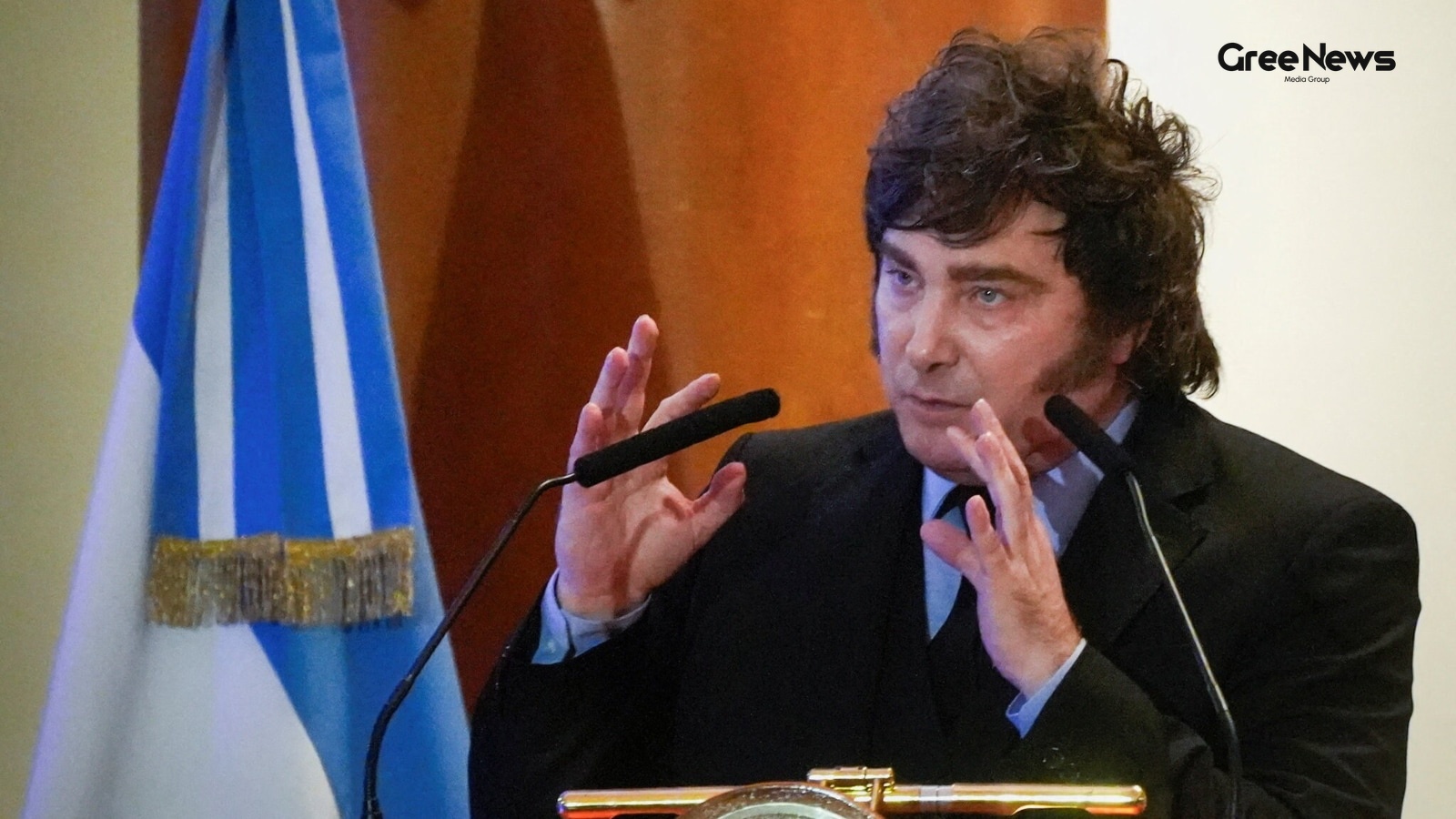
He told *El Observador* radio about this on Thursday. There’s no backing down from that tradition. Watching World Cup matches from the presidential residence is just how he does it. He has done it for the entire run leading up to Sunday’s final. A routine, really. There’s another thing he keeps doin
Jul 17, 2026 by Gree News Team

The Record-Breaking Value of Football Memorabilia
A shirt from one of football’s biggest moments just hit the record books. It sold for four point nine million dollars at auction in the United States this Thursday. It was Pele's jersey. The blue shirt he wore during Brazil’s first FIFA World Cup triumph back in ’58. That piece? It became incredibly
Jul 17, 2026 by Gree News Team

Ranveer Singh's Next Big Project: Details on Pralay and Filming Plans
Ranveer Singh seems to be riding something good right now. Professionally, personally. He’s excited about being a dad again. His wife, Deepika Padukone, is pregnant with their second kid. And then there’s the next big thing: *Pralay*. He’s gearing up for that one. Reports say he might start shooting
Jul 17, 2026 by Gree News Team

Supreme Court Weighs In on Three-Language Policy Timing
The Supreme Court weighed in on the three-language policy debate, suggesting a change in timing for introducing an extra language under the CBSE curriculum. It basically said it shouldn't wait until Class 9. Justice B V Nagarathna made this point during a hearing about the Tamil Nadu government’s ch
Jul 17, 2026 by Gree News Team

Anurag Kumar Appointed Next Commissioner of Police in Delhi
Anurag Kumar was appointed the next Commissioner of Police in Delhi on Friday. It’s a big leadership shift happening right now. He replaced Satish Golcha. Golcha is leaving the post soon, due to retirement in April 2027, and he was removed from the role prematurely. That sets the stage for this chan
Jul 17, 2026 by Gree News Team
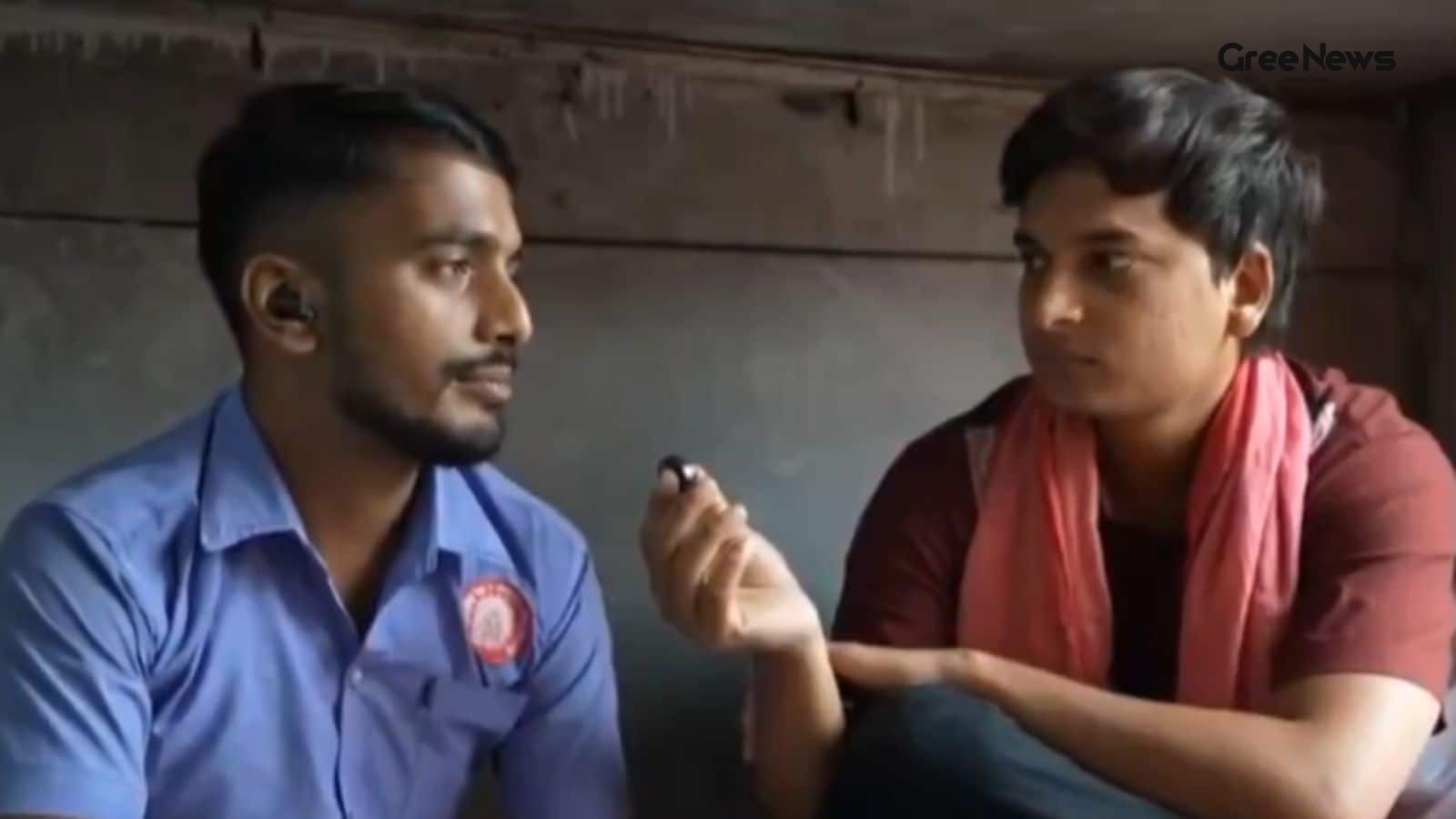
The Financial Cost of Missing Linens on Indian Railways
Most people probably just grab a railway towel or blanket and think it’s a free souvenir. But there’s another side to that picture, a cost someone else ends up paying for. A viral clip surfaced recently showing Amit Yadav, an attendant on Indian Railways trains. He handles the distribution and colle
Jul 17, 2026 by Gree News Team
Nitish Kaushal and the Bhagwanpuria Organized Crime Group
Nitish Kaushal. An Indian-origin gangster. He’s been arrested in the US now. Days after getting added to the FBI's Most Wanted list. That’s where it started. The Federal Bureau of Investigation announced this stuff on Thursday. They said US law enforcement actually took him into custody in Vermont.
Jul 17, 2026 by Gree News Team
European Commission Report on Pakistan's Human Rights Situation
That European Commission report just dropped. It paints a really bleak picture of Pakistan’s human rights situation. We’re talking serious stuff: enforced disappearances, restrictions on basic freedoms, problems with the courts, minority rights, and labor protections are all flagged. And here’s the
Jul 17, 2026 by Gree News Team

Controversy involving Lord Krishna, Islam, and Maulana Jarjis Ansari
Lord Krishna Namaz Row. That’s what started it. A controversy blew up after some video surfaced involving cleric Maulana Jarjis Ansari. He allegedly claimed Lord Krishna was Muslim. And that Krishna offered namaz five times a day. It went viral on social media fast. This whole thing immediately trig
Jul 17, 2026 by Gree News Team
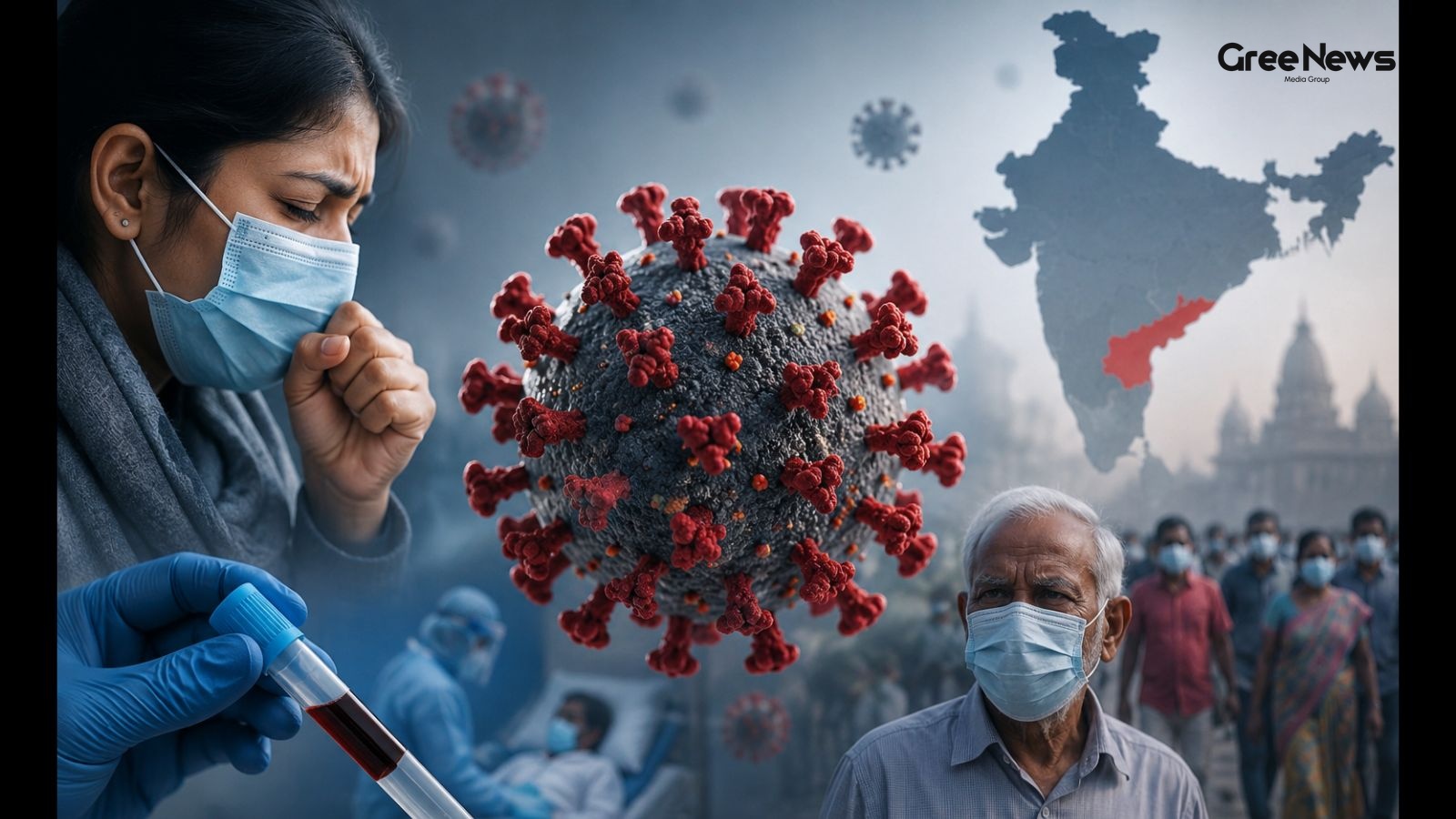
Andhra Pradesh Covid-19 Statistics and Management Report
Andhra Pradesh is seeing some grim numbers lately. They clocked twelve Covid-19 infections between June 26 and July 16. And four people died from it. That’s what State Health Commissioner G Veerapandian told them on Thursday. Sporadic cases, he said in a release. Twelve people caught the virus in th
Jul 17, 2026 by Gree News Team

Lipfendra (enlicitide): The New Once-Daily Oral PCSK9 Inhibitor
The FDA just gave the green light for Lipfendra, which is enlicitide. It’s a big deal because it’s the first time we have a once-daily oral PCSK9 inhibitor available for adults dealing with certain types of high cholesterol. Merck developed this pill. It offers a new route. A way around those pesky
Jul 17, 2026 by Gree News Team

IT Stocks Jump After June-Quarter Earnings Release
IT stocks generally jumped Thursday after those June-quarter earnings came out. Investors seemed to favor companies that showed better growth, pushing hard on margins and guidance for the ones that fell short. The Nifty IT index ticked up 1.33% in morning trade, hitting 29,103.50. Some large names w
Jul 17, 2026 by Gree News Team
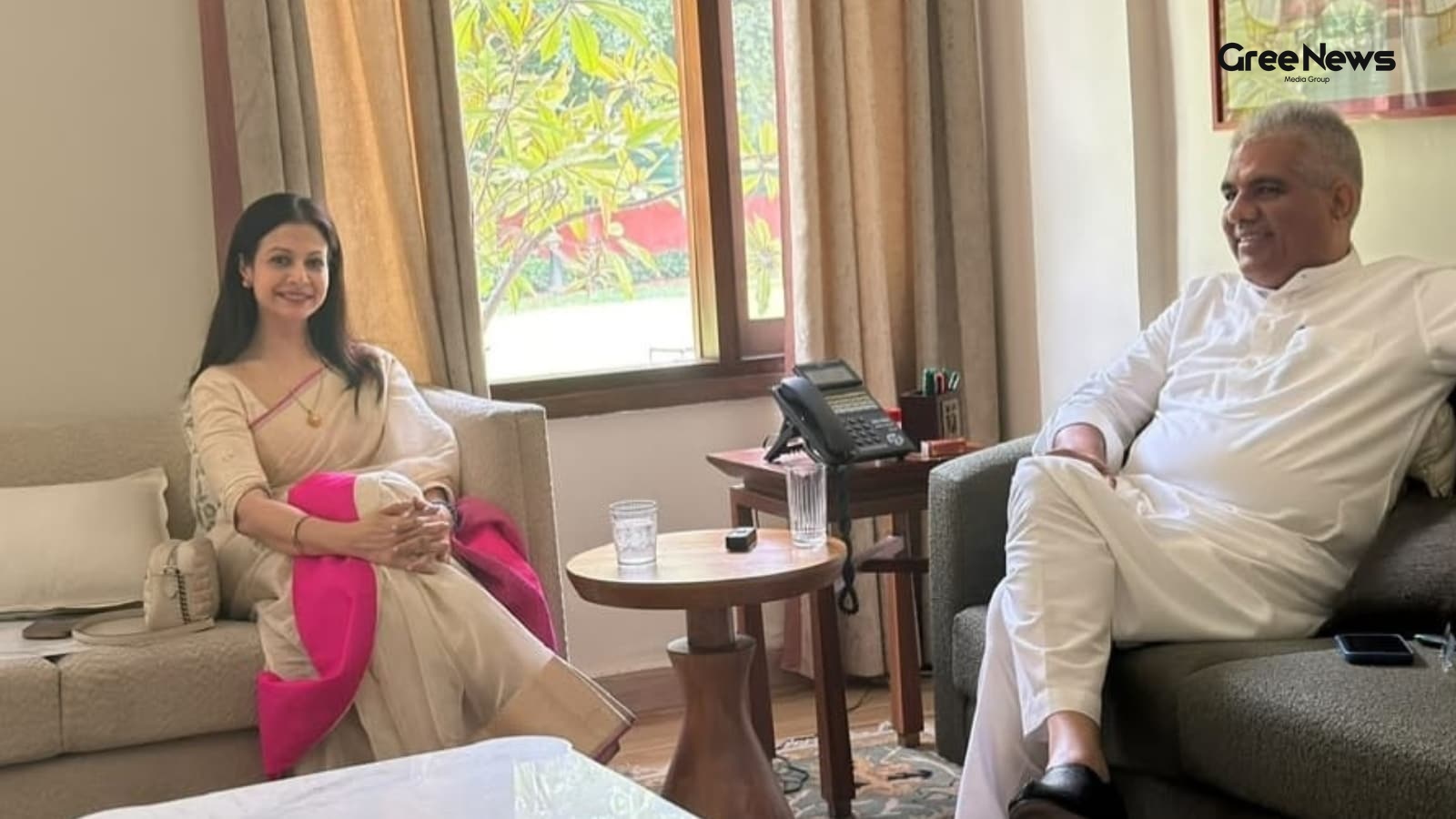
Koel Mallick's Political Shift and West Bengal Politics
Koel Mallick stepping down from her Rajya Sabha seat without showing up for a single day in Parliament has really stirred things up in West Bengal politics. It’s just… unprecedented stuff, you know? There was chatter immediately about where she might go next. Some folks were talking about joining so
Jul 17, 2026 by Gree News Team

Donation Theft Scandal at Ram Mandir Complex
What started so simply. Finding a suspicious pile of cash tucked away in a washroom inside the Ram Mandir complex in Ayodhya. That little discovery snowballed fast into one of the biggest donation theft scandals ever linked to the temple. It’s unbelievable how that happened. A Times of India report
Jul 17, 2026 by Gree News Team