India's Evolution: From Non-Alignment to Multi-Alignment in Foreign Policy
India’s foreign policy, it always felt like it had one thing running through it: the deep need to keep control. To keep that independent decision-making space, even when the world was absolutely tearing itself apart.
That instinct started way back with Jawaharlal Nehru. Non-alignment . That was the deal. It was a Cold War doctrine. A way for a brand new India, still figuring out how to breathe after Partition, to just stay out of the mess. Not joining the US bloc, not joining the Soviet camp. It was about not picking a side.
But things changed.
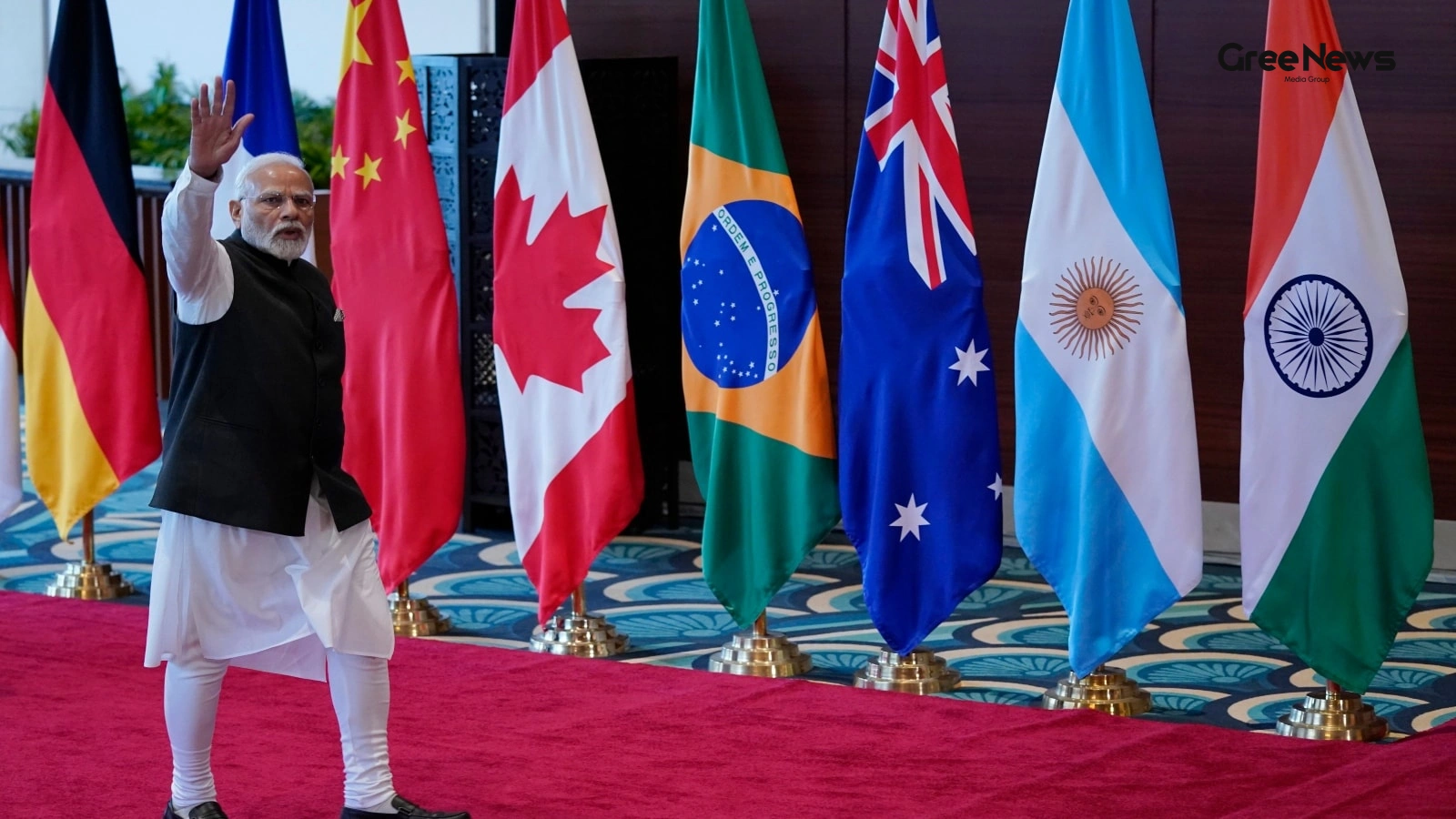
Now, look at Narendra Modi. The instinct is still there—that need for autonomy—but the execution is totally different. India isn't just sitting on the sidelines anymore. It’s working with multiple power centers simultaneously. It’s multi-alignment .
We’re getting close to a huge milestone there, too. Modi is set to pass Nehru as India’s longest-serving elected Prime Minister. June 10, 2026. That shift in leadership mirrors a massive shift in global strategy. It’s a real way to see how India’s global role has completely flipped.
It’s not some neat swap. It’s not just one idea kicking out the other. It’s about taking that same big goal— strategic autonomy —and trying to fit it onto two totally different global maps.
Let’s just look at what Nehru actually did.
What Was Nehru’s Non-Alignment Policy?
When India got freedom in ’47, the world was boiling over. The Cold War was starting. America versus the Soviets. Everyone was being shoved. For a country still dealing with poverty, rebuilding institutions, and the sheer trauma of nation-making, picking a side felt insane. It carried huge risks.
Nehru’s move was non-alignment. It wasn't about having zero opinions on global stuff. It certainly wasn't permanent neutrality. It meant India wouldn't formally sign up to any military alliance. It meant judging the world through its own lens, its own moral and political view of things.
It gave India breathing room. It let New Delhi speak for the developing world. It let them push back against colonialism, against racism. It kept them from getting dragged directly into the superpower wrestling match.
Nehru became part of that big group, the Non-Aligned Movement. He was with Nasser in Egypt, Tito in Yugoslavia, Sukarno in Indonesia. A bunch of leaders trying to hold the line.
Why did it work then? Because India was weak. Economically shaky. Defense capacity was still being built. They had zero leverage against the giants. The main priority was survival. Securing development aid. Keeping diplomatic flexibility. Not becoming some pawn in the superpower game.
But even that had limits. India was young. The 1962 war with China showed that diplomacy alone wasn’t enough. You needed real muscle. You needed better defense preparedness. Still, non-alignment stuck for decades. It was the baseline.
How Modi’s Multi-Alignment Works Now
Now, the game is completely different. The Cold War is dead. The Soviet Union is gone. China is the monster now. And the whole global setup is way more fragmented. It’s multipolar .
Modi’s India operates in this new reality. They aren't just avoiding blocs; they are actively building partnerships everywhere at once. Issue-based alliances. Even when those partners are fighting each other.
Think about it. It’s the Quad with the US, Japan, Australia. That’s one thing. But they’re still keeping that old, solid relationship with Russia. That’s another thing. They’re deepening ties with the Gulf. They’re pushing engagement with Europe. They’re shouting out for the Global South. They’re still hanging around BRICS and SCO.
The whole approach is about avoiding dependency on any single giant, while pulling value from all the connections available.
The biggest change is how India handles the US relationship. Back in the Cold War, it was messy. Washington was tied up with Pakistan. India was close to Moscow. Now? It’s a massive strategic partnership. Defence, tech, trade, diaspora links, Indo-Pacific strategy.
The Quad is the clearest sign of this. It’s not just about tanks. It’s about a free, open Indo-Pacific. Maritime security. Supply chains. Critical tech. Climate. It’s a platform. It’s India getting a seat at the table when China is reshaping Asia.
This is a big break from the Nehru era. Nehru avoided being slotted into a Western formation. Modi is comfortable working with the West when it serves India’s interest. But here’s the kicker: they still insist they won't become a subordinate partner or a treaty ally.
Balancing the Giants
The real tightrope walk is managing Washington and Moscow. That’s the core of multi-alignment .
India didn’t ditch Russia. That’s a huge part of it. Decades of military ties. Equipment dependence. Energy deals. Nuclear cooperation. Geopolitical balancing acts. Even when the Ukraine war put huge pressure on everyone to cut ties with Moscow, India kept the line open. They called for peace, sure. But they kept the relationship.
That balancing act—it’s the whole Modi diplomacy. It’s not about picking a side. It’s about managing multiple realities.
Then there’s the push for the Global South. This became really visible when India hosted the G20 in 2023. They used that moment to position themselves as the bridge.
The Voice of Global South Summit in January? That was huge. Bringing developing nations together. Discussing debt, climate finance, food security, digital infrastructure. It was about giving voice to those who felt ignored by the old global order.
And they got a big win there. Including the African Union as a permanent member of the G20. That gave New Delhi serious global weight. It showed they could broker deals outside the old structures.
This is where the difference between the two eras really lands.
Nehru’s India faced a bipolar world. Newly independent. Economically weak. Their goal was simple: space, dignity, and independence. Non-alignment was a shield against being crushed by superpowers.
Modi’s India faces a completely different beast. It’s richer. More integrated. It’s dealing with a rising China. A shifting US. Assertive Russia. Energy shocks. Tech wars. Supply chains are breaking.
So the diplomacy has to be sharper. More transactional. More active. Multi-directional.
Non-alignment was about refusing to choose camps. Multi-alignment is about choosing several partnerships without letting anyone tell you what to do. It’s a much harder, messier, and much more complex job.
Written by Gree News Team — Senior Editorial Board
Gree News Team covers international news and global affairs at Gree News. Our collective of senior editors is dedicated to providing independent, accurate, and responsible journalism for a global audience.
More from India
View All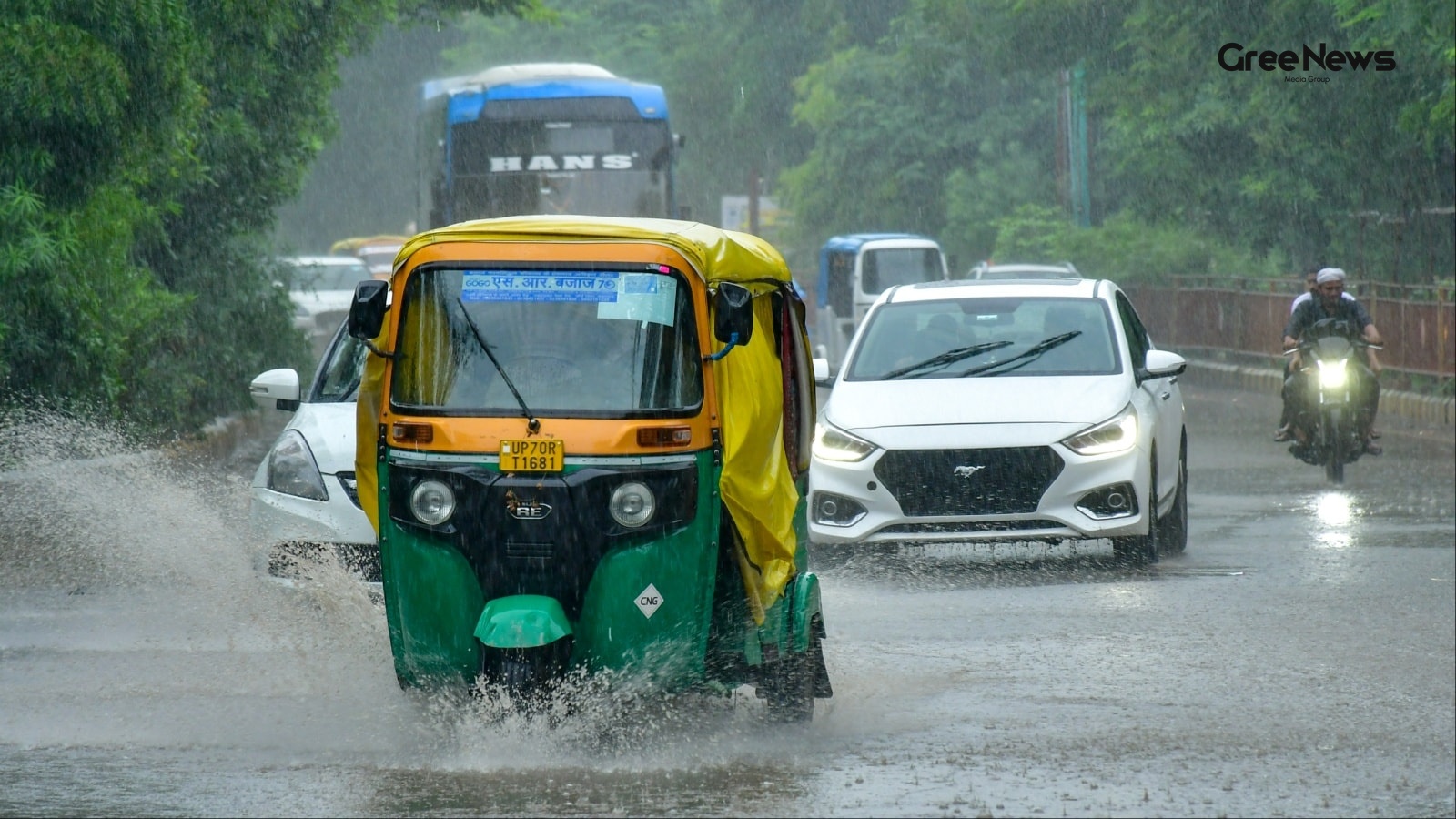
Monsoon Warnings and Disaster Risks Across India
The monsoon spell is kicking in hard across India. The India Meteorological Department just issued warnings about active, heavy rainfall sweeping through large parts of the country now, forecasting serious deluge over several northern, eastern, northeastern and western states over the next few days.
Jul 20, 2026 by Gree News Team

School Dispute Turns into Violent Assault in Ankleshwar
A fight between two school kids in Ankleshwar apparently turned into a full-blown assault. It all started way back with the family of one student stopping two sisters on their way to tuition classes, and then things got seriously violent. They attacked them with a cricket bat and slippers. This whol
Jul 20, 2026 by Gree News Team
Amit Shah's Review on Security and Law and Order in West Bengal
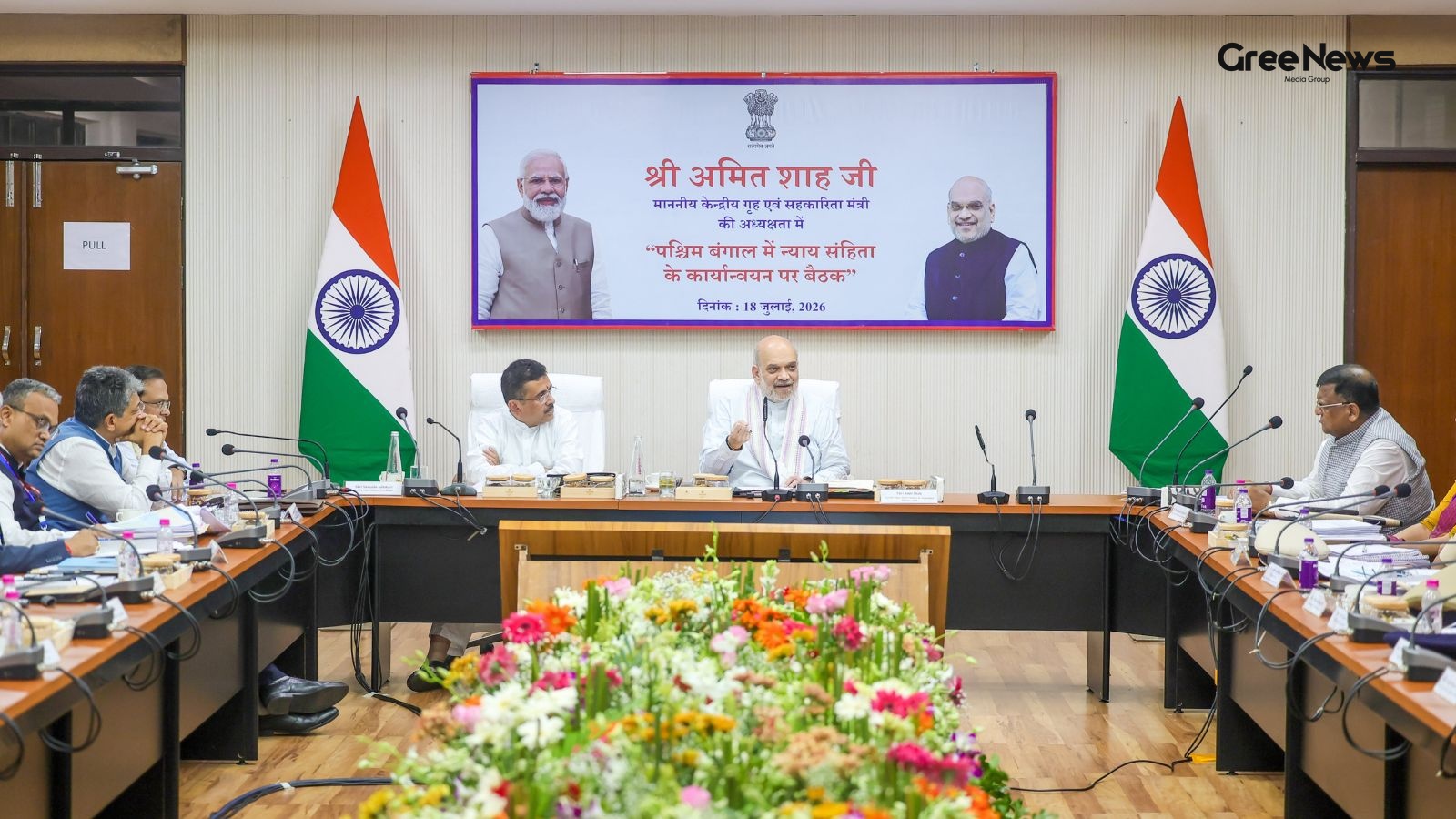
Amit Shah, Union Home Minister and Minister of Cooperation, chaired a high-level review on Sunday. It was about the law and order situation in West Bengal. The whole thing was an outline for strengthening internal security, policing, and the criminal justice system there. The focus wasn’t just gener
Jul 20, 2026 by Gree News Team
Punjab Police's Anti-Drug Effort: Yudh Nashian Virudh Results and Strategy
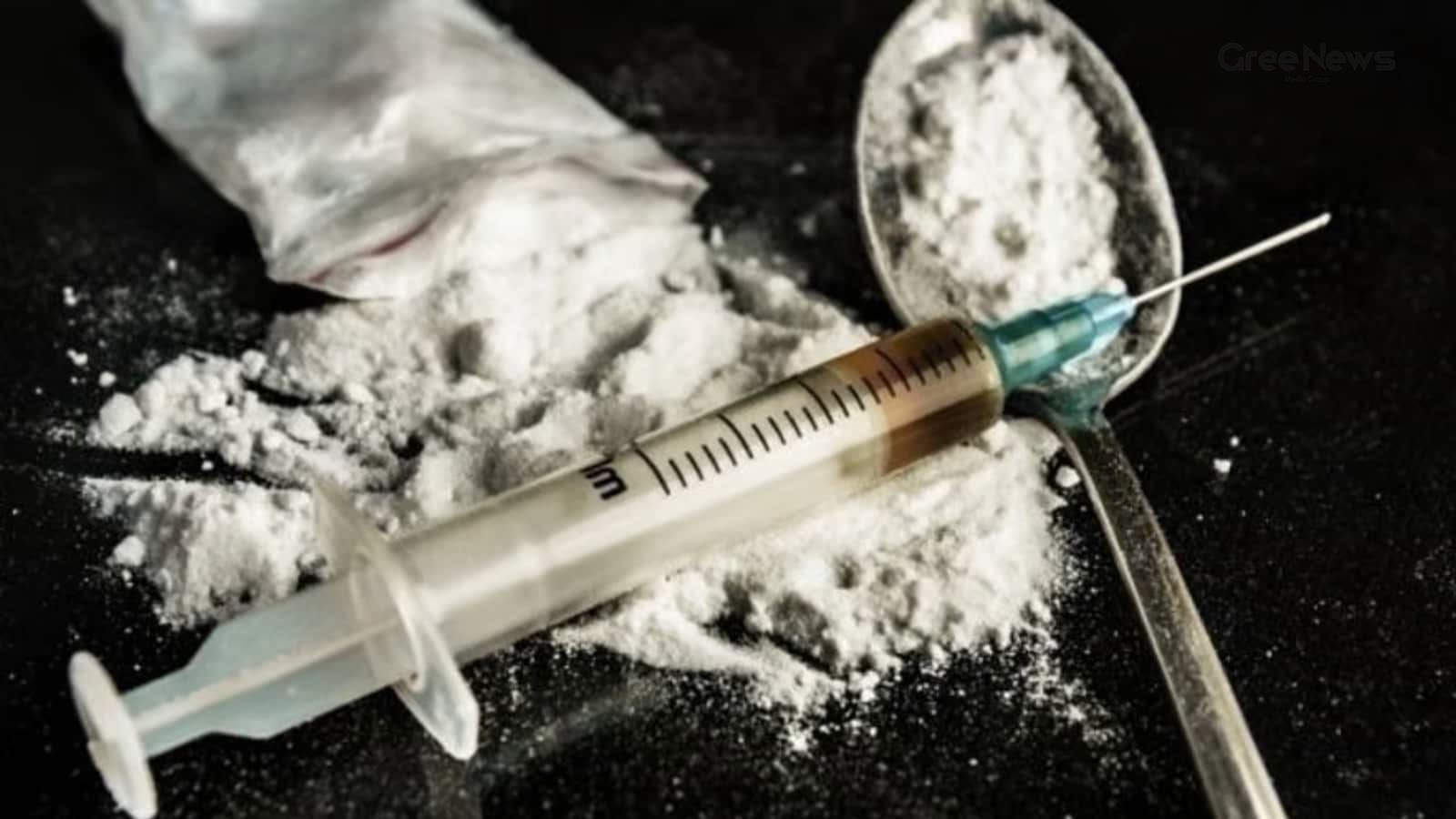
The Punjab Police rolled out this big anti-drug effort Yudh Nashian Virudh. It’s been running for 500 days now. And it seems to have made some serious dents in the drug trade, plus got communities involved somehow. It really hinges on three things: heavy enforcement, getting people into the communit
Jul 20, 2026 by Gree News Team
Latest Headlines
Monsoon Warnings and Disaster Risks Across India
The monsoon spell is kicking in hard across India. The India Meteorological Department just issued warnings about active, heavy rainfall sweeping through large parts of the country now, forecasting serious deluge over several northern, eastern, northeastern and western states over the next few days.
Jul 20, 2026 by Gree News Team
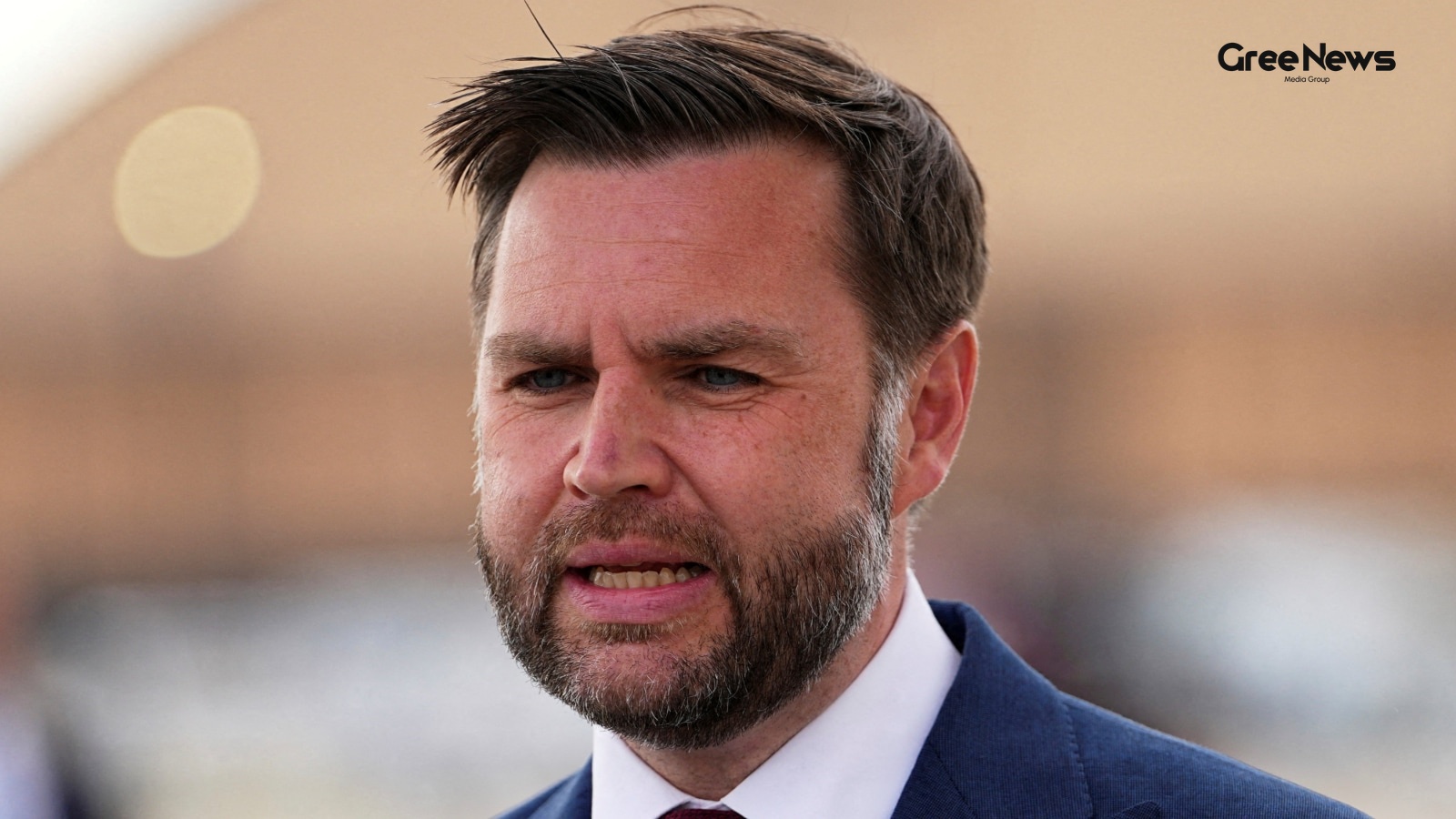
JD Vance Announces Fourth Child and Family Milestone
JD Vance just announced he had a fourth child. A son named Alec Neel Vance, with his wife Usha Vance. It came out in a statement shared online. He said everything was fine. The mother and the baby are happy and healthy. "Usha and the baby are happy and healthy," Vance wrote. "Our kids are overjoyed
Jul 20, 2026 by Gree News Team
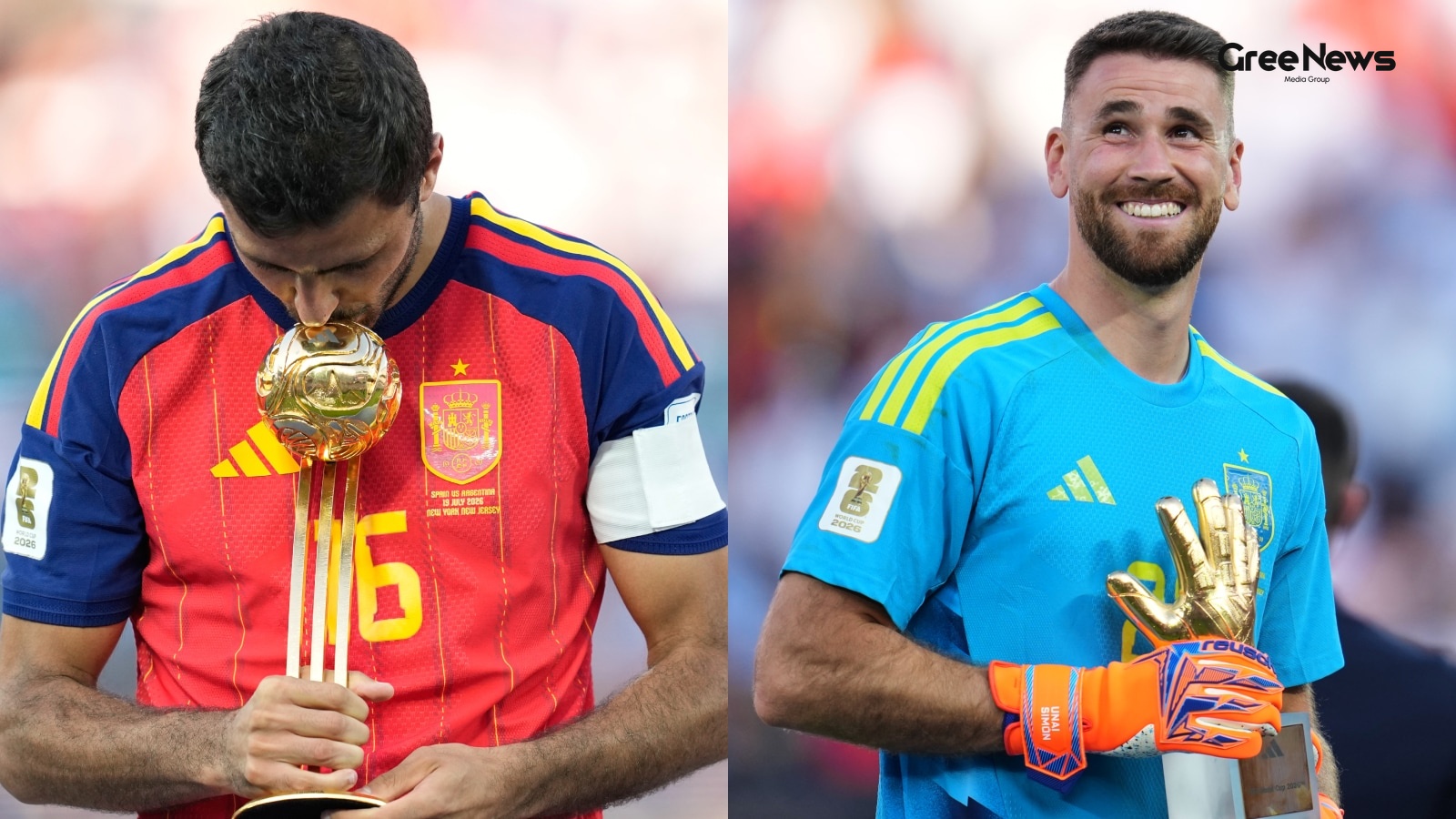
World Cup Final History and Awards
Ferran Torres really made history, didn’t he? That moment in the 106th minute of the World Cup final, when he found the back of the net. It broke Argentine hearts completely as Spain finally claimed the title for the second time. His single strike that one goal it just sent everyone into delirium du
Jul 20, 2026 by Gree News Team

Choosing the Best 2-Ton Inverter Split AC
So you need a 2-ton inverter split AC if your space is big. Think living rooms, conference areas, or those larger halls around 200 to 260 square feet. That’s where these things actually make sense. Things are changing right now with these new models. We’re talking about ACs that have inverter compre
Jul 20, 2026 by Gree News Team
School Dispute Turns into Violent Assault in Ankleshwar
A fight between two school kids in Ankleshwar apparently turned into a full-blown assault. It all started way back with the family of one student stopping two sisters on their way to tuition classes, and then things got seriously violent. They attacked them with a cricket bat and slippers. This whol
Jul 20, 2026 by Gree News Team
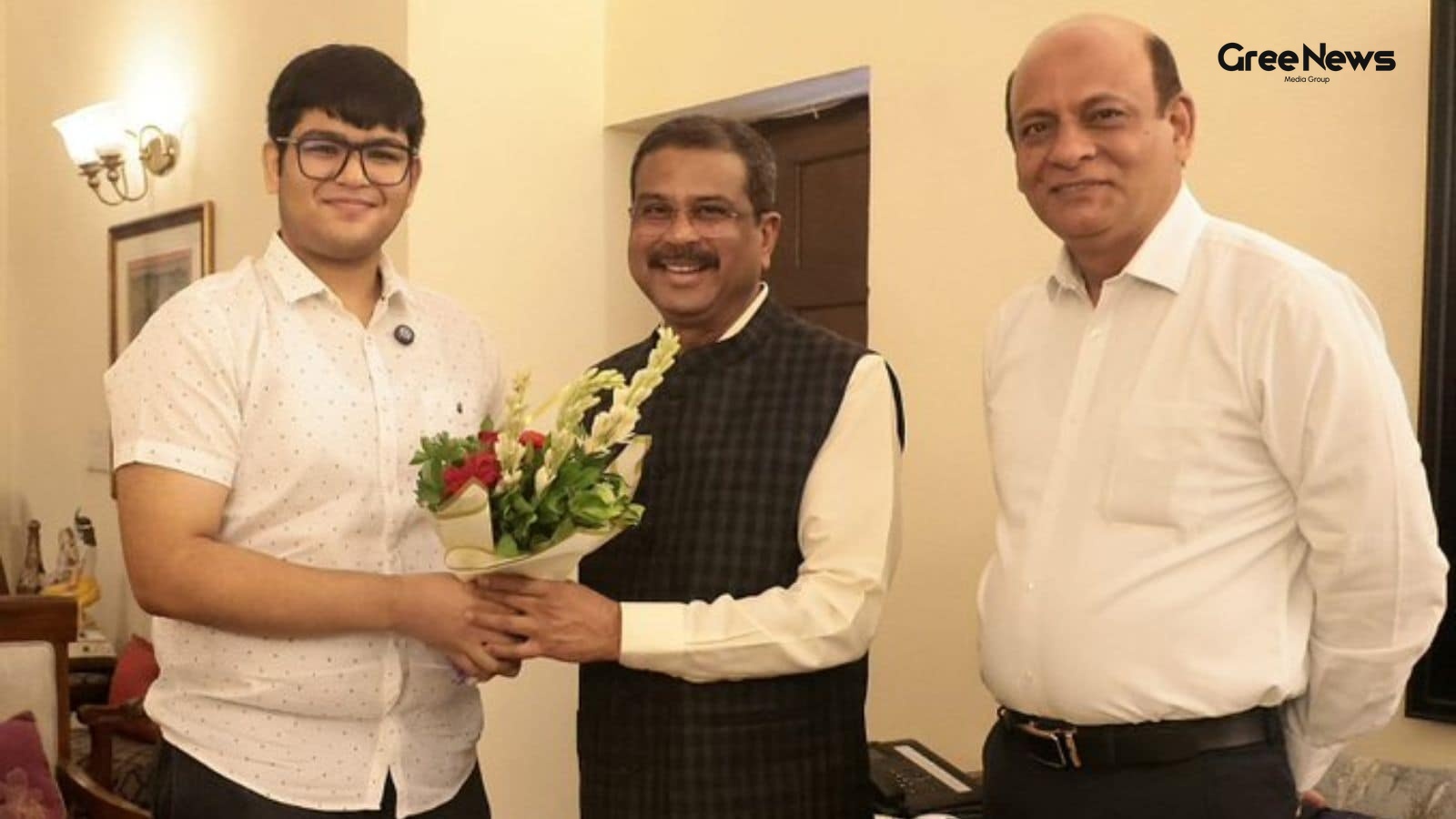
NEET Success Story: Dedication and the Journey to Medical Entrance
Dharmendra Pradhan had a meeting recently with Panshul Bansal, who came in holding the All India Rank 2 spot for the NEET UG 2026 exam. It was about that huge medical entrance test everyone talks about. Pradhan congratulated him. Praised him for the sheer hard work and commitment he showed. Said his
Jul 20, 2026 by Gree News Team
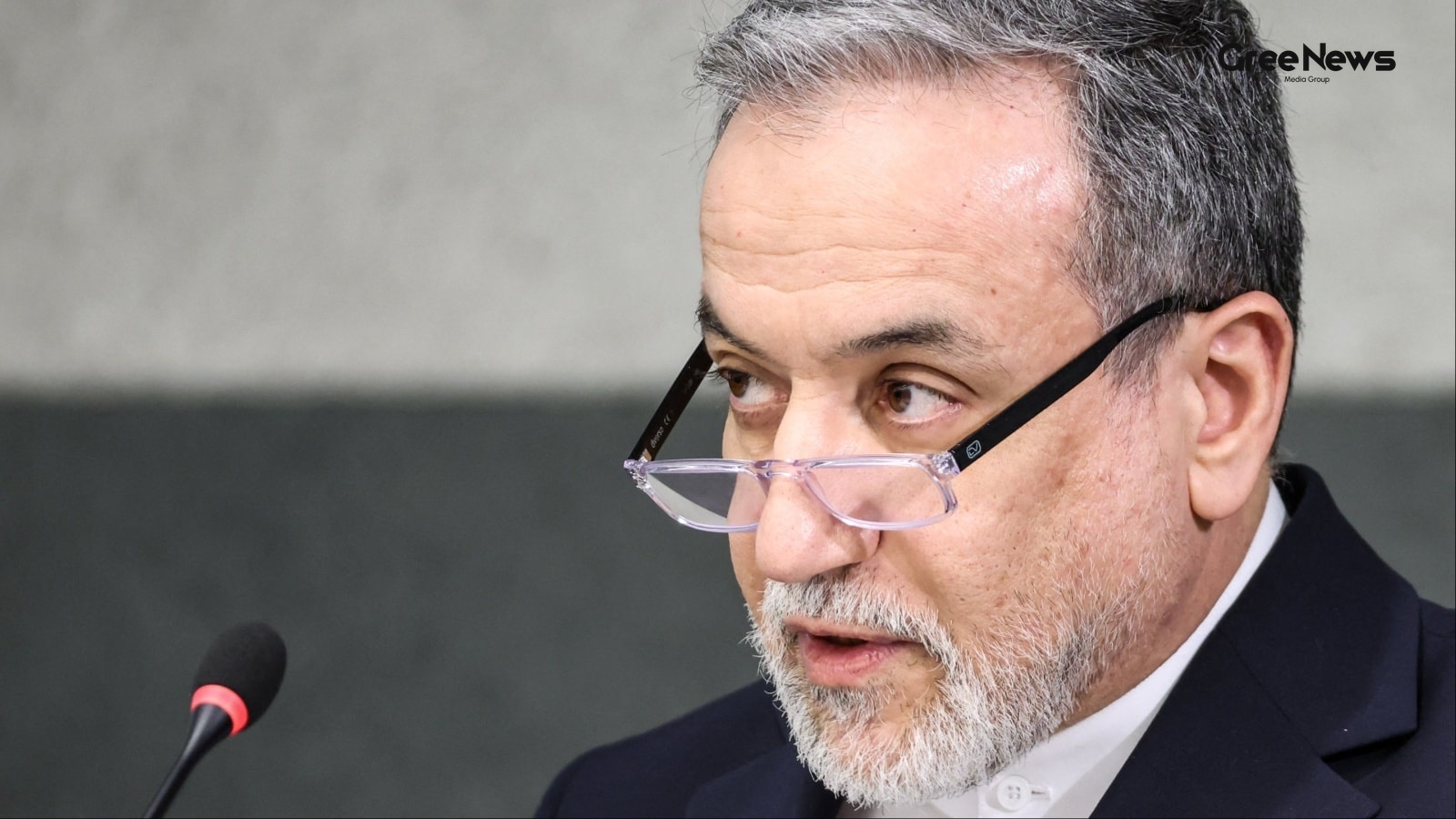
The Psychological Weight of Peace Talks Between Iran and the United States
Abbas Araghchi, the Iranian Foreign Minister, brought up something heavy in an interview with Mehr news agency. He talked about the sheer psychological weight his delegation was under during those peace talks with the United States. It wasn't just diplomacy; it felt like constant danger. He said the
Jul 20, 2026 by Gree News Team
Amit Shah's Review on Security and Law and Order in West Bengal
Amit Shah, Union Home Minister and Minister of Cooperation, chaired a high-level review on Sunday. It was about the law and order situation in West Bengal. The whole thing was an outline for strengthening internal security, policing, and the criminal justice system there. The focus wasn’t just gener
Jul 20, 2026 by Gree News Team
Punjab Police's Anti-Drug Effort: Yudh Nashian Virudh Results and Strategy
The Punjab Police rolled out this big anti-drug effort Yudh Nashian Virudh. It’s been running for 500 days now. And it seems to have made some serious dents in the drug trade, plus got communities involved somehow. It really hinges on three things: heavy enforcement, getting people into the communit
Jul 20, 2026 by Gree News Team
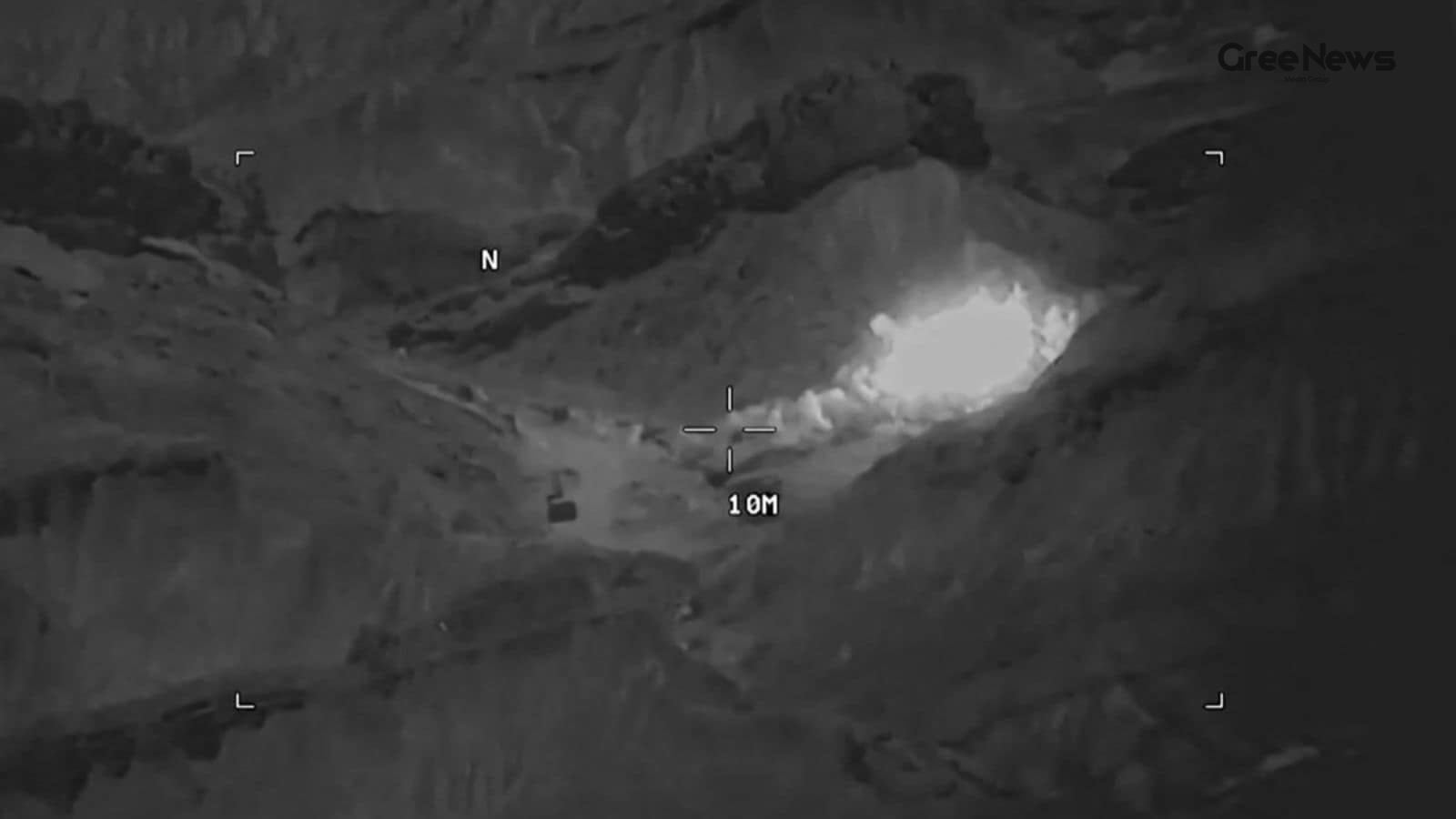
US Iran War News Live
US Iran War News Live. Central Command, CENTCOM, just announced they launched another round of air strikes on Iran Sunday night. This is the ninth time in a row. The whole operation aims to chip away at Tehran’s military strength. Specifically targeting commercial ships in the Strait of Hormuz. And
Jul 20, 2026 by Gree News Team
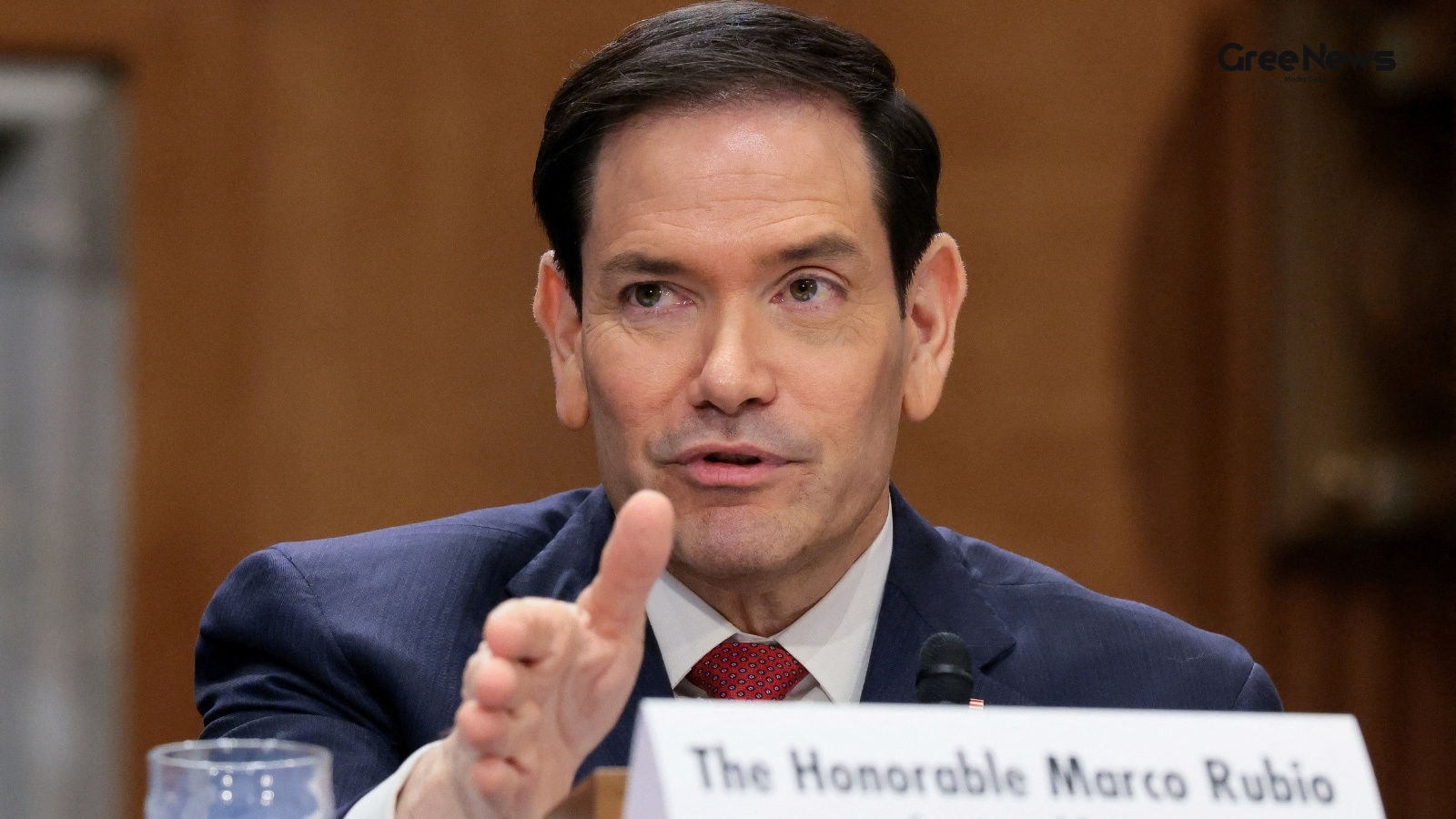
Marco Rubio on US-Iran Relations and Military Escalation
Marco Rubio, the Secretary of State, is saying Washington is getting signals. Indications that Iran wants to talk, even while there are huge divisions happening inside their own leadership structure right now. He spoke to CNN about it. Said they are hearing signs multiple channels telling them Iran
Jul 20, 2026 by Gree News Team
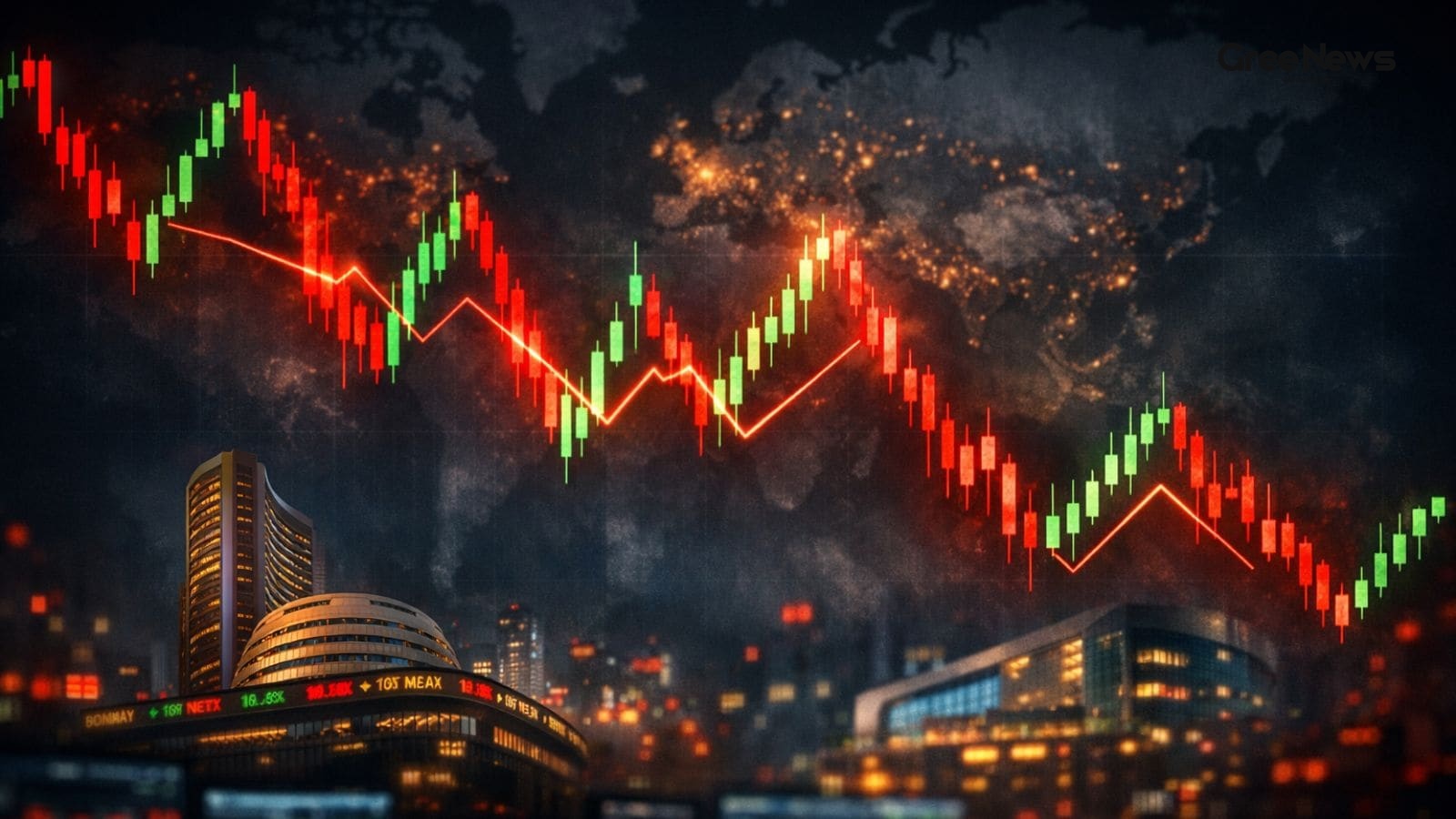
Stock Market Update: July 20th Performance and Global Factors
Stock Market Today, July 20th. It kicked off the week weak domestically. Cautious global vibes were dragging things down. You saw that as the Gulf conflict escalated, crude oil prices jumped past ninety dollars a barrel. Inflation worries flared up right along with it. Selling hit heavyweight privat
Jul 20, 2026 by Gree News Team
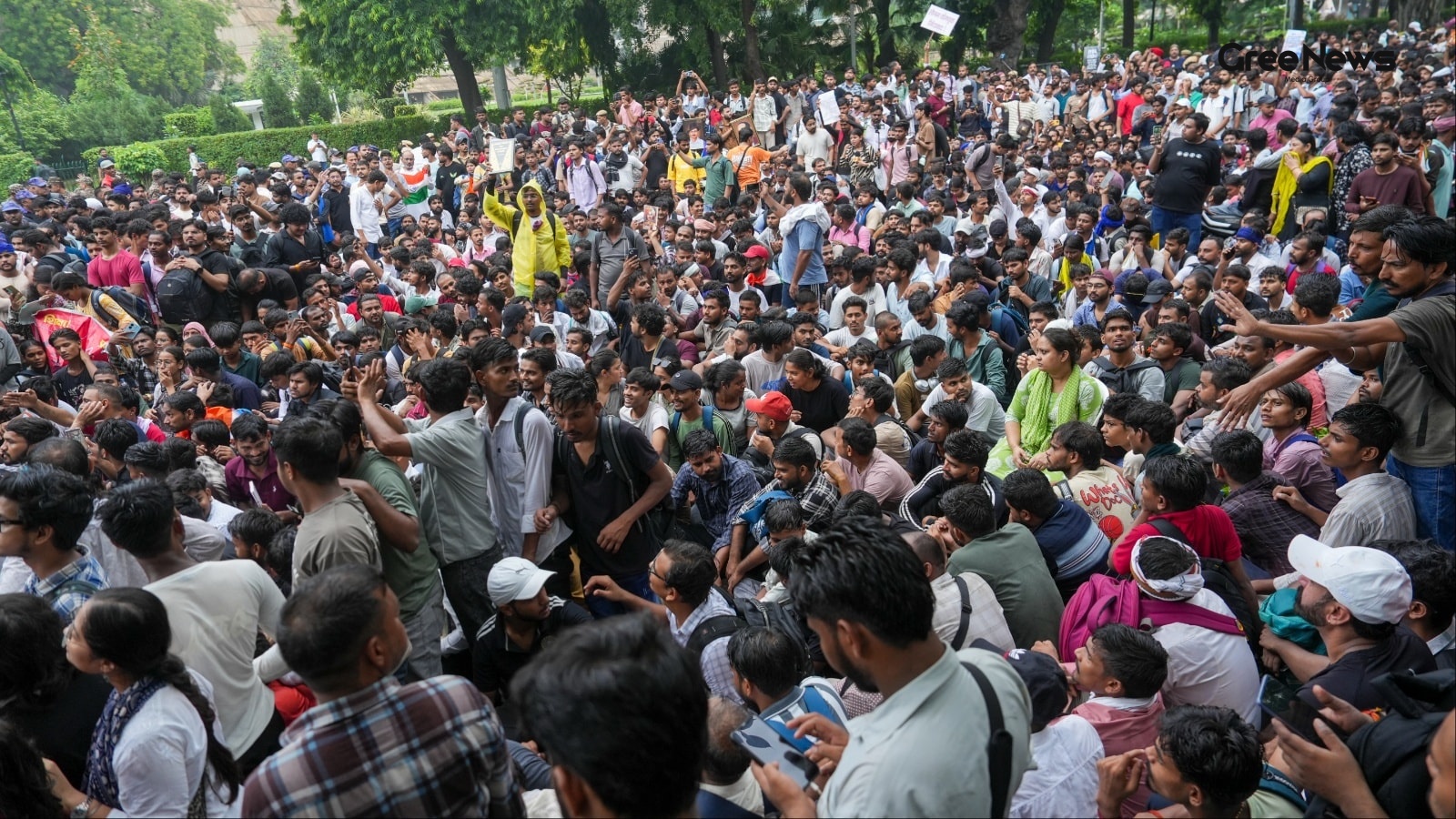
Delhi Security and Protest: High Alert Ahead of Monsoon Session
Delhi is buzzing with tension right now. The national capital has been placed on high alert because of the upcoming Monsoon Session in Parliament. Delhi Police have rolled out massive security operations, trying to manage things as the Cockroach Janata Party CJP prepares for its planned ‘Chalo Sansa
Jul 20, 2026 by Gree News Team
Monsoon Session of Parliament 2026: Political Showdown and Legislative Agenda
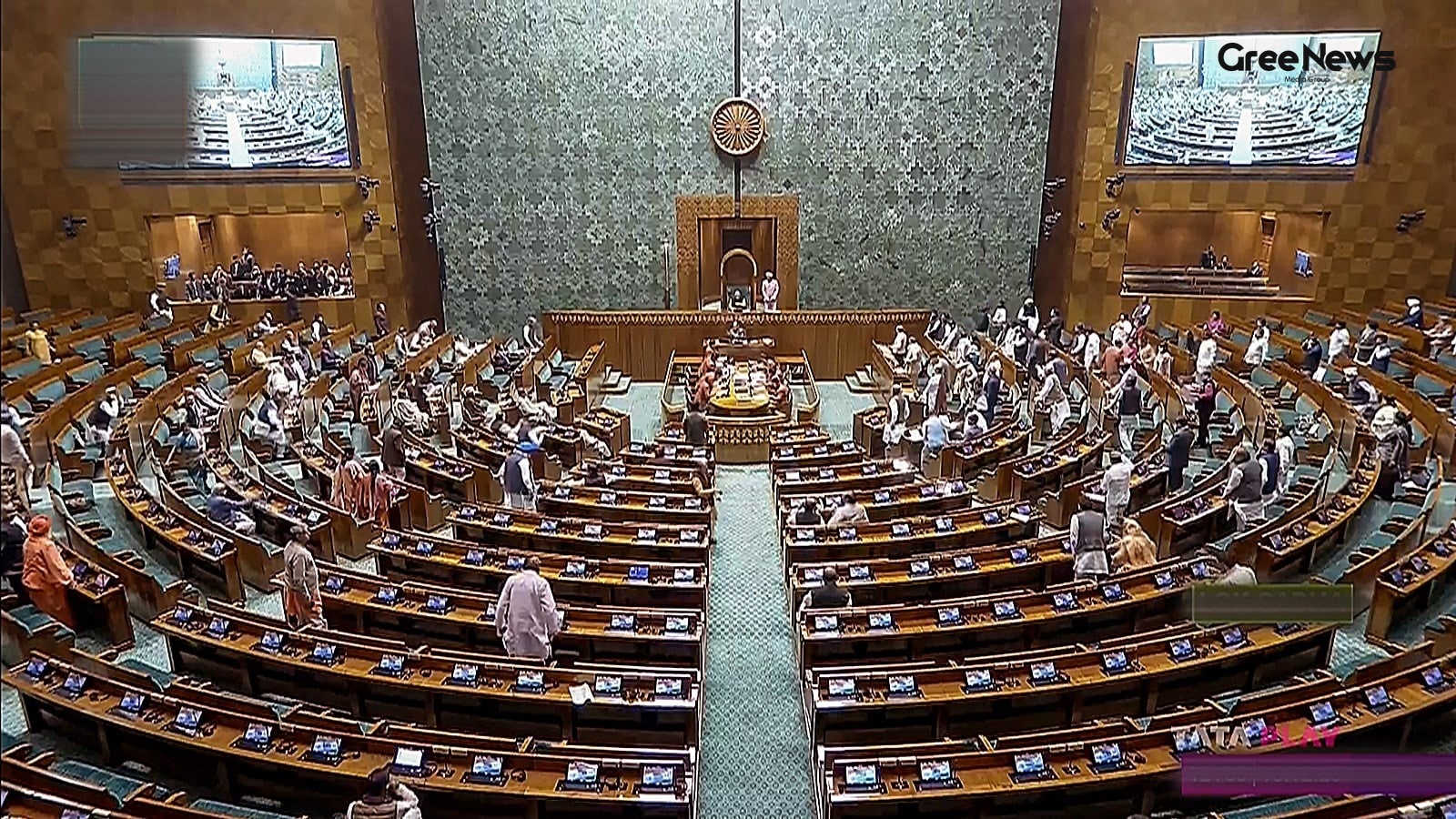
The Monsoon Session of Parliament 2026 kicked off today. And honestly, the mood is already thick with expectation. It feels like a political showdown waiting to happen. The ruling NDA government is gearing up to throw some heavy reform Bills on the table. Meanwhile, the Opposition isn't sitting stil
Jul 20, 2026 by Gree News Team
Sonam Wangchuk's Protest and the Demand for Accountability
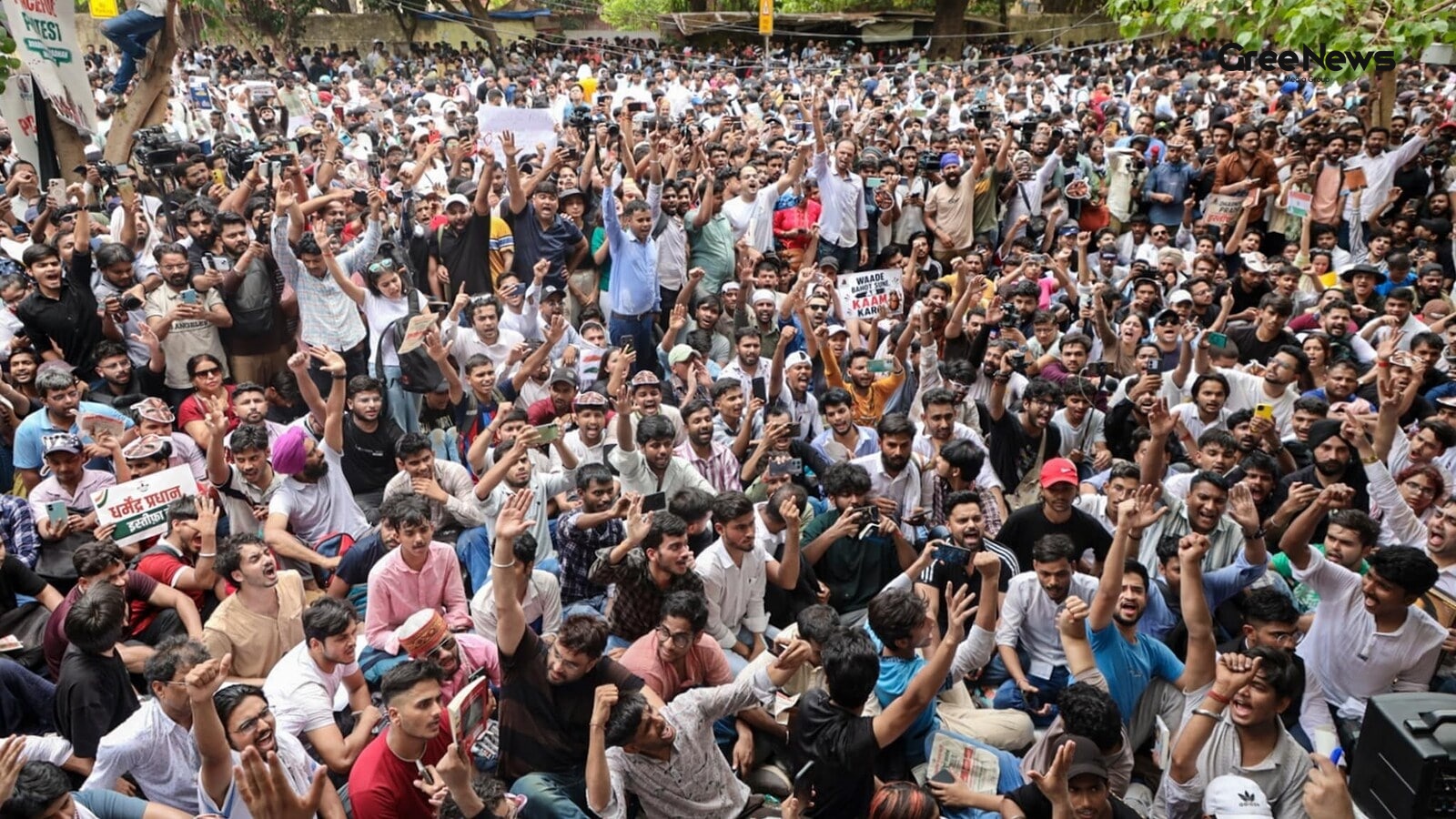
Sonam Wangchuk’s protest, kicked off by the Cockroach Janta Party, is moving toward Parliament now. It’s their ‘Chalo Sansad’ march. They are demanding the resignation of Union Education Minister Dharmendra Pradhan. The reason? Alleged NEET paper leaks. Student suicides. Everything about the whole e
Jul 20, 2026 by Gree News Team