Iran, the US, and the Conflict over Kuwait International Airport
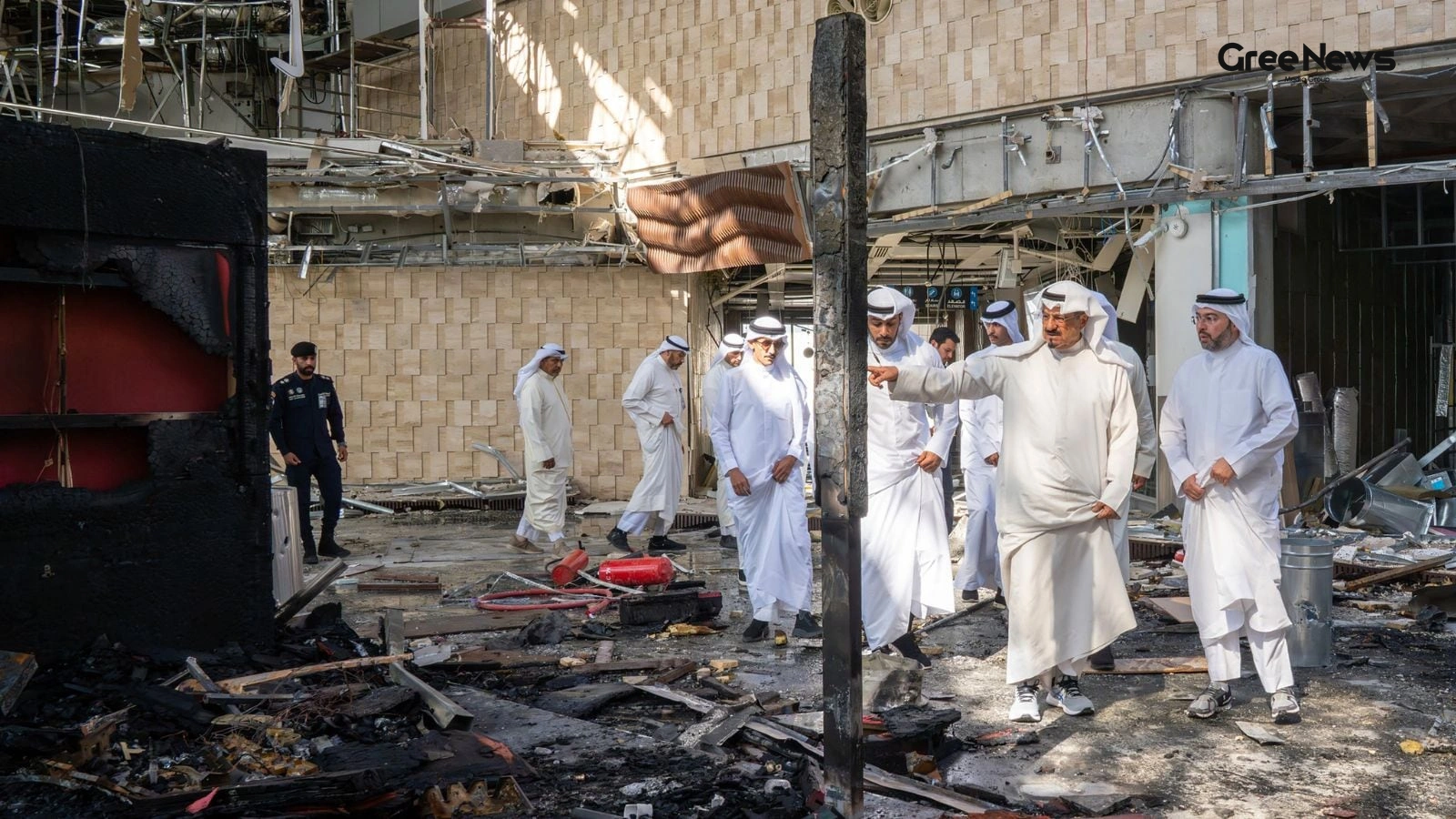
Iran and the United States. They just keep offering these completely different stories about what actually happened at the Kuwait International Airport. Damage. A fatality. It’s all tangled up in this mess.
There was an Indian citizen killed there. Sixty-three people injured. The airport had to shut down temporarily. Just a brutal, messy start to whatever this whole thing is.
And then you have the claims. They fly.
Iran, through their state media, the Islamic Revolutionary Guard Corps—they paint a picture. They say the damage wasn't an attack by them. No. They claim something else was the culprit. They allege that the US Patriot air-defense interceptors, those systems, they landed on the terminal. It all happened because they failed to intercept incoming Iranian projectiles. It was a failed defense. A system malfunction, they insist.
“The Aerospace Force did not target Kuwait Airport,” one of their spokespeople claimed. The damage, they asserted, was caused by these Patriot systems landing on the terminal after a failed interception attempt. That’s the official line coming from Tehran.
But that story just doesn't sit right with the rest of the world.
The US military, Central Command—they didn't buy that at all. They immediately shot down that version. They called it totally false. They accused Tehran straight up. Deliberately targeting civilian infrastructure.
“CLAIM: Iran claimed today that it did not attack the passenger terminal at Kuwait International Airport and damage was instead caused by a US missile interceptor. Totally FALSE,” CENTCOM stated.
The counter-narrative is stark. The truth, as the US side sees it, is that Iran launched the strike. A deliberate, calculated, and unjustified attack on civilian property. That’s what they insist happened.
This is the core of the friction, isn't it? Two sides, both screaming about the same physical space, but seeing entirely different realities.
Tensions just keep escalating across West Asia. Iran and the US keep striking each other. Even when there are supposed to be negotiations happening. It feels like the fighting just keeps moving.
Kuwait’s airport. It’s been hit multiple times already during this whole war. It’s just been battered. It only managed to fully resume operations back on June 1st. That sounds almost like a statement in itself. A stubborn refusal to stay broken.
Remember the scale of the aggression. It’s not just about one airport incident. It’s about the whole region.
Iran launched fresh attacks. Not just at the airport. They hit US bases. Bahrain. Kuwait. They accused both Gulf nations of letting America use their territory to launch attacks against an Iranian tanker, some communications tower on Qeshm Island. It’s a web of accusations, all pointing at each other.
Tehran said they hit the US Navy’s Middle East headquarters in Bahrain. They also hit the Ali Al Salem Air Base in Kuwait. But they deliberately left out the airport itself from that specific list of targets. It’s always about who gets to define the narrative.
Meanwhile, the physical damage itself. The Kuwaiti ministry of defense spokesman, Saud Abdulaziz Al-Atwan, spoke about it. He mentioned thirty ballistic missiles and drones were launched. He said this “heinous Iranian aggression” caused “significant material damage to the building.” A very blunt assessment.
And then you have the retaliation side. The Revolutionary Guards. They also made statements. They blamed the US. They claimed the US was targeting an Iranian oil tanker and a communications tower on Qeshm Island. It’s a back and forth, a constant loop of blame. Who started it? Who is responsible for the wreckage?
The Gulf region, it’s clearly paid the price. It’s borne the brunt of all these attacks. This whole war, it started when the US and Israel attacked Iran. They killed the senior leadership in late February. And from that moment on, the kinetic action spills over. It lands right here. In the Gulf.
India reacted too. India condemned the attack on the Kuwait International Airport. They pushed hard that everyone stop targeting common people. Stop targeting civilian infrastructure. The demand is simple, really. Don't make the collateral damage this high.
The reaction from India was an attempt to pull back from the very center of this conflict. They were trying to insist that the focus should be somewhere else. Away from the civilian casualties.
But the reality on the ground? It’s always about the targets. It’s about who controls the airspace. Who gets to decide what’s an attack and what’s a defensive measure.
The narrative shifts constantly. One minute it’s about a failed Patriot system. The next minute it’s about deliberate drone strikes. It’s exhausting trying to pin down a single, clean sequence of events.
You see the way the information just fragments. It’s not a smooth line. It’s jagged. You get the denial from one side. Then the immediate, forceful rejection from the other. Then the regional context—the tanker, the bases, the overall war effort—all thrown in haphazardly.
It’s observational, really. Watching how these massive powers talk about the same events. It’s not about finding the single, perfect truth. It’s about watching the performance. Watching who gets to tell the story of the destruction.
The air just feels thick with this uncertainty. Every statement is a trap. Every denial is a deflection. And the physical reality—the bombed airport, the missile trails, the displaced people—that’s the part that doesn't care about the diplomatic spin. That’s just broken. That’s the damage. And it keeps happening.
It’s just a cycle. A terrible, grinding cycle of aggression and denial. And the Gulf remains caught in the middle of it all. Always caught.
Written by Gree News Team — Senior Editorial Board
Gree News Team covers international news and global affairs at Gree News. Our collective of senior editors is dedicated to providing independent, accurate, and responsible journalism for a global audience.
More from World
View All
JD Vance Announces Fourth Child and Family Milestone
JD Vance just announced he had a fourth child. A son named Alec Neel Vance, with his wife Usha Vance. It came out in a statement shared online. He said everything was fine. The mother and the baby are happy and healthy. "Usha and the baby are happy and healthy," Vance wrote. "Our kids are overjoyed
Jul 20, 2026 by Gree News Team
The Psychological Weight of Peace Talks Between Iran and the United States
Abbas Araghchi, the Iranian Foreign Minister, brought up something heavy in an interview with Mehr news agency. He talked about the sheer psychological weight his delegation was under during those peace talks with the United States. It wasn't just diplomacy; it felt like constant danger. He said the
Jul 20, 2026 by Gree News Team
US Iran War News Live
US Iran War News Live. Central Command, CENTCOM, just announced they launched another round of air strikes on Iran Sunday night. This is the ninth time in a row. The whole operation aims to chip away at Tehran’s military strength. Specifically targeting commercial ships in the Strait of Hormuz. And
Jul 20, 2026 by Gree News Team
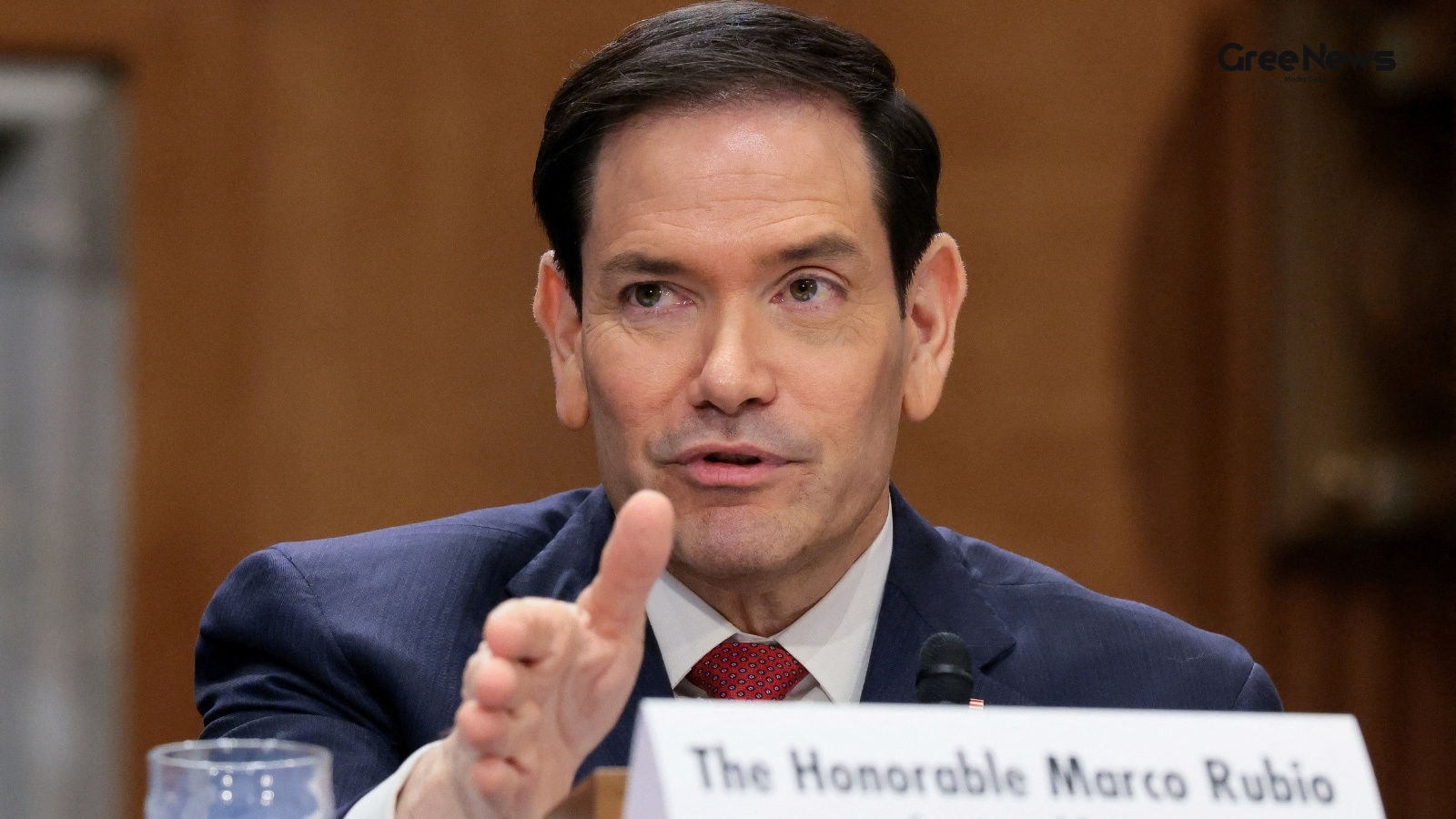
Marco Rubio on US-Iran Relations and Military Escalation
Marco Rubio, the Secretary of State, is saying Washington is getting signals. Indications that Iran wants to talk, even while there are huge divisions happening inside their own leadership structure right now. He spoke to CNN about it. Said they are hearing signs multiple channels telling them Iran
Jul 20, 2026 by Gree News Team
Latest Headlines
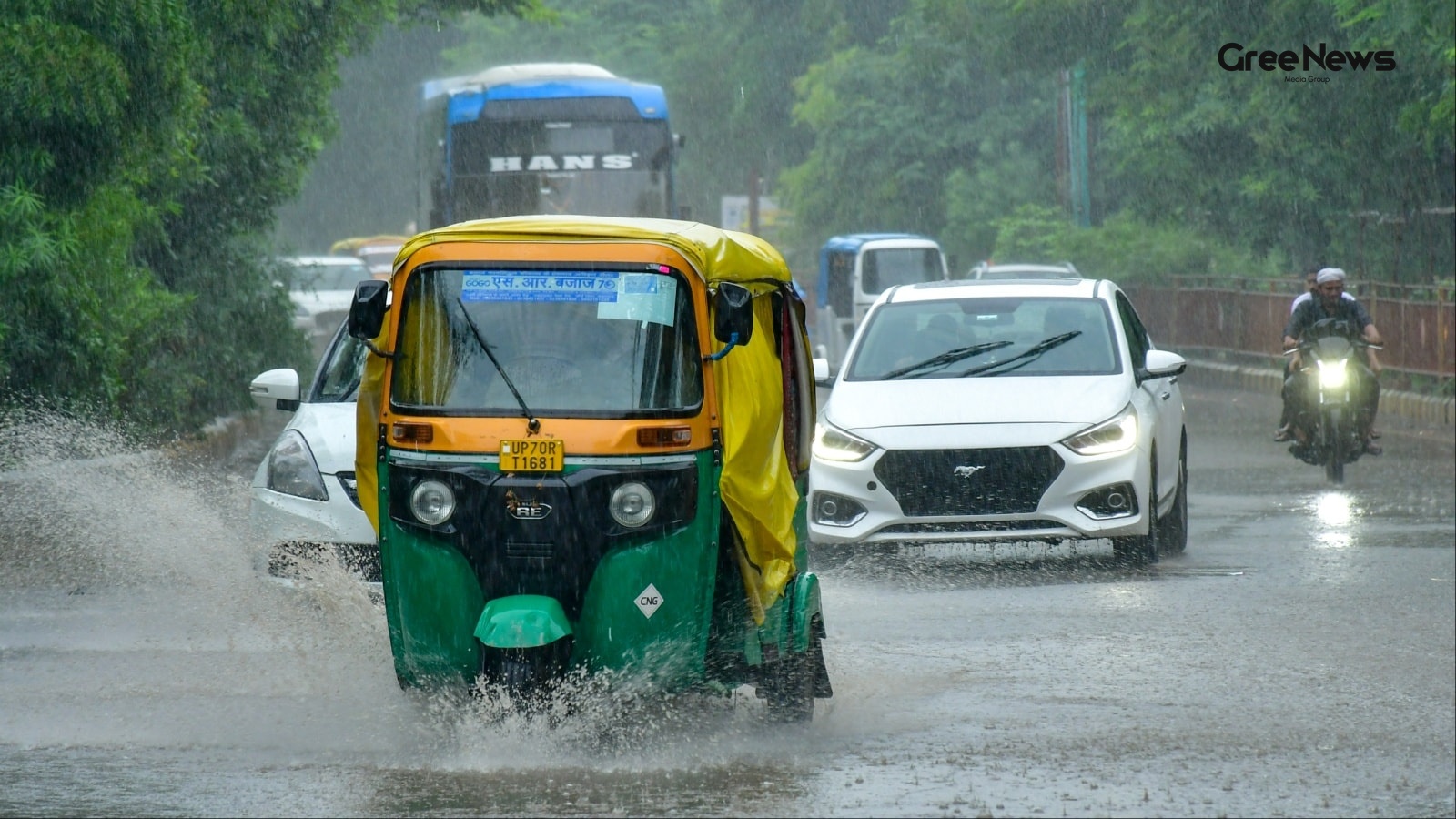
Monsoon Warnings and Disaster Risks Across India
The monsoon spell is kicking in hard across India. The India Meteorological Department just issued warnings about active, heavy rainfall sweeping through large parts of the country now, forecasting serious deluge over several northern, eastern, northeastern and western states over the next few days.
Jul 20, 2026 by Gree News Team
JD Vance Announces Fourth Child and Family Milestone
JD Vance just announced he had a fourth child. A son named Alec Neel Vance, with his wife Usha Vance. It came out in a statement shared online. He said everything was fine. The mother and the baby are happy and healthy. "Usha and the baby are happy and healthy," Vance wrote. "Our kids are overjoyed
Jul 20, 2026 by Gree News Team
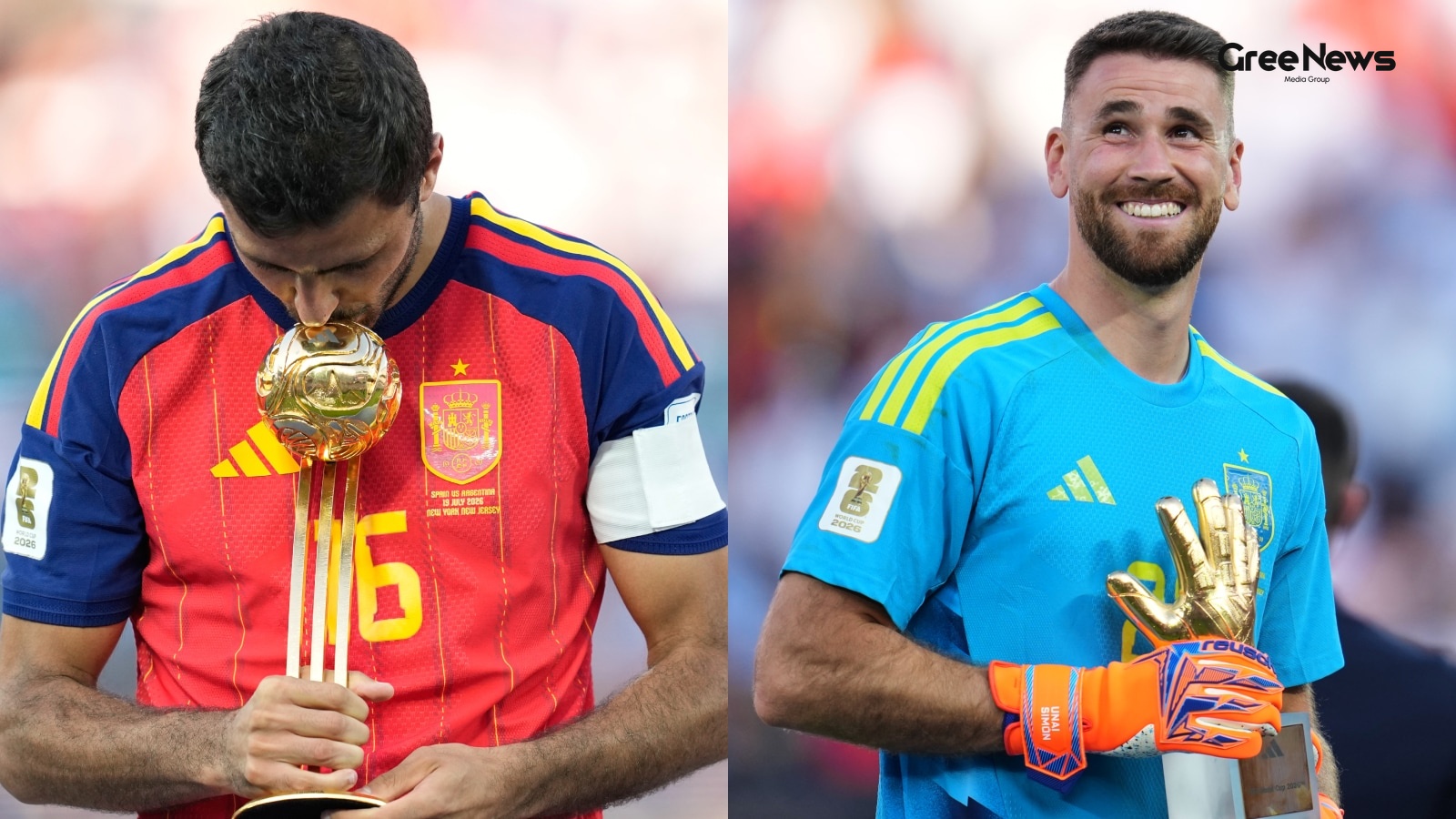
World Cup Final History and Awards
Ferran Torres really made history, didn’t he? That moment in the 106th minute of the World Cup final, when he found the back of the net. It broke Argentine hearts completely as Spain finally claimed the title for the second time. His single strike that one goal it just sent everyone into delirium du
Jul 20, 2026 by Gree News Team

Choosing the Best 2-Ton Inverter Split AC
So you need a 2-ton inverter split AC if your space is big. Think living rooms, conference areas, or those larger halls around 200 to 260 square feet. That’s where these things actually make sense. Things are changing right now with these new models. We’re talking about ACs that have inverter compre
Jul 20, 2026 by Gree News Team

School Dispute Turns into Violent Assault in Ankleshwar
A fight between two school kids in Ankleshwar apparently turned into a full-blown assault. It all started way back with the family of one student stopping two sisters on their way to tuition classes, and then things got seriously violent. They attacked them with a cricket bat and slippers. This whol
Jul 20, 2026 by Gree News Team
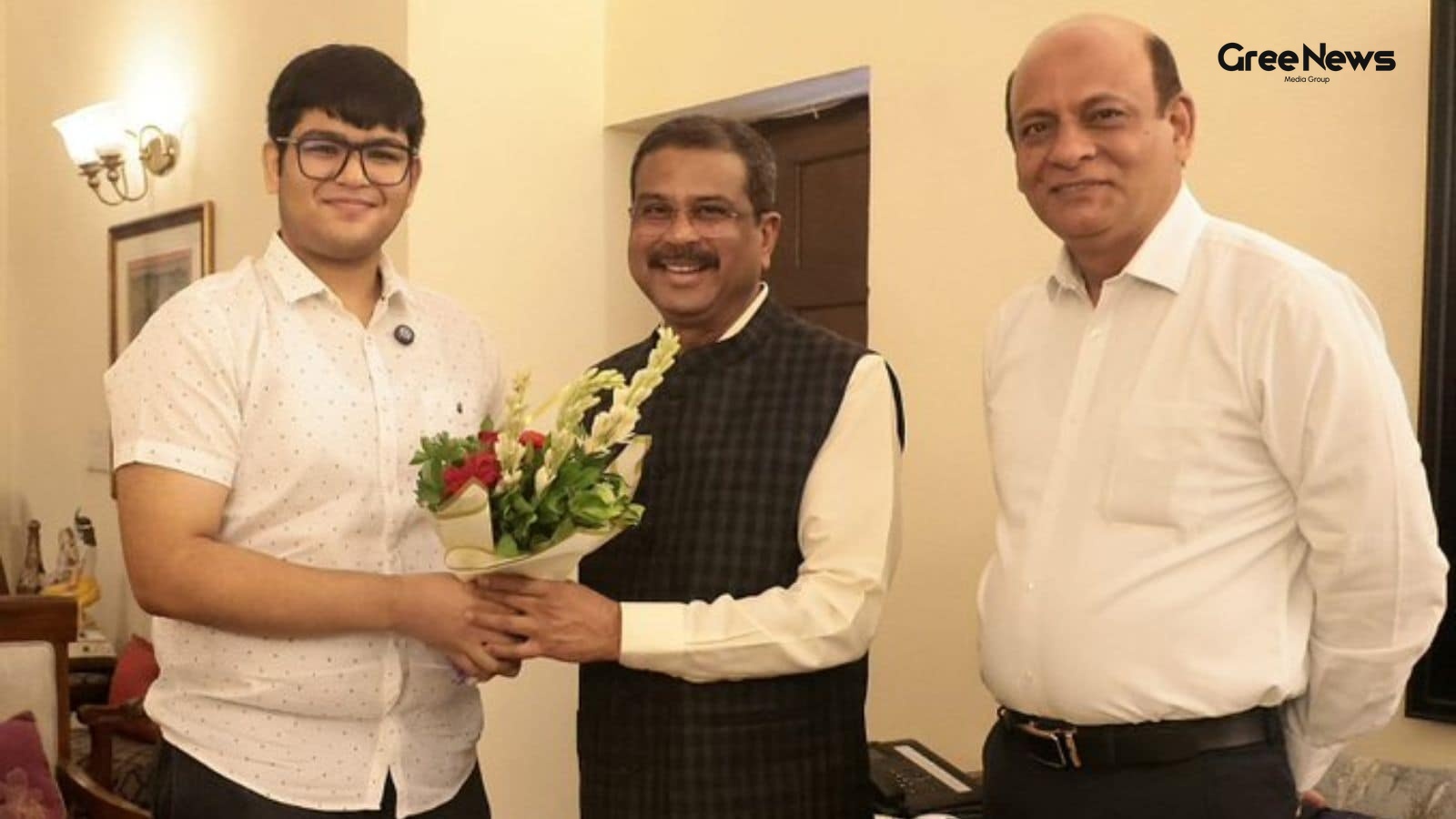
NEET Success Story: Dedication and the Journey to Medical Entrance
Dharmendra Pradhan had a meeting recently with Panshul Bansal, who came in holding the All India Rank 2 spot for the NEET UG 2026 exam. It was about that huge medical entrance test everyone talks about. Pradhan congratulated him. Praised him for the sheer hard work and commitment he showed. Said his
Jul 20, 2026 by Gree News Team
The Psychological Weight of Peace Talks Between Iran and the United States
Abbas Araghchi, the Iranian Foreign Minister, brought up something heavy in an interview with Mehr news agency. He talked about the sheer psychological weight his delegation was under during those peace talks with the United States. It wasn't just diplomacy; it felt like constant danger. He said the
Jul 20, 2026 by Gree News Team
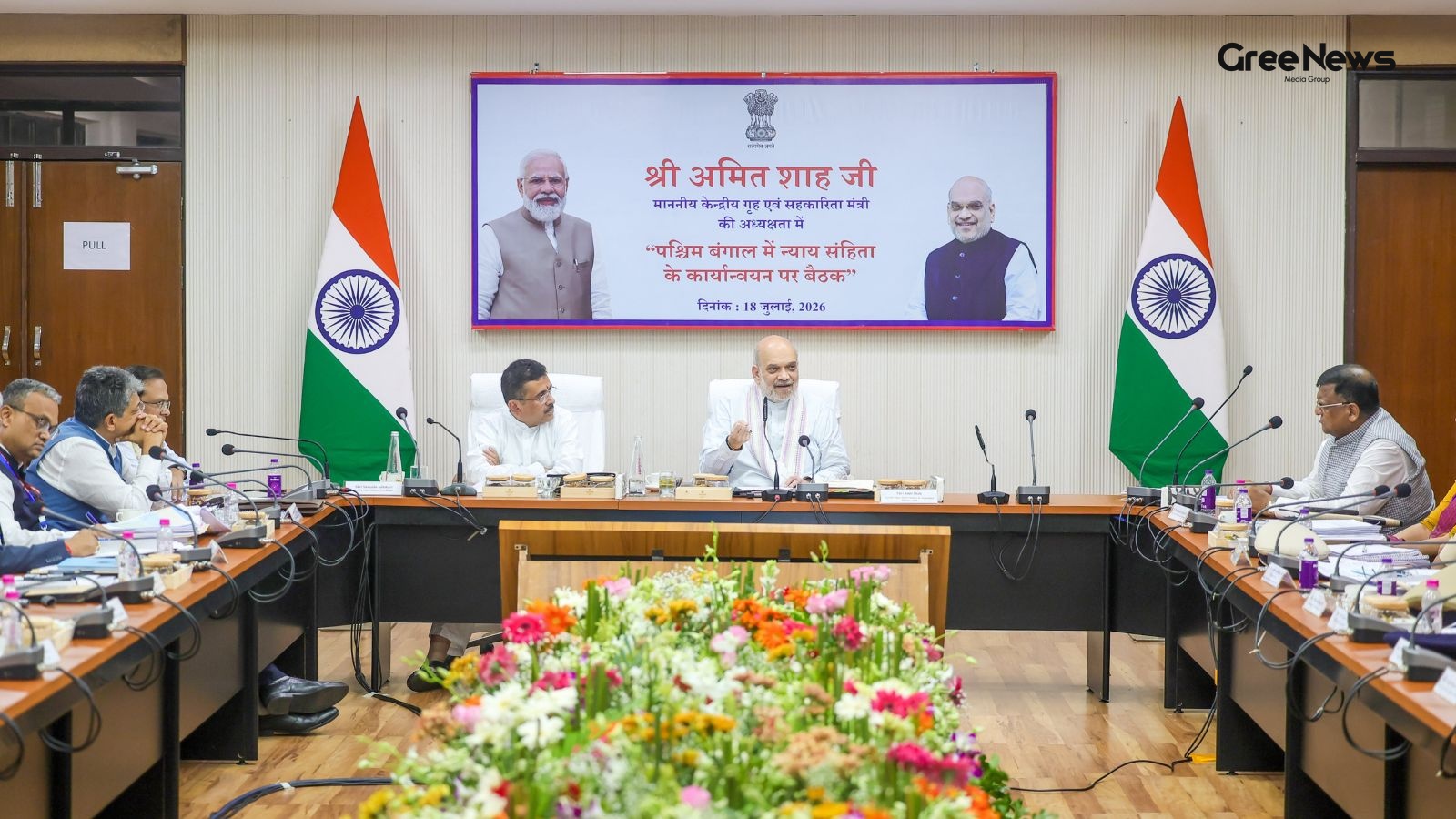
Amit Shah's Review on Security and Law and Order in West Bengal
Amit Shah, Union Home Minister and Minister of Cooperation, chaired a high-level review on Sunday. It was about the law and order situation in West Bengal. The whole thing was an outline for strengthening internal security, policing, and the criminal justice system there. The focus wasn’t just gener
Jul 20, 2026 by Gree News Team

Punjab Police's Anti-Drug Effort: Yudh Nashian Virudh Results and Strategy
The Punjab Police rolled out this big anti-drug effort Yudh Nashian Virudh. It’s been running for 500 days now. And it seems to have made some serious dents in the drug trade, plus got communities involved somehow. It really hinges on three things: heavy enforcement, getting people into the communit
Jul 20, 2026 by Gree News Team
US Iran War News Live
US Iran War News Live. Central Command, CENTCOM, just announced they launched another round of air strikes on Iran Sunday night. This is the ninth time in a row. The whole operation aims to chip away at Tehran’s military strength. Specifically targeting commercial ships in the Strait of Hormuz. And
Jul 20, 2026 by Gree News Team
Marco Rubio on US-Iran Relations and Military Escalation
Marco Rubio, the Secretary of State, is saying Washington is getting signals. Indications that Iran wants to talk, even while there are huge divisions happening inside their own leadership structure right now. He spoke to CNN about it. Said they are hearing signs multiple channels telling them Iran
Jul 20, 2026 by Gree News Team

Stock Market Update: July 20th Performance and Global Factors
Stock Market Today, July 20th. It kicked off the week weak domestically. Cautious global vibes were dragging things down. You saw that as the Gulf conflict escalated, crude oil prices jumped past ninety dollars a barrel. Inflation worries flared up right along with it. Selling hit heavyweight privat
Jul 20, 2026 by Gree News Team
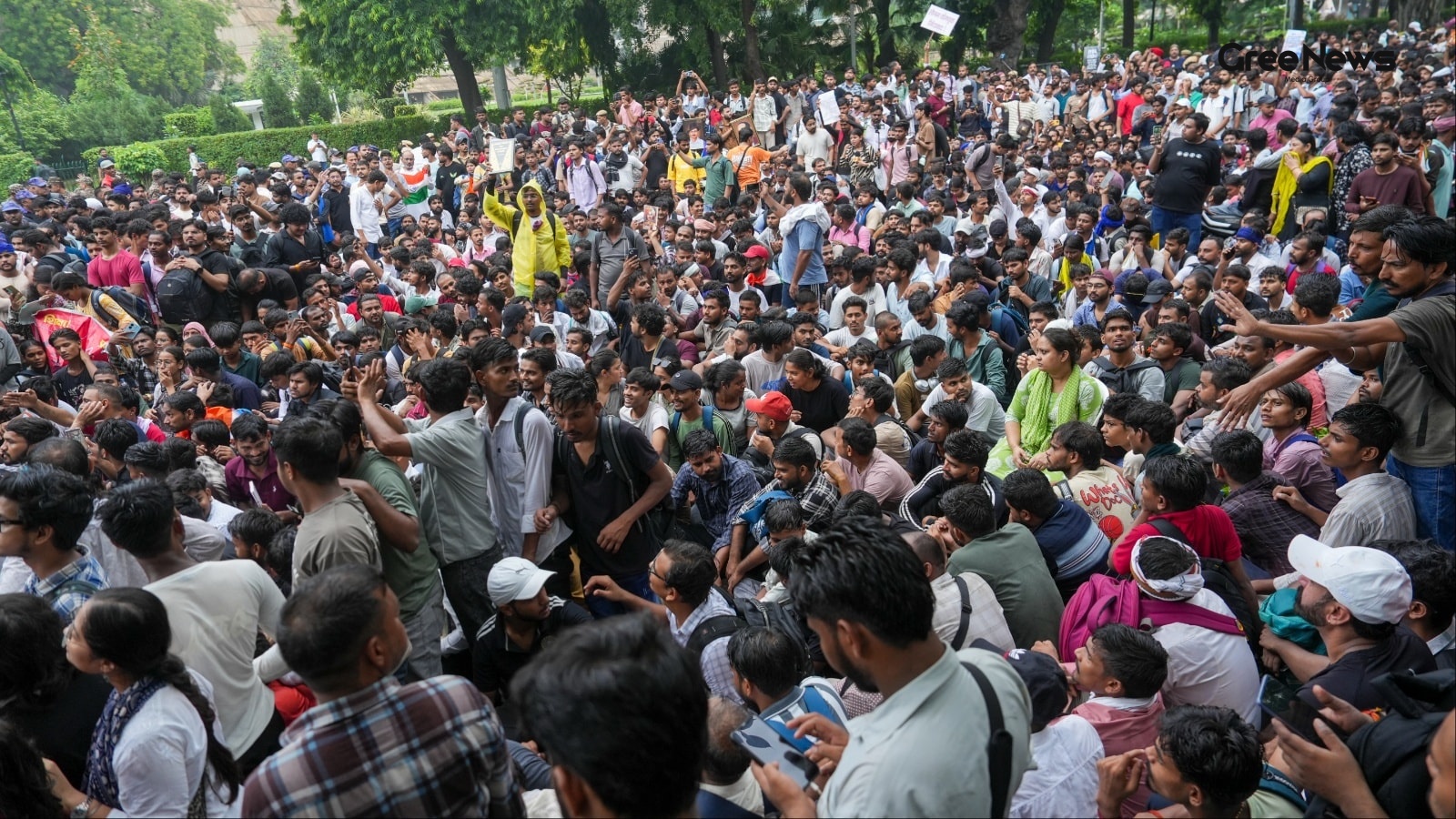
Delhi Security and Protest: High Alert Ahead of Monsoon Session
Delhi is buzzing with tension right now. The national capital has been placed on high alert because of the upcoming Monsoon Session in Parliament. Delhi Police have rolled out massive security operations, trying to manage things as the Cockroach Janata Party CJP prepares for its planned ‘Chalo Sansa
Jul 20, 2026 by Gree News Team
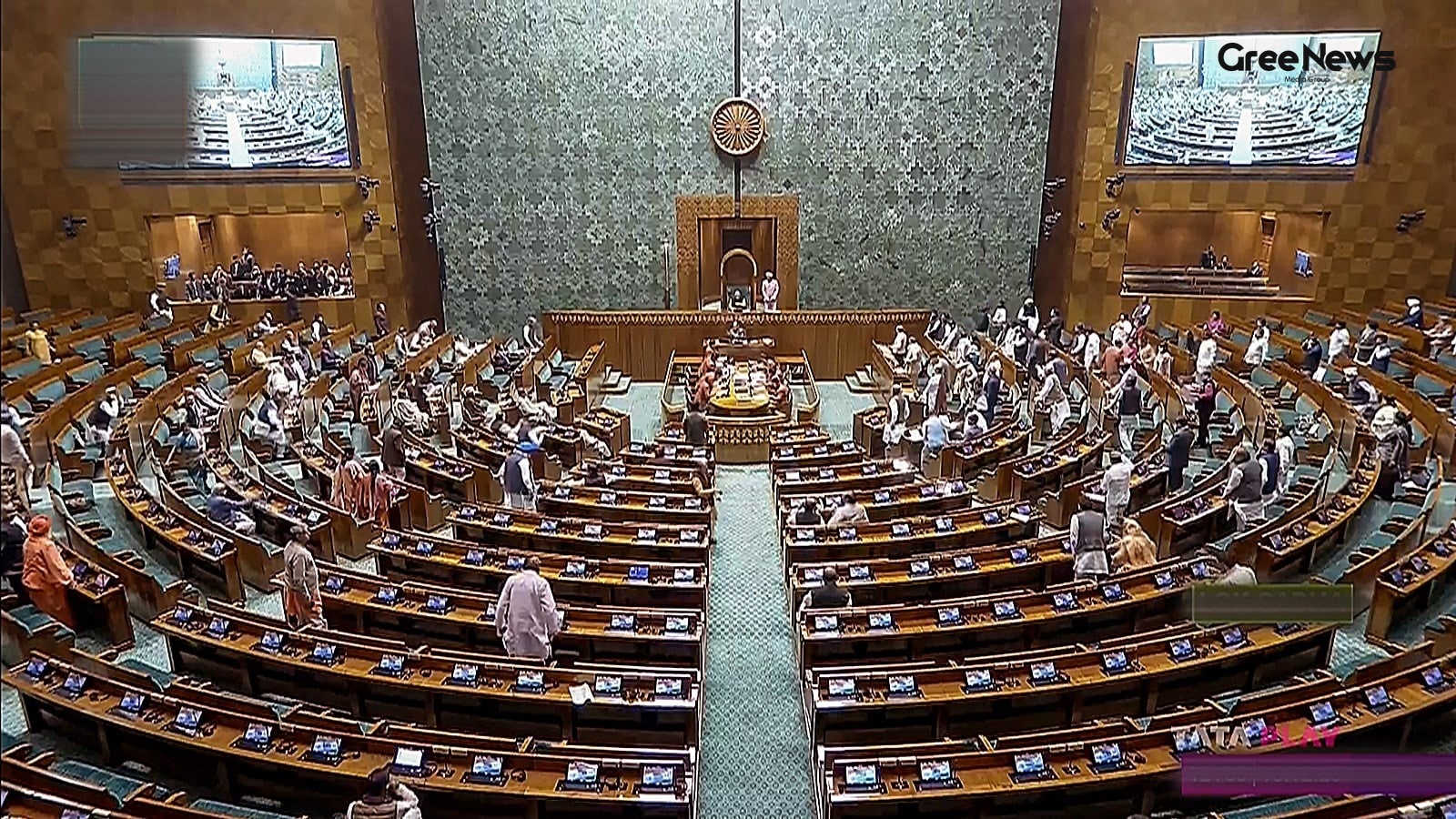
Monsoon Session of Parliament 2026: Political Showdown and Legislative Agenda
The Monsoon Session of Parliament 2026 kicked off today. And honestly, the mood is already thick with expectation. It feels like a political showdown waiting to happen. The ruling NDA government is gearing up to throw some heavy reform Bills on the table. Meanwhile, the Opposition isn't sitting stil
Jul 20, 2026 by Gree News Team
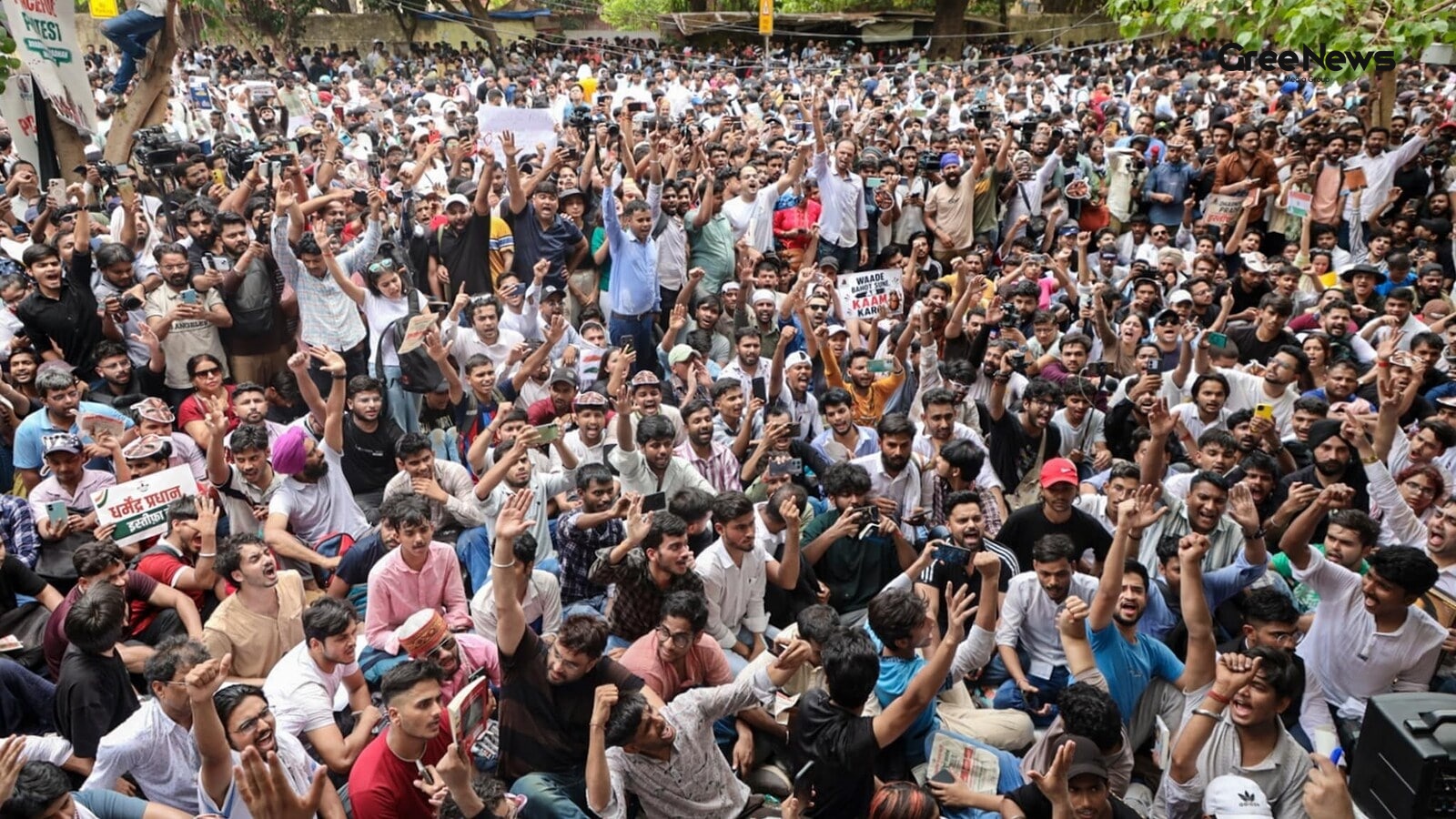
Sonam Wangchuk's Protest and the Demand for Accountability
Sonam Wangchuk’s protest, kicked off by the Cockroach Janta Party, is moving toward Parliament now. It’s their ‘Chalo Sansad’ march. They are demanding the resignation of Union Education Minister Dharmendra Pradhan. The reason? Alleged NEET paper leaks. Student suicides. Everything about the whole e
Jul 20, 2026 by Gree News Team