Jet Fuel Cost Stabilization Scheme for Indian Airlines

The Centre finally stepped in to try and steady jet fuel costs for Indian airlines. It’s all tied up with that West Asia crisis, keeping global energy markets totally volatile and threatening to blow aviation expenses sky-high.
They cleared a plan—a ten thousand crore aviation turbine fuel, or ATF , stabilization scheme—through the Union Cabinet. This means participating Indian carriers can now buy jet fuel at a fixed benchmark price, whether they are flying domestically or internationally.
Sounds like relief for the airlines, sure. But for us passengers? Will your flight ticket actually end up cheaper? That’s the big question hanging over everything.
So, what exactly did the government lock down under this whole scheme?
For domestic flights, they set a fixed free-on-board benchmark price at Rs 86.32 per litre. International operations got a different rate: Rs 104.49 per litre.
These are just the starting points. Then you have to factor in everything else. Airport charges, what the oil companies make, fixed differentials, and all those taxes that apply. That’s where the real price comes in. In Delhi, you might see it land around Rs 115 per litre. Mumbai, maybe Rs 114.50. Chennai is pushing Rs 139. The price shifts depending on the airport because state levies and those airport-linked charges are all different.
Airlines that don't join this deal? They still have to pay whatever the international market is doing. Officials are saying that rate is currently hovering around Rs 142 per litre.
The scheme itself is voluntary. Only Indian airlines can opt into it.
Why was this needed in the first place? It came after jet fuel prices absolutely shot up because of that global mess. Rohit Raj, the Director at the Civil Aviation Ministry, pointed out the sheer scale of the jump. International prices jumped from about Rs 60.50 in March to as high as Rs 142 in the following weeks. That’s a massive 135 percent increase.
ATF is a huge chunk of an airline’s operating costs. It usually eats up about forty percent. But when things get volatile, that share can balloon to fifty-five or sixty percent, according to an Indian airline association cited by The Indian Express .
Indian carriers were already under the gun. Longer international routes, especially after Pakistan closed its airspace, added extra strain. The West Asia conflict just piled on the pressure for anyone flying through or near that region.
Will this actually save us money when we book a flight?
Not necessarily. That’s where things get tricky. Raj was clear: the real passenger benefit isn't an automatic fare cut. It’s about moderating those sudden fare increases that usually pop up when fuel prices spike.
“For passengers,” Raj said, “the most important thing is that this helps moderate sudden increases in airfare that result from sharp fuel price spikes. We’re trying to stop airlines from passing those extreme fuel fluctuations straight onto travellers and keep the fares a bit more stable.”
It’s really a fare-stability mechanism. If prices jump again, the airlines participating are under less pressure to immediately hike fares or slap on extra fuel surcharges.
Now, about that fixed price. Why is it set higher than the current Delhi ATF rate?
The current Delhi price, around Rs 105 per litre, came from an earlier temporary cap. When the global prices went up, oil marketing companies raised domestic ATF prices by only twenty-five percent in April. They didn't pass on the full international jump.
Raj explained the old way. If you take the March base price of Rs 60.5, and you apply the excise and VAT in Delhi, you got about Rs 104. That was because of that old capping.
But under the new mechanism… we’re moving toward a fixed price system.
Sujata Sharma, the Petroleum Ministry Joint Secretary, had mentioned that oil marketing companies were already taking losses. They were incurring under-recoveries of nearly Rs 30 per litre, or Rs 30,000 per kilolitre, on domestic jet fuel sales.
But the new stabilization plan only kicks in going forward. It won't make up for the losses they already took on jet fuel sales. Ashwini Vaishnaw, the Information and Broadcasting Minister, confirmed that this is just a temporary measure.
The fund itself—that ten thousand crore—isn't going directly to the airlines. It’s a one-time, interest-free advance given to the public sector oil marketing companies.
When international prices are higher than that fixed benchmark, the fund steps in. It compensates the OMCs for supplying jet fuel to the participating airlines at that fixed rate. When global prices cool down, the difference gets recovered and returned to the Consolidated Fund of India.
Raj called it a temporary fix. “The mechanism is designed as a temporary self-correcting arrangement,” he noted.
He stressed that it’s not a subsidy. It’s a temporary way to smooth out the impact of wild fuel price swings while making sure there is full accountability, monitoring, and recovery of all the money involved. This arrangement stays in place for up to thirty-six months, or until the full advance amount is recovered, whichever happens sooner.
So, what does this all mean for your next booking?
It doesn't mean tickets are going to magically drop in price. But by setting up this fixed framework for airlines, the government is betting it will reduce those sudden fare spikes. It aims to limit how much of the fuel shock gets passed directly onto the passengers.
Written by Gree News Team — Senior Editorial Board
Gree News Team covers international news and global affairs at Gree News. Our collective of senior editors is dedicated to providing independent, accurate, and responsible journalism for a global audience.
More from India
View All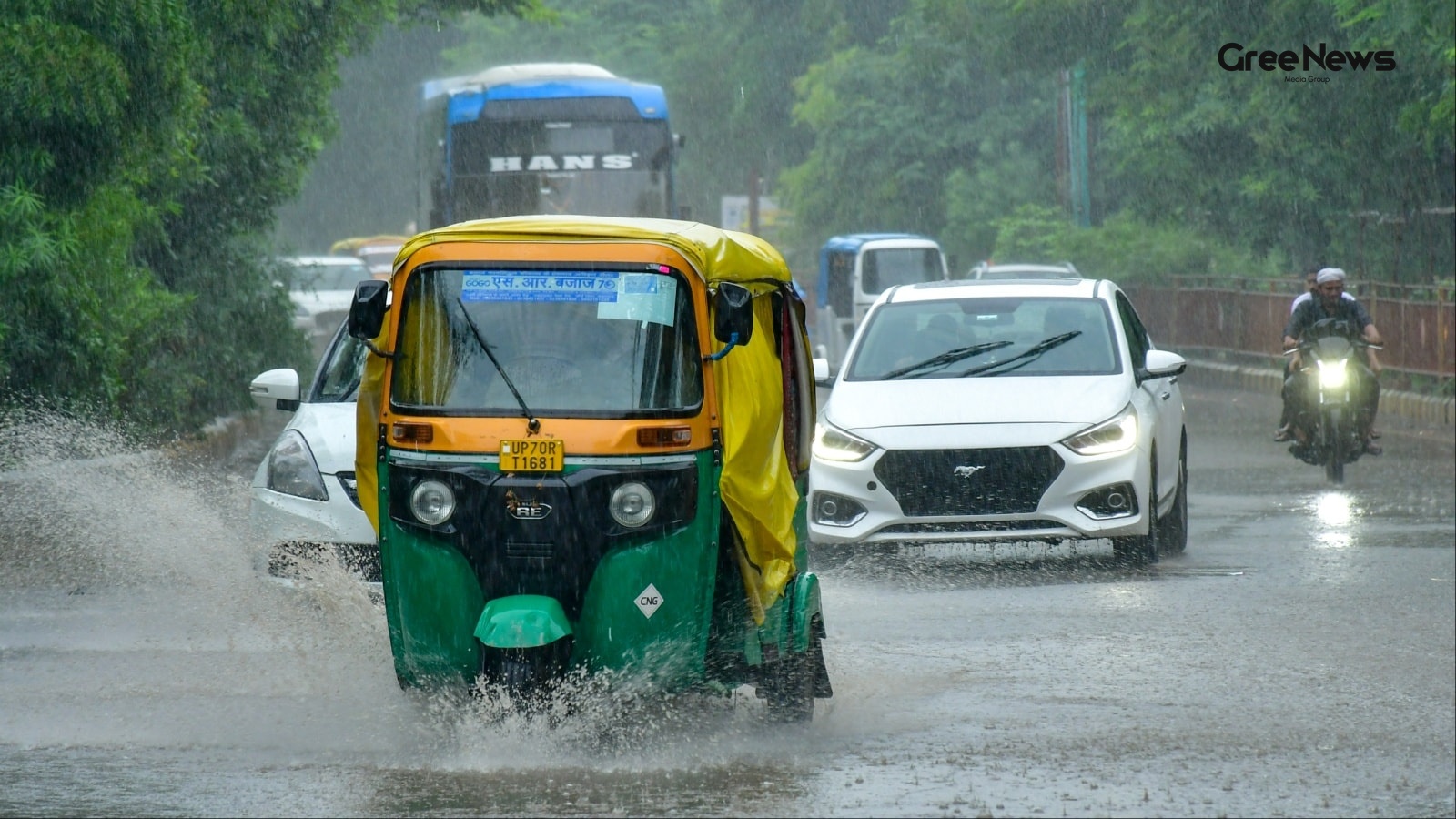
Monsoon Warnings and Disaster Risks Across India
The monsoon spell is kicking in hard across India. The India Meteorological Department just issued warnings about active, heavy rainfall sweeping through large parts of the country now, forecasting serious deluge over several northern, eastern, northeastern and western states over the next few days.
Jul 20, 2026 by Gree News Team

School Dispute Turns into Violent Assault in Ankleshwar
A fight between two school kids in Ankleshwar apparently turned into a full-blown assault. It all started way back with the family of one student stopping two sisters on their way to tuition classes, and then things got seriously violent. They attacked them with a cricket bat and slippers. This whol
Jul 20, 2026 by Gree News Team
Amit Shah's Review on Security and Law and Order in West Bengal
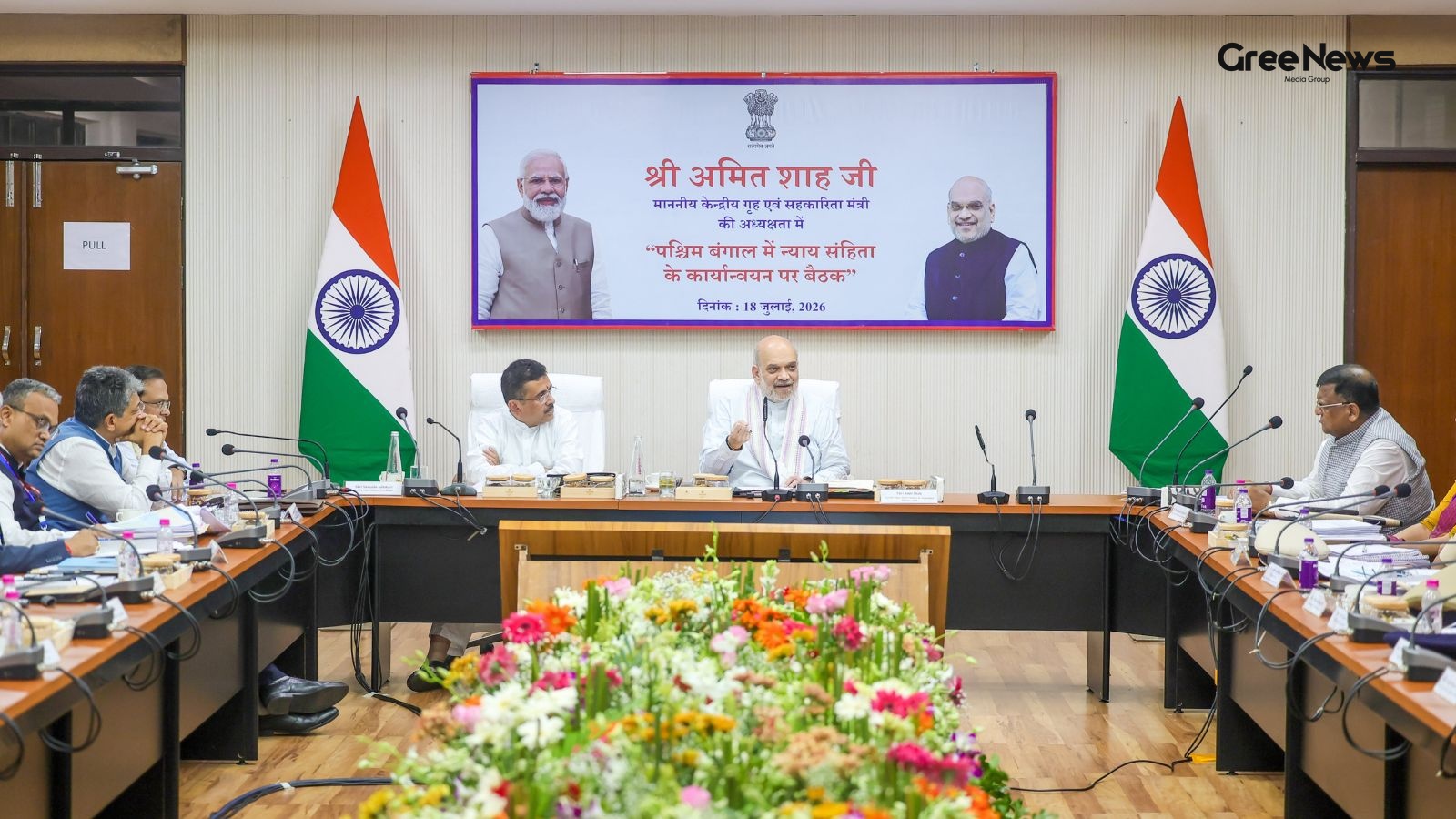
Amit Shah, Union Home Minister and Minister of Cooperation, chaired a high-level review on Sunday. It was about the law and order situation in West Bengal. The whole thing was an outline for strengthening internal security, policing, and the criminal justice system there. The focus wasn’t just gener
Jul 20, 2026 by Gree News Team
Punjab Police's Anti-Drug Effort: Yudh Nashian Virudh Results and Strategy
The Punjab Police rolled out this big anti-drug effort Yudh Nashian Virudh. It’s been running for 500 days now. And it seems to have made some serious dents in the drug trade, plus got communities involved somehow. It really hinges on three things: heavy enforcement, getting people into the communit
Jul 20, 2026 by Gree News Team
Latest Headlines
Monsoon Warnings and Disaster Risks Across India
The monsoon spell is kicking in hard across India. The India Meteorological Department just issued warnings about active, heavy rainfall sweeping through large parts of the country now, forecasting serious deluge over several northern, eastern, northeastern and western states over the next few days.
Jul 20, 2026 by Gree News Team
JD Vance Announces Fourth Child and Family Milestone
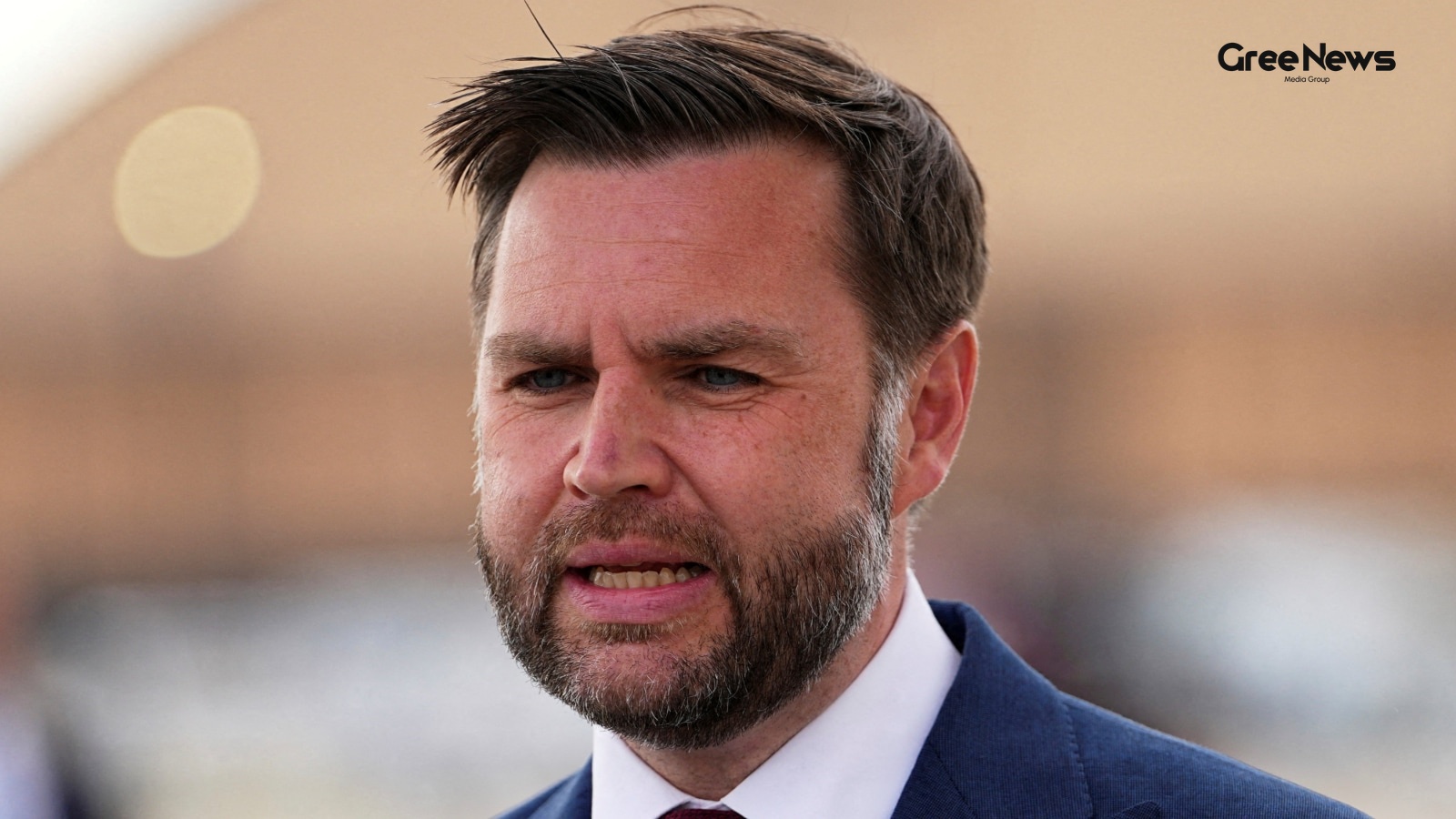
JD Vance just announced he had a fourth child. A son named Alec Neel Vance, with his wife Usha Vance. It came out in a statement shared online. He said everything was fine. The mother and the baby are happy and healthy. "Usha and the baby are happy and healthy," Vance wrote. "Our kids are overjoyed
Jul 20, 2026 by Gree News Team

World Cup Final History and Awards
Ferran Torres really made history, didn’t he? That moment in the 106th minute of the World Cup final, when he found the back of the net. It broke Argentine hearts completely as Spain finally claimed the title for the second time. His single strike that one goal it just sent everyone into delirium du
Jul 20, 2026 by Gree News Team

Choosing the Best 2-Ton Inverter Split AC
So you need a 2-ton inverter split AC if your space is big. Think living rooms, conference areas, or those larger halls around 200 to 260 square feet. That’s where these things actually make sense. Things are changing right now with these new models. We’re talking about ACs that have inverter compre
Jul 20, 2026 by Gree News Team
School Dispute Turns into Violent Assault in Ankleshwar
A fight between two school kids in Ankleshwar apparently turned into a full-blown assault. It all started way back with the family of one student stopping two sisters on their way to tuition classes, and then things got seriously violent. They attacked them with a cricket bat and slippers. This whol
Jul 20, 2026 by Gree News Team
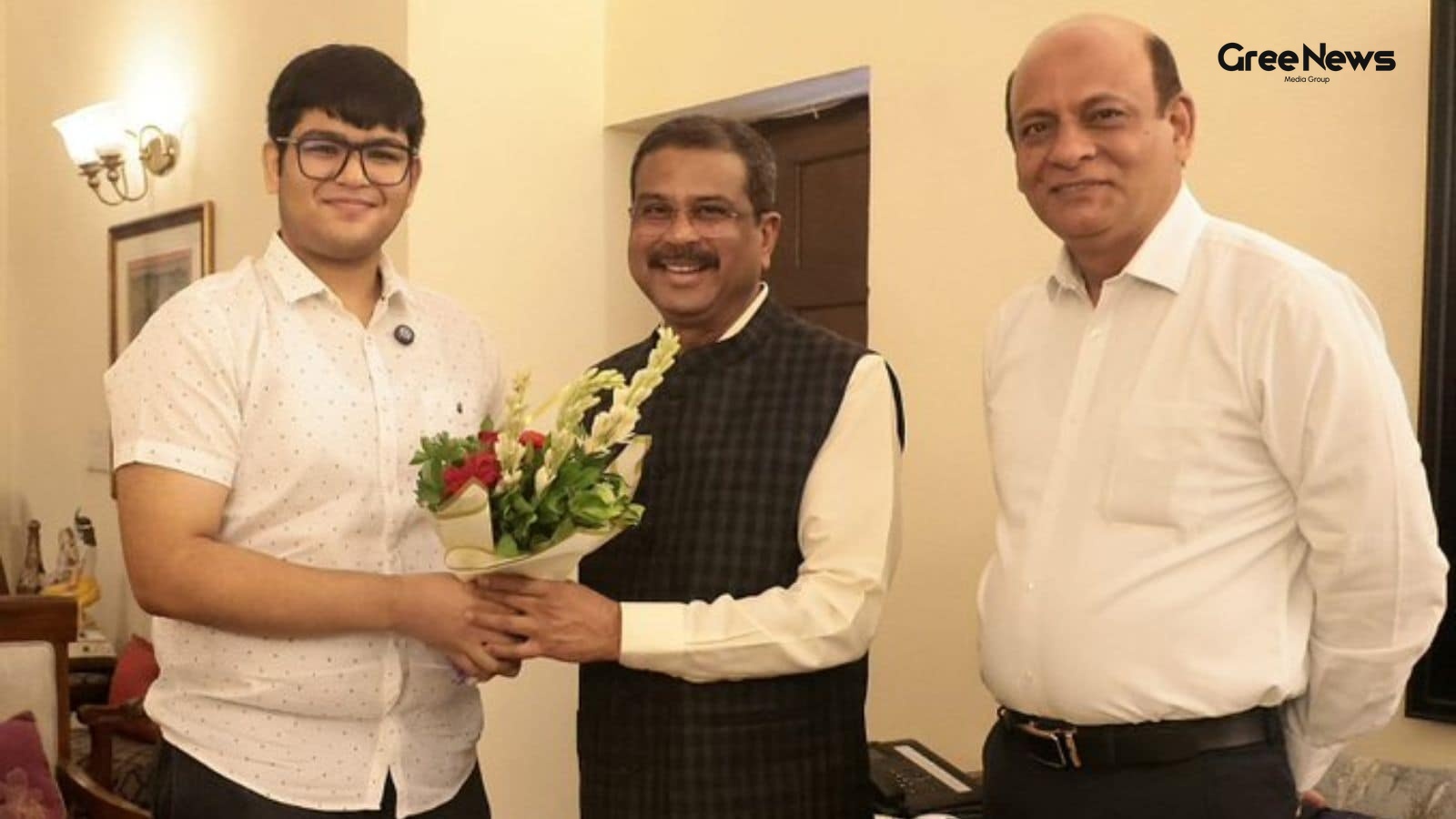
NEET Success Story: Dedication and the Journey to Medical Entrance
Dharmendra Pradhan had a meeting recently with Panshul Bansal, who came in holding the All India Rank 2 spot for the NEET UG 2026 exam. It was about that huge medical entrance test everyone talks about. Pradhan congratulated him. Praised him for the sheer hard work and commitment he showed. Said his
Jul 20, 2026 by Gree News Team
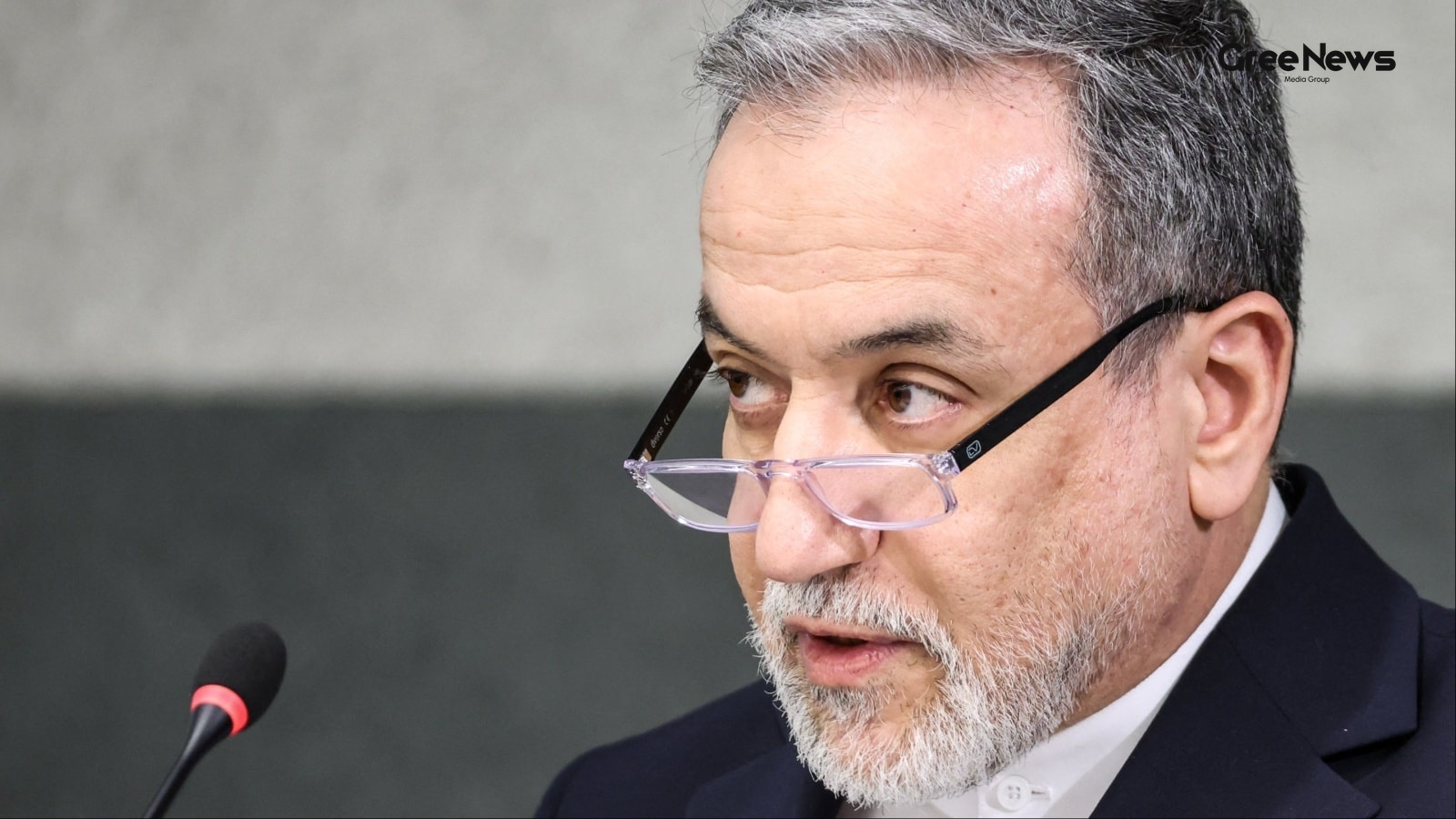
The Psychological Weight of Peace Talks Between Iran and the United States
Abbas Araghchi, the Iranian Foreign Minister, brought up something heavy in an interview with Mehr news agency. He talked about the sheer psychological weight his delegation was under during those peace talks with the United States. It wasn't just diplomacy; it felt like constant danger. He said the
Jul 20, 2026 by Gree News Team
Amit Shah's Review on Security and Law and Order in West Bengal
Amit Shah, Union Home Minister and Minister of Cooperation, chaired a high-level review on Sunday. It was about the law and order situation in West Bengal. The whole thing was an outline for strengthening internal security, policing, and the criminal justice system there. The focus wasn’t just gener
Jul 20, 2026 by Gree News Team
Punjab Police's Anti-Drug Effort: Yudh Nashian Virudh Results and Strategy
The Punjab Police rolled out this big anti-drug effort Yudh Nashian Virudh. It’s been running for 500 days now. And it seems to have made some serious dents in the drug trade, plus got communities involved somehow. It really hinges on three things: heavy enforcement, getting people into the communit
Jul 20, 2026 by Gree News Team
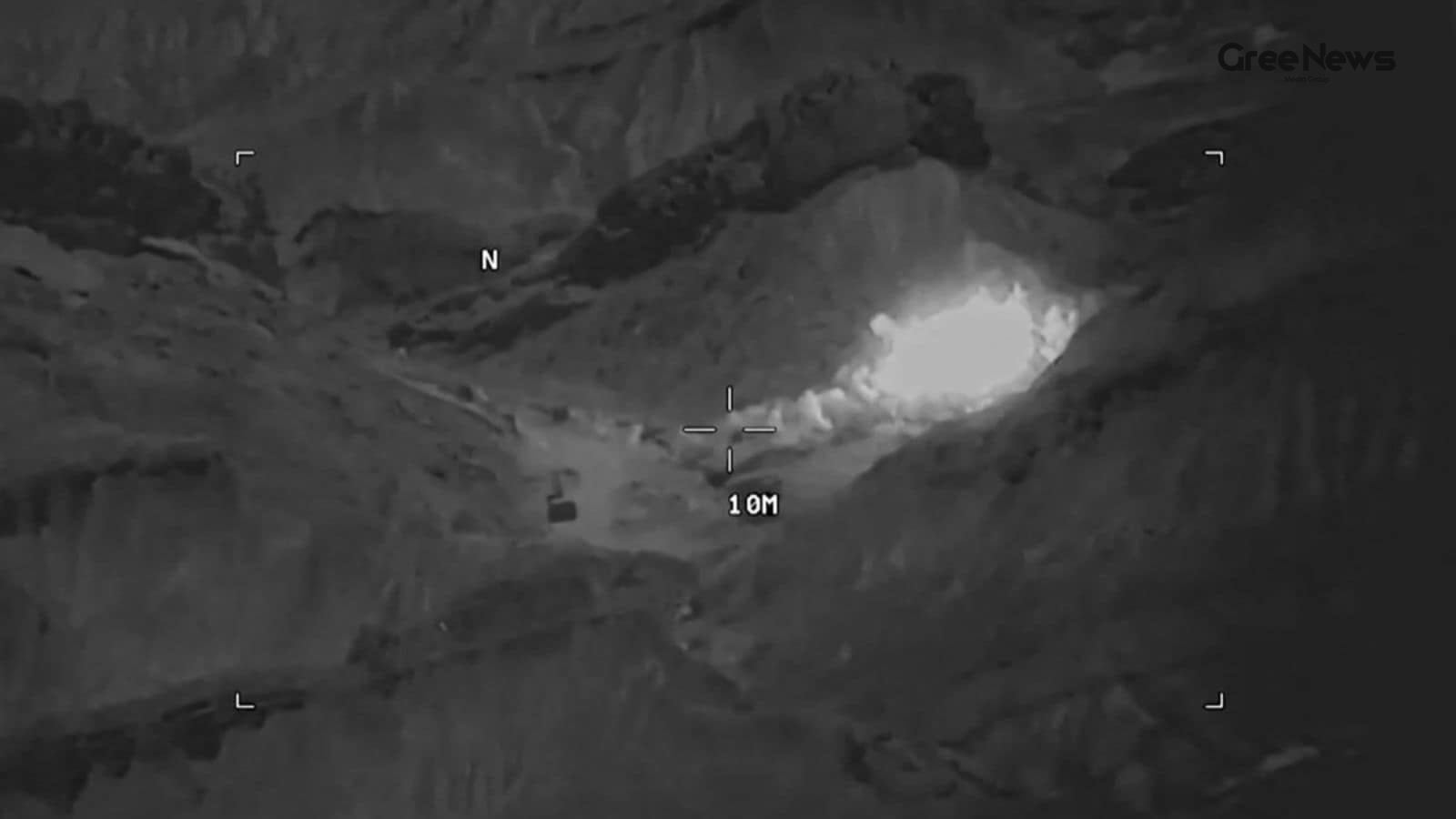
US Iran War News Live
US Iran War News Live. Central Command, CENTCOM, just announced they launched another round of air strikes on Iran Sunday night. This is the ninth time in a row. The whole operation aims to chip away at Tehran’s military strength. Specifically targeting commercial ships in the Strait of Hormuz. And
Jul 20, 2026 by Gree News Team
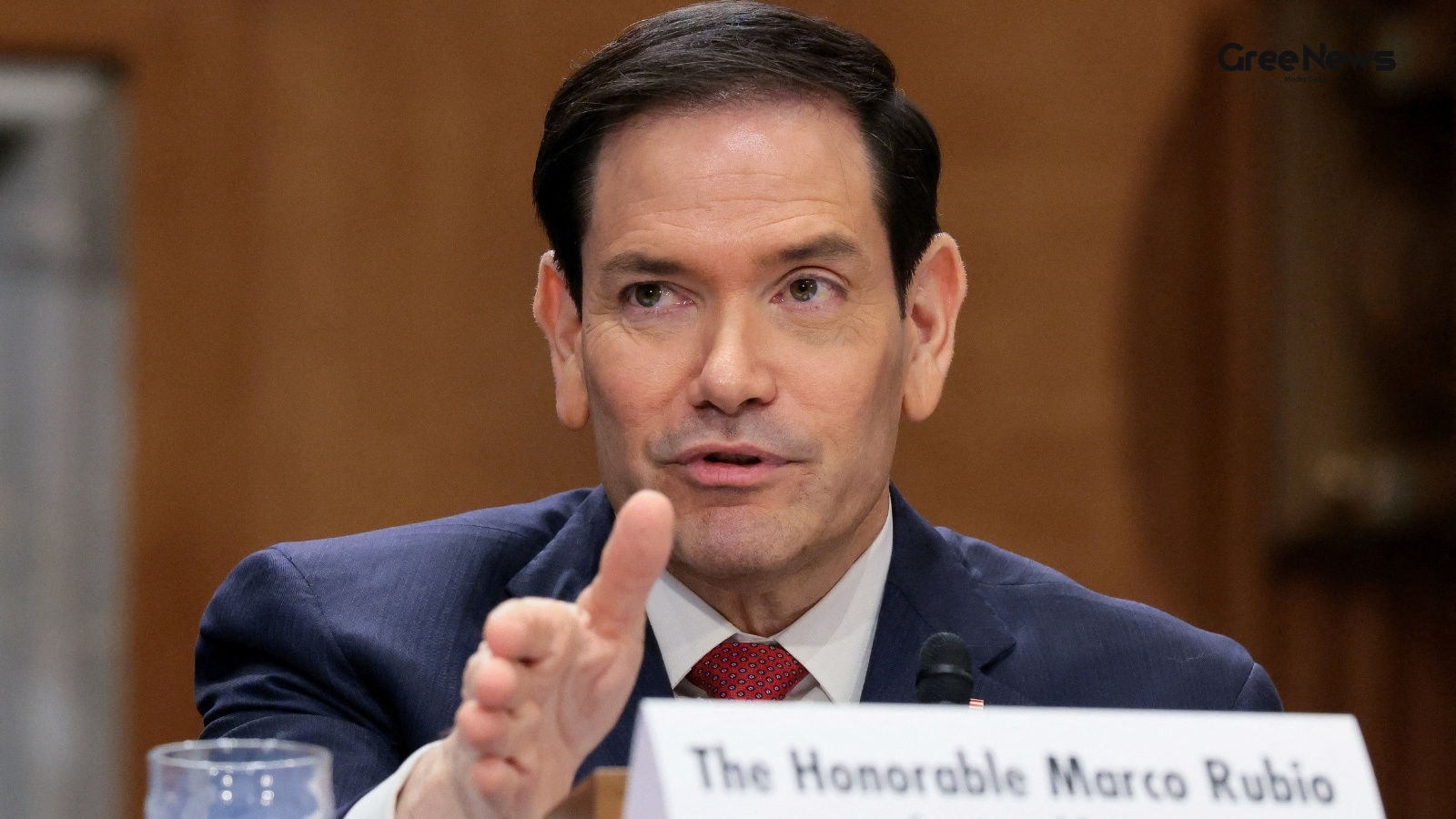
Marco Rubio on US-Iran Relations and Military Escalation
Marco Rubio, the Secretary of State, is saying Washington is getting signals. Indications that Iran wants to talk, even while there are huge divisions happening inside their own leadership structure right now. He spoke to CNN about it. Said they are hearing signs multiple channels telling them Iran
Jul 20, 2026 by Gree News Team

Stock Market Update: July 20th Performance and Global Factors
Stock Market Today, July 20th. It kicked off the week weak domestically. Cautious global vibes were dragging things down. You saw that as the Gulf conflict escalated, crude oil prices jumped past ninety dollars a barrel. Inflation worries flared up right along with it. Selling hit heavyweight privat
Jul 20, 2026 by Gree News Team
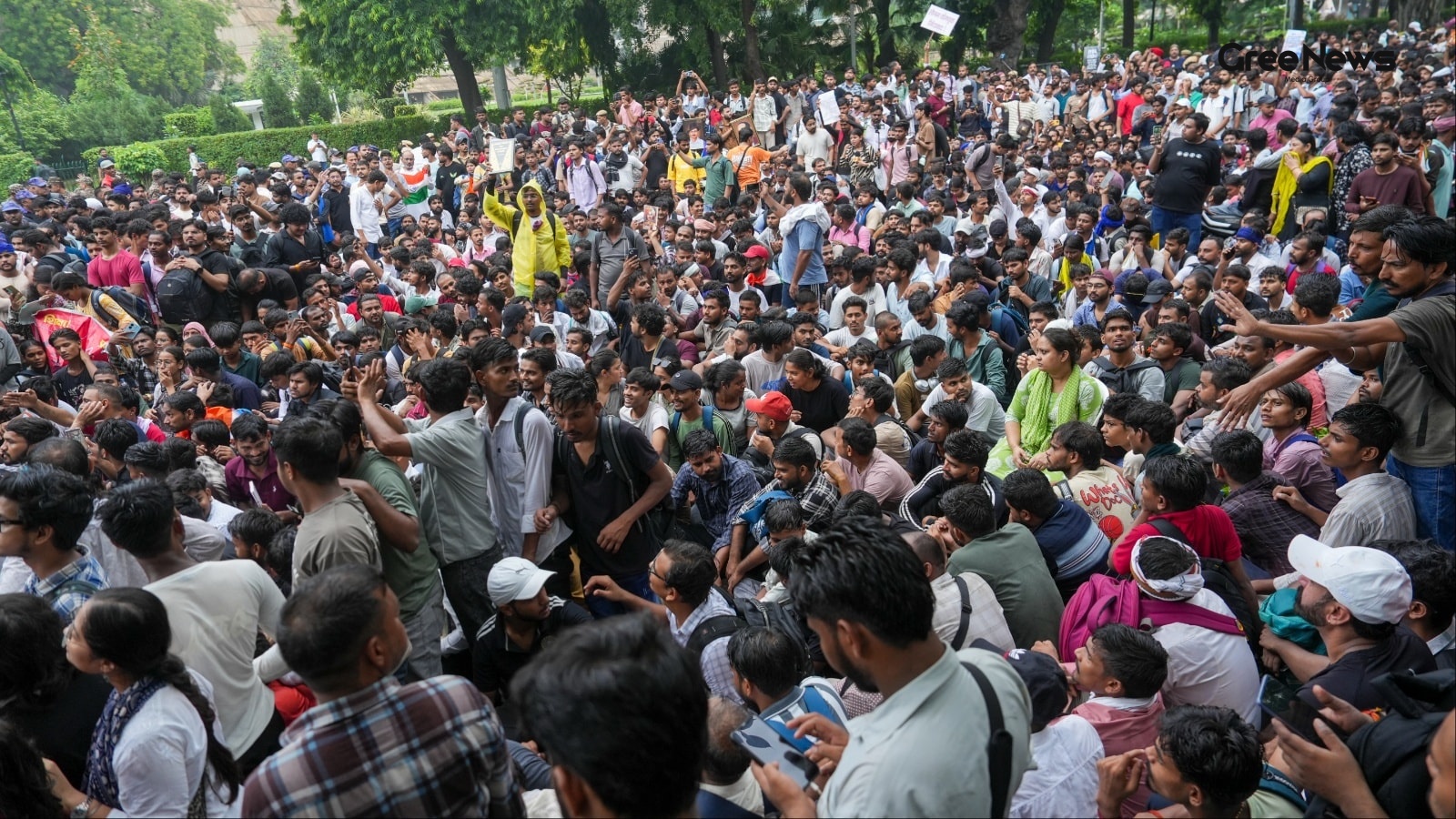
Delhi Security and Protest: High Alert Ahead of Monsoon Session
Delhi is buzzing with tension right now. The national capital has been placed on high alert because of the upcoming Monsoon Session in Parliament. Delhi Police have rolled out massive security operations, trying to manage things as the Cockroach Janata Party CJP prepares for its planned ‘Chalo Sansa
Jul 20, 2026 by Gree News Team
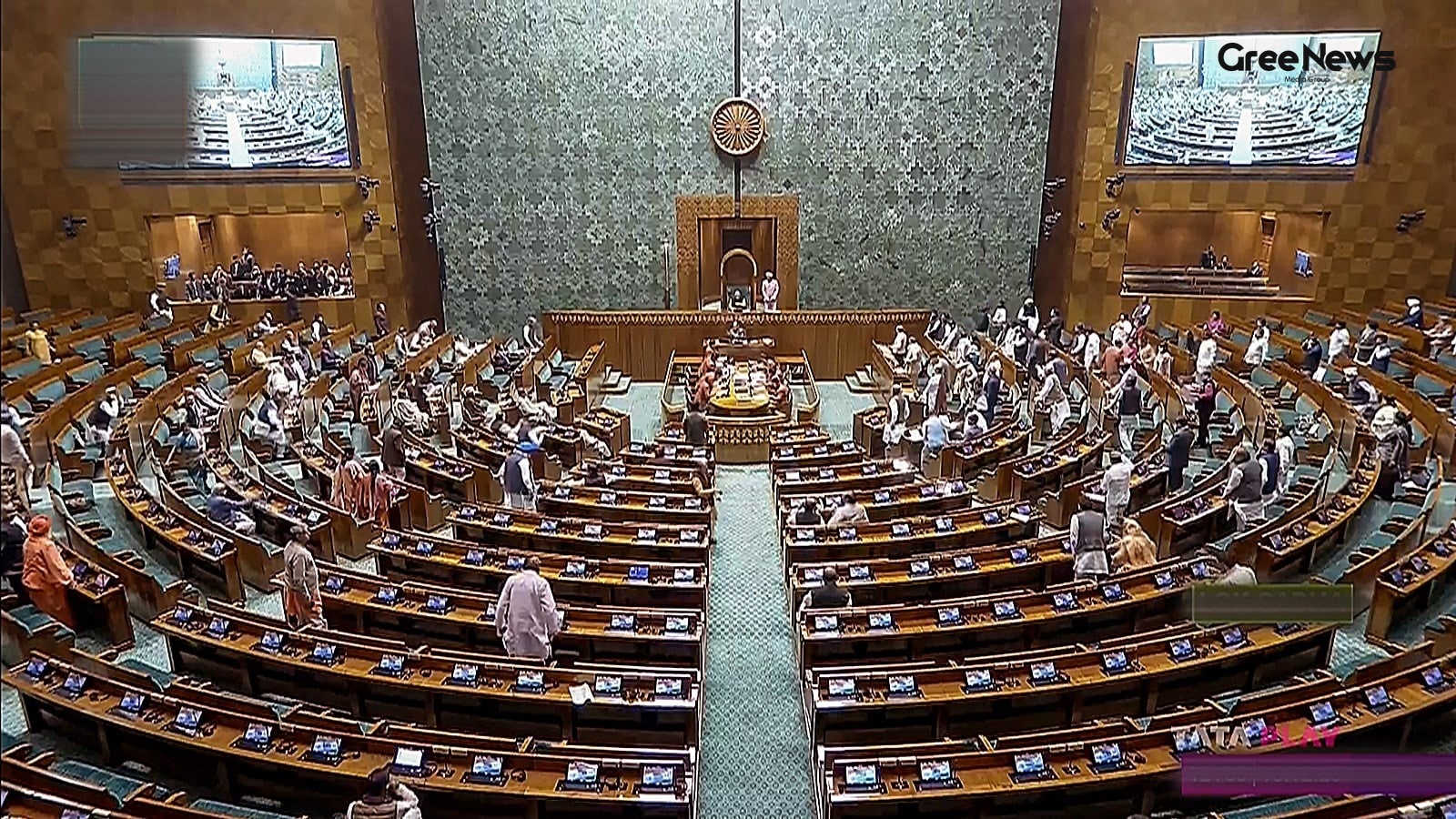
Monsoon Session of Parliament 2026: Political Showdown and Legislative Agenda
The Monsoon Session of Parliament 2026 kicked off today. And honestly, the mood is already thick with expectation. It feels like a political showdown waiting to happen. The ruling NDA government is gearing up to throw some heavy reform Bills on the table. Meanwhile, the Opposition isn't sitting stil
Jul 20, 2026 by Gree News Team
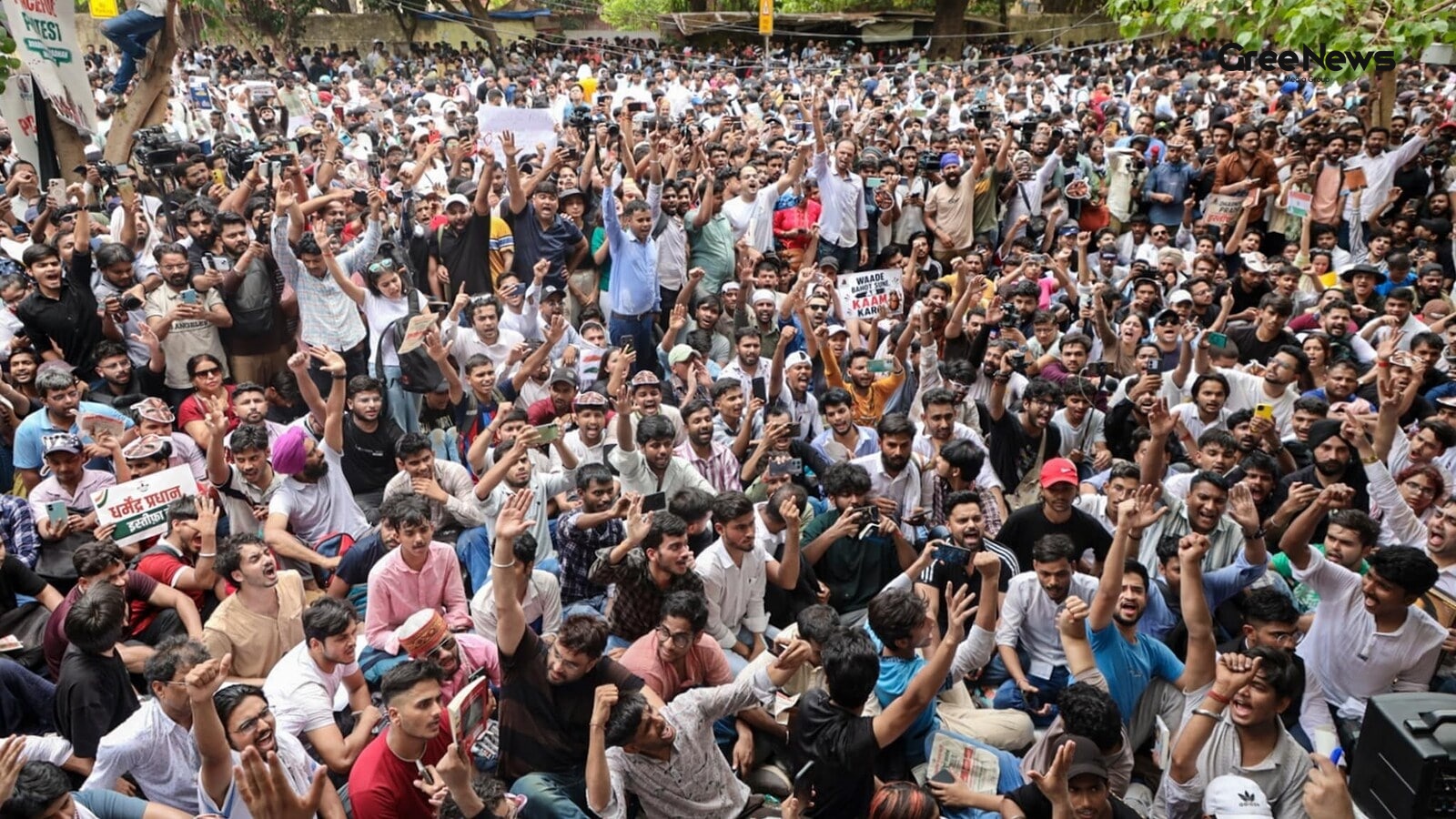
Sonam Wangchuk's Protest and the Demand for Accountability
Sonam Wangchuk’s protest, kicked off by the Cockroach Janta Party, is moving toward Parliament now. It’s their ‘Chalo Sansad’ march. They are demanding the resignation of Union Education Minister Dharmendra Pradhan. The reason? Alleged NEET paper leaks. Student suicides. Everything about the whole e
Jul 20, 2026 by Gree News Team