Narendra Modi's Tenure and the Evolution of Indian Governance
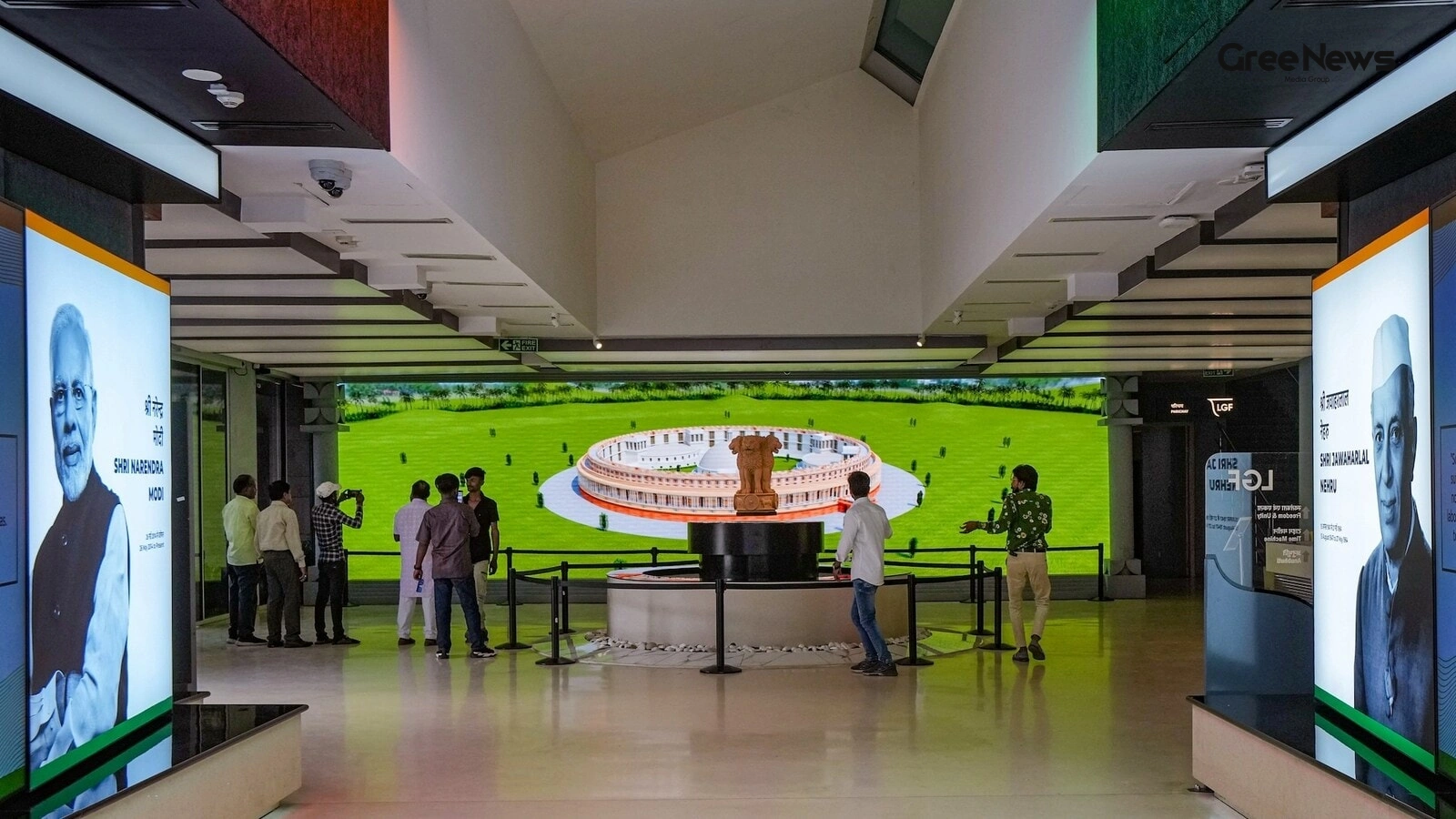
June 10th. That date. It’s more than just a calendar entry, isn't it? It’s a landmark. Narendra Modi officially crossing that line, taking the title for the longest continuously serving democratically elected prime minister in Indian history, it feels… monumental. It’s not just about a number. It’s about the sheer weight of institutional evolution. A massive shift in how power actually functions in this country.
You have to look back at the early days. Nehru’s era. Everything was built on that kind of long-term state planning. Centralized command. Big infrastructure projects, the kind that felt tangible, slow, deliberate. A very specific kind of governance, rooted deep in bureaucracy and state control. It was a different kind of reality.
Now, fast forward to the last decade. The administrative paradigm? It’s been completely re-engineered. It’s gone digital. It’s gone targeted. It’s shifted from this heavy, ideological developmental talk to something much more immediate. Technology driving welfare delivery. It fundamentally changed the relationship. The one between the person and the state. It’s less about grand state narratives and more about the immediate, measurable outcome for the individual.
There’s a huge gap between those two ways of doing things. The old system, you know? It was all about channels. Bureaucratic channels. State controls. Trying to get resources, trying to fix things. But that system? It always had friction. Always those leaks. Always the delays. Things got stuck somewhere in the middle, often lost, often delayed at the grassroots level.
That friction is what defined the old governance. The slow grind. The administrative friction. It felt like a system designed to manage resources, but not necessarily to deliver them effectively to the people who needed them most.
But the current setup? It’s aggressive. It’s technology first. The whole goal is to cut out the middleman. To bypass the layers of bureaucracy that used to absorb everything. It’s institutionalized a direct-to-beneficiary model. You see the difference? It’s not about patronage anymore. It’s about quantifiable deliverables. Time-bound results.
This entire transformation hinges on something specific. The architecture of financial inclusion. And digital welfare. It’s not just a slogan. It’s the mechanism.
Think about the JAM trinity. Jan Dhan. Aadhaar. Mobile. These aren't just buzzwords. They are the plumbing. They ensure that the money, the assistance, actually reaches the verified bank account. Instantaneously. That’s the core promise. No more waiting around for approvals or for things to trickle down through endless layers of paperwork.
And then you have the infrastructure side of the equation. It’s not just about money anymore. It’s about concrete reality. Massive, targeted schemes. We’re talking about actual things now. Housing. Functional toilets. Clean cooking gas connections. Tap water reaching millions of families in rural and semi-urban areas. This is where the strategy pivots. It’s about asset creation at the household level. Building a structural security. A baseline. The idea is, if you give people the tools and the assets, they can actually exit poverty. It’s a different kind of security than just a handout. It’s ownership.
This digital focus isn't just domestic. It mirrors something bigger. India’s place in the world. The geopolitical shift.
Modi always framed it that way. That famous contrast. The archaic, orientalist view of India—that image of the land of “snake charmers.” That image of something ancient, maybe mystical, maybe slow. And then the modern reality. The global powerhouse of “mouse charmers.”
It’s a powerful metaphor, isn't it? It speaks directly to the change in economic reality. The rise of a digital economy. Driven by robust public digital infrastructure. World-leading digital payment volumes. A technology sector that’s genuinely thriving. This isn't just about money flow. It’s about cognitive shift. It’s about how the world sees India now.
When this milestone happens, this crossing of the line, it becomes the physical manifestation of that entire shift. It’s the blueprint. The defining characteristic of twenty-first-century Indian governance. It’s the move from heavy, centralized state planning to this agile, tech-enabled delivery system.
And that agile system? It’s messy. It’s uneven. It’s constantly adapting. It’s not a clean, perfectly balanced machine. It’s a human attempt to force a massive, complex reality into a digital framework.
You have to remember the human element in all this. The people on the ground. They are the ones living this transition. They feel the difference between the old way and the new way. For some, it’s relief. For others, it’s just another layer of complexity. There’s always that tension. Between the slick digital promises and the messy, on-the-ground implementation. Between the grand vision and the daily reality of waiting for a permit or waiting for a transfer to clear.
The speed of change is jarring. It forces you to look at the mechanics of power. Who benefits from the digitization? Who gets left behind in the digital divide? These are the questions that linger long after the headlines fade. The real story isn't just the record being broken. It’s what that record means for the next fifty years. It means a new kind of operational rhythm. A new way of governing that’s still being written, line by messy line, by millions of daily transactions and deliveries. It’s evolving, constantly. It’s just… happening.
Written by Gree News Team — Senior Editorial Board
Gree News Team covers international news and global affairs at Gree News. Our collective of senior editors is dedicated to providing independent, accurate, and responsible journalism for a global audience.
More from India
View All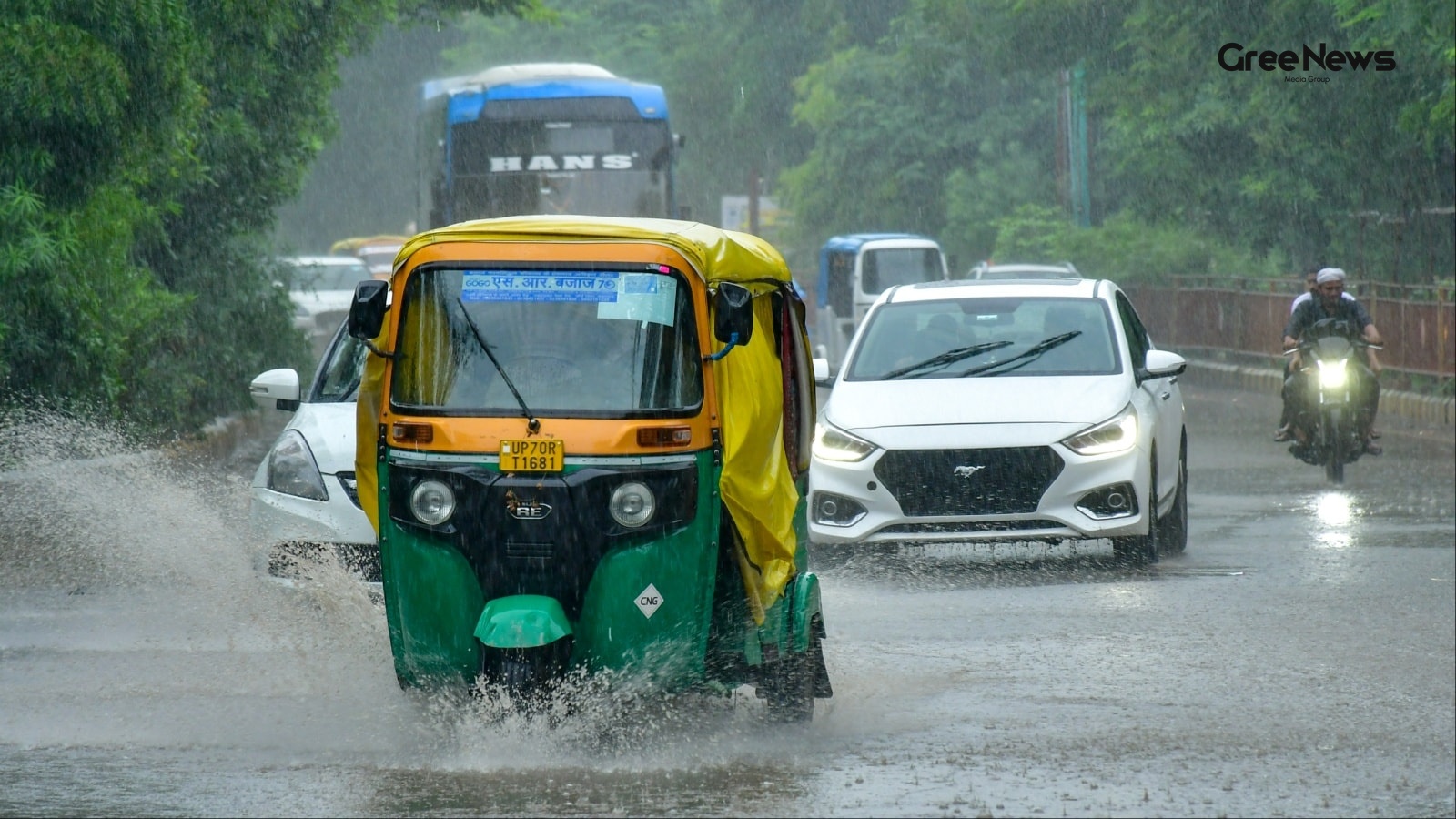
Monsoon Warnings and Disaster Risks Across India
The monsoon spell is kicking in hard across India. The India Meteorological Department just issued warnings about active, heavy rainfall sweeping through large parts of the country now, forecasting serious deluge over several northern, eastern, northeastern and western states over the next few days.
Jul 20, 2026 by Gree News Team

School Dispute Turns into Violent Assault in Ankleshwar
A fight between two school kids in Ankleshwar apparently turned into a full-blown assault. It all started way back with the family of one student stopping two sisters on their way to tuition classes, and then things got seriously violent. They attacked them with a cricket bat and slippers. This whol
Jul 20, 2026 by Gree News Team
Amit Shah's Review on Security and Law and Order in West Bengal
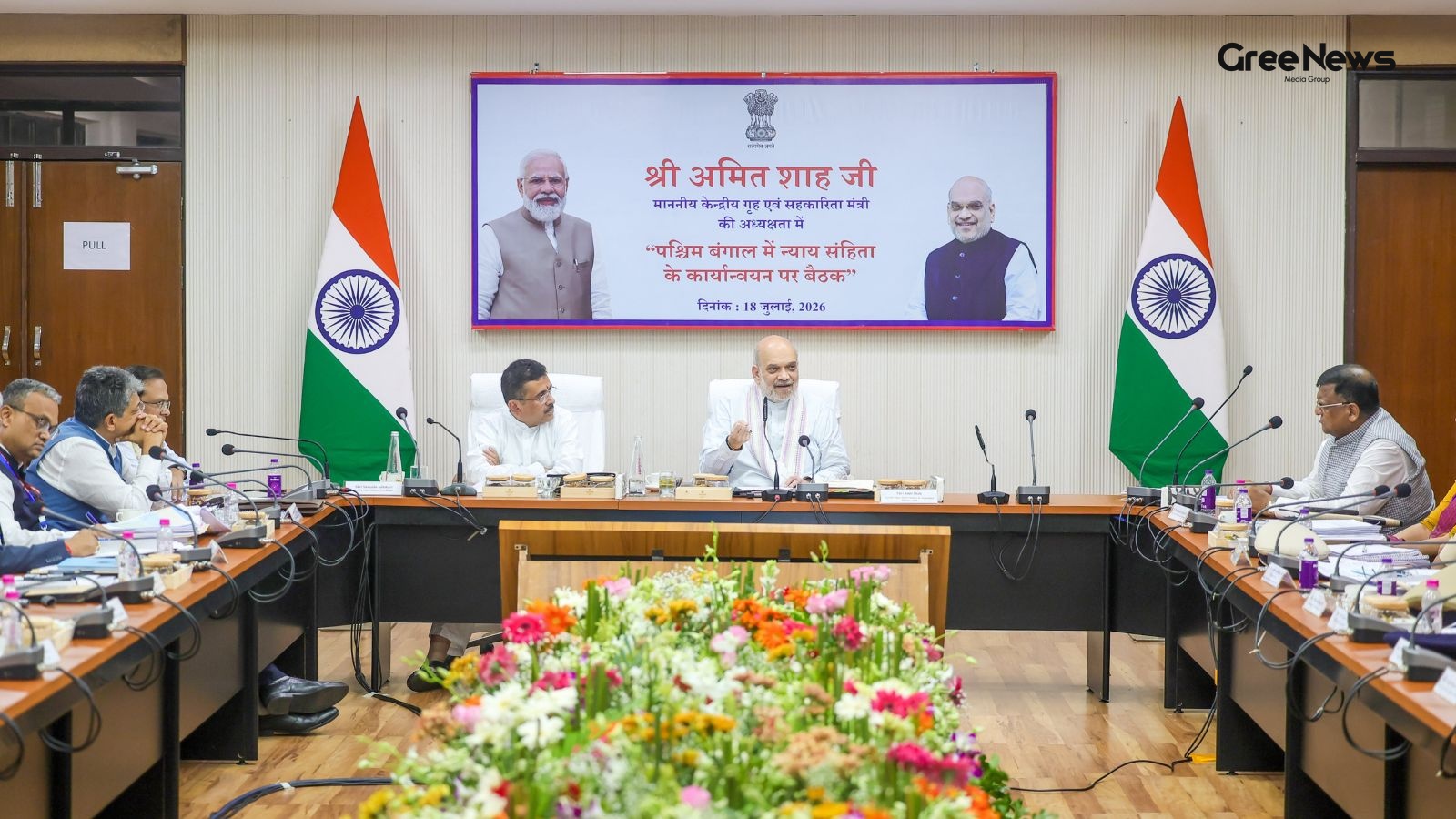
Amit Shah, Union Home Minister and Minister of Cooperation, chaired a high-level review on Sunday. It was about the law and order situation in West Bengal. The whole thing was an outline for strengthening internal security, policing, and the criminal justice system there. The focus wasn’t just gener
Jul 20, 2026 by Gree News Team

Punjab Police's Anti-Drug Effort: Yudh Nashian Virudh Results and Strategy
The Punjab Police rolled out this big anti-drug effort Yudh Nashian Virudh. It’s been running for 500 days now. And it seems to have made some serious dents in the drug trade, plus got communities involved somehow. It really hinges on three things: heavy enforcement, getting people into the communit
Jul 20, 2026 by Gree News Team
Latest Headlines
Monsoon Warnings and Disaster Risks Across India
The monsoon spell is kicking in hard across India. The India Meteorological Department just issued warnings about active, heavy rainfall sweeping through large parts of the country now, forecasting serious deluge over several northern, eastern, northeastern and western states over the next few days.
Jul 20, 2026 by Gree News Team
JD Vance Announces Fourth Child and Family Milestone
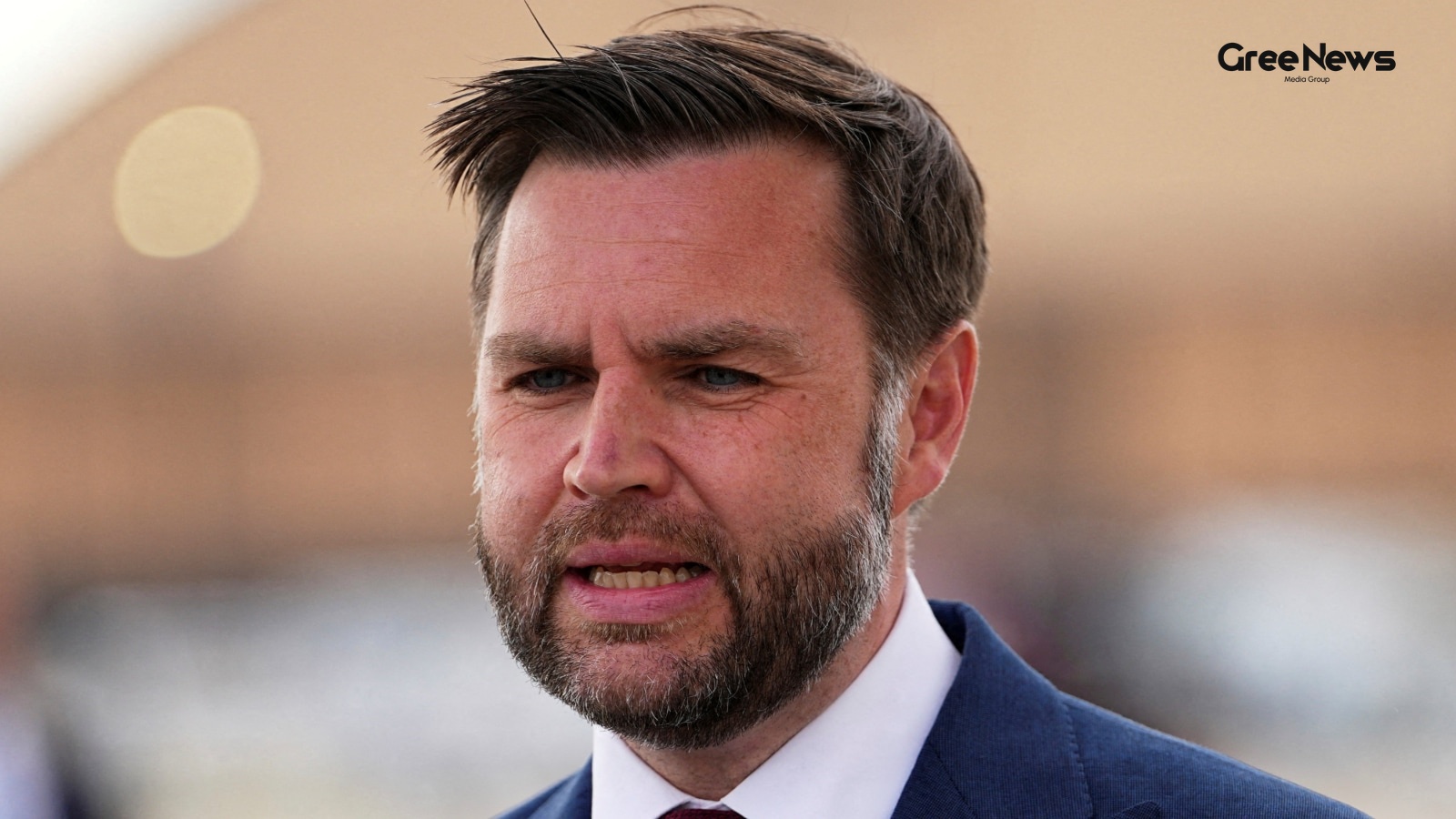
JD Vance just announced he had a fourth child. A son named Alec Neel Vance, with his wife Usha Vance. It came out in a statement shared online. He said everything was fine. The mother and the baby are happy and healthy. "Usha and the baby are happy and healthy," Vance wrote. "Our kids are overjoyed
Jul 20, 2026 by Gree News Team

World Cup Final History and Awards
Ferran Torres really made history, didn’t he? That moment in the 106th minute of the World Cup final, when he found the back of the net. It broke Argentine hearts completely as Spain finally claimed the title for the second time. His single strike that one goal it just sent everyone into delirium du
Jul 20, 2026 by Gree News Team

Choosing the Best 2-Ton Inverter Split AC
So you need a 2-ton inverter split AC if your space is big. Think living rooms, conference areas, or those larger halls around 200 to 260 square feet. That’s where these things actually make sense. Things are changing right now with these new models. We’re talking about ACs that have inverter compre
Jul 20, 2026 by Gree News Team
School Dispute Turns into Violent Assault in Ankleshwar
A fight between two school kids in Ankleshwar apparently turned into a full-blown assault. It all started way back with the family of one student stopping two sisters on their way to tuition classes, and then things got seriously violent. They attacked them with a cricket bat and slippers. This whol
Jul 20, 2026 by Gree News Team
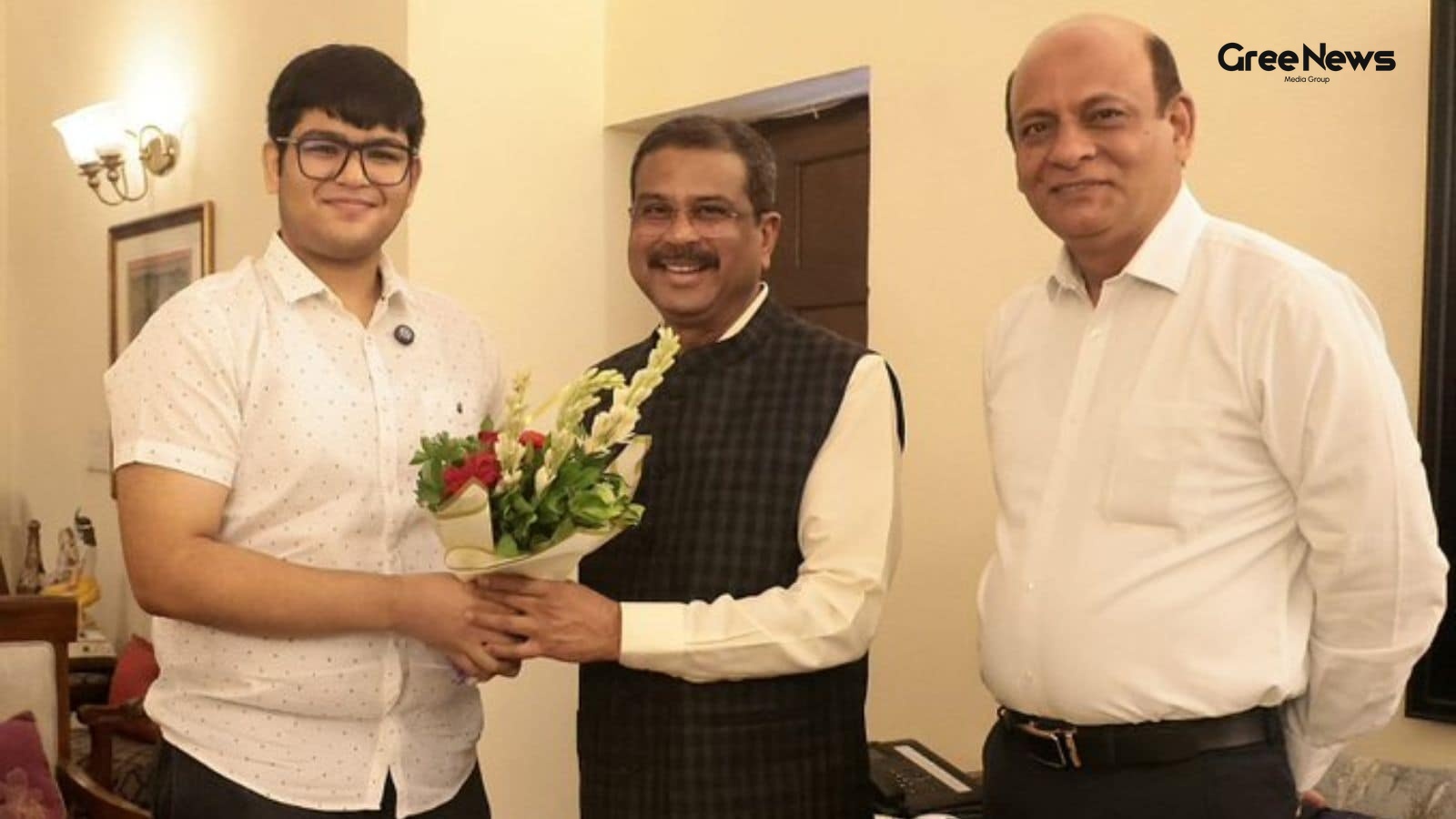
NEET Success Story: Dedication and the Journey to Medical Entrance
Dharmendra Pradhan had a meeting recently with Panshul Bansal, who came in holding the All India Rank 2 spot for the NEET UG 2026 exam. It was about that huge medical entrance test everyone talks about. Pradhan congratulated him. Praised him for the sheer hard work and commitment he showed. Said his
Jul 20, 2026 by Gree News Team
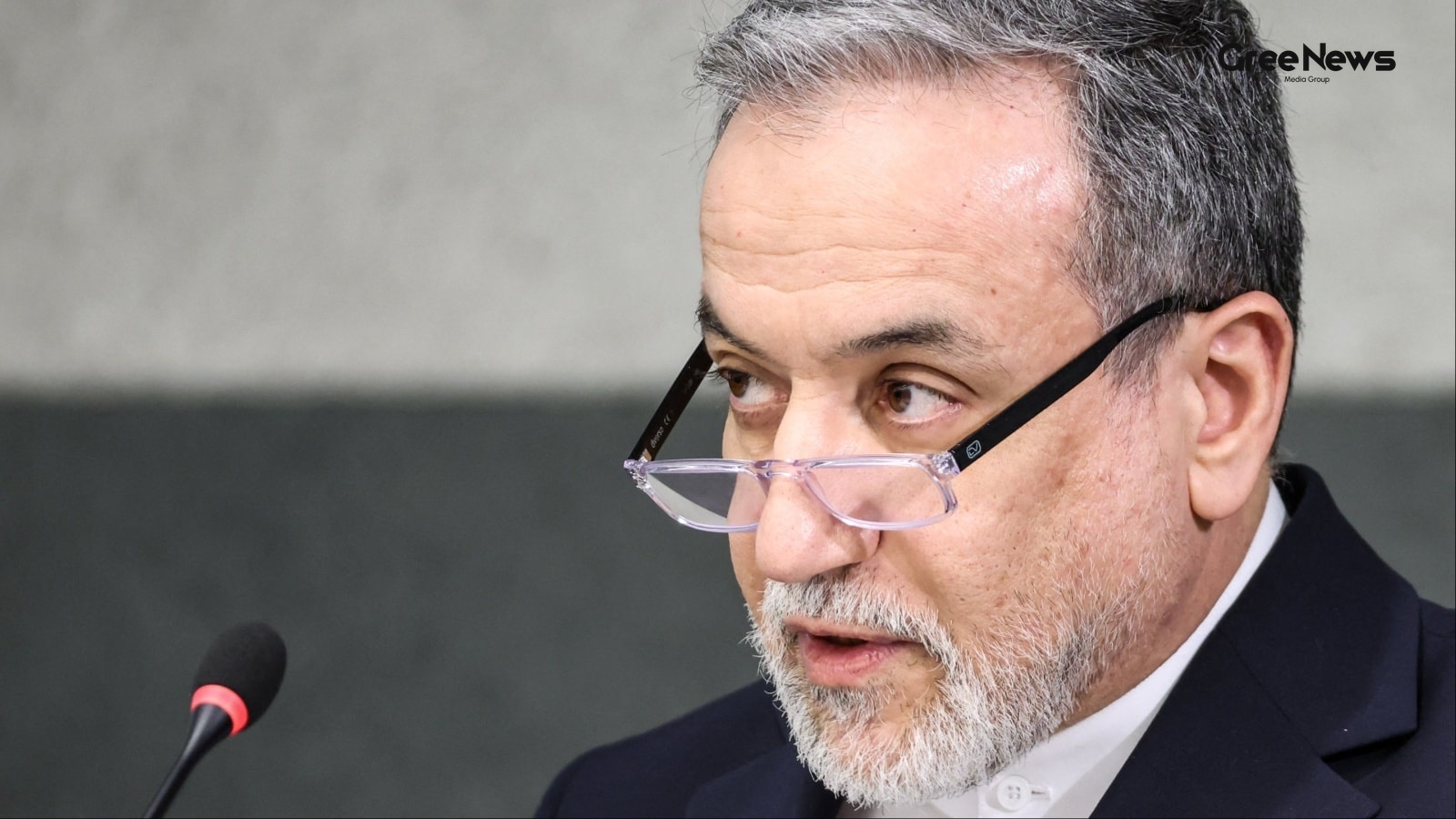
The Psychological Weight of Peace Talks Between Iran and the United States
Abbas Araghchi, the Iranian Foreign Minister, brought up something heavy in an interview with Mehr news agency. He talked about the sheer psychological weight his delegation was under during those peace talks with the United States. It wasn't just diplomacy; it felt like constant danger. He said the
Jul 20, 2026 by Gree News Team
Amit Shah's Review on Security and Law and Order in West Bengal
Amit Shah, Union Home Minister and Minister of Cooperation, chaired a high-level review on Sunday. It was about the law and order situation in West Bengal. The whole thing was an outline for strengthening internal security, policing, and the criminal justice system there. The focus wasn’t just gener
Jul 20, 2026 by Gree News Team
Punjab Police's Anti-Drug Effort: Yudh Nashian Virudh Results and Strategy
The Punjab Police rolled out this big anti-drug effort Yudh Nashian Virudh. It’s been running for 500 days now. And it seems to have made some serious dents in the drug trade, plus got communities involved somehow. It really hinges on three things: heavy enforcement, getting people into the communit
Jul 20, 2026 by Gree News Team
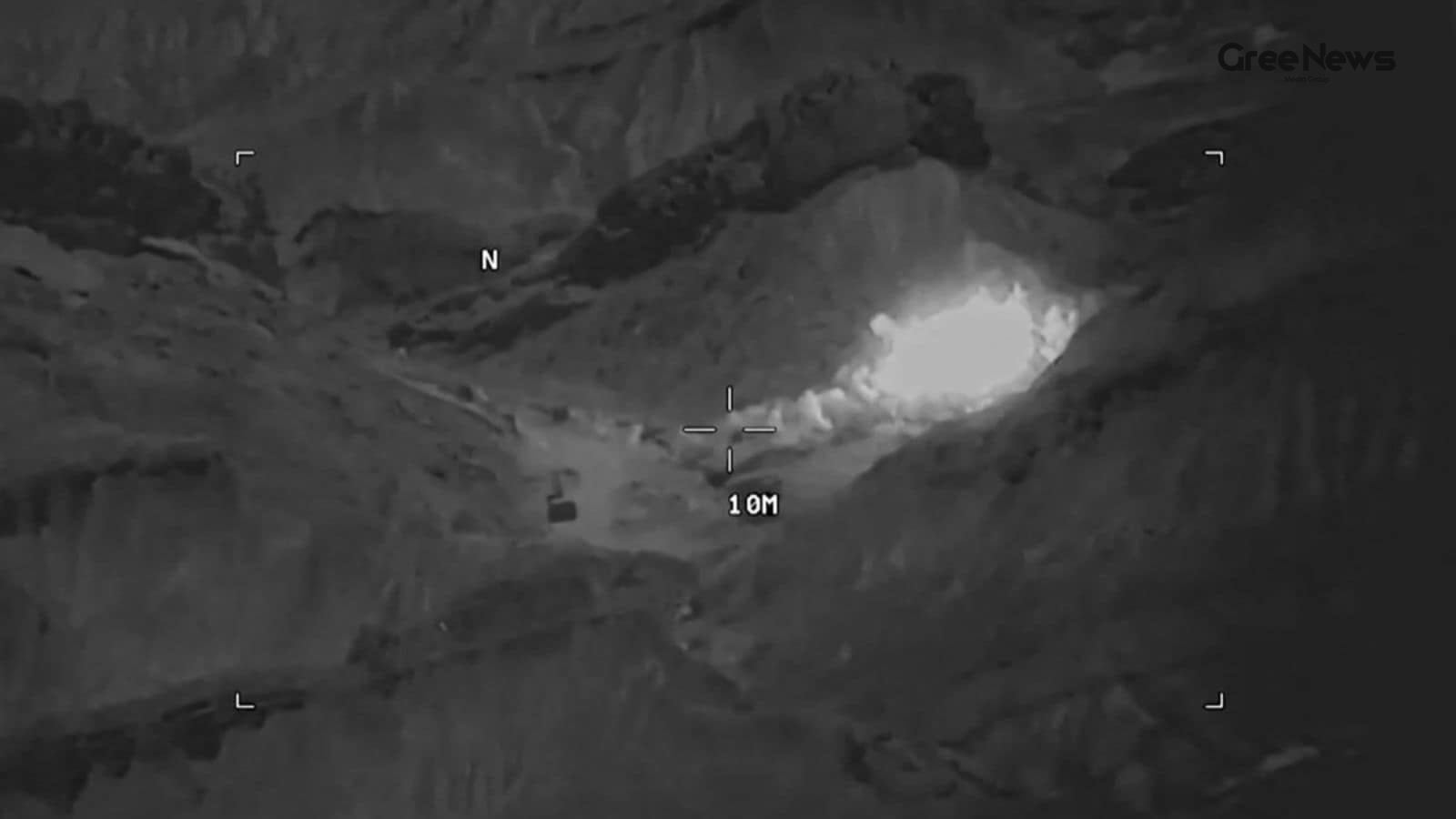
US Iran War News Live
US Iran War News Live. Central Command, CENTCOM, just announced they launched another round of air strikes on Iran Sunday night. This is the ninth time in a row. The whole operation aims to chip away at Tehran’s military strength. Specifically targeting commercial ships in the Strait of Hormuz. And
Jul 20, 2026 by Gree News Team
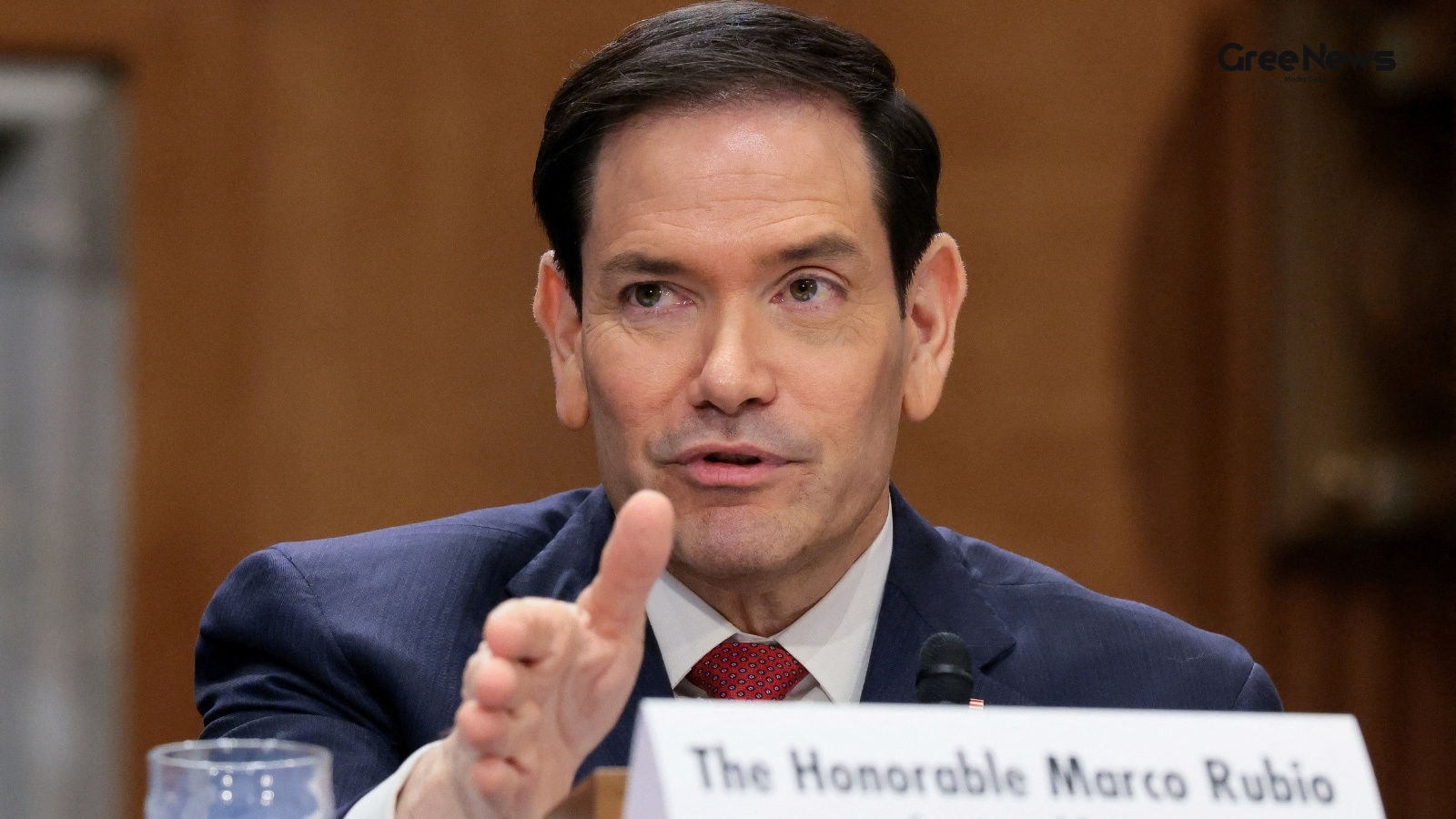
Marco Rubio on US-Iran Relations and Military Escalation
Marco Rubio, the Secretary of State, is saying Washington is getting signals. Indications that Iran wants to talk, even while there are huge divisions happening inside their own leadership structure right now. He spoke to CNN about it. Said they are hearing signs multiple channels telling them Iran
Jul 20, 2026 by Gree News Team

Stock Market Update: July 20th Performance and Global Factors
Stock Market Today, July 20th. It kicked off the week weak domestically. Cautious global vibes were dragging things down. You saw that as the Gulf conflict escalated, crude oil prices jumped past ninety dollars a barrel. Inflation worries flared up right along with it. Selling hit heavyweight privat
Jul 20, 2026 by Gree News Team
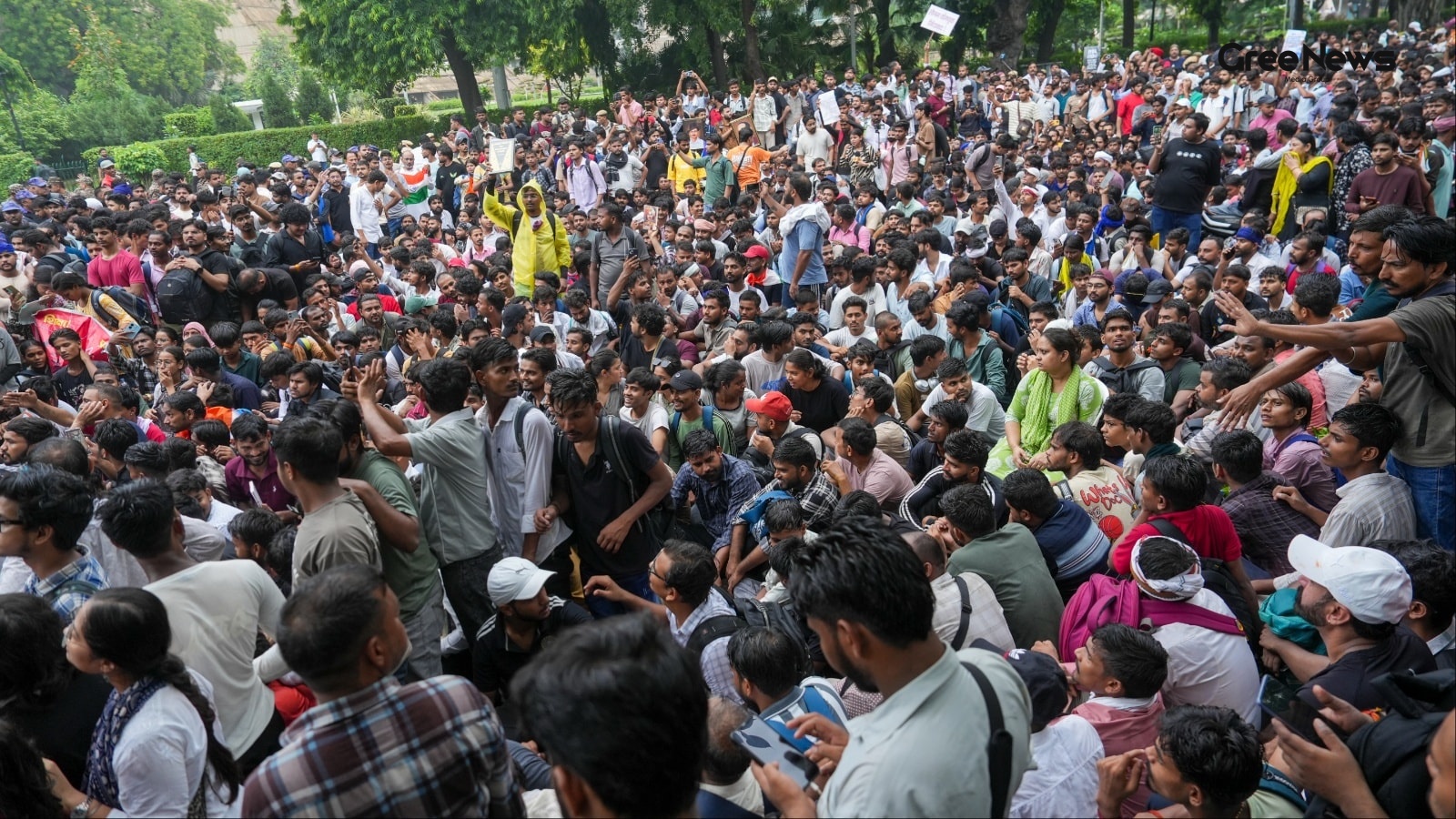
Delhi Security and Protest: High Alert Ahead of Monsoon Session
Delhi is buzzing with tension right now. The national capital has been placed on high alert because of the upcoming Monsoon Session in Parliament. Delhi Police have rolled out massive security operations, trying to manage things as the Cockroach Janata Party CJP prepares for its planned ‘Chalo Sansa
Jul 20, 2026 by Gree News Team
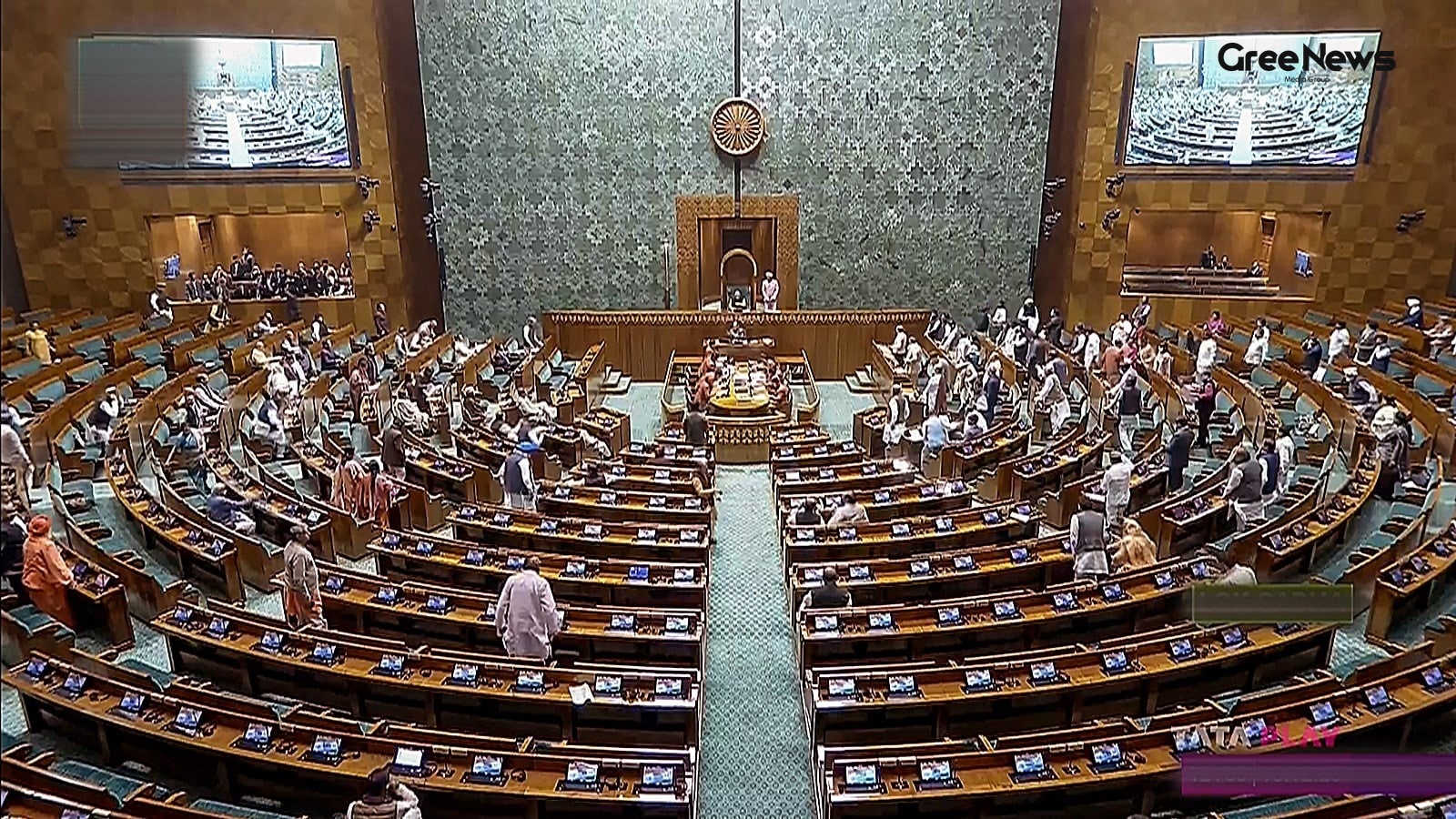
Monsoon Session of Parliament 2026: Political Showdown and Legislative Agenda
The Monsoon Session of Parliament 2026 kicked off today. And honestly, the mood is already thick with expectation. It feels like a political showdown waiting to happen. The ruling NDA government is gearing up to throw some heavy reform Bills on the table. Meanwhile, the Opposition isn't sitting stil
Jul 20, 2026 by Gree News Team
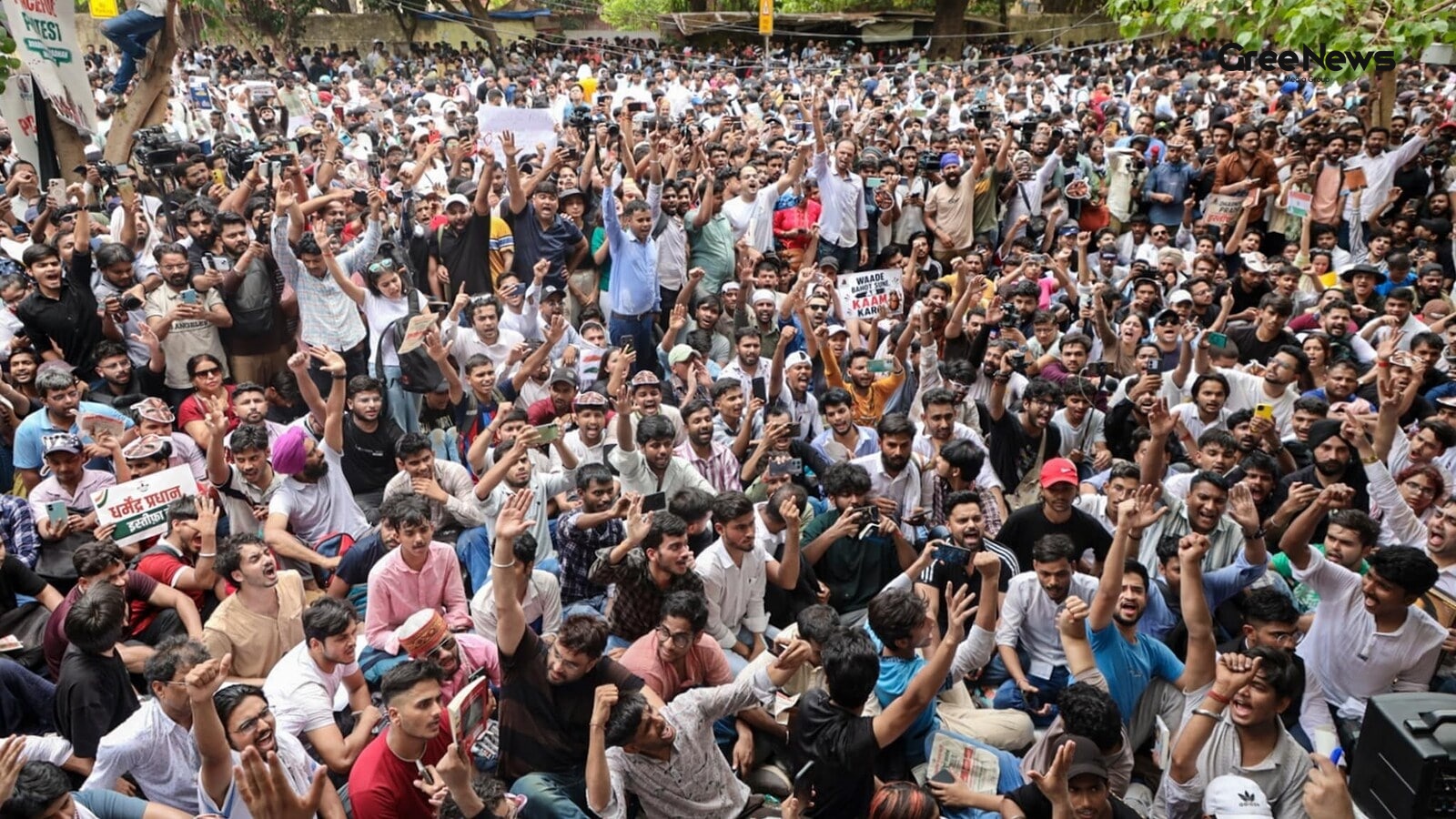
Sonam Wangchuk's Protest and the Demand for Accountability
Sonam Wangchuk’s protest, kicked off by the Cockroach Janta Party, is moving toward Parliament now. It’s their ‘Chalo Sansad’ march. They are demanding the resignation of Union Education Minister Dharmendra Pradhan. The reason? Alleged NEET paper leaks. Student suicides. Everything about the whole e
Jul 20, 2026 by Gree News Team