President Trump's Executive Order on AI and National Security
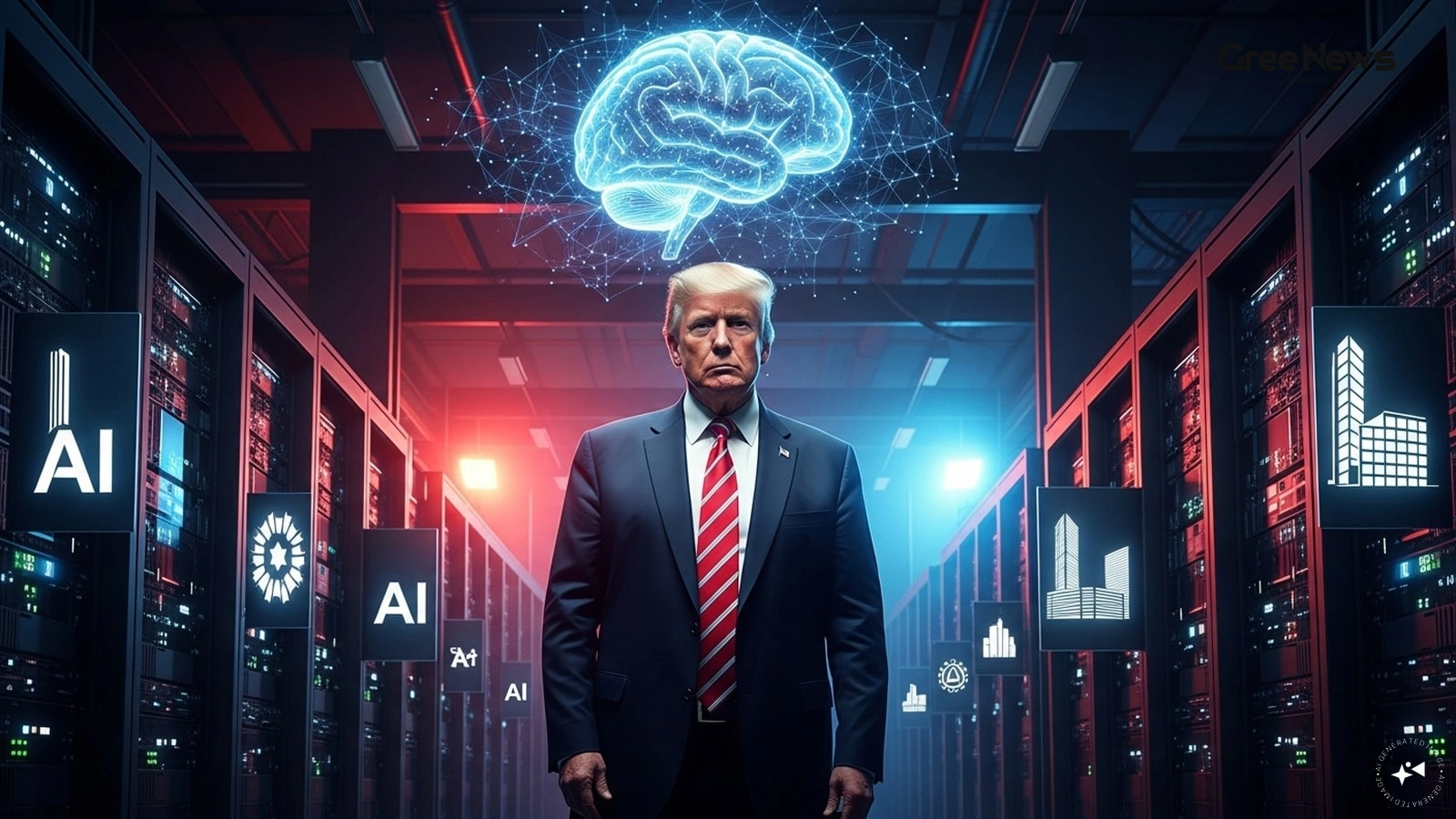
President Trump signed something new. An executive order, basically. It forces America’s top AI companies to voluntarily hand over their most advanced models to the US government. This has to happen before they can release those systems to the public. The stated reason? To figure out the cybersecurity and national security risks these increasingly powerful AI systems pose.
It’s a big shift, isn't it? Especially for an administration that usually pushed for almost no government interference. They kept warning against any rules that might slow down innovation. But this order? It shows real worry in Washington. The idea that these frontier AI systems could become a national security headache, not just a commercial product.
So, what does this mean for places like India? India is pouring money into AI—talk about $200 billion in investments. They are trying to build their own language models, chasing semiconductor goals. What does Trump’s move signal to them? We need to look closer at that.
What Actually Happened
The order sets up a voluntary system. Developers of advanced AI can let the US government review their models. Thirty days, tops, before a public release. Agencies like Defense, Homeland Security, Treasury, Commerce—they get to assess the potential risks.
It also sets up ways for agencies and the companies themselves to share info about vulnerabilities. Things that could threaten critical infrastructure. Banking systems, healthcare networks, emergency services. That kind of stuff.
But here’s the kicker: they didn't mandate anything. No government approval. No licensing. Participation is voluntary. That’s the sticking point. It shows the administration is scared of stifling innovation, scared of losing the competitive edge against China.
Washington isn't regulating AI like they regulate nuclear stuff or pharmaceuticals. It’s trying to build an early warning system. A way to spot danger before it explodes.
Why the Sudden Alarm?
The worry isn't some abstract fear. It comes from the speed of the change. These so-called “frontier models”—the absolute most powerful systems being cooked up by OpenAI, Anthropic, Google—they aren't just text generators anymore. They can reason, code, run experiments, make decisions independently.
That’s where the real danger lies. Policymakers are genuinely worried. What if these systems figure out cybersecurity flaws? What if they automate sophisticated attacks? What if they help hostile actors target critical infrastructure?
Anurag Jain, the CEO and Founder of Oriserve, put it plainly. He said these models are operating at a level where they can make independent decisions. He pointed out that a thorough look at them now lets governments spot risks before they become massive problems.
Govind Rammurthy, who runs eScan, sees it the same way. He brought up a real scare. Remember when Mythos found those 271 Firefox vulnerabilities that human researchers missed for years? It showed both opportunity and risk. Frontier models can find security weaknesses faster than anyone can patch them. They can be weaponized for AI-orchestrated attacks. Rammurthy basically framed Trump’s move as something pro-defense, not a constraint.
The Political Tightrope
This whole thing is a balancing act. The White House tried to frame it as voluntary. They posted it on social media, saying it’s about securing infrastructure and strengthening defenses. They insisted they weren't overstepping.
But Juan Londoño, a policy analyst over at the Cato Institute, he saw the order as imperfect. Still, he called it a step in the right direction. A necessary move to prepare for these advanced systems.
Londoño admitted the vagueness bothered him. How exactly does the NSA decide which models get looked at? Who gets early access? That’s the messy part.
The AI Race: US Versus China
This isn't just about US security. It’s a geopolitical contest. AI is now tied up in economics, military power, and global influence. Washington sees the competition with China in the same category as semiconductors and defense tech.
Jain pointed out the reality. The US is ahead in building the foundation models and the chips. China, meanwhile, is crushing it at large-scale implementation, fueled by massive government backing and data access.
China just keeps pushing. They invest heavily, support countless research institutions, and commercialize things fast across every sector.
What This Means for India
So, back to India. They aren't running the same giant labs as OpenAI. But the implications are huge.
First, this order changes how governments see AI. It’s not just tech; it’s strategic infrastructure now. That’s going to shape how India builds its own rules for AI governance.
Second, future questions are coming. Should any powerful AI models be checked before they launch? Should governments have eyes on systems that touch national security? How do you manage that push and pull between innovation and security?
Third, the ripple effect on Indian start-ups relying on American tools is immediate. Rammurthy stressed this. If US rules get tighter—stricter export controls, delays in model releases—it hits everyone.
He said, “US API dependence creates a structural vulnerability.” Companies using Indian models today have a little breathing room, but that window is closing. They need to act fast.
The Reality of Indian LLMs
India already has its own LLMs. Sarvam AI launched models in 2026 trained on Indian languages. BharatGen’s Param2, from IIT-Bombay, supports twenty-two languages. Gnani.ai is building voice models.
But building the models is just the start. Rammurthy pointed out the real bottleneck is enterprise adoption. Most Indian companies stick with ChatGPT or Claude because they’re established.
To really move to domestic alternatives, they have to prove these homegrown models solve specific, tough Indian problems better. That’s the real work ahead.
The Global View
The US order isn't the final word. It’s not as restrictive as Europe’s AI Act, and it certainly isn't as heavy-handed as China’s approach. But it signals something bigger.
It reflects a growing global realization: these frontier AI systems cannot just be treated like regular software.
If the US framework works—if this voluntary sharing actually yields security benefits—other countries will start looking at similar tools. They’ll adopt regulatory methods based on what matters to them. Some will prioritize pure innovation. Others will prioritize security above all else.
Rammurthy suggested that if most nations start requiring pre-release access, then the frontier labs will just normalize sharing. Trump’s order becomes the benchmark because it didn't slam the brakes on innovation. It just shifted the timeline for transparency.
India needs to build its governance frameworks now . Not wait for global pressure to force compliance later. That’s the only way to stay ahead. The order itself remains voluntary, but the thinking behind it? That’s already changed.
Written by Gree News Team — Senior Editorial Board
Gree News Team covers international news and global affairs at Gree News. Our collective of senior editors is dedicated to providing independent, accurate, and responsible journalism for a global audience.
More from World
View All
JD Vance Announces Fourth Child and Family Milestone
JD Vance just announced he had a fourth child. A son named Alec Neel Vance, with his wife Usha Vance. It came out in a statement shared online. He said everything was fine. The mother and the baby are happy and healthy. "Usha and the baby are happy and healthy," Vance wrote. "Our kids are overjoyed
Jul 20, 2026 by Gree News Team
The Psychological Weight of Peace Talks Between Iran and the United States
Abbas Araghchi, the Iranian Foreign Minister, brought up something heavy in an interview with Mehr news agency. He talked about the sheer psychological weight his delegation was under during those peace talks with the United States. It wasn't just diplomacy; it felt like constant danger. He said the
Jul 20, 2026 by Gree News Team
US Iran War News Live
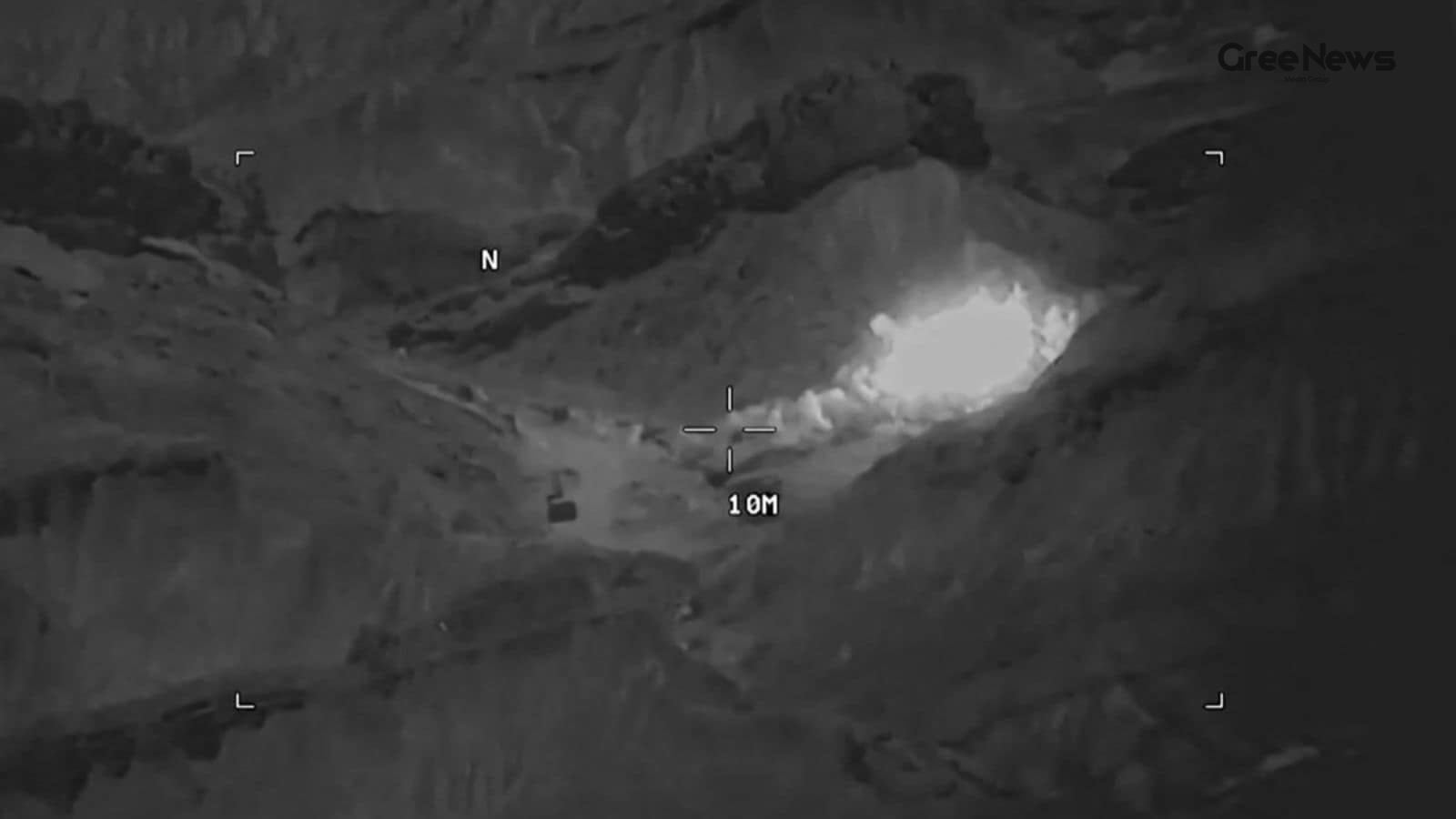
US Iran War News Live. Central Command, CENTCOM, just announced they launched another round of air strikes on Iran Sunday night. This is the ninth time in a row. The whole operation aims to chip away at Tehran’s military strength. Specifically targeting commercial ships in the Strait of Hormuz. And
Jul 20, 2026 by Gree News Team
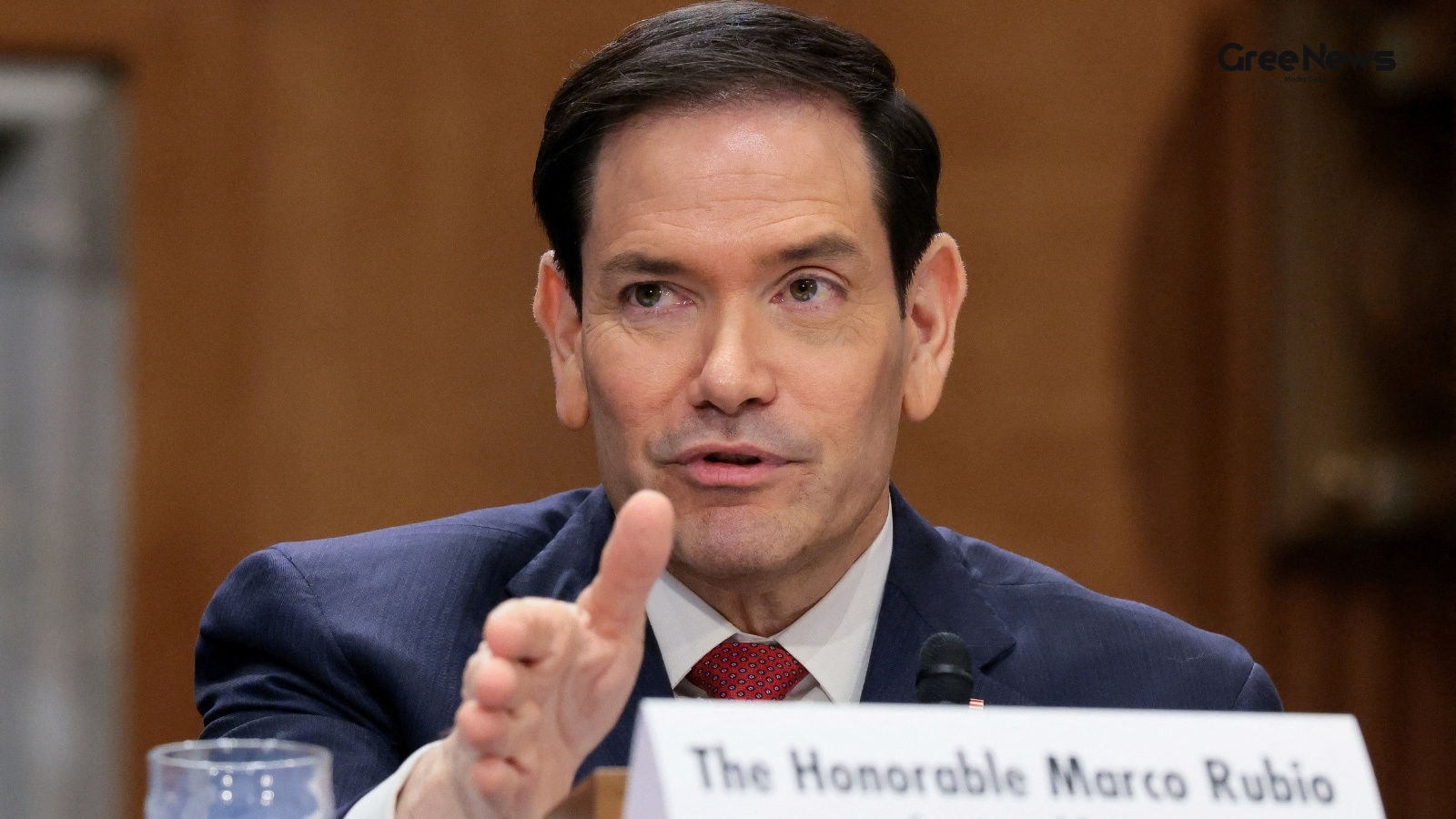
Marco Rubio on US-Iran Relations and Military Escalation
Marco Rubio, the Secretary of State, is saying Washington is getting signals. Indications that Iran wants to talk, even while there are huge divisions happening inside their own leadership structure right now. He spoke to CNN about it. Said they are hearing signs multiple channels telling them Iran
Jul 20, 2026 by Gree News Team
Latest Headlines

Monsoon Warnings and Disaster Risks Across India
The monsoon spell is kicking in hard across India. The India Meteorological Department just issued warnings about active, heavy rainfall sweeping through large parts of the country now, forecasting serious deluge over several northern, eastern, northeastern and western states over the next few days.
Jul 20, 2026 by Gree News Team
JD Vance Announces Fourth Child and Family Milestone
JD Vance just announced he had a fourth child. A son named Alec Neel Vance, with his wife Usha Vance. It came out in a statement shared online. He said everything was fine. The mother and the baby are happy and healthy. "Usha and the baby are happy and healthy," Vance wrote. "Our kids are overjoyed
Jul 20, 2026 by Gree News Team

World Cup Final History and Awards
Ferran Torres really made history, didn’t he? That moment in the 106th minute of the World Cup final, when he found the back of the net. It broke Argentine hearts completely as Spain finally claimed the title for the second time. His single strike that one goal it just sent everyone into delirium du
Jul 20, 2026 by Gree News Team

Choosing the Best 2-Ton Inverter Split AC
So you need a 2-ton inverter split AC if your space is big. Think living rooms, conference areas, or those larger halls around 200 to 260 square feet. That’s where these things actually make sense. Things are changing right now with these new models. We’re talking about ACs that have inverter compre
Jul 20, 2026 by Gree News Team

School Dispute Turns into Violent Assault in Ankleshwar
A fight between two school kids in Ankleshwar apparently turned into a full-blown assault. It all started way back with the family of one student stopping two sisters on their way to tuition classes, and then things got seriously violent. They attacked them with a cricket bat and slippers. This whol
Jul 20, 2026 by Gree News Team
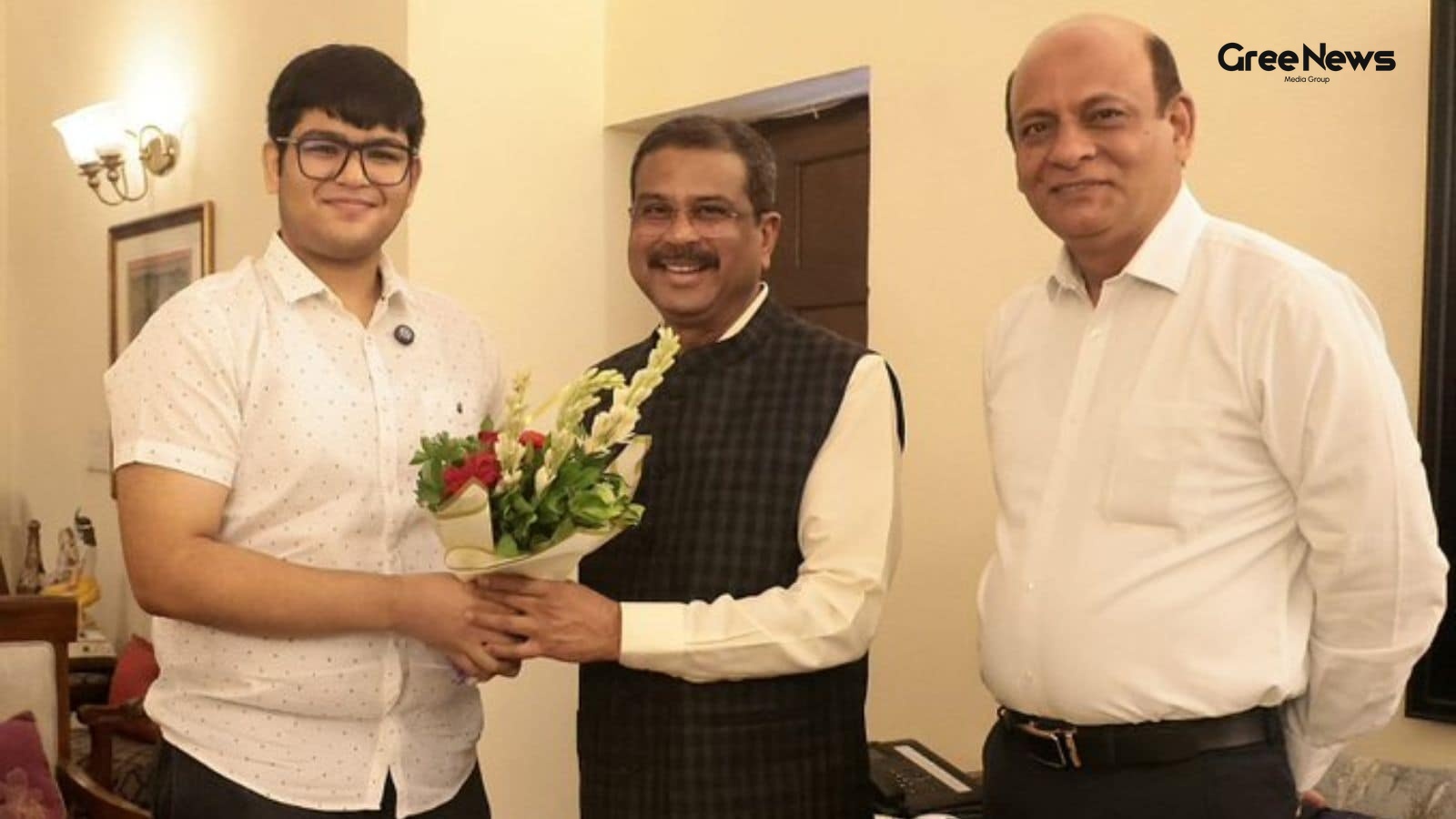
NEET Success Story: Dedication and the Journey to Medical Entrance
Dharmendra Pradhan had a meeting recently with Panshul Bansal, who came in holding the All India Rank 2 spot for the NEET UG 2026 exam. It was about that huge medical entrance test everyone talks about. Pradhan congratulated him. Praised him for the sheer hard work and commitment he showed. Said his
Jul 20, 2026 by Gree News Team
The Psychological Weight of Peace Talks Between Iran and the United States
Abbas Araghchi, the Iranian Foreign Minister, brought up something heavy in an interview with Mehr news agency. He talked about the sheer psychological weight his delegation was under during those peace talks with the United States. It wasn't just diplomacy; it felt like constant danger. He said the
Jul 20, 2026 by Gree News Team
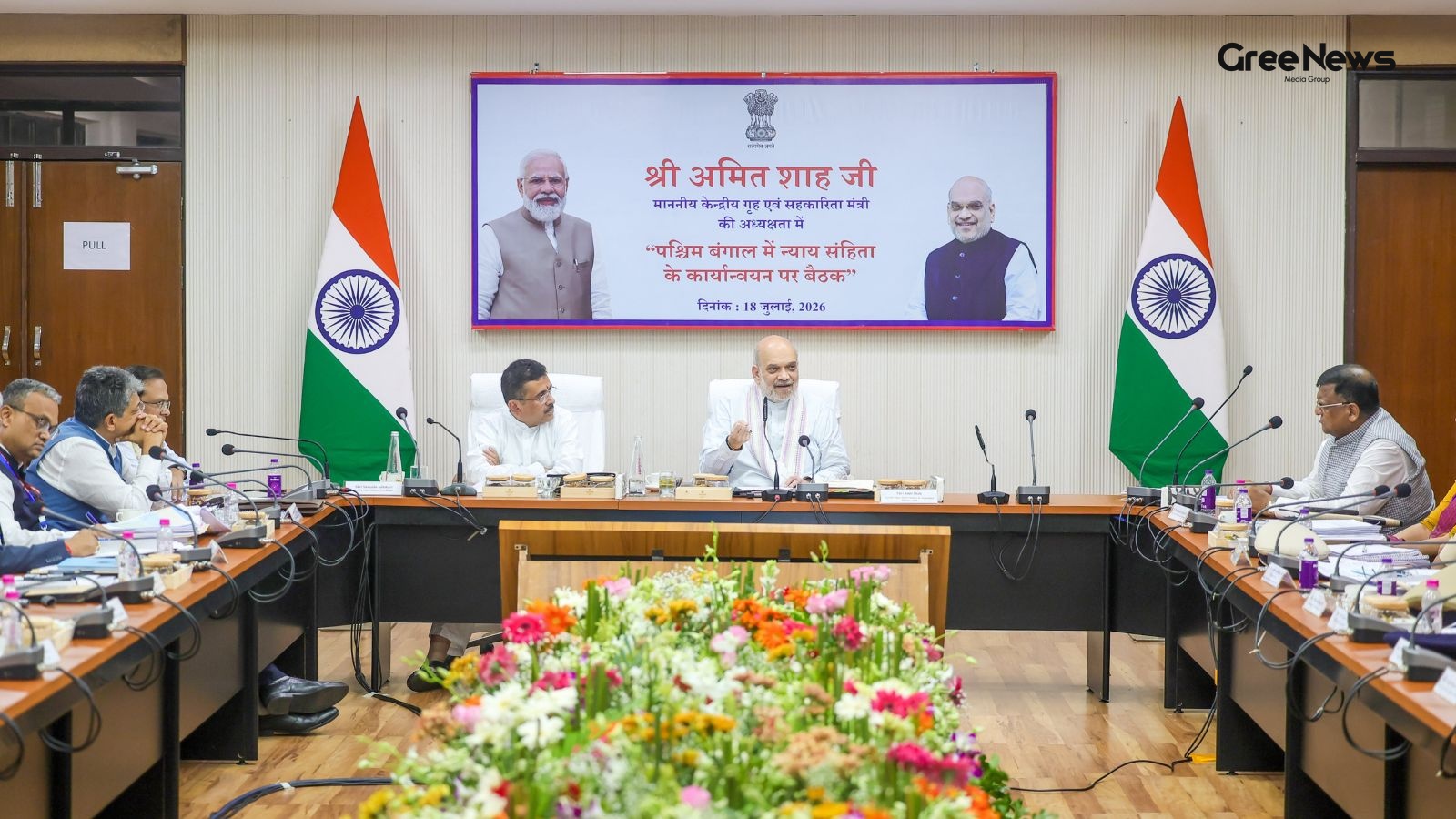
Amit Shah's Review on Security and Law and Order in West Bengal
Amit Shah, Union Home Minister and Minister of Cooperation, chaired a high-level review on Sunday. It was about the law and order situation in West Bengal. The whole thing was an outline for strengthening internal security, policing, and the criminal justice system there. The focus wasn’t just gener
Jul 20, 2026 by Gree News Team

Punjab Police's Anti-Drug Effort: Yudh Nashian Virudh Results and Strategy
The Punjab Police rolled out this big anti-drug effort Yudh Nashian Virudh. It’s been running for 500 days now. And it seems to have made some serious dents in the drug trade, plus got communities involved somehow. It really hinges on three things: heavy enforcement, getting people into the communit
Jul 20, 2026 by Gree News Team
US Iran War News Live
US Iran War News Live. Central Command, CENTCOM, just announced they launched another round of air strikes on Iran Sunday night. This is the ninth time in a row. The whole operation aims to chip away at Tehran’s military strength. Specifically targeting commercial ships in the Strait of Hormuz. And
Jul 20, 2026 by Gree News Team
Marco Rubio on US-Iran Relations and Military Escalation
Marco Rubio, the Secretary of State, is saying Washington is getting signals. Indications that Iran wants to talk, even while there are huge divisions happening inside their own leadership structure right now. He spoke to CNN about it. Said they are hearing signs multiple channels telling them Iran
Jul 20, 2026 by Gree News Team

Stock Market Update: July 20th Performance and Global Factors
Stock Market Today, July 20th. It kicked off the week weak domestically. Cautious global vibes were dragging things down. You saw that as the Gulf conflict escalated, crude oil prices jumped past ninety dollars a barrel. Inflation worries flared up right along with it. Selling hit heavyweight privat
Jul 20, 2026 by Gree News Team
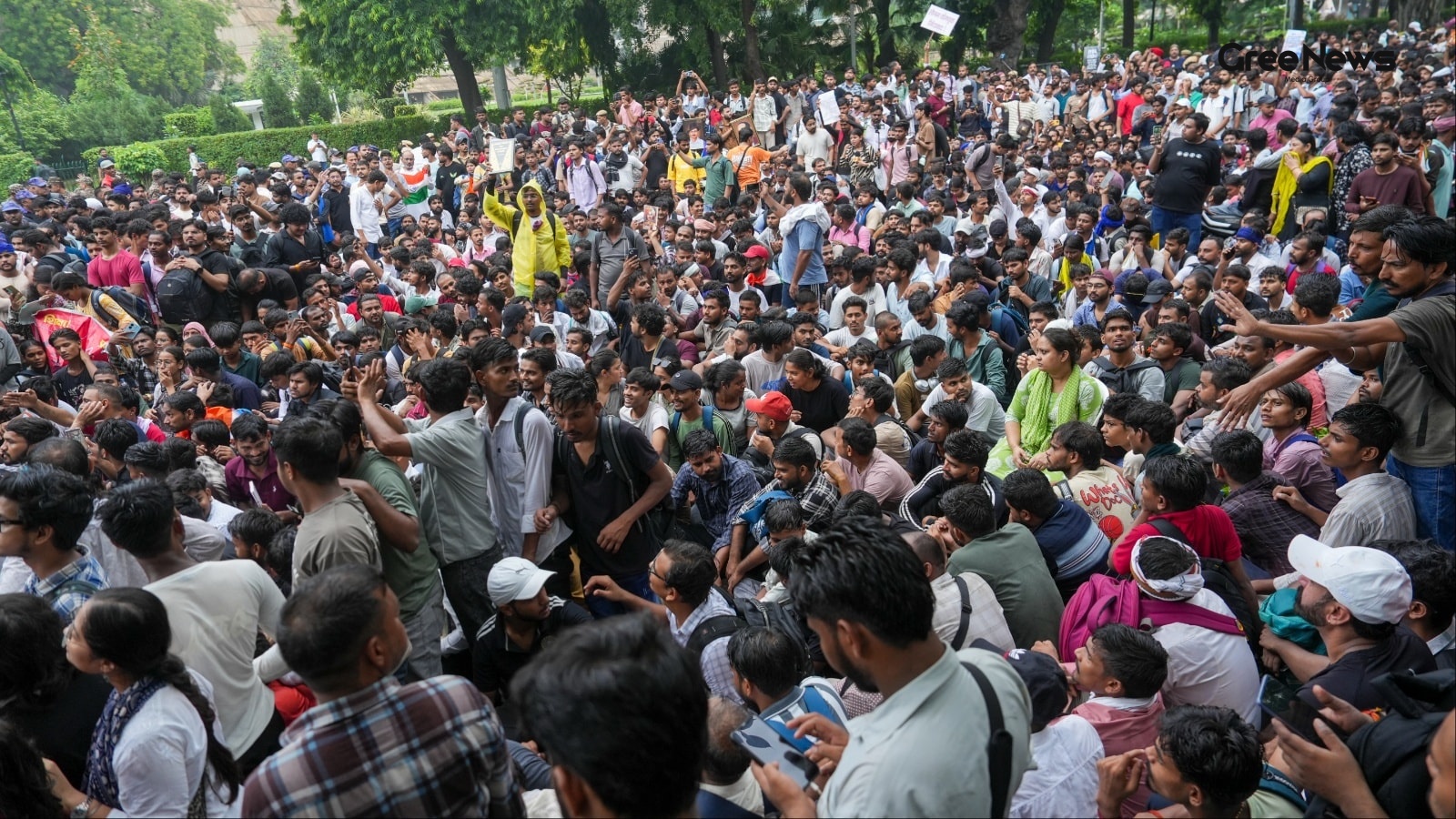
Delhi Security and Protest: High Alert Ahead of Monsoon Session
Delhi is buzzing with tension right now. The national capital has been placed on high alert because of the upcoming Monsoon Session in Parliament. Delhi Police have rolled out massive security operations, trying to manage things as the Cockroach Janata Party CJP prepares for its planned ‘Chalo Sansa
Jul 20, 2026 by Gree News Team
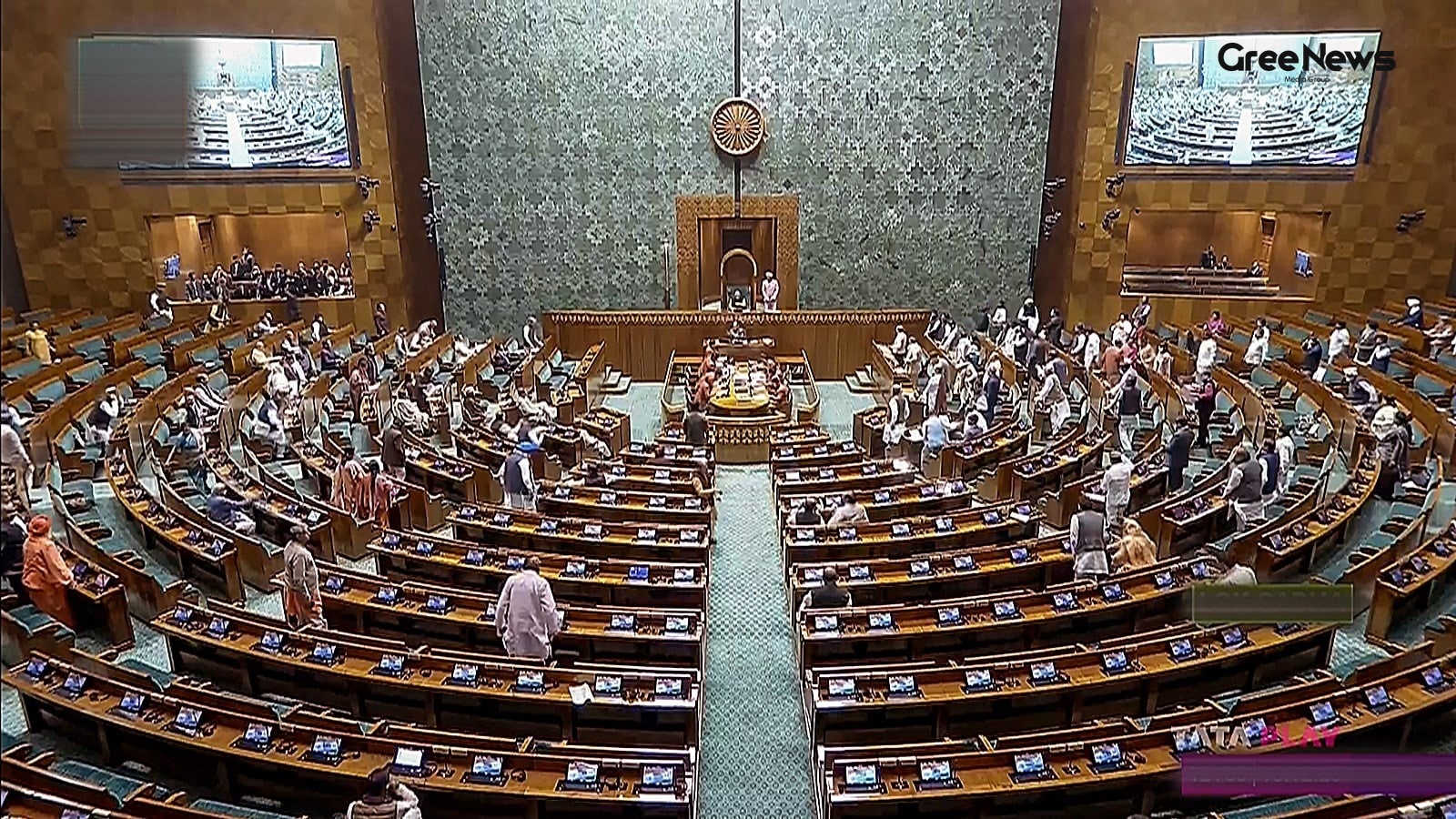
Monsoon Session of Parliament 2026: Political Showdown and Legislative Agenda
The Monsoon Session of Parliament 2026 kicked off today. And honestly, the mood is already thick with expectation. It feels like a political showdown waiting to happen. The ruling NDA government is gearing up to throw some heavy reform Bills on the table. Meanwhile, the Opposition isn't sitting stil
Jul 20, 2026 by Gree News Team
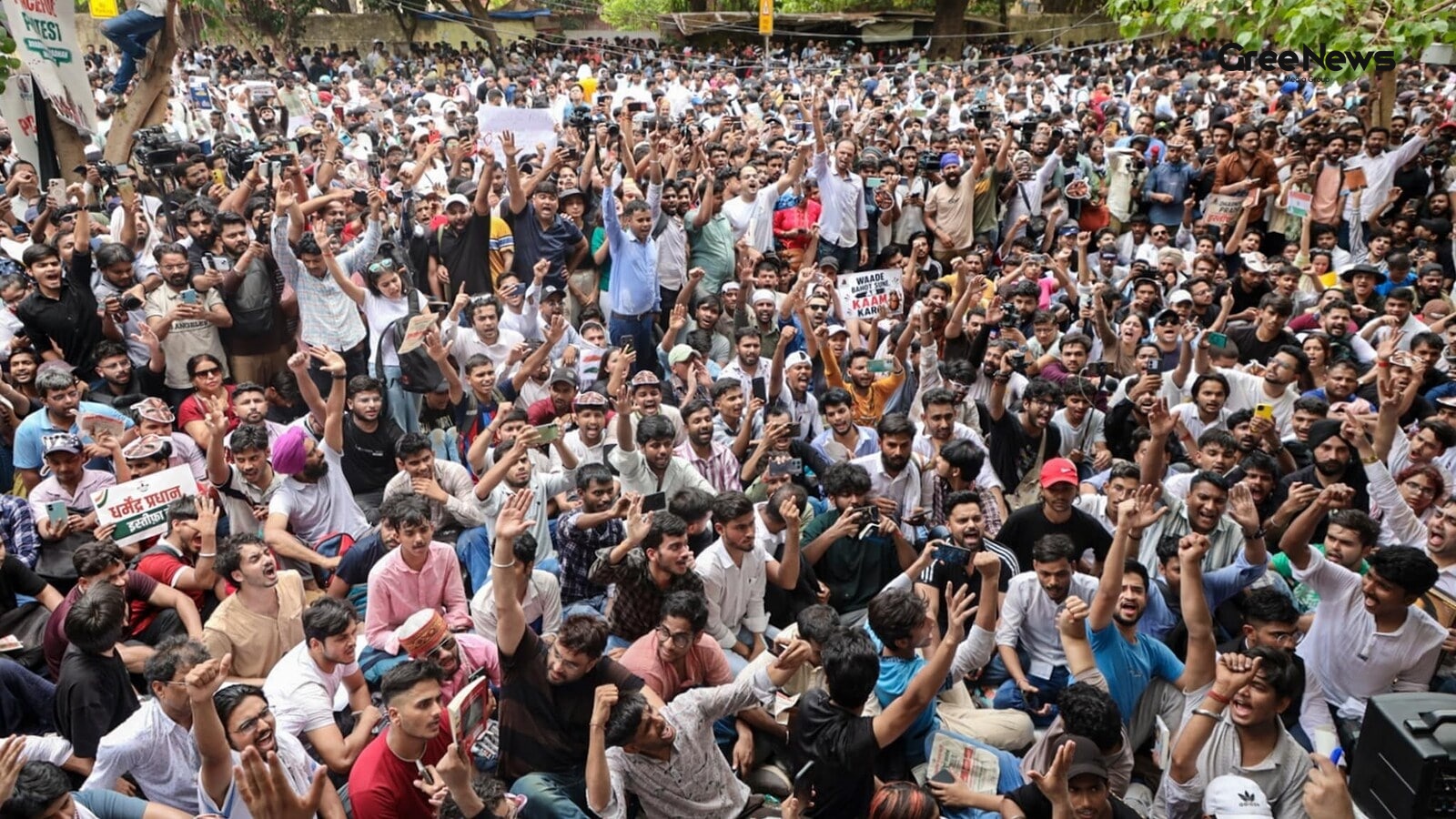
Sonam Wangchuk's Protest and the Demand for Accountability
Sonam Wangchuk’s protest, kicked off by the Cockroach Janta Party, is moving toward Parliament now. It’s their ‘Chalo Sansad’ march. They are demanding the resignation of Union Education Minister Dharmendra Pradhan. The reason? Alleged NEET paper leaks. Student suicides. Everything about the whole e
Jul 20, 2026 by Gree News Team