Rajesh Exports Shares Tumble Following SEBI Order and Investigation
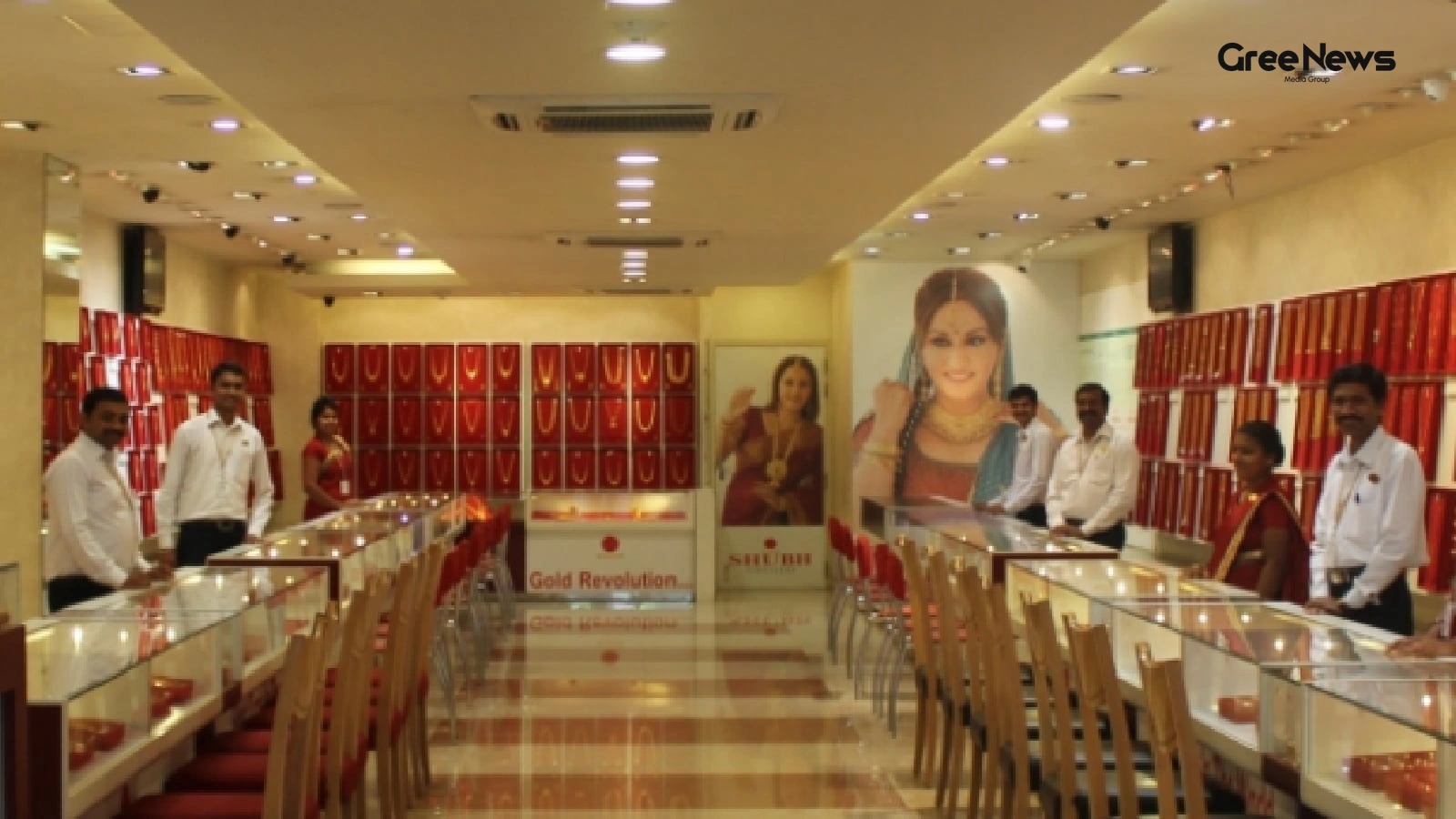
Shares of Rajesh Exports Ltd tumbled Thursday, hitting the lower circuit limit on the NSE. The drop was triggered by the Securities and Exchange Board of India, or Sebi, passing an interim order against the company and its Chairman and Managing Director, Rajesh Mehta.
The regulator alleged massive financial misrepresentation, along with serious issues concerning how funds were routed and a general lack of cooperation during the ongoing probe.
Sebi essentially froze the movement of shares, restraining Rajesh Mehta from buying, selling, or otherwise dealing in Rajesh Exports securities until further instructions come.
This wasn't just about the immediate market dip. The order itself, spanning nearly 109 pages, demanded that the company provide true and fair disclosures regarding its financials, related-party dealings, and all other mandatory disclosures under the Listing Obligations.
The core of the investigation pointed to serious accounting discrepancies. Sebi suggested that the company might have manipulated its revenue figures. Specifically, they flagged the potential recognition of gross gold transaction values instead of properly accounting for just the refining or processing income.
The scope of the potential deception was huge. The regulator estimated that the consolidated revenues, which clocked in around Rs 15.15 lakh crore, might have been misrepresented throughout the investigation period.
The watchdog also looked closely at the company’s auditors. Sebi referred the matter to the National Financial Reporting Authority, NFRA, to examine what the auditors were doing.
There were serious issues with cooperation. The company was repeatedly asked for financial records, explanations on fund flows, and supporting documents. Yet, they reportedly failed to provide satisfactory responses. This non-cooperation raised major red flags for the regulator.
One of the most striking findings came regarding the revenue structure. Sebi noted that almost 97 to 99 percent of the company’s consolidated revenue came from foreign subsidiaries, especially Valcambi SA. But the audited standalone statements from those subsidiaries only showed a tiny fraction of the revenue reported at the consolidated level.
This immediately raised questions about how the numbers were being presented.
The entire investigation covered a span from April 1, 2020, up until March 31, 2024.
This action followed a complaint lodged by a shareholder back in March 2024. That shareholder alleged misrepresentation related to large trade receivables that had been outstanding for over two years.
Meanwhile, the market reaction was immediate and sharp.
Life Insurance Corporation of India, or LIC, still holds a significant stake in Rajesh Exports. Their position remains relatively stable.
Shareholding data for the March 2026 quarter shows LIC owns 10.80%. That stake hasn't changed since at least September 2023. But the market price reflected the uncertainty.
At the current market level, LIC’s holding is worth roughly Rs 347 crore. That figure is significantly lower than the approximate Rs 637 crore it was valued at when the year started. The stock decline directly impacted the value of that holding.
Foreign institutional investors, or FIIs, have also been pulling back. Over the last three years, their exposure to Rajesh Exports has steadily decreased.
Total FII ownership dropped from 17.60% in March 2023 down to 14.26% by March 2026.
Key foreign players saw reductions too. Bridge India Fund owns 8.46%. Schwab Fundamental Emerging Markets Equity ETF holds 2.70%.
The combined value of these foreign holdings has also shrunk considerably. They are currently worth about Rs 456 crore, compared to roughly Rs 838 crore at the beginning of 2026.
The regulatory action seems to have severely damaged investor confidence. Shares in Rajesh Exports have been under pressure for a long time, declining nearly forty percent over the past year.
The latest Sebi move just added another layer of negative pressure, wiping out more market value in one go. It felt like a definitive signal that things were deeply troubled behind the scenes.
Written by Gree News Team — Senior Editorial Board
Gree News Team covers international news and global affairs at Gree News. Our collective of senior editors is dedicated to providing independent, accurate, and responsible journalism for a global audience.
More from Business
View All
Stock Market Update: July 20th Performance and Global Factors
Stock Market Today, July 20th. It kicked off the week weak domestically. Cautious global vibes were dragging things down. You saw that as the Gulf conflict escalated, crude oil prices jumped past ninety dollars a barrel. Inflation worries flared up right along with it. Selling hit heavyweight privat
Jul 20, 2026 by Gree News Team
IT Stocks Jump After June-Quarter Earnings Release
IT stocks generally jumped Thursday after those June-quarter earnings came out. Investors seemed to favor companies that showed better growth, pushing hard on margins and guidance for the ones that fell short. The Nifty IT index ticked up 1.33% in morning trade, hitting 29,103.50. Some large names w
Jul 17, 2026 by Gree News Team

Domestic Equity Markets, Movers, and Global Factors
The domestic equity markets managed to push some gains this morning Friday. It felt like a brief lift, mostly fueled by buying in those heavyweight sectors IT, banking stocks, and a few big names overall. But you could feel the broader market still dragging a bit. Around ten-ten, things were moving
Jul 17, 2026 by Gree News Team

Ather Energy Stock Jumps on Hero MotoCorp Funding and EV Outlook
Ather Energy shares jumped almost nine percent Wednesday. It’s carrying that momentum from the last month. People are cheering it, especially because of the fresh cash coming in from its biggest shareholder, Hero MotoCorp. And everyone seems optimistic about where EVs are headed long term. The stock
Jul 15, 2026 by Gree News Team
Latest Headlines
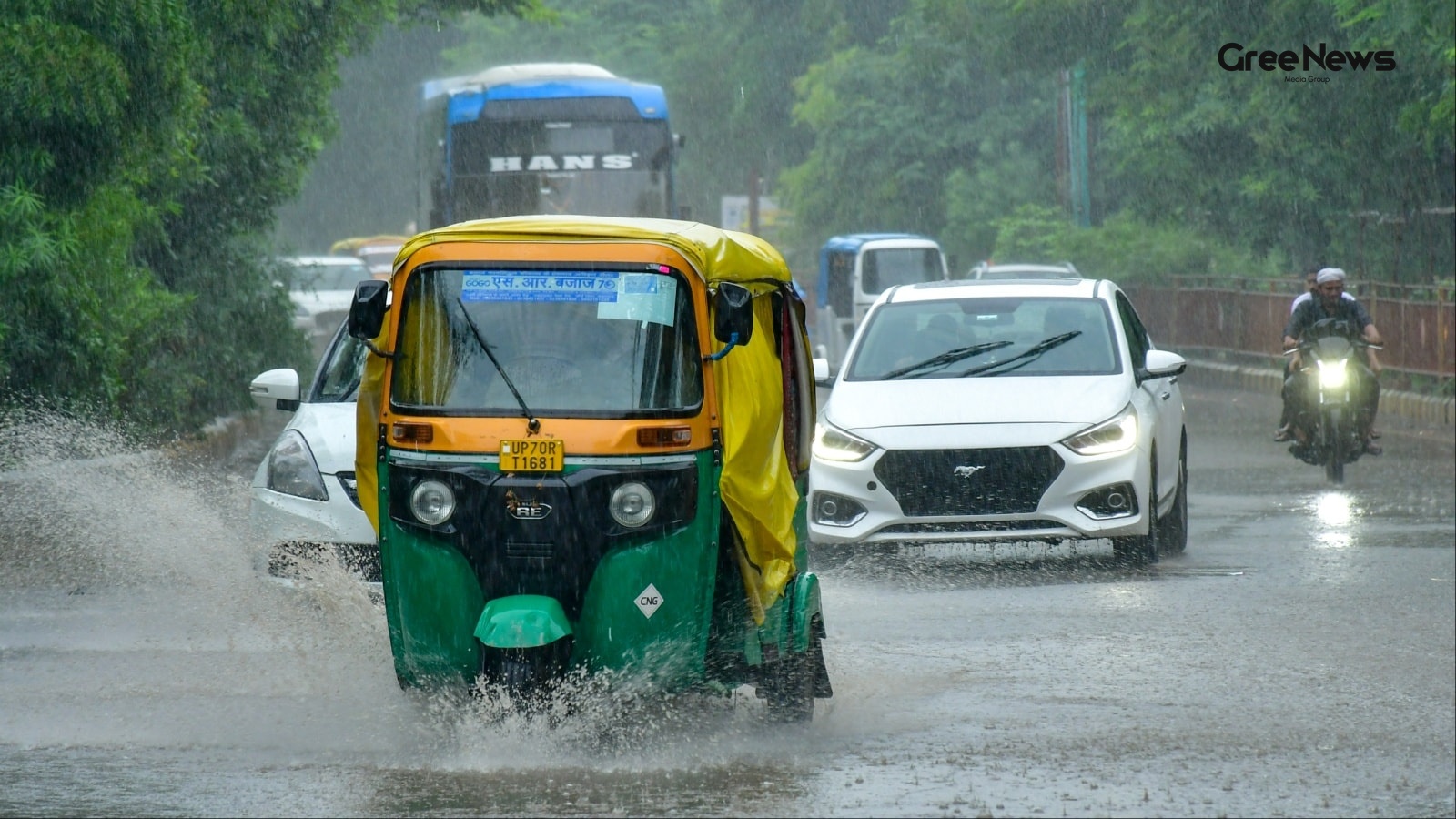
Monsoon Warnings and Disaster Risks Across India
The monsoon spell is kicking in hard across India. The India Meteorological Department just issued warnings about active, heavy rainfall sweeping through large parts of the country now, forecasting serious deluge over several northern, eastern, northeastern and western states over the next few days.
Jul 20, 2026 by Gree News Team
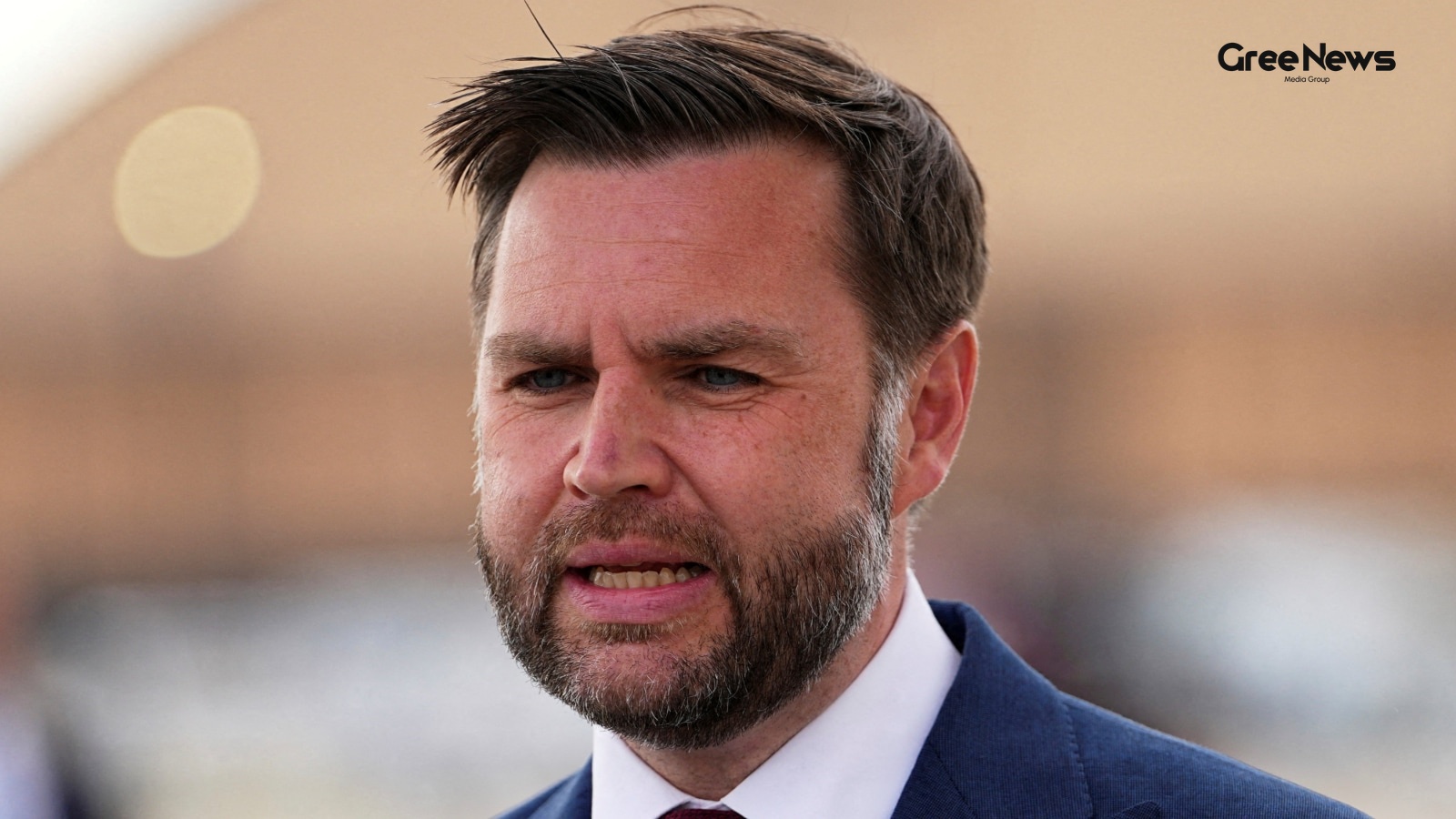
JD Vance Announces Fourth Child and Family Milestone
JD Vance just announced he had a fourth child. A son named Alec Neel Vance, with his wife Usha Vance. It came out in a statement shared online. He said everything was fine. The mother and the baby are happy and healthy. "Usha and the baby are happy and healthy," Vance wrote. "Our kids are overjoyed
Jul 20, 2026 by Gree News Team

World Cup Final History and Awards
Ferran Torres really made history, didn’t he? That moment in the 106th minute of the World Cup final, when he found the back of the net. It broke Argentine hearts completely as Spain finally claimed the title for the second time. His single strike that one goal it just sent everyone into delirium du
Jul 20, 2026 by Gree News Team

Choosing the Best 2-Ton Inverter Split AC
So you need a 2-ton inverter split AC if your space is big. Think living rooms, conference areas, or those larger halls around 200 to 260 square feet. That’s where these things actually make sense. Things are changing right now with these new models. We’re talking about ACs that have inverter compre
Jul 20, 2026 by Gree News Team

School Dispute Turns into Violent Assault in Ankleshwar
A fight between two school kids in Ankleshwar apparently turned into a full-blown assault. It all started way back with the family of one student stopping two sisters on their way to tuition classes, and then things got seriously violent. They attacked them with a cricket bat and slippers. This whol
Jul 20, 2026 by Gree News Team
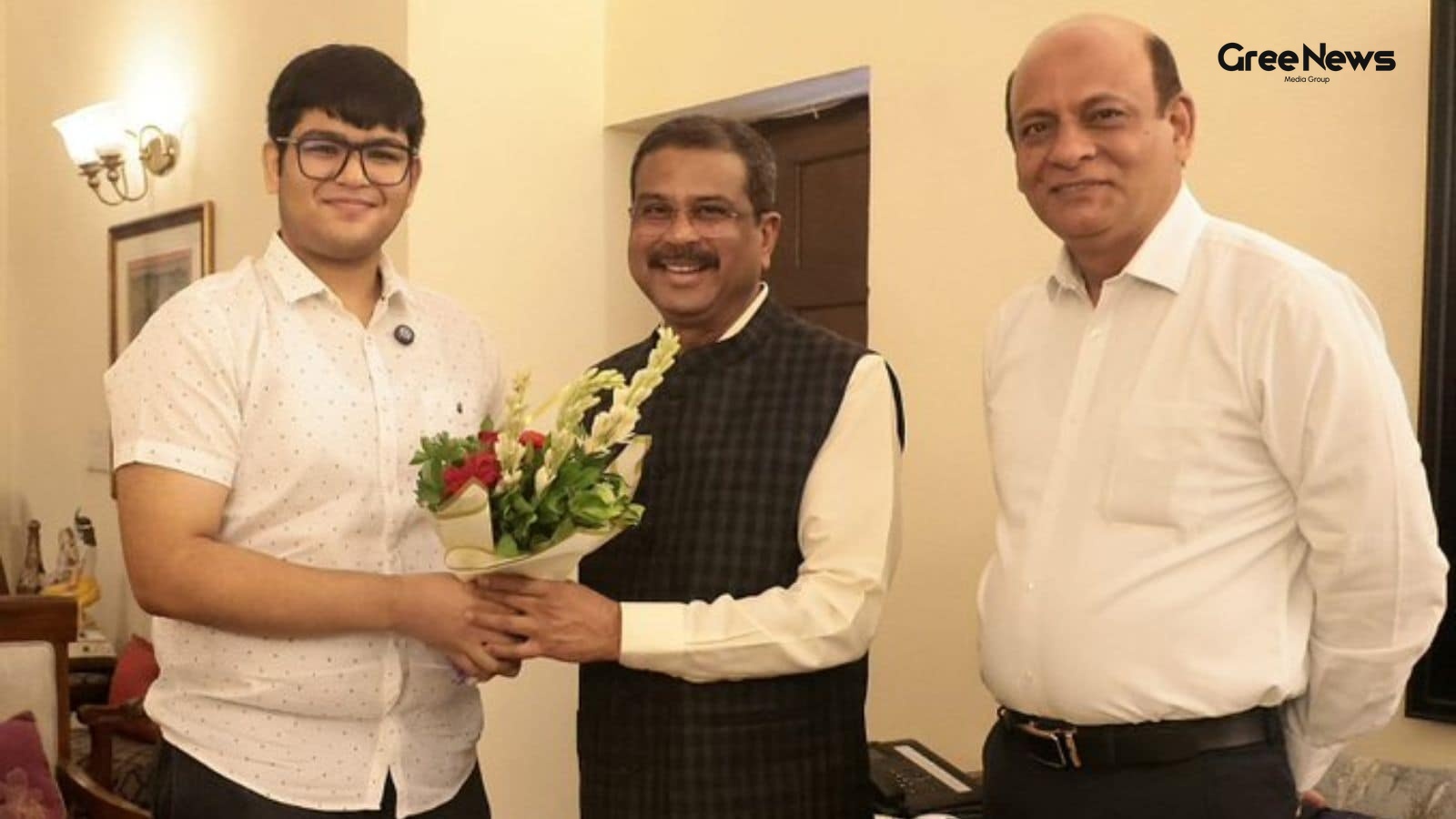
NEET Success Story: Dedication and the Journey to Medical Entrance
Dharmendra Pradhan had a meeting recently with Panshul Bansal, who came in holding the All India Rank 2 spot for the NEET UG 2026 exam. It was about that huge medical entrance test everyone talks about. Pradhan congratulated him. Praised him for the sheer hard work and commitment he showed. Said his
Jul 20, 2026 by Gree News Team
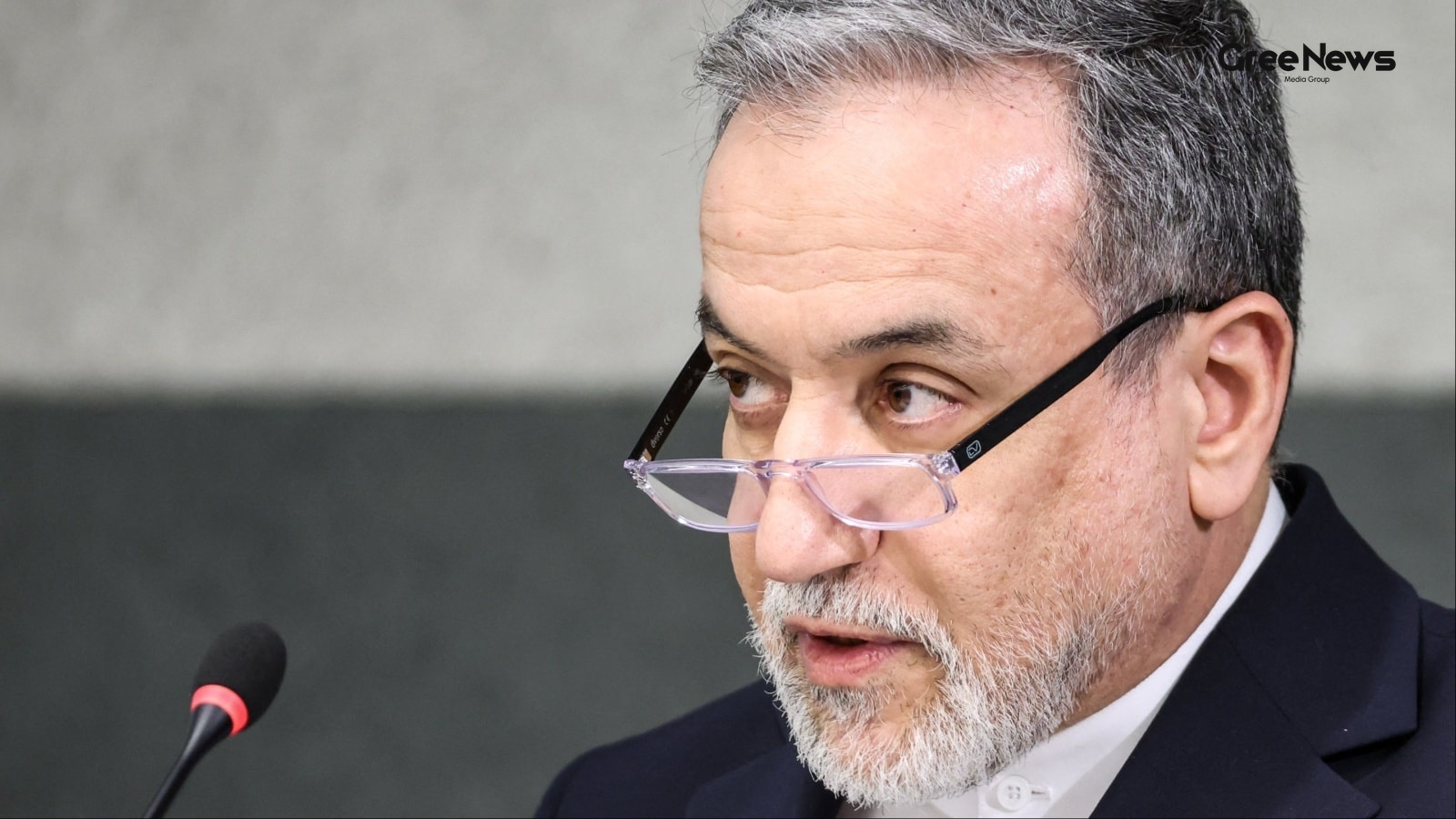
The Psychological Weight of Peace Talks Between Iran and the United States
Abbas Araghchi, the Iranian Foreign Minister, brought up something heavy in an interview with Mehr news agency. He talked about the sheer psychological weight his delegation was under during those peace talks with the United States. It wasn't just diplomacy; it felt like constant danger. He said the
Jul 20, 2026 by Gree News Team
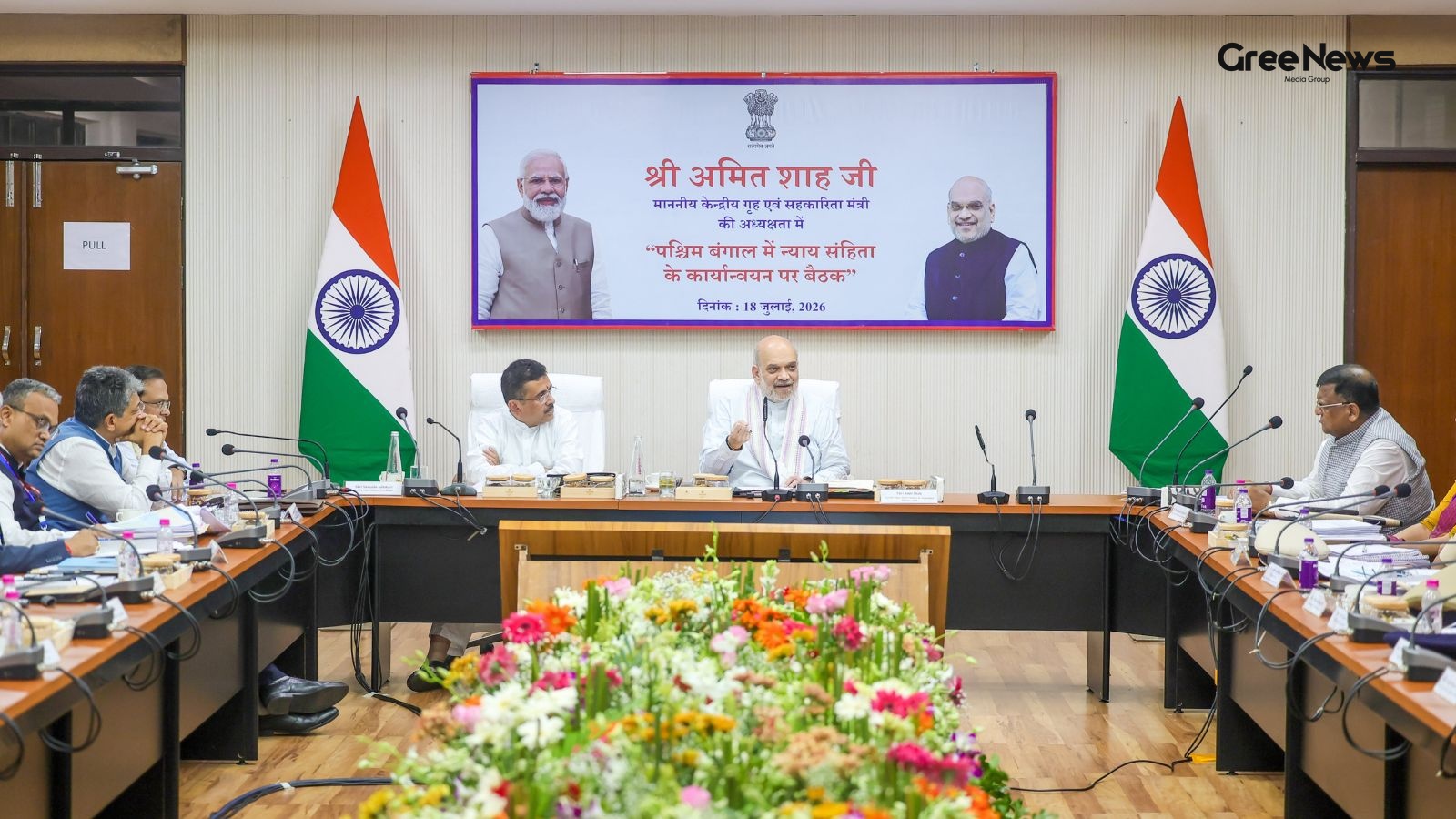
Amit Shah's Review on Security and Law and Order in West Bengal
Amit Shah, Union Home Minister and Minister of Cooperation, chaired a high-level review on Sunday. It was about the law and order situation in West Bengal. The whole thing was an outline for strengthening internal security, policing, and the criminal justice system there. The focus wasn’t just gener
Jul 20, 2026 by Gree News Team

Punjab Police's Anti-Drug Effort: Yudh Nashian Virudh Results and Strategy
The Punjab Police rolled out this big anti-drug effort Yudh Nashian Virudh. It’s been running for 500 days now. And it seems to have made some serious dents in the drug trade, plus got communities involved somehow. It really hinges on three things: heavy enforcement, getting people into the communit
Jul 20, 2026 by Gree News Team
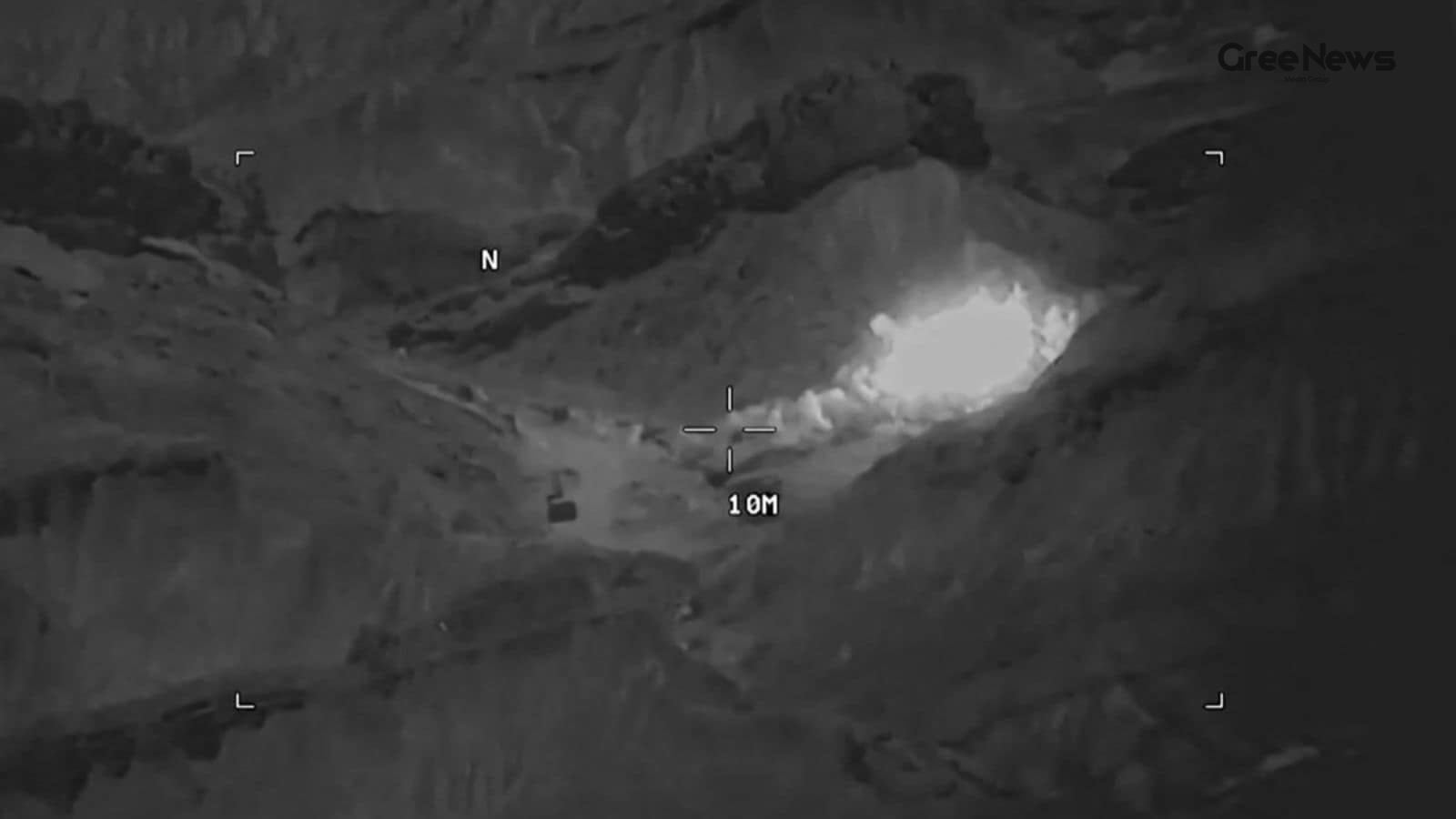
US Iran War News Live
US Iran War News Live. Central Command, CENTCOM, just announced they launched another round of air strikes on Iran Sunday night. This is the ninth time in a row. The whole operation aims to chip away at Tehran’s military strength. Specifically targeting commercial ships in the Strait of Hormuz. And
Jul 20, 2026 by Gree News Team
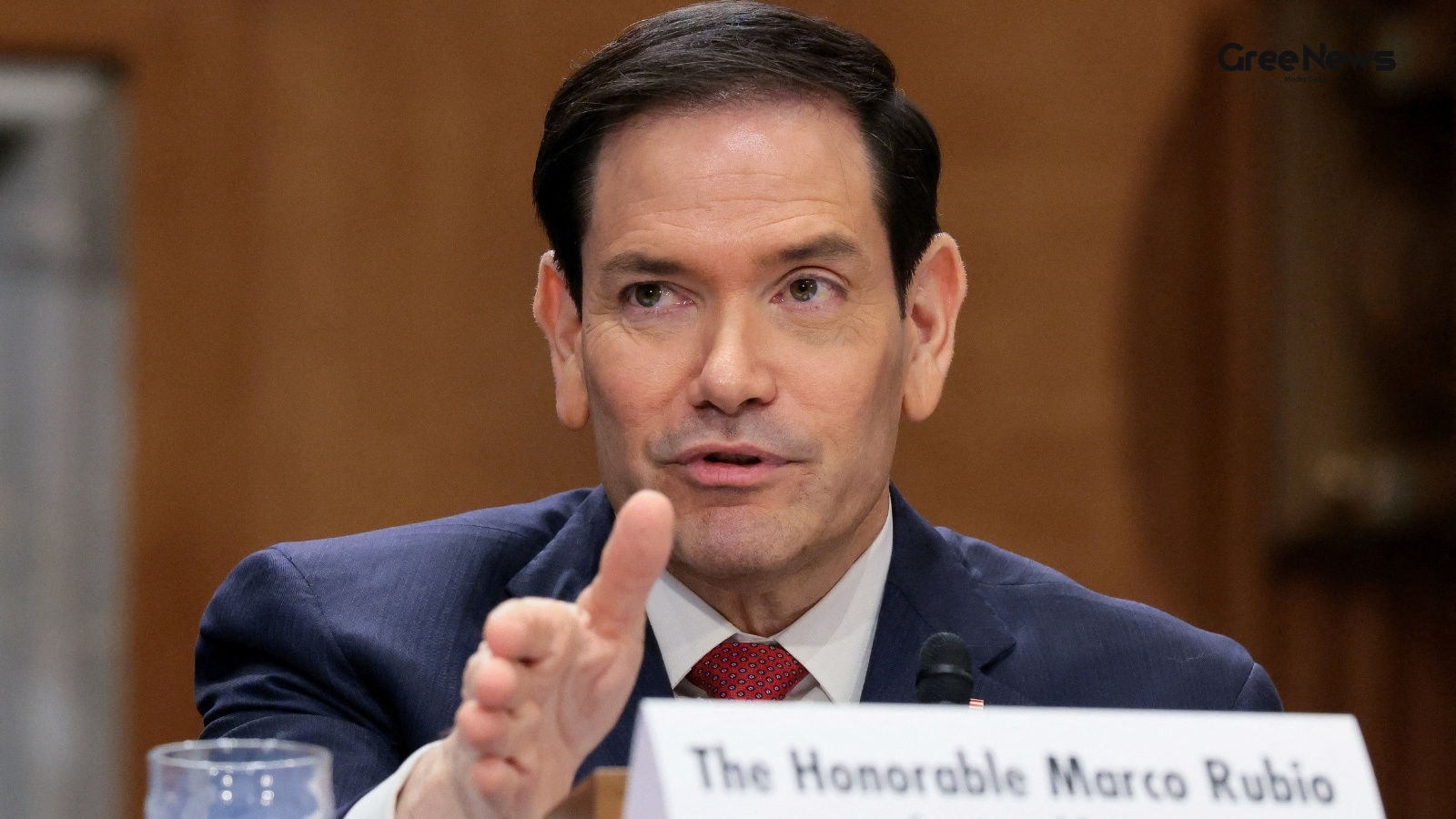
Marco Rubio on US-Iran Relations and Military Escalation
Marco Rubio, the Secretary of State, is saying Washington is getting signals. Indications that Iran wants to talk, even while there are huge divisions happening inside their own leadership structure right now. He spoke to CNN about it. Said they are hearing signs multiple channels telling them Iran
Jul 20, 2026 by Gree News Team
Stock Market Update: July 20th Performance and Global Factors
Stock Market Today, July 20th. It kicked off the week weak domestically. Cautious global vibes were dragging things down. You saw that as the Gulf conflict escalated, crude oil prices jumped past ninety dollars a barrel. Inflation worries flared up right along with it. Selling hit heavyweight privat
Jul 20, 2026 by Gree News Team
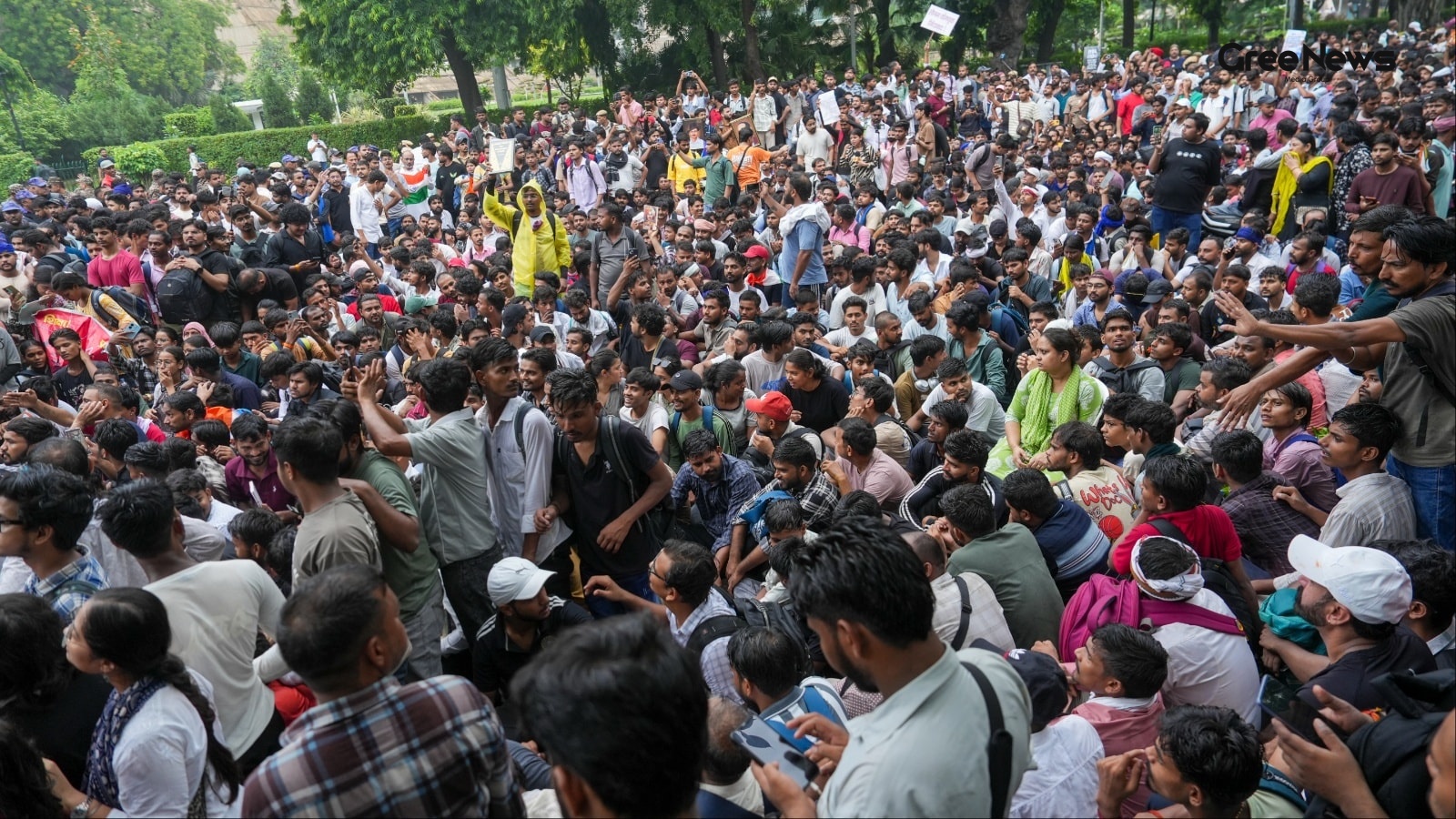
Delhi Security and Protest: High Alert Ahead of Monsoon Session
Delhi is buzzing with tension right now. The national capital has been placed on high alert because of the upcoming Monsoon Session in Parliament. Delhi Police have rolled out massive security operations, trying to manage things as the Cockroach Janata Party CJP prepares for its planned ‘Chalo Sansa
Jul 20, 2026 by Gree News Team
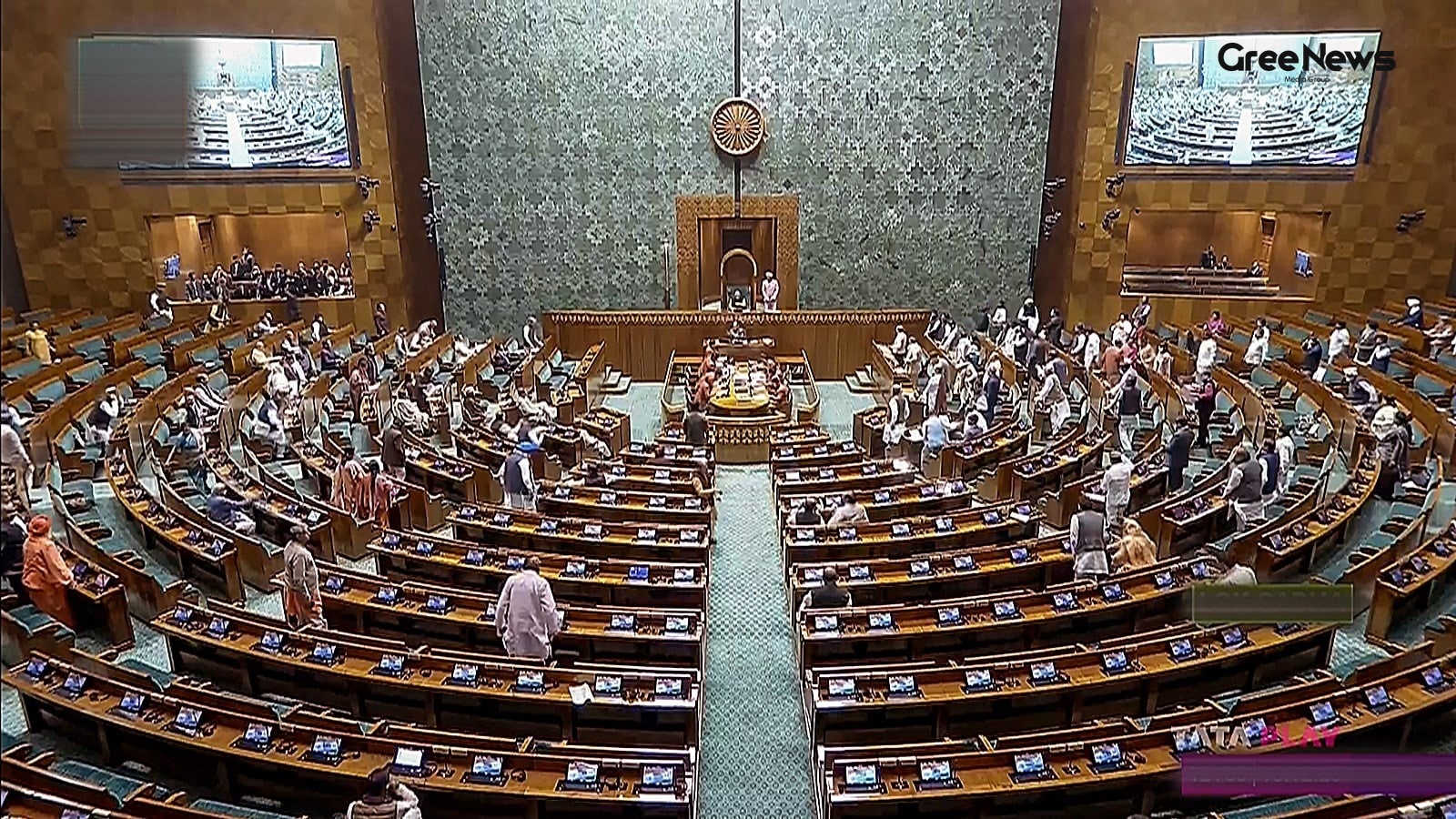
Monsoon Session of Parliament 2026: Political Showdown and Legislative Agenda
The Monsoon Session of Parliament 2026 kicked off today. And honestly, the mood is already thick with expectation. It feels like a political showdown waiting to happen. The ruling NDA government is gearing up to throw some heavy reform Bills on the table. Meanwhile, the Opposition isn't sitting stil
Jul 20, 2026 by Gree News Team
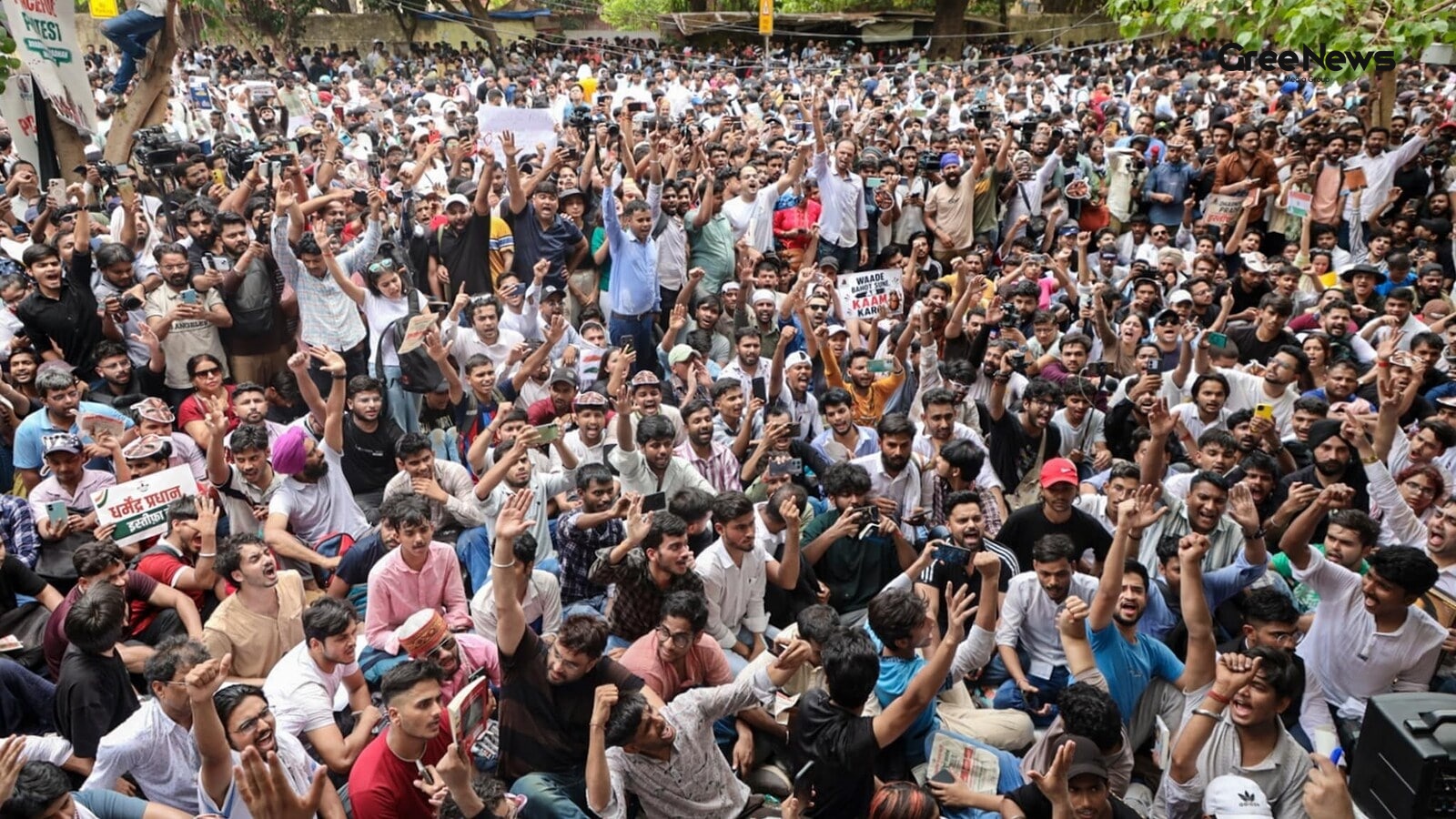
Sonam Wangchuk's Protest and the Demand for Accountability
Sonam Wangchuk’s protest, kicked off by the Cockroach Janta Party, is moving toward Parliament now. It’s their ‘Chalo Sansad’ march. They are demanding the resignation of Union Education Minister Dharmendra Pradhan. The reason? Alleged NEET paper leaks. Student suicides. Everything about the whole e
Jul 20, 2026 by Gree News Team