The Crisis of Chemotherapy: Shortage of Cisplatin and Carboplatin in India
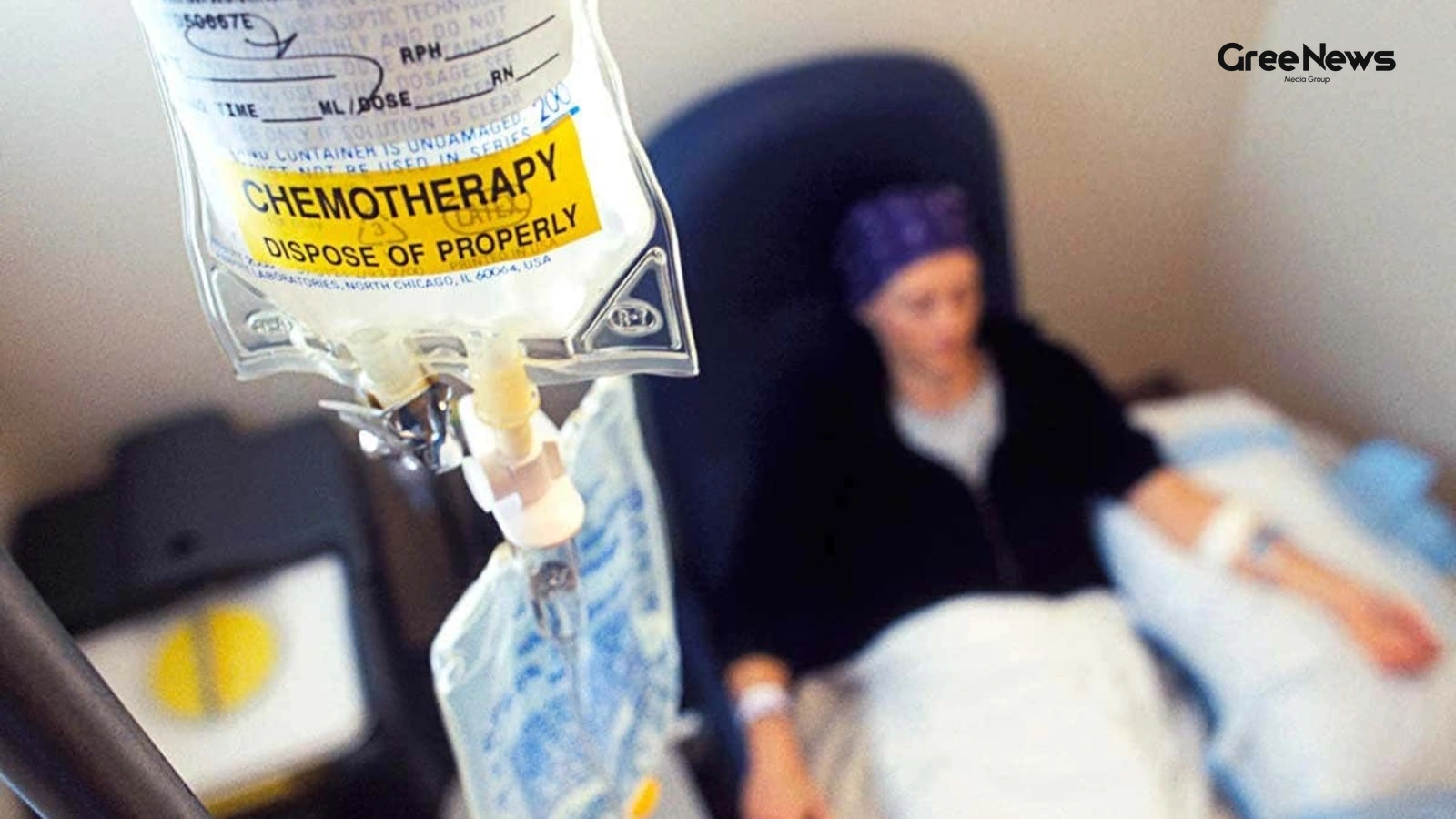
India’s oncology scene is seriously under strain. It’s all about the persistent shortage of the backbone chemotherapy agents—cisplatin and carboplatin. This is messing up treatment schedules for cancer patients. Doctors are forced to compromise. They have to use therapies that work less well, or cost a lot more.
These drugs. Cisplatin and carboplatin . They are the platinum-based drugs. They are the standard. First line treatment for so many cancers. Head and neck, lung, ovarian, GI cancers. They are the backbone of many curative protocols. Hardly any direct substitutes exist.
Dr MV Chandrakanth , a medical oncologist at Narayana Health in Kolkata, put it plainly. “This isn’t just a simple shortage of cisplatin or carboplatin. It reflects bigger problems. Manufacturing economics. Raw material costs. The entire oncology supply chain.” He said the immediate priority is making sure patients get timely, effective treatment.
The clinical fallout is already visible. Across major cancer centers. Treatment is getting delayed. Doses are being cut. Chemotherapy schedules are broken. Inventory is stressed. Doctors are starting to substitute. They are swapping platinum agents for other regimens. It’s a compromise. Inferior results. Much higher costs for everyone involved.
Dr Raajit Chanana , director at Dharamshila Narayana Superspeciality Hospital in New Delhi, called it a recurring structural mess. “The shortage has been a constant problem. Now it’s worse. We get emails from procurement saying cisplatin and carboplatin are gone globally. We are trained to handle things. We’ve started switching drugs. But these alternatives? They don't perform as well. They cost more.”
Another oncologist from Sir Gangaram Hospital chimed in. He was caught. Between what the patients needed and what the hospitals had. Procurement teams are scrambling for stocks. The ethical tightrope walk is constant. Who gets priority? How do you ethically ration something that saves lives?
Mitigation strategies kicked in fast at the leading centers. They started tracking inventory tighter. Collaboration between hospitals. Prioritizing curative cases. Dose optimization protocols.
Doctors started shouting this out. Social media. X. Dr Vandana Mahajan , a cancer care expert and palliative counsellor, posted something. “Cisplatin and carboplatin are vital. They are essential for treating thousands in India.”
Dr Shyam Aggarwal , an oncologist and bone marrow transplant expert at Sir Gangaram Hospital, went straight to the top. He posted on X, urging Prime Minister Narendra Modi. He wanted continuous production of these two drugs.
“Cancer patients are struggling for two critical, life-saving drugs— Cisplatin and Carboplatin . The Government needs to ensure these cheap drugs are made. Common sense needs to win in the pharma industry,” he wrote.
He also pushed Health Minister JP NNadda . He asked him to look into it. “These medicines form the base treatment for so many common cancers—oral, ovary, lung, cervix, breast, testis, gall bladder, and tons of others. Please ensure a regular supply of these life-saving drugs,” his post insisted.
The shortage itself intensified since late 2025. It’s not just one failure. It’s a mess of manufacturing issues, pricing traps, and broken supply chains all hitting at once.
The global platinum market is wild. Prices shot up. Mining disruptions, geopolitical drama, and massive demand from the AI and semiconductor sectors are pushing platinum prices up. Meanwhile, domestic price controls set by the NPPA just freeze reimbursement levels way below the actual production costs. This leaves manufacturers with no viable margin.
Pfizer, one of the big Indian makers of these formulations, didn't even comment when asked about the shortage.
An industry veteran, speaking anonymously, hit the nail on the head. “The core issue is that price controls have totally lost touch with manufacturing reality.”
He explained the vicious cycle. When the government caps the price of cisplatin or carboplatin, and global platinum raw material costs jump forty to sixty percent, manufacturers face a choice. Produce at a loss, or stop production. Sterile chemotherapy manufacturing is expensive. It demands strict quality control. It carries regulatory baggage. If the profit margin drops from, say, Rs 200 to Rs 50, or even negative, you just don't scale up. You slow down. You pause it.
It wasn't a shortage of supply born from scarcity. It was a rational business reaction.
Dr Wajahat Ahmed , a radiation oncologist working for Jammu and Kashmir, echoed this. He called it “a silent clinical crisis.”
He posted on X about the vanishing drugs. “Cisplatin and Carboplatin are disappearing from the pharmacies. For thousands of patients, a delay in chemotherapy isn’t just an inconvenience. It’s a death sentence.”
He hammered home the “massive global platinum paradox.” The cost of raw platinum jumped from about ₹3.8k to nearly ₹8k per gram because of instability and tech demand. Yet, the domestic price caps stay stuck. Pharma companies shut down production because making these drugs is just a financial drain. The result? Heartbreaking. Doctors are forced to ration what’s left. Families are being pushed into the black market. They pay insane out-of-pocket prices just to keep their loved ones alive. Government action through the NPPA to urgently revise those prices is desperately needed.
Written by Gree News Team — Senior Editorial Board
Gree News Team covers international news and global affairs at Gree News. Our collective of senior editors is dedicated to providing independent, accurate, and responsible journalism for a global audience.
More from Life & Style
View All
Lipfendra (enlicitide): The New Once-Daily Oral PCSK9 Inhibitor
The FDA just gave the green light for Lipfendra, which is enlicitide. It’s a big deal because it’s the first time we have a once-daily oral PCSK9 inhibitor available for adults dealing with certain types of high cholesterol. Merck developed this pill. It offers a new route. A way around those pesky
Jul 17, 2026 by Gree News Team
Biological Factors Influencing Insect Attraction
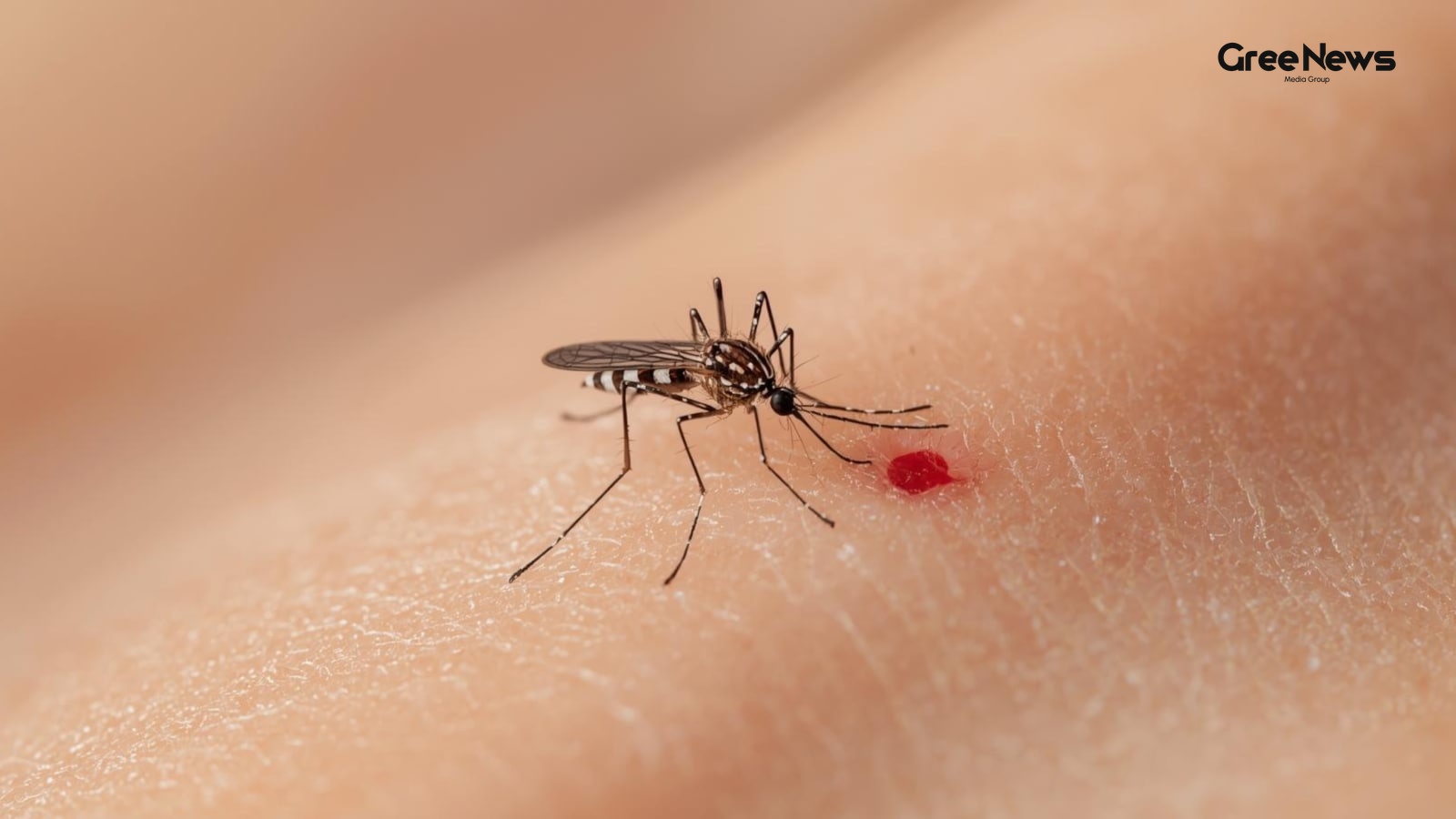
Have you ever just felt… singled out? Certain biological factors make some people way more attractive to these blood-sucking insects than others. It really comes down to a few things influencing the whole situation. The air you breathe, your body temperature, even that natural scent you carry all of
Jul 14, 2026 by Gree News Team
Understanding Autoimmune Gastritis and Digestive Health
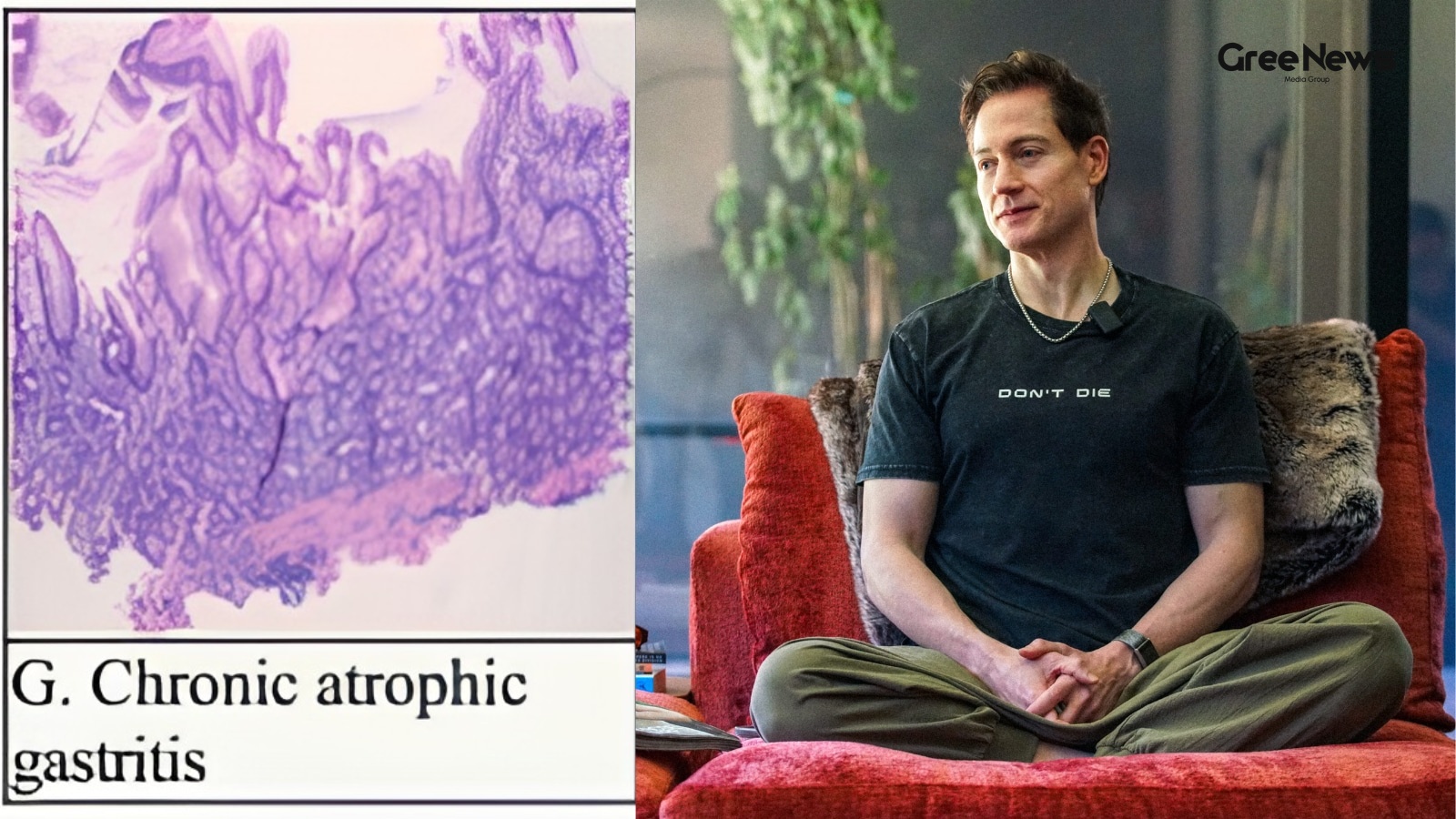
Bryan Johnson’s recent story about his autoimmune gastritis diagnosis really puts a spotlight on something that just… slips by so easily. It brings attention to this whole cluster of digestive issues that often get ignored because they just move along, silently. And that silence? it can lead to some
Jul 13, 2026 by Gree News Team

Dipika Kakar's Cancer Recovery Journey and Ongoing Treatment
Dipika Kakar’s recovery isn't some neat timeline marked by a single surgery or when the doctors finally stamp 'success.' It’s just… ongoing stuff. Regular hospital trips. Those IV infusions. Choosing to keep moving, one slow step at a time. She recently gave fans another look behind the curtain, sho
Jul 8, 2026 by Gree News Team
Latest Headlines
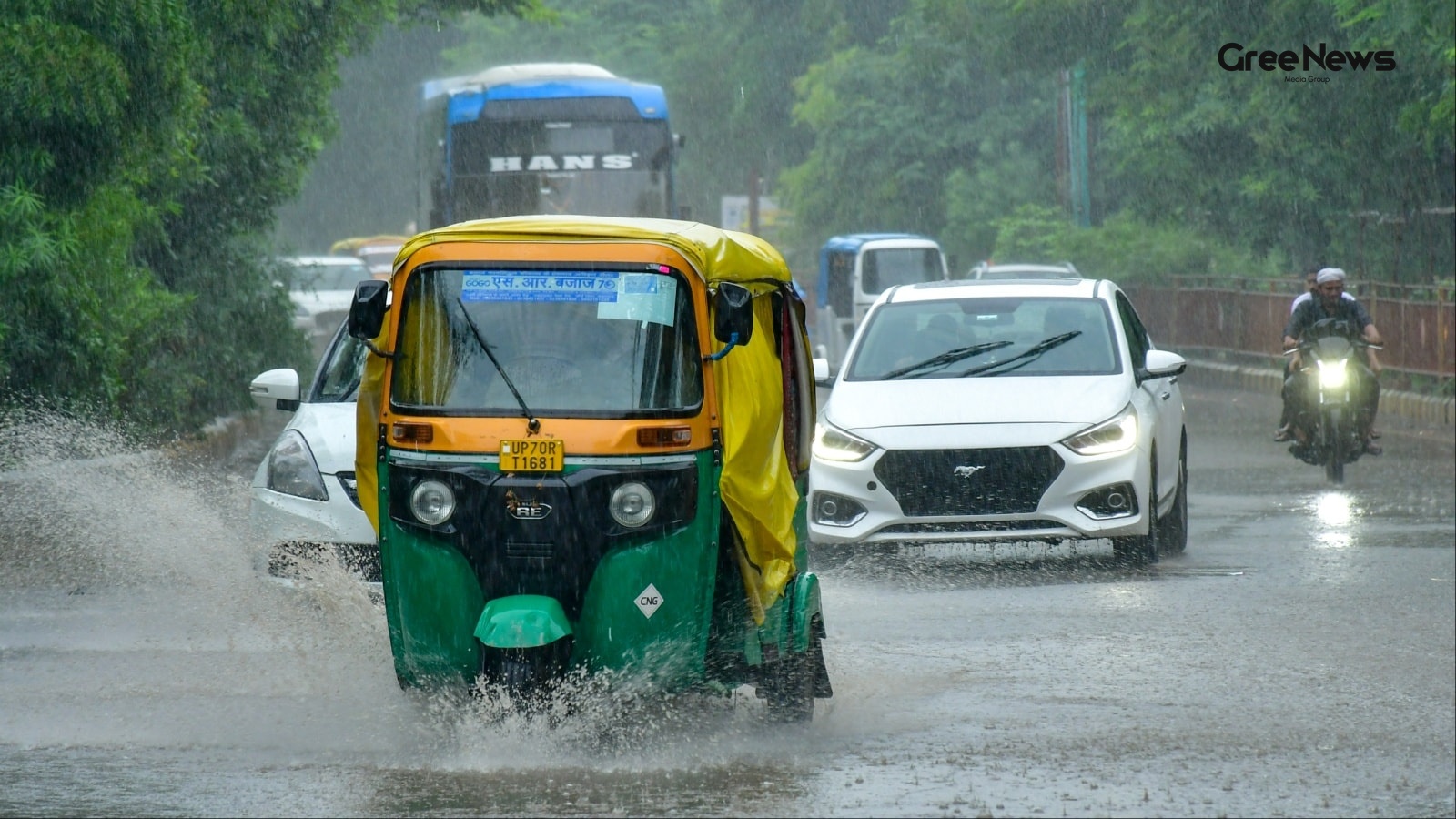
Monsoon Warnings and Disaster Risks Across India
The monsoon spell is kicking in hard across India. The India Meteorological Department just issued warnings about active, heavy rainfall sweeping through large parts of the country now, forecasting serious deluge over several northern, eastern, northeastern and western states over the next few days.
Jul 20, 2026 by Gree News Team
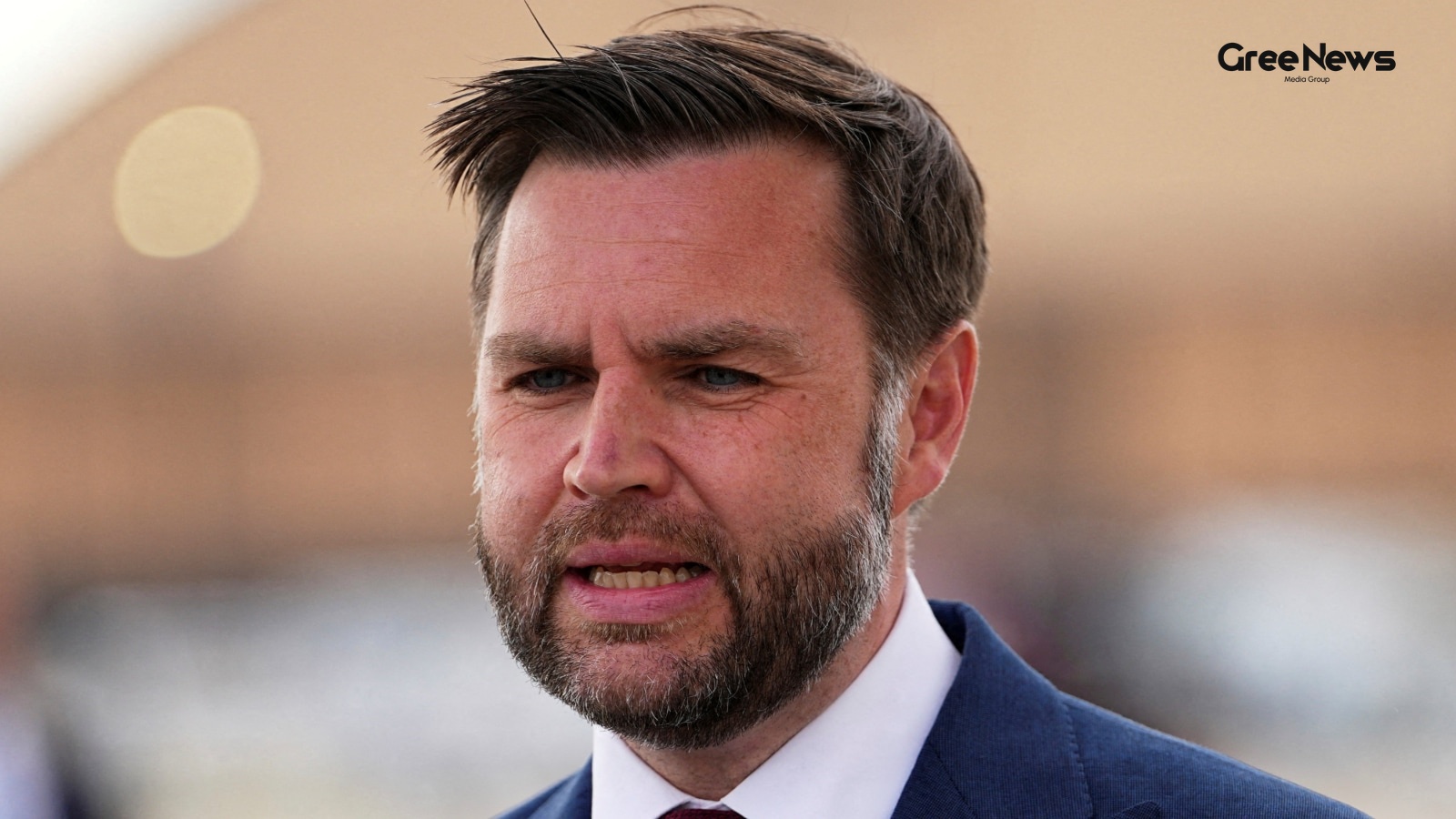
JD Vance Announces Fourth Child and Family Milestone
JD Vance just announced he had a fourth child. A son named Alec Neel Vance, with his wife Usha Vance. It came out in a statement shared online. He said everything was fine. The mother and the baby are happy and healthy. "Usha and the baby are happy and healthy," Vance wrote. "Our kids are overjoyed
Jul 20, 2026 by Gree News Team

World Cup Final History and Awards
Ferran Torres really made history, didn’t he? That moment in the 106th minute of the World Cup final, when he found the back of the net. It broke Argentine hearts completely as Spain finally claimed the title for the second time. His single strike that one goal it just sent everyone into delirium du
Jul 20, 2026 by Gree News Team

Choosing the Best 2-Ton Inverter Split AC
So you need a 2-ton inverter split AC if your space is big. Think living rooms, conference areas, or those larger halls around 200 to 260 square feet. That’s where these things actually make sense. Things are changing right now with these new models. We’re talking about ACs that have inverter compre
Jul 20, 2026 by Gree News Team

School Dispute Turns into Violent Assault in Ankleshwar
A fight between two school kids in Ankleshwar apparently turned into a full-blown assault. It all started way back with the family of one student stopping two sisters on their way to tuition classes, and then things got seriously violent. They attacked them with a cricket bat and slippers. This whol
Jul 20, 2026 by Gree News Team
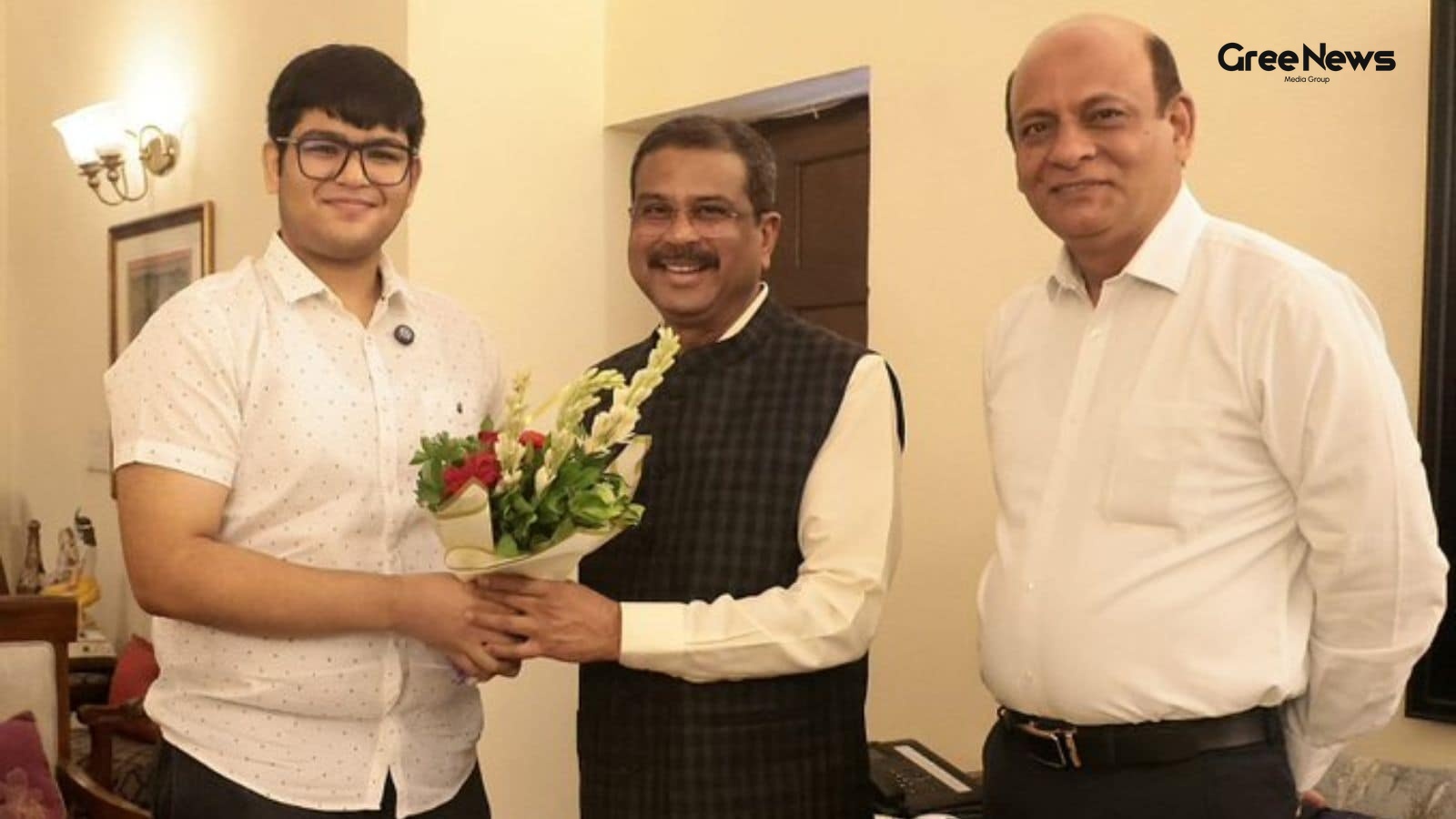
NEET Success Story: Dedication and the Journey to Medical Entrance
Dharmendra Pradhan had a meeting recently with Panshul Bansal, who came in holding the All India Rank 2 spot for the NEET UG 2026 exam. It was about that huge medical entrance test everyone talks about. Pradhan congratulated him. Praised him for the sheer hard work and commitment he showed. Said his
Jul 20, 2026 by Gree News Team
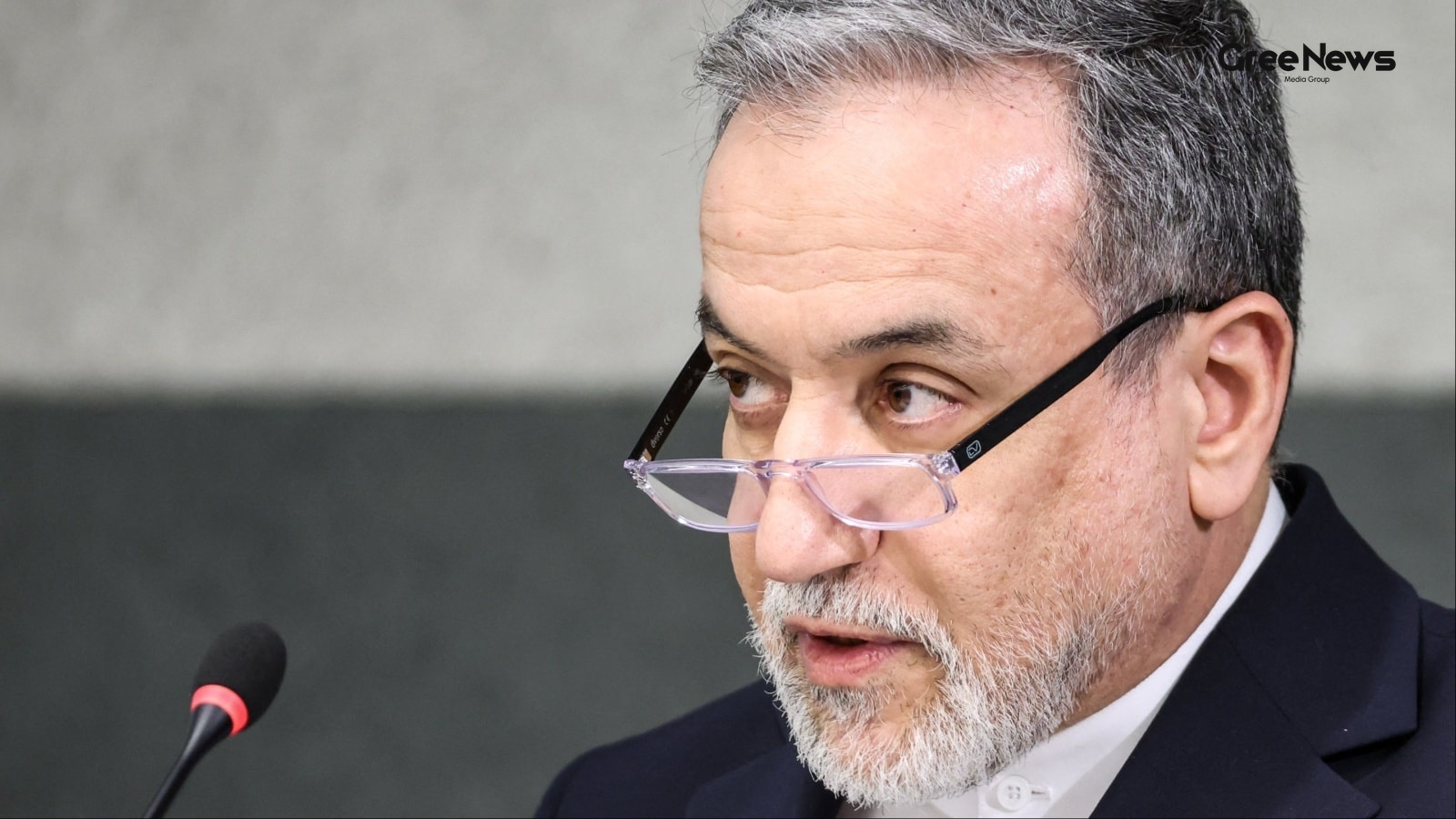
The Psychological Weight of Peace Talks Between Iran and the United States
Abbas Araghchi, the Iranian Foreign Minister, brought up something heavy in an interview with Mehr news agency. He talked about the sheer psychological weight his delegation was under during those peace talks with the United States. It wasn't just diplomacy; it felt like constant danger. He said the
Jul 20, 2026 by Gree News Team
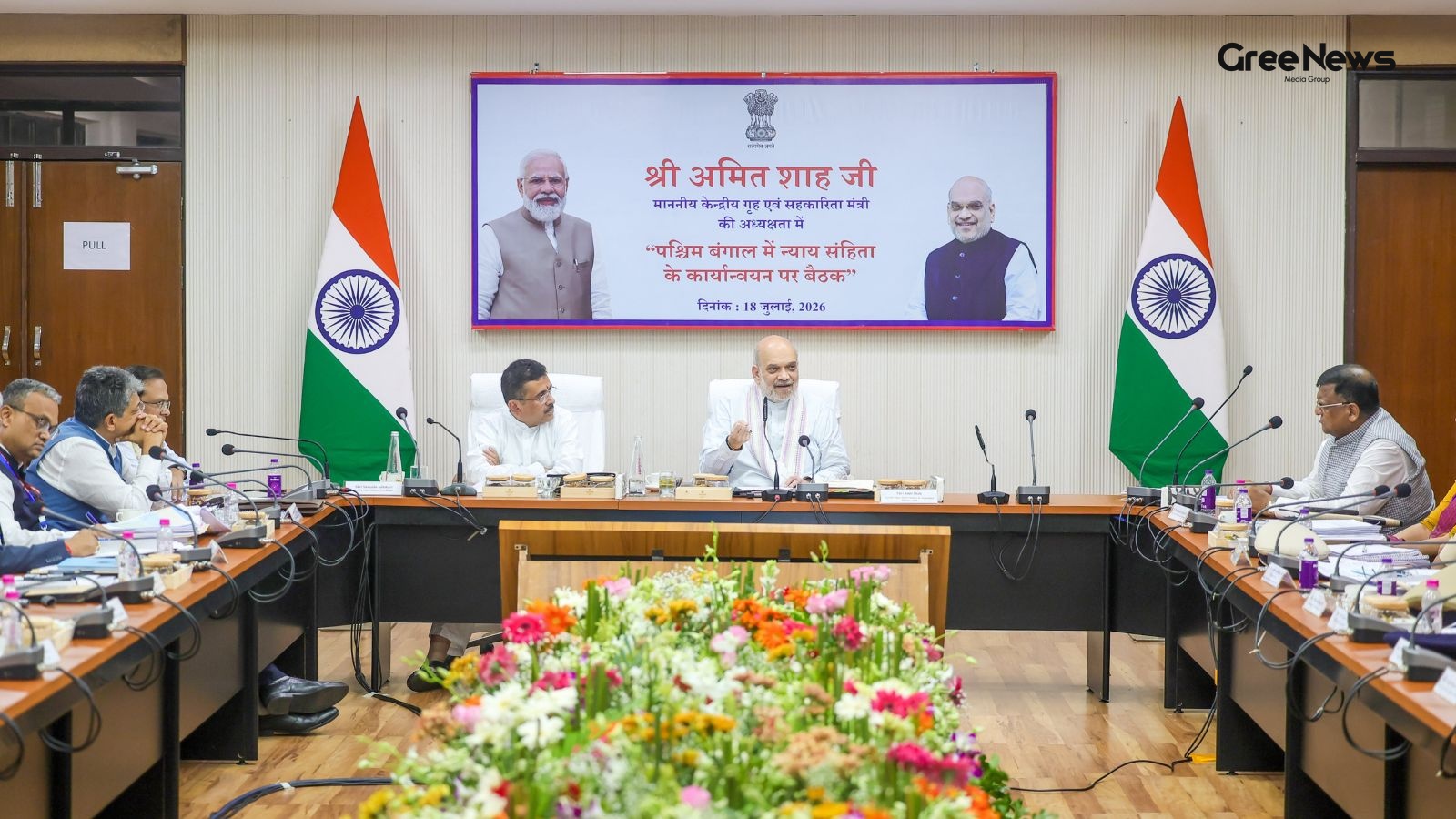
Amit Shah's Review on Security and Law and Order in West Bengal
Amit Shah, Union Home Minister and Minister of Cooperation, chaired a high-level review on Sunday. It was about the law and order situation in West Bengal. The whole thing was an outline for strengthening internal security, policing, and the criminal justice system there. The focus wasn’t just gener
Jul 20, 2026 by Gree News Team
Punjab Police's Anti-Drug Effort: Yudh Nashian Virudh Results and Strategy
The Punjab Police rolled out this big anti-drug effort Yudh Nashian Virudh. It’s been running for 500 days now. And it seems to have made some serious dents in the drug trade, plus got communities involved somehow. It really hinges on three things: heavy enforcement, getting people into the communit
Jul 20, 2026 by Gree News Team
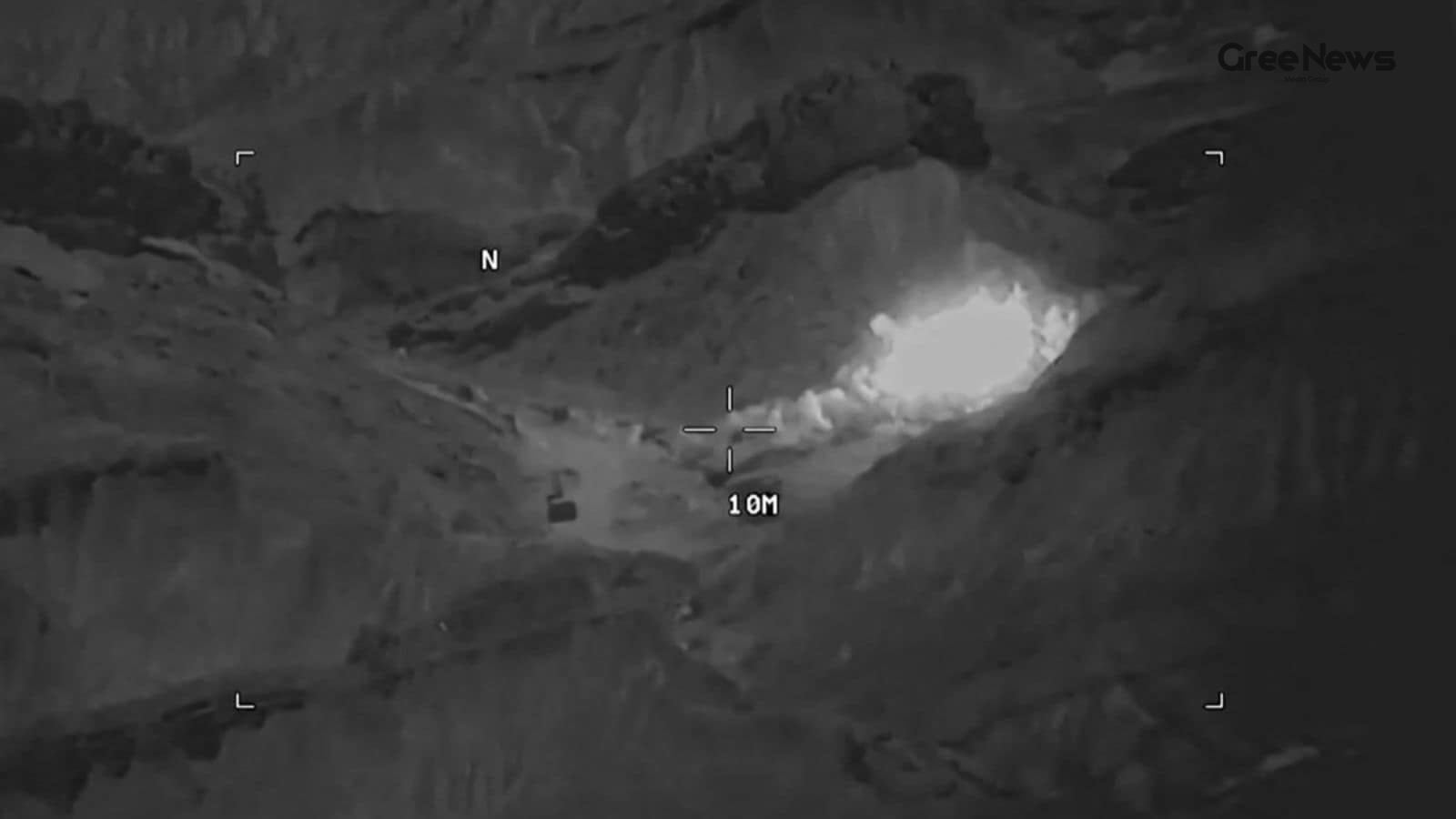
US Iran War News Live
US Iran War News Live. Central Command, CENTCOM, just announced they launched another round of air strikes on Iran Sunday night. This is the ninth time in a row. The whole operation aims to chip away at Tehran’s military strength. Specifically targeting commercial ships in the Strait of Hormuz. And
Jul 20, 2026 by Gree News Team
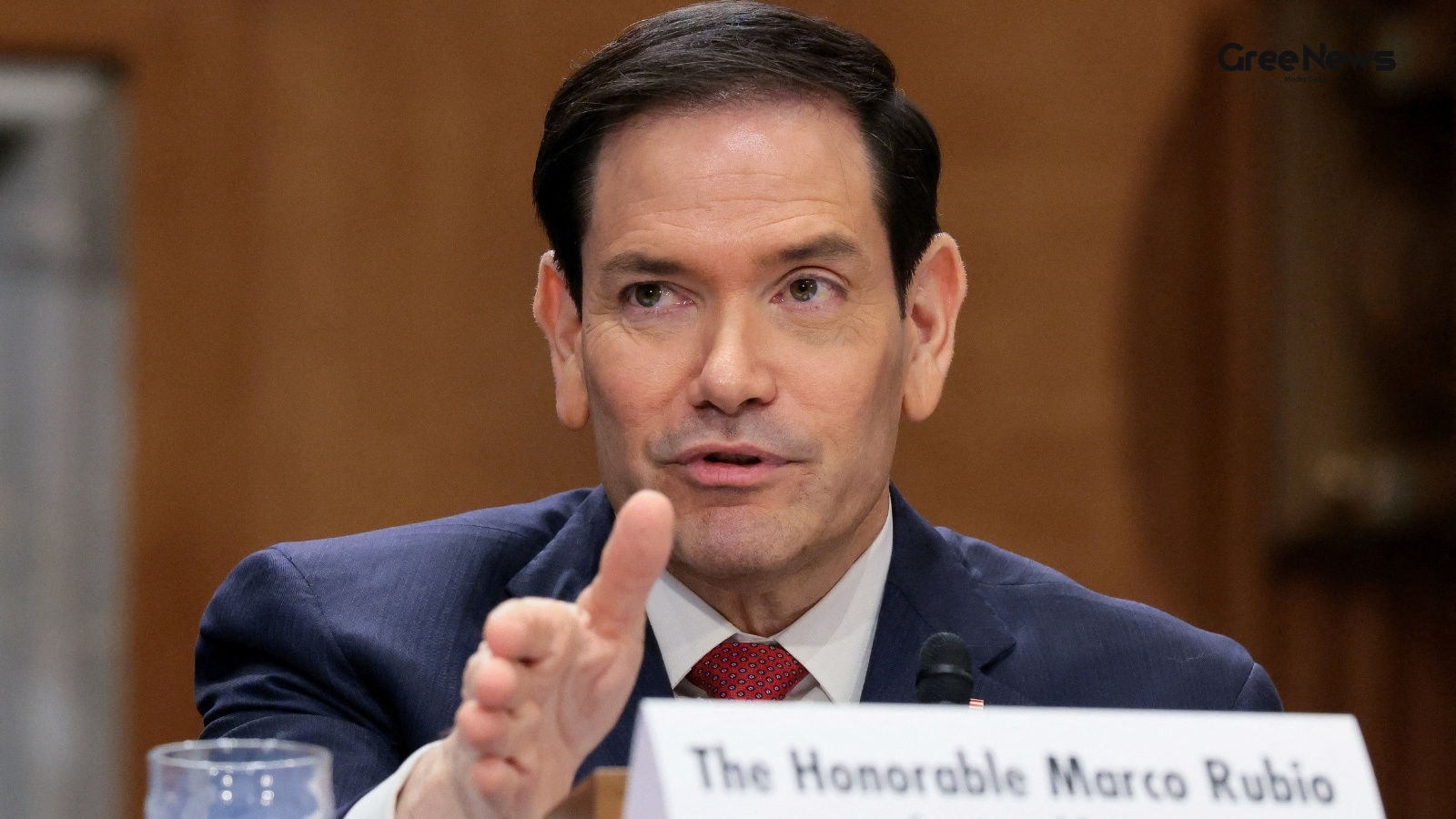
Marco Rubio on US-Iran Relations and Military Escalation
Marco Rubio, the Secretary of State, is saying Washington is getting signals. Indications that Iran wants to talk, even while there are huge divisions happening inside their own leadership structure right now. He spoke to CNN about it. Said they are hearing signs multiple channels telling them Iran
Jul 20, 2026 by Gree News Team

Stock Market Update: July 20th Performance and Global Factors
Stock Market Today, July 20th. It kicked off the week weak domestically. Cautious global vibes were dragging things down. You saw that as the Gulf conflict escalated, crude oil prices jumped past ninety dollars a barrel. Inflation worries flared up right along with it. Selling hit heavyweight privat
Jul 20, 2026 by Gree News Team
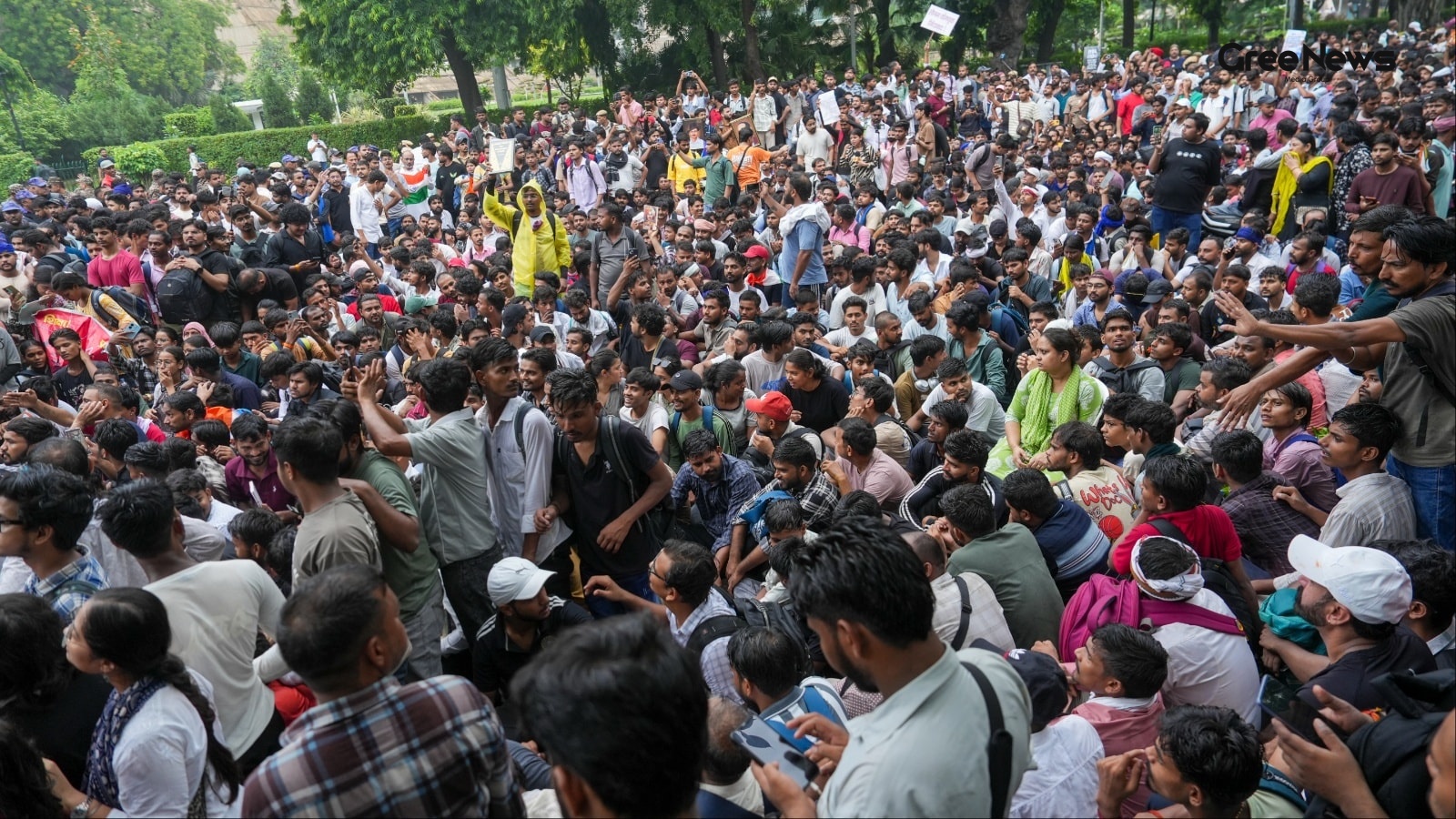
Delhi Security and Protest: High Alert Ahead of Monsoon Session
Delhi is buzzing with tension right now. The national capital has been placed on high alert because of the upcoming Monsoon Session in Parliament. Delhi Police have rolled out massive security operations, trying to manage things as the Cockroach Janata Party CJP prepares for its planned ‘Chalo Sansa
Jul 20, 2026 by Gree News Team
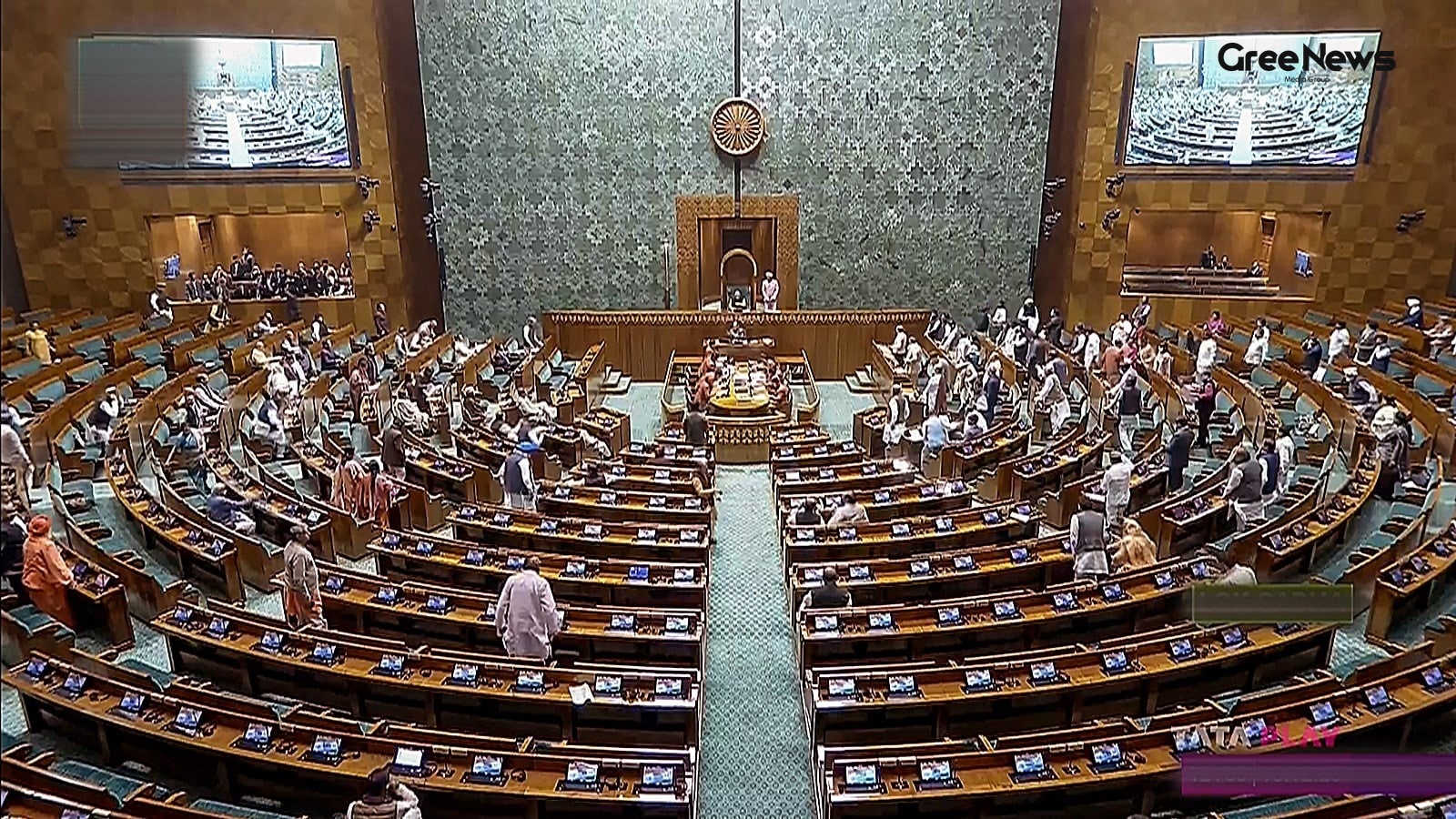
Monsoon Session of Parliament 2026: Political Showdown and Legislative Agenda
The Monsoon Session of Parliament 2026 kicked off today. And honestly, the mood is already thick with expectation. It feels like a political showdown waiting to happen. The ruling NDA government is gearing up to throw some heavy reform Bills on the table. Meanwhile, the Opposition isn't sitting stil
Jul 20, 2026 by Gree News Team
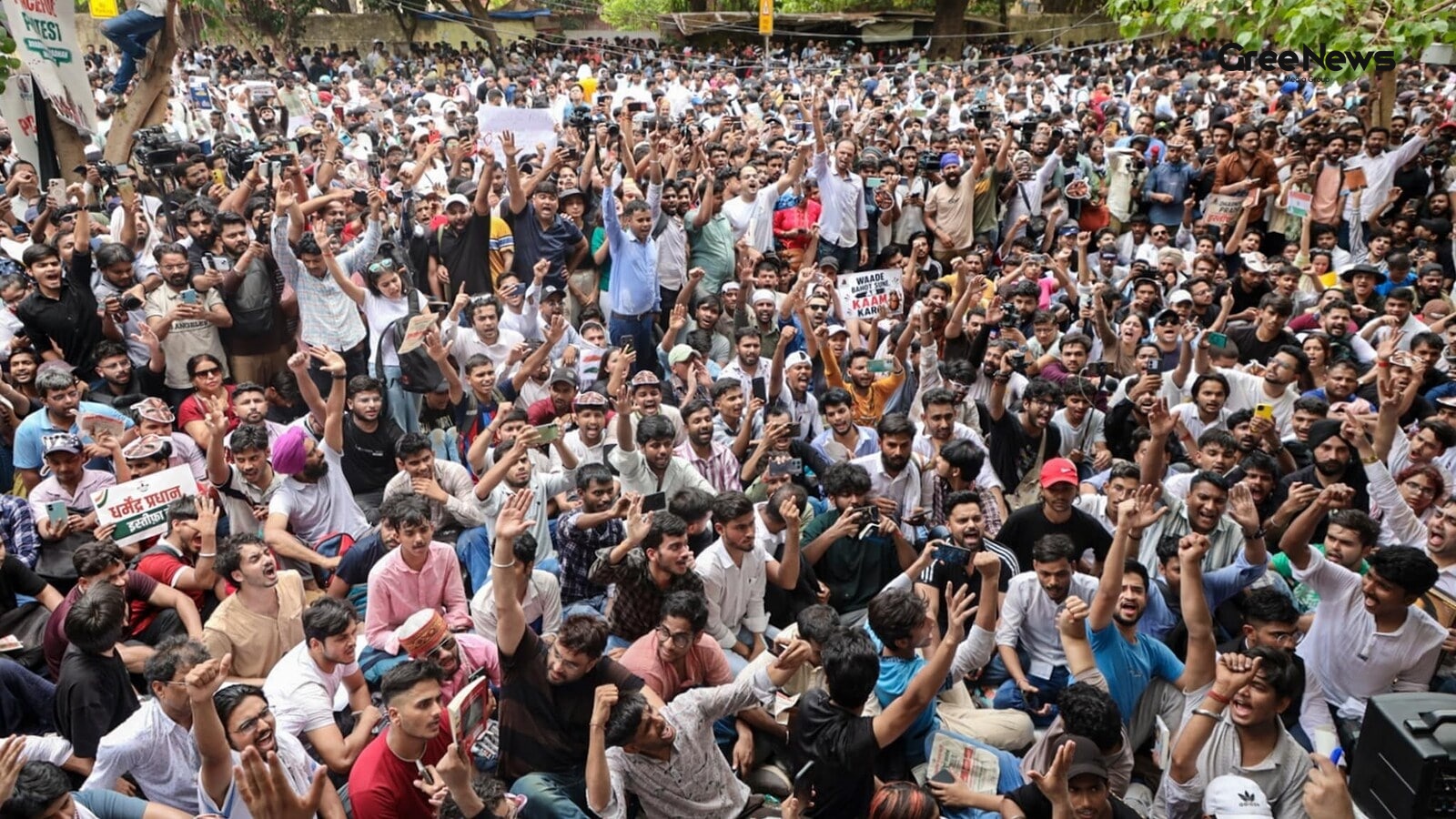
Sonam Wangchuk's Protest and the Demand for Accountability
Sonam Wangchuk’s protest, kicked off by the Cockroach Janta Party, is moving toward Parliament now. It’s their ‘Chalo Sansad’ march. They are demanding the resignation of Union Education Minister Dharmendra Pradhan. The reason? Alleged NEET paper leaks. Student suicides. Everything about the whole e
Jul 20, 2026 by Gree News Team