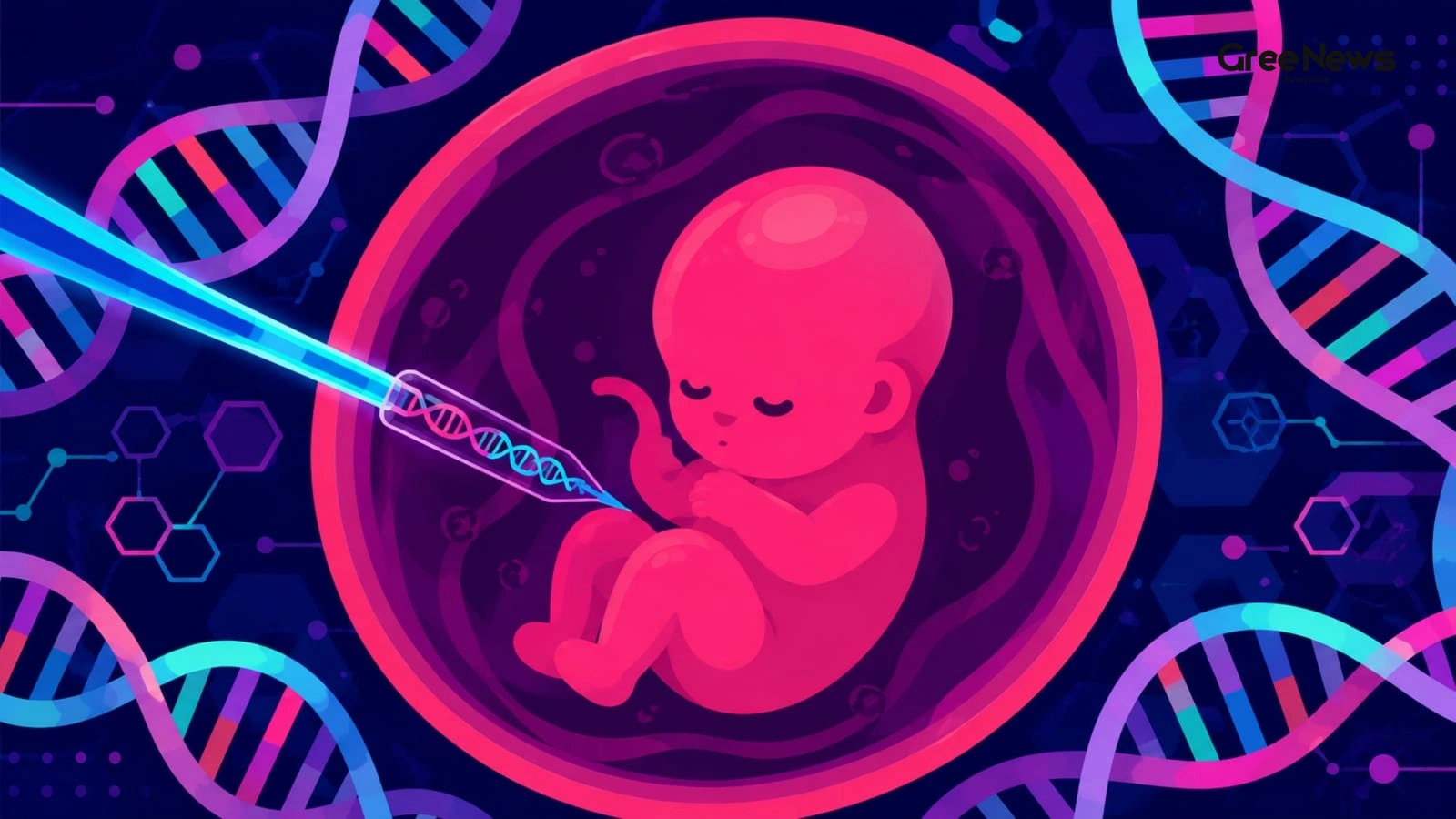
Scientists at Columbia, they managed to do something pretty incredible with this stuff—editing the very blueprint of human life with a level of accuracy that just blows you away. But that miracle, that potential to fix terrible disease-causing mutations before a baby even draws breath, it simultaneously reignites that ancient, gnawing fear. The fear that we’re just playing God, tweaking the source code of humanity for some arbitrary, unknowable reason.
We have the tools now. We have the ability to look inside the very beginning of life and make precise edits. But that ability immediately flips the script. It shifts the conversation from healing to engineering .
He actually told the New York Times that the findings needed to kick off a massive public conversation. He said, and I quote, “As a scientist, you can provide the data for discussion, but then essentially there you stop and let others take over.” That line hangs there. It’s a warning, isn't it?
It wasn't the blunt instrument everyone used to imagine. We’re talking about base editing .
The older method, CRISPR, that was like using molecular scissors. It went in and just snipped out a whole section of the DNA. A clean cut.
Base editing, though? That’s much sneakier. It doesn't cut. It doesn’t snip. It’s subtle. It’s incredibly nuanced. It sidesteps some of the most horrific damage that those older techniques caused when you were messing with embryonic material.
This distinction, this difference in methodology, is crucial. It changes the whole risk assessment.
The Columbia team, they were looking at specific targets. They weren't just randomly poking around. They focused on genes that are known carriers of serious problems. They targeted PCSK9 . That gene, it’s tied up with how much bad cholesterol, high LDL levels, and heart disease risk you carry. Then there was HBG , which controls how much haemoglobin the foetus produces. These are real, tangible medical issues.
And they succeeded. They managed to change both those genes. In some of the experiments, they managed to make the change in the same embryo. It’s a powerful technical feat, no doubt about that.
But even with this refined method, perfection is a word we shouldn’t be using here. The method wasn't flawless. It didn't magically erase all uncertainty.
The base-editing molecules, they sometimes missed their mark. They failed to find the exact spot they were supposed to fix.
And this led to something called mosaicism .
Imagine the embryo. It should be a perfect copy, a single, unified genetic blueprint across every cell. But in some of these experiments, the editing wasn't uniform. Some cells got the change. Others didn’t. You ended up with a genetic mix. A mosaic. The embryo wasn't one clean entity carrying the desired correction; it was a patchwork.
Egli himself was very clear about this risk. He warned that we can’t just assume the technology is ready for the clinic. He said, and I remember the weight in his voice, “We’re not saying this is going to be used tomorrow in the clinics.”
A genetic alteration made there has a ripple effect that stretches across generations. Maybe after birth.
This concern, this deep-seated unease, is what fuels the entire designer baby debate. It’s not just about curing sickle cell anemia or fixing a faulty gene.
That’s the therapeutic promise. But that same power can be twisted. It can be used to select what we want . To enhance. To choose traits.
And this is where the conversation shifts from medicine to philosophy.
The company Nucleus Genomics, they’re sitting right in the middle of this mess. They screen IVF embryos for thousands of genetic disorders. They predict risks for things like heart disease or diabetes. They look at genes linked to physical traits—height, intelligence.
Remember those subway ads? Telling commuters to “have your best baby”? It sounds so simple, so aspirational. But the geneticists looked at those predictions—especially about traits like IQ—and they found the accuracy was incredibly low. It’s not a simple equation. It’s messy.
Critics started pointing out that this felt less like responsible screening and more like a biotech version of eugenics . The idea that we can use this power to curate the gene pool, to push for certain traits, that’s a heavy charge. And the company, of course, pushed back, saying they weren't trying to promote some kind of genetic aristocracy. But the accusation sticks. It forces you to ask: who gets to decide what ‘best’ means?
Then you have the practical application, especially for people going through IVF. Nathan Treff, who works at Nucleus Genomics and was involved in some of this research, argued that this work matters for people using IVF.
Fyodor Urnov, a geneticist from Berkeley, he stepped in and asked a really fundamental question. He suggested that regular IVF screening, the slow, measured approach we’ve been doing for decades, makes more sense than rushing into a brand new technique with so many gaping holes in the knowledge.
It’s about the weight of history. It’s about the sheer volume of human experience we have accumulated, the slow, deliberate steps we’ve taken in medicine. It’s about the fear of playing a game where the rules are still being written in real time.
Urnov also touched on the enhancement aspect. He warned that this technology could appeal to people who don't just want to treat inherited diseases. They want to enhance. They want to push beyond the limits of what is considered 'normal.' He worried that it could hand “baby improvers” a sort of how-to manual for venturing into ethical territory that feels far too dangerous, far beyond the ethical pale.
It brings us back to that initial point about the embryo. That genetic change made at that early stage isn't just a biological event. It’s a moral event.
The immediate answer, the one the science seems to lean toward, is no. The research, right now, shows us that we can edit embryo DNA with more precision than ever before. The Columbia experiment, for now, exists in a space that is purely scientific. It’s a demonstration of capability. It shows what is possible . It doesn't automatically mean it is what we should do.
That’s the real frontier. It’s not about the base editing molecules or the success rate. It’s about the philosophy of intervention.
Written by Gree News Team — Senior Editorial Board
Gree News Team covers international news and global affairs at Gree News. Our collective of senior editors is dedicated to providing independent, accurate, and responsible journalism for a global audience.
More from World
View All
JD Vance Announces Fourth Child and Family Milestone
JD Vance just announced he had a fourth child. A son named Alec Neel Vance, with his wife Usha Vance. It came out in a statement shared online. He said everything was fine. The mother and the baby are happy and healthy. "Usha and the baby are happy and healthy," Vance wrote. "Our kids are overjoyed
Jul 20, 2026 by Gree News Team
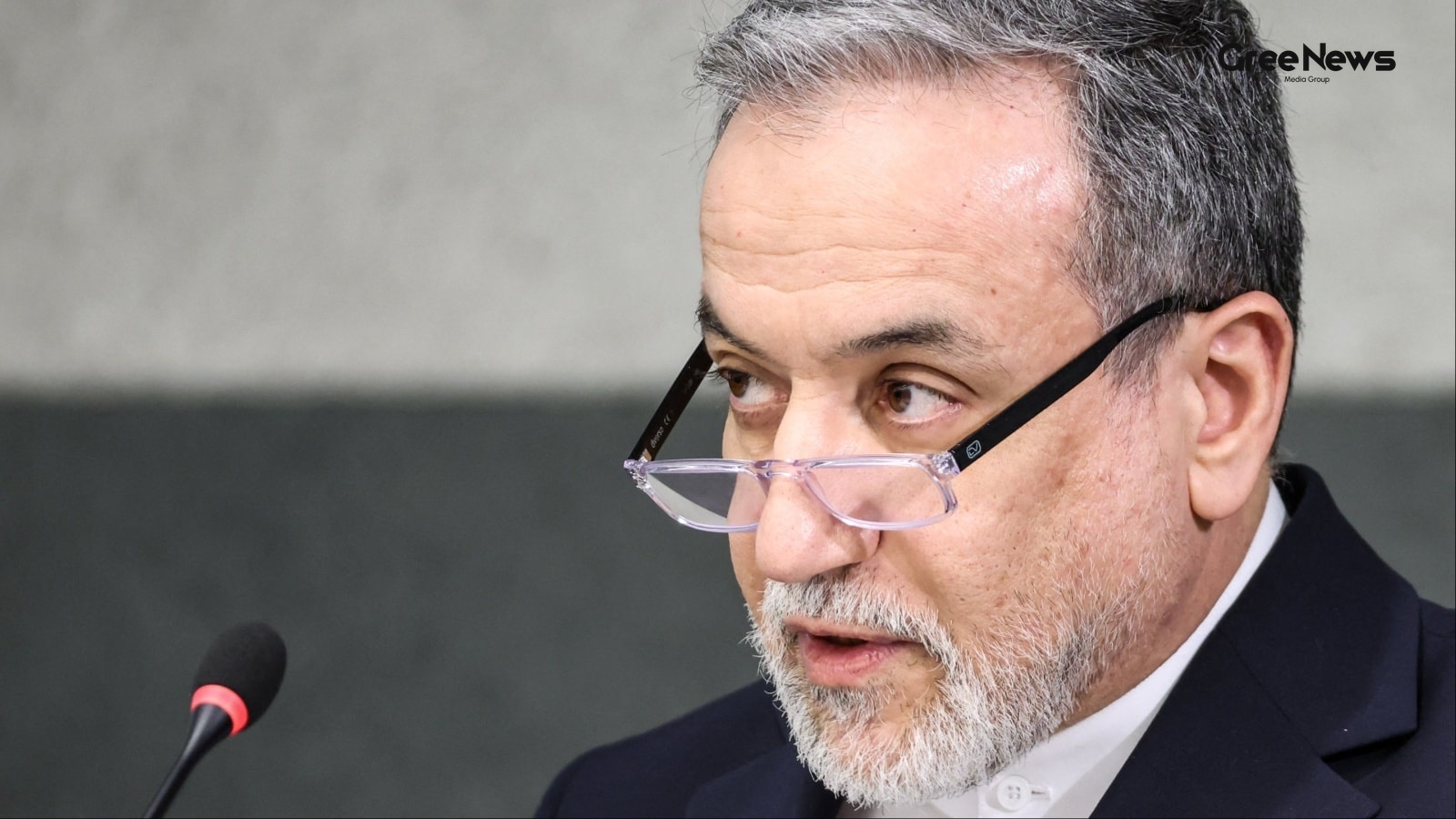
The Psychological Weight of Peace Talks Between Iran and the United States
Abbas Araghchi, the Iranian Foreign Minister, brought up something heavy in an interview with Mehr news agency. He talked about the sheer psychological weight his delegation was under during those peace talks with the United States. It wasn't just diplomacy; it felt like constant danger. He said the
Jul 20, 2026 by Gree News Team

US Iran War News Live
US Iran War News Live. Central Command, CENTCOM, just announced they launched another round of air strikes on Iran Sunday night. This is the ninth time in a row. The whole operation aims to chip away at Tehran’s military strength. Specifically targeting commercial ships in the Strait of Hormuz. And
Jul 20, 2026 by Gree News Team
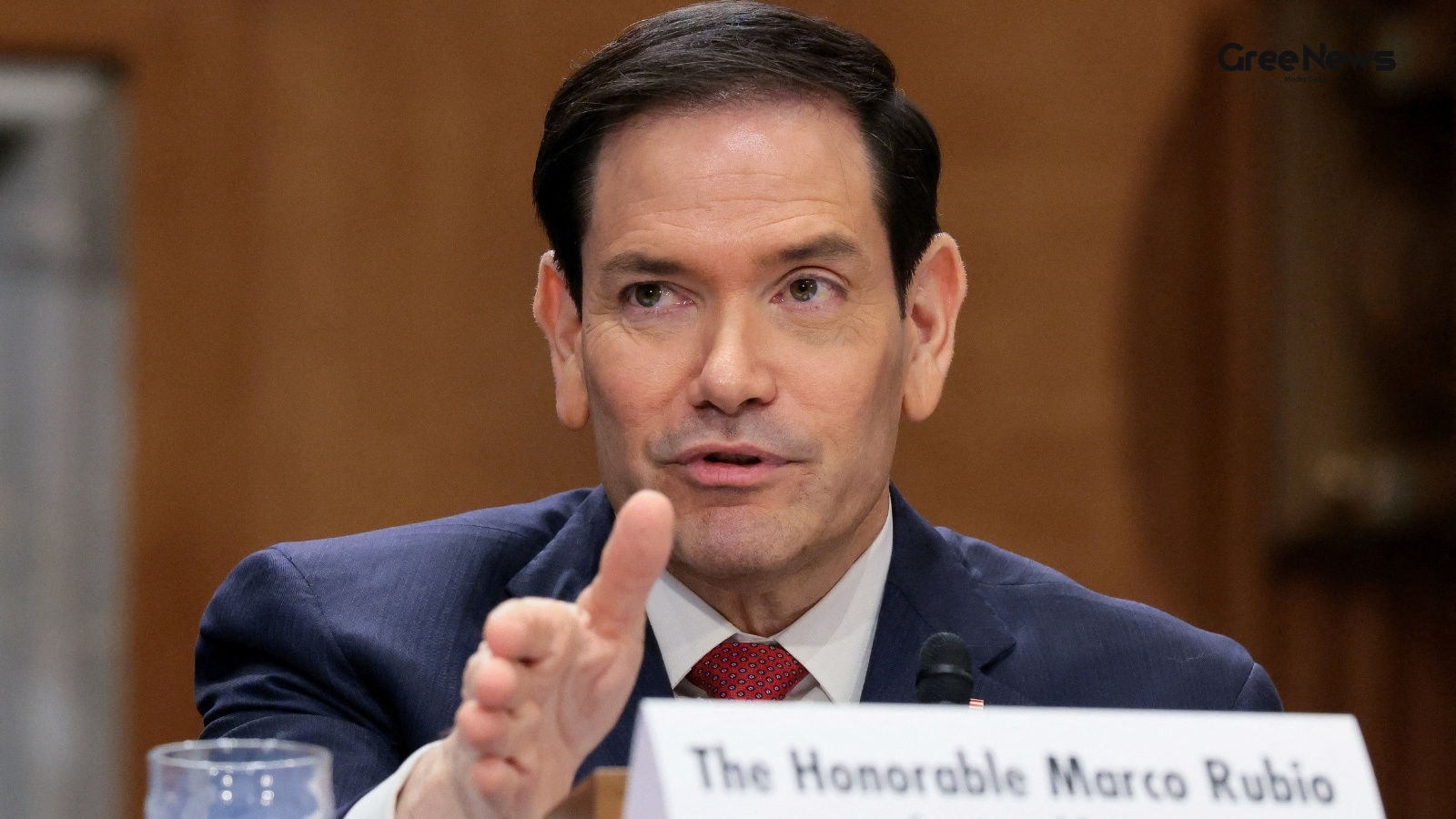
Marco Rubio on US-Iran Relations and Military Escalation
Marco Rubio, the Secretary of State, is saying Washington is getting signals. Indications that Iran wants to talk, even while there are huge divisions happening inside their own leadership structure right now. He spoke to CNN about it. Said they are hearing signs multiple channels telling them Iran
Jul 20, 2026 by Gree News Team
Latest Headlines

Monsoon Warnings and Disaster Risks Across India
The monsoon spell is kicking in hard across India. The India Meteorological Department just issued warnings about active, heavy rainfall sweeping through large parts of the country now, forecasting serious deluge over several northern, eastern, northeastern and western states over the next few days.
Jul 20, 2026 by Gree News Team
JD Vance Announces Fourth Child and Family Milestone
JD Vance just announced he had a fourth child. A son named Alec Neel Vance, with his wife Usha Vance. It came out in a statement shared online. He said everything was fine. The mother and the baby are happy and healthy. "Usha and the baby are happy and healthy," Vance wrote. "Our kids are overjoyed
Jul 20, 2026 by Gree News Team
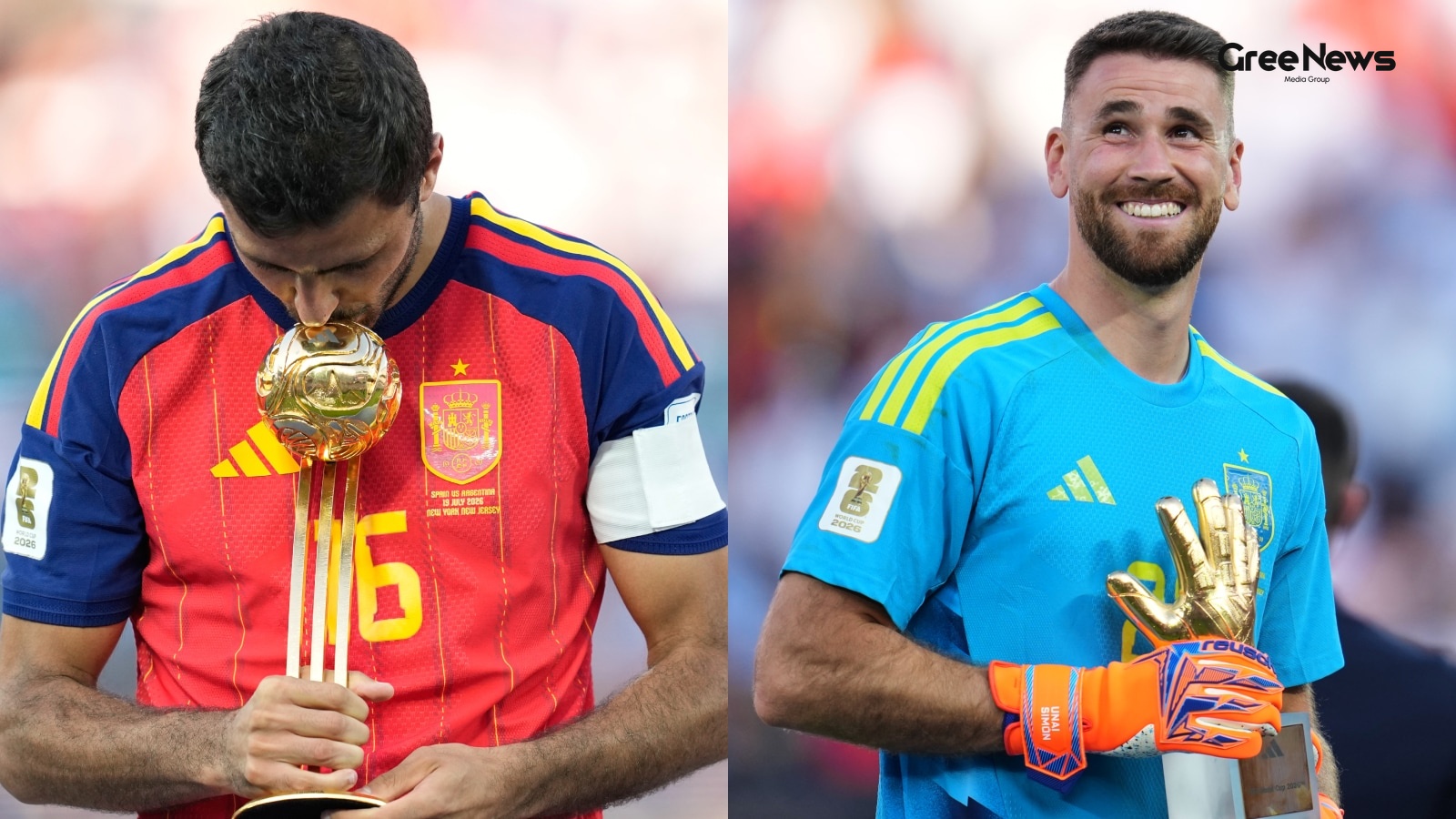
World Cup Final History and Awards
Ferran Torres really made history, didn’t he? That moment in the 106th minute of the World Cup final, when he found the back of the net. It broke Argentine hearts completely as Spain finally claimed the title for the second time. His single strike that one goal it just sent everyone into delirium du
Jul 20, 2026 by Gree News Team

Choosing the Best 2-Ton Inverter Split AC
So you need a 2-ton inverter split AC if your space is big. Think living rooms, conference areas, or those larger halls around 200 to 260 square feet. That’s where these things actually make sense. Things are changing right now with these new models. We’re talking about ACs that have inverter compre
Jul 20, 2026 by Gree News Team

School Dispute Turns into Violent Assault in Ankleshwar
A fight between two school kids in Ankleshwar apparently turned into a full-blown assault. It all started way back with the family of one student stopping two sisters on their way to tuition classes, and then things got seriously violent. They attacked them with a cricket bat and slippers. This whol
Jul 20, 2026 by Gree News Team
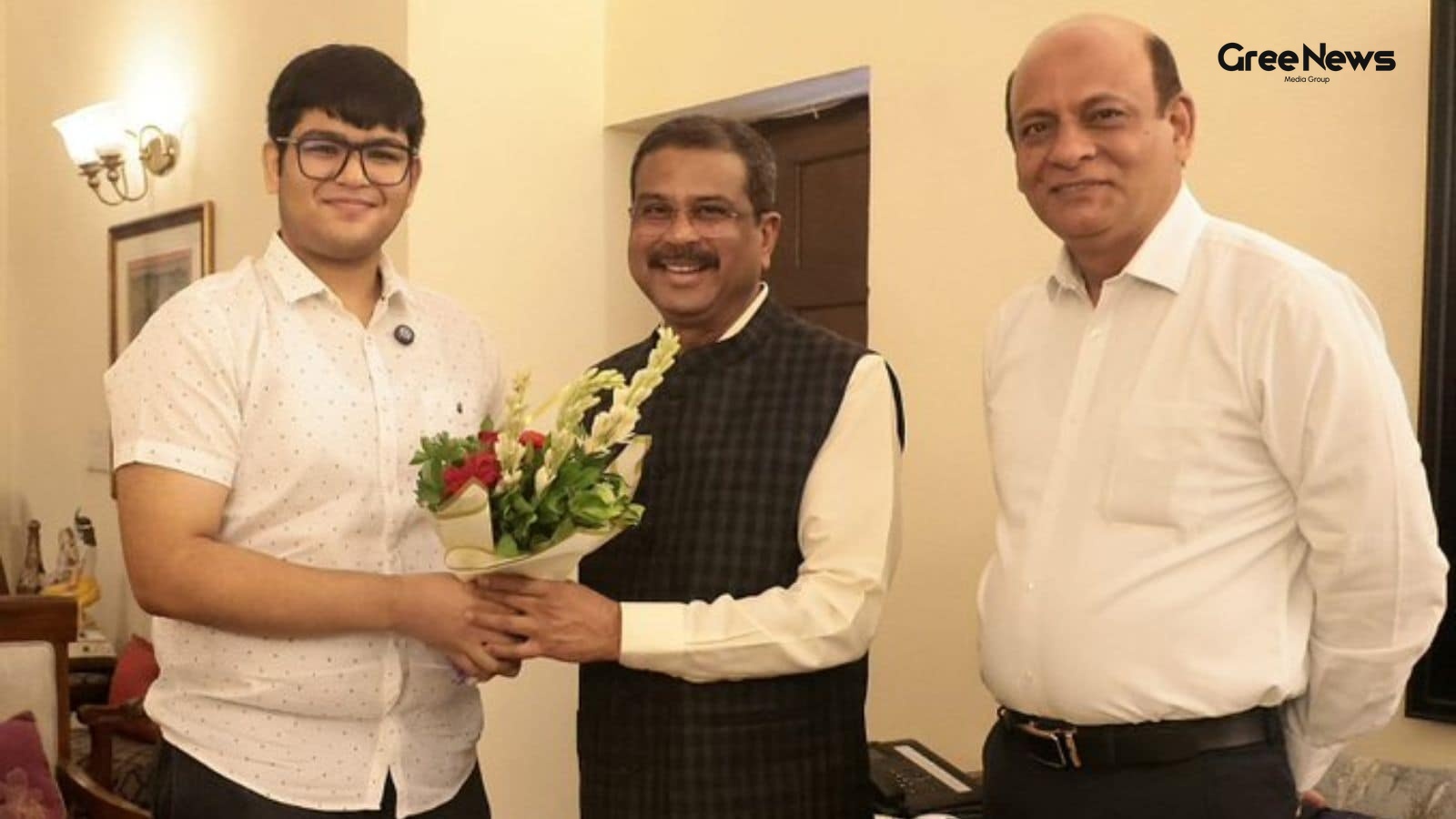
NEET Success Story: Dedication and the Journey to Medical Entrance
Dharmendra Pradhan had a meeting recently with Panshul Bansal, who came in holding the All India Rank 2 spot for the NEET UG 2026 exam. It was about that huge medical entrance test everyone talks about. Pradhan congratulated him. Praised him for the sheer hard work and commitment he showed. Said his
Jul 20, 2026 by Gree News Team
The Psychological Weight of Peace Talks Between Iran and the United States
Abbas Araghchi, the Iranian Foreign Minister, brought up something heavy in an interview with Mehr news agency. He talked about the sheer psychological weight his delegation was under during those peace talks with the United States. It wasn't just diplomacy; it felt like constant danger. He said the
Jul 20, 2026 by Gree News Team
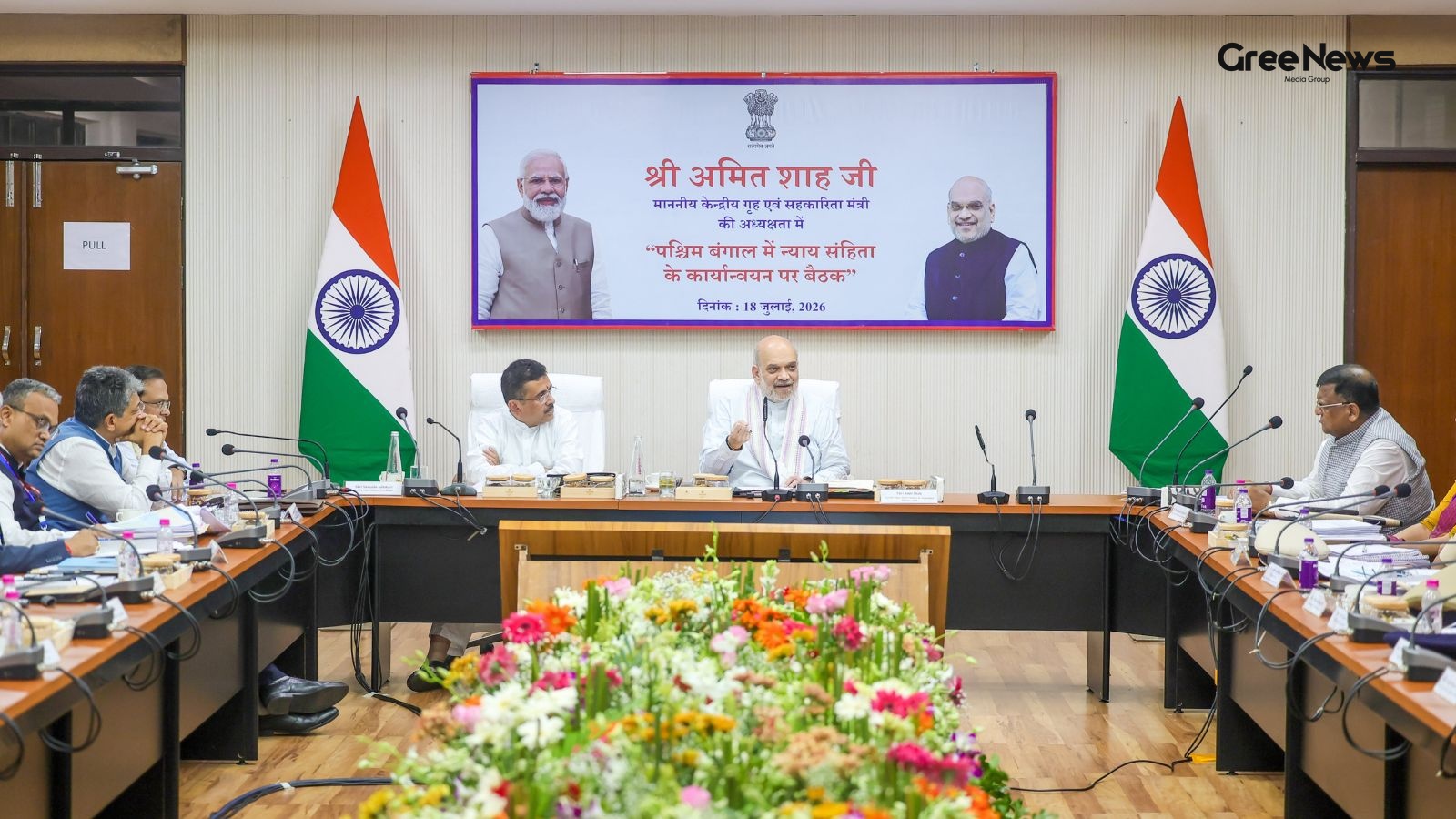
Amit Shah's Review on Security and Law and Order in West Bengal
Amit Shah, Union Home Minister and Minister of Cooperation, chaired a high-level review on Sunday. It was about the law and order situation in West Bengal. The whole thing was an outline for strengthening internal security, policing, and the criminal justice system there. The focus wasn’t just gener
Jul 20, 2026 by Gree News Team

Punjab Police's Anti-Drug Effort: Yudh Nashian Virudh Results and Strategy
The Punjab Police rolled out this big anti-drug effort Yudh Nashian Virudh. It’s been running for 500 days now. And it seems to have made some serious dents in the drug trade, plus got communities involved somehow. It really hinges on three things: heavy enforcement, getting people into the communit
Jul 20, 2026 by Gree News Team
US Iran War News Live
US Iran War News Live. Central Command, CENTCOM, just announced they launched another round of air strikes on Iran Sunday night. This is the ninth time in a row. The whole operation aims to chip away at Tehran’s military strength. Specifically targeting commercial ships in the Strait of Hormuz. And
Jul 20, 2026 by Gree News Team
Marco Rubio on US-Iran Relations and Military Escalation
Marco Rubio, the Secretary of State, is saying Washington is getting signals. Indications that Iran wants to talk, even while there are huge divisions happening inside their own leadership structure right now. He spoke to CNN about it. Said they are hearing signs multiple channels telling them Iran
Jul 20, 2026 by Gree News Team

Stock Market Update: July 20th Performance and Global Factors
Stock Market Today, July 20th. It kicked off the week weak domestically. Cautious global vibes were dragging things down. You saw that as the Gulf conflict escalated, crude oil prices jumped past ninety dollars a barrel. Inflation worries flared up right along with it. Selling hit heavyweight privat
Jul 20, 2026 by Gree News Team
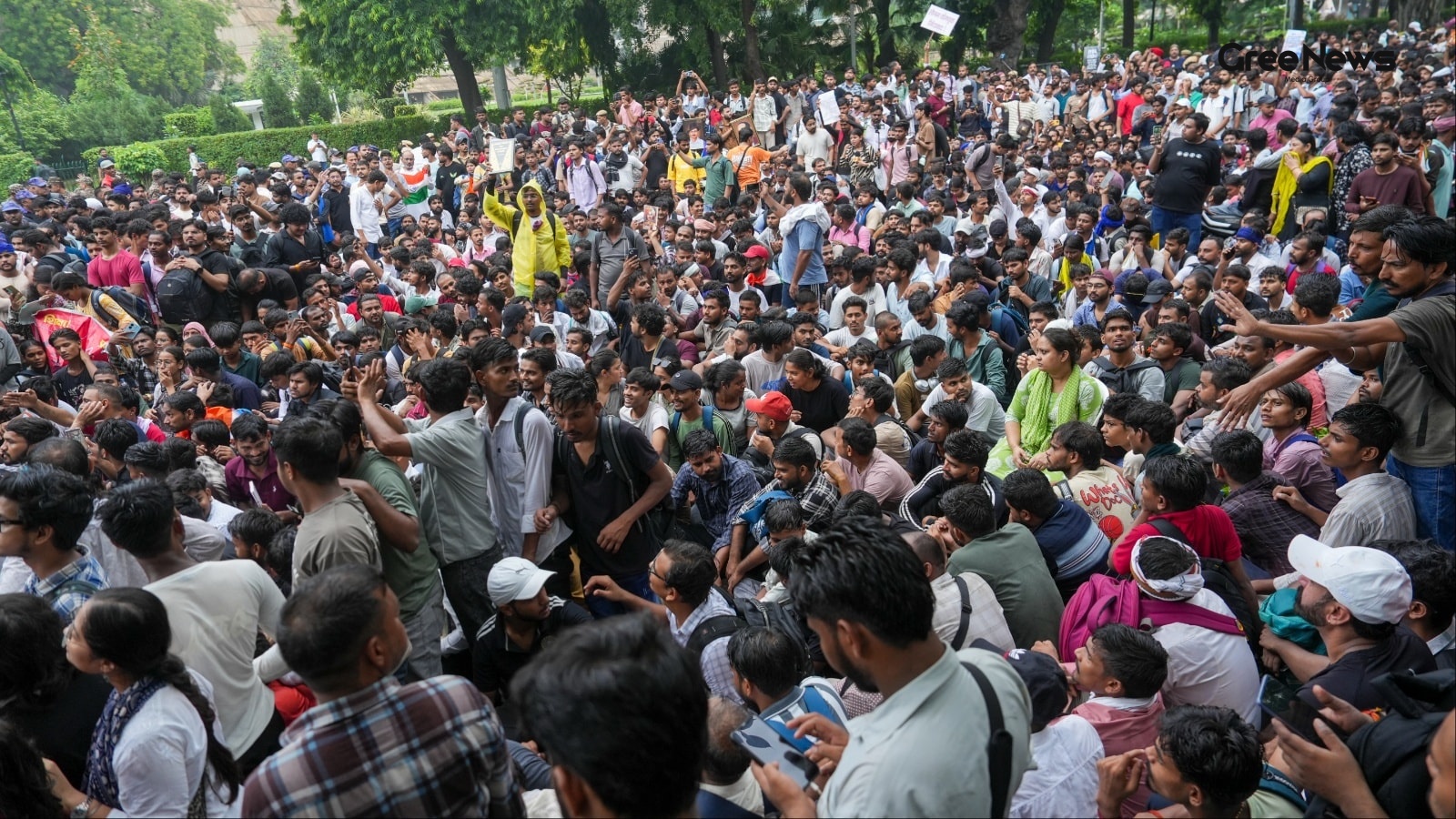
Delhi Security and Protest: High Alert Ahead of Monsoon Session
Delhi is buzzing with tension right now. The national capital has been placed on high alert because of the upcoming Monsoon Session in Parliament. Delhi Police have rolled out massive security operations, trying to manage things as the Cockroach Janata Party CJP prepares for its planned ‘Chalo Sansa
Jul 20, 2026 by Gree News Team
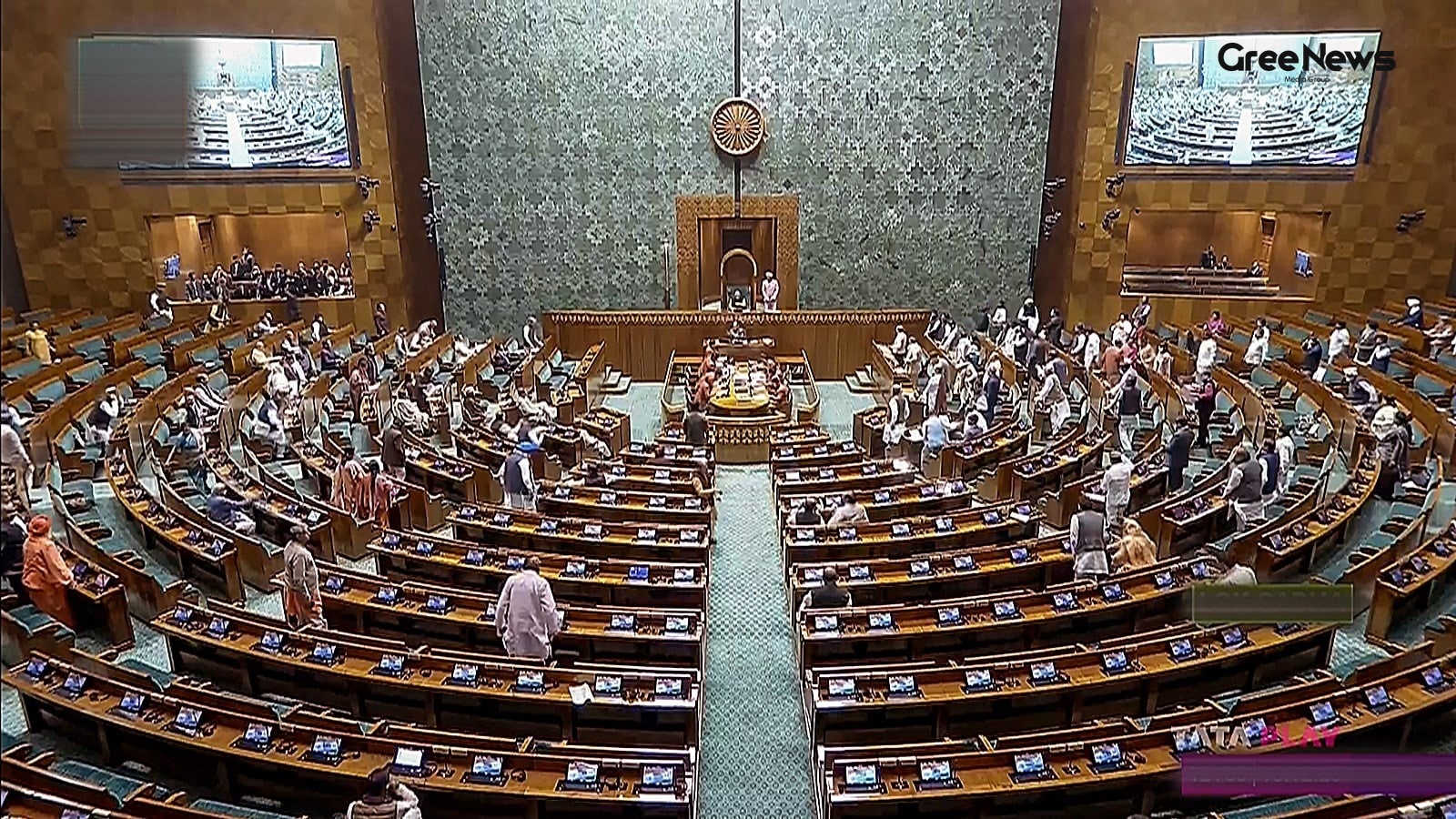
Monsoon Session of Parliament 2026: Political Showdown and Legislative Agenda
The Monsoon Session of Parliament 2026 kicked off today. And honestly, the mood is already thick with expectation. It feels like a political showdown waiting to happen. The ruling NDA government is gearing up to throw some heavy reform Bills on the table. Meanwhile, the Opposition isn't sitting stil
Jul 20, 2026 by Gree News Team

Sonam Wangchuk's Protest and the Demand for Accountability
Sonam Wangchuk’s protest, kicked off by the Cockroach Janta Party, is moving toward Parliament now. It’s their ‘Chalo Sansad’ march. They are demanding the resignation of Union Education Minister Dharmendra Pradhan. The reason? Alleged NEET paper leaks. Student suicides. Everything about the whole e
Jul 20, 2026 by Gree News Team