The Fracturing of Political Power in West Bengal
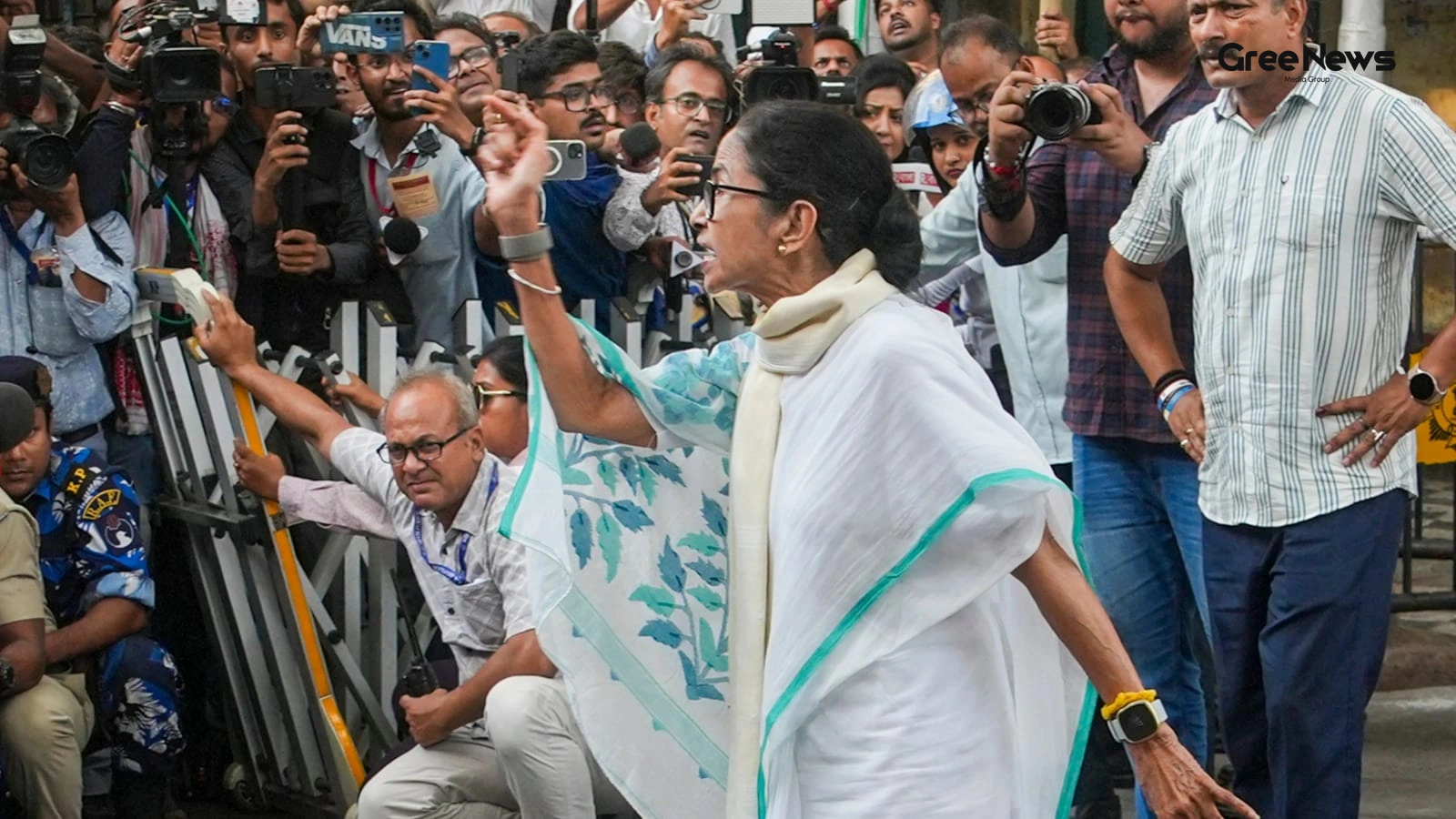
The political air in West Bengal right now… it’s thick. It’s not just about the usual noise. It’s about a party, once so monolithic, now fracturing. It’s telling a story about a founder, Mamata Banerjee , getting increasingly isolated inside the very structure she built. That’s the real spectacle unfolding.
The cracks started showing long before the big drama. You could feel the strain in the Trinamool Congress.
It became really visible when those numbers started moving. Sixty of the eighty MLAs just… skipped the meeting. Mamata Banerjee had called it, held it at her residence on Sunday. Sixty absent. A clear sign of something shifting beneath the surface.
Then came the big move. Wednesday. That’s when things really kicked into high gear. Ritabrata Banerjee, that expelled rebel MLA, suddenly stepped up. He became the Leader of the Opposition . He got signatures. Fifty-eight MLAs backed him. And he claimed two more were coming soon. That was the turning point. A real seismic shift.
The development handed the legislative wing, the real power base of the party, straight to this rebel camp. They started pushing, demanding things from Mamata. They asked her to stay, to be their chief adviser, their guide through the assembly. To do constructive work, inside and outside the walls of the assembly.
But that just deepened the isolation. Mamata’s position got harder. After she lost her own Assembly seat, the leader who used to sit in the House couldn't even enter it anymore. It just made her further removed.
You have to ask yourself: Has she lost control? Has she lost the party she spent so long building?
The trouble didn't start with the Assembly elections, though. That was the starting line. The TMC lost power. After more than ten years in charge. That loss was the foundation for everything that followed.
And then there was the personal blow. The defeat in Bhabanipur. Suvendu Adhikari took that seat. A seat long seen as hers. That loss wasn't just about a single constituency. It weakened her authority inside the party immensely. It gave space for dissent to grow.
The narrative shifted fast. The loss of the seat meant a loss of immediate power. It meant the dissenting voices could finally speak up without immediate consequence.
She tried to push back. She didn't just accept it. She said the mandate had been "looted." She didn't want to resign immediately. That caused a brief constitutional freeze. A pause button pressed on the state politics.
The story morphed into a fight about legitimacy. The former chief minister argued that the BJP had "forcefully captured" the election. That she wouldn't step down. That the loss wasn't a reflection of the public will. It was a conspiracy.
"Why should I step down?" she asked. "We didn't lose. The mandate was looted. Where does the question of resignation come from?" That line hung in the air. It was defiance.
Barely a month after losing the CM post, the party was teetering. On the brink of a split. A dramatic downturn for a party that had managed to hold onto forty-one percent of the vote in the Assembly elections. That kind of instability is dangerous.
Unrest started showing early. May fourth. The scale of the electoral defeat became undeniable. Leaders started questioning the leadership publicly. But it was just murmuring then. Not an organized rebellion yet.
The first real visible crack, though. It happened just two days later. At that meeting at her residence. The former CM asked the MLAs to applaud her nephew, Abhishek Banerjee. A gesture that didn't land well with a chunk of the party. It showed the divide already.
The momentum built up later. Ritabrata Banerjee’s trip to Delhi. Meeting Suvendu Adhikari. Reports say that was a big move. A way to connect the rebel narrative to the opposition side.
After he came back, the meetings intensified. They happened in the hostel. In a private hotel in Kolkata. Efforts to gather those who were unhappy with the leadership. To rally the dissatisfied.
Then the signature controversy exploded. It was about forged signatures. A letter submitted to the Speaker’s office. The party had proposed names for the Opposition leadership. Sobhandeb Chattopadhyay. Nayna Bandyopadhyay. Ashima Patra. Firhad Hakim.
But then Suvendu Adhikari stepped in. He claimed Ritabrata Banerjee and Sandipan Saha complained. Signatures were forged. And he alleged that other MLAs, Arup Roy and Baharul Islam, admitted they hadn't signed.
Monday arrived. The expulsion. The TMC expelled Ritabrata Banerjee and Sandipan Saha. For alleged anti-party activities. They formally told the Speaker. A major blow.
And in the middle of all this noise, Mamata Banerjee made her own claim. She alleged a conspiracy. A plot hatched in Delhi. To engineer a split within her party.
The crisis hit its peak Wednesday. Ritabrata Banerjee staked his claim. He presented letters of support. Fifty-eight MLAs backing him. He claimed two more were imminent. He was staking his claim to the Leader of the Opposition role.
In that letter, the rebel camp claimed they were the "real" Trinamool Congress. They kept Mamata Banerjee recognized as the leader of the faction. Even without the party insignia. It was a clever play.
Ritabrata called Mamata the "chief adviser." A different kind of address entirely.
"We will request her to remain our chief adviser," he said. "To guide this legislative party. We have a two-thirds majority. We appeal to her to recognize us. But Abhishek Banerjee has no relation with this legislative party."
That was the core demand. The separation. The acknowledgment of a different power structure.
The whole situation now smells like a fracture. The party is weakened. The speculation is running wild. Within the next week, whispers are everywhere. A split in the parliamentary wing. That’s what everyone is waiting for. The real fallout is just beginning.
Written by Gree News Team — Senior Editorial Board
Gree News Team covers international news and global affairs at Gree News. Our collective of senior editors is dedicated to providing independent, accurate, and responsible journalism for a global audience.
More from India
View All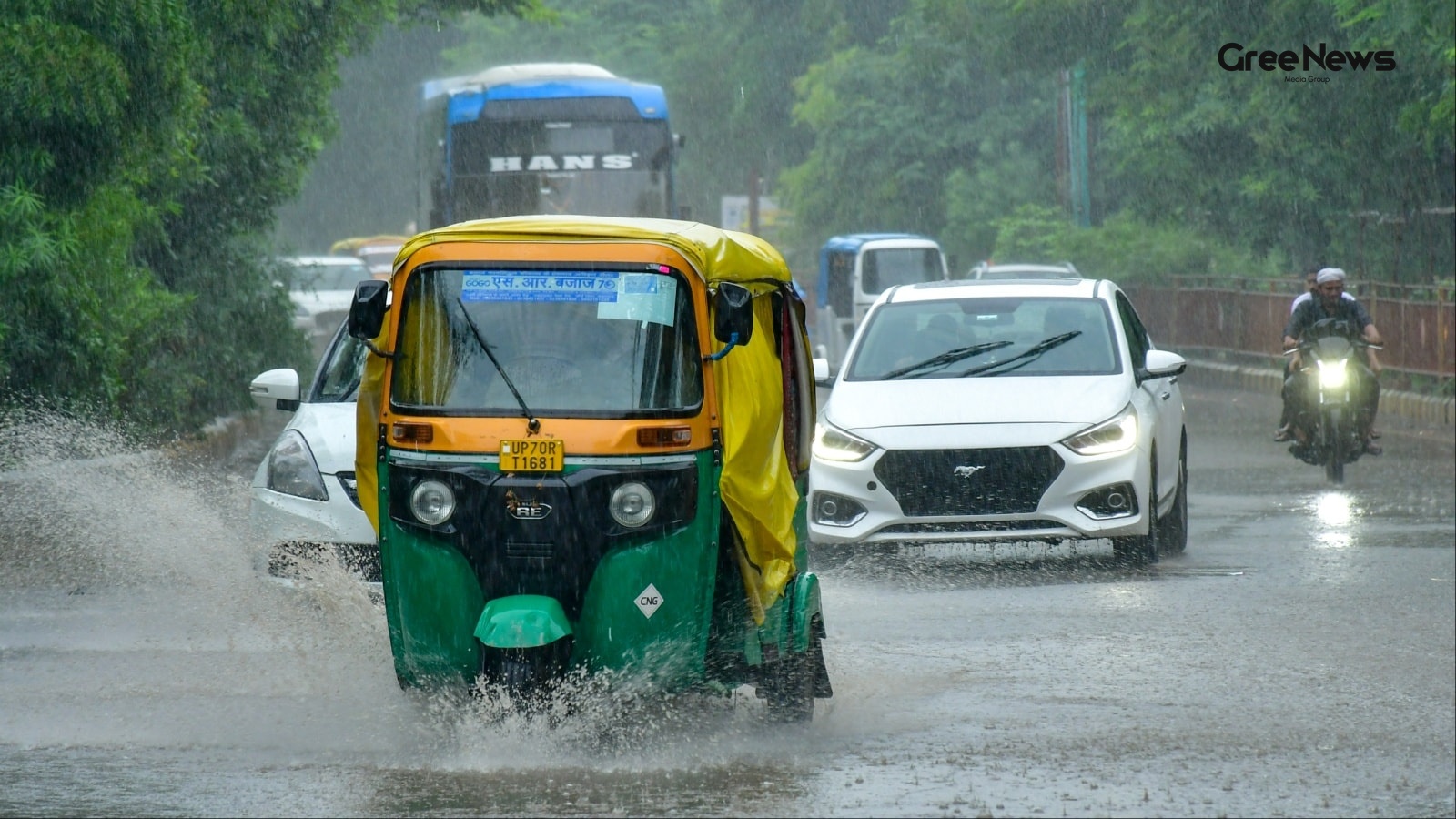
Monsoon Warnings and Disaster Risks Across India
The monsoon spell is kicking in hard across India. The India Meteorological Department just issued warnings about active, heavy rainfall sweeping through large parts of the country now, forecasting serious deluge over several northern, eastern, northeastern and western states over the next few days.
Jul 20, 2026 by Gree News Team

School Dispute Turns into Violent Assault in Ankleshwar
A fight between two school kids in Ankleshwar apparently turned into a full-blown assault. It all started way back with the family of one student stopping two sisters on their way to tuition classes, and then things got seriously violent. They attacked them with a cricket bat and slippers. This whol
Jul 20, 2026 by Gree News Team
Amit Shah's Review on Security and Law and Order in West Bengal
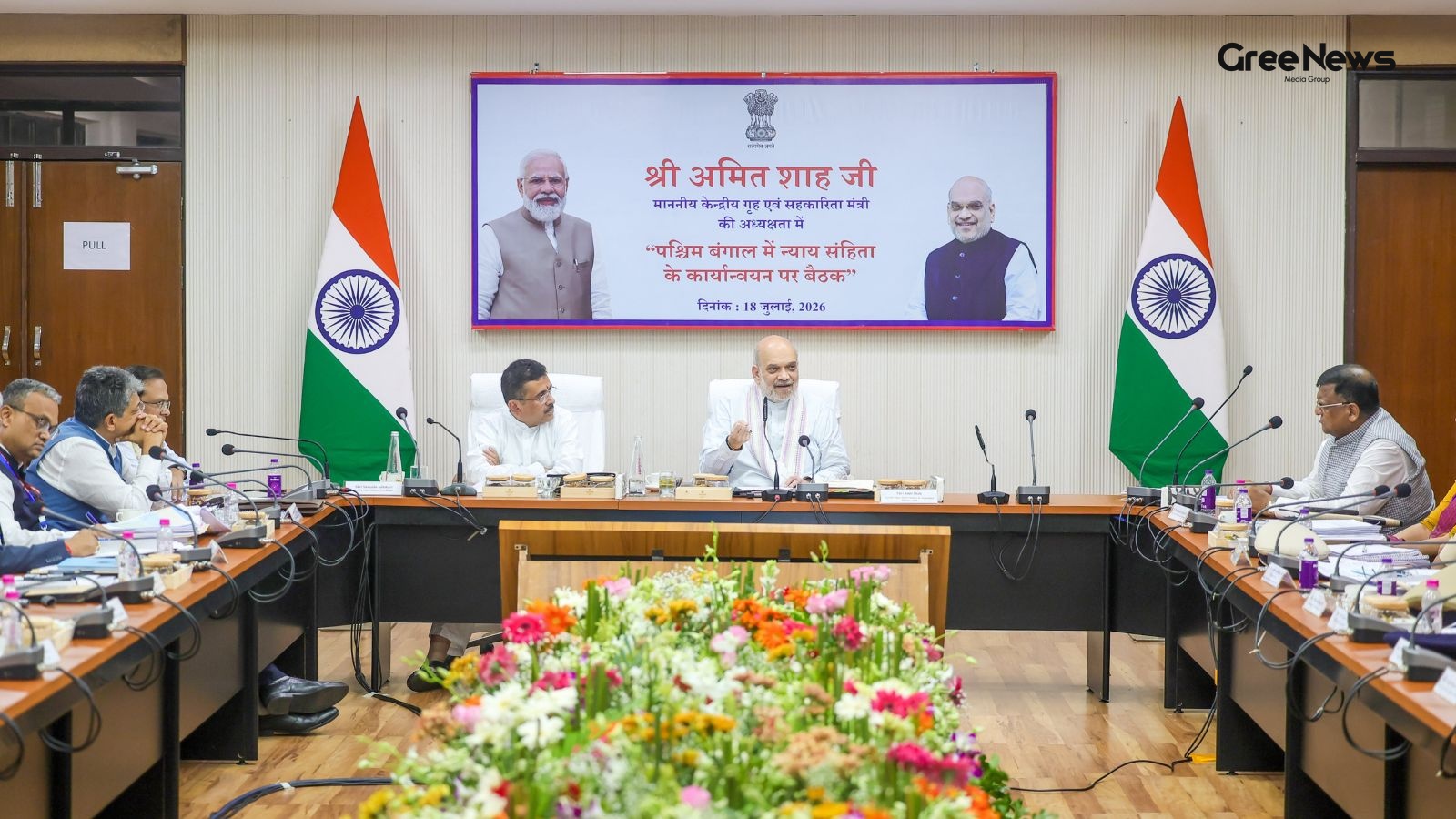
Amit Shah, Union Home Minister and Minister of Cooperation, chaired a high-level review on Sunday. It was about the law and order situation in West Bengal. The whole thing was an outline for strengthening internal security, policing, and the criminal justice system there. The focus wasn’t just gener
Jul 20, 2026 by Gree News Team

Punjab Police's Anti-Drug Effort: Yudh Nashian Virudh Results and Strategy
The Punjab Police rolled out this big anti-drug effort Yudh Nashian Virudh. It’s been running for 500 days now. And it seems to have made some serious dents in the drug trade, plus got communities involved somehow. It really hinges on three things: heavy enforcement, getting people into the communit
Jul 20, 2026 by Gree News Team
Latest Headlines
Monsoon Warnings and Disaster Risks Across India
The monsoon spell is kicking in hard across India. The India Meteorological Department just issued warnings about active, heavy rainfall sweeping through large parts of the country now, forecasting serious deluge over several northern, eastern, northeastern and western states over the next few days.
Jul 20, 2026 by Gree News Team
JD Vance Announces Fourth Child and Family Milestone
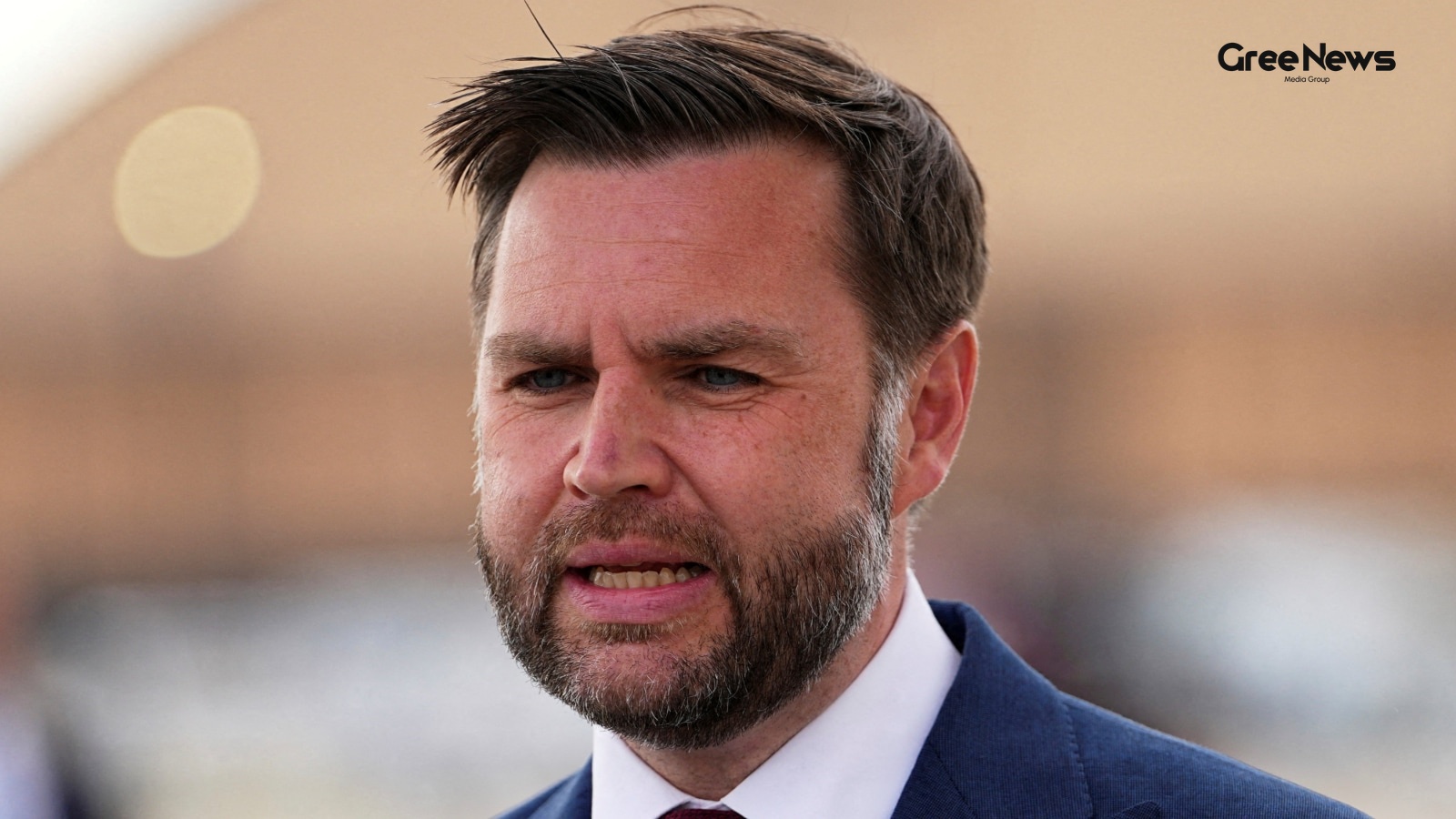
JD Vance just announced he had a fourth child. A son named Alec Neel Vance, with his wife Usha Vance. It came out in a statement shared online. He said everything was fine. The mother and the baby are happy and healthy. "Usha and the baby are happy and healthy," Vance wrote. "Our kids are overjoyed
Jul 20, 2026 by Gree News Team

World Cup Final History and Awards
Ferran Torres really made history, didn’t he? That moment in the 106th minute of the World Cup final, when he found the back of the net. It broke Argentine hearts completely as Spain finally claimed the title for the second time. His single strike that one goal it just sent everyone into delirium du
Jul 20, 2026 by Gree News Team

Choosing the Best 2-Ton Inverter Split AC
So you need a 2-ton inverter split AC if your space is big. Think living rooms, conference areas, or those larger halls around 200 to 260 square feet. That’s where these things actually make sense. Things are changing right now with these new models. We’re talking about ACs that have inverter compre
Jul 20, 2026 by Gree News Team
School Dispute Turns into Violent Assault in Ankleshwar
A fight between two school kids in Ankleshwar apparently turned into a full-blown assault. It all started way back with the family of one student stopping two sisters on their way to tuition classes, and then things got seriously violent. They attacked them with a cricket bat and slippers. This whol
Jul 20, 2026 by Gree News Team
NEET Success Story: Dedication and the Journey to Medical Entrance
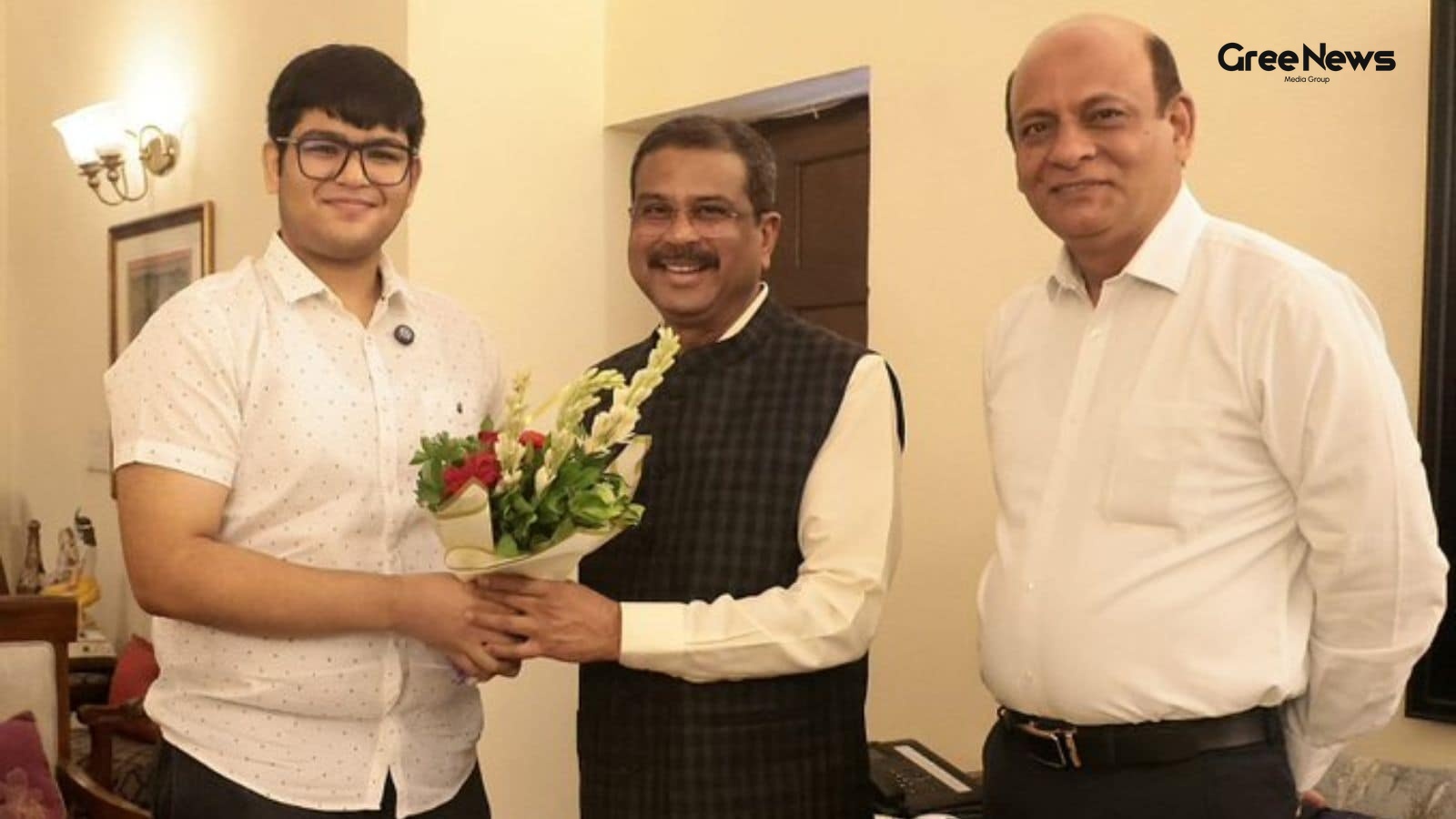
Dharmendra Pradhan had a meeting recently with Panshul Bansal, who came in holding the All India Rank 2 spot for the NEET UG 2026 exam. It was about that huge medical entrance test everyone talks about. Pradhan congratulated him. Praised him for the sheer hard work and commitment he showed. Said his
Jul 20, 2026 by Gree News Team
The Psychological Weight of Peace Talks Between Iran and the United States
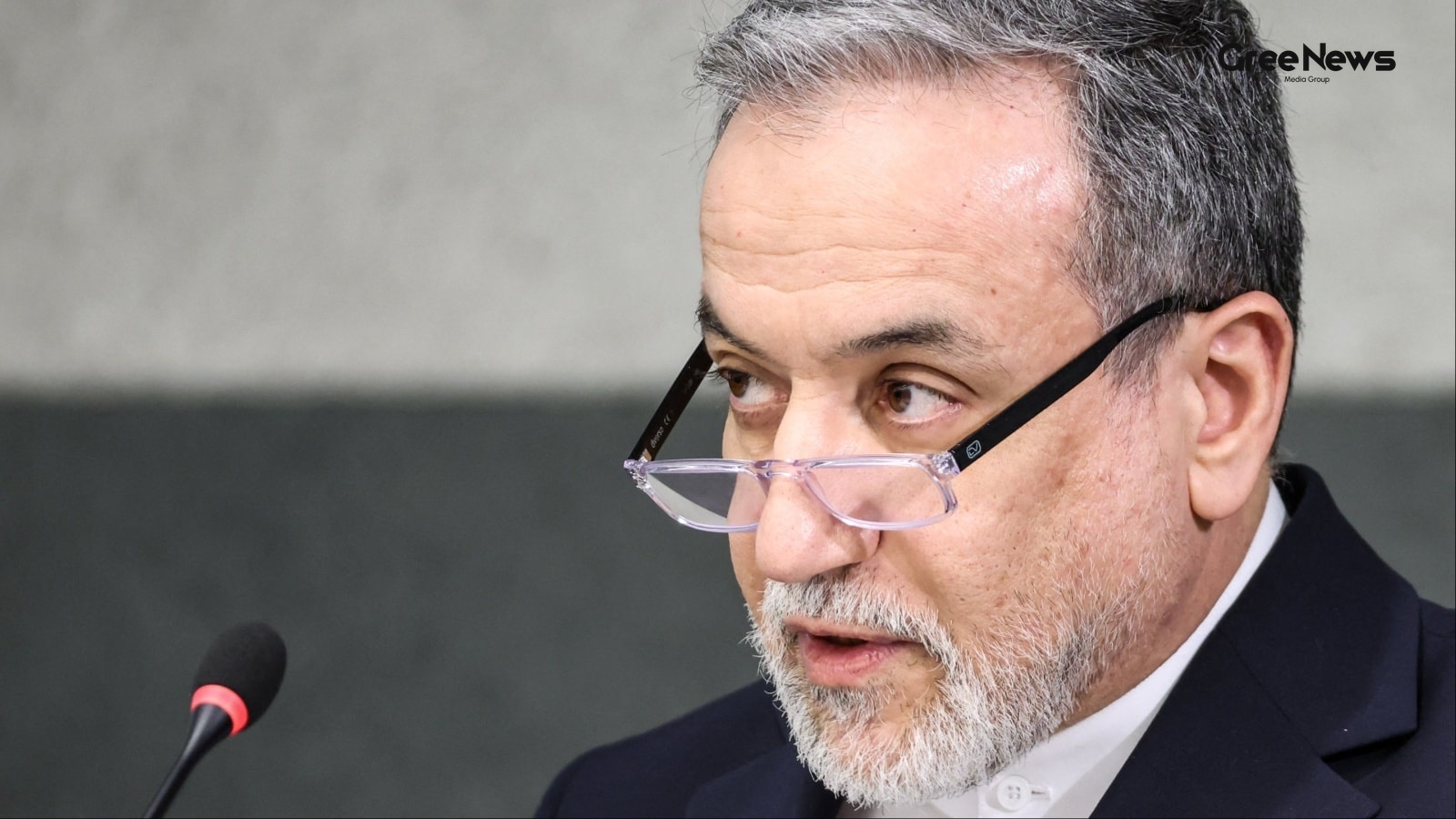
Abbas Araghchi, the Iranian Foreign Minister, brought up something heavy in an interview with Mehr news agency. He talked about the sheer psychological weight his delegation was under during those peace talks with the United States. It wasn't just diplomacy; it felt like constant danger. He said the
Jul 20, 2026 by Gree News Team
Amit Shah's Review on Security and Law and Order in West Bengal
Amit Shah, Union Home Minister and Minister of Cooperation, chaired a high-level review on Sunday. It was about the law and order situation in West Bengal. The whole thing was an outline for strengthening internal security, policing, and the criminal justice system there. The focus wasn’t just gener
Jul 20, 2026 by Gree News Team
Punjab Police's Anti-Drug Effort: Yudh Nashian Virudh Results and Strategy
The Punjab Police rolled out this big anti-drug effort Yudh Nashian Virudh. It’s been running for 500 days now. And it seems to have made some serious dents in the drug trade, plus got communities involved somehow. It really hinges on three things: heavy enforcement, getting people into the communit
Jul 20, 2026 by Gree News Team
US Iran War News Live
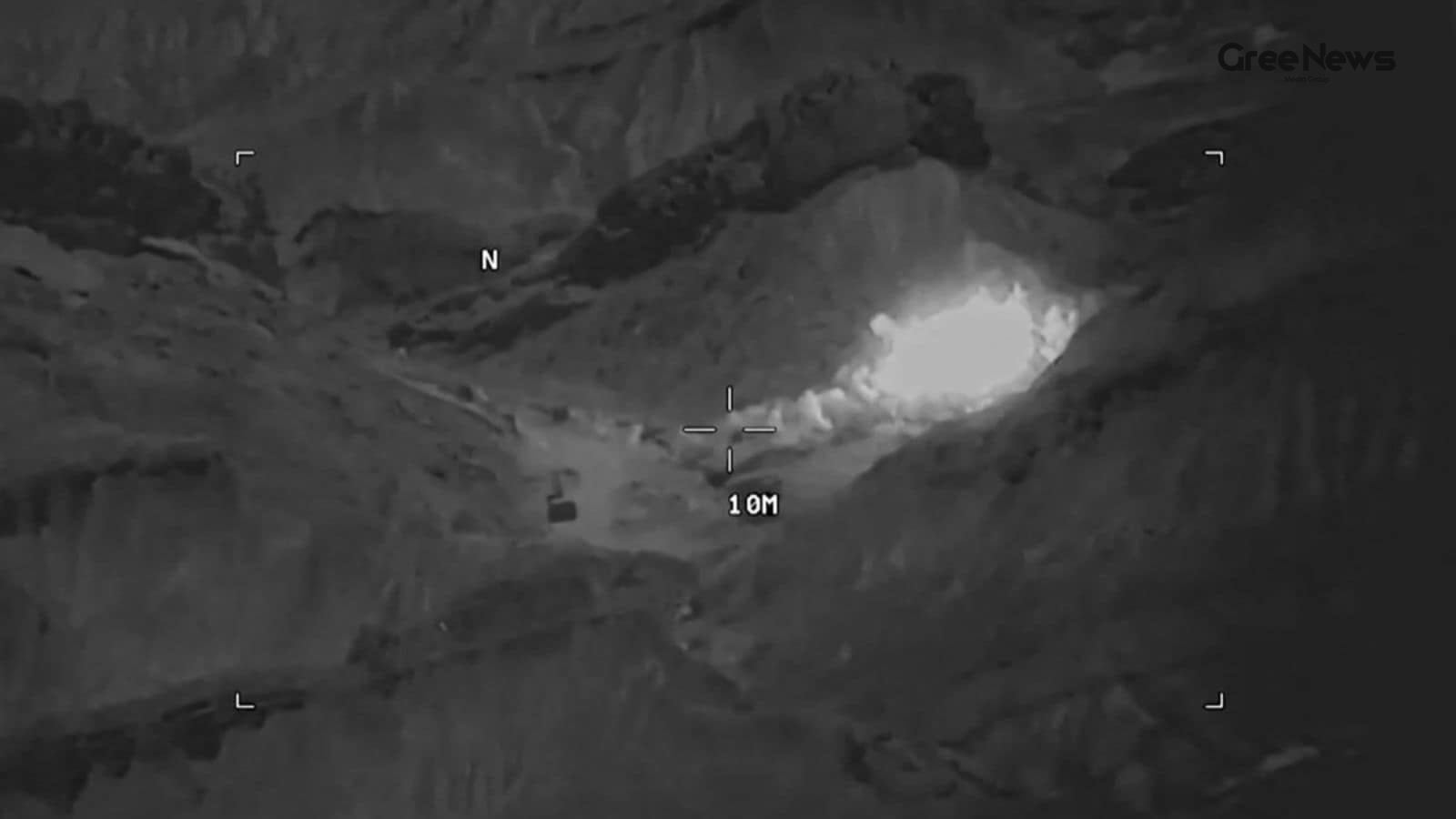
US Iran War News Live. Central Command, CENTCOM, just announced they launched another round of air strikes on Iran Sunday night. This is the ninth time in a row. The whole operation aims to chip away at Tehran’s military strength. Specifically targeting commercial ships in the Strait of Hormuz. And
Jul 20, 2026 by Gree News Team
Marco Rubio on US-Iran Relations and Military Escalation
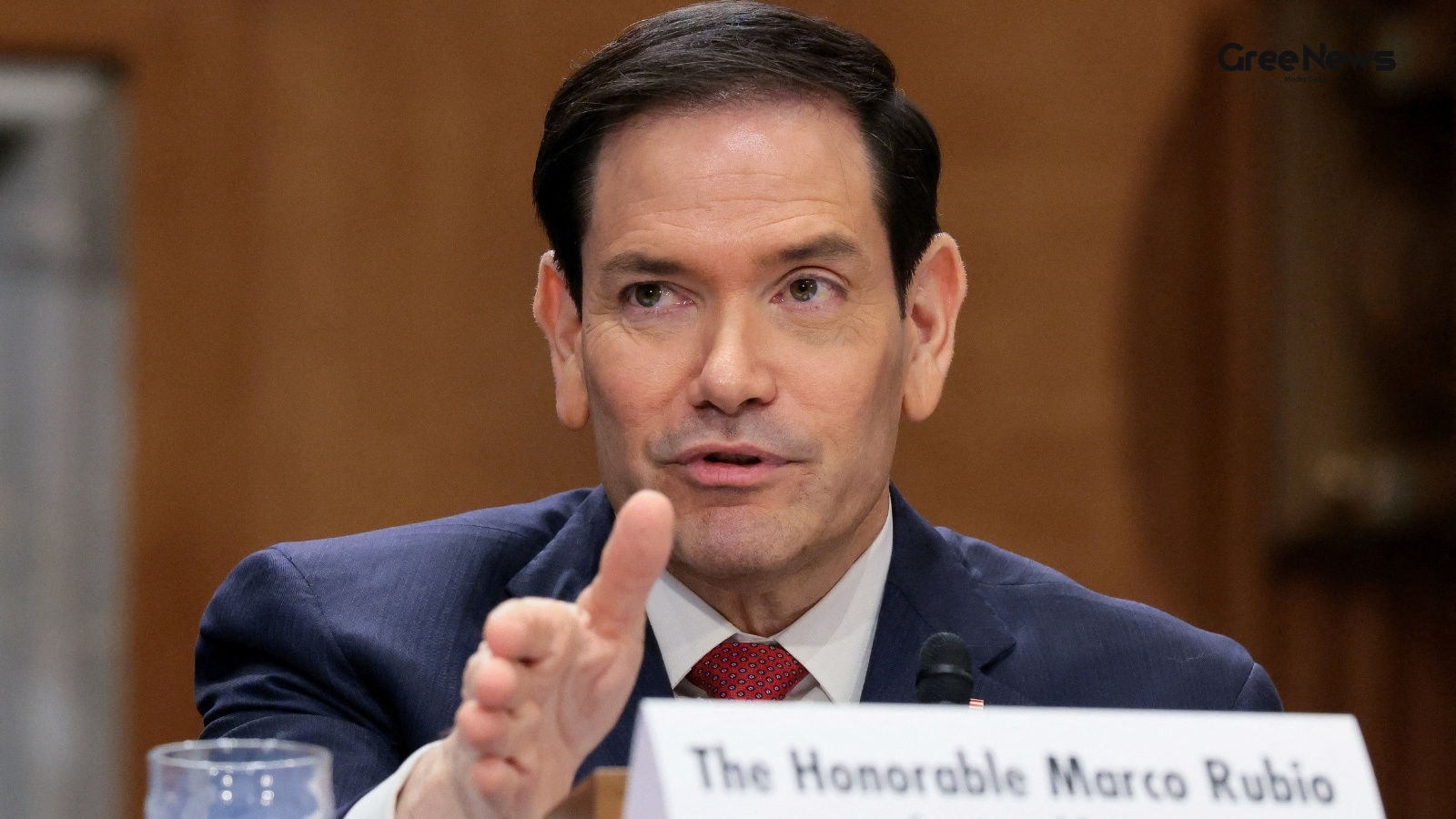
Marco Rubio, the Secretary of State, is saying Washington is getting signals. Indications that Iran wants to talk, even while there are huge divisions happening inside their own leadership structure right now. He spoke to CNN about it. Said they are hearing signs multiple channels telling them Iran
Jul 20, 2026 by Gree News Team

Stock Market Update: July 20th Performance and Global Factors
Stock Market Today, July 20th. It kicked off the week weak domestically. Cautious global vibes were dragging things down. You saw that as the Gulf conflict escalated, crude oil prices jumped past ninety dollars a barrel. Inflation worries flared up right along with it. Selling hit heavyweight privat
Jul 20, 2026 by Gree News Team
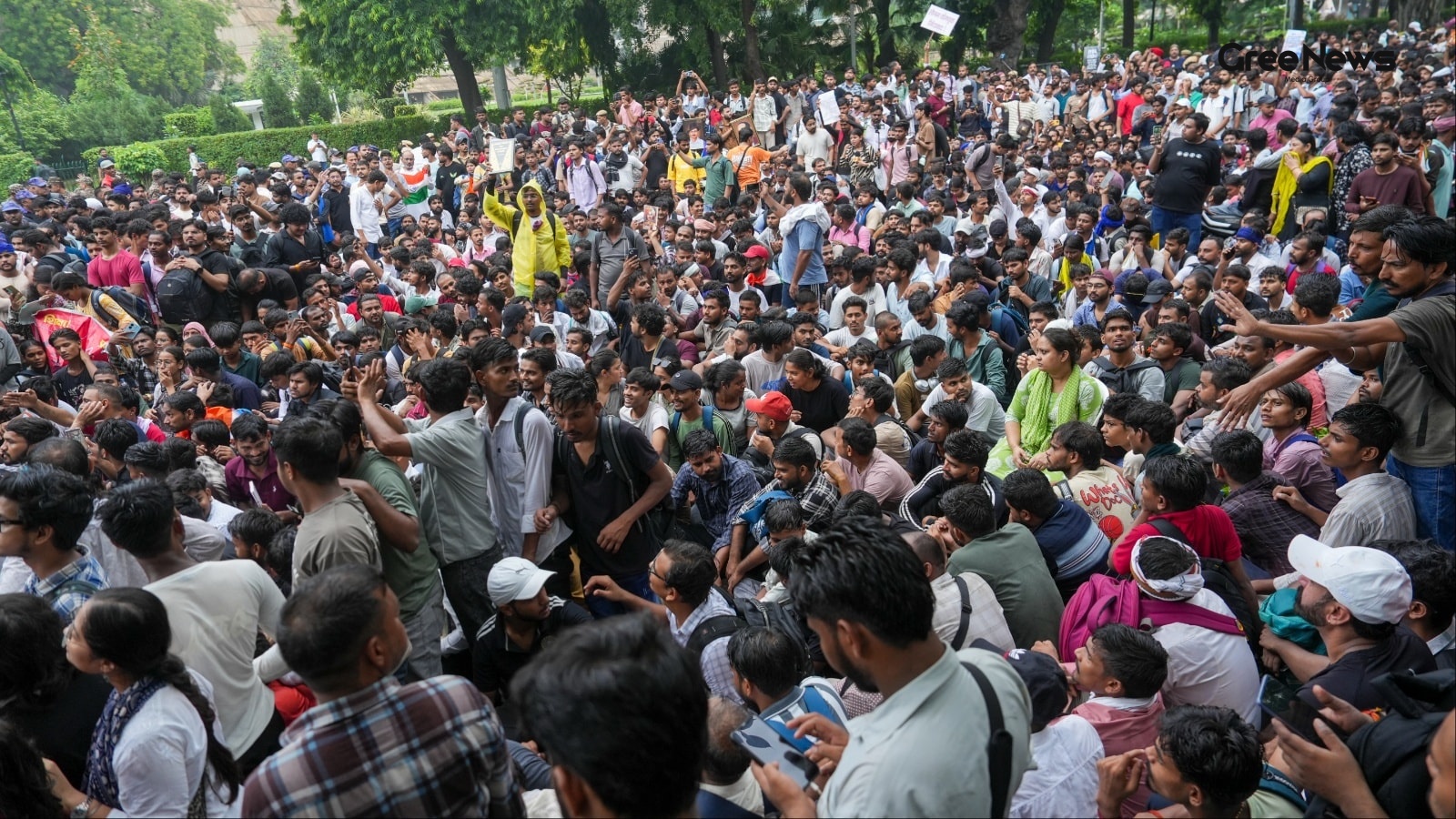
Delhi Security and Protest: High Alert Ahead of Monsoon Session
Delhi is buzzing with tension right now. The national capital has been placed on high alert because of the upcoming Monsoon Session in Parliament. Delhi Police have rolled out massive security operations, trying to manage things as the Cockroach Janata Party CJP prepares for its planned ‘Chalo Sansa
Jul 20, 2026 by Gree News Team
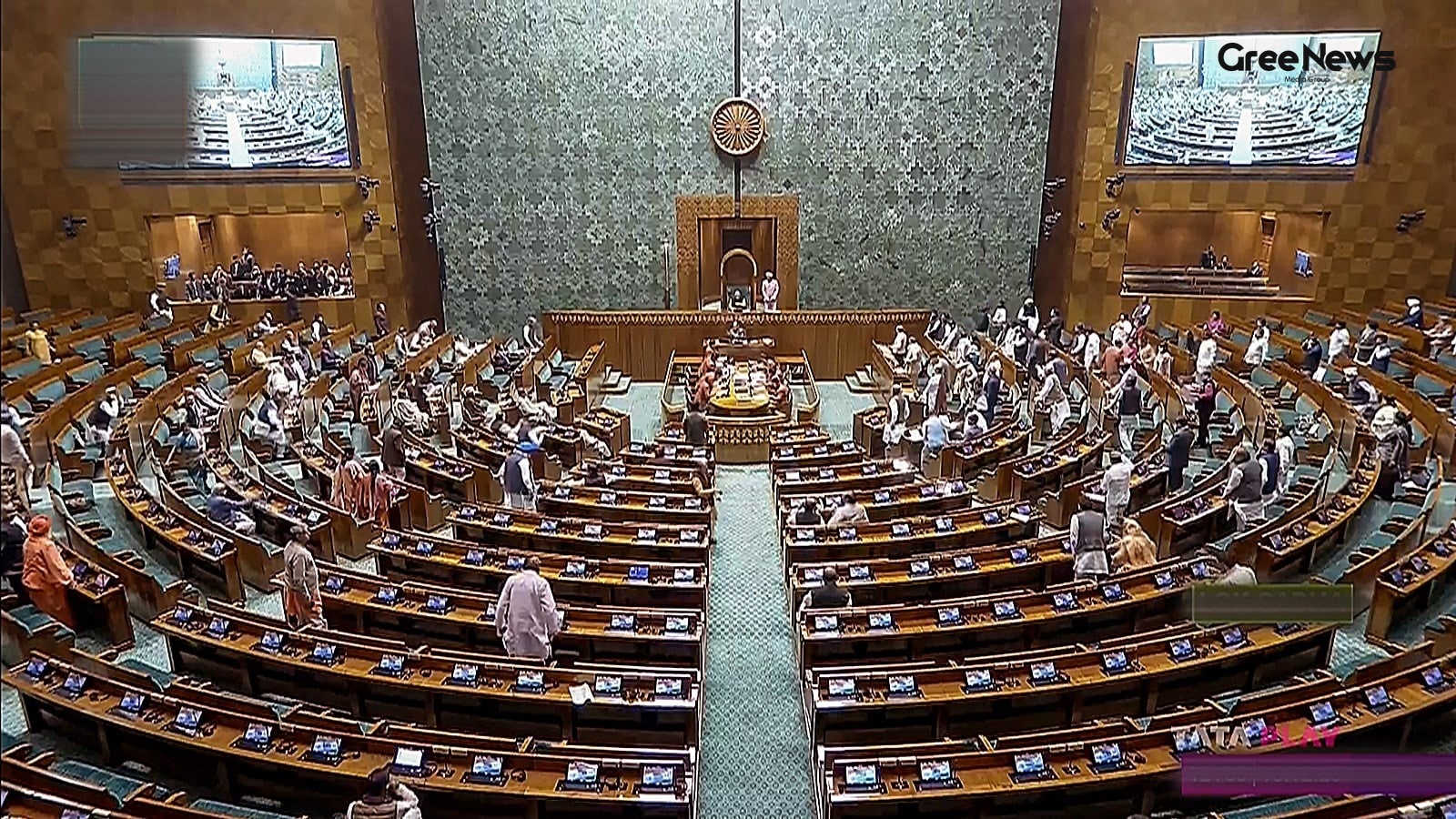
Monsoon Session of Parliament 2026: Political Showdown and Legislative Agenda
The Monsoon Session of Parliament 2026 kicked off today. And honestly, the mood is already thick with expectation. It feels like a political showdown waiting to happen. The ruling NDA government is gearing up to throw some heavy reform Bills on the table. Meanwhile, the Opposition isn't sitting stil
Jul 20, 2026 by Gree News Team
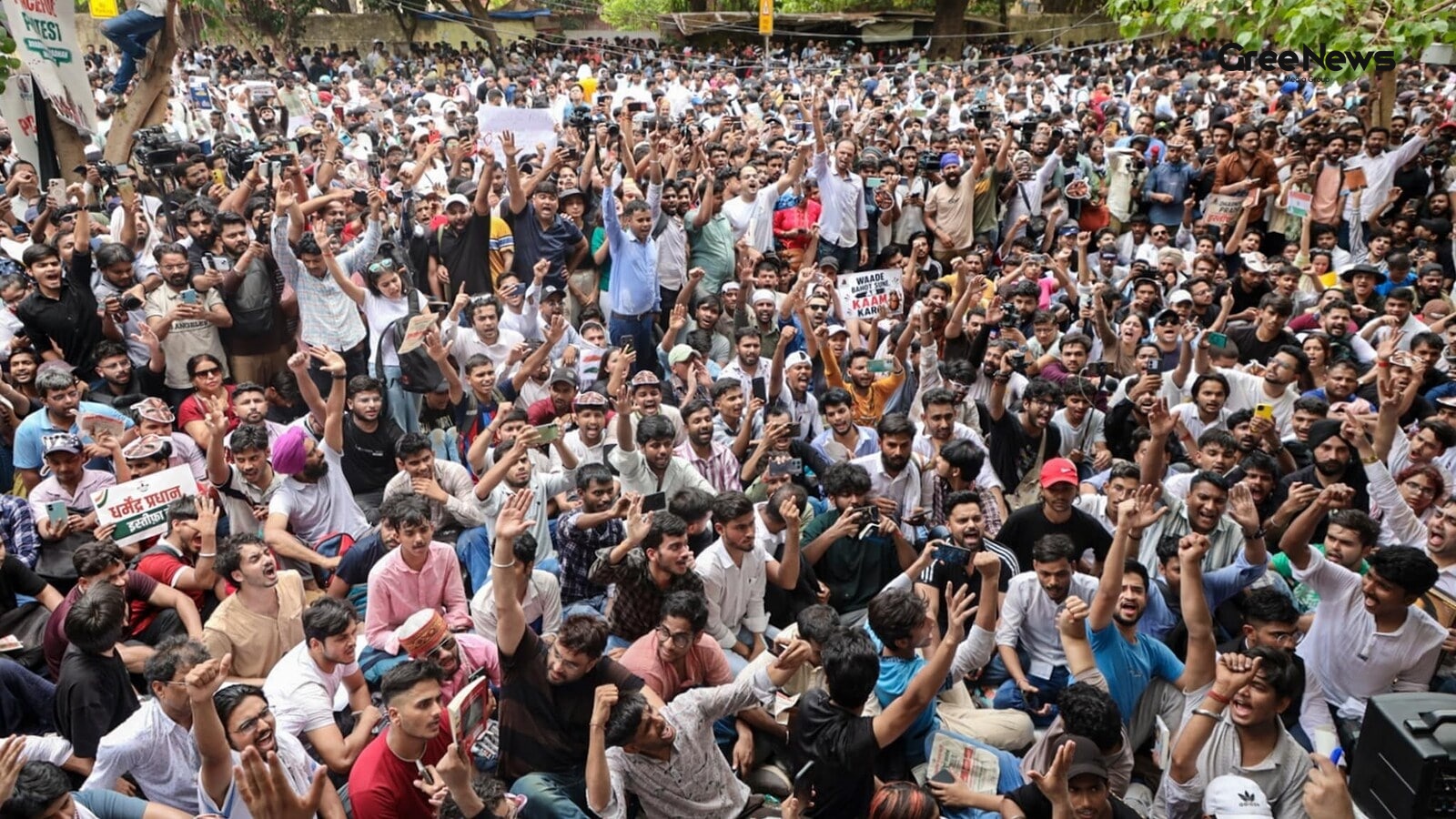
Sonam Wangchuk's Protest and the Demand for Accountability
Sonam Wangchuk’s protest, kicked off by the Cockroach Janta Party, is moving toward Parliament now. It’s their ‘Chalo Sansad’ march. They are demanding the resignation of Union Education Minister Dharmendra Pradhan. The reason? Alleged NEET paper leaks. Student suicides. Everything about the whole e
Jul 20, 2026 by Gree News Team