The Internal Crisis and Split within the Trinamool Congress
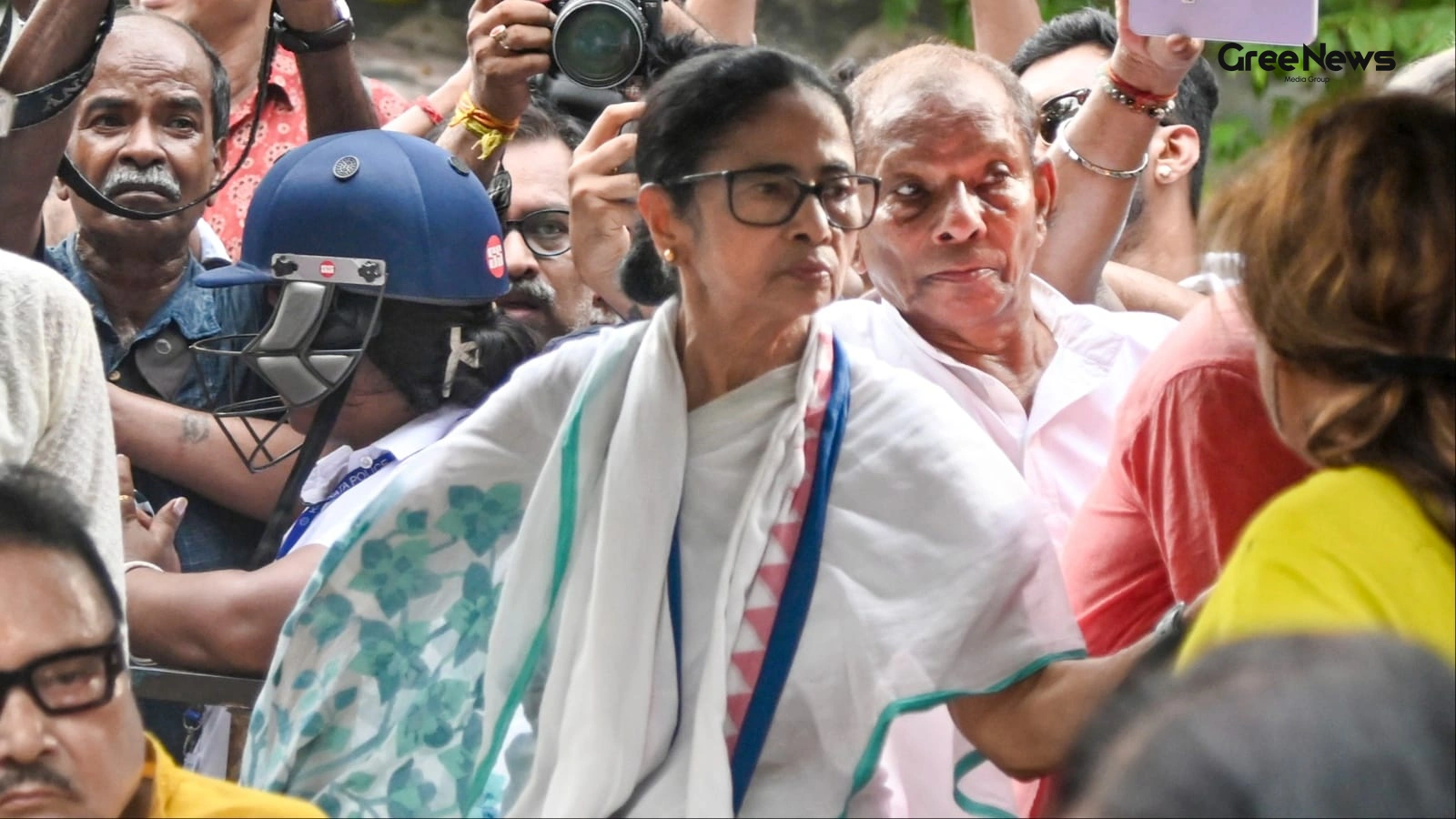
The Trinamool Congress. For almost thirty years, it’s been all about Mamata Banerjee . Her authority, the mass appeal—that’s what held the party together. Now, it’s facing something rougher than anything they’ve seen before. A real crisis.
It just happened. Weeks after losing the West Bengal election to the BJP, the party was completely rocked from the inside. People are asking, and frankly, it’s a question that felt impossible until this week: who is actually still standing with Mamata Banerjee ?
The explosion happened this week. Fifty-eight MLAs just broke ranks. They successfully staked their claim to the party structure. They elected Ritabrata Banerjee as the Leader of Opposition. And the Assembly Speaker, Rathindra Bose , actually recognized him.
That’s the first formal split in nearly thirty years. Twenty-eight years since Mamata started this thing back in 1998.
But the rebels didn't just want to tear things down. They stopped short of directly challenging Mamata herself. Their criticism, it landed squarely on her nephew, Abhishek Banerjee , and the national general secretary role.
There was this careful narrative they built up. A story trying to pull Mamata away from the party’s internal mess.
One of the rebels told PTI something pointed. They said, “We accept Mamata Banerjee as our leader, but we don’t accept Abhishek Banerjee .”
Ritabrata Banerjee pushed it further. He suggested Mamata should take on the role of chief adviser to the legislature party. And he made it crystal clear: Abhishek would have absolutely no role in how the party operated.
Resentment had been building for a while, you know? Since that May election loss.
A lot of the MLAs seemed to feel the party decisions were getting way too centralized. Everything seemed to orbit the Diamond Harbour MP. That just fueled the doubts about who was actually in charge, about the succession.
This whole thing got really heated because of the signatures. Allegations started swirling—that signatures on documents submitted to the Speaker about the Leader of Opposition selection were forged.
What started as a technical spat, a procedural argument, it quickly turned into a massive revolt about where the party was going.
The Shrinking Circle and Internal Dynamics
The circle around Mamata is shrinking. That’s the public fallout. You see it in how she moves.
When she came out after that election defeat, she was with just a handful of legislators and senior figures.
Firhad Hakim, Sovandeb Chattopadhyay, Madan Mitra, Ashok Deb, Kunal Ghosh, Biman Bandopadhyay. These are the old guard. People who have been there since 1998.
Their presence, it just hammered home something. The importance of those old loyalists when newer power centers were suddenly fighting inside the party.
It’s not just about numbers, observers are saying. It’s about the succession. It’s about the fact that this party has always been tied up with one person.
Unease got worse when Mamata reportedly asked the legislators to applaud Abhishek Banerjee for his campaign role right after the election loss.
It was meant as recognition. But some lawmakers saw it differently. They saw it as more proof that power was concentrating in one family.
The dissidents, they called their internal campaign ‘Operation Crown Prince.’ It was a reference to how they saw things being set up to position Abhishek as the only successor.
But even with that open challenge, they still kept using Mamata’s name. It reflects how popular she still is, but also the sheer risk involved in directly confronting the party founder.
The High Command's Reaction
Then the high command moved. Swiftly.
Faced with the revolt, the TMC leadership acted fast. They dissolved all the committees, all the frontal organizations across West Bengal. They called it an organizational review. Introspection.
But critics? They saw it as a desperate move. An attempt to seize control in the middle of a massive power struggle.
Kunal Ghosh, one of the senior leaders, accused the rebels of betrayal. He argued that these internal disaGreements should have been settled inside the party. Not thrown out into the open like this.
The Mamata camp, too, pushed back. They questioned the whole legitimacy of the rebel faction’s actions. They raised serious questions about the paperwork, about those communications submitted to the Speaker.
So, where does this leave Mamata?
The immediate problem isn't just about the structure anymore. It’s about two competing centers of power. One side controls the party machinery, the symbol, the organization. The other side claims legitimacy through the sheer strength of the legislature.
Right now, the rebels still acknowledge Mamata is the face. But those events of the last fortnight have shown something brutal. Her authority inside the party structure? That can’t be taken for granted anymore.
As Bengal’s main opposition figure steps into this fog, the real question for the TMC isn't just about regaining control. It’s whether the party she built can even stay united if they can’t accept the structure she helped create.
Written by Gree News Team — Senior Editorial Board
Gree News Team covers international news and global affairs at Gree News. Our collective of senior editors is dedicated to providing independent, accurate, and responsible journalism for a global audience.
More from India
View All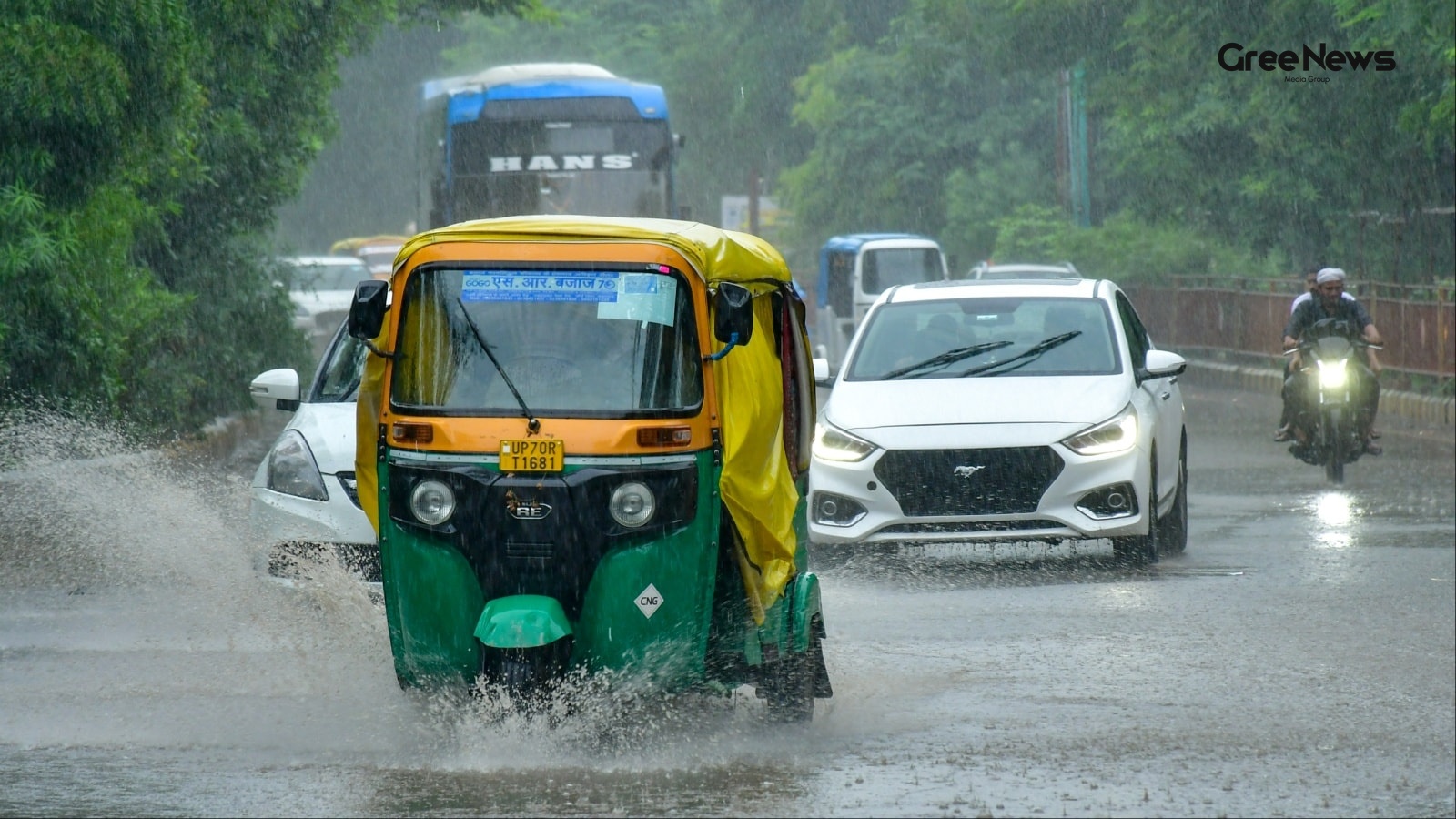
Monsoon Warnings and Disaster Risks Across India
The monsoon spell is kicking in hard across India. The India Meteorological Department just issued warnings about active, heavy rainfall sweeping through large parts of the country now, forecasting serious deluge over several northern, eastern, northeastern and western states over the next few days.
Jul 20, 2026 by Gree News Team

School Dispute Turns into Violent Assault in Ankleshwar
A fight between two school kids in Ankleshwar apparently turned into a full-blown assault. It all started way back with the family of one student stopping two sisters on their way to tuition classes, and then things got seriously violent. They attacked them with a cricket bat and slippers. This whol
Jul 20, 2026 by Gree News Team
Amit Shah's Review on Security and Law and Order in West Bengal
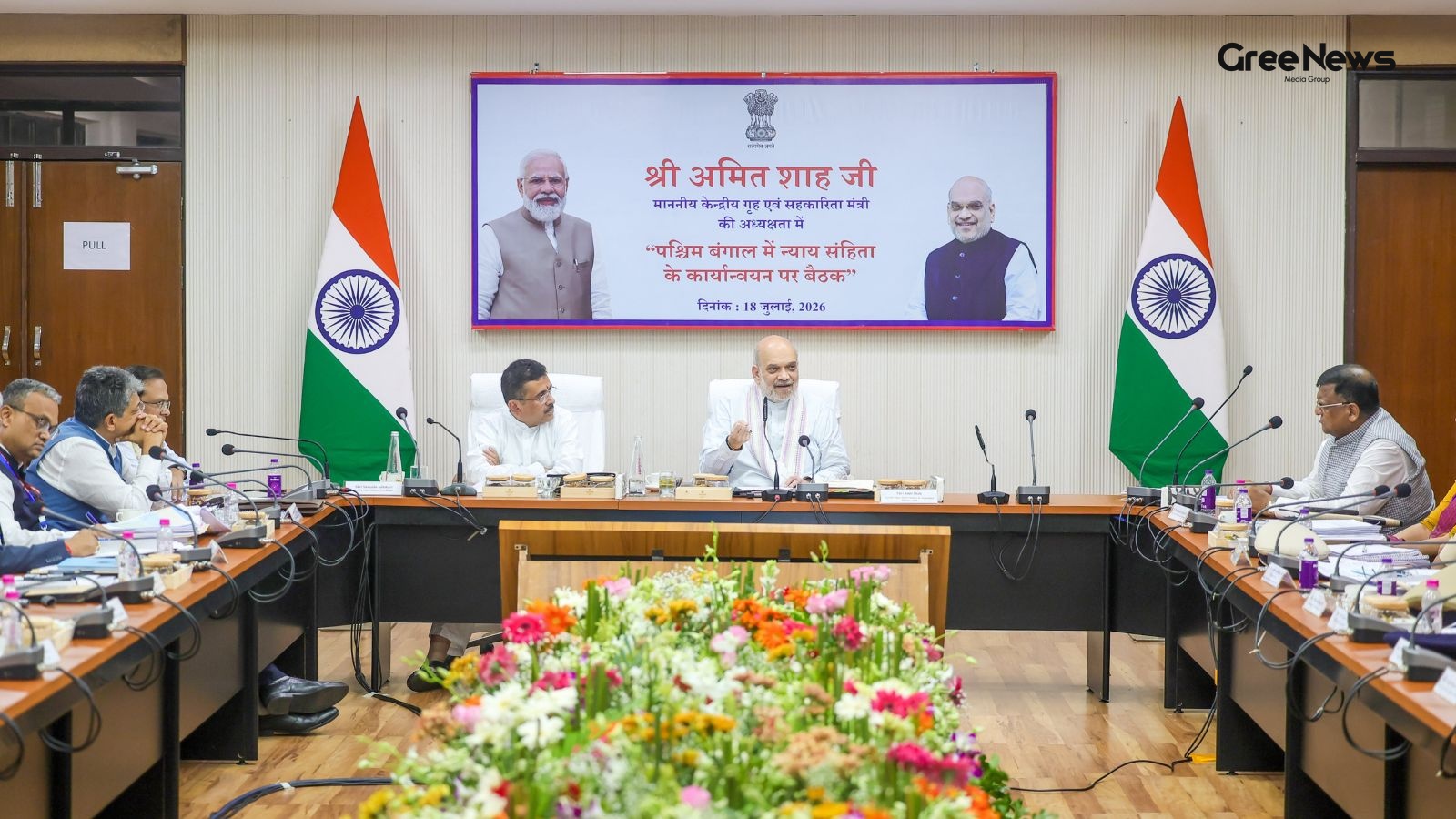
Amit Shah, Union Home Minister and Minister of Cooperation, chaired a high-level review on Sunday. It was about the law and order situation in West Bengal. The whole thing was an outline for strengthening internal security, policing, and the criminal justice system there. The focus wasn’t just gener
Jul 20, 2026 by Gree News Team

Punjab Police's Anti-Drug Effort: Yudh Nashian Virudh Results and Strategy
The Punjab Police rolled out this big anti-drug effort Yudh Nashian Virudh. It’s been running for 500 days now. And it seems to have made some serious dents in the drug trade, plus got communities involved somehow. It really hinges on three things: heavy enforcement, getting people into the communit
Jul 20, 2026 by Gree News Team
Latest Headlines
Monsoon Warnings and Disaster Risks Across India
The monsoon spell is kicking in hard across India. The India Meteorological Department just issued warnings about active, heavy rainfall sweeping through large parts of the country now, forecasting serious deluge over several northern, eastern, northeastern and western states over the next few days.
Jul 20, 2026 by Gree News Team
JD Vance Announces Fourth Child and Family Milestone
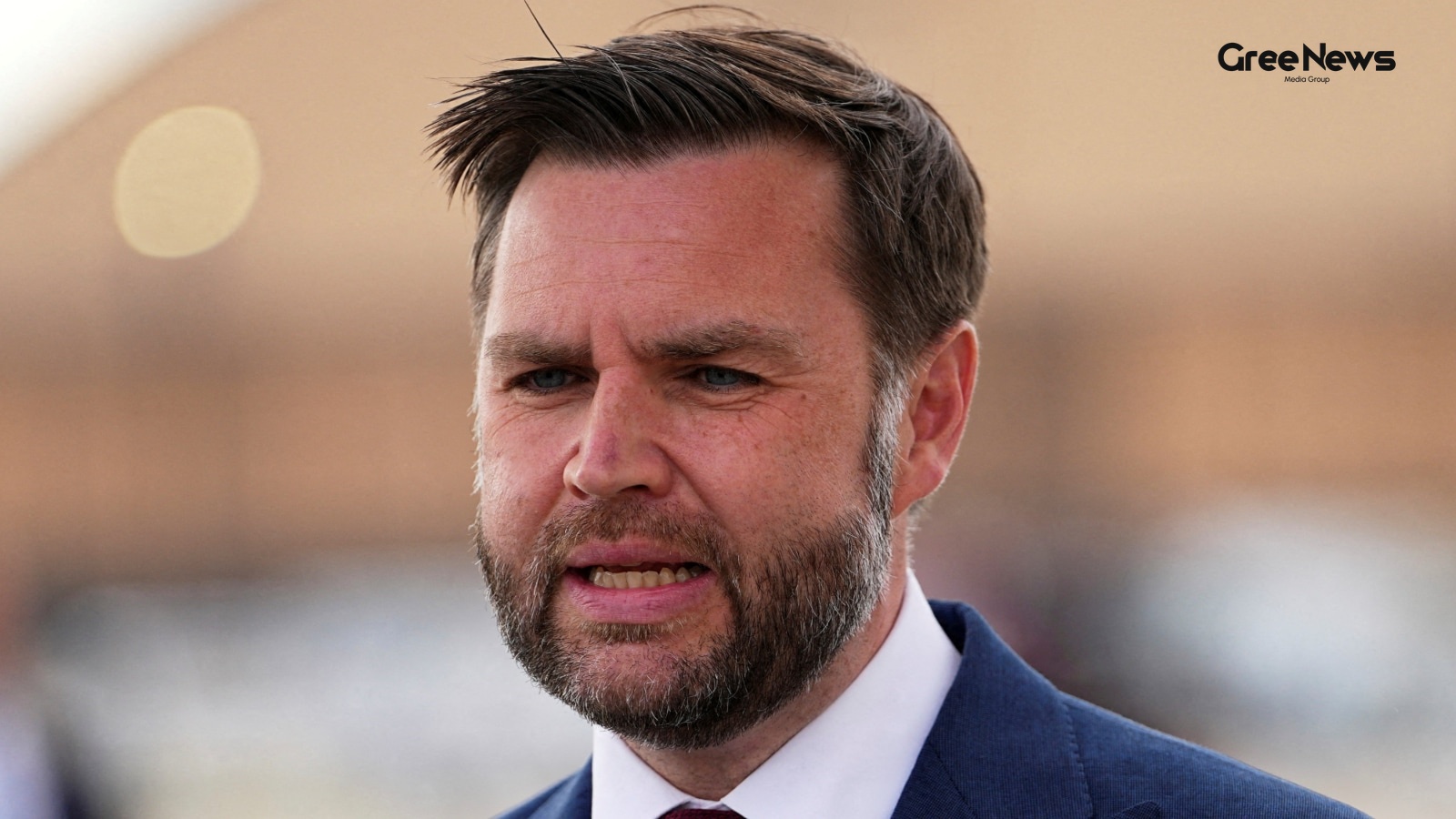
JD Vance just announced he had a fourth child. A son named Alec Neel Vance, with his wife Usha Vance. It came out in a statement shared online. He said everything was fine. The mother and the baby are happy and healthy. "Usha and the baby are happy and healthy," Vance wrote. "Our kids are overjoyed
Jul 20, 2026 by Gree News Team

World Cup Final History and Awards
Ferran Torres really made history, didn’t he? That moment in the 106th minute of the World Cup final, when he found the back of the net. It broke Argentine hearts completely as Spain finally claimed the title for the second time. His single strike that one goal it just sent everyone into delirium du
Jul 20, 2026 by Gree News Team

Choosing the Best 2-Ton Inverter Split AC
So you need a 2-ton inverter split AC if your space is big. Think living rooms, conference areas, or those larger halls around 200 to 260 square feet. That’s where these things actually make sense. Things are changing right now with these new models. We’re talking about ACs that have inverter compre
Jul 20, 2026 by Gree News Team
School Dispute Turns into Violent Assault in Ankleshwar
A fight between two school kids in Ankleshwar apparently turned into a full-blown assault. It all started way back with the family of one student stopping two sisters on their way to tuition classes, and then things got seriously violent. They attacked them with a cricket bat and slippers. This whol
Jul 20, 2026 by Gree News Team
NEET Success Story: Dedication and the Journey to Medical Entrance
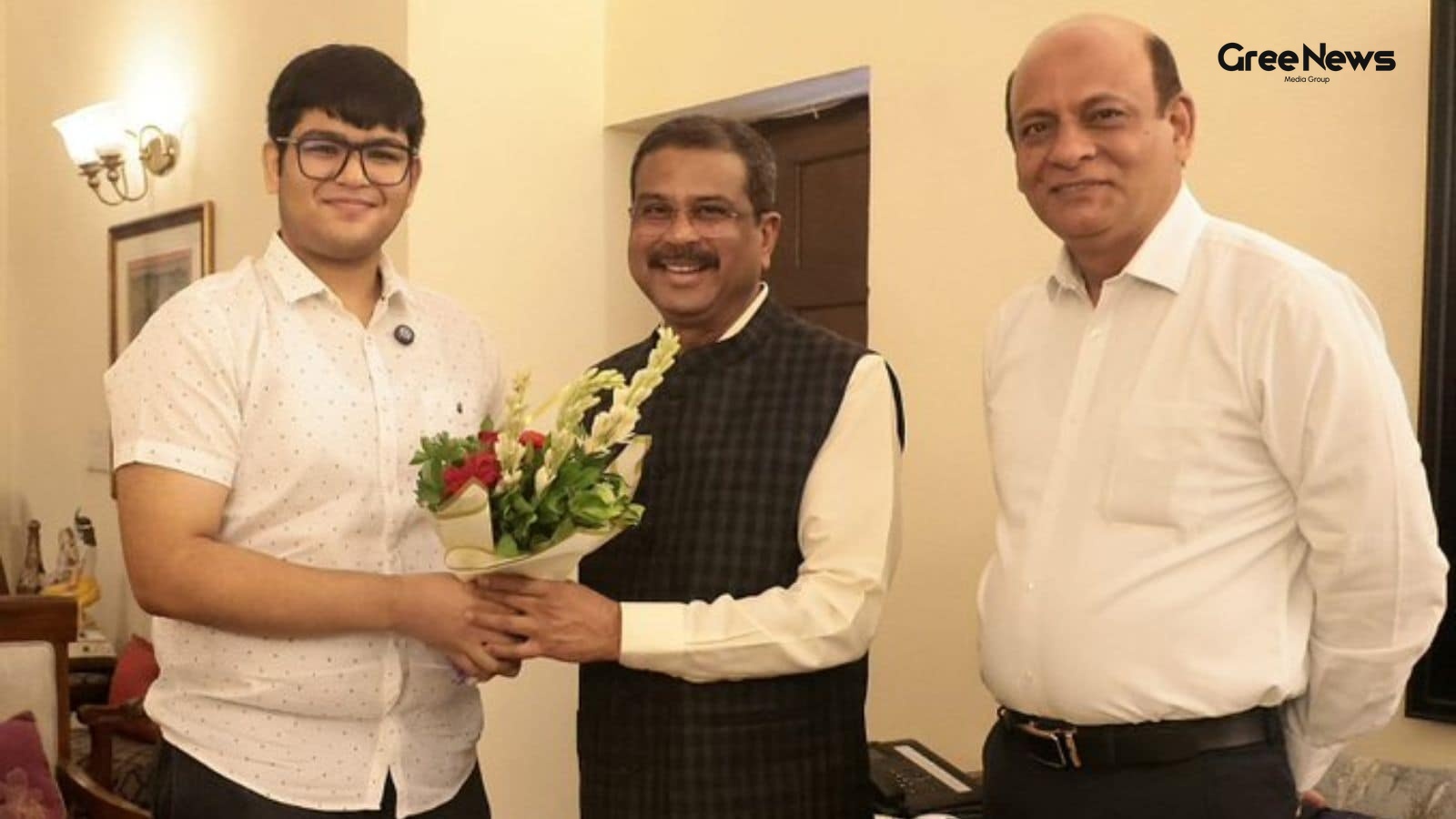
Dharmendra Pradhan had a meeting recently with Panshul Bansal, who came in holding the All India Rank 2 spot for the NEET UG 2026 exam. It was about that huge medical entrance test everyone talks about. Pradhan congratulated him. Praised him for the sheer hard work and commitment he showed. Said his
Jul 20, 2026 by Gree News Team
The Psychological Weight of Peace Talks Between Iran and the United States
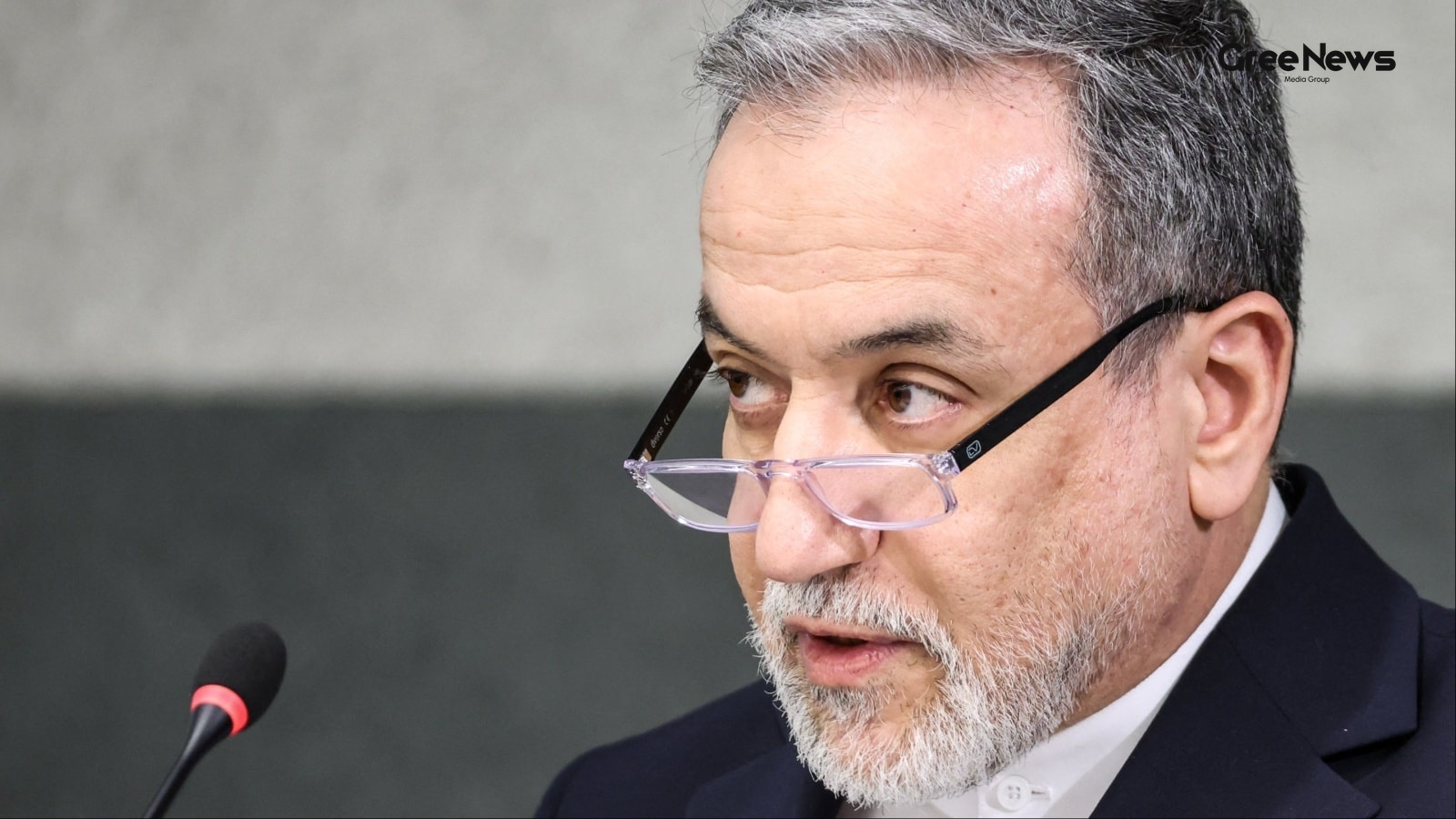
Abbas Araghchi, the Iranian Foreign Minister, brought up something heavy in an interview with Mehr news agency. He talked about the sheer psychological weight his delegation was under during those peace talks with the United States. It wasn't just diplomacy; it felt like constant danger. He said the
Jul 20, 2026 by Gree News Team
Amit Shah's Review on Security and Law and Order in West Bengal
Amit Shah, Union Home Minister and Minister of Cooperation, chaired a high-level review on Sunday. It was about the law and order situation in West Bengal. The whole thing was an outline for strengthening internal security, policing, and the criminal justice system there. The focus wasn’t just gener
Jul 20, 2026 by Gree News Team
Punjab Police's Anti-Drug Effort: Yudh Nashian Virudh Results and Strategy
The Punjab Police rolled out this big anti-drug effort Yudh Nashian Virudh. It’s been running for 500 days now. And it seems to have made some serious dents in the drug trade, plus got communities involved somehow. It really hinges on three things: heavy enforcement, getting people into the communit
Jul 20, 2026 by Gree News Team
US Iran War News Live
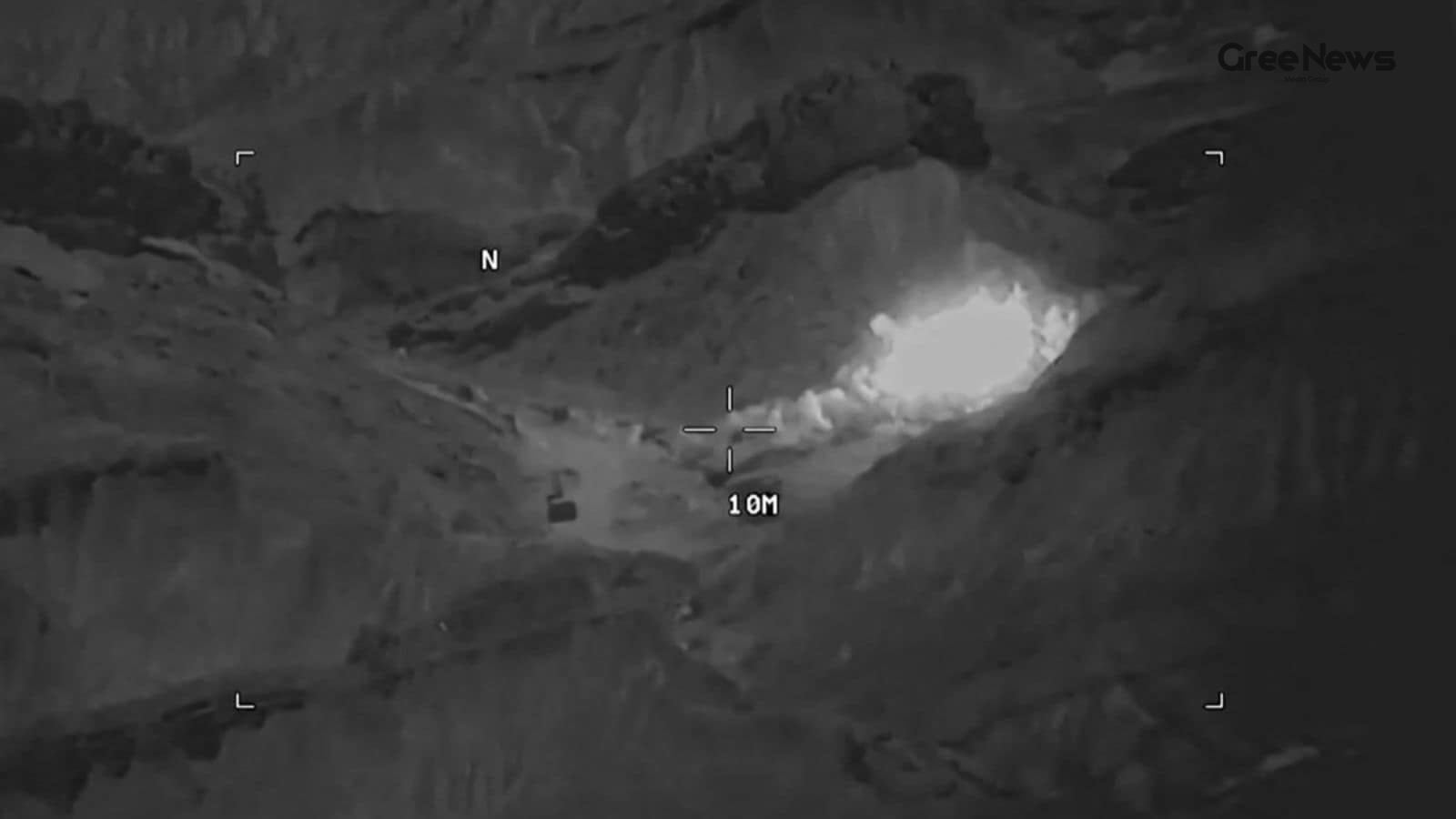
US Iran War News Live. Central Command, CENTCOM, just announced they launched another round of air strikes on Iran Sunday night. This is the ninth time in a row. The whole operation aims to chip away at Tehran’s military strength. Specifically targeting commercial ships in the Strait of Hormuz. And
Jul 20, 2026 by Gree News Team
Marco Rubio on US-Iran Relations and Military Escalation
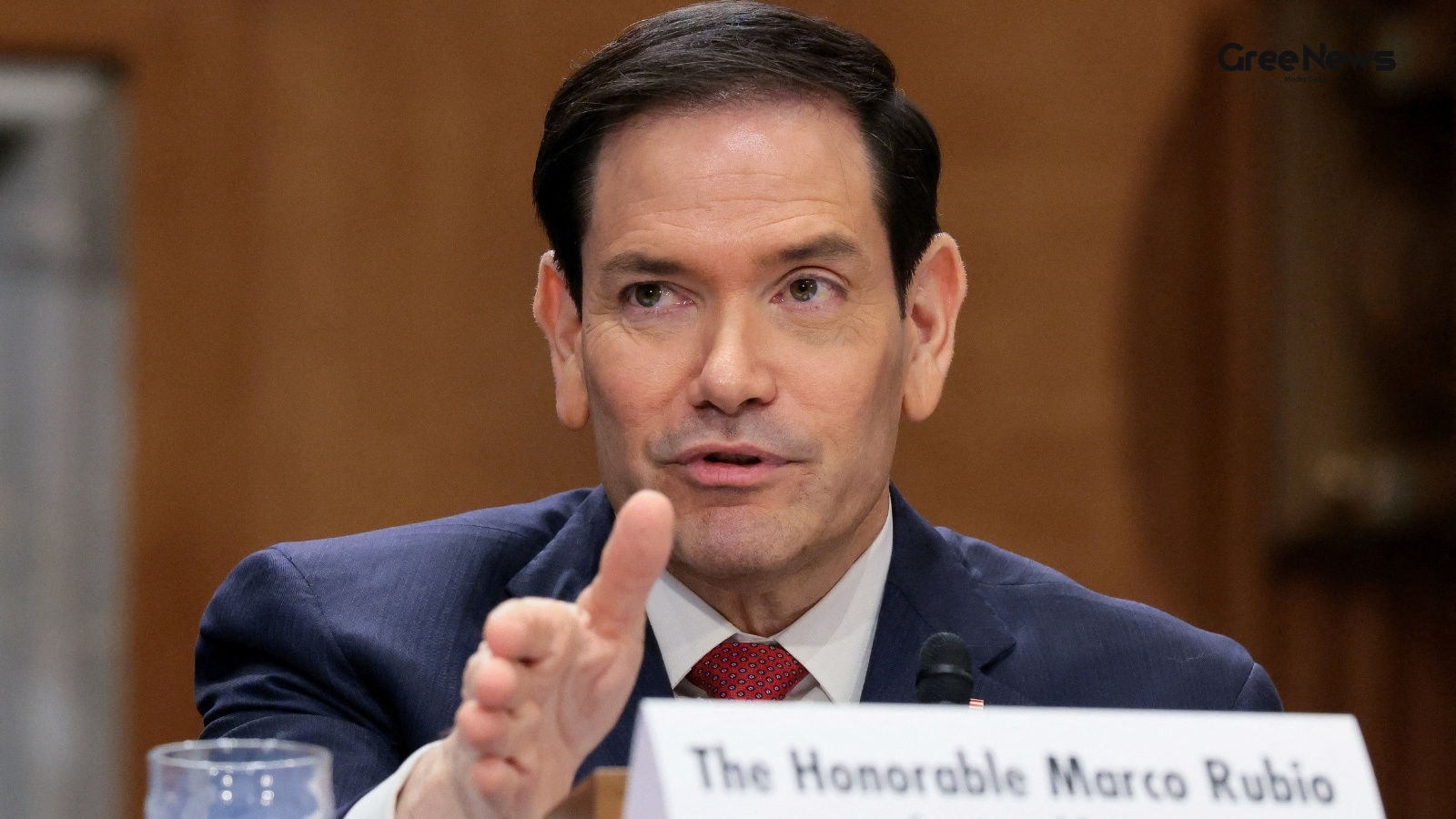
Marco Rubio, the Secretary of State, is saying Washington is getting signals. Indications that Iran wants to talk, even while there are huge divisions happening inside their own leadership structure right now. He spoke to CNN about it. Said they are hearing signs multiple channels telling them Iran
Jul 20, 2026 by Gree News Team

Stock Market Update: July 20th Performance and Global Factors
Stock Market Today, July 20th. It kicked off the week weak domestically. Cautious global vibes were dragging things down. You saw that as the Gulf conflict escalated, crude oil prices jumped past ninety dollars a barrel. Inflation worries flared up right along with it. Selling hit heavyweight privat
Jul 20, 2026 by Gree News Team
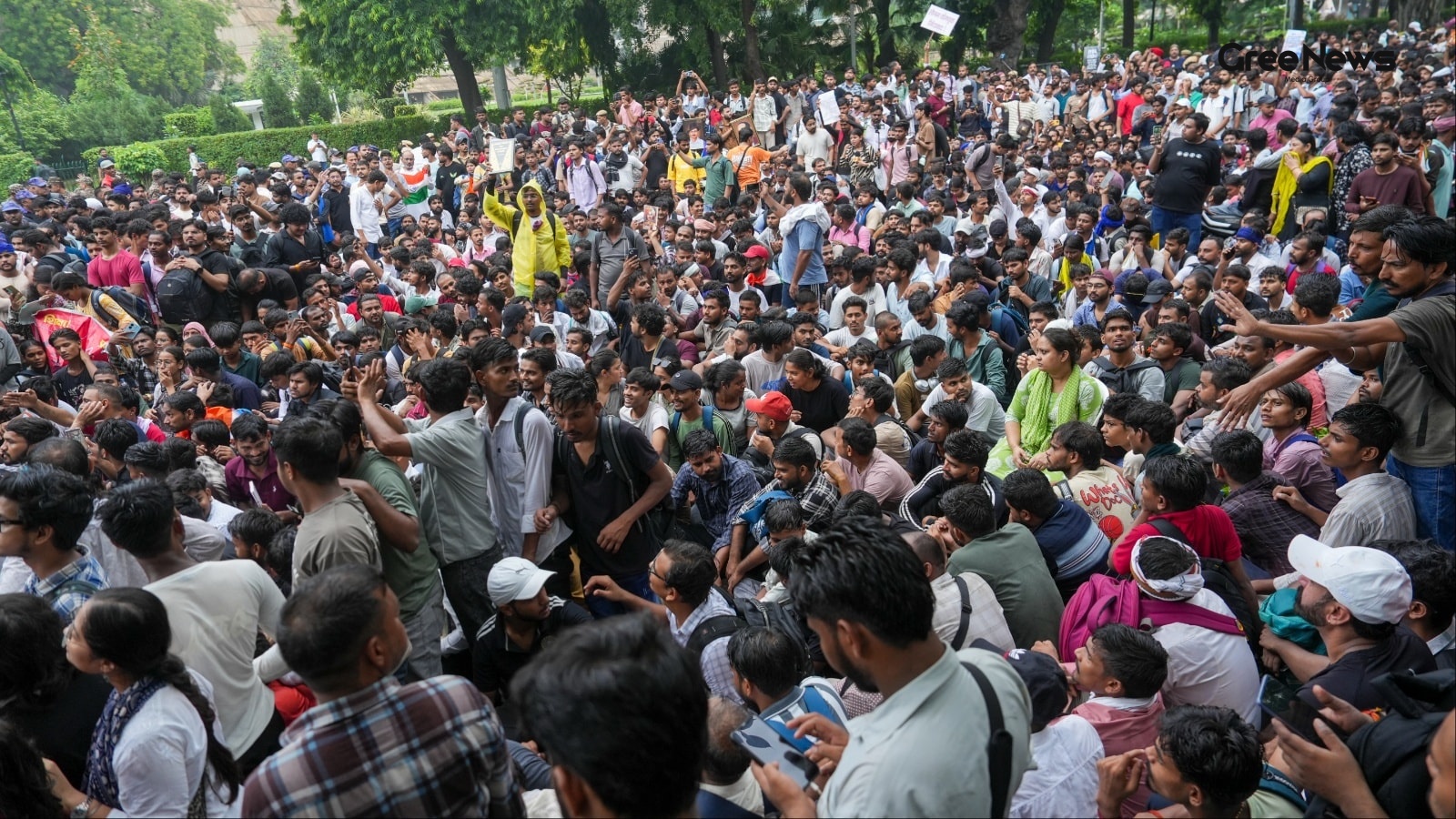
Delhi Security and Protest: High Alert Ahead of Monsoon Session
Delhi is buzzing with tension right now. The national capital has been placed on high alert because of the upcoming Monsoon Session in Parliament. Delhi Police have rolled out massive security operations, trying to manage things as the Cockroach Janata Party CJP prepares for its planned ‘Chalo Sansa
Jul 20, 2026 by Gree News Team
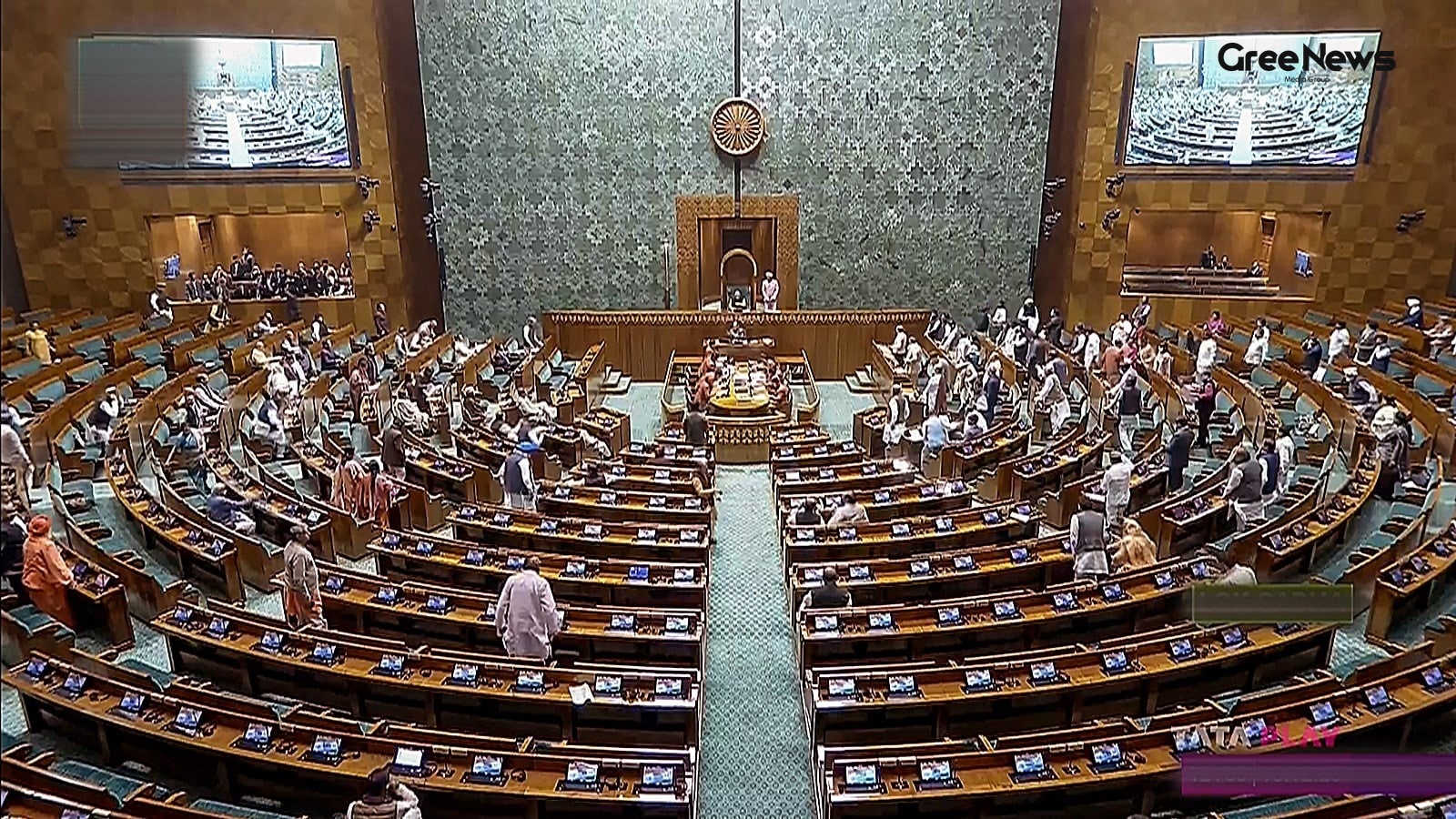
Monsoon Session of Parliament 2026: Political Showdown and Legislative Agenda
The Monsoon Session of Parliament 2026 kicked off today. And honestly, the mood is already thick with expectation. It feels like a political showdown waiting to happen. The ruling NDA government is gearing up to throw some heavy reform Bills on the table. Meanwhile, the Opposition isn't sitting stil
Jul 20, 2026 by Gree News Team
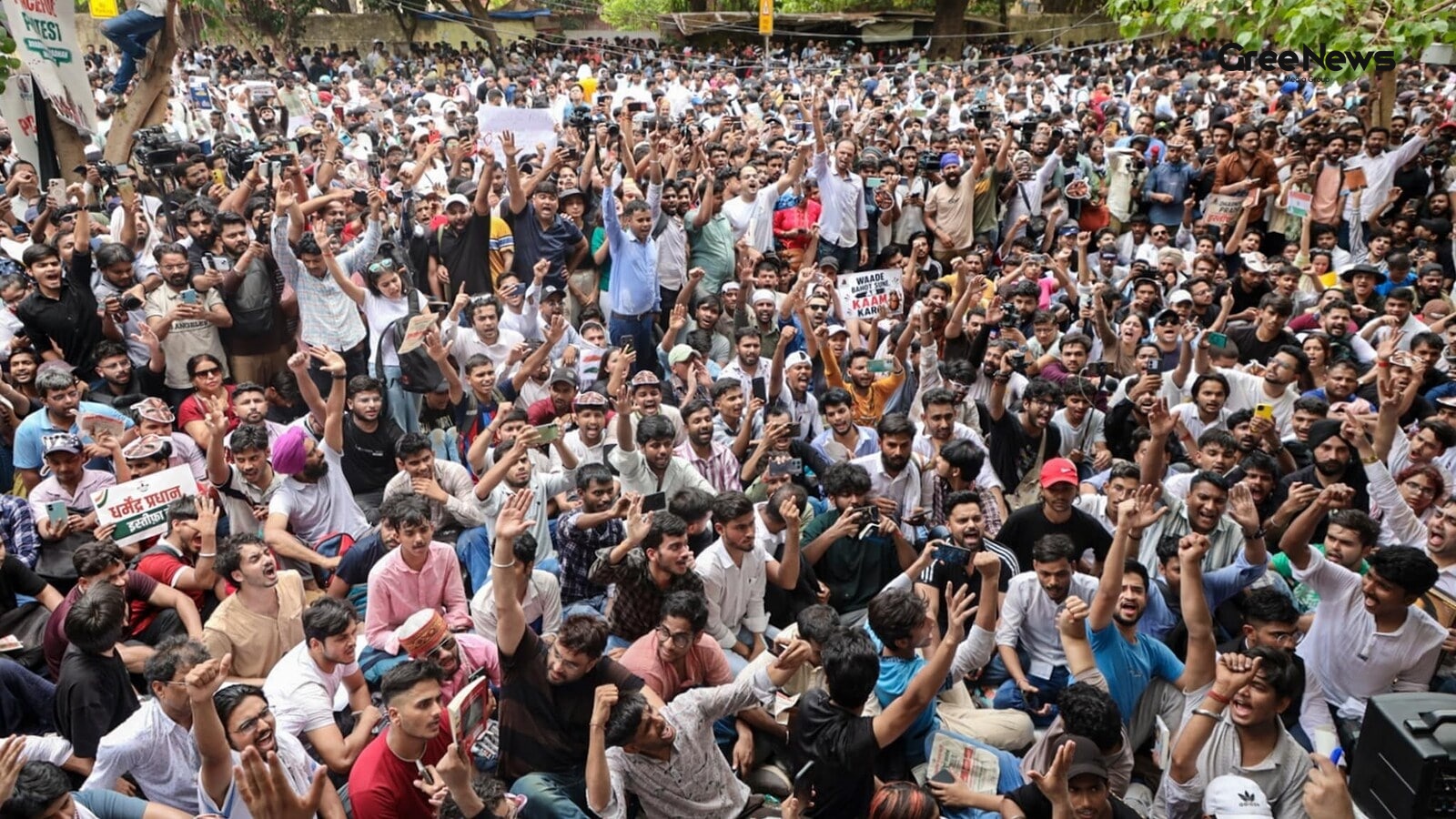
Sonam Wangchuk's Protest and the Demand for Accountability
Sonam Wangchuk’s protest, kicked off by the Cockroach Janta Party, is moving toward Parliament now. It’s their ‘Chalo Sansad’ march. They are demanding the resignation of Union Education Minister Dharmendra Pradhan. The reason? Alleged NEET paper leaks. Student suicides. Everything about the whole e
Jul 20, 2026 by Gree News Team