The Psychology and Spectacle of Political Controversy
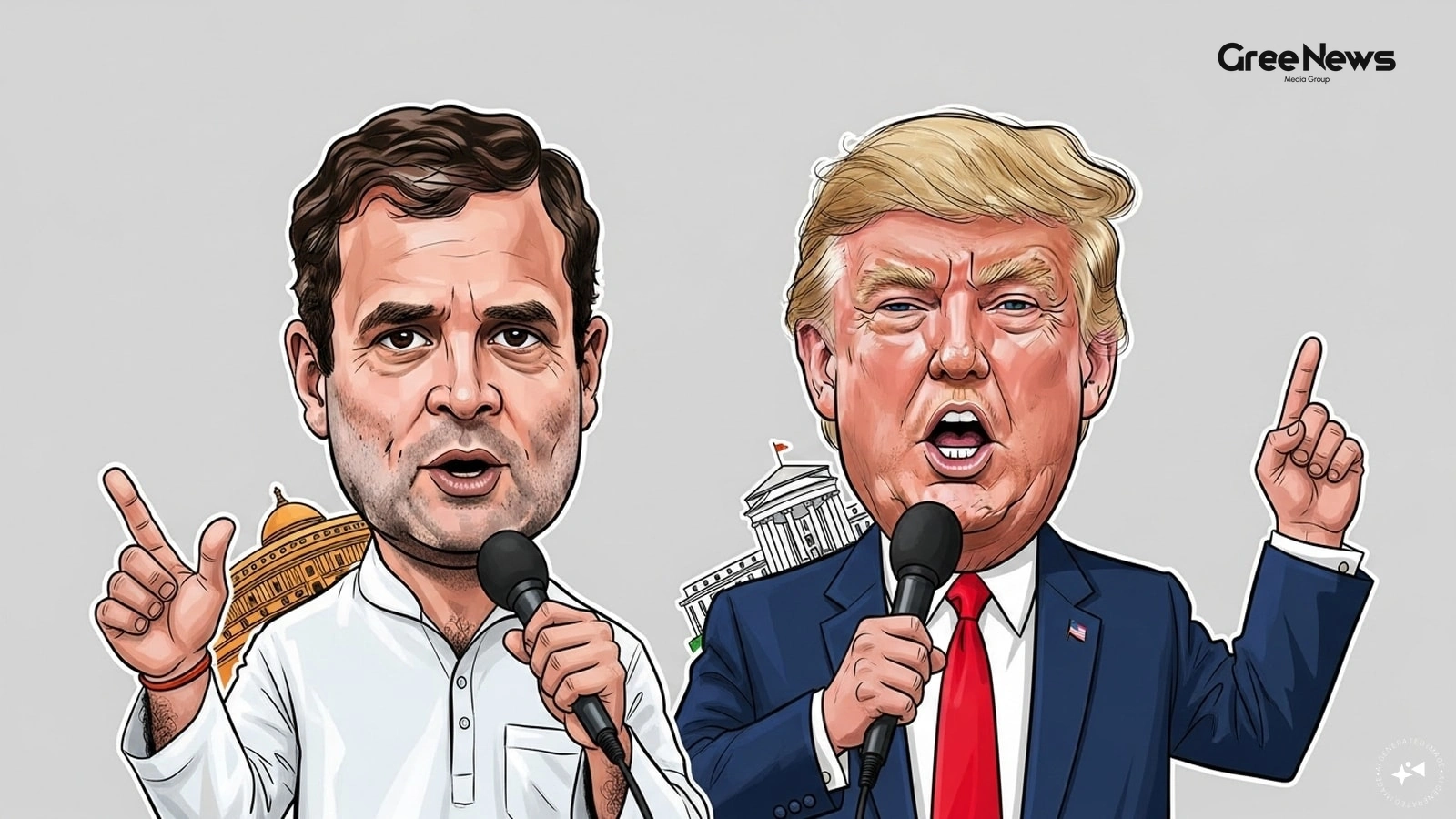
Years back, you remember that, right? When Digvijaya Singh was asked why he kept stirring up trouble, why he loved making those kind of controversial statements, he just smiled and said, “Chhapte raho.” Keep it printed. Keep it out there. It sticks. It always does.
It’s funny how that kind of instinct just rolls down the line, isn’t it? Years later, you see it again, maybe in Rahul Gandhi, or perhaps just in the general atmosphere of politics now. He seems to have picked up that exact strategy. Be in the news. Don't just talk about policy; make noise. Provoke a reaction. Invite the criticism. And watch what happens next. Suddenly, the big parties, the ones who usually try to keep things neat, they have to scramble. They have to put on those press conferences. Reacting to the chaos.
There’s something really awful about politics, isn't there? The absolute worst thing you can experience, the thing that chills you to the bone, is being completely ignored. When you stop being talked about. When the things you say, the ideas you hold, they just fade into silence. When you stop being quoted. When suddenly, whatever weight you had, it just evaporates. That’s when you realize the netagiri , the real grip on things, it’s slipping away.
Look at Digvijaya Singh, for instance. He’s a figure. He’s got history. He’s not some flash in the pan. He wasn’t sitting in the biggest seats, not in the core of the Congress power structure. He was a former chief minister, sure, but things shift. He might be a former MP soon, maybe. But when he opens his mouth, when he speaks, people listen. Even if it’s just to argue about it. It comes out, messy and controversial, but it gets heard. It gets that huge dose of controversy attached to it. That’s the strange thing about being visible, even if you’re controversial.
This whole dynamic, this way of doing things—it feels like something we’re seeing everywhere now. People call it the Trumpian style of politics. It’s not about careful, measured diplomacy anymore. It’s about the spectacle. It’s about noise.
Think about the newsrooms, just the sheer amount of time spent awake. Different time zones, different realities. Journalists are running on fumes, trying to catch the next headline. And then you have the American President, or whoever is in charge, making a statement in the dead of night. A flash. A claim. It instantly becomes a headline. Everyone scrambles. They need context. They need meaning.
Take Trump. He’s a master of this, in a way. He keeps the spotlight burning, even when there’s massive domestic pressure. You see the fluctuations in his approval ratings. You see inflation, the cost of basic things, all bubbling up into political issues. And people are still asking, seriously, about America’s involvement in things happening far away. It’s all noise, but it’s loud noise.
But there’s a certain quality to that kind of attention, isn’t there? Trump, for all the criticism, seems to feed off it. He seems to enjoy being the subject of conversation in those living rooms. It’s a strange psychological pull.
Back home, it feels like the same engine is running, just with different fuel. Rahul Gandhi’s approach seems to mirror that old pattern. The difference, as his supporters insist, is the angle. They argue he’s not just making noise for noise’s sake. He’s trying to raise the right issues. He’s asking those uncomfortable questions that everyone else is too afraid to voice out loud. He’s positioning himself as the conscience keeper.
And when you look at the actual claims he makes, they are loaded. Years ago, you see those echoes. The late Manohar Parrikar, he publicly denied something Rahul Gandhi claimed. Something about irregularities in the Rafale deal when the then Congress president was talking about the ailing former Defence Minister. Denial, of course. But Rahul Gandhi kept pushing. He kept that line going, coining slogans like “Chowkidar Chor Hai.” It didn't win the election, not really. But it created a fissure. The BJP, they used that fissure, they used that controversy to rally their own base. It’s that kind of maneuvering.
There are other bits of this history, other times where these kinds of claims fly around. Rahul Gandhi has suggested things. He’s hinted that BJP leaders, in private, were scared of the Prime Minister. Unhappy with the party direction. He’s suggested that judges, Election Commissioners, even people connected to the armed forces, they shared information with him—information that could blow the lid off the government. More recently, the talk has been about the Intelligence Bureau. Some officials told him the PM could impose an Emergency.
So, why does he keep doing this? Why invite that level of risk?
The response from the Congress side, the supporters, they argue it’s not about sensationalism. It’s about forcing the conversation. They see him as someone who forces the uncomfortable stuff into the public domain. A conscience, they say. A necessary irritant.
And sometimes, it works. Sometimes, it seems to play into the system. When the BJP gets really riled up, when they have to respond with those carefully orchestrated press conferences, that’s when Rahul Gandhi seems to find his moment. It’s almost theatrical. There was that moment in the Lok Sabha, wasn't there? When he suddenly hugged the Prime Minister, and then that wink at a colleague as the BJP MPs were protesting. It was a glimpse. A politician who, after all the electoral setbacks, seems willing to use gestures, use unconventional comments, just to grab attention. To shift the narrative. To keep the spotlight stubbornly fixed on himself.
But that’s where the danger lives. The risk is massive. The risk is simply not being taken seriously.
It’s a tightrope walk, this. Just like Trump, who can be constantly reduced to a meme, a joke, a fleeting image. A politician can’t afford to live in that space. Claims have to be anchored. They have to be backed up. Facts. Evidence. If you don’t have that, it’s just empty air.
In Rahul Gandhi’s case, critics point out that this balance is often lost. He has acquired this reputation, this sort of shadow, of being a “shoot and scoot” operator. Make a provocative allegation. Move on before you have to actually defend it properly. It’s a tactic, and it’s dirty.
Being the Leader of the Opposition. That carries a weight. It demands a certain level of conduct. A certain seriousness. It’s not just about shouting into the void. Dipping a biscuit into tea on the steps of Makar Dwar in Parliament might get headlines. It might get some social media engagement. It’s a little bit of entertainment. But it doesn’t enhance the actual image of the office he holds. It’s a distraction. A cheap trick.
It’s good to be talked about. Absolutely. It’s human nature.
But it’s not good to be gossiped about. That’s the line you can’t cross. That’s the difference between being a political actor and just being fodder for the gossip mills. There’s a huge gap between the noise and the substance. And right now, that gap feels wider and wider. It’s all about managing that space. Staying in the light without letting the light burn you down. It’s exhausting. It’s messy. And it just keeps happening.
Written by Gree News Team — Senior Editorial Board
Gree News Team covers international news and global affairs at Gree News. Our collective of senior editors is dedicated to providing independent, accurate, and responsible journalism for a global audience.
More from India
View All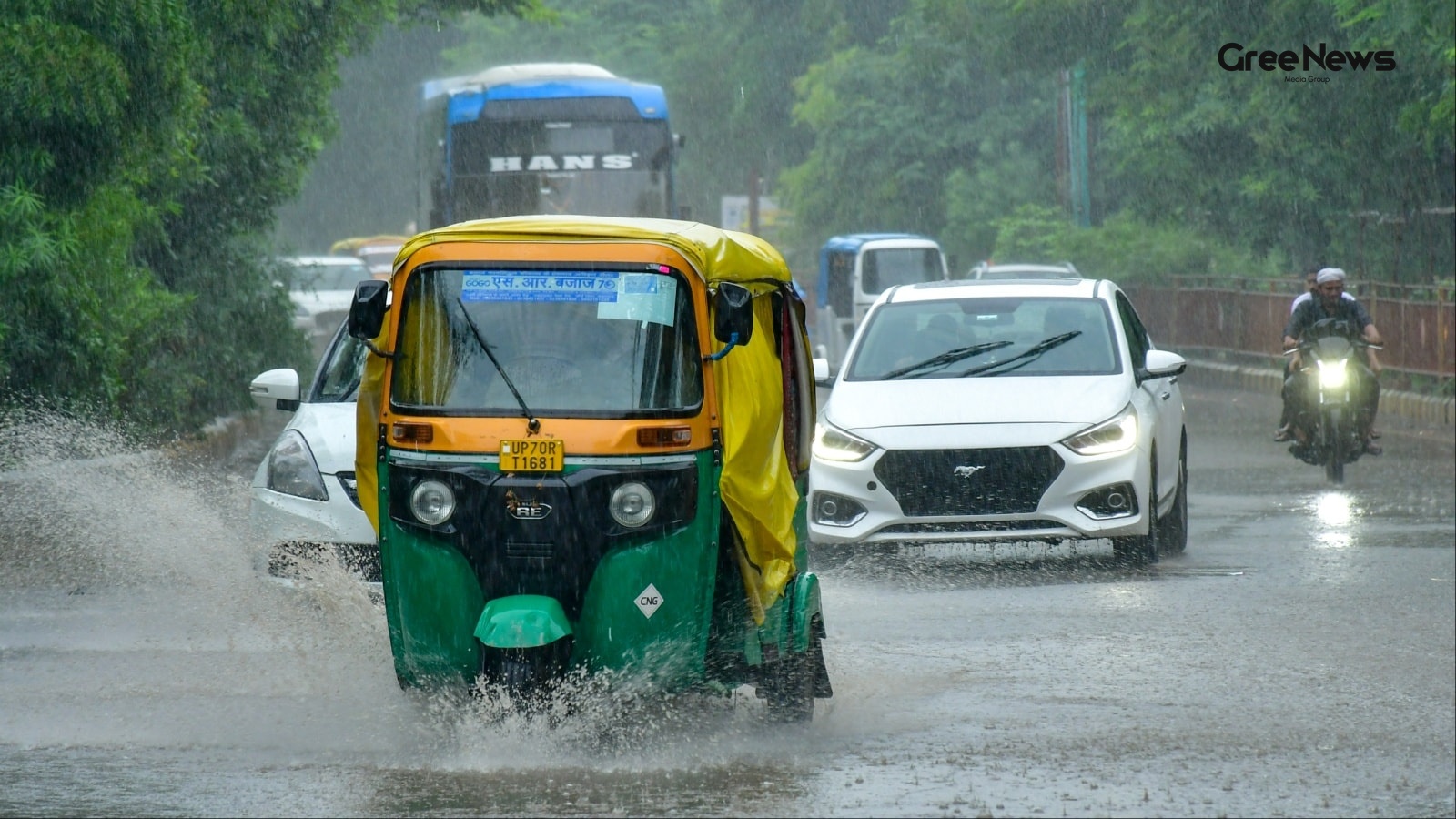
Monsoon Warnings and Disaster Risks Across India
The monsoon spell is kicking in hard across India. The India Meteorological Department just issued warnings about active, heavy rainfall sweeping through large parts of the country now, forecasting serious deluge over several northern, eastern, northeastern and western states over the next few days.
Jul 20, 2026 by Gree News Team

School Dispute Turns into Violent Assault in Ankleshwar
A fight between two school kids in Ankleshwar apparently turned into a full-blown assault. It all started way back with the family of one student stopping two sisters on their way to tuition classes, and then things got seriously violent. They attacked them with a cricket bat and slippers. This whol
Jul 20, 2026 by Gree News Team
Amit Shah's Review on Security and Law and Order in West Bengal
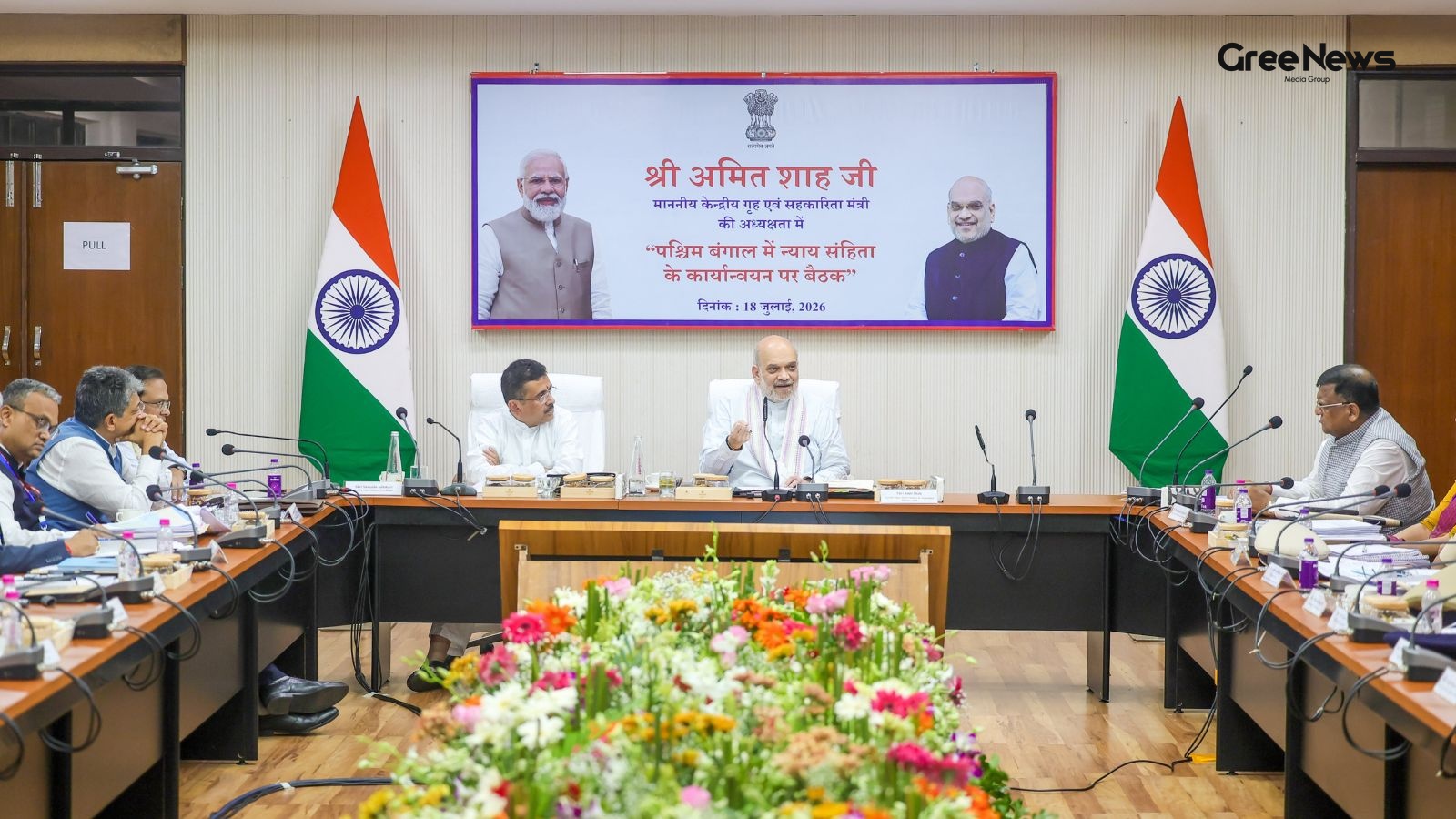
Amit Shah, Union Home Minister and Minister of Cooperation, chaired a high-level review on Sunday. It was about the law and order situation in West Bengal. The whole thing was an outline for strengthening internal security, policing, and the criminal justice system there. The focus wasn’t just gener
Jul 20, 2026 by Gree News Team

Punjab Police's Anti-Drug Effort: Yudh Nashian Virudh Results and Strategy
The Punjab Police rolled out this big anti-drug effort Yudh Nashian Virudh. It’s been running for 500 days now. And it seems to have made some serious dents in the drug trade, plus got communities involved somehow. It really hinges on three things: heavy enforcement, getting people into the communit
Jul 20, 2026 by Gree News Team
Latest Headlines
Monsoon Warnings and Disaster Risks Across India
The monsoon spell is kicking in hard across India. The India Meteorological Department just issued warnings about active, heavy rainfall sweeping through large parts of the country now, forecasting serious deluge over several northern, eastern, northeastern and western states over the next few days.
Jul 20, 2026 by Gree News Team
JD Vance Announces Fourth Child and Family Milestone
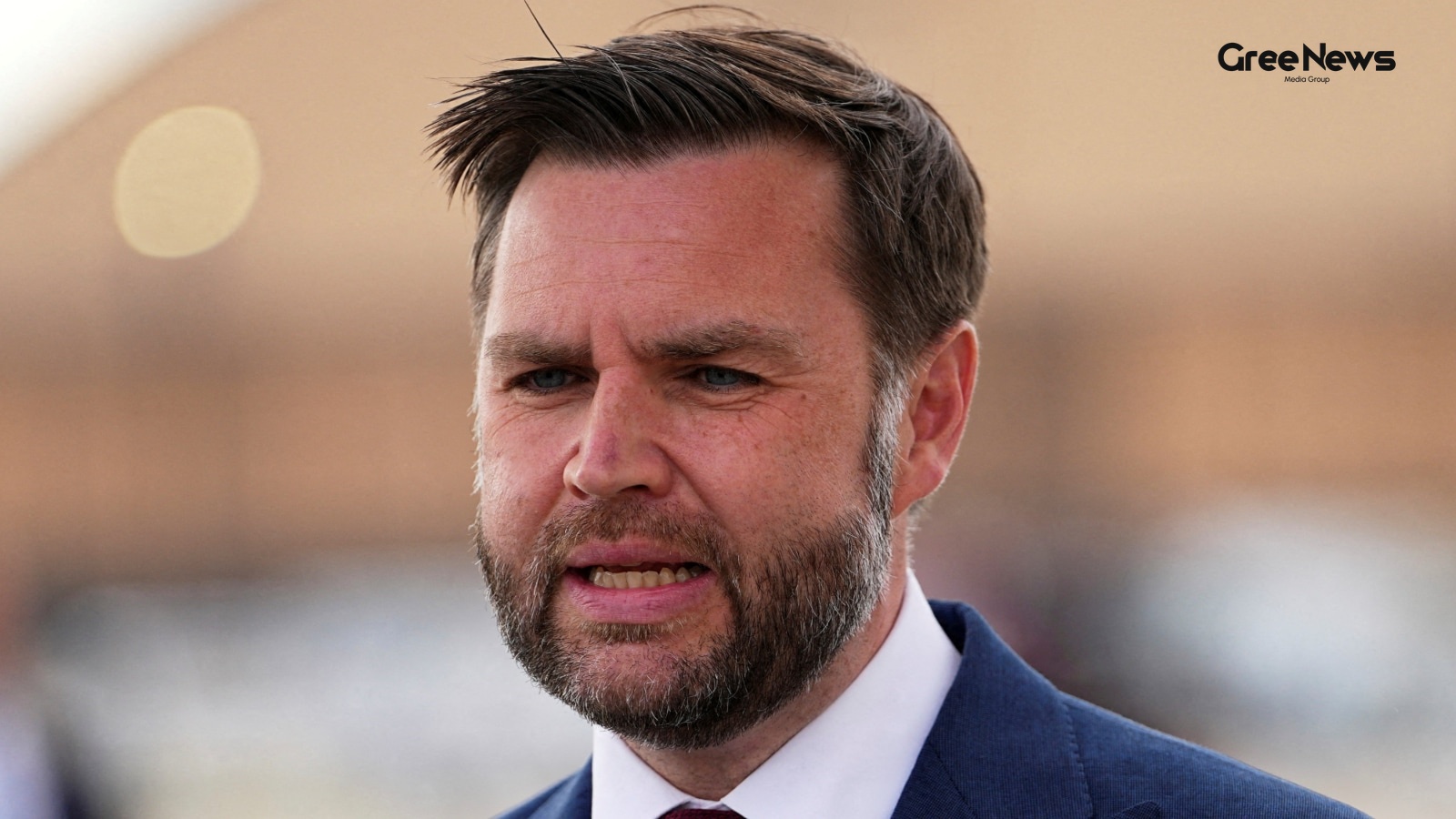
JD Vance just announced he had a fourth child. A son named Alec Neel Vance, with his wife Usha Vance. It came out in a statement shared online. He said everything was fine. The mother and the baby are happy and healthy. "Usha and the baby are happy and healthy," Vance wrote. "Our kids are overjoyed
Jul 20, 2026 by Gree News Team
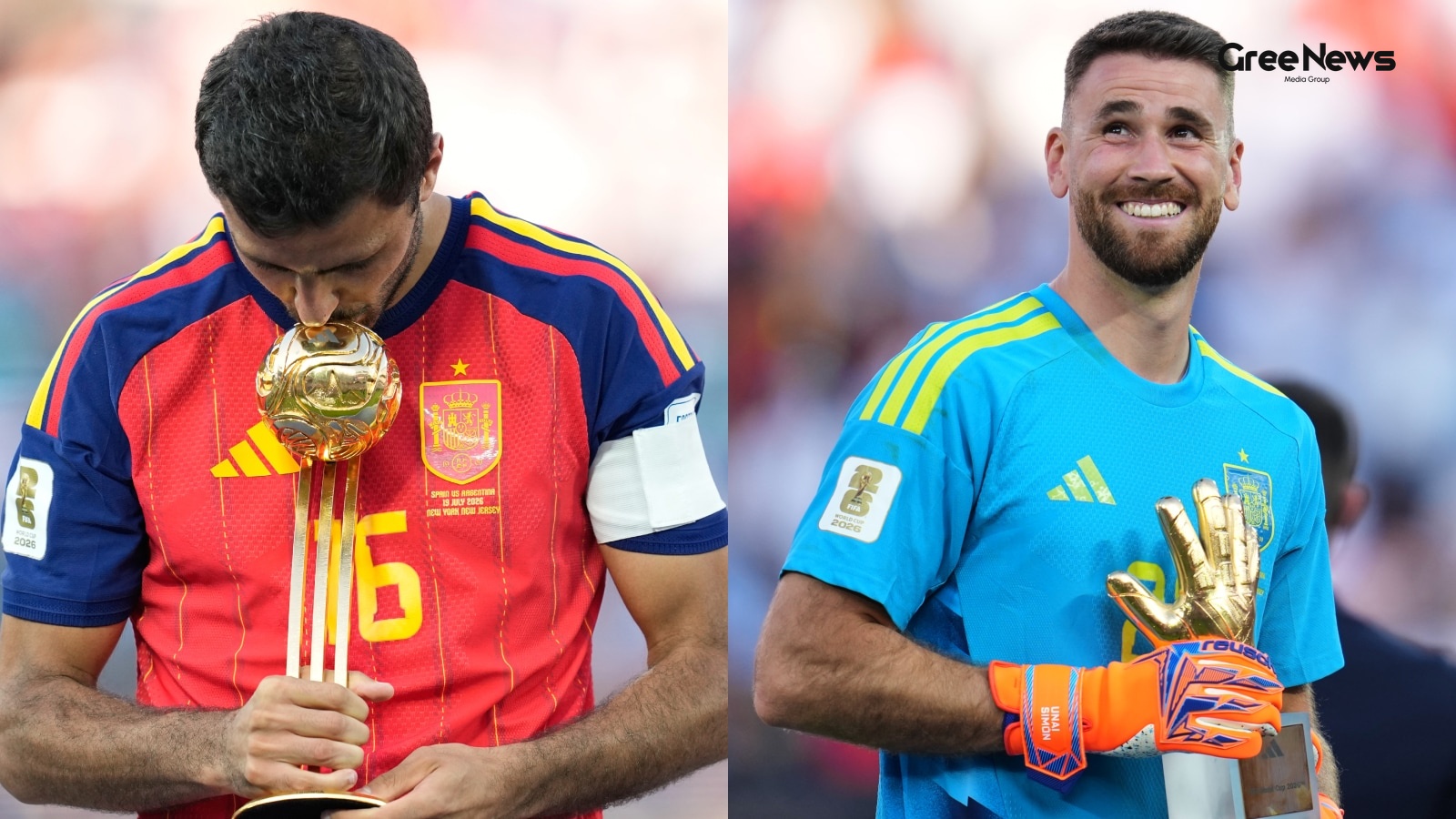
World Cup Final History and Awards
Ferran Torres really made history, didn’t he? That moment in the 106th minute of the World Cup final, when he found the back of the net. It broke Argentine hearts completely as Spain finally claimed the title for the second time. His single strike that one goal it just sent everyone into delirium du
Jul 20, 2026 by Gree News Team

Choosing the Best 2-Ton Inverter Split AC
So you need a 2-ton inverter split AC if your space is big. Think living rooms, conference areas, or those larger halls around 200 to 260 square feet. That’s where these things actually make sense. Things are changing right now with these new models. We’re talking about ACs that have inverter compre
Jul 20, 2026 by Gree News Team
School Dispute Turns into Violent Assault in Ankleshwar
A fight between two school kids in Ankleshwar apparently turned into a full-blown assault. It all started way back with the family of one student stopping two sisters on their way to tuition classes, and then things got seriously violent. They attacked them with a cricket bat and slippers. This whol
Jul 20, 2026 by Gree News Team
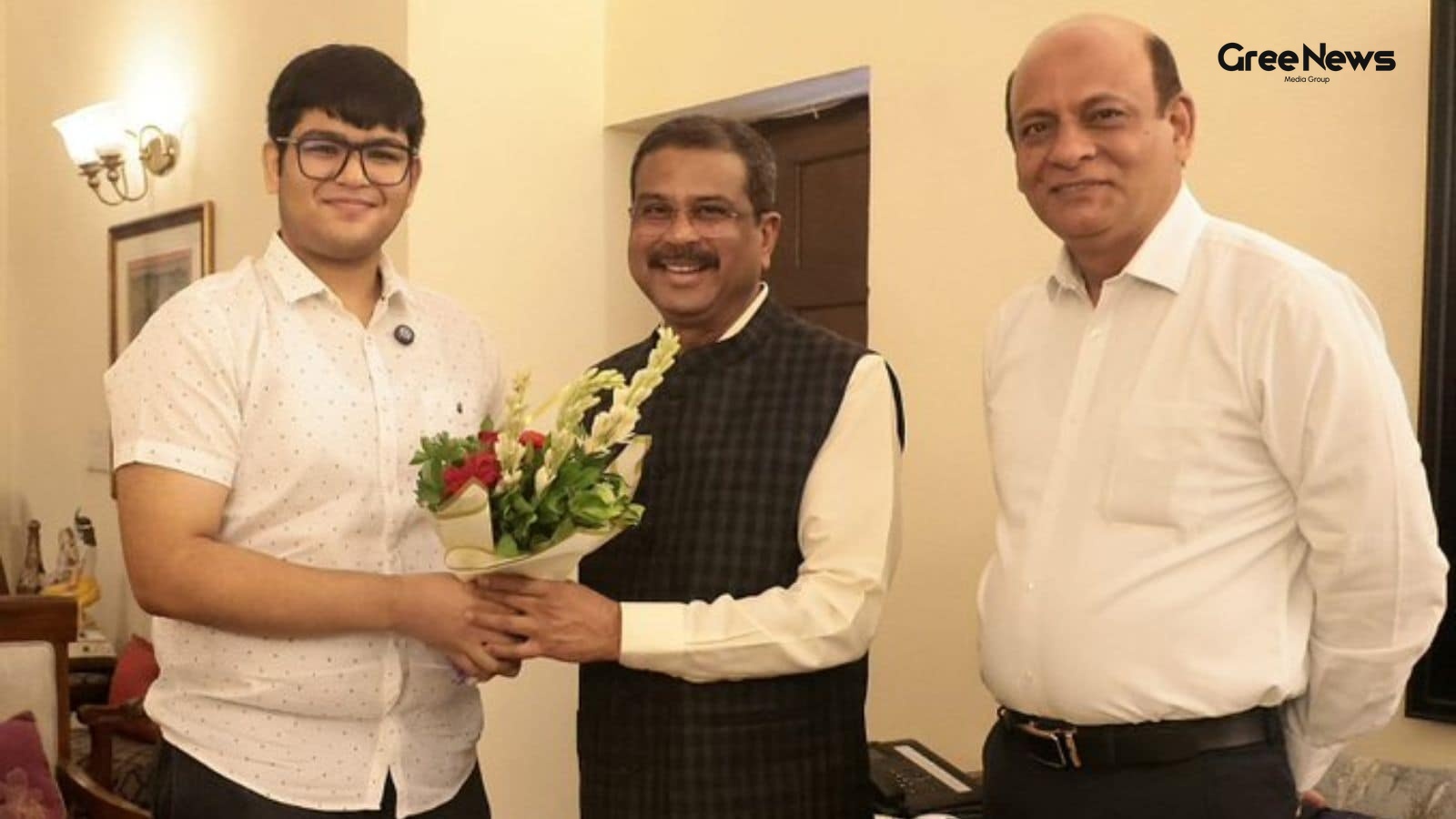
NEET Success Story: Dedication and the Journey to Medical Entrance
Dharmendra Pradhan had a meeting recently with Panshul Bansal, who came in holding the All India Rank 2 spot for the NEET UG 2026 exam. It was about that huge medical entrance test everyone talks about. Pradhan congratulated him. Praised him for the sheer hard work and commitment he showed. Said his
Jul 20, 2026 by Gree News Team
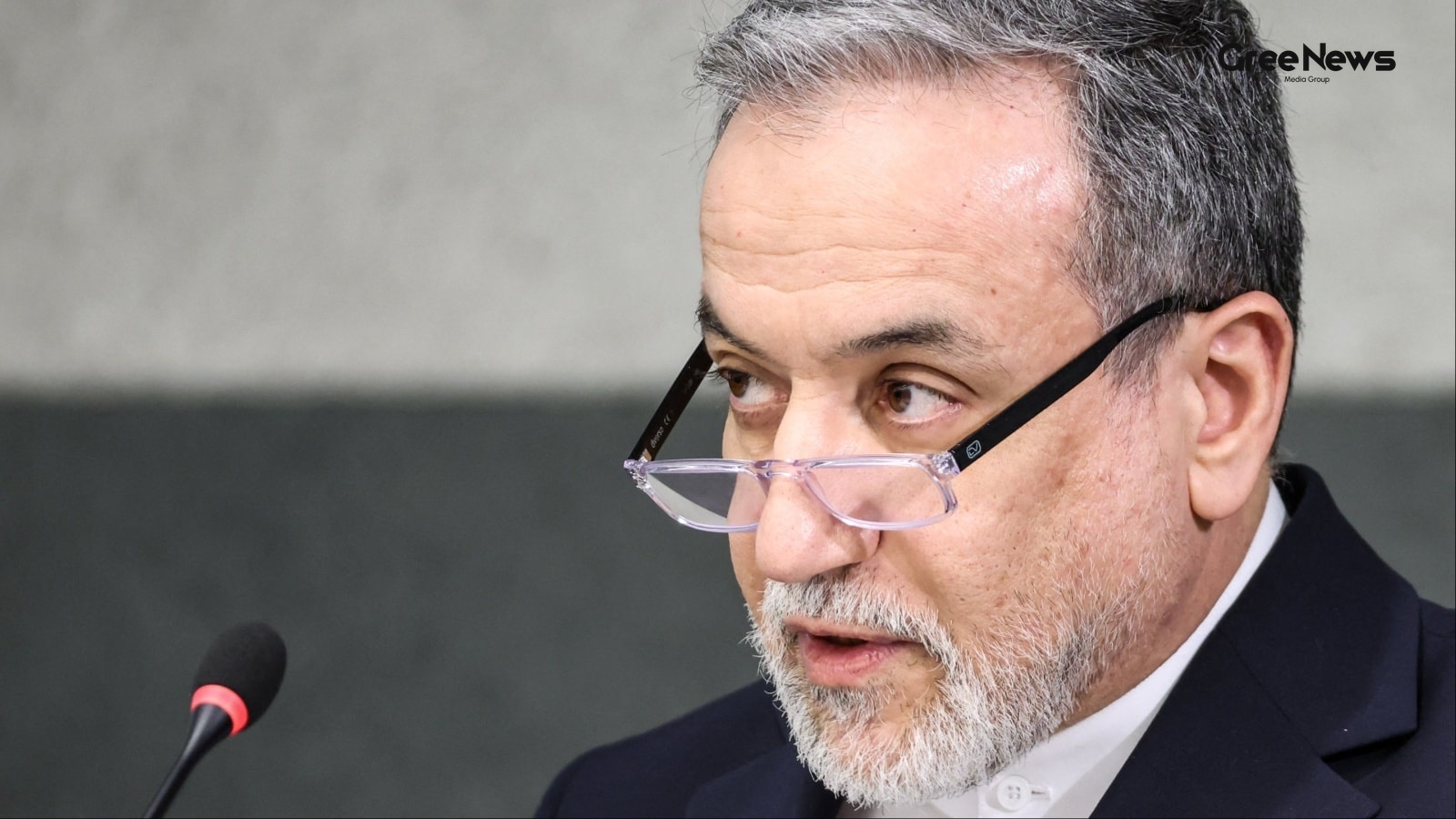
The Psychological Weight of Peace Talks Between Iran and the United States
Abbas Araghchi, the Iranian Foreign Minister, brought up something heavy in an interview with Mehr news agency. He talked about the sheer psychological weight his delegation was under during those peace talks with the United States. It wasn't just diplomacy; it felt like constant danger. He said the
Jul 20, 2026 by Gree News Team
Amit Shah's Review on Security and Law and Order in West Bengal
Amit Shah, Union Home Minister and Minister of Cooperation, chaired a high-level review on Sunday. It was about the law and order situation in West Bengal. The whole thing was an outline for strengthening internal security, policing, and the criminal justice system there. The focus wasn’t just gener
Jul 20, 2026 by Gree News Team
Punjab Police's Anti-Drug Effort: Yudh Nashian Virudh Results and Strategy
The Punjab Police rolled out this big anti-drug effort Yudh Nashian Virudh. It’s been running for 500 days now. And it seems to have made some serious dents in the drug trade, plus got communities involved somehow. It really hinges on three things: heavy enforcement, getting people into the communit
Jul 20, 2026 by Gree News Team
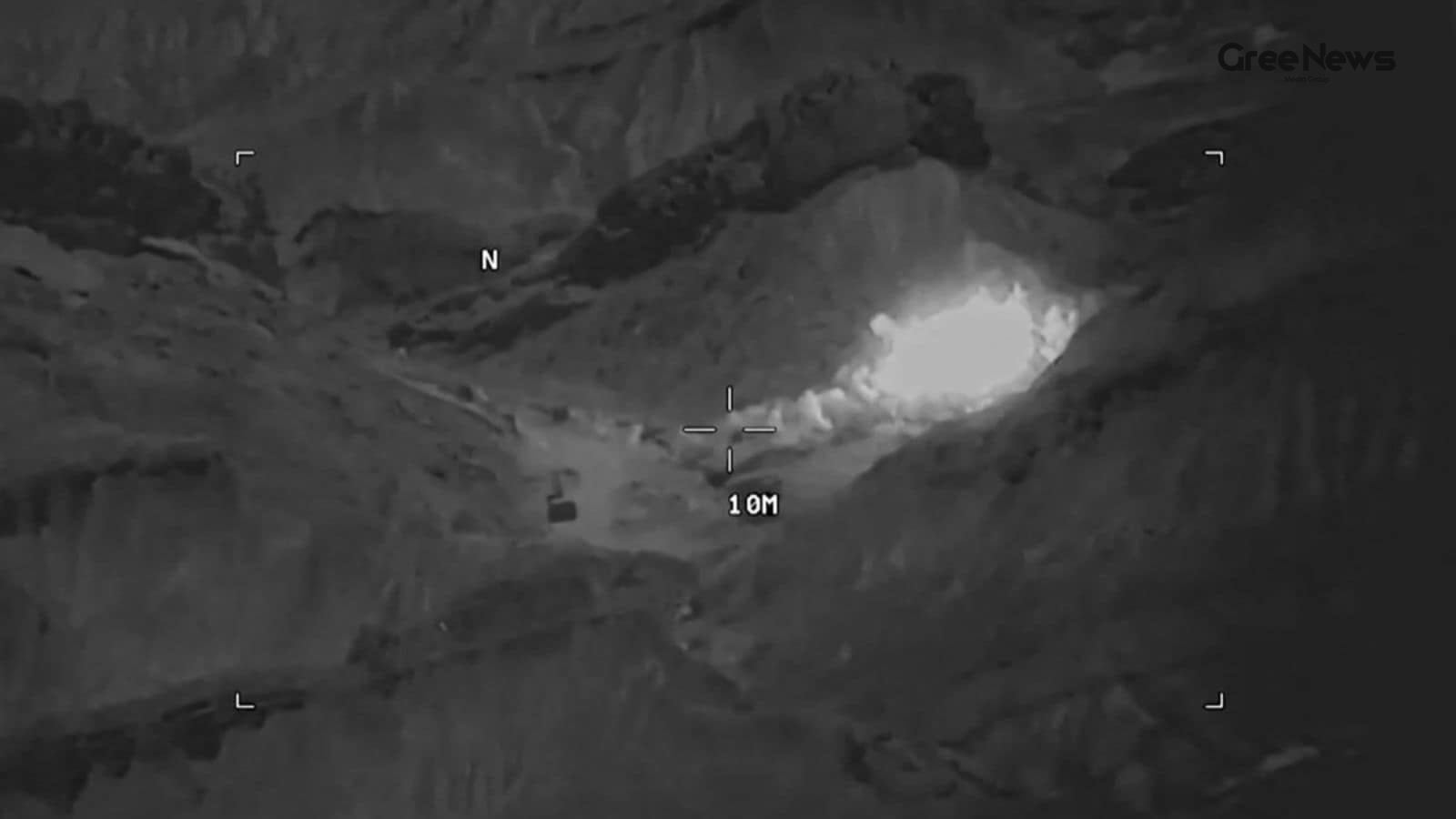
US Iran War News Live
US Iran War News Live. Central Command, CENTCOM, just announced they launched another round of air strikes on Iran Sunday night. This is the ninth time in a row. The whole operation aims to chip away at Tehran’s military strength. Specifically targeting commercial ships in the Strait of Hormuz. And
Jul 20, 2026 by Gree News Team
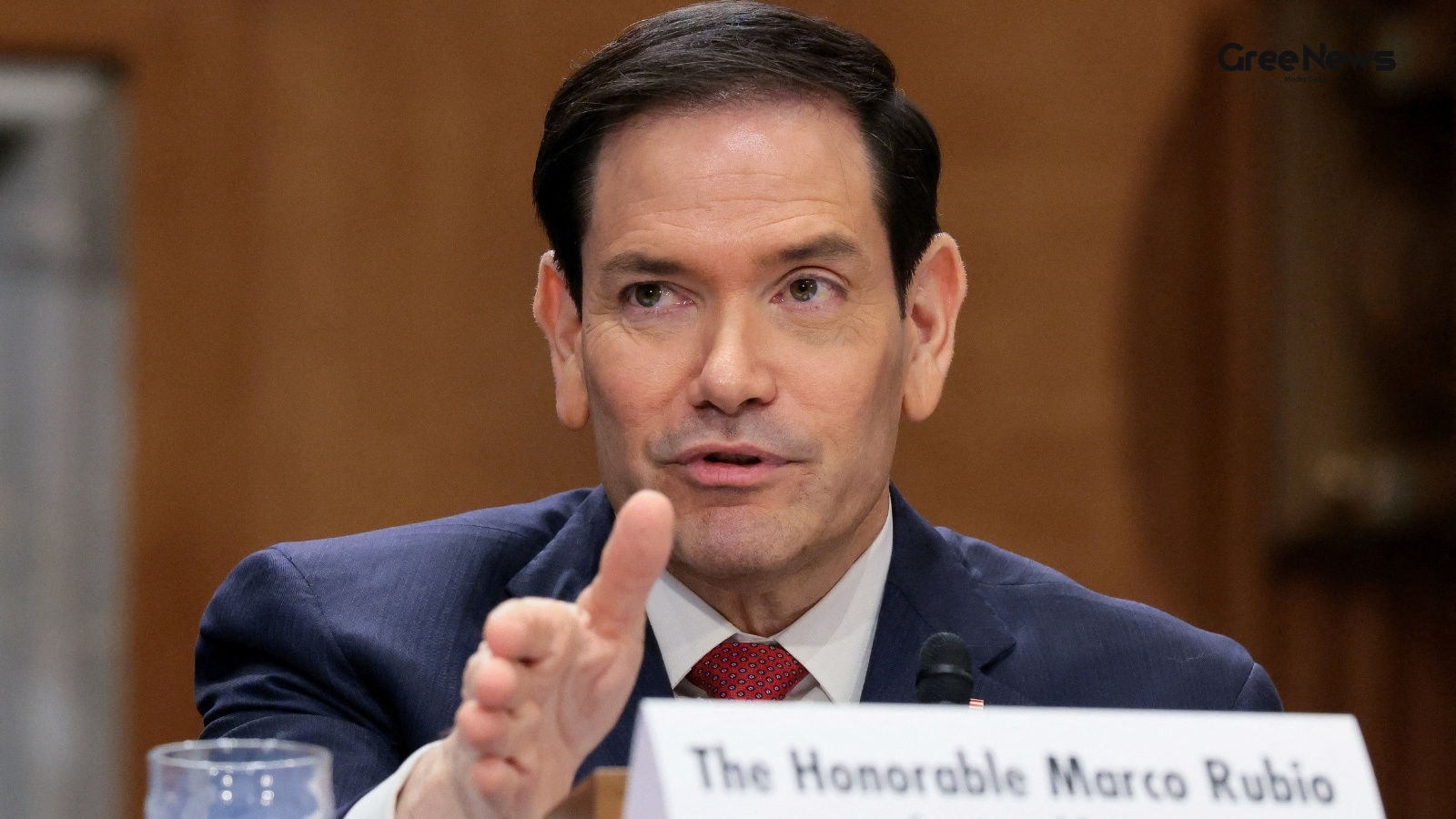
Marco Rubio on US-Iran Relations and Military Escalation
Marco Rubio, the Secretary of State, is saying Washington is getting signals. Indications that Iran wants to talk, even while there are huge divisions happening inside their own leadership structure right now. He spoke to CNN about it. Said they are hearing signs multiple channels telling them Iran
Jul 20, 2026 by Gree News Team

Stock Market Update: July 20th Performance and Global Factors
Stock Market Today, July 20th. It kicked off the week weak domestically. Cautious global vibes were dragging things down. You saw that as the Gulf conflict escalated, crude oil prices jumped past ninety dollars a barrel. Inflation worries flared up right along with it. Selling hit heavyweight privat
Jul 20, 2026 by Gree News Team
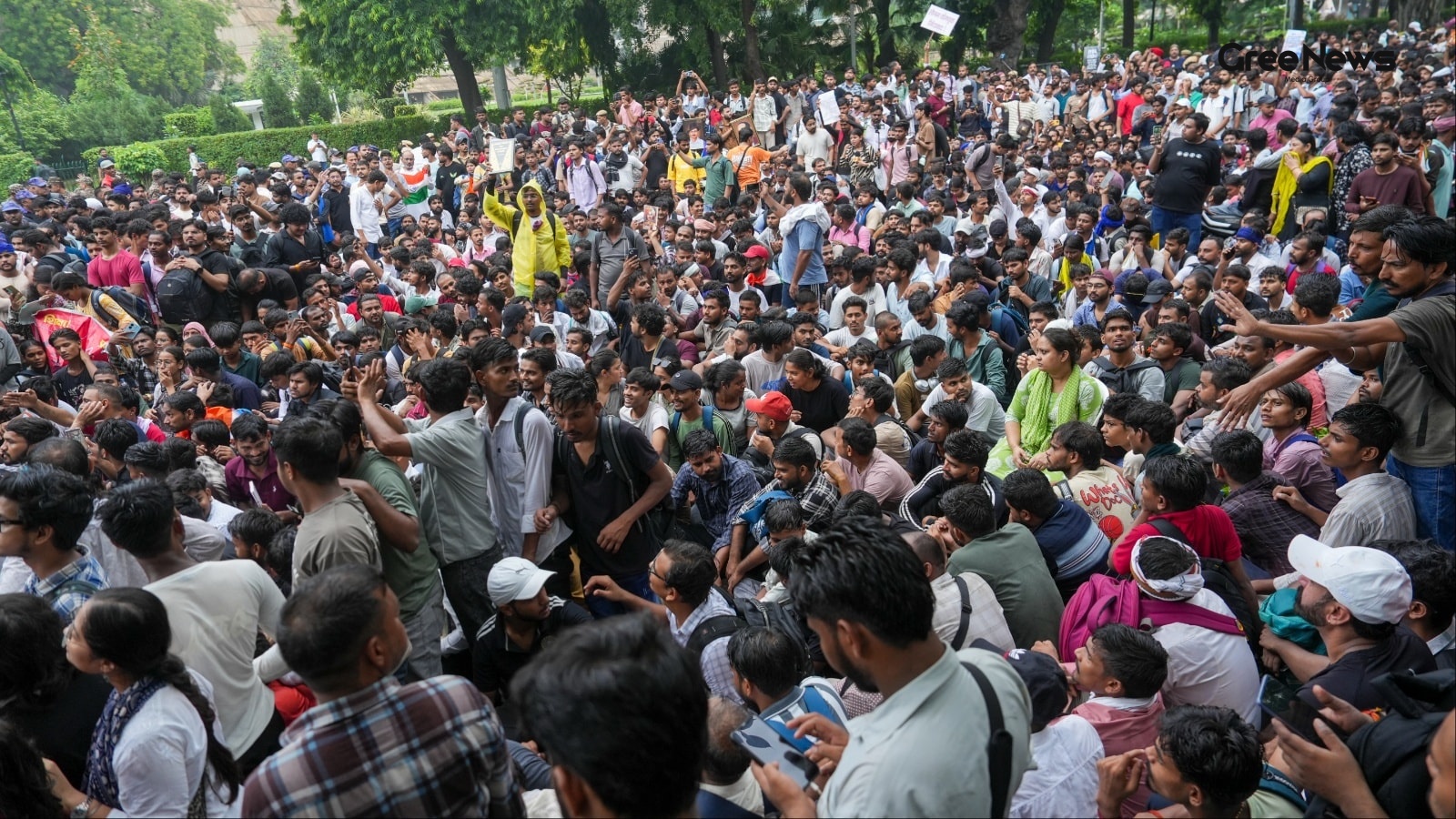
Delhi Security and Protest: High Alert Ahead of Monsoon Session
Delhi is buzzing with tension right now. The national capital has been placed on high alert because of the upcoming Monsoon Session in Parliament. Delhi Police have rolled out massive security operations, trying to manage things as the Cockroach Janata Party CJP prepares for its planned ‘Chalo Sansa
Jul 20, 2026 by Gree News Team
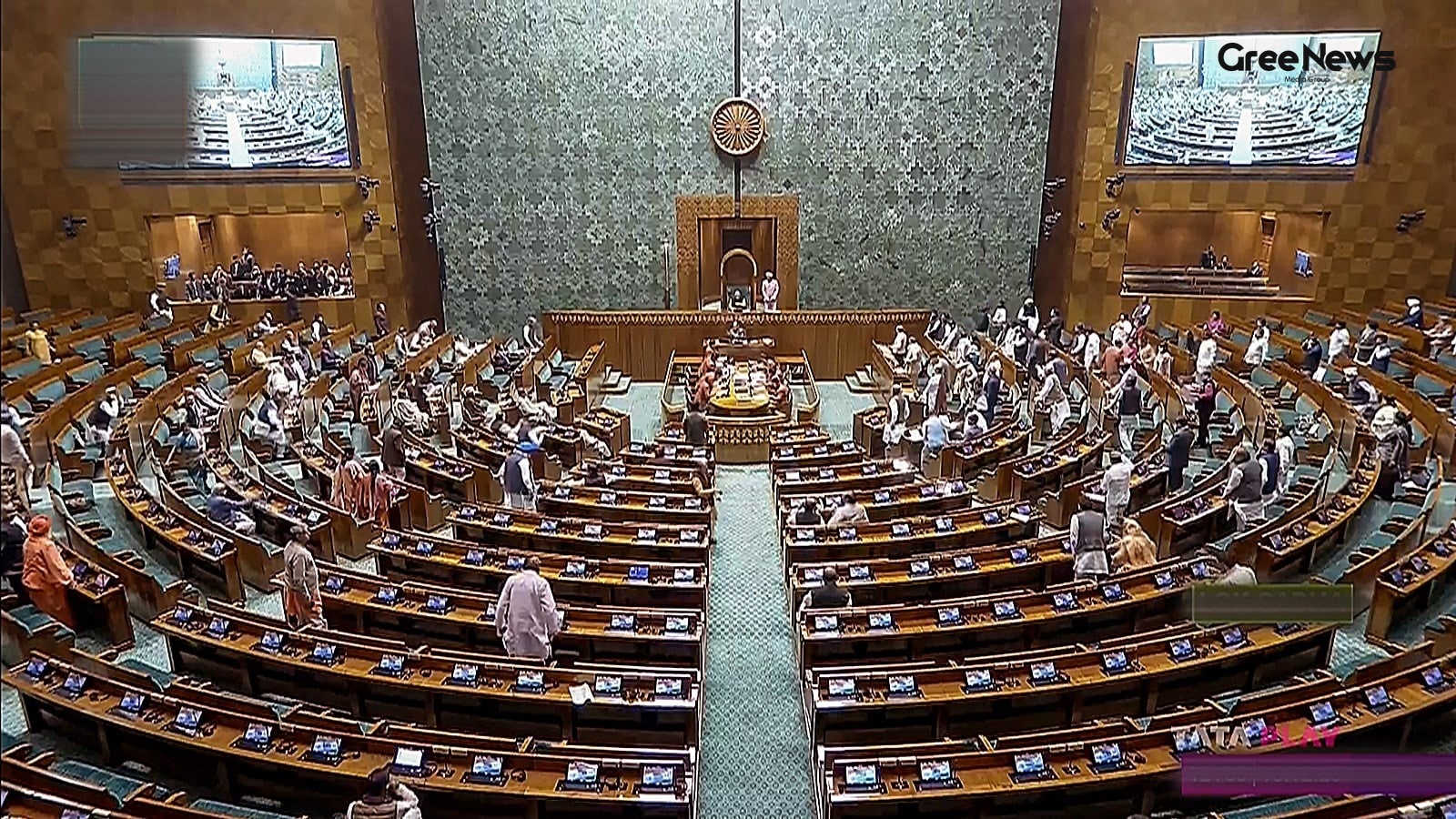
Monsoon Session of Parliament 2026: Political Showdown and Legislative Agenda
The Monsoon Session of Parliament 2026 kicked off today. And honestly, the mood is already thick with expectation. It feels like a political showdown waiting to happen. The ruling NDA government is gearing up to throw some heavy reform Bills on the table. Meanwhile, the Opposition isn't sitting stil
Jul 20, 2026 by Gree News Team
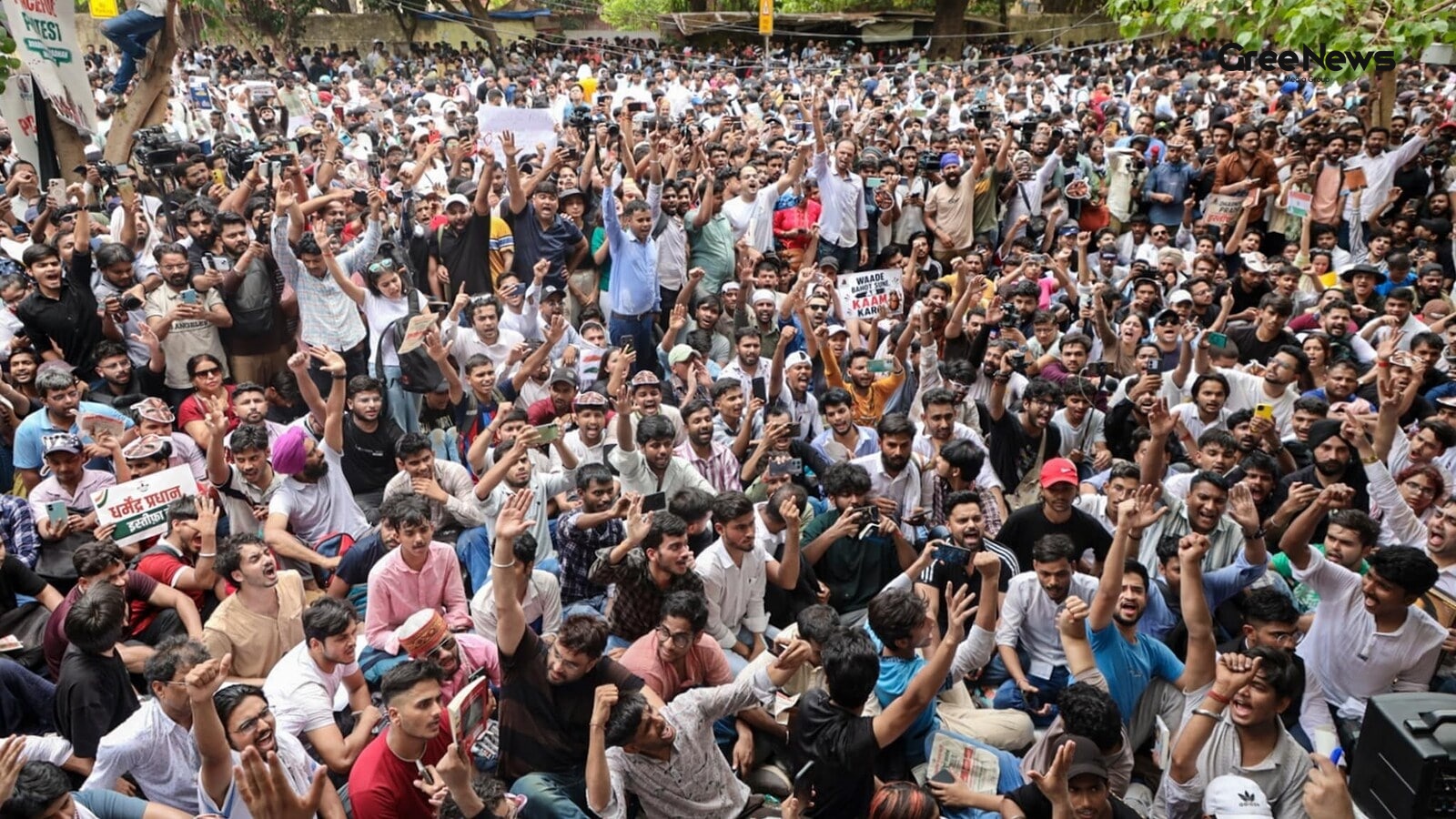
Sonam Wangchuk's Protest and the Demand for Accountability
Sonam Wangchuk’s protest, kicked off by the Cockroach Janta Party, is moving toward Parliament now. It’s their ‘Chalo Sansad’ march. They are demanding the resignation of Union Education Minister Dharmendra Pradhan. The reason? Alleged NEET paper leaks. Student suicides. Everything about the whole e
Jul 20, 2026 by Gree News Team