The Shift in Global Supply Chains: Japan, China, and India's Future
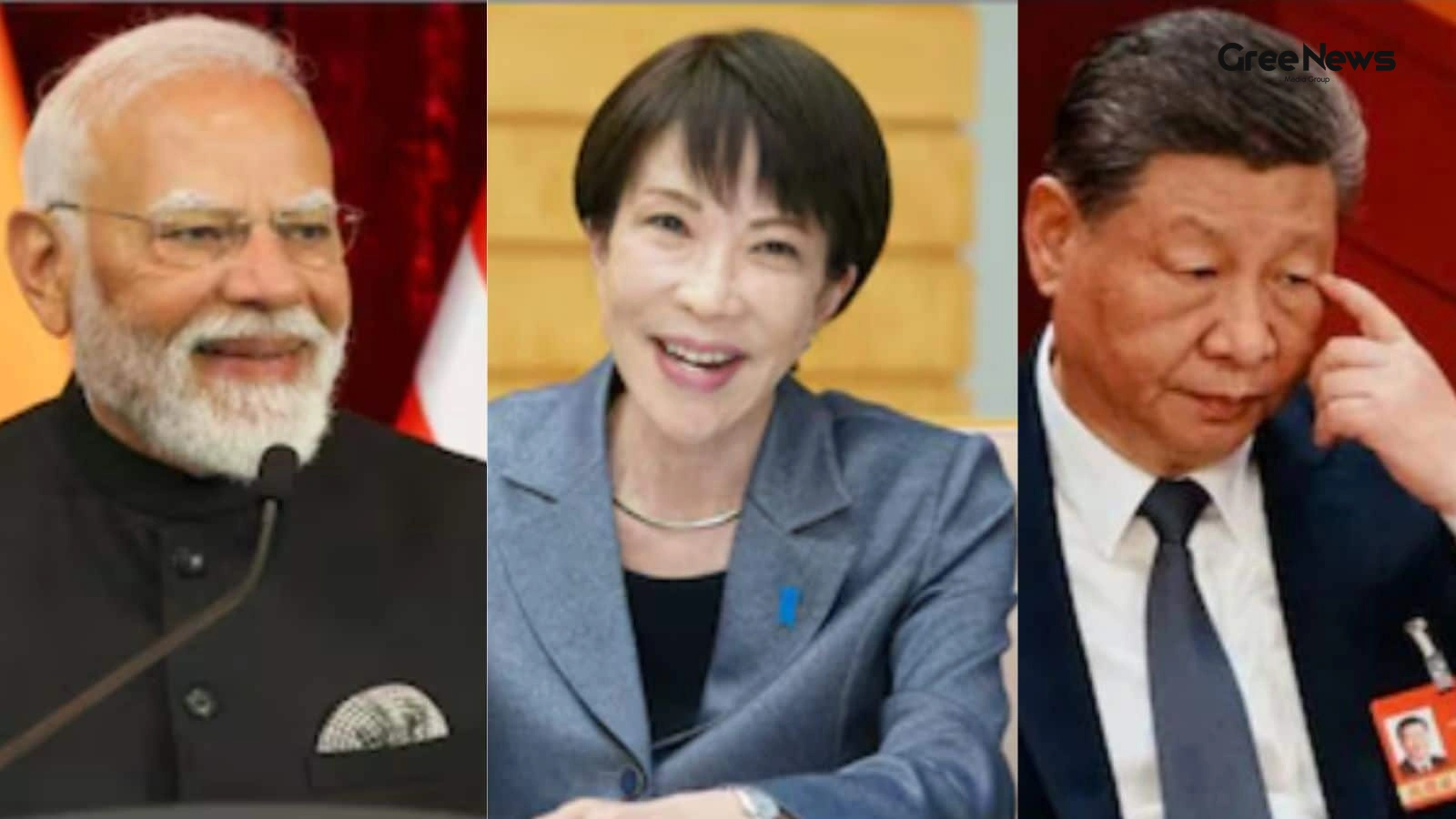
Japanese banks have been financing Chinese factories and industrial parks for a long time. It started way back in the 1970s and 80s, kind of official development assistance, ODA. Then came the massive commercial loans as Japanese manufacturers started moving their supply chains into China during the 90s and 2000s.
That made Japanese companies deeply tied into China’s economic boom. Automobiles, electronics, machinery, exports—they were everywhere. But things are shifting now. Japanese firms are starting to look at their China exposure differently. They’re seeing slowing growth, costs creeping up, and all this geopolitical uncertainty. They’re starting to look toward India and Southeast Asia instead.
This whole move is part of that big “China Plus One” strategy. Global companies are looking for other places to build factories, other places to invest, just to cut down on their reliance on China.
If this trend really picks up steam, it could bring new factories, new jobs, new tech, and more capital into India. It could be a huge deal for how Asian manufacturing and investment flows change.
So, does this mean India is finally becoming the biggest winner in this whole supply-chain reshuffle happening across Asia?
Why Japan Is Pulling Back From China
Japan’s whole engagement with China was built on a simple setup. Japanese manufacturers moved production there because labor was cheap, infrastructure was efficient, and they had access to global markets. Japanese banks just followed suit, giving the financing and backing the expansion.
But those conditions? They’ve changed a lot.
China’s growth targets have slowed down. They dropped from double-digit rates to maybe 4.5% or 5%, the lowest since 1991. Labour costs have shot up, hitting nearly $8 an hour compared to places like Vietnam ($2.3) or India ($1.1). That advantage as a low-cost manufacturing spot? It’s shrinking.
On top of that, the geopolitical tensions with the US, the worries about supply chains breaking down, all that growing uncertainty about global trade—it’s made companies rethink all the concentration risks.
The Covid-19 pandemic really exposed how fragile those global supply chains were. Factory shutdowns, shipping messes, bottlenecks everywhere. It convinced many multinationals that relying too much on just one country was just too risky.
“Japanese financial institutions aren’t just leaving China,” says Pratnashree Basu, an Associate Fellow at the Observer Research Foundation (ORF). “They are just getting more cautious. Slower growth, that property crisis dragging on, regulatory headaches, geopolitical stress, and just general economic security concerns—they’ve all messed with how they calculate risk. For many Japanese firms, it’s less about ditching China entirely and more about cutting down on that risk concentration.”
Why Diversification Has Become A Necessity For Japanese Corporates
A Nikkei report pointed this out. Japanese local and regional banks are slowly shrinking their presence in China. Why? Because a lot of their corporate clients are running into serious headwinds there.
Manufacturers operating in China are struggling too. They’re dealing with those rising labor costs, tougher competition from domestic firms, and slowing demand across key industries. It’s made them re-evaluate staying there long-term.
The report noted that the number of branches run by Japanese local banks in China has actually dropped by about 20% over the last five years. It doesn’t mean they’re completely out. It just shows a steady scaling back. A shift of resources away from China.
This pivot is showing up across Japan’s regional banking scene. Chiba Bank and 77 Bank, for example, opened new hubs in Singapore. Saikyo Bank is setting up a subsidiary in Indonesia. These moves show a wider effort to back Japanese businesses expanding across Southeast Asia, moving investments beyond China.
Why India Is Suddenly Attractive
India is another big piece of this puzzle. It’s not just a random choice. Unlike some older economies, India manages to combine fast economic growth with a huge domestic consumer market. It’s already one of the world’s fastest-growing major economies, and it’s expected to keep that momentum for the next decade.
The demographics are also a huge factor. While China and Japan are dealing with aging populations, India has a young workforce and a growing middle class. That gives investors both a manufacturing base and a massive market for goods and services.
Basu stressed this point. “India offers something China just doesn’t have right now. It’s this mix of rapid growth, a young workforce, booming domestic consumption, and huge demand for infrastructure.”
For Japanese banks, India isn't just some place to build factories. It’s a long-term growth market. There’s massive demand for financing in transport, energy, digital infrastructure, and industrial corridors. China’s economy is maturing; India is still in an earlier phase, which means there’s more room to grow.
Government efforts are also helping this. Things like the Production-Linked Incentive schemes, the infrastructure spending, and trying to make business easier—all designed to pull in global manufacturers looking for options outside of China.
That’s why India is becoming a key part of that “China Plus One” play, across everything from cars and electronics to chemicals and logistics.
Japanese Investment In India
The money is moving. Japanese foreign direct investment in India has hit over 2.7 lakh crore, according to JETRO. You’ve got about 1,430 Japanese companies already running operations there, spread across 5,200 local businesses in sectors like auto, infrastructure, finance, tech, and manufacturing.
Japan has always been a major economic partner for India. The Ministry of Foreign Affairs points to cooperation in infrastructure, industrial corridors, connectivity projects, and private investments.
Tokyo has also been pushing things forward. They’ve created specific ways to help Japanese firms navigate the opportunities and the challenges in the Indian market.
This shift is especially interesting because Japanese capital tends to be cautious and long-term. When they commit, they often stick around for decades.
Basu noted that the India-Japan relationship is getting way more complex now. It’s moving past just infrastructure and aid. It’s now about supply chains, critical tech like semiconductors, economic security, defense ties, and maritime safety.
Both countries increasingly see each other as essential partners in shaping the Indo-Pacific. Culturally, there’s this weird absence of deep historical baggage. Basu mentioned that while shared Buddhist links offer a foundation, the modern bond is driven more by mutual trust, reliable governance, and a shared preference for stable, rules-based regional arrangements.
Which Indian Sectors Could Gain?
Basu pointed out what might really light up. Infrastructure, manufacturing, renewable energy, electronics, semiconductors, defense production, logistics, digital services, and data infrastructure. Those are the obvious growth drivers.
But there’s something else, something often missed. The industrial ecosystem development. Think warehousing, supply-chain management, industrial parks, and all the services that make manufacturing competitive. That’s where the real growth is happening as India moves past just services toward building actual productive capacity.
Japanese companies already play a big role in India’s auto sector, with names like Suzuki, Toyota, and Honda. As supply chains diversify globally, we could see more investment flowing into electronics manufacturing, industrial machinery, components, and advanced manufacturing there.
Electric vehicle supply chains look like another huge chance. Japan is a leader in auto tech, batteries, and engineering. As India pushes for EVs, Japanese investment could really help build out local manufacturing ecosystems.
Infrastructure is also a big play. Japan has already been involved in big projects—metro systems, industrial corridors, high-speed rail. More capital could really speed up logistics and transport development.
Financial services, housing, and real estate are starting to look more interesting too. Japanese lenders and investors are exploring chances beyond just manufacturing now, seeing India’s economy expand.
India Is Not The Only Option
India is certainly attracting Japanese interest. But it’s far from being the only place competing for that investment.
Vietnam, Thailand, and Indonesia are all stepping up as alternatives to China. These countries already have strong manufacturing bases, export-focused policies, and good logistics networks.
Vietnam, in particular, has benefited hugely from this diversification. Lots of global manufacturers have moved production there because of its closeness to China, its existing export setup, and favorable trade deals.
This means India isn’t just competing against China. It’s competing against a whole group of fast-growing Southeast Asian economies.
So, can India actually replace China?
That’s where things get tricky. China built its manufacturing dominance over decades. It did it through massive infrastructure spending, industrial clusters, huge pools of skilled labor, and incredibly efficient logistics. Replicating that scale? That takes time.
India still has hurdles. Infrastructure has gotten better, sure, but it’s still uneven. Manufacturing needs to get more productive. Regulatory red tape still frustrates some investors. Skill development is a major sticking point, especially in those advanced manufacturing areas.
There’s also the execution question. Investors have been interested for years. The real test is whether that interest actually translates into massive production, real exports, and jobs.
Basu put it nicely. “The more important question isn’t whether India can replace China. It’s whether it can reduce the world’s overall dependence on China.”
Written by Gree News Team — Senior Editorial Board
Gree News Team covers international news and global affairs at Gree News. Our collective of senior editors is dedicated to providing independent, accurate, and responsible journalism for a global audience.
More from World
View All
JD Vance Announces Fourth Child and Family Milestone
JD Vance just announced he had a fourth child. A son named Alec Neel Vance, with his wife Usha Vance. It came out in a statement shared online. He said everything was fine. The mother and the baby are happy and healthy. "Usha and the baby are happy and healthy," Vance wrote. "Our kids are overjoyed
Jul 20, 2026 by Gree News Team
The Psychological Weight of Peace Talks Between Iran and the United States
Abbas Araghchi, the Iranian Foreign Minister, brought up something heavy in an interview with Mehr news agency. He talked about the sheer psychological weight his delegation was under during those peace talks with the United States. It wasn't just diplomacy; it felt like constant danger. He said the
Jul 20, 2026 by Gree News Team

US Iran War News Live
US Iran War News Live. Central Command, CENTCOM, just announced they launched another round of air strikes on Iran Sunday night. This is the ninth time in a row. The whole operation aims to chip away at Tehran’s military strength. Specifically targeting commercial ships in the Strait of Hormuz. And
Jul 20, 2026 by Gree News Team
Marco Rubio on US-Iran Relations and Military Escalation
Marco Rubio, the Secretary of State, is saying Washington is getting signals. Indications that Iran wants to talk, even while there are huge divisions happening inside their own leadership structure right now. He spoke to CNN about it. Said they are hearing signs multiple channels telling them Iran
Jul 20, 2026 by Gree News Team
Latest Headlines
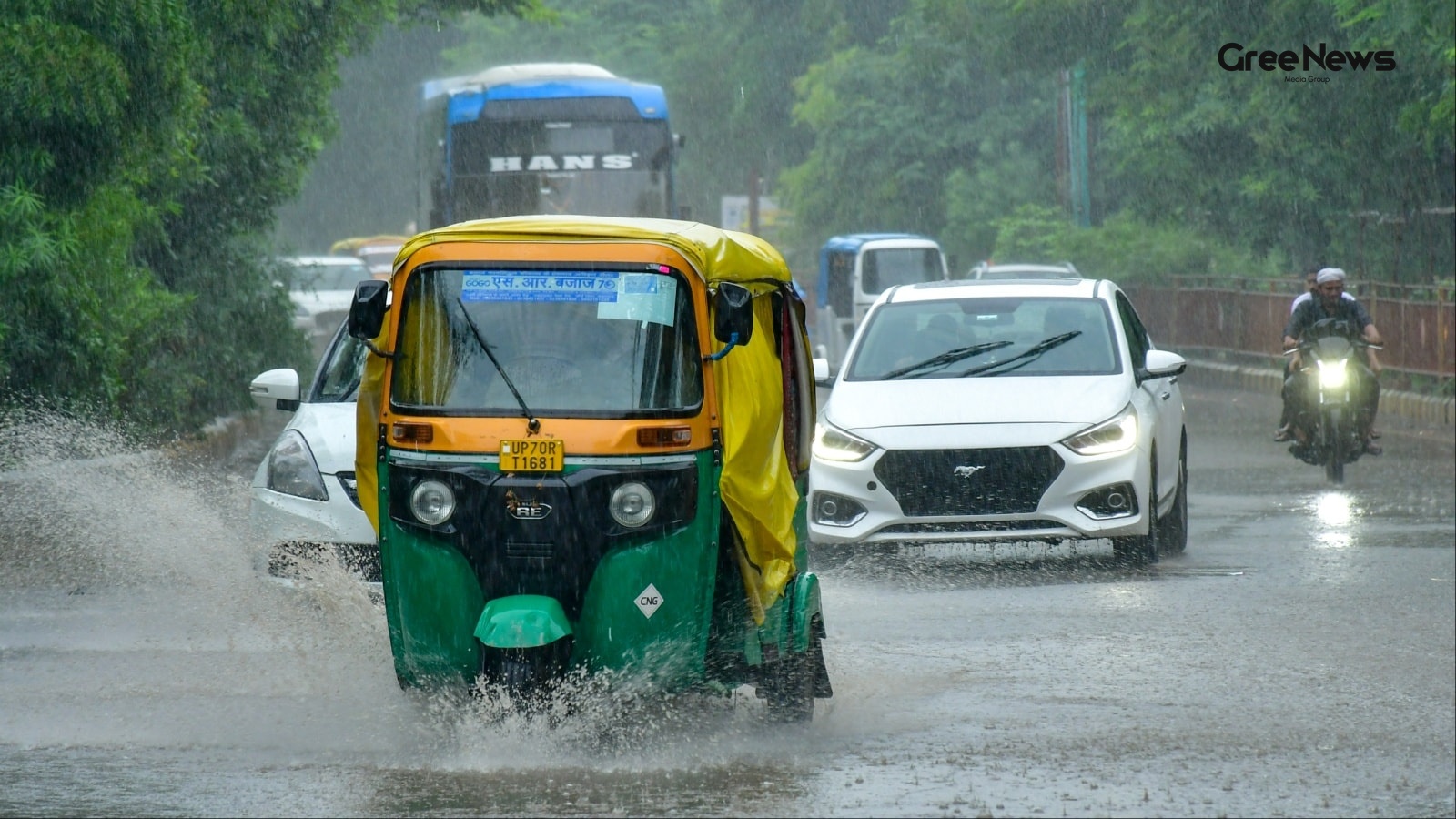
Monsoon Warnings and Disaster Risks Across India
The monsoon spell is kicking in hard across India. The India Meteorological Department just issued warnings about active, heavy rainfall sweeping through large parts of the country now, forecasting serious deluge over several northern, eastern, northeastern and western states over the next few days.
Jul 20, 2026 by Gree News Team
JD Vance Announces Fourth Child and Family Milestone
JD Vance just announced he had a fourth child. A son named Alec Neel Vance, with his wife Usha Vance. It came out in a statement shared online. He said everything was fine. The mother and the baby are happy and healthy. "Usha and the baby are happy and healthy," Vance wrote. "Our kids are overjoyed
Jul 20, 2026 by Gree News Team

World Cup Final History and Awards
Ferran Torres really made history, didn’t he? That moment in the 106th minute of the World Cup final, when he found the back of the net. It broke Argentine hearts completely as Spain finally claimed the title for the second time. His single strike that one goal it just sent everyone into delirium du
Jul 20, 2026 by Gree News Team

Choosing the Best 2-Ton Inverter Split AC
So you need a 2-ton inverter split AC if your space is big. Think living rooms, conference areas, or those larger halls around 200 to 260 square feet. That’s where these things actually make sense. Things are changing right now with these new models. We’re talking about ACs that have inverter compre
Jul 20, 2026 by Gree News Team

School Dispute Turns into Violent Assault in Ankleshwar
A fight between two school kids in Ankleshwar apparently turned into a full-blown assault. It all started way back with the family of one student stopping two sisters on their way to tuition classes, and then things got seriously violent. They attacked them with a cricket bat and slippers. This whol
Jul 20, 2026 by Gree News Team
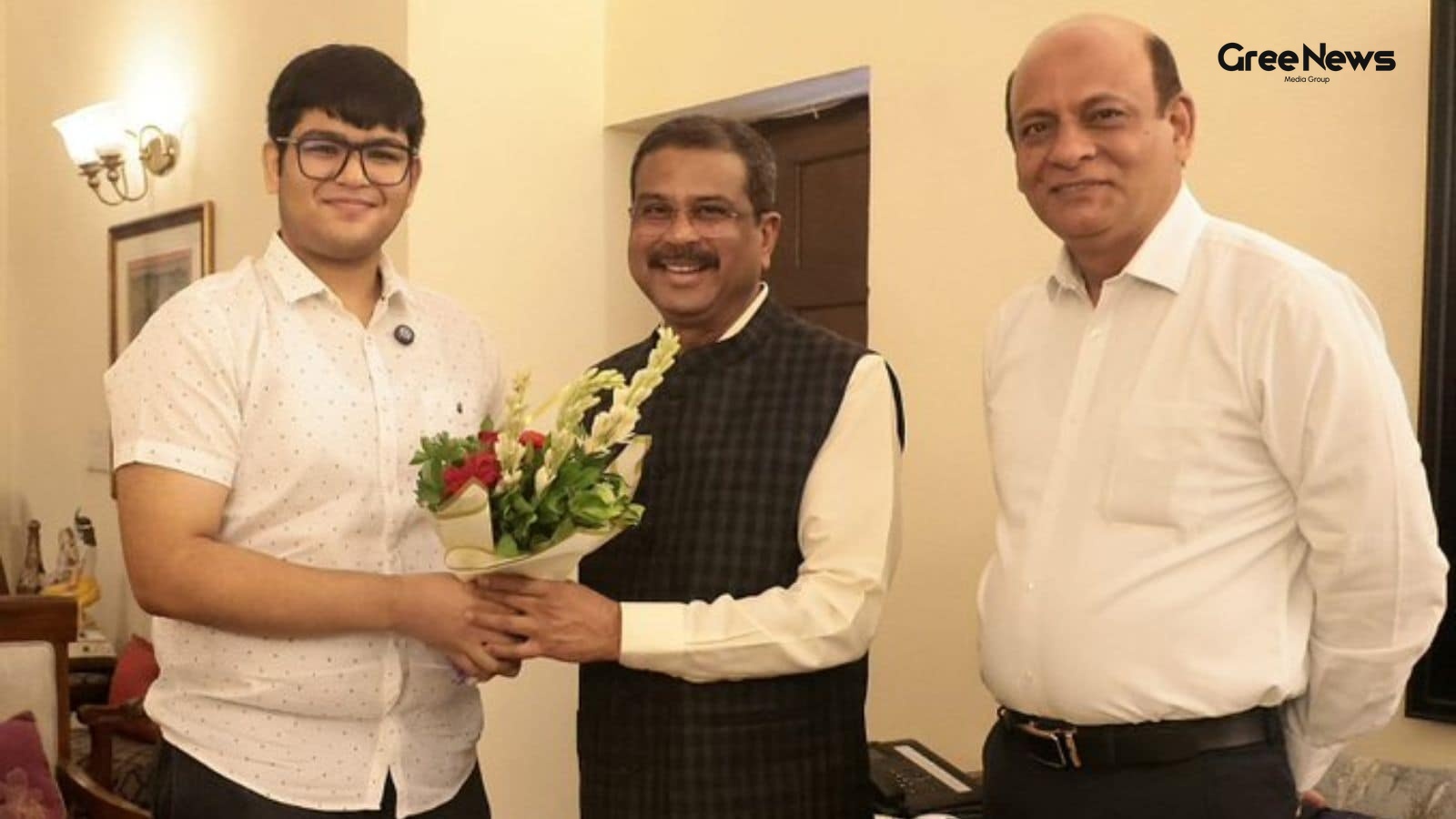
NEET Success Story: Dedication and the Journey to Medical Entrance
Dharmendra Pradhan had a meeting recently with Panshul Bansal, who came in holding the All India Rank 2 spot for the NEET UG 2026 exam. It was about that huge medical entrance test everyone talks about. Pradhan congratulated him. Praised him for the sheer hard work and commitment he showed. Said his
Jul 20, 2026 by Gree News Team
The Psychological Weight of Peace Talks Between Iran and the United States
Abbas Araghchi, the Iranian Foreign Minister, brought up something heavy in an interview with Mehr news agency. He talked about the sheer psychological weight his delegation was under during those peace talks with the United States. It wasn't just diplomacy; it felt like constant danger. He said the
Jul 20, 2026 by Gree News Team
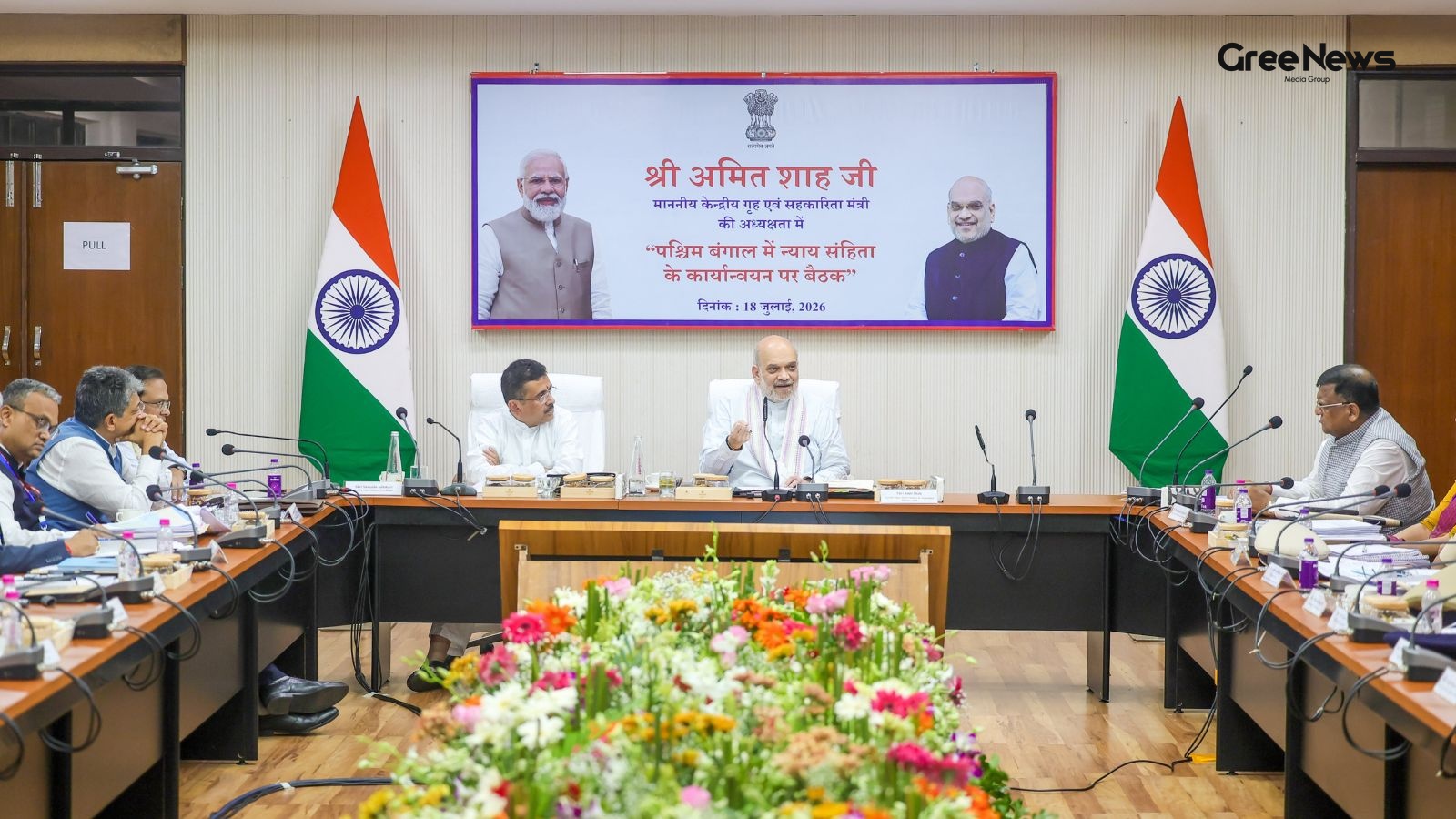
Amit Shah's Review on Security and Law and Order in West Bengal
Amit Shah, Union Home Minister and Minister of Cooperation, chaired a high-level review on Sunday. It was about the law and order situation in West Bengal. The whole thing was an outline for strengthening internal security, policing, and the criminal justice system there. The focus wasn’t just gener
Jul 20, 2026 by Gree News Team

Punjab Police's Anti-Drug Effort: Yudh Nashian Virudh Results and Strategy
The Punjab Police rolled out this big anti-drug effort Yudh Nashian Virudh. It’s been running for 500 days now. And it seems to have made some serious dents in the drug trade, plus got communities involved somehow. It really hinges on three things: heavy enforcement, getting people into the communit
Jul 20, 2026 by Gree News Team
US Iran War News Live
US Iran War News Live. Central Command, CENTCOM, just announced they launched another round of air strikes on Iran Sunday night. This is the ninth time in a row. The whole operation aims to chip away at Tehran’s military strength. Specifically targeting commercial ships in the Strait of Hormuz. And
Jul 20, 2026 by Gree News Team
Marco Rubio on US-Iran Relations and Military Escalation
Marco Rubio, the Secretary of State, is saying Washington is getting signals. Indications that Iran wants to talk, even while there are huge divisions happening inside their own leadership structure right now. He spoke to CNN about it. Said they are hearing signs multiple channels telling them Iran
Jul 20, 2026 by Gree News Team

Stock Market Update: July 20th Performance and Global Factors
Stock Market Today, July 20th. It kicked off the week weak domestically. Cautious global vibes were dragging things down. You saw that as the Gulf conflict escalated, crude oil prices jumped past ninety dollars a barrel. Inflation worries flared up right along with it. Selling hit heavyweight privat
Jul 20, 2026 by Gree News Team
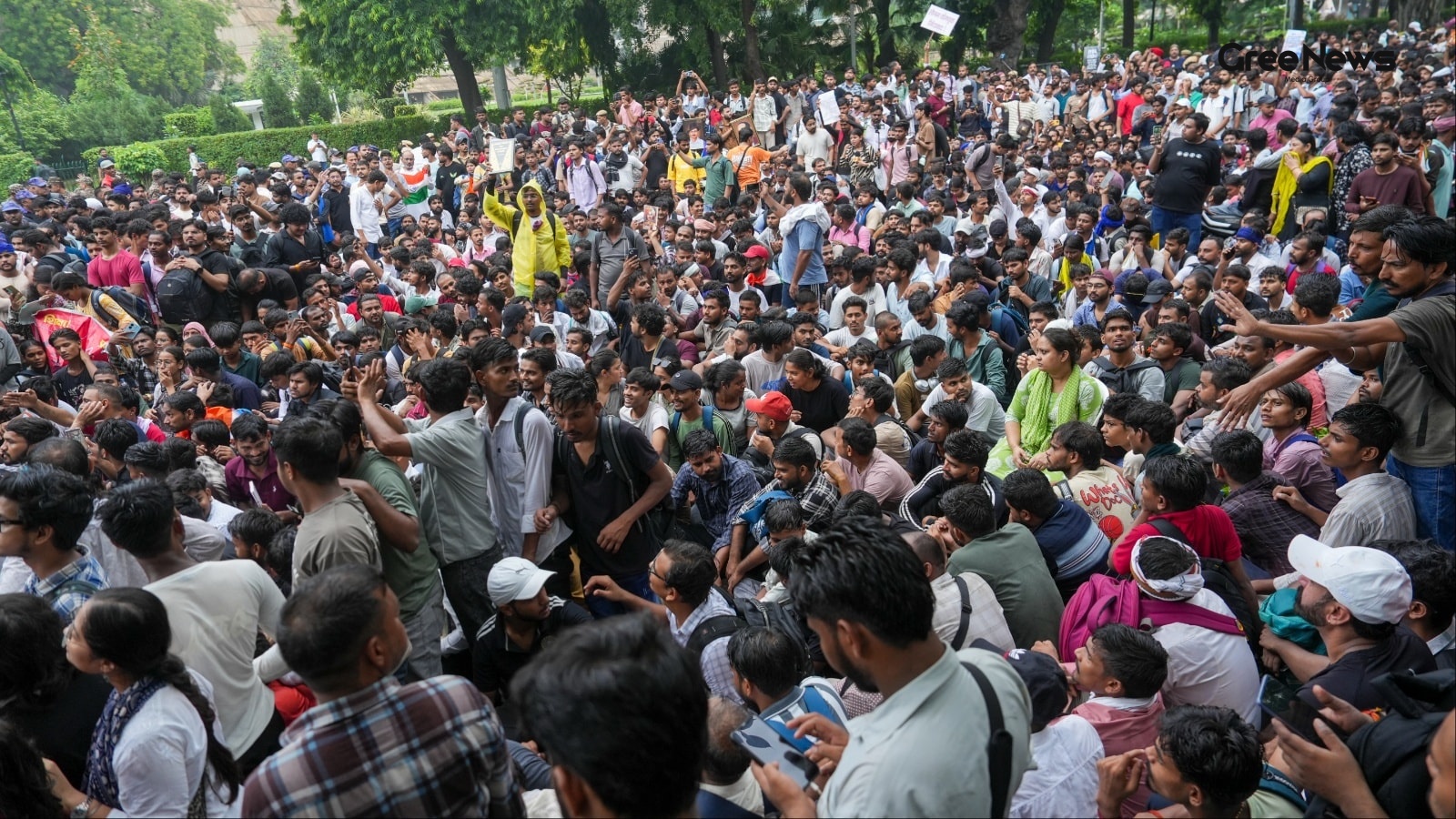
Delhi Security and Protest: High Alert Ahead of Monsoon Session
Delhi is buzzing with tension right now. The national capital has been placed on high alert because of the upcoming Monsoon Session in Parliament. Delhi Police have rolled out massive security operations, trying to manage things as the Cockroach Janata Party CJP prepares for its planned ‘Chalo Sansa
Jul 20, 2026 by Gree News Team
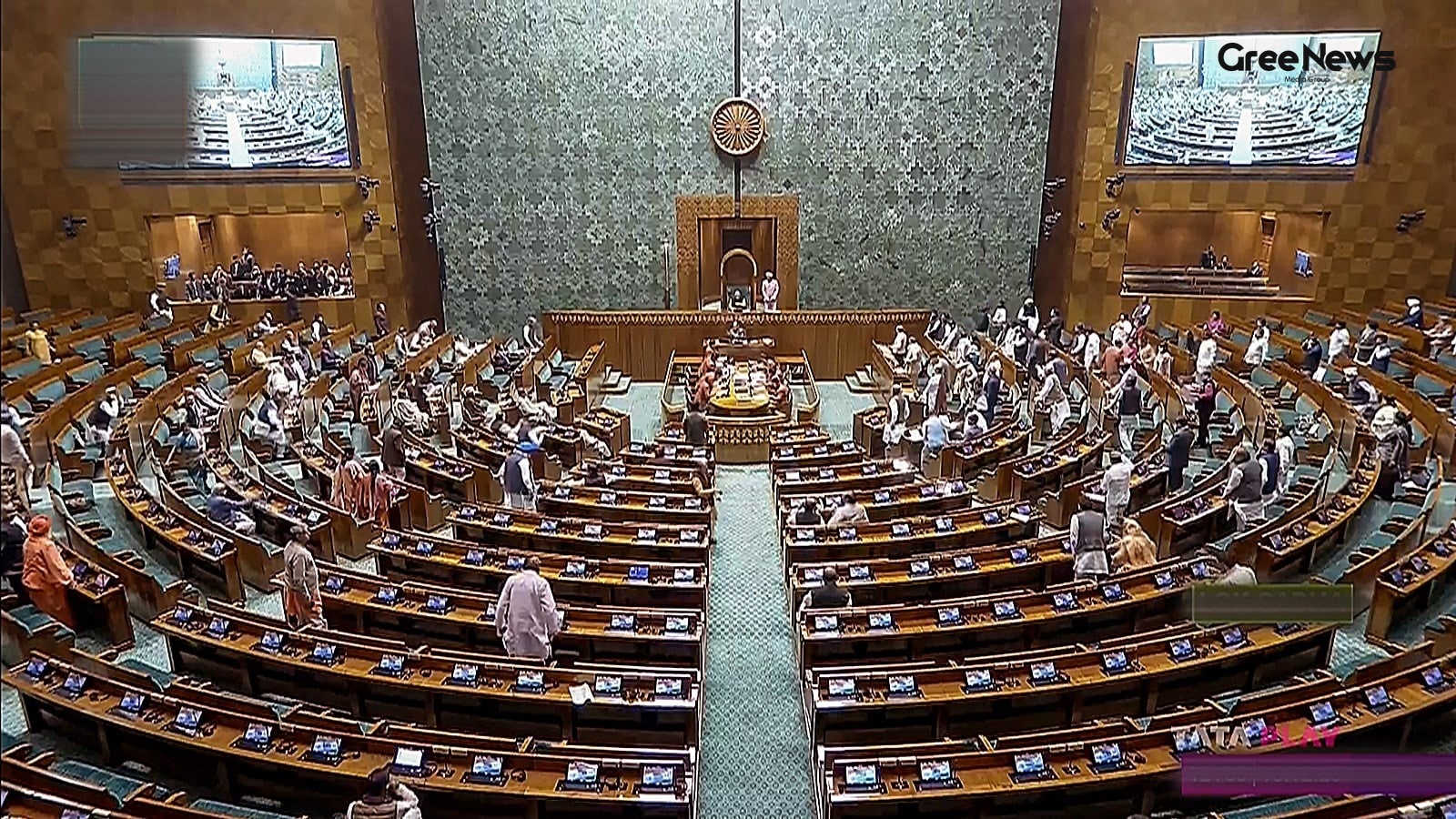
Monsoon Session of Parliament 2026: Political Showdown and Legislative Agenda
The Monsoon Session of Parliament 2026 kicked off today. And honestly, the mood is already thick with expectation. It feels like a political showdown waiting to happen. The ruling NDA government is gearing up to throw some heavy reform Bills on the table. Meanwhile, the Opposition isn't sitting stil
Jul 20, 2026 by Gree News Team
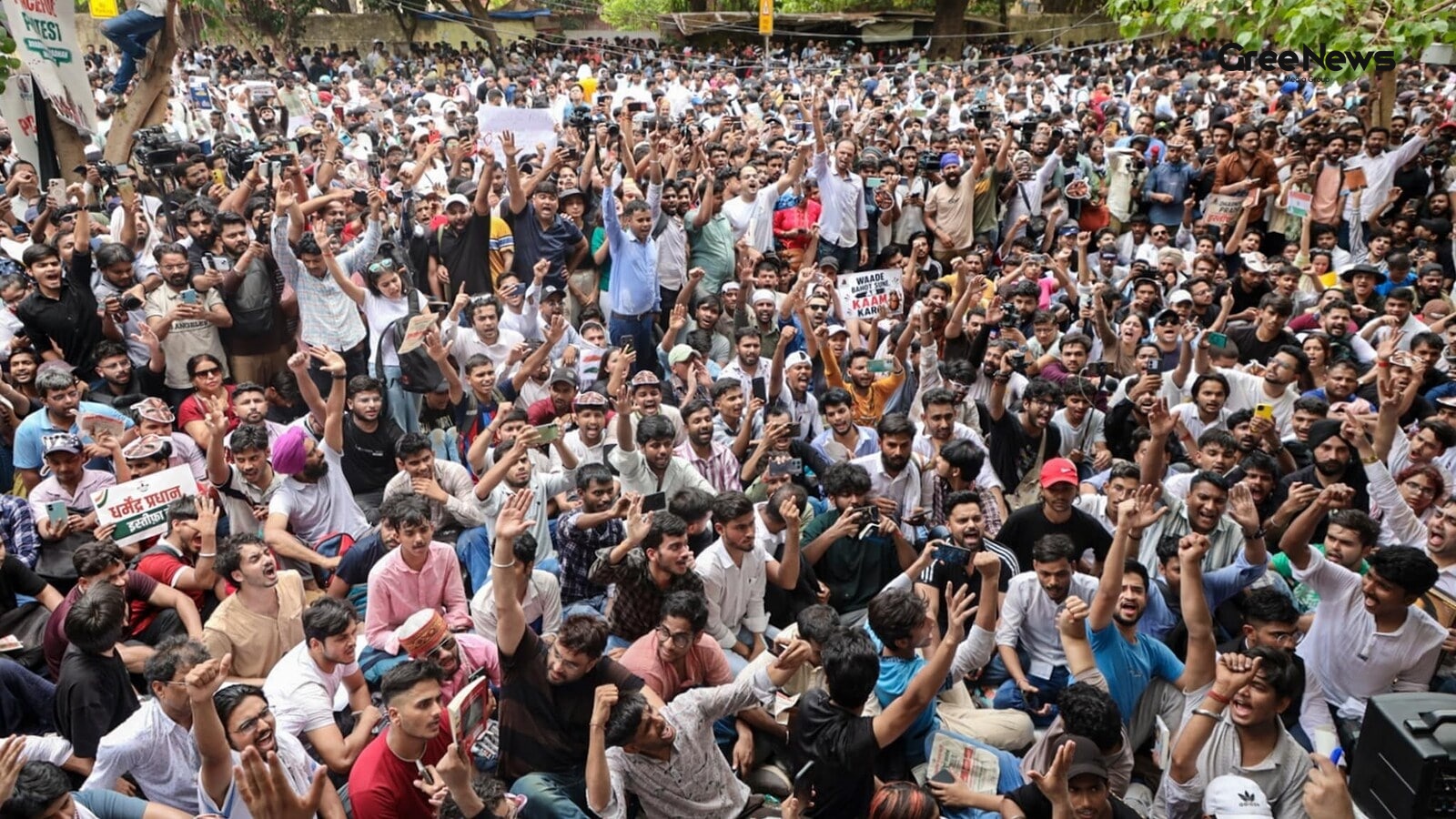
Sonam Wangchuk's Protest and the Demand for Accountability
Sonam Wangchuk’s protest, kicked off by the Cockroach Janta Party, is moving toward Parliament now. It’s their ‘Chalo Sansad’ march. They are demanding the resignation of Union Education Minister Dharmendra Pradhan. The reason? Alleged NEET paper leaks. Student suicides. Everything about the whole e
Jul 20, 2026 by Gree News Team