Suman Hemmady: The Voice, Comparison, and Enduring Emotional Truth

It was haunting on the radio. But it belonged to Suman Kalyanpur . Few noticed.
The confusion lingered. Until then, Suman’s voice just sailed by, accepted as Lata’s.
What made this mistaken identity so remarkable? Suman wasn’t some newcomer. She’d been in films for years. She had already recorded some early songs with Talat Mahmood when he was one of the biggest stars. Still, widespread recognition? That was missing.
Then came that moment. "Na Tum Hamein Jaano." It finally made millions notice her, while they were still missing her.
The clue, always, was in the high notes. That’s where the singers were most exposed. Lata’s voice had that sharp, crystalline edge, always precise. Suman, though, brought something softer. More delicate texture. Her high notes carried a kind of vulnerability. Her phrasing was just gentler. You could hear the difference in her version of "Duniya Banane Wale Kya Tere Man Mein Samayi" from Teesri Kasam . Where Lata might have cut through with diamond precision, Suman sounded almost fragile. Emotionally bare. It was always there. You just had to listen closely.
That uncanny similarity became a double-edged thing.
Composers started writing songs assuming Lata’s voice was the standard. A near-standardized heroine’s sound. It was Lata’s.
Suman faced this dilemma early. Back in ’54, in "Chale Hum To Mubarak Ho Zamane Ko" from Darwaza , Naushad already heard traces of that vocal quality that would later invite comparisons. It didn't bring stardom. It created a knot. If the original was there, why seek an alternative?
Her greatest asset—that echo of Lata—became her biggest hurdle. She was close enough to invite comparison, yet distinct enough to stay herself. That softer texture, the way she handled high notes, gave her a character. But the resemblance always overshadowed it.
And that’s what listeners cherish now. What was once similarity now looks like individuality under a better lens.
Suman Hemmady was born in Dacca in 1937.
She studied art, aiming to be a painter. But an allergy to turpentine oil forced her to quit. That disappointment turned into a pivot, pushing her toward sound instead.
Her training started with Pandit Keshavrao Bhole, a composer friend. Then Abdul Rehman Khan, Ustad Khan, Master Navrang. A hobby turned into a profession. The girl who dreamed in colors eventually painted her best work with her voice.
Some of her classical recordings are remarkable. "Aajhun Na Aaye Balam, Sawan Beeta Jaye" from Sanjh Aur Savera is steeped in classical discipline. Suman carries the longing with incredible restraint. Musicians admired it for decades.
Then there’s "Mere Sang Ga Gunguna" from Janwar . Another Shankar-Jaikishan piece. It showed she could balance classical precision with popular appeal.
She also did the rarer stuff. "Manmohan Man Mein Ho Tumhi" by S. D. Burman. That trust from Burman, given his long association with Lata, felt significant.
Later, there’s "Gir Gayi Re More Mathe Ki Bindiya" for Pakeezah . It’s a semi-classical piece that survives, beautifully rendered. And that same soundtrack featured Rajkumari Dubey in "Nazariya Ki Maari Mari Mori Guiyan." A meeting of two generations in one musical world.
These songs show that behind the comparisons, there was a singer with serious classical grounding. Someone who could handle the big composers.
Shankar-Jaikishan used her well. They also got the family songs. "Juhi Ki Kali Meri Laadli, Naazon Ki Pali." And "Behna Ne Bhai Ki Kalai Se Pyar Bandha Hai," which stuck around Raksha Bandhan.
Her range was huge. She brought grace and conviction to everything.
Some songs feel stuck outside time.
Saba Afghani’s lyrics for that piece are just a plea before dawn:
“Mere mehboob na jaa, aaj ki raat na jaa, Hone waali hai sahar, thodi der aur thahar.”
Suman sings with a quiet restraint. No theatrics. The pain emerges through nuance. There’s a luminous fragility. Every word feels suspended between hope and heartbreak. It’s not loud sorrow. It’s the quiet knowledge that dawn—and parting—is coming.
Jani Babu Qawwal’s music for that piece, drawing on Raag Darbari Kanada, is elegant. It moves with unhurried grace.
Decades later, that song still hits. It remains one of her most enchanting performances.
If composers saw the similarity to Lata, Roshan and Khayyam saw something else entirely. An ability to deliver vulnerability, loneliness, quiet heartbreak with incredible subtlety.
Roshan brought out the sweetness. In Dil Hi To Hai , the Mukesh-Suman duet "Chura Le Na Tumko Yeh Mausam Suhana" was lovely. But the real gem was the lesser-known piece, "Yun Hi Dil Ne Chaha Tha Rona Rulana, Teri Yaad To Ban Gayi Ek Bahana." Suman made that lament feel deeply personal. It was heartbreak through understatement.
Suman’s voice carries the weight of unspoken pain. It’s not dramatic loss. It’s wounds held in silence. It’s devastating in its restraint.
Those songs reveal the real art. Roshan found the sweetness. Khayyam found the sorrow. Together, they made some of the most moving things. They proved that the deepest feelings aren't shouted; they are whispered.
No Filmfare, no National Award to recognize the depth of her contribution.
When the Padma Bhushan finally came, it was appreciated, but it felt like belated recognition. History is slow.
She created something. A body of work full of grace. Few singers face such persistent comparisons, and fewer still leave an identity that lasts.
Today, the charts are quiet. The trophies are dust. But her songs keep finding new ears. They survive because they hold emotional truth.
Written by Gree News Team — Senior Editorial Board
Gree News Team covers international news and global affairs at Gree News. Our collective of senior editors is dedicated to providing independent, accurate, and responsible journalism for a global audience.
More from Movies
View All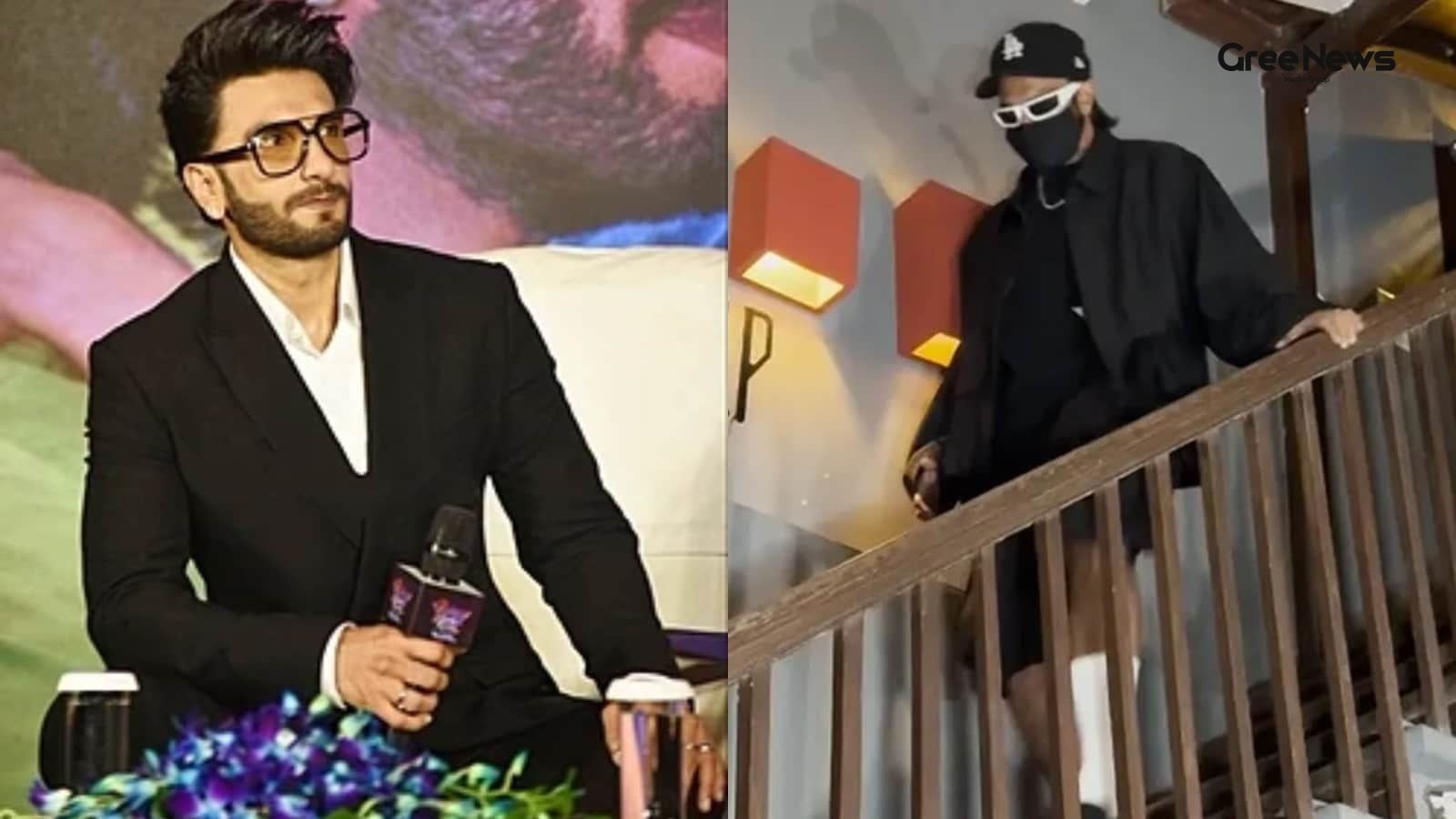
Ranveer Singh's Next Big Project: Details on Pralay and Filming Plans
Ranveer Singh seems to be riding something good right now. Professionally, personally. He’s excited about being a dad again. His wife, Deepika Padukone, is pregnant with their second kid. And then there’s the next big thing: *Pralay*. He’s gearing up for that one. Reports say he might start shooting
Jul 17, 2026 by Gree News Team
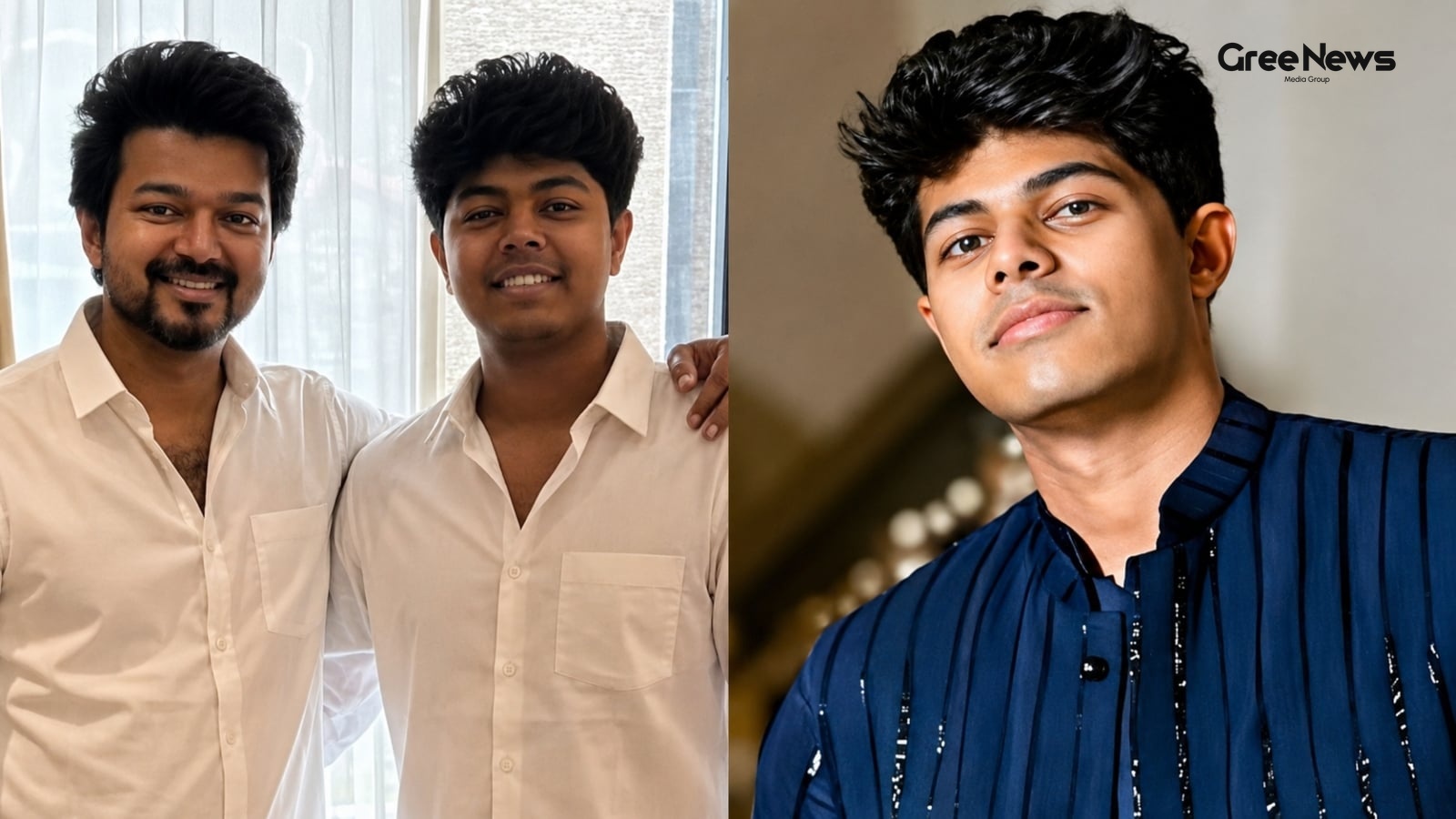
Jason Sanjay: The Journey to Directing and the Film *Sigma*
Jason Sanjay, you know, he’s ready for the film world now. But there’s a twist here. He isn't jumping in as an actor. Nope. He’s going in as a director. Making his first feature, *Sigma*. It’s all about getting behind the camera for him. Excitement is building around this project, naturally. And Jas
Jul 17, 2026 by Gree News Team

Shehnaaz Gill and Raghav Juyal Dating Rumors and Clarification
The dating rumors between Shehnaaz Gill and Raghav Juyal? They’ve been floating around online for ages now. Nobody really knows if there’s anything real behind it. Neither of them has said anything official about it. But things got hotter recently. They were spotted together, hand-in-hand at that ac
Jul 15, 2026 by Gree News Team
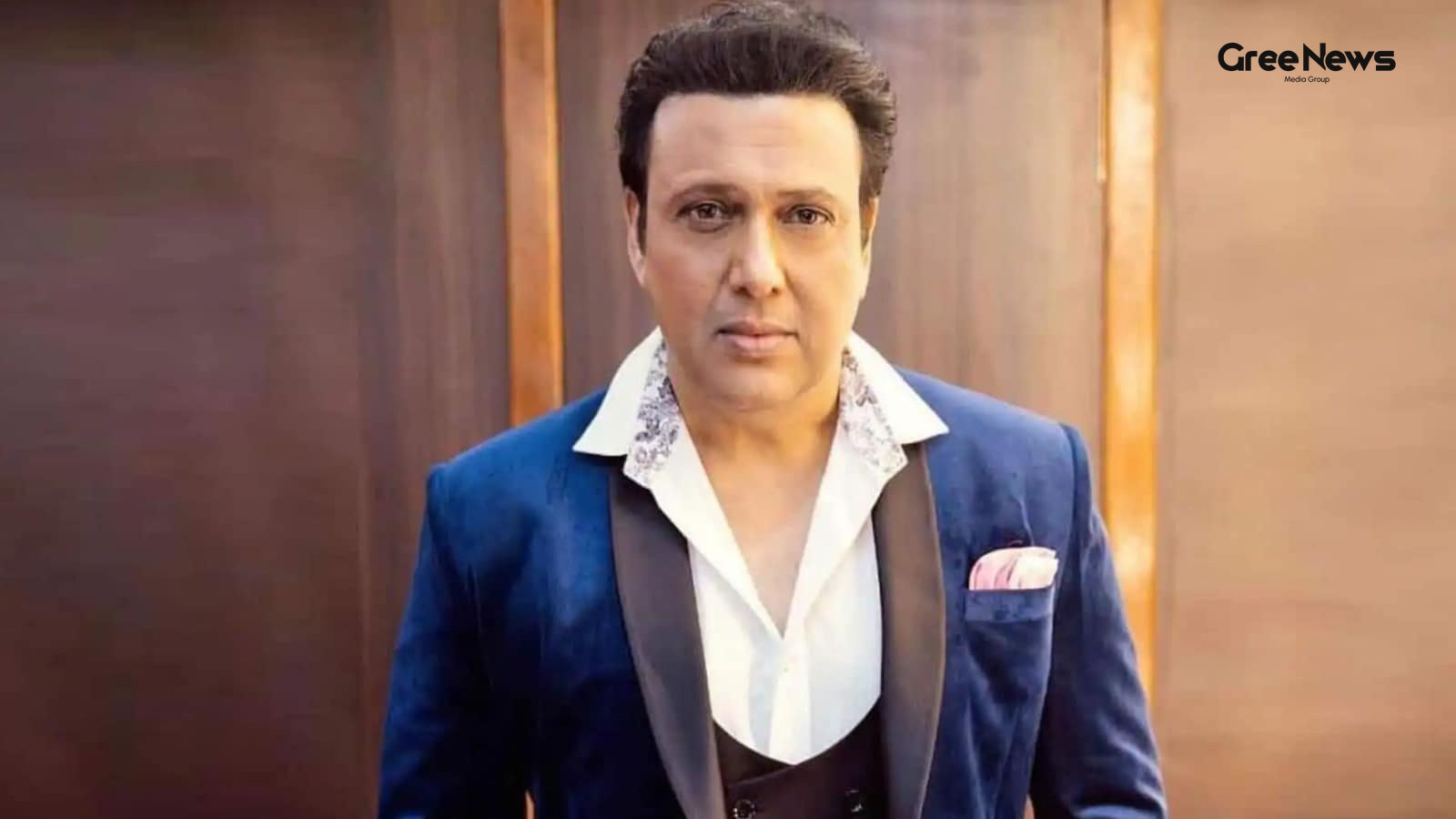
Govinda Gears Up for Big Screen Return with 'Roopa'
Govinda’s fans are getting something to look forward to. The Bollywood actor is finally gearing up for a big screen return with his upcoming film, ‘Roopa’. He admitted that people had written him off several times. But he always bounced back. That’s the attitude, I guess. And naturally, he introduce
Jul 14, 2026 by Gree News Team
Latest Headlines
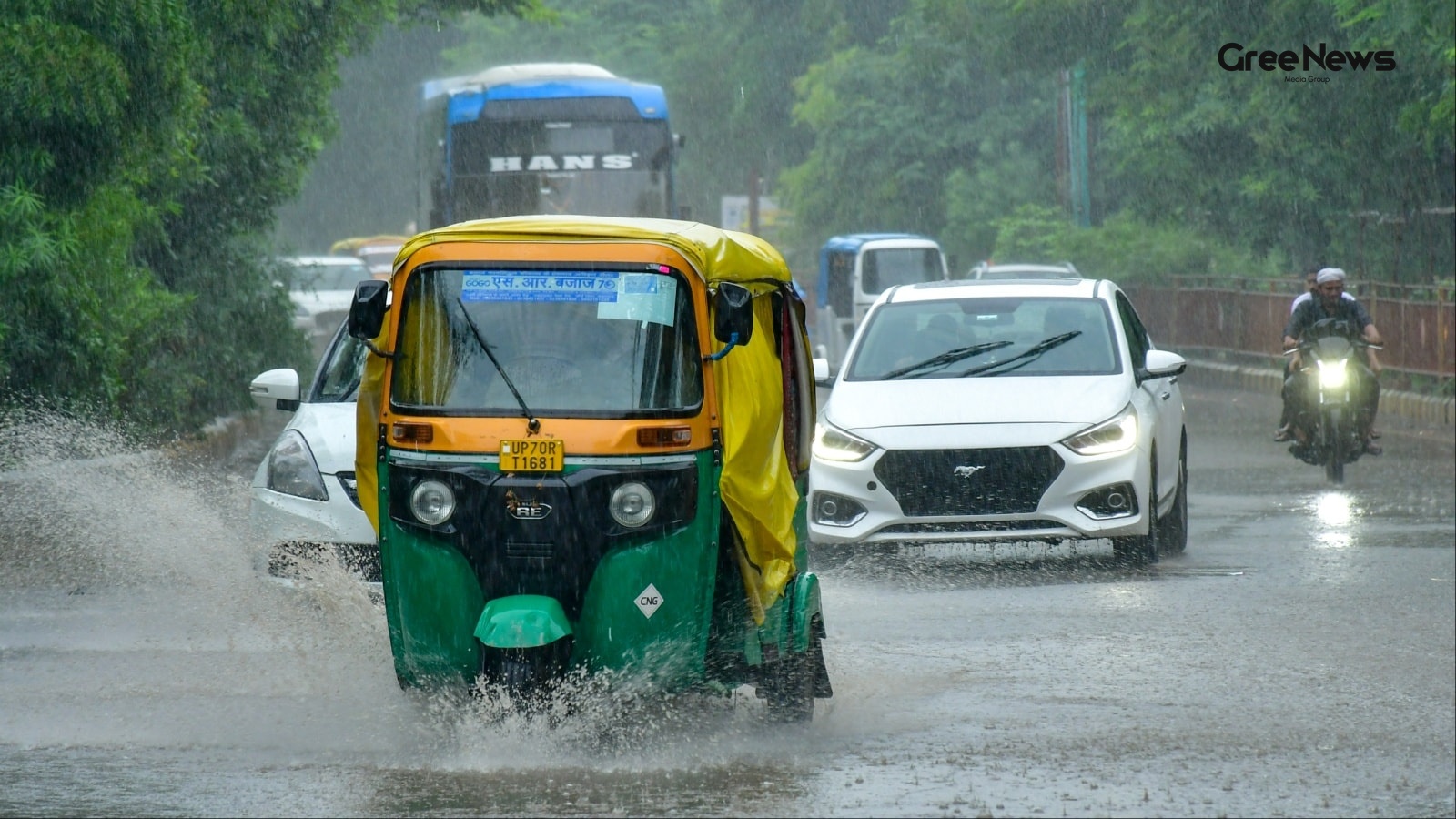
Monsoon Warnings and Disaster Risks Across India
The monsoon spell is kicking in hard across India. The India Meteorological Department just issued warnings about active, heavy rainfall sweeping through large parts of the country now, forecasting serious deluge over several northern, eastern, northeastern and western states over the next few days.
Jul 20, 2026 by Gree News Team

JD Vance Announces Fourth Child and Family Milestone
JD Vance just announced he had a fourth child. A son named Alec Neel Vance, with his wife Usha Vance. It came out in a statement shared online. He said everything was fine. The mother and the baby are happy and healthy. "Usha and the baby are happy and healthy," Vance wrote. "Our kids are overjoyed
Jul 20, 2026 by Gree News Team

World Cup Final History and Awards
Ferran Torres really made history, didn’t he? That moment in the 106th minute of the World Cup final, when he found the back of the net. It broke Argentine hearts completely as Spain finally claimed the title for the second time. His single strike that one goal it just sent everyone into delirium du
Jul 20, 2026 by Gree News Team

Choosing the Best 2-Ton Inverter Split AC
So you need a 2-ton inverter split AC if your space is big. Think living rooms, conference areas, or those larger halls around 200 to 260 square feet. That’s where these things actually make sense. Things are changing right now with these new models. We’re talking about ACs that have inverter compre
Jul 20, 2026 by Gree News Team

School Dispute Turns into Violent Assault in Ankleshwar
A fight between two school kids in Ankleshwar apparently turned into a full-blown assault. It all started way back with the family of one student stopping two sisters on their way to tuition classes, and then things got seriously violent. They attacked them with a cricket bat and slippers. This whol
Jul 20, 2026 by Gree News Team
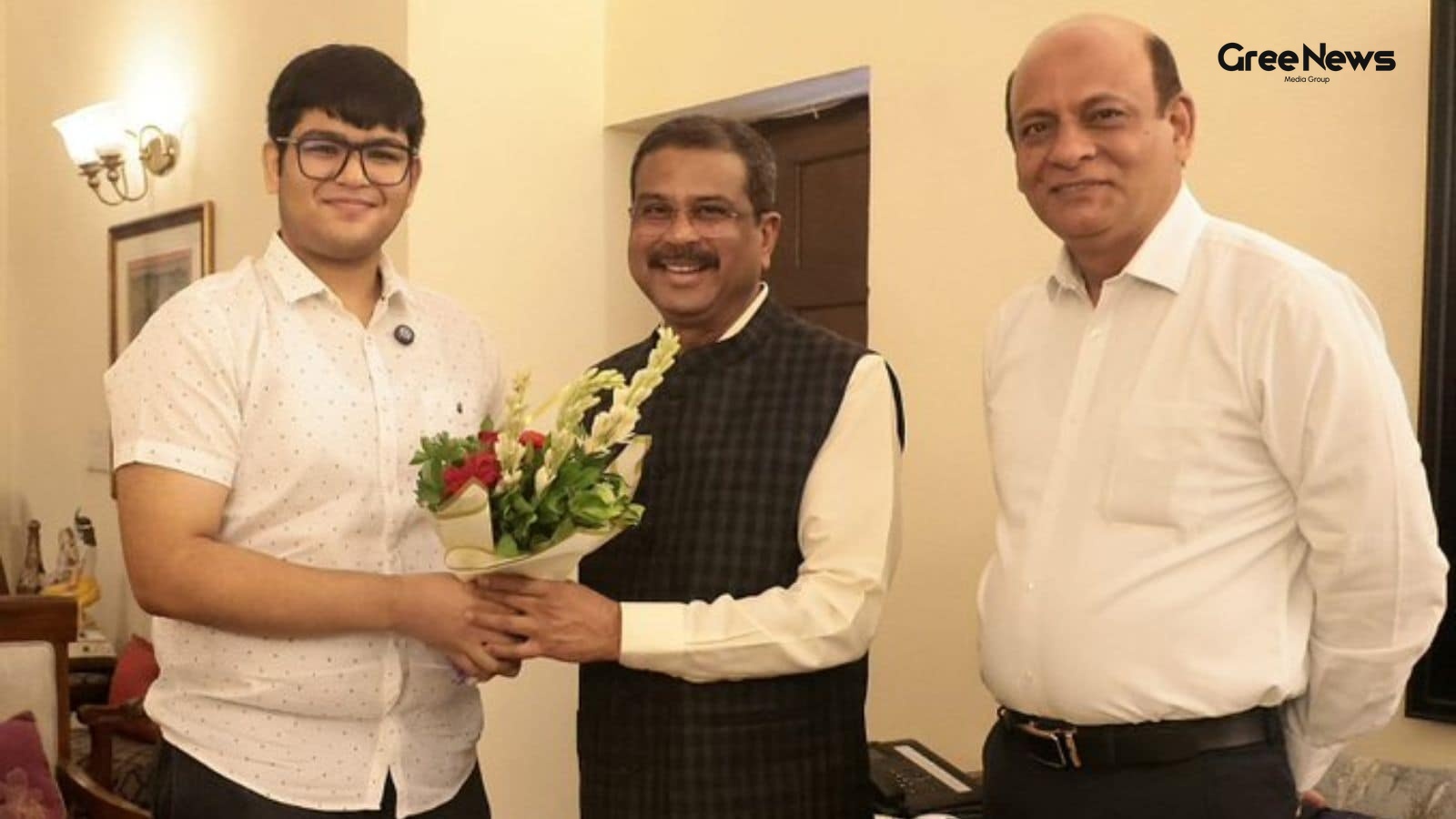
NEET Success Story: Dedication and the Journey to Medical Entrance
Dharmendra Pradhan had a meeting recently with Panshul Bansal, who came in holding the All India Rank 2 spot for the NEET UG 2026 exam. It was about that huge medical entrance test everyone talks about. Pradhan congratulated him. Praised him for the sheer hard work and commitment he showed. Said his
Jul 20, 2026 by Gree News Team
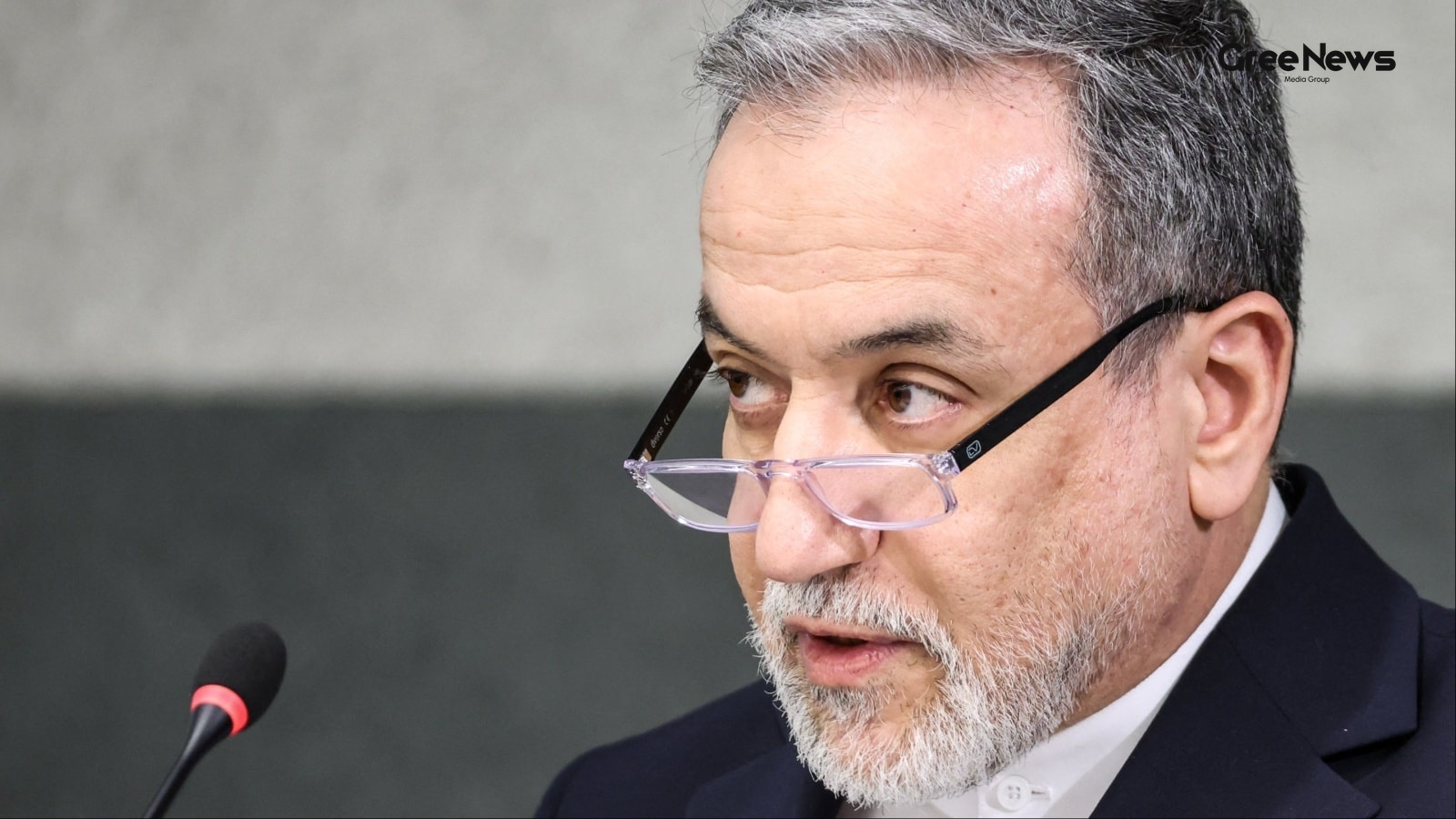
The Psychological Weight of Peace Talks Between Iran and the United States
Abbas Araghchi, the Iranian Foreign Minister, brought up something heavy in an interview with Mehr news agency. He talked about the sheer psychological weight his delegation was under during those peace talks with the United States. It wasn't just diplomacy; it felt like constant danger. He said the
Jul 20, 2026 by Gree News Team
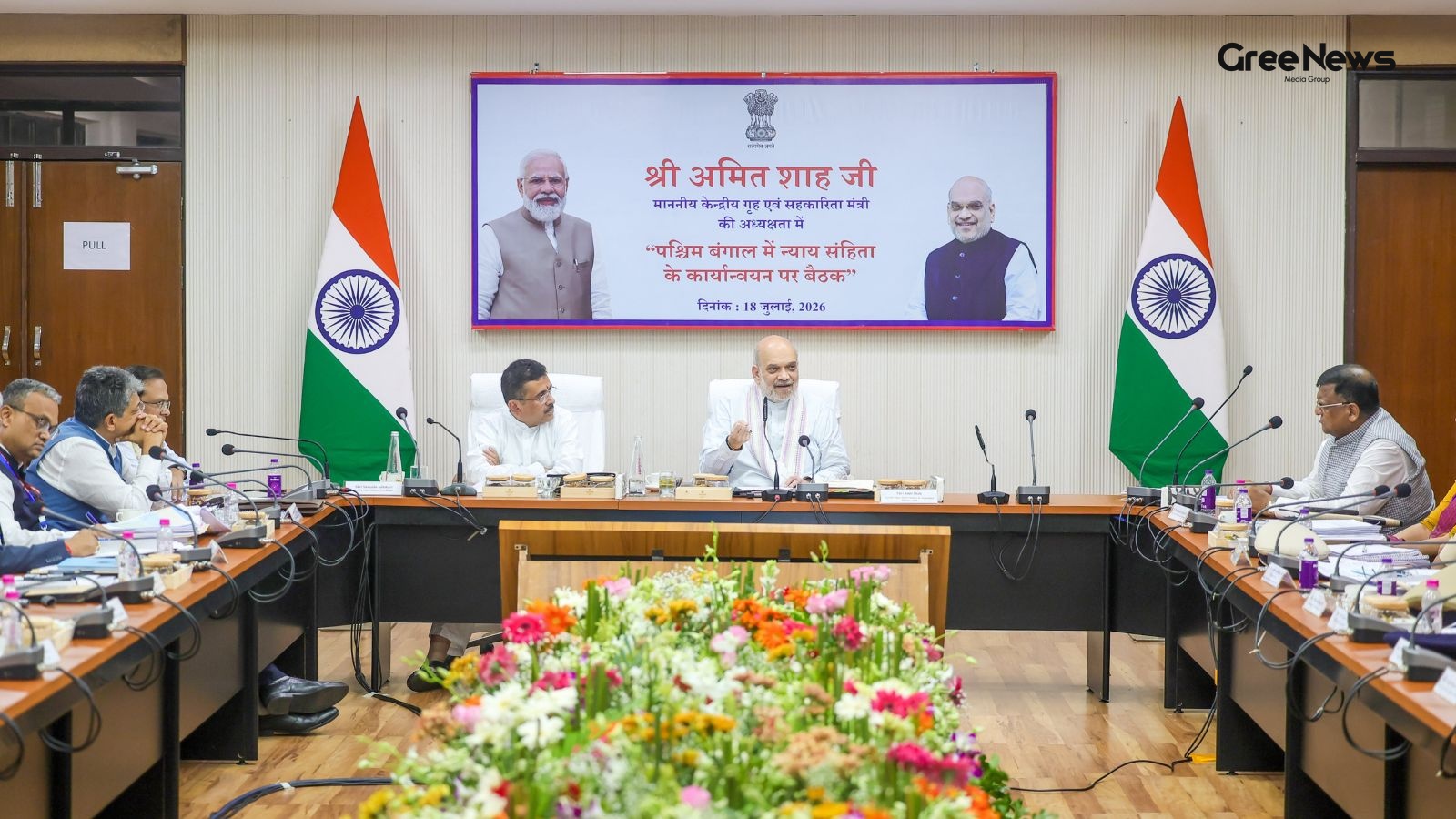
Amit Shah's Review on Security and Law and Order in West Bengal
Amit Shah, Union Home Minister and Minister of Cooperation, chaired a high-level review on Sunday. It was about the law and order situation in West Bengal. The whole thing was an outline for strengthening internal security, policing, and the criminal justice system there. The focus wasn’t just gener
Jul 20, 2026 by Gree News Team

Punjab Police's Anti-Drug Effort: Yudh Nashian Virudh Results and Strategy
The Punjab Police rolled out this big anti-drug effort Yudh Nashian Virudh. It’s been running for 500 days now. And it seems to have made some serious dents in the drug trade, plus got communities involved somehow. It really hinges on three things: heavy enforcement, getting people into the communit
Jul 20, 2026 by Gree News Team
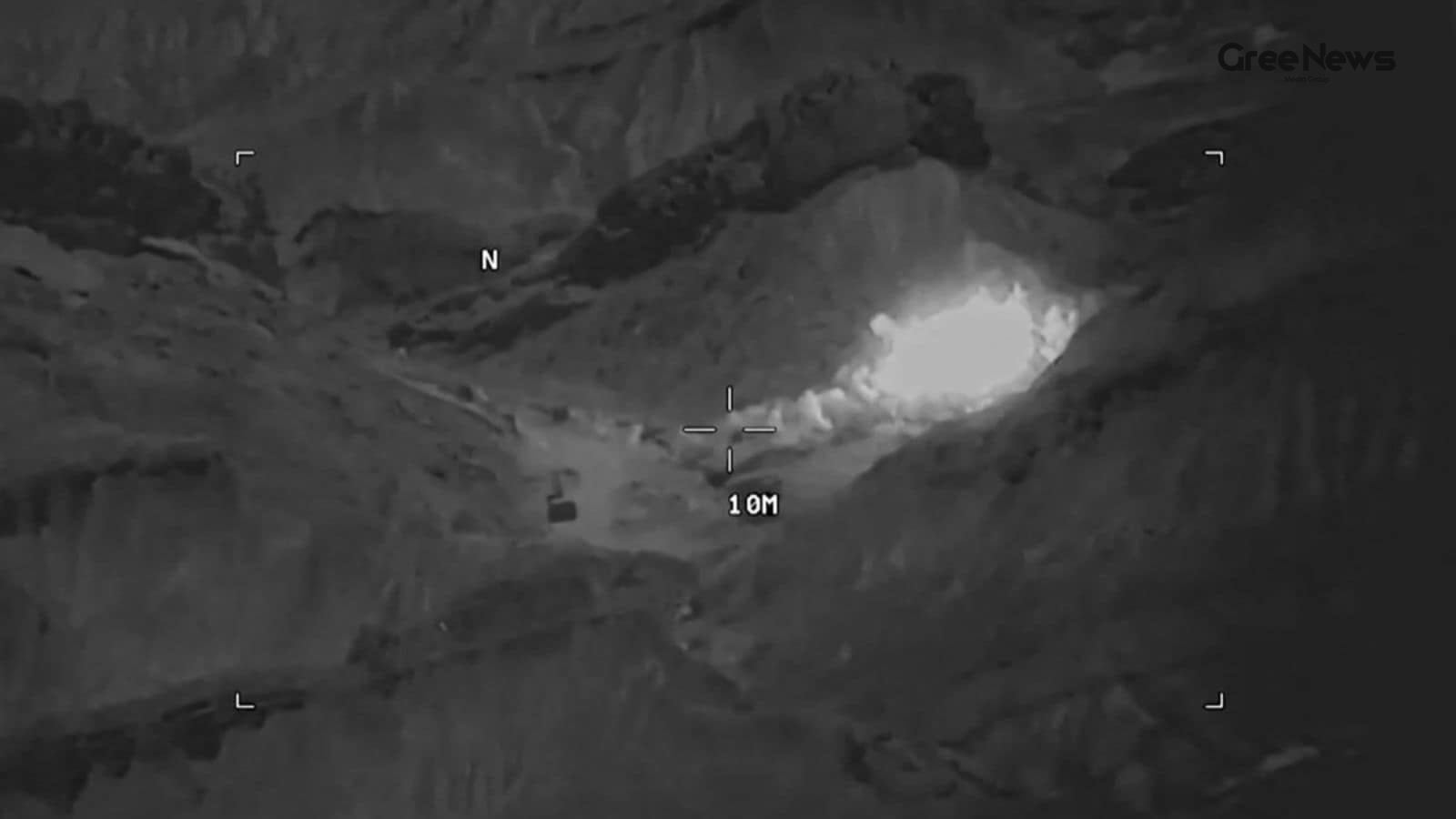
US Iran War News Live
US Iran War News Live. Central Command, CENTCOM, just announced they launched another round of air strikes on Iran Sunday night. This is the ninth time in a row. The whole operation aims to chip away at Tehran’s military strength. Specifically targeting commercial ships in the Strait of Hormuz. And
Jul 20, 2026 by Gree News Team

Marco Rubio on US-Iran Relations and Military Escalation
Marco Rubio, the Secretary of State, is saying Washington is getting signals. Indications that Iran wants to talk, even while there are huge divisions happening inside their own leadership structure right now. He spoke to CNN about it. Said they are hearing signs multiple channels telling them Iran
Jul 20, 2026 by Gree News Team

Stock Market Update: July 20th Performance and Global Factors
Stock Market Today, July 20th. It kicked off the week weak domestically. Cautious global vibes were dragging things down. You saw that as the Gulf conflict escalated, crude oil prices jumped past ninety dollars a barrel. Inflation worries flared up right along with it. Selling hit heavyweight privat
Jul 20, 2026 by Gree News Team
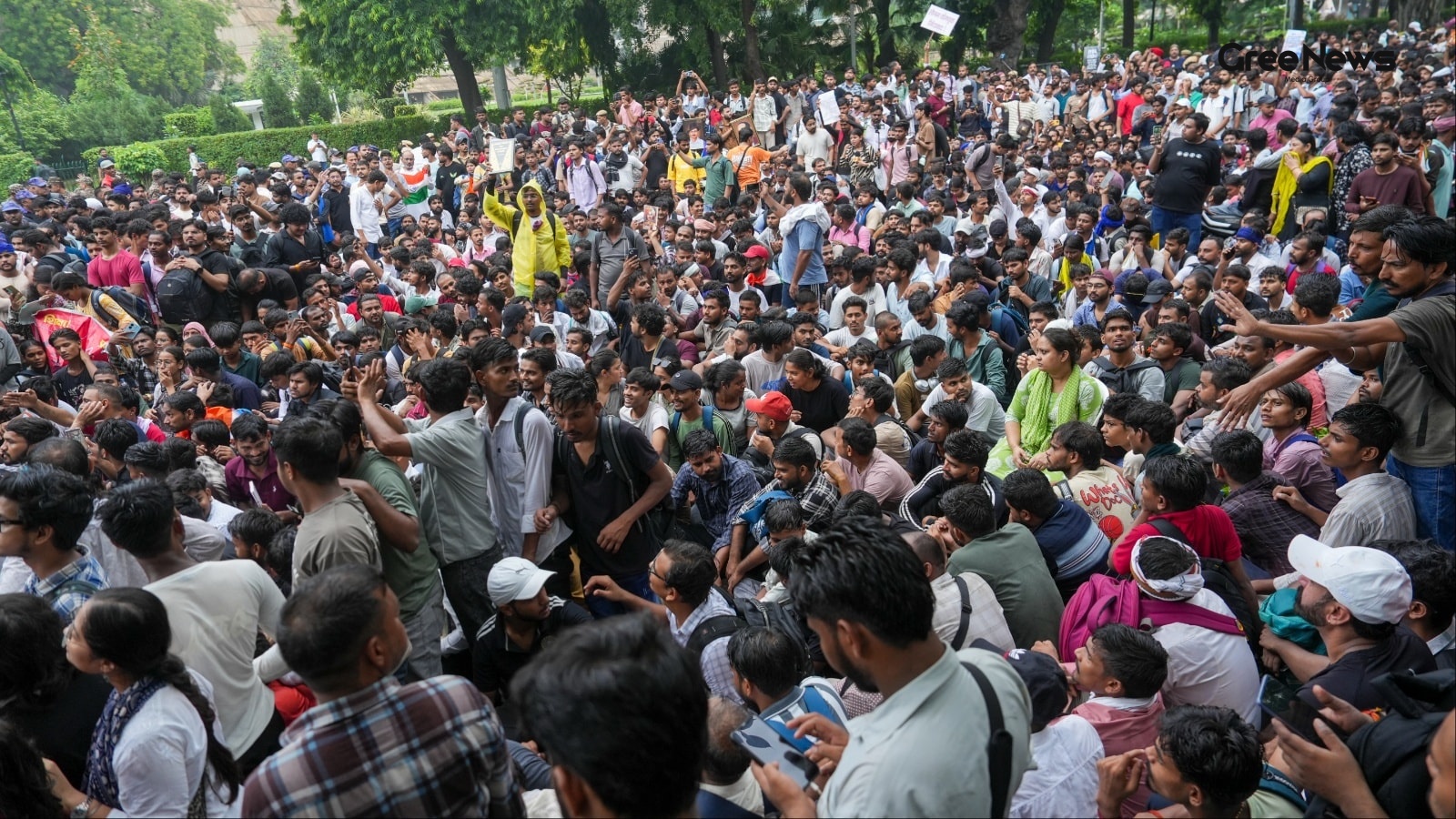
Delhi Security and Protest: High Alert Ahead of Monsoon Session
Delhi is buzzing with tension right now. The national capital has been placed on high alert because of the upcoming Monsoon Session in Parliament. Delhi Police have rolled out massive security operations, trying to manage things as the Cockroach Janata Party CJP prepares for its planned ‘Chalo Sansa
Jul 20, 2026 by Gree News Team
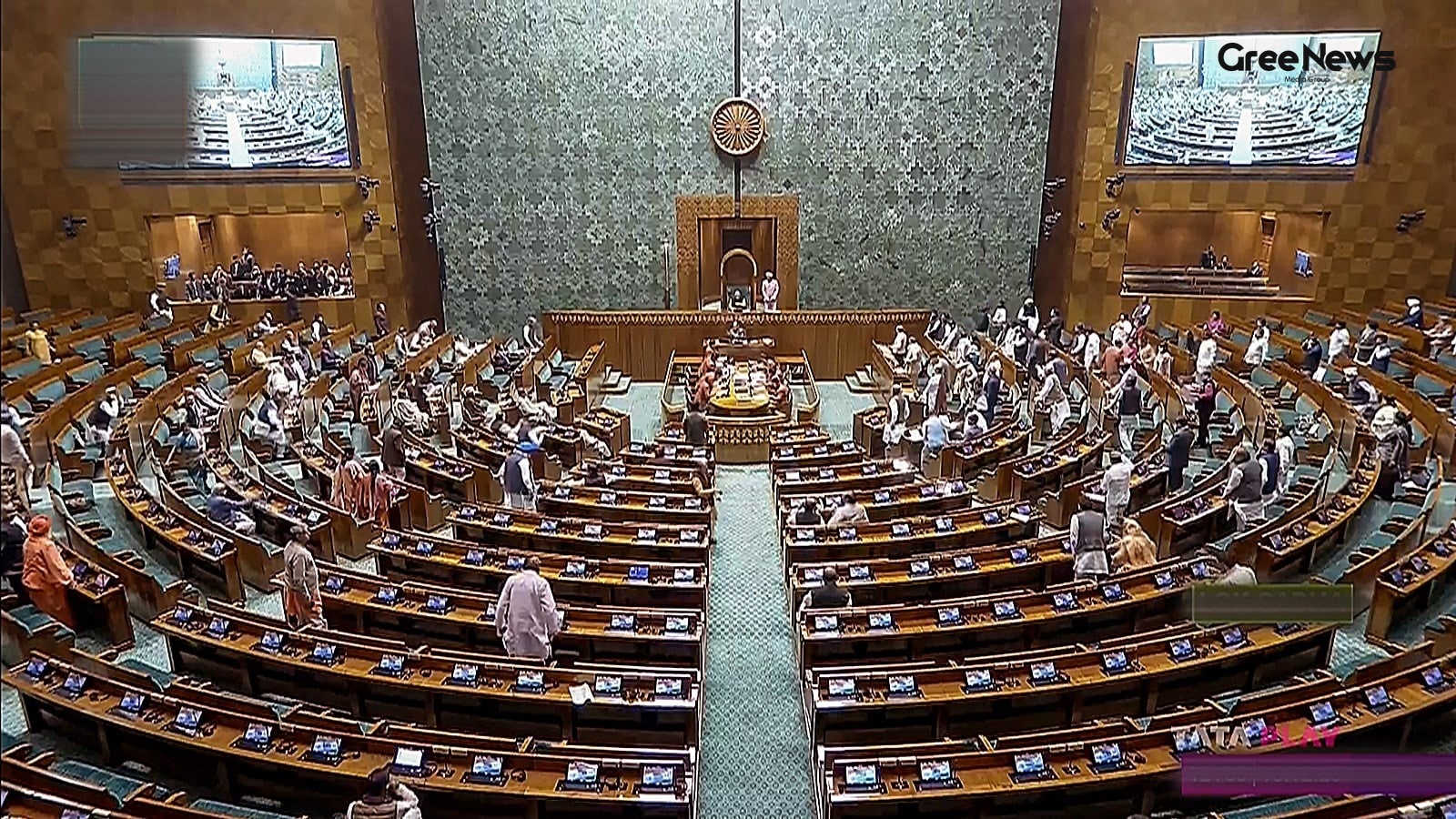
Monsoon Session of Parliament 2026: Political Showdown and Legislative Agenda
The Monsoon Session of Parliament 2026 kicked off today. And honestly, the mood is already thick with expectation. It feels like a political showdown waiting to happen. The ruling NDA government is gearing up to throw some heavy reform Bills on the table. Meanwhile, the Opposition isn't sitting stil
Jul 20, 2026 by Gree News Team
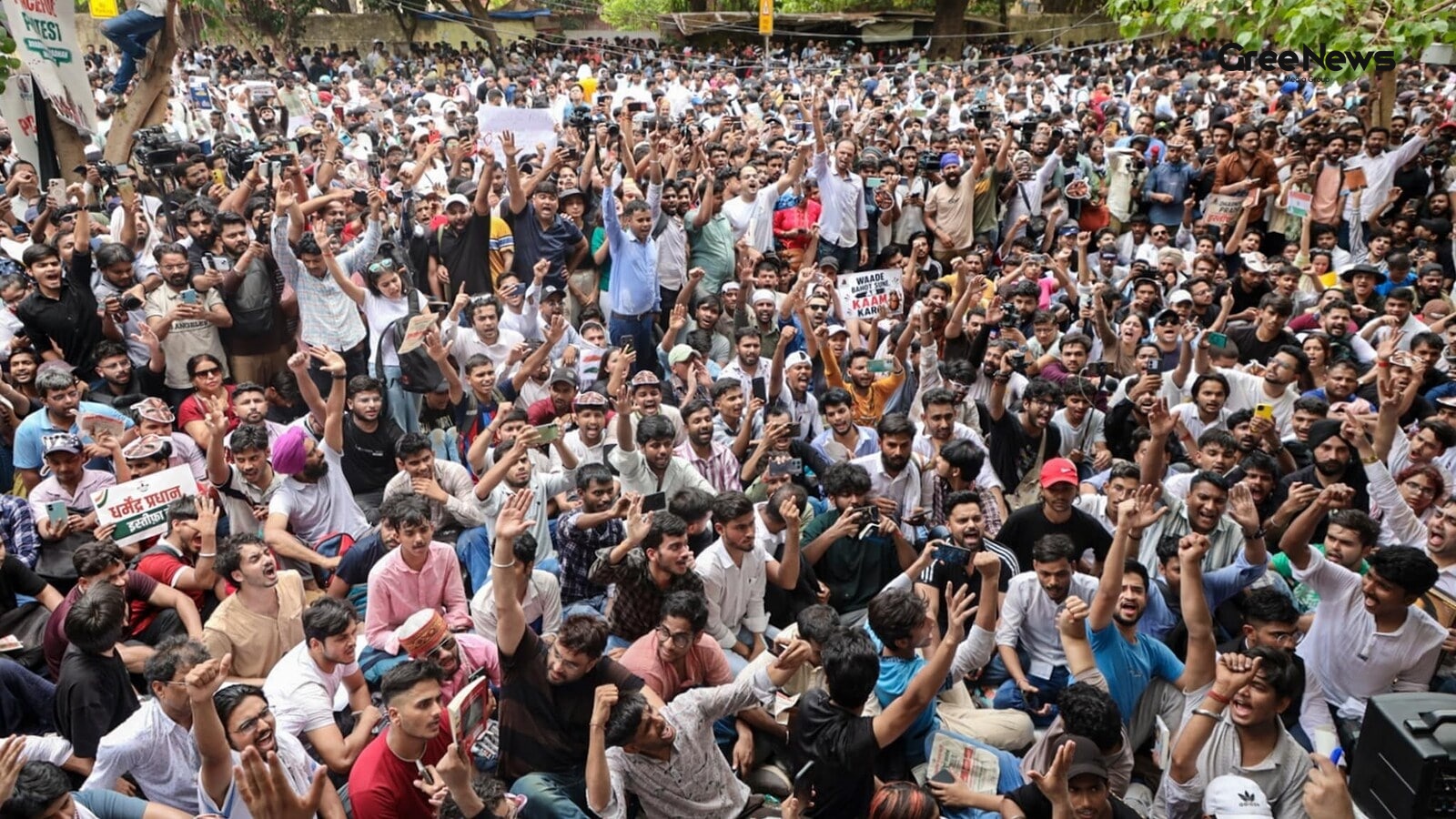
Sonam Wangchuk's Protest and the Demand for Accountability
Sonam Wangchuk’s protest, kicked off by the Cockroach Janta Party, is moving toward Parliament now. It’s their ‘Chalo Sansad’ march. They are demanding the resignation of Union Education Minister Dharmendra Pradhan. The reason? Alleged NEET paper leaks. Student suicides. Everything about the whole e
Jul 20, 2026 by Gree News Team