Alphabet's New Server Chip and the AI Efficiency Race
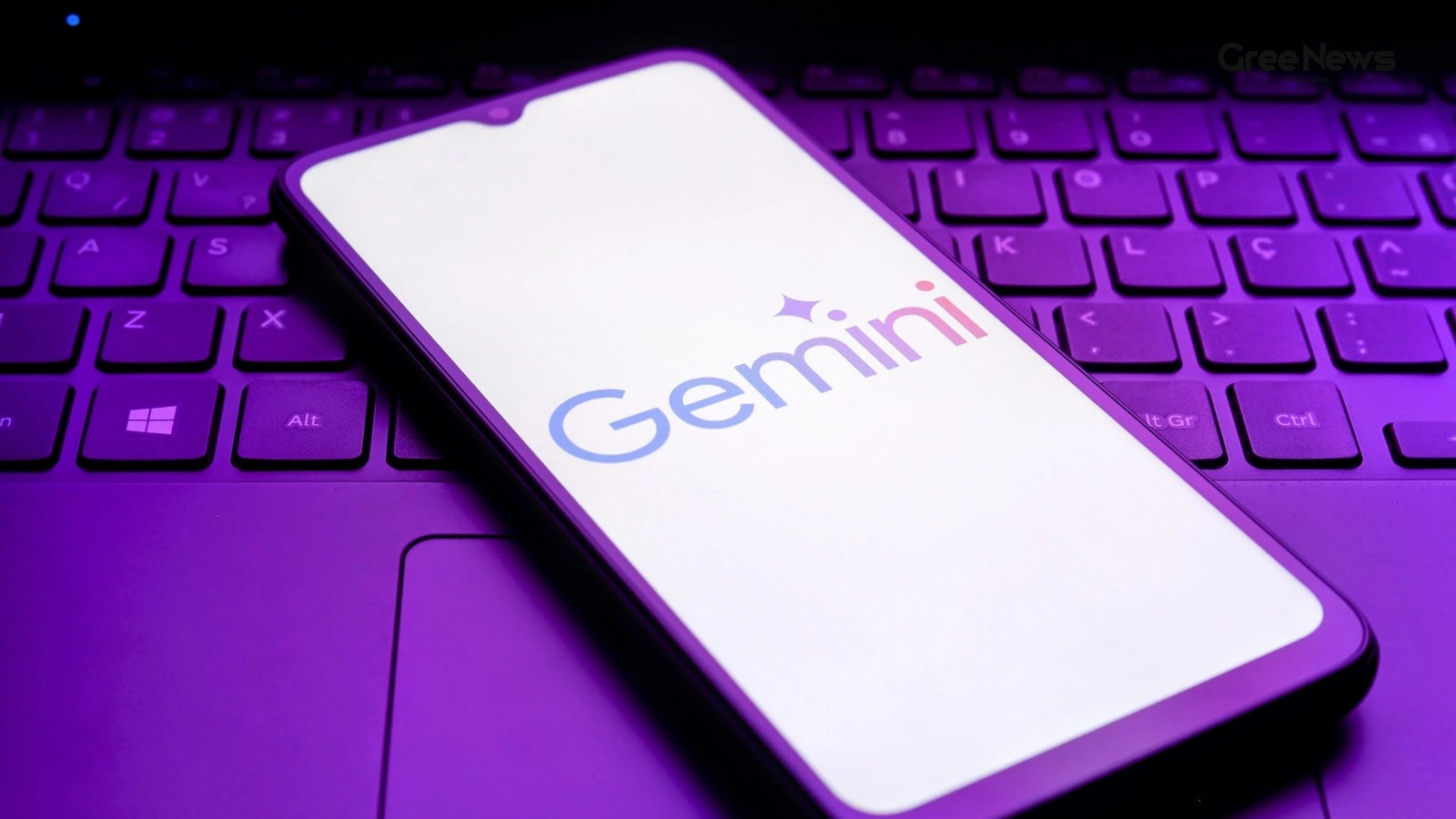
Alphabet, Google’s parent company, is reportedly designing a new server chip. It’s all about making their in-house Gemini models run way more efficiently.
They're calling it something internal "Frozen v2." And the timeline? Some reports, citing anonymous sources from The Information , are pointing toward sometime in 2028 for the release. The claim is wild though: this thing could be six to ten times more efficient than Google’s current AI chips. We’re talking about tokens generated per unit of power.
Google didn't actually confirm anything when TechCrunch asked them directly. Their response was standard, almost boilerplate. They said their teams are always researching new stuff for performance and efficiency. That they co-design hardware and software from the ground up makes systems integrated. Real-world workloads optimized. Sounds like corporate spin, you know?
But this whole chip trend isn't just Google. AI companies are moving toward building their own silicon. It’s about cutting costs and dodging those ongoing shortages in computing capacity. Efficiency is becoming a huge selling point now. Especially with everyone talking about how much money these AI projects are sucking up.
And that brings us to the Nvidia problem, which looms large over everything. A lot of major AI firms are trying to pull back from relying solely on Nvidia. That chip giant has basically owned the market for ages, leaving a lot of companies stuck with their hardware choices.
This isn't just some niche move either. OpenAI actually announced its first custom piece this month an inference processor they dubbed Jalapeño. Meanwhile, Anthropic is reportedly in talks with Samsung about setting up some new chipmaking partnerships. It’s happening everywhere.
Investors have been watching Alphabet’s massive spending on AI for a while now. Earlier this year, Google pegged that bet at between $180 billion and $190 billion. That kind of money floating around means they need to see results. They need proof these investments are actually paying off. A hyper-efficient in-house chip? That could be the concrete evidence they need. It would make the whole expensive strategy suddenly much more tangible.
Written by Gree News Team — Senior Editorial Board
Gree News Team covers international news and global affairs at Gree News. Our collective of senior editors is dedicated to providing independent, accurate, and responsible journalism for a global audience.
More from Tech
View All
Choosing the Best 2-Ton Inverter Split AC
So you need a 2-ton inverter split AC if your space is big. Think living rooms, conference areas, or those larger halls around 200 to 260 square feet. That’s where these things actually make sense. Things are changing right now with these new models. We’re talking about ACs that have inverter compre
Jul 20, 2026 by Gree News Team

BSNL 100Mbps Broadband Plan Details
BSNL has this 100Mbps broadband plan. It’s worth looking at if you’re actually comparing fibre options right now. They say this service is out there almost everywhere, but the real story is how they’re pushing into rural areas with that BharatNet thing. What does the deal actually look like? It cost
Jul 17, 2026 by Gree News Team

The Responsibility and Future of Artificial Intelligence
AI Appreciation Day hits every year, July 16th. It’s supposed to be a reminder about how artificial intelligence has morphed from some far-off future idea into something that actually shapes our daily lives now. It’s recommending movies. Translating stuff instantly. Helping doctors spot diseases soo
Jul 16, 2026 by Gree News Team
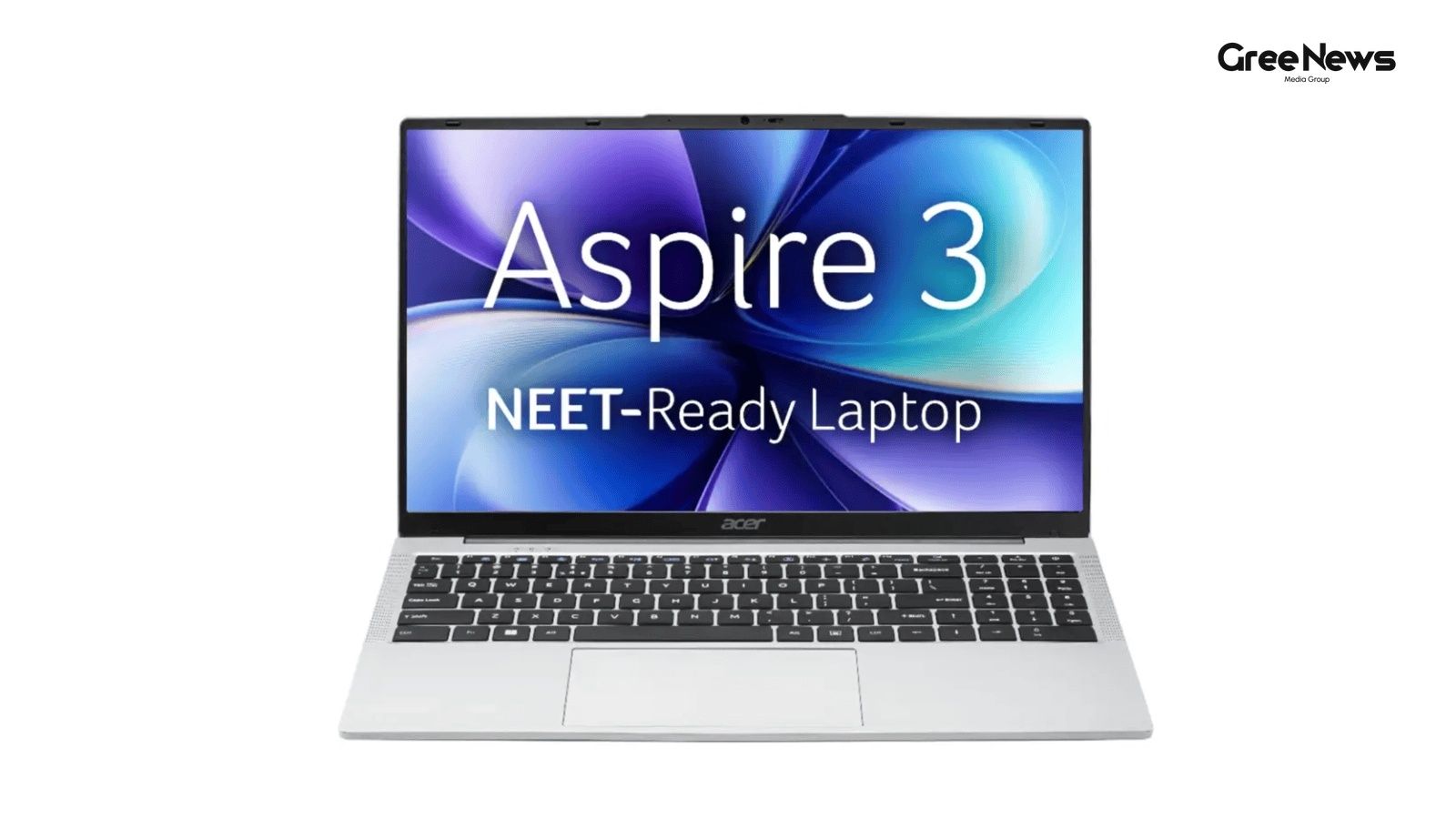
Acer Aspire 3 (2026) Launch in India: Study Tools for NEET Aspirants
Acer just dropped the Aspire 3 (2026) in India. And honestly, it’s aimed at a very specific crowd. Students. Especially those grinding for medical entrance exams, like NEET. It comes with some genuinely interesting extras bundled in. We’re talking dedicated study material for NEET 2027 right there.
Jul 16, 2026 by Gree News Team
Latest Headlines
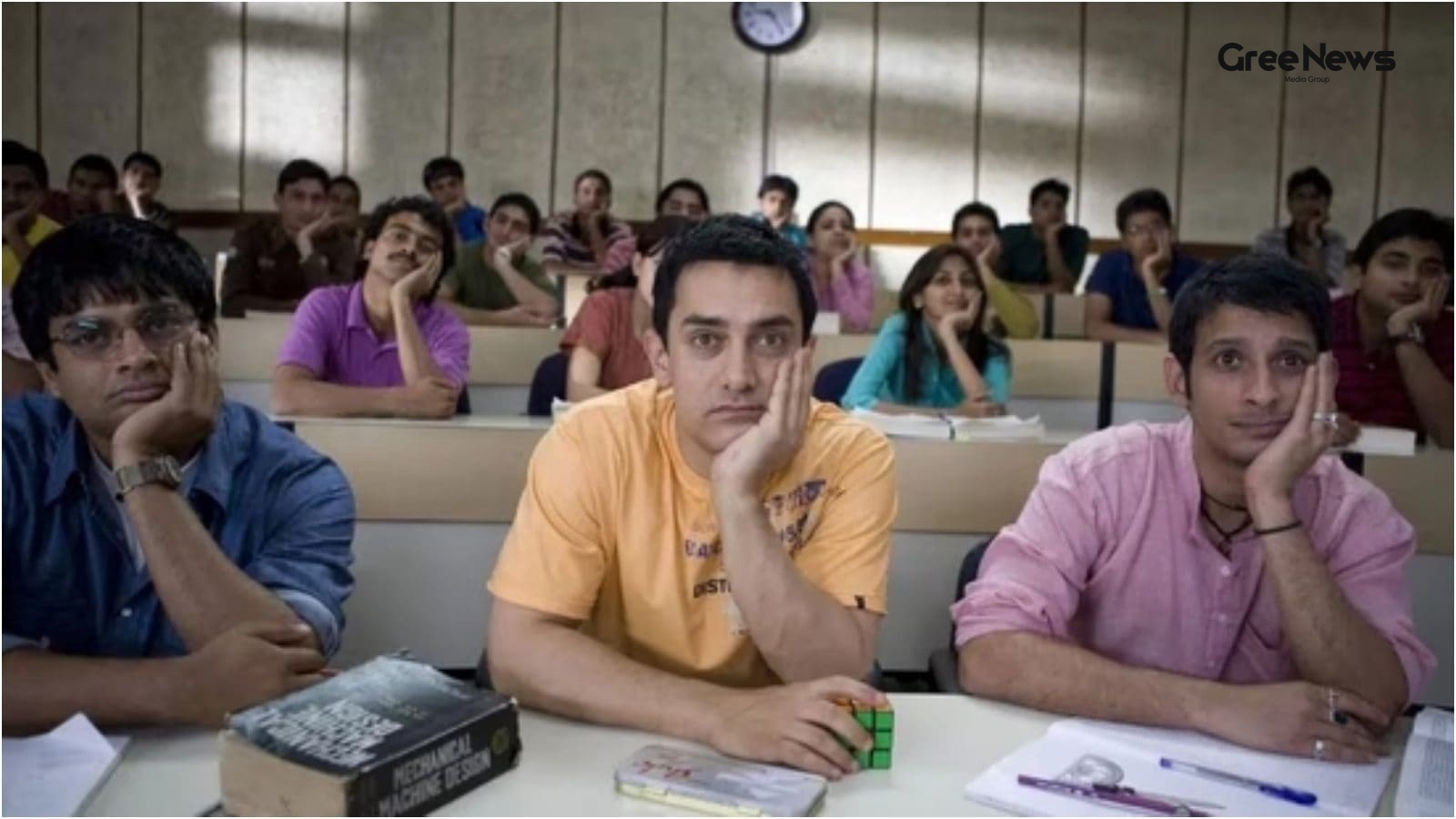
3 Idiots Re-release and Controversy
The plan for *3 Idiots* is finally shifting. Aamir Khan’s big birthday film festival gave us a taste of some classics, but one thing was missing: that huge hit. Now it’s coming back. It’s set for September 4th, 2026. That's the date Bollywood Hungama mentioned, tied to NH Studioz plans after they pi
Jul 21, 2026 by Gree News Team
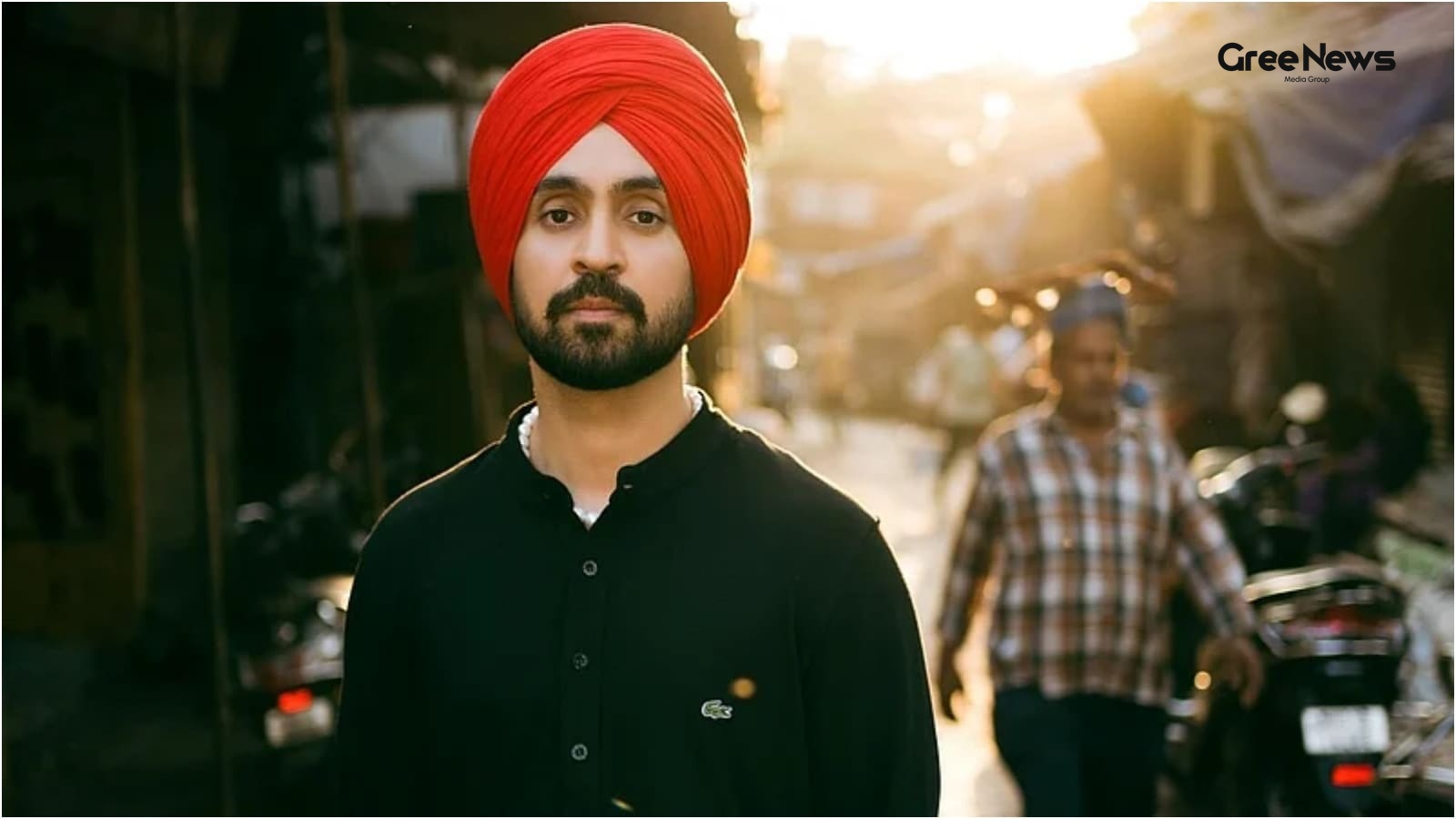
Artist Discusses Criticism and Political Pushback
There was the chaos there. He also opened up about past criticism he’d dealt with. Talking about being labeled ‘anti-national’. He said he’d been tagged that way multiple times already and now, even after things like the Farmers’ Protest, he faced massive pushback and legal headaches. Stuff he just
Jul 21, 2026 by Gree News Team

Murder Investigation and Confession in Kalyan
A woman allegedly killed her live-in partner. Thirty-seven years old. He was chopped up and stuffed into a sack before being dumped in the bathroom of their rented flat in Thane’s Kalyan. Then she just fled, heading to Kolkata. Days later, she sent a voice note to the landlord confessing everything.
Jul 21, 2026 by Gree News Team
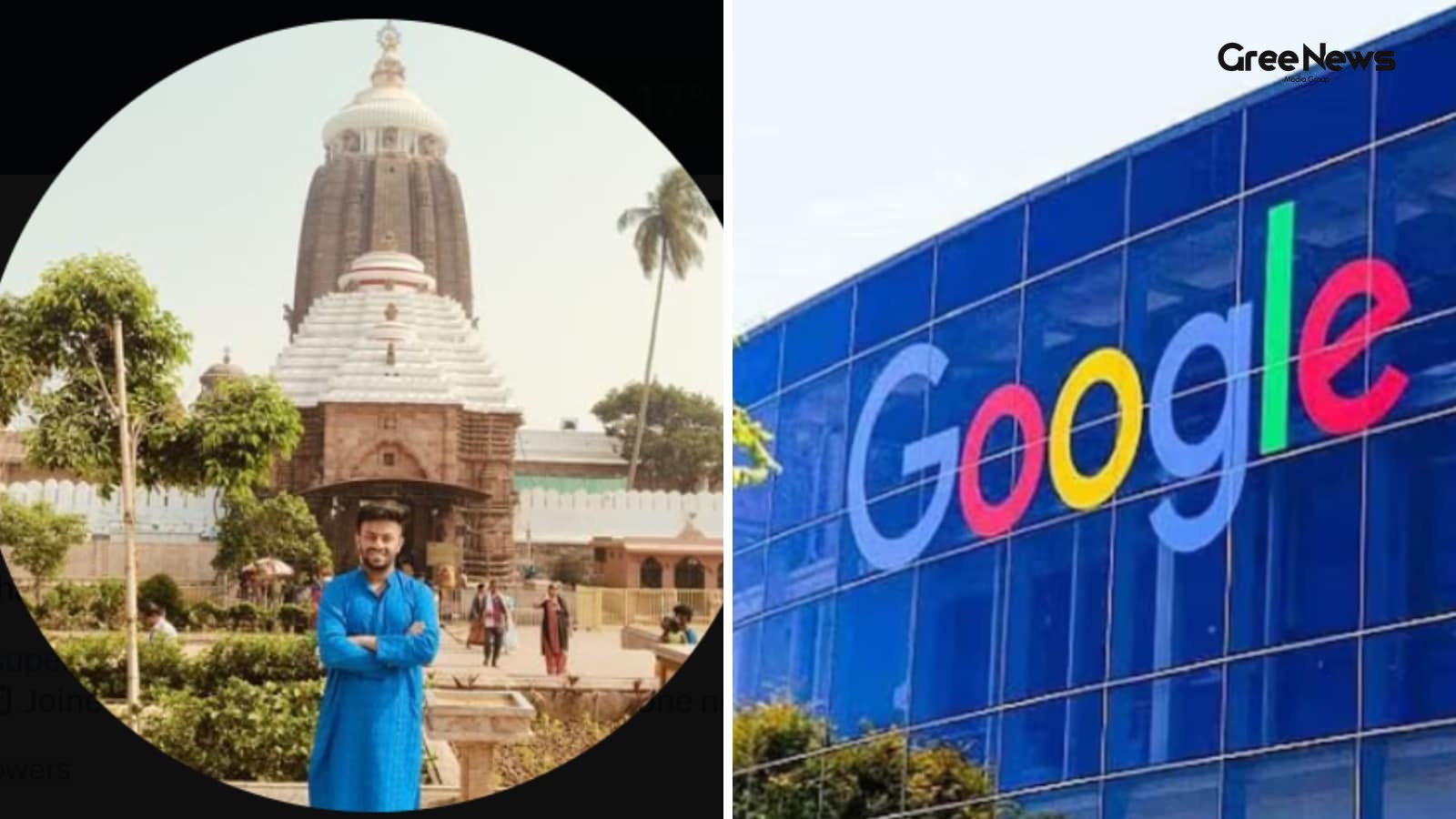
How to Land a Job at Top Tech Companies After Repeated Rejection
Getting rejected. Repeatedly. It can really make you start questioning everything when you’re trying to land a spot at those top tech companies. But one software engineer, Soumyadeep Paul, actually found that just sticking with it made all the difference in his career. He shared this story on X, tal
Jul 21, 2026 by Gree News Team

Seasonal Health Risks and Prevention for Kids
But honestly, it also signals a shift a time when kids get hit harder by infections. We’re seeing a noticeable spike across Delhi-NCR. Viral illnesses, stomach bugs, and those mosquito problems are up, especially among the little ones. Viral stuff first. The cold, coughs, sore throats, and viral fev
Jul 21, 2026 by Gree News Team
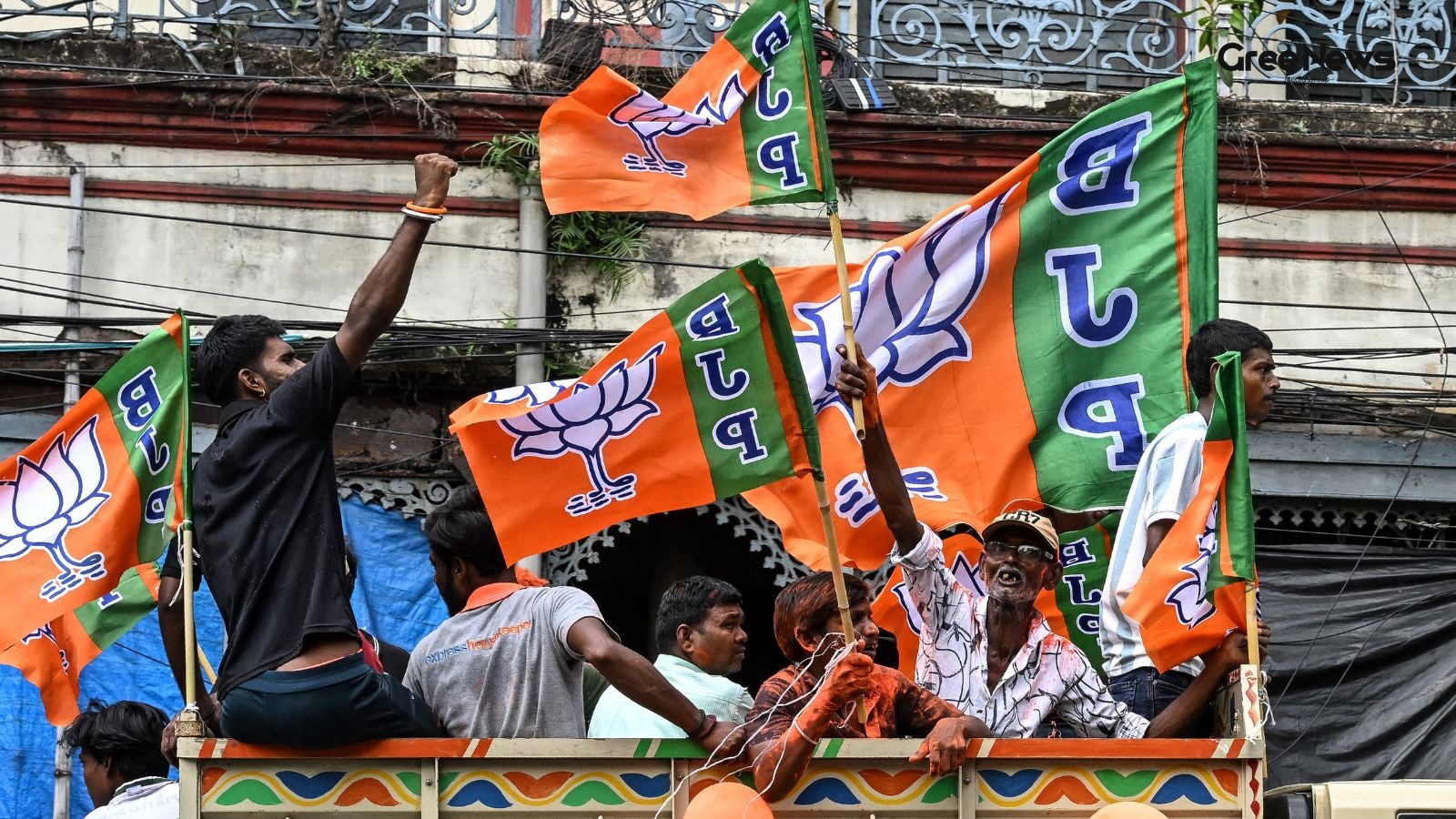
BJP's Pivot: Organizational Push for Mission 2027 in Uttar Pradesh
The BJP is trying to pivot now. After all the noise about the Ram Mandir donations, they’re slamming the brakes on that kind of political drama and jumping straight into election mode in Uttar Pradesh. It's an aggressive organizational push. They want to beef up the booth network way before the 2027
Jul 21, 2026 by Gree News Team
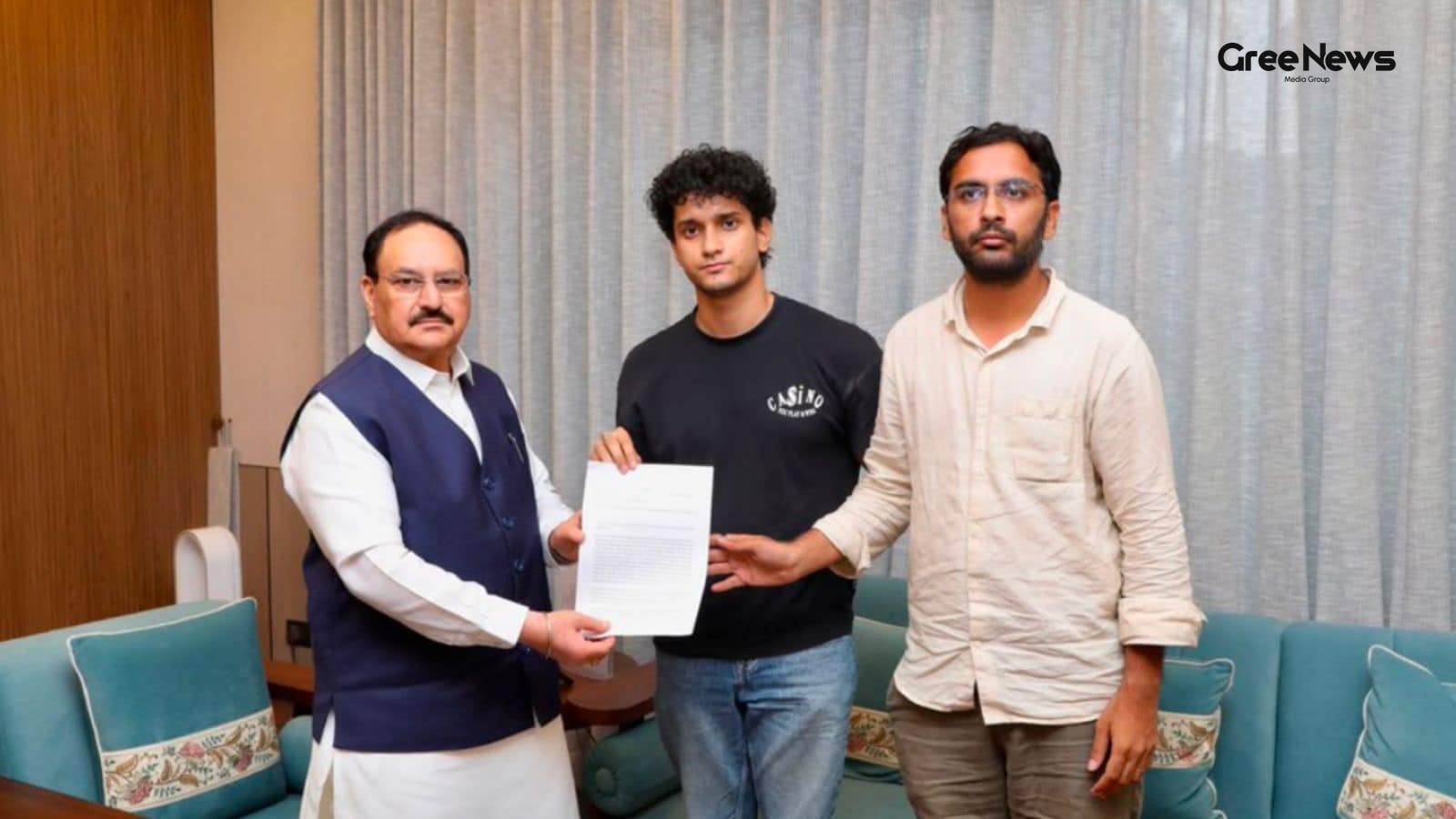
Union Health Minister's Response to NEET Paper Leak Protests
A day after that meeting with the Cockroach Janta Party delegation about the fallout from those NEET paper leaks, Union Health Minister JP Nadda just said it was “good as usual.” “Thik rahi. Hamesha thik rehti hai,” he commented, according to ANI. It’s a very casual take for something that sounds so
Jul 21, 2026 by Gree News Team
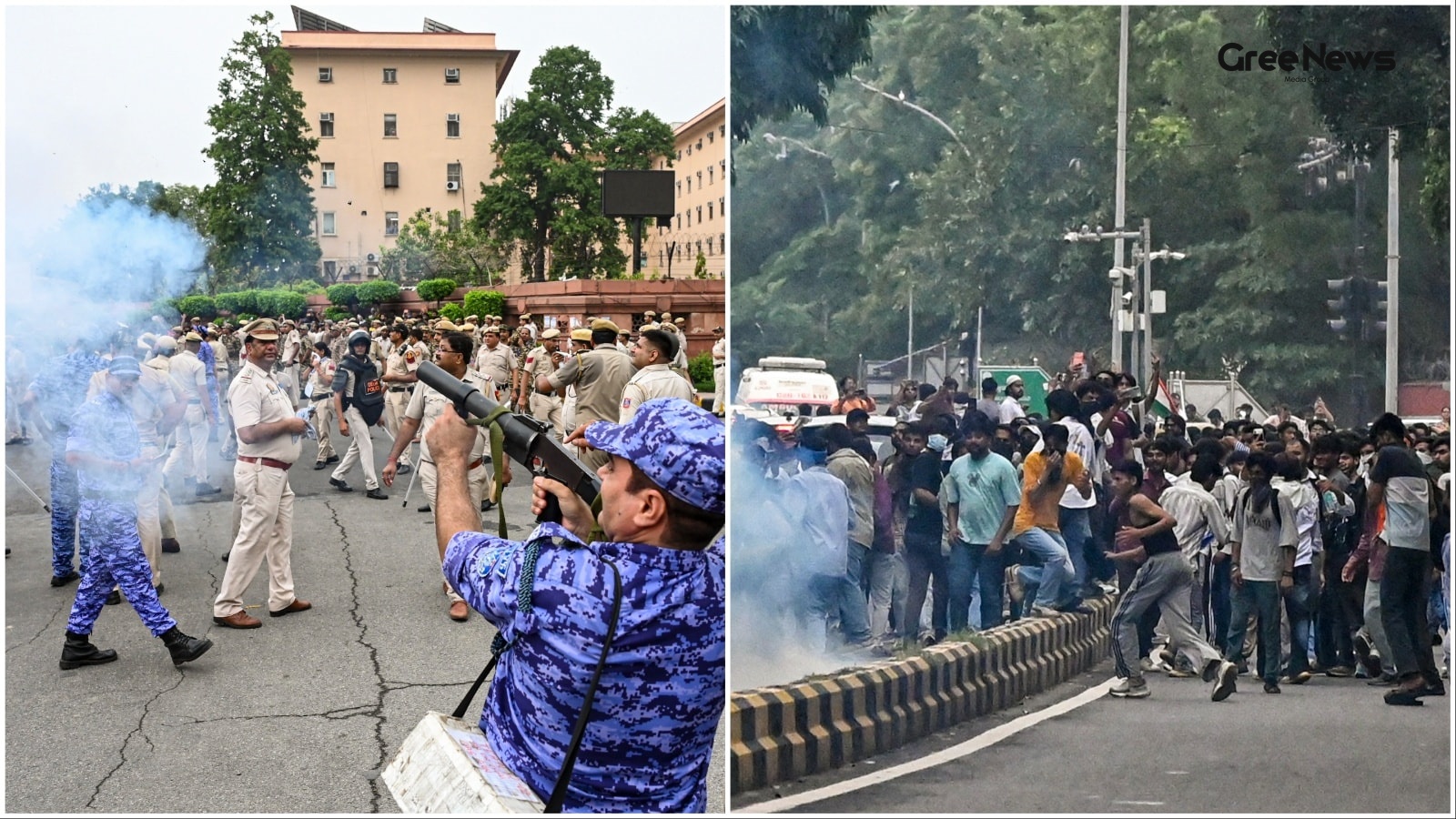
Sonam Wangchuk's Protest and Legal Action
Sonam Wangchuk’s protest stuffers. The agitation by the Cockroach Janta Party kept going into Tuesday. Delhi High Court is set to hear a petition now. It alleges the Delhi Police used way too much force against protesters at Jantar Mantar. Urgent listing before the court seems to be the next step. S
Jul 21, 2026 by Gree News Team
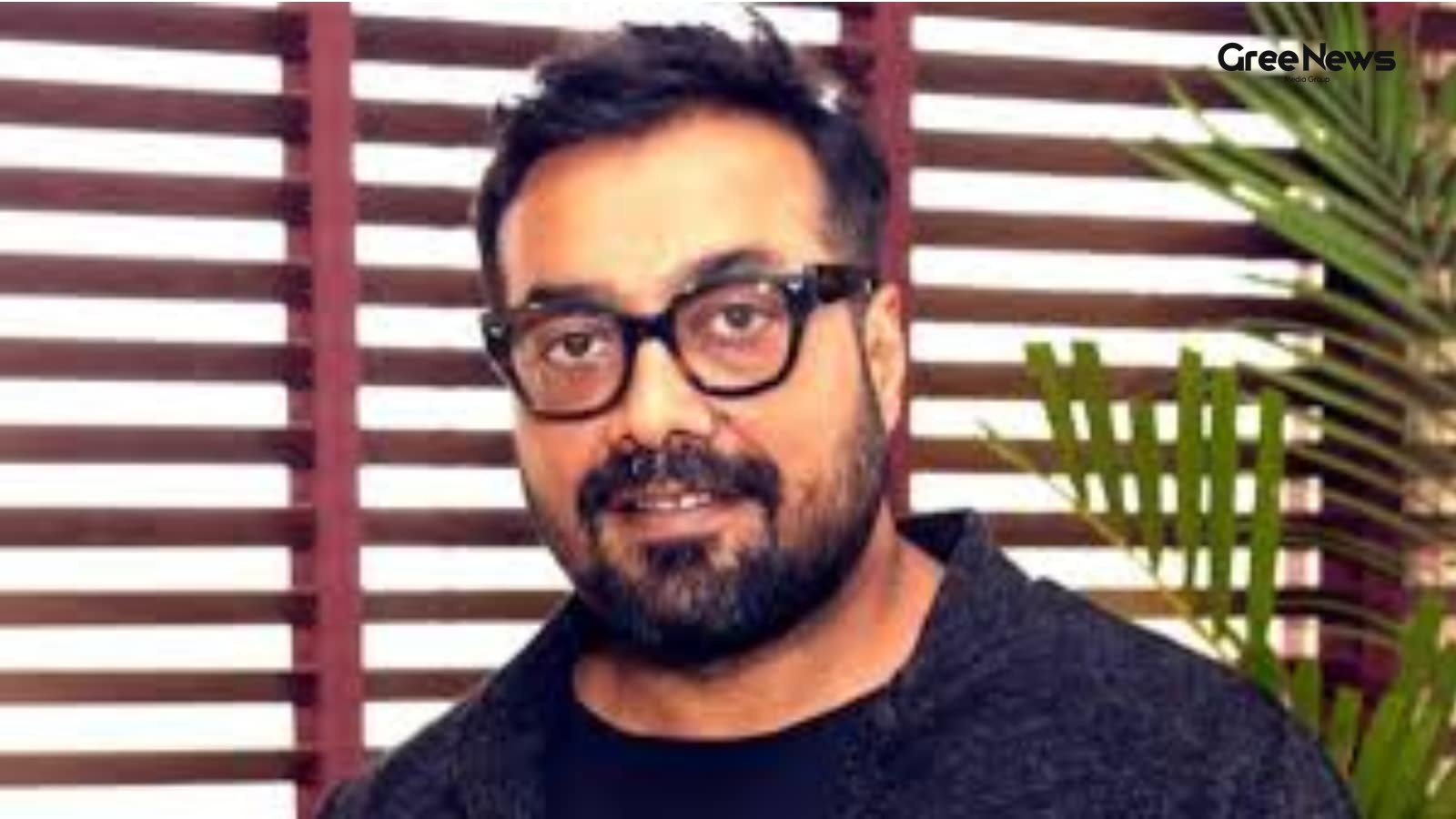
Clashes and Demands Surrounding the Delhi NEET Protest
Videos of those lathi charges, tear gas, all the clashes happening in Delhi over that NEET protest are just blowing up online now. People are really outraged by it. A lot of celebrities have weighed in too. Anurag Kashyap posted something on Instagram. He put out a strong message criticizing how the
Jul 21, 2026 by Gree News Team
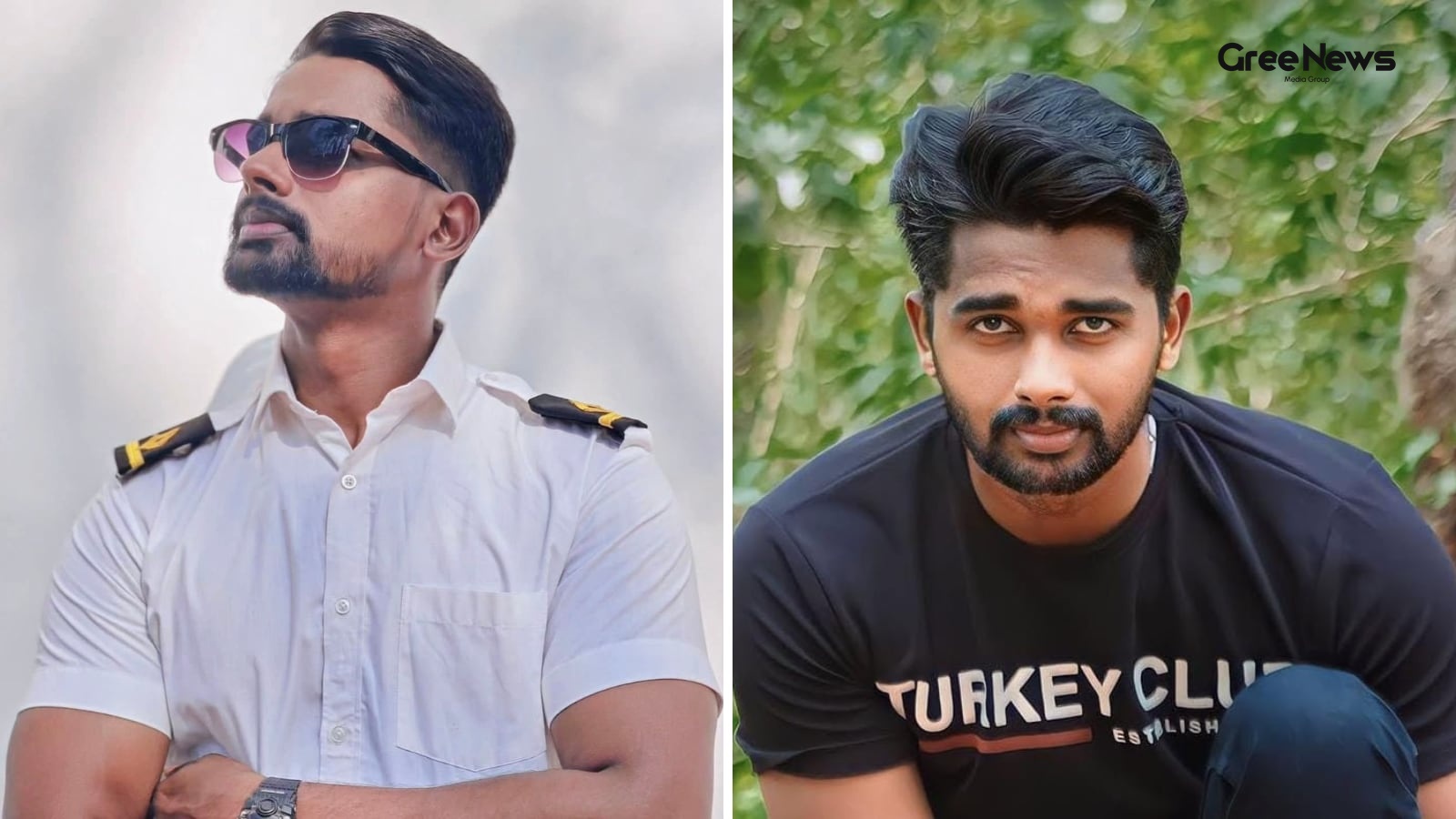
Attack on Commercial Vessel MV Golden Leo Amidst Russia-Ukraine Conflict
A commercial vessel named MV Golden Leo got attacked while heading out of Ukraine’s Odesa port amidst the ongoing Russia-Ukraine conflict. Nine crew members were killed in the incident. Four of those dead were Indian sailors. The deceased was Akhil Joyan, from Vellarikundu in Kerala's Kasaragod dist
Jul 21, 2026 by Gree News Team

India Calls Russian Charge d’Affaires to Moscow After Missile Attack on Merchant Ship
India called the Russian Charge d’Affaires to Moscow after a missile hit a merchant ship near Odesa. It was about the MV Golden Leo. Four Indian sailors were killed in that attack, and one got critically injured. This happened on the evening of July 19, when the vessel was trying to leave Odesa. The
Jul 21, 2026 by Gree News Team
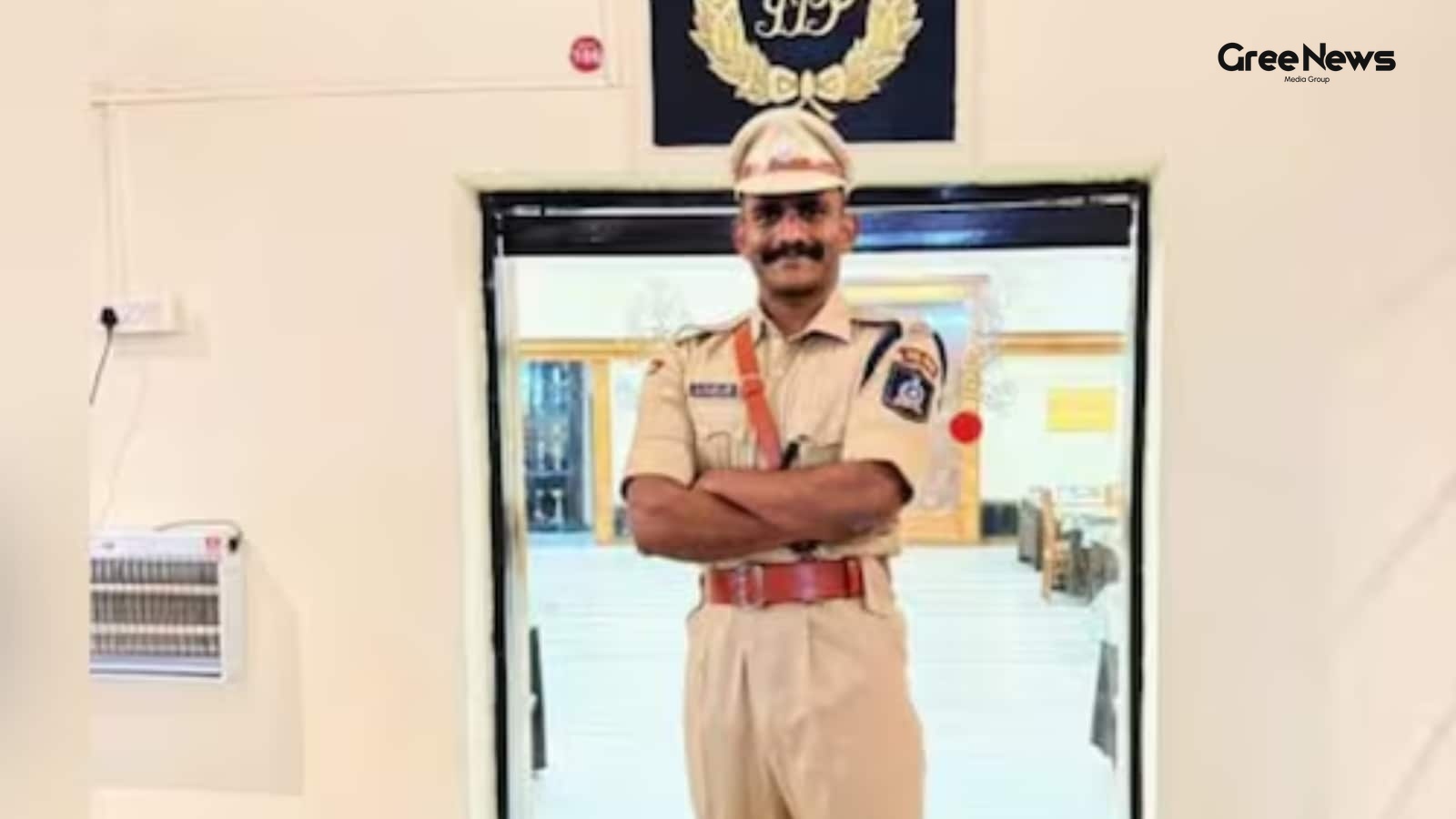
IPS Probationer Hospitalized Following Suicide Attempt and Allegations
An IPS probationer at Hyderabad’s Sardar Vallabhbhai Patel National Police Academy, he was hospitalized. Officials said this happened after a suspected suicide attempt. The trainee in question is Uday Krishna Reddy. He allegedly consumed poison at a friend’s place on Sunday evening. Authorities have
Jul 21, 2026 by Gree News Team
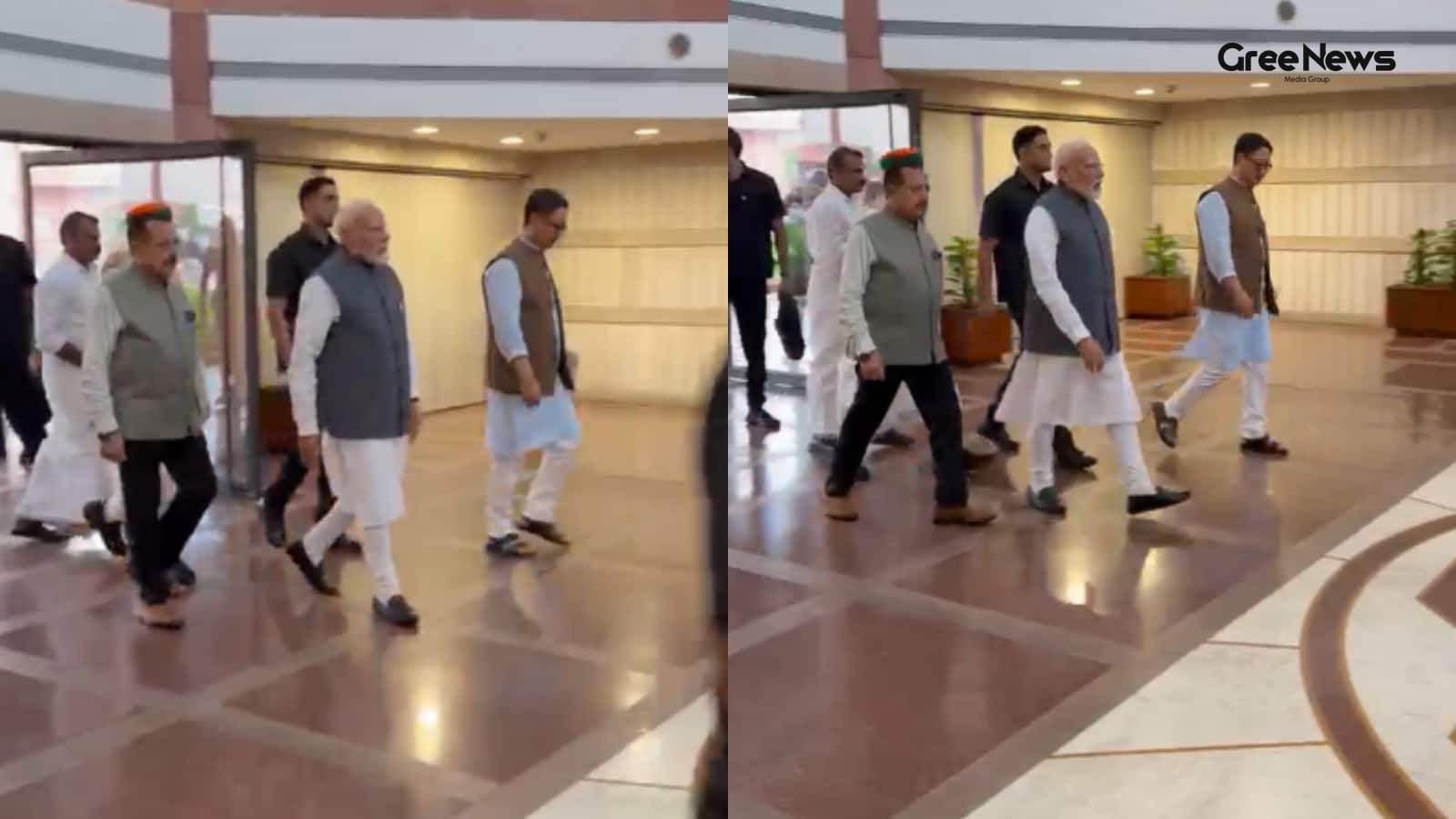
Events During the Monsoon Session and Student Protests
The Monsoon Session kicked off Tuesday. It wasn't smooth, not at all. Prime Minister Modi got together the NDA floor leaders for what they called ‘Mangal Milan’. Just a huddle, but it felt heavy with something else. While that was happening in the Parliament Library Building, there were other things
Jul 21, 2026 by Gree News Team
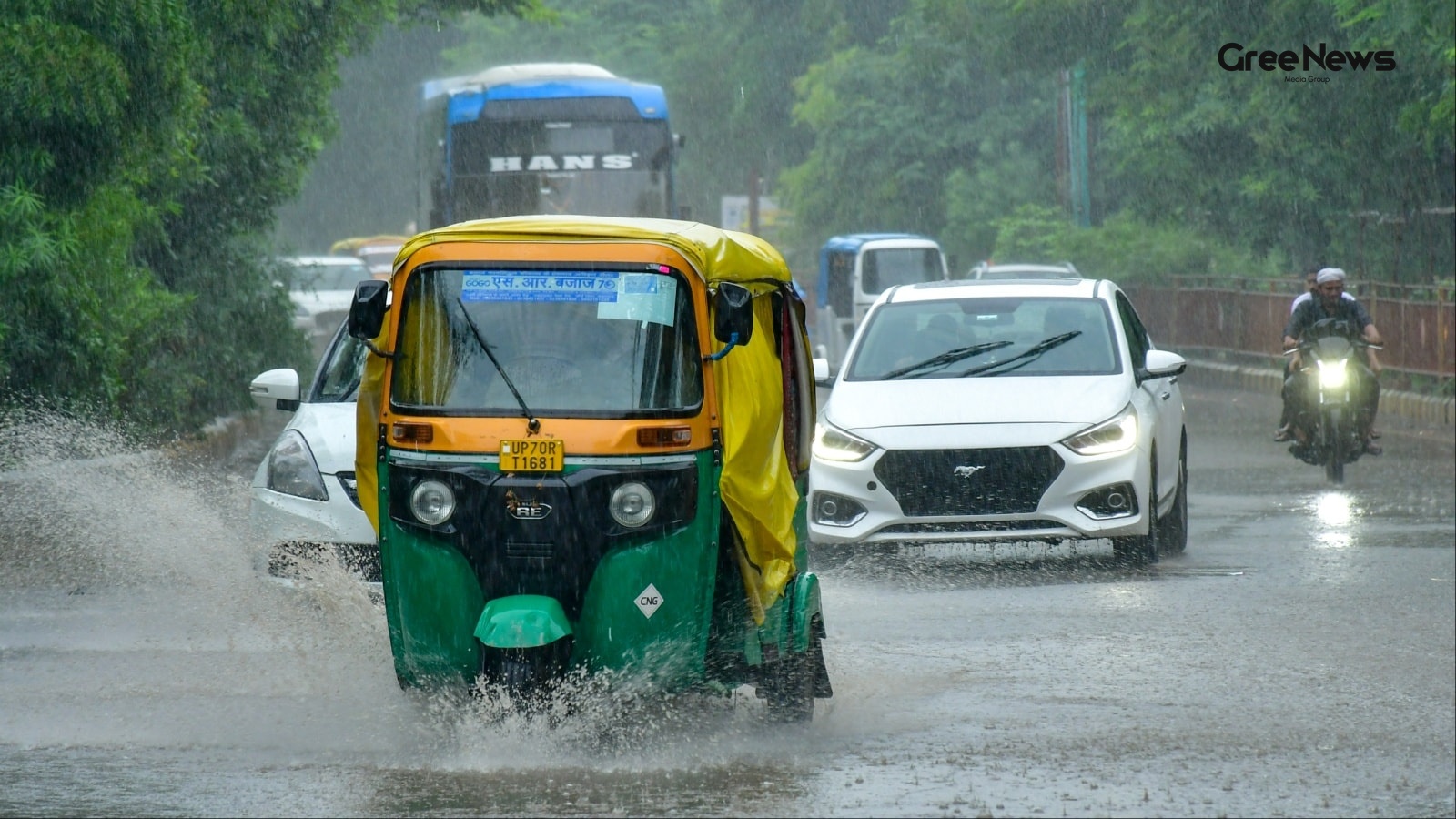
Monsoon Warnings and Disaster Risks Across India
The monsoon spell is kicking in hard across India. The India Meteorological Department just issued warnings about active, heavy rainfall sweeping through large parts of the country now, forecasting serious deluge over several northern, eastern, northeastern and western states over the next few days.
Jul 20, 2026 by Gree News Team

JD Vance Announces Fourth Child and Family Milestone
JD Vance just announced he had a fourth child. A son named Alec Neel Vance, with his wife Usha Vance. It came out in a statement shared online. He said everything was fine. The mother and the baby are happy and healthy. "Usha and the baby are happy and healthy," Vance wrote. "Our kids are overjoyed
Jul 20, 2026 by Gree News Team