How to Land a Job at Top Tech Companies After Repeated Rejection
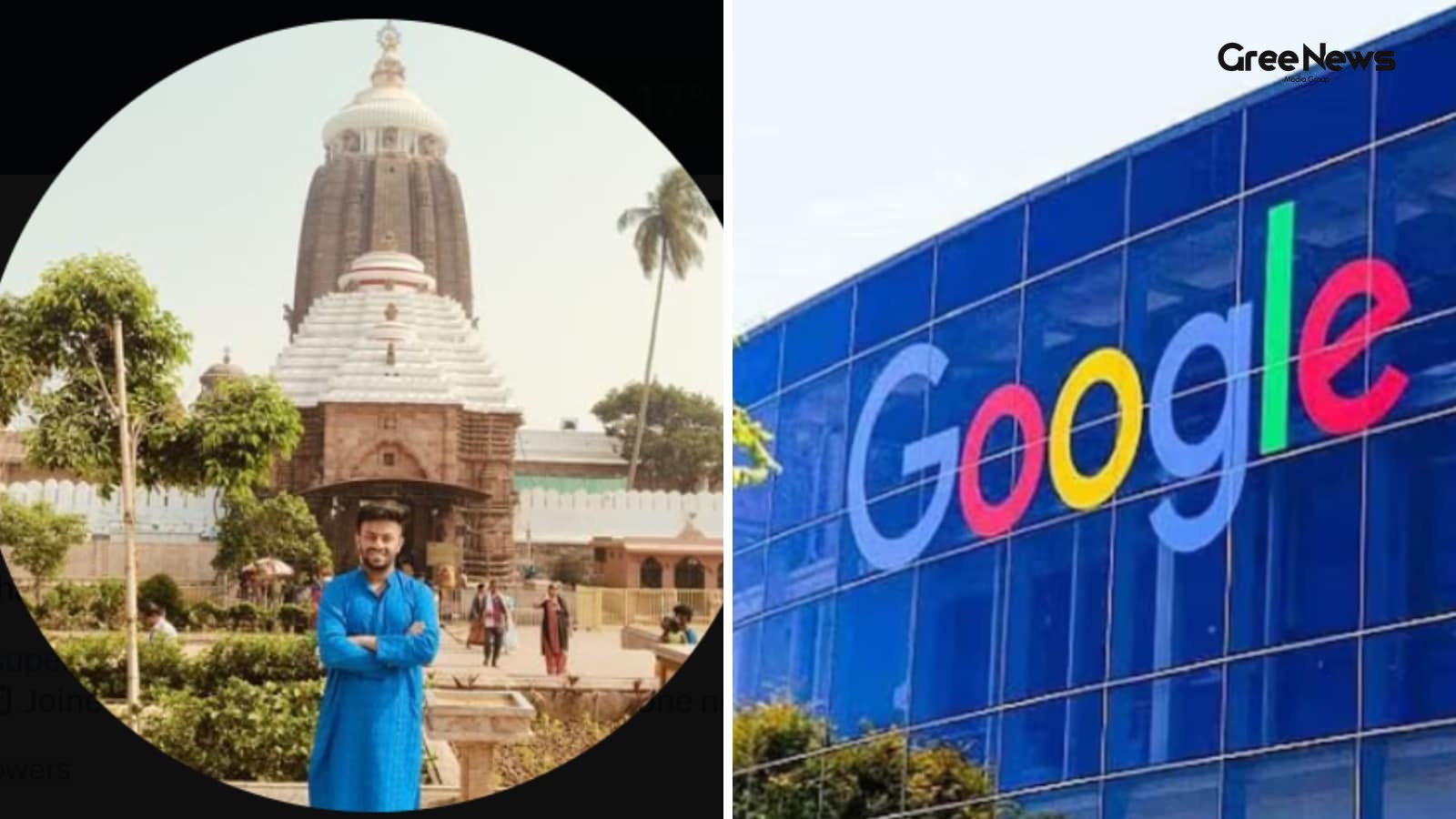
Getting rejected. Repeatedly. It can really make you start questioning everything when you’re trying to land a spot at those top tech companies. But one software engineer, Soumyadeep Paul, actually found that just sticking with it made all the difference in his career.
He shared this story on X, talking about how he navigated that whole rejection cycle. It sounds intense. After facing rejection after rejection, he finally landed a job at Google on his thirteenth attempt. That post sort of got people going it encouraged everyone else to keep applying instead of just throwing in the towel.
He Kept Applying AnywaySoumyadeep Paul took to social media to lay out his journey, how he broke into some of the biggest tech firms out there. He mentioned that Google rejected him twelve times before they finally offered him a role. That’s a lot of back and forth just to get started.
“I got into Google after getting rejected 12 times. The thirteenth time was the charm,” he wrote. Paul stressed that it wasn't just Google, though. He said that was the whole story.
He dug deeper into the rejection timeline for other big names. Amazon hired him only after rejecting him three times. Microsoft finally offered him a spot after sixteen rejections. But there were others... Apple? Oracle?
“Not just Google, Amazon got the offer after three rejections. Microsoft sixteen rejections. And Apple and Oracle? Never even got a call back,” he wrote. The silence from some places felt almost as frustrating as the outright refusals.
Then came his advice. What actually helped him through all that noise? He admitted that getting into these leading tech companies is “literally a numbers game.”
“You have to keep applying with referrals and work hard enough to keep luck in your corner,” he wrote. But he wasn't just talking about sheer persistence. There was strategy too. He warned people not to just blindly hit 'submit.' You need to check if what you bring actually fits the job requirements first.
“Don’t apply to jobs just randomly. See if there is a legitimate fit between your resume and the job requirements,” he said. That part felt really practical, less about luck and more about actual assessment.
He then pivoted to networking. This seemed like another huge piece of the puzzle for him. He suggested using his professional connections. People who actually work at those target companies.
“If you have friends working there, then get emails of HRs and mail them directly with the job ID and your resume after applying,” he wrote. It felt a little aggressive, maybe a bit out there, but that’s how he saw it. Reach out to hiring managers on LinkedIn too.
He admitted he hadn't personally done this exact thing, but he had seen others succeed using that method. “Also message managers of your target companies on LinkedIn. That may also open some doors if you’re lucky. Though I haven’t done this ever but I’ve seen people succeed with this,” he added.
The reactions online were immediate. People flooded the comments, congratulating him on making it and asking serious questions about the actual interview process. One user asked something sharp: “Are those twelve rejections at the short-listing level? Or did you actually go through some rounds of interviews?”
Another comment hit the mark regarding the core issue. They questioned if persistence alone was truly enough for these elite spots. Someone wrote, “It’s not a number game; it’s just they need big names in your resume. A fresher needs at least an ICPC or a Tier 1 college even with a referral. An experienced guy needs some big MNC names like Amazon, Microsoft or something like that.”
It felt like a direct rebuttal to the idea that sheer grit solves everything. There was a pushback there, suggesting pediGree mattered more than just relentless application volume.
But others were just offering support. “Congratulations bro. best wishes for your new journey,” one wrote.
Then came a slightly different kind of curiosity a demand for inside knowledge. Someone else asked something maybe a little too pointed: “GL bro could you give insights on your resume that actually crashed it?”
The whole exchange showed how messy this pursuit is. It’s not just about the number of rejections or the persistence itself. It's about navigating layers the luck, the skills assessment, and those invisible connections. It forces you to look at what truly matters when chasing something so elusive in the tech world.
Written by Gree News Team — Senior Editorial Board
Gree News Team covers international news and global affairs at Gree News. Our collective of senior editors is dedicated to providing independent, accurate, and responsible journalism for a global audience.
More from Top News
View All
The Financial Cost of Missing Linens on Indian Railways
Most people probably just grab a railway towel or blanket and think it’s a free souvenir. But there’s another side to that picture, a cost someone else ends up paying for. A viral clip surfaced recently showing Amit Yadav, an attendant on Indian Railways trains. He handles the distribution and colle
Jul 17, 2026 by Gree News Team

Cab Ride Dispute and Safety Concerns in Pune
Three women were riding in an app cab when everything went sideways. The driver just asked them to make room for his male friend. It all happened late at night, somewhere in Pune, Maharashtra. He gave them two choices: get off right there or deal with his friend. They both refused. They questioned w
Jul 17, 2026 by Gree News Team
Panshul Bansal's NEET 2026 Success Story and Study Routine
Panshul Bansal just hit the internet hard. Seriously. The moment he found out he snagged All India Rank 2 in NEET 2026 is completely melting hearts right now. It’s all over social media. An Instagram video from Allen Delhi caught the raw emotional celebration happening at home. You see him, sitting
Jul 17, 2026 by Gree News Team

Fight Over Fare Money Between Cab Driver and Passenger Goes Viral
A fight over fare money between a cab driver and a female passenger has blown up online, going viral across the internet. It all started after a ride from Noida to Laxmi Nagar in Delhi ended badly. Both sides spilled different versions of what actually happened once that trip was over. The clip itse
Jul 17, 2026 by Gree News Team
Latest Headlines
3 Idiots Re-release and Controversy
The plan for *3 Idiots* is finally shifting. Aamir Khan’s big birthday film festival gave us a taste of some classics, but one thing was missing: that huge hit. Now it’s coming back. It’s set for September 4th, 2026. That's the date Bollywood Hungama mentioned, tied to NH Studioz plans after they pi
Jul 21, 2026 by Gree News Team
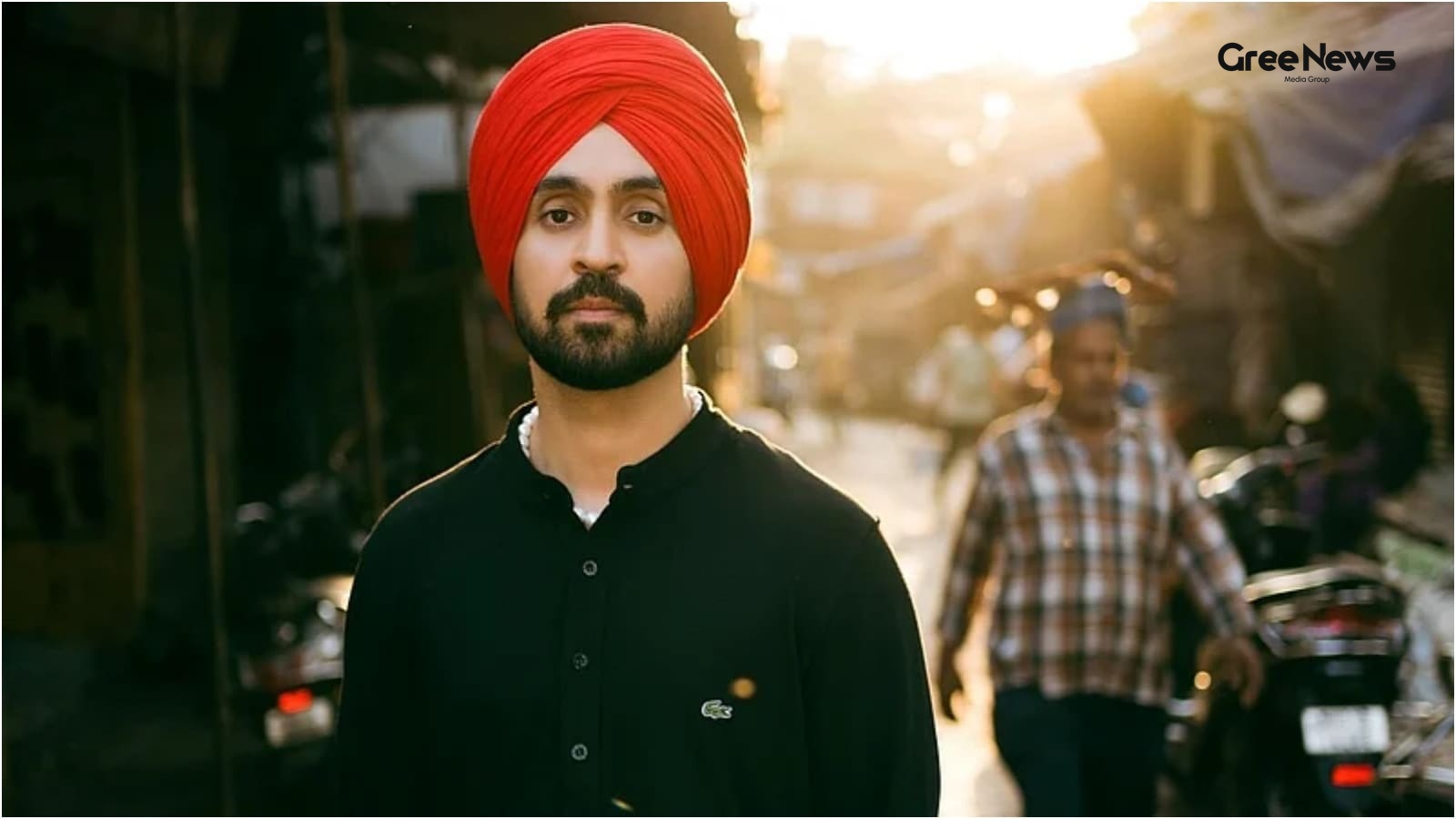
Artist Discusses Criticism and Political Pushback
There was the chaos there. He also opened up about past criticism he’d dealt with. Talking about being labeled ‘anti-national’. He said he’d been tagged that way multiple times already and now, even after things like the Farmers’ Protest, he faced massive pushback and legal headaches. Stuff he just
Jul 21, 2026 by Gree News Team

Murder Investigation and Confession in Kalyan
A woman allegedly killed her live-in partner. Thirty-seven years old. He was chopped up and stuffed into a sack before being dumped in the bathroom of their rented flat in Thane’s Kalyan. Then she just fled, heading to Kolkata. Days later, she sent a voice note to the landlord confessing everything.
Jul 21, 2026 by Gree News Team

Seasonal Health Risks and Prevention for Kids
But honestly, it also signals a shift a time when kids get hit harder by infections. We’re seeing a noticeable spike across Delhi-NCR. Viral illnesses, stomach bugs, and those mosquito problems are up, especially among the little ones. Viral stuff first. The cold, coughs, sore throats, and viral fev
Jul 21, 2026 by Gree News Team
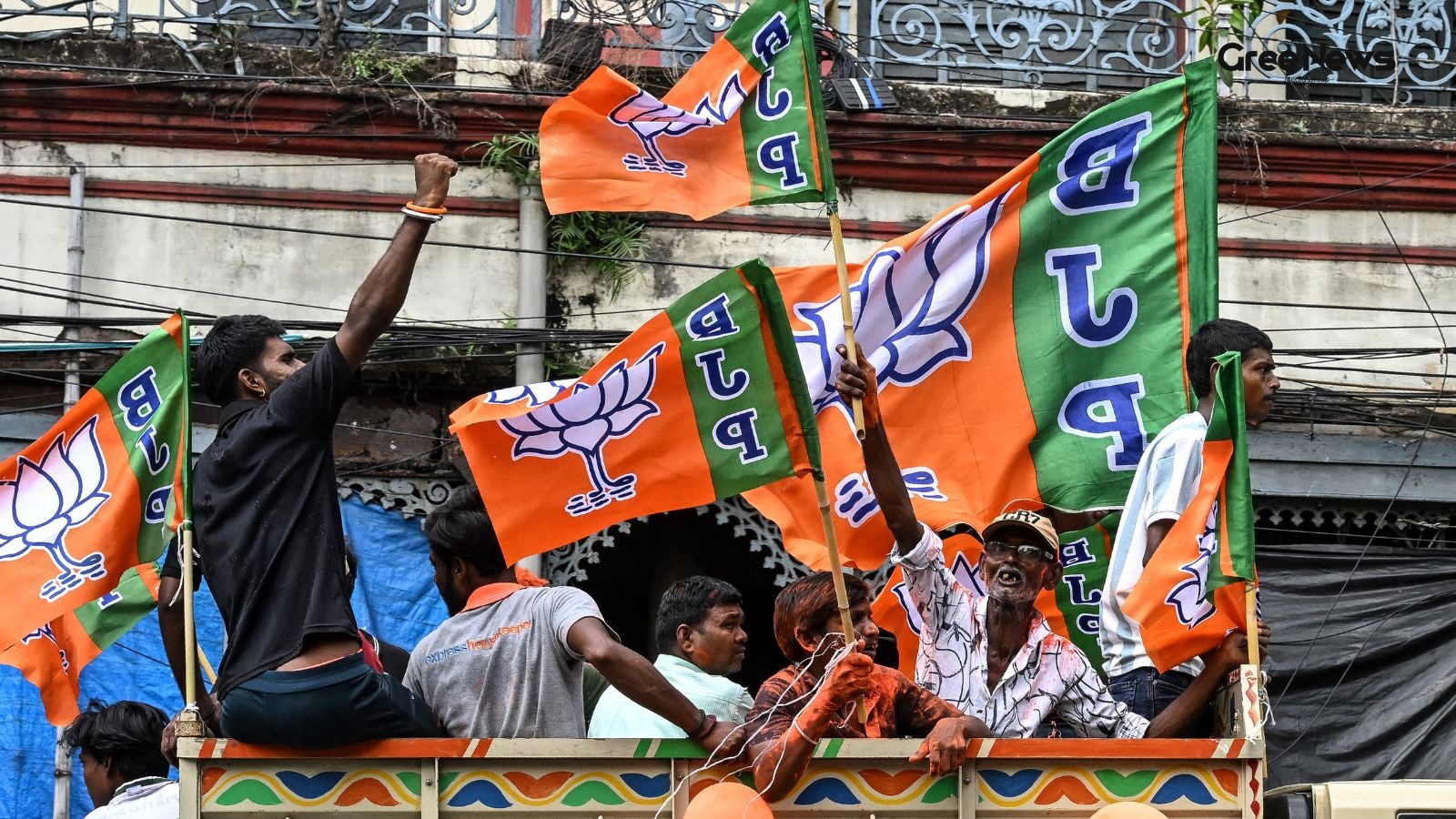
BJP's Pivot: Organizational Push for Mission 2027 in Uttar Pradesh
The BJP is trying to pivot now. After all the noise about the Ram Mandir donations, they’re slamming the brakes on that kind of political drama and jumping straight into election mode in Uttar Pradesh. It's an aggressive organizational push. They want to beef up the booth network way before the 2027
Jul 21, 2026 by Gree News Team

Alphabet's New Server Chip and the AI Efficiency Race
Alphabet, Google’s parent company, is reportedly designing a new server chip. It’s all about making their in-house Gemini models run way more efficiently. They're calling it something internal "Frozen v2." And the timeline? Some reports, citing anonymous sources from *The Information*, are pointing
Jul 21, 2026 by Gree News Team
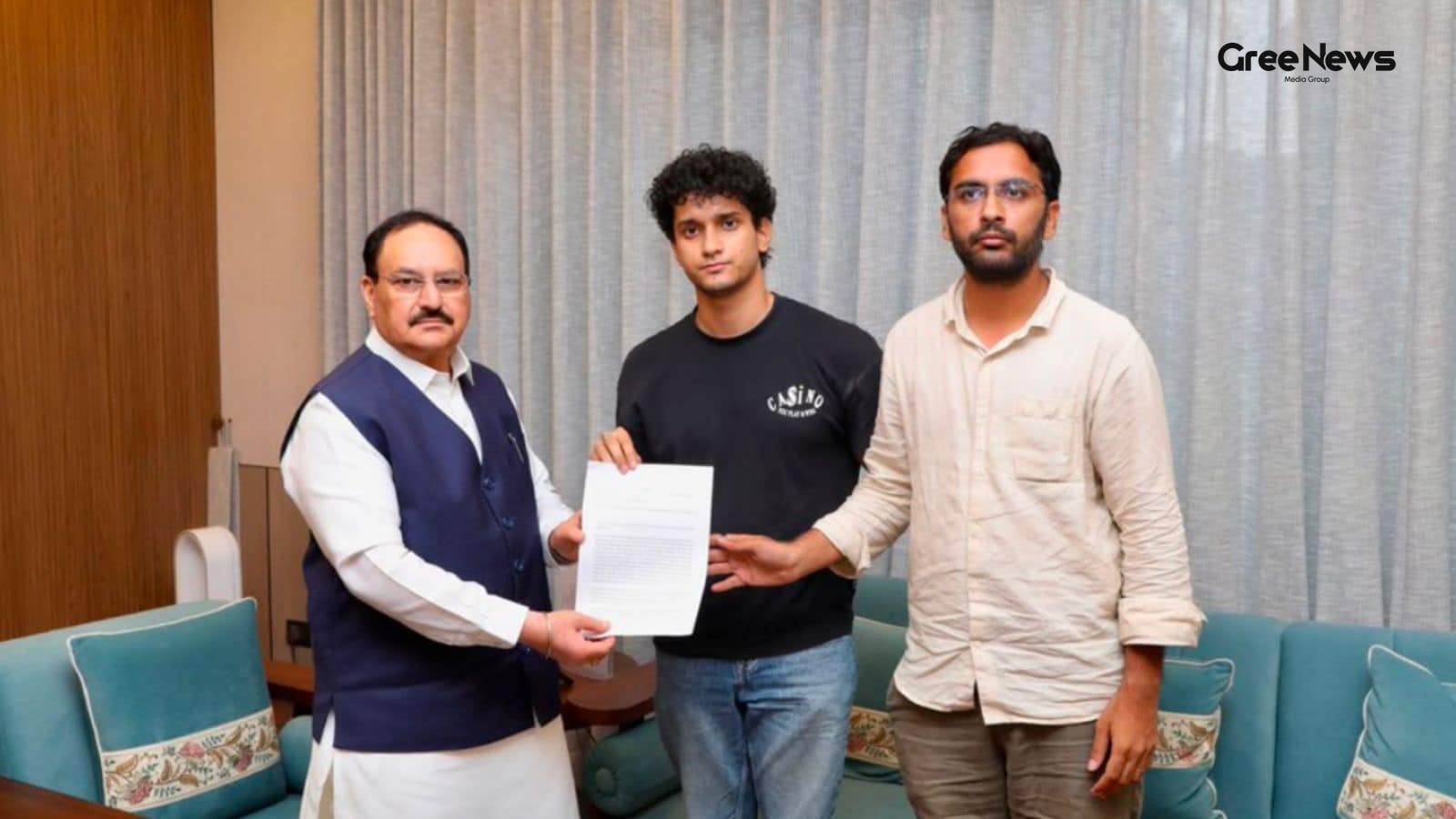
Union Health Minister's Response to NEET Paper Leak Protests
A day after that meeting with the Cockroach Janta Party delegation about the fallout from those NEET paper leaks, Union Health Minister JP Nadda just said it was “good as usual.” “Thik rahi. Hamesha thik rehti hai,” he commented, according to ANI. It’s a very casual take for something that sounds so
Jul 21, 2026 by Gree News Team
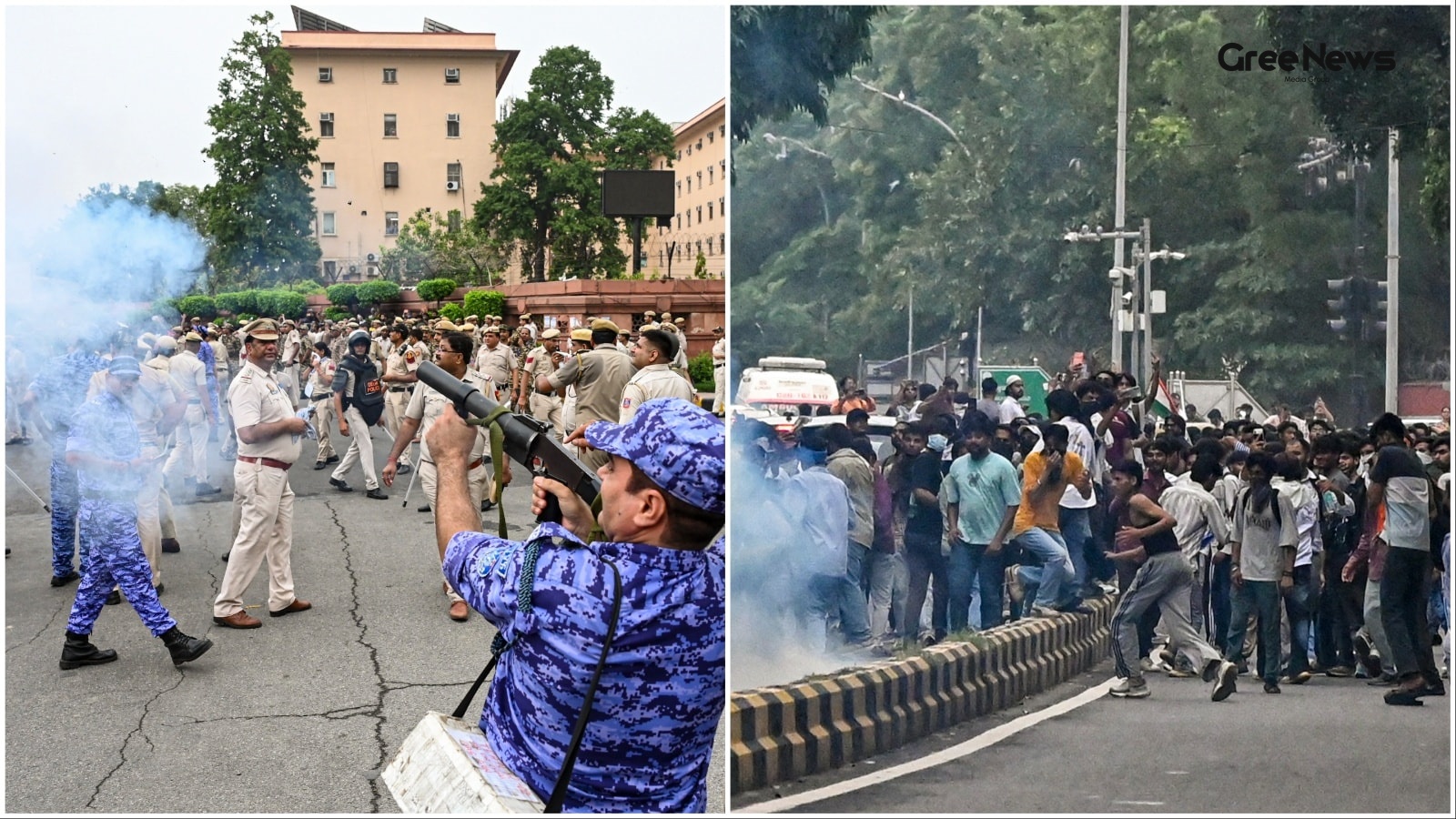
Sonam Wangchuk's Protest and Legal Action
Sonam Wangchuk’s protest stuffers. The agitation by the Cockroach Janta Party kept going into Tuesday. Delhi High Court is set to hear a petition now. It alleges the Delhi Police used way too much force against protesters at Jantar Mantar. Urgent listing before the court seems to be the next step. S
Jul 21, 2026 by Gree News Team
Clashes and Demands Surrounding the Delhi NEET Protest
Videos of those lathi charges, tear gas, all the clashes happening in Delhi over that NEET protest are just blowing up online now. People are really outraged by it. A lot of celebrities have weighed in too. Anurag Kashyap posted something on Instagram. He put out a strong message criticizing how the
Jul 21, 2026 by Gree News Team
Attack on Commercial Vessel MV Golden Leo Amidst Russia-Ukraine Conflict
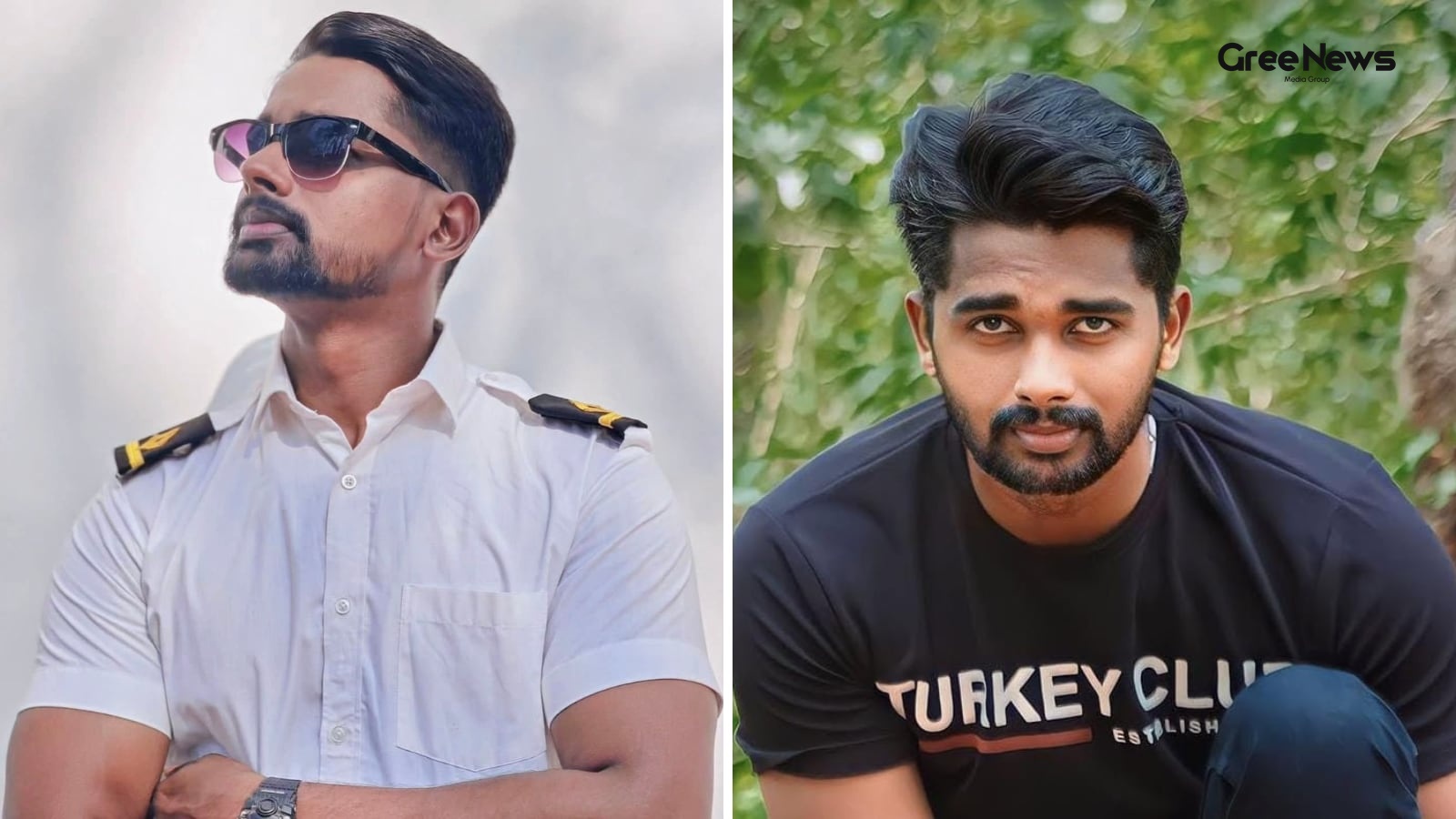
A commercial vessel named MV Golden Leo got attacked while heading out of Ukraine’s Odesa port amidst the ongoing Russia-Ukraine conflict. Nine crew members were killed in the incident. Four of those dead were Indian sailors. The deceased was Akhil Joyan, from Vellarikundu in Kerala's Kasaragod dist
Jul 21, 2026 by Gree News Team

India Calls Russian Charge d’Affaires to Moscow After Missile Attack on Merchant Ship
India called the Russian Charge d’Affaires to Moscow after a missile hit a merchant ship near Odesa. It was about the MV Golden Leo. Four Indian sailors were killed in that attack, and one got critically injured. This happened on the evening of July 19, when the vessel was trying to leave Odesa. The
Jul 21, 2026 by Gree News Team
IPS Probationer Hospitalized Following Suicide Attempt and Allegations
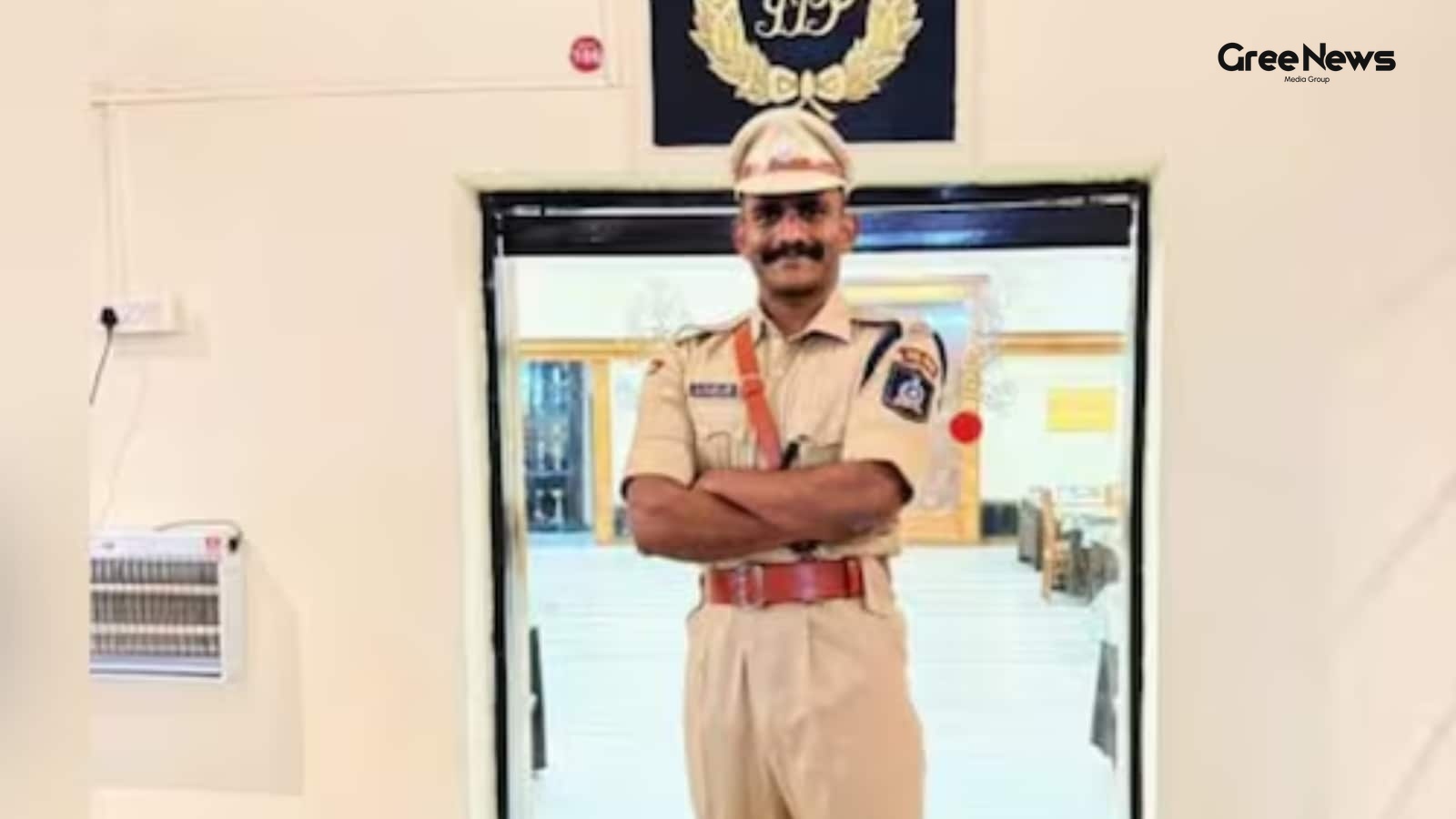
An IPS probationer at Hyderabad’s Sardar Vallabhbhai Patel National Police Academy, he was hospitalized. Officials said this happened after a suspected suicide attempt. The trainee in question is Uday Krishna Reddy. He allegedly consumed poison at a friend’s place on Sunday evening. Authorities have
Jul 21, 2026 by Gree News Team
Events During the Monsoon Session and Student Protests
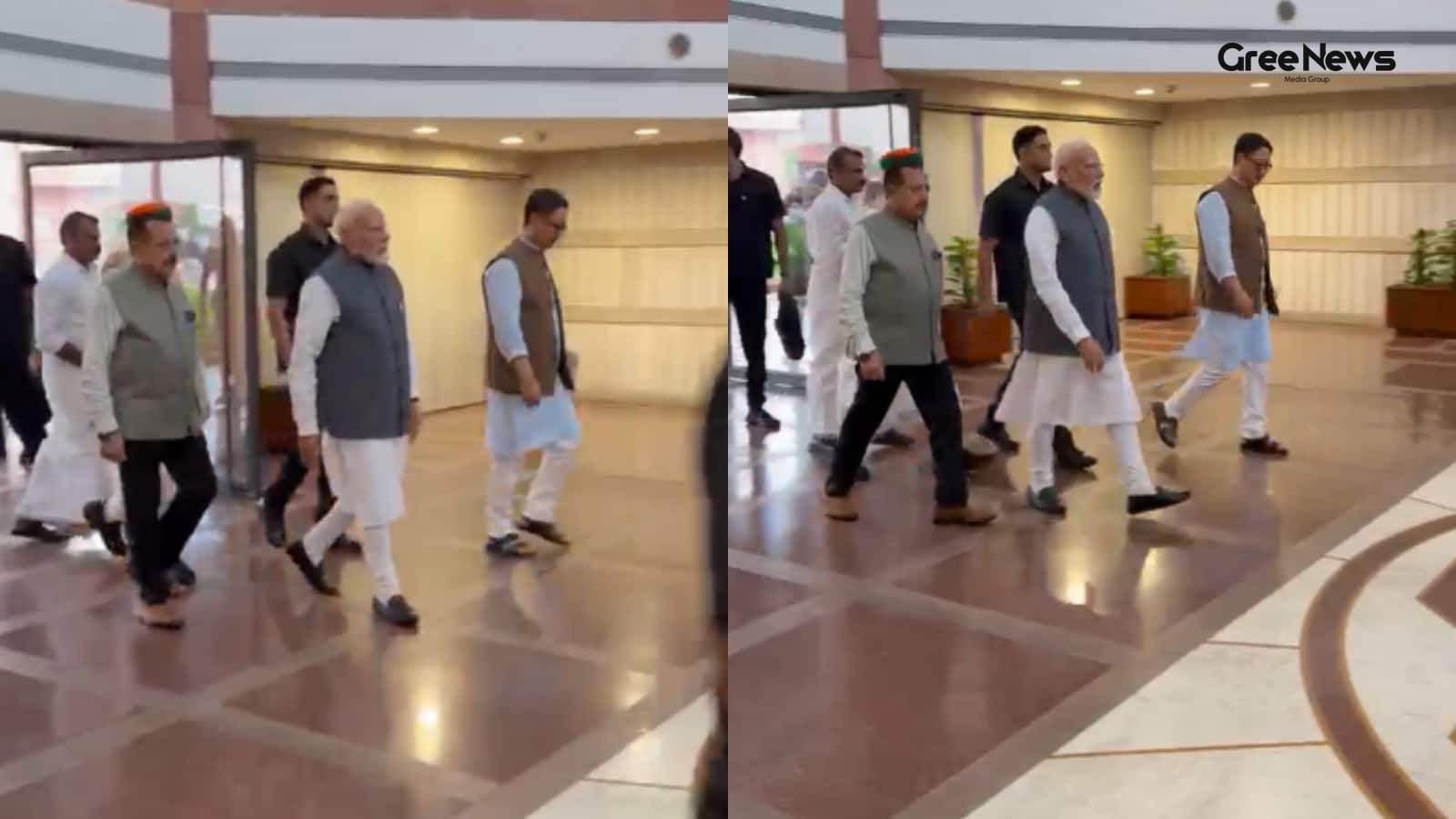
The Monsoon Session kicked off Tuesday. It wasn't smooth, not at all. Prime Minister Modi got together the NDA floor leaders for what they called ‘Mangal Milan’. Just a huddle, but it felt heavy with something else. While that was happening in the Parliament Library Building, there were other things
Jul 21, 2026 by Gree News Team

Monsoon Warnings and Disaster Risks Across India
The monsoon spell is kicking in hard across India. The India Meteorological Department just issued warnings about active, heavy rainfall sweeping through large parts of the country now, forecasting serious deluge over several northern, eastern, northeastern and western states over the next few days.
Jul 20, 2026 by Gree News Team

JD Vance Announces Fourth Child and Family Milestone
JD Vance just announced he had a fourth child. A son named Alec Neel Vance, with his wife Usha Vance. It came out in a statement shared online. He said everything was fine. The mother and the baby are happy and healthy. "Usha and the baby are happy and healthy," Vance wrote. "Our kids are overjoyed
Jul 20, 2026 by Gree News Team